
A one-percent increase in customer dwell time correlates with a 1.3% increase in sales. That single statistic explains why forward-thinking business owners are seeing AV system design as a strategic investment.
In an industry projected to reach $402 billion globally by 2030, the businesses that win are those that understand a fundamental truth: audiovisual technology is the art of engineering experiences that make customers stay longer, spend more and return often.
At Crunchy Tech, our in-house engineers approach every AV project with one question: how can this design make your location more profitable?
You could be opening a new restaurant, refreshing a hotel conference center or standardizing AV across a franchise network. Either way, the answer always starts with strategic design that considers every corner of your space.
Why Professional AV System Design Matters More Than Ever
The professional AV market reached $321 billion in 2024 and continues growing at a compound annual rate of 3.9%. This growth reflects something business owners are discovering firsthand: thoughtful AV design systems directly impact customer behavior and business outcomes.
According to AVIXA's AV Industry Outlook, two forces are driving demand: (1) the hybrid workplace and (2) the experience economy.
For hospitality and retail businesses, the experience economy is particularly relevant. Consider what happens when AV design is treated secondarily:
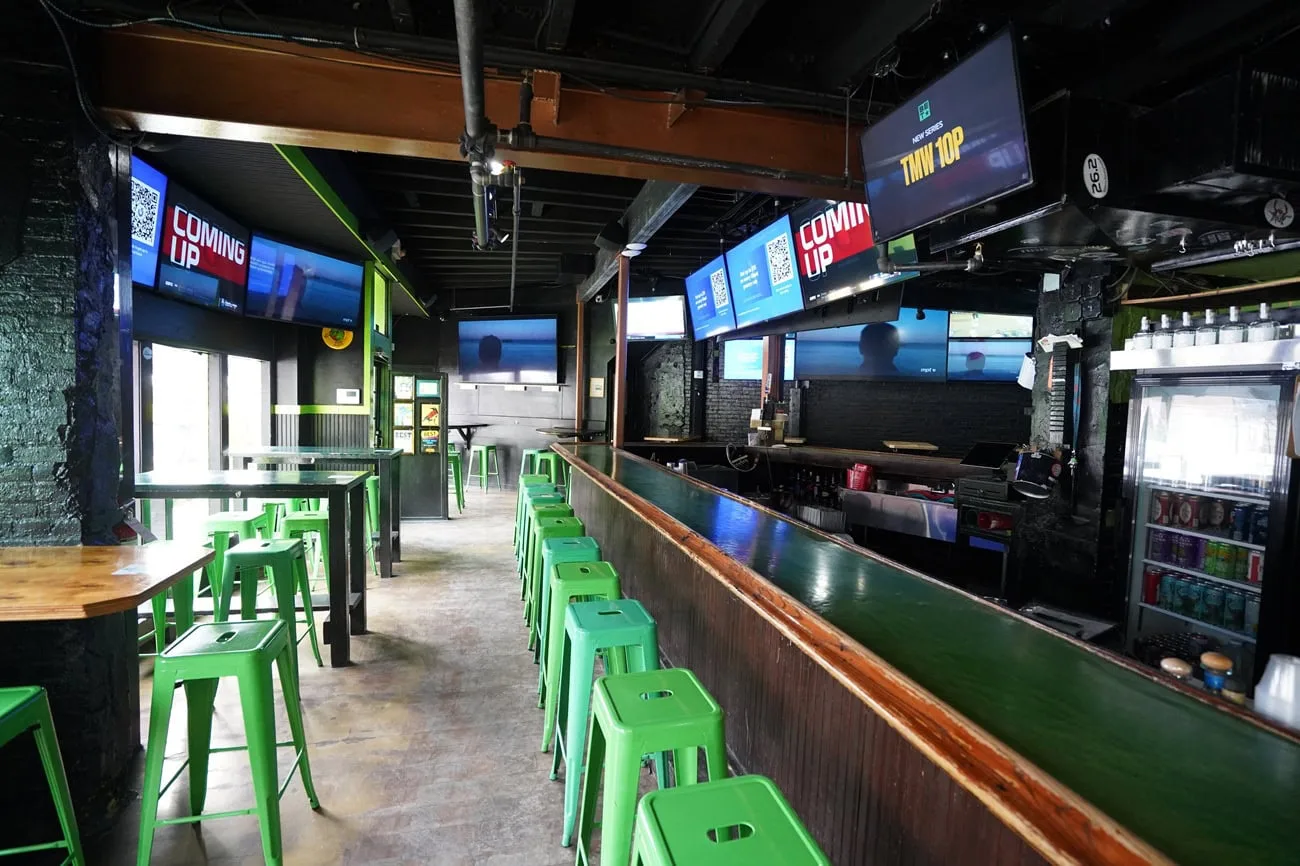
- A sports bar installs consumer-grade televisions without considering sight lines, leaving customers craning their necks or unable to see the game.
- A restaurant adds speakers without acoustic planning, forcing diners to shout over their meals.
- A hotel conference room lacks proper video conferencing integration, embarrassing corporate clients during important presentations.
These scenarios happen daily and they cost businesses customers.
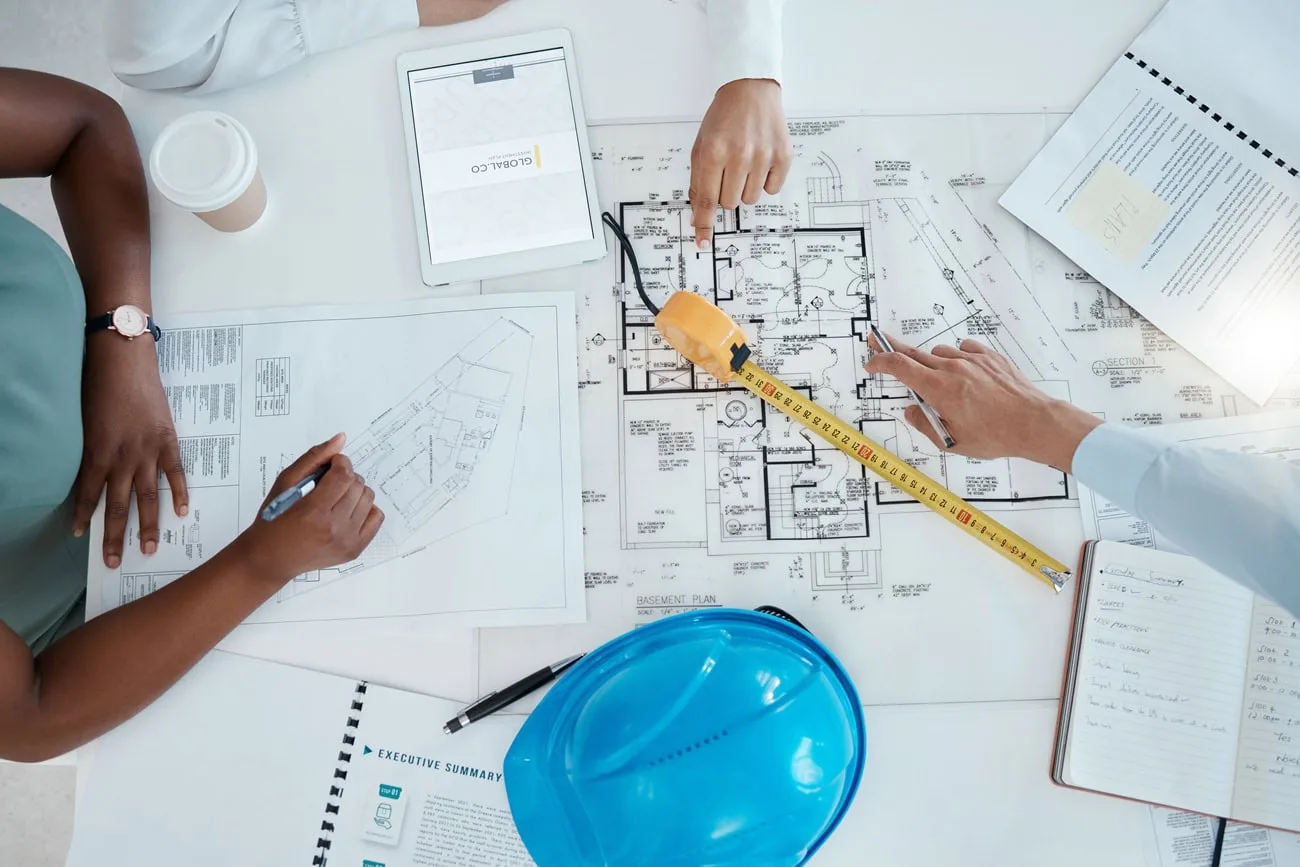
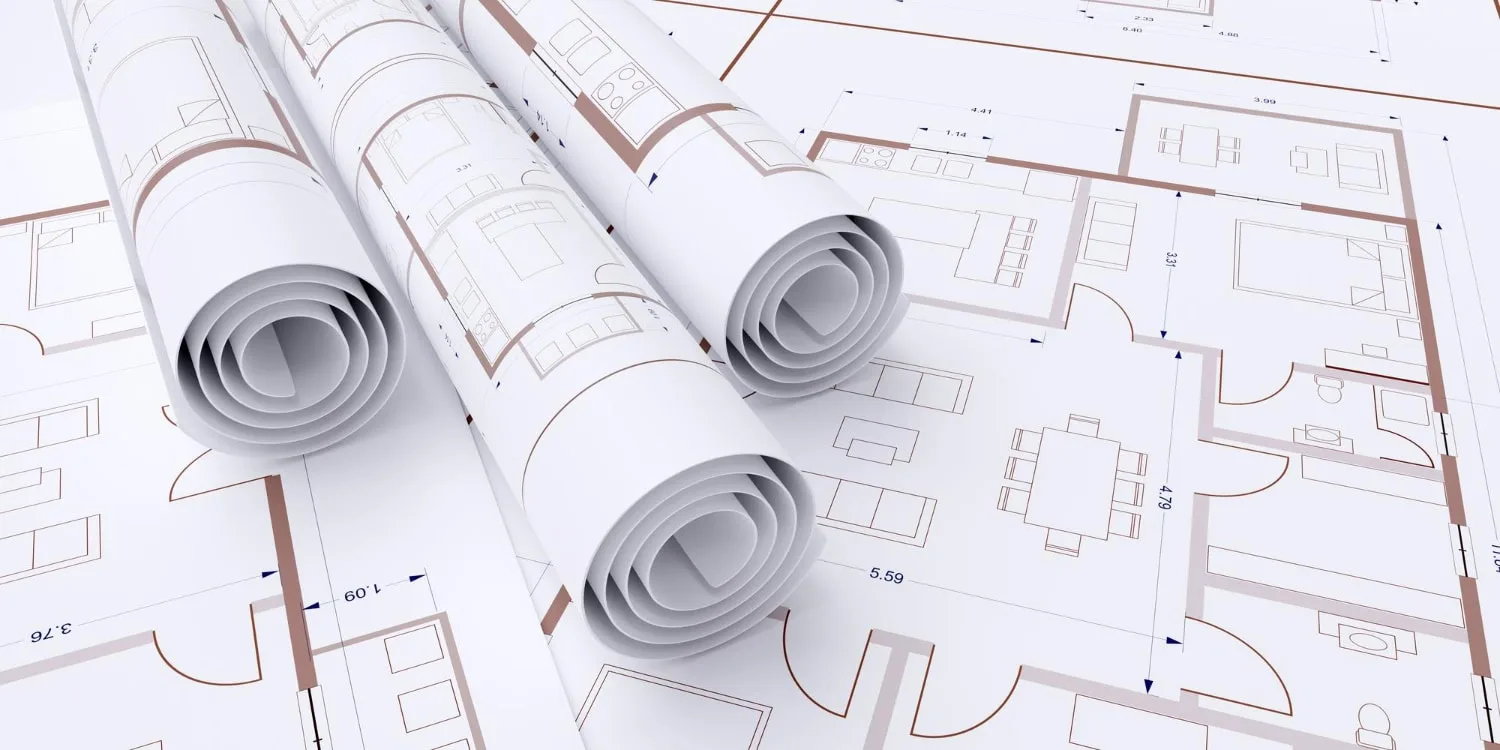
Professional AV systems design eliminates these problems prior to construction. Our AV designers create detailed documentation including floor plans, elevations, flow diagrams, equipment specifications, etc. making sure that every element works together in a seamless manner and every dollar spent contributes to your business goals.
Designing for Profitability: The Business Case for Strategic AV

When our engineers design an AV system, they're not thinking about equipment specifications in isolation.
They're picturing how customers will move through your space, where they'll naturally look, how sound will travel, as well as what environmental factors will encourage them to stay and spend.
Dwell time and spending correlation
Research consistently demonstrates the relationship between customer dwell time and revenue. Studies show that longer dwell times directly boost sales volume through additional purchases (i.e., desserts, drinks, appetizers and impulse items). In restaurants and bars specifically, when customers feel comfortable, they order another round and often return for future visits.
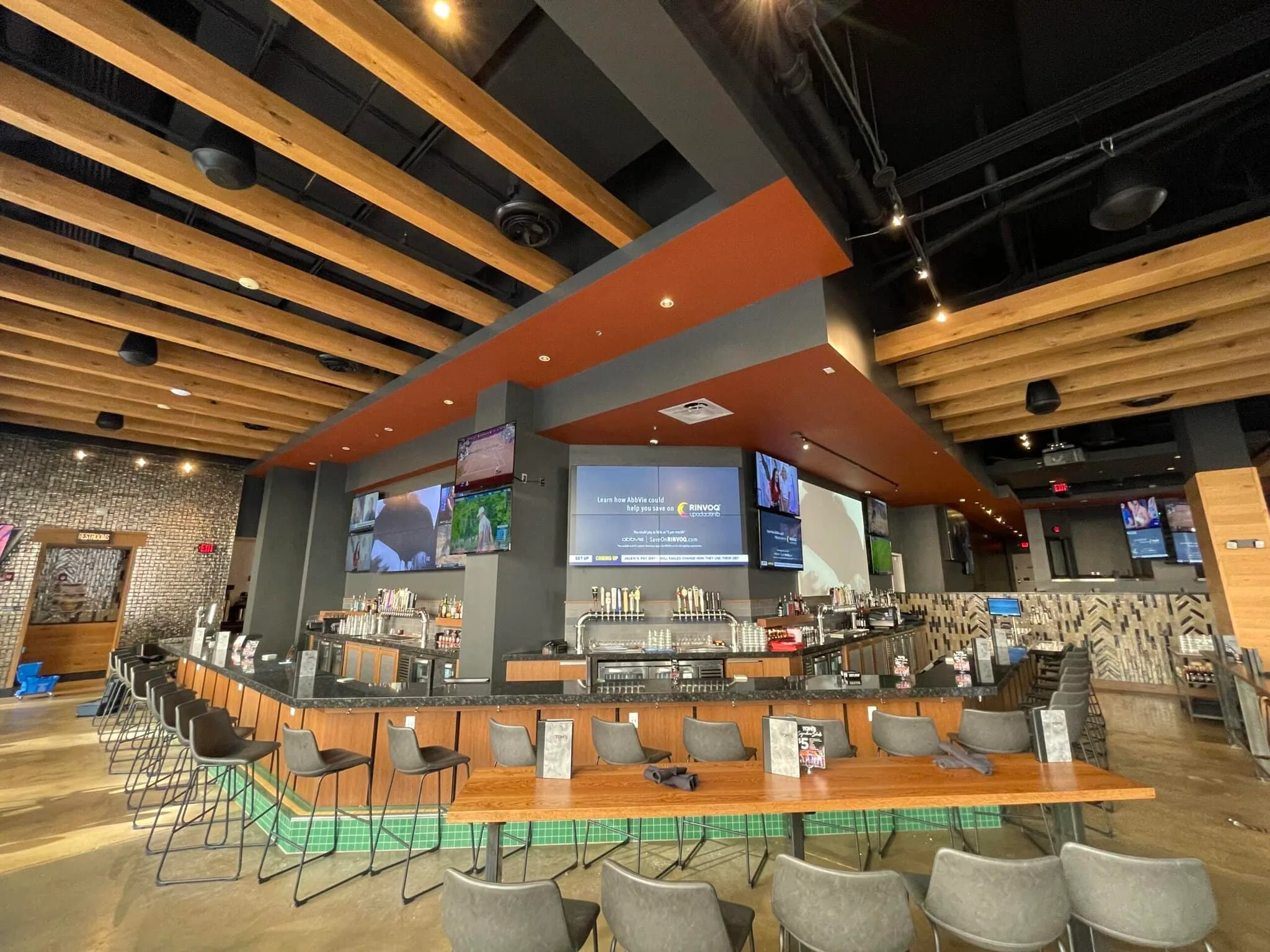
The AV environment plays a crucial role in comfort. Properly zoned audio allows intimate conversation in dining areas while maintaining energy at the bar. Strategic display placement makes it possible for customers to enjoy entertainment. Integrated lighting control sets the mood for different dayparts without requiring staff intervention.
Every element works together to create an environment where customers want to stay.
Optimizing every corner
Dead zones cost money. That corner table with poor sight lines to screens becomes the last seat filled. The patio without adequate weatherproof audio becomes unusable for half the year. The private dining room without proper sound isolation loses corporate event bookings.
Our design process identifies these opportunities and addresses them not after construction when solutions become exponentially more expensive but during planning. We analyze traffic patterns, identify prime real estate for displays, ensure audio coverage reaches every seat and plan infrastructure that supports future expansion.
Collaborative Design: Working with Architects, Owners and Corporate Teams
Successful AV integration requires collaboration across multiple stakeholders. Our engineers work directly with architects, interior designers, electrical contractors, IT departments and business owners in order for technology to enhance rather than compromise design intent.
Architects and design professionals
When AV professionals join the design team early, everyone benefits. Architects can incorporate speaker locations into ceiling designs, plan conduit runs that don't compromise structural elements and specify surfaces that support proper acoustics. We've seen projects where early collaboration eliminated costly change orders and produced spaces where technology feels intentional rather than retrofitted.
Our design-build approach brings AV expertise to the table during schematic design. We make certain that infrastructure requirements are addressed before construction documents are finalized. This prevents the common scenario where technology installation damages finished surfaces or requires unsightly exposed conduit.
Restaurant and sports bar owners
Hospitality venues face unique challenges. For example - a sports bar needs to show multiple games simultaneously while maintaining distinct audio zones. A restaurant must balance background music with conversation. Both need systems that non-tech-expert staff can operate during the busiest service periods.
Our engineers understand these operational realities. We design control systems with one-touch presets - "Game Day," "Dinner Service," "Late Night" - that configure dozens of components instantly. Staff focus on hospitality while technology operates seamlessly in the background.
Hotel and hospitality companies
Hotels require AV solutions that serve multiple functions: guest entertainment, conference facilities, ambient environments in public spaces and operational communication. Each space has different requirements, yet all must feel cohesive and aligned with the property's brand.
We design systems that scale from intimate meeting rooms to ballrooms, with technology that adapts to different event types. High-definition video conferencing supports corporate clients. Digital signage delivers guest information elegantly. Background music creates appropriate atmosphere in lobbies, restaurants and spa areas.
Franchise corporate teams
Multi-location businesses face a specific challenge: maintaining consistent brand experience across dozens or hundreds of sites while managing complexity and cost. Without standardization, each location becomes a unique installation requiring unique training, unique spare parts and unique troubleshooting.
Our franchise standardization program addresses this directly. We develop specifications that work across diverse real estate footprints, create standardized equipment packages that simplify procurement and maintenance and implement centralized control systems that allow corporate teams to manage content and messaging across the entire network.
Benefits of AV Standardization Across Multiple Locations
| Benefit Area | Business Impact |
|---|---|
| Consistent Brand Experience | Every location delivers the same high-quality AV environment, reinforcing brand identity and customer expectations |
| Simplified Training | Staff can transfer between locations without learning new systems; one training program serves entire network |
| Reduced Support Costs | IT teams troubleshoot familiar platforms; spare parts inventory centralized; vendor relationships consolidated |
| Centralized Management | Corporate teams control content, messaging and system settings across all locations from single platform |
| Predictable Budgeting | Standardized equipment packages eliminate cost surprises; bulk purchasing reduces per-unit costs |
| Faster Deployment | Pre-designed specifications accelerate new location buildouts; proven designs reduce planning time |
Lighting Integration: The Missing Piece of Most AV Designs

Many AV integrators treat lighting as someone else's responsibility. But it creates a fundamental disconnect: audio, video and lighting all contribute to the guest experience, yet they're designed and controlled separately.
It results in spaces where brilliant displays compete with ambient lighting, mood-setting scenes require adjusting multiple systems and energy efficiency suffers from lack of coordination.
Our approach integrates lighting control into the overall AV system design.
Low-voltage lighting systems operate on the same control platform as audio and video, enabling true scene-based management. When staff activate "Dinner Service," displays dim to appropriate levels, audio adjusts to conversation-friendly volumes and lighting shifts from bright lunch service to intimate evening ambiance. All with a single touch.
Operating at 12-48 volts instead of line voltage, these systems:
- reduce installation complexity
- lower energy consumption by 25-60%
- integrate seamlessly with AV control systems.
Network-controlled fixtures report status automatically. It’s proactive maintenance before failures affect operations.
Safety: The Non-Negotiable Foundation of Every Design
Every design decision we make starts with safety. This isn't just about regulatory compliance - though that matters significantly - we want to help protect your customers, staff and your investment.
Fire alarm integration
Commercial fire alarm systems must comply with NFPA 72 standards and integrate properly with AV systems. Our designs make sure emergency notifications override all audio programming, that visual alert devices meet ADA requirements for placement and brightness and that system architecture doesn't interfere with life safety systems.
Fire alarm integration is specified in our initial designs and coordinated with fire protection engineers.
Code compliance and accessibility
ADA Standards for Accessible Design establish requirements that affect AV installations in public spaces. Control interfaces must be mounted within accessible reach ranges (15-48 inches from floor). Wall-mounted displays cannot protrude more than 4 inches into circulation paths without detection canes. Assistive listening systems must be provided in assembly areas where audio amplification is used.
Our engineers understand these requirements and design systems that meet them with no compromise on aesthetics or functionality. We specify hearing loops and infrared assistive listening systems appropriate to each space. We ensure control placement works for all users. We document compliance for inspectors and building officials.
Electrical safety and infrastructure
Professional AV installation requires proper electrical infrastructure. We coordinate with electrical engineers for adequate circuit capacity, proper grounding and appropriate surge protection.
Our designs specify dedicated circuits for AV equipment, preventing the audio interference and equipment damage that results from sharing circuits with kitchen equipment or HVAC systems.
The In-House Engineering Advantage
When you work with Crunchy Tech, your project benefits from in-house engineering expertise that maintains accountability from design through installation and support. Our engineers don't hand off designs to third-party installers. They oversee implementation and remain available for ongoing optimization.
This integrated approach produces better outcomes. Design engineers understand installation constraints because they've seen projects through completion. Installation teams understand design intent because they've participated in planning conversations. Support technicians understand system architecture because they've been involved from the beginning.
With over 300 technical experts across 72 cities and 31 countries, we bring both local knowledge and global best practices to every design project. Our team includes experienced system programmers and specialists in acoustic design, video distribution and control systems integration.
Our Design Process: From Discovery to Ongoing Support
Discovery and needs assessment
Every project begins with understanding your business objectives, operational requirements and customer experience goals. We analyze your space, observe traffic patterns, review brand guidelines and discuss budget parameters. This is a collaborative conversation that guarantees our design serves your specific needs.
Comprehensive design documentation
Our engineers produce detailed documentation including floor plans showing equipment locations, elevations illustrating mounting heights and sight lines, flow diagrams explaining system architecture and specifications defining exact equipment models.
This documentation serves multiple purposes: it guides installation teams, coordinates with other trades, supports permitting and provides a permanent record for future maintenance and upgrades.
Installation and commissioning
Installation follows design specifications precisely, with quality checks at each milestone.
Commissioning goes beyond basic functionality testing as we calibrate audio systems for acoustic conditions in your actual space, optimize display settings for ambient lighting, program control systems for your specific operational workflows and verify that every component performs to specification.
Training and ongoing support
Technology only delivers value when people can use it effectively. We provide comprehensive training for your team, from project managers who need to understand system capabilities to frontline staff who need to operate controls during service.
Our support services include remote monitoring that identifies issues before they affect operations, preventive maintenance that extends equipment life and responsive service when problems occur.
Measuring Return on Investment
AV system design represents a significant investment and you deserve to understand how that investment engenders returns. The metrics vary by business type, but common indicators include:
• Increased dwell time: Customers staying longer and ordering additional items
• Higher check averages: Premium environment supporting premium pricing
• Improved table turns: Efficient operations without rushed atmosphere
• Event revenue: Capabilities that attract private bookings and corporate functions
• Digital signage revenue: Displays that earn through promotions, advertising and dynamic menu boards
• Reduced operational costs: Energy-efficient systems and simplified operations
• Lower maintenance expense: Professional installation that extends equipment life
We help you identify the metrics most relevant to your business and design systems that support measurable improvement.
Start Your Project with Strategic Audio-Visual Design.

Planning new construction or standardizing technology across multiple locations? Crunchy Tech's engineering team is ready to help you create AV systems your business can profit off of long-term.
Our consultation process begins with understanding your business. We'll discuss your goals, analyze your space and develop recommendations that make sense for your specific situation and budget. Don’t hesitate to reach out and speak to one of our top AV professionals today.