
SEE ALSO: What Sports Bar Are Saying to the Everpass Reality (& What to Do Before the Scramble Hits)
Why Sports Bars Are Becoming the Breakout Brand of the Year
Tom’s Watch Bar co-CEO Brooks Schaden said something in a recent FSR Magazine interview that should make every sports bar owner pay attention:
“The idea was to create a place for passionate fans to get together and have an experience where they say, ‘I don’t want to go to the game. I want to come to Tom’s.’”
— Brooks Schaden, Co-CEO, Tom’s Watch Bar
More than an ambitious marketing. It’s an AV brief in disguise. Because making a sports bar genuinely compete with being at the stadium requires technology most operators don’t know exists.
The Stadium Experience Has Problems
Schaden outlined them clearly: “…tickets are expensive, seating is side-by-side (try having a conversation), and if you want food, you leave the game for 15 minutes to get something average.”
A well-designed sports bar solves all of that. But “well-designed” is doing heavy lifting in that sentence.
Most sports bars mount some TVs, run a few cables, and call it done. The result?
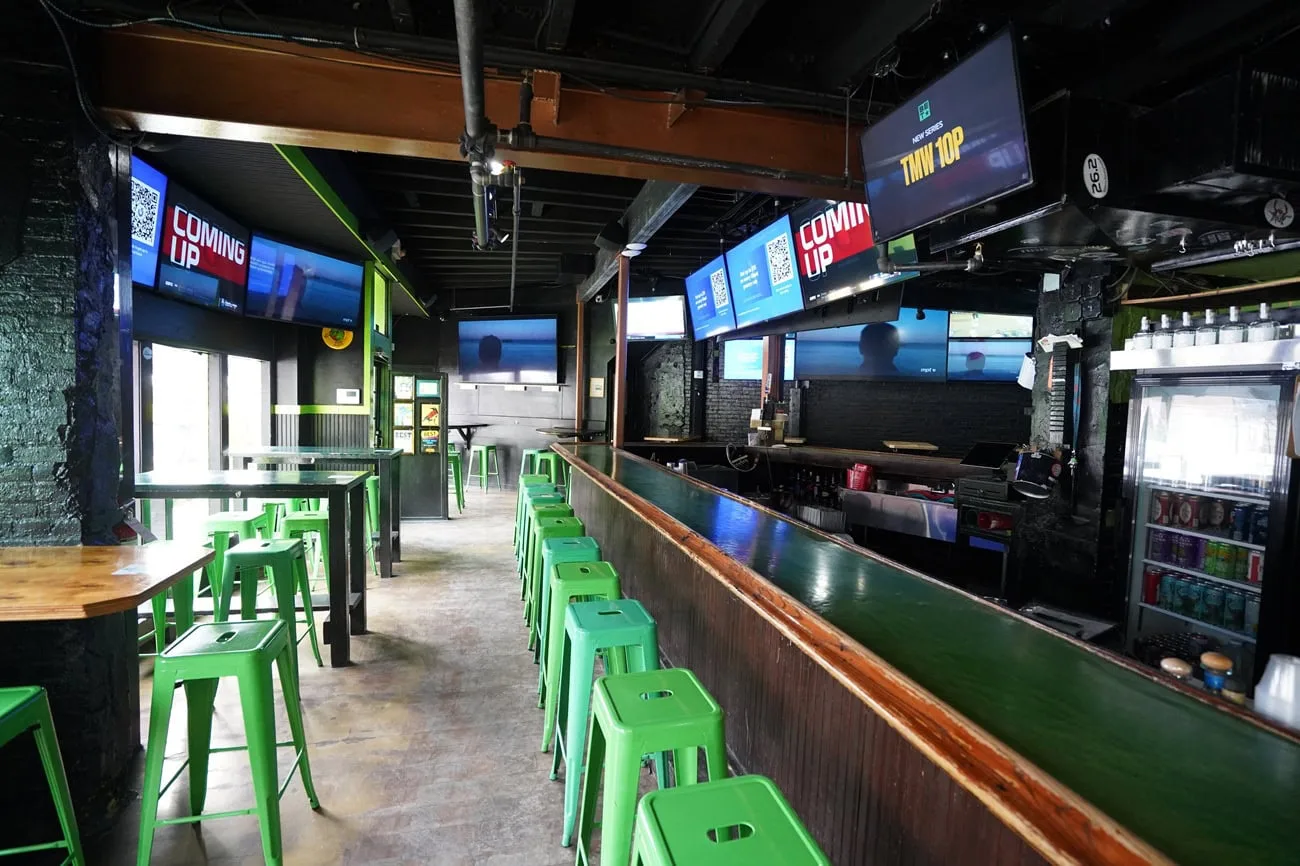
Guests crane their necks. Some seats can’t see the main game. When multiple events run simultaneously, the audio becomes a wall of competing noise. Staff fumble with remotes because the system was never designed for actual operations. That’s not “better than a ticket.” That’s just TV with beer.
What "Better" Actually Requires
Tom’s Watch Bar’s FSR Breakout Brand of the Year recognition comes with receipts: $7 million average unit volumes, 2.5 million fans served in 2024, watch parties that regularly outperform actual stadium attendance for spend-per-guest.
According to AVIXA’s commercial AV standards, immersive hospitality AV is one of the fastest-growing deployment categories precisely because operators are learning what Tom’s Watch Bar figured out early.
Here’s what makes that possible from an AV perspective:
1. Every Seat Is the Best Seat
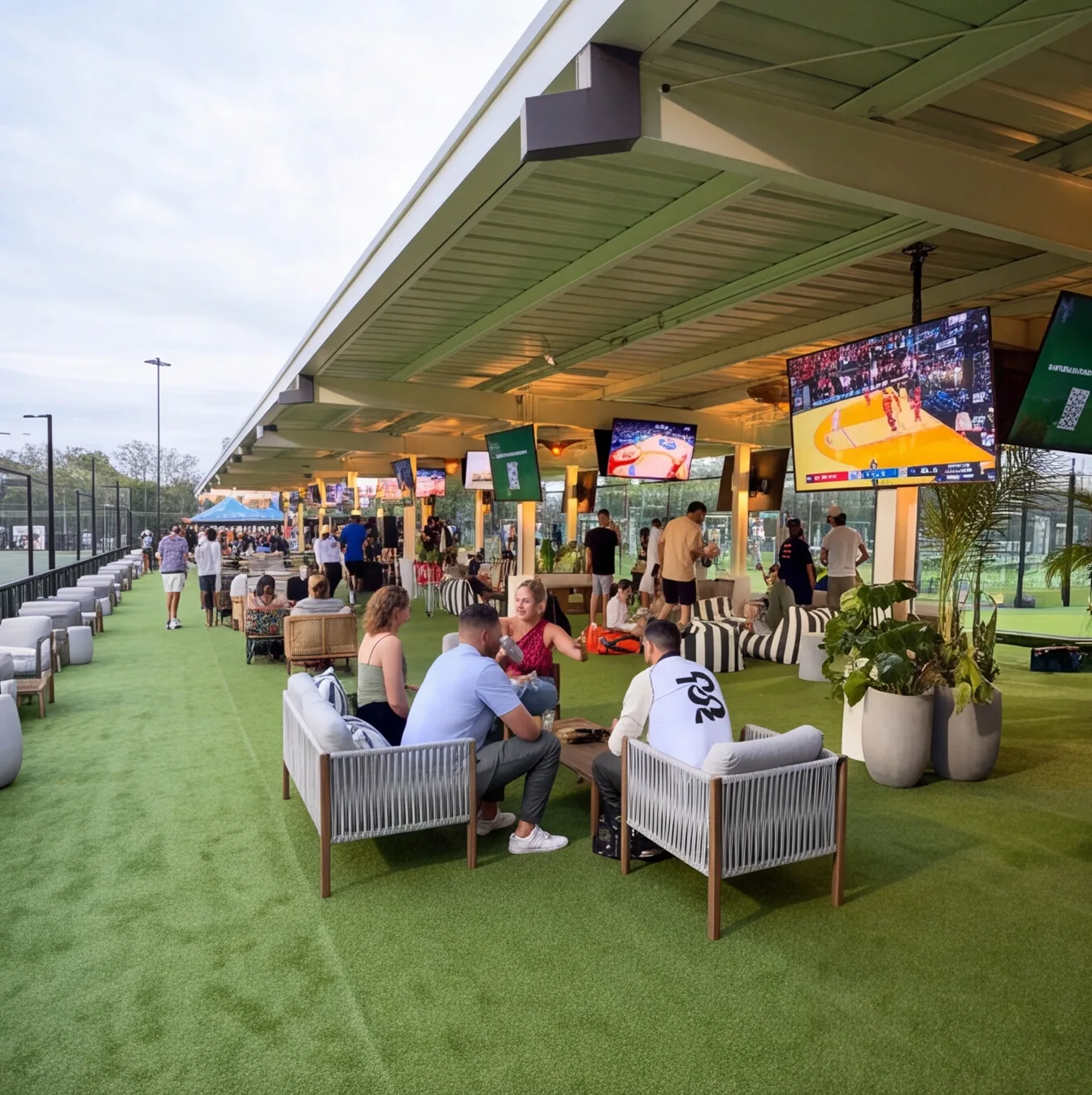
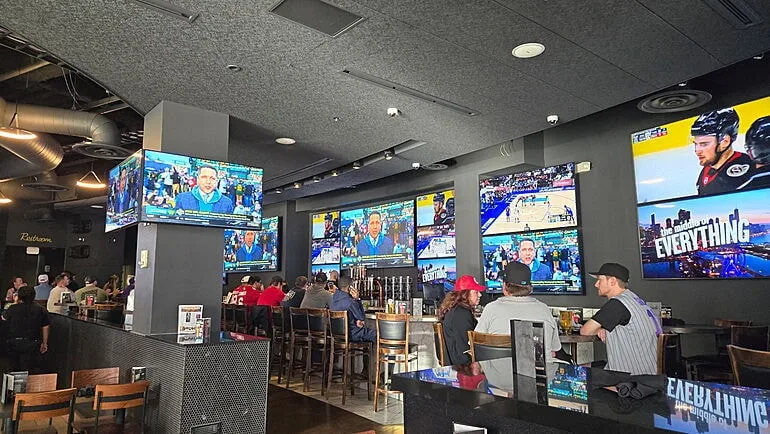
At the Tom’s Watch Bar Orlando location, we installed 124 TVs and 9 projectors across indoor and outdoor spaces. The placement was engineered so every seat has sightlines to multiple screens without craning. That’s a 360-degree viewing experience, and it requires display placement modeling, not just mounting TVs where they fit.
2. Personalized Audio Without Chaos
The FSR article mentions Tom’s Watch Bar offers “personalized audio at every table.” This is the technology most sports bars get completely wrong. In our experience integrating AV for sports bars, multi-zone audio distribution is the single most impactful upgrade a venue can make (and the most commonly skipped).
At our Tom’s Watch Bar installations, we implement eight-zone audio distribution so different sections can hear different games. A table watching UFC can hear their fight. The group watching baseball hears that commentary. The system routes automatically based on what’s on the nearest screens.
Without this, multiple games mean audio soup and guests asking to turn the volume up, then down, then up again.
3. Any Source to Any Screen
Tom’s Watch Bar’s programming model operates like a movie theater — they publish weekly “showtimes” so guests know exactly which games will be on which screens. That requires a video distribution system that can route any source to any display instantly.
We achieve this through AV over IP (AVoIP) architecture. At National Harbor, we installed a Just Add Power AVoIP network that delivers any satellite feed, streaming source, or local input to any screen with near-zero latency, so plays aren’t spoiled by the crowd in another zone cheering first.
This is the infrastructure that lets Tom’s Watch Bar battle-plan every Sunday and Monday to decide which events anchor each day and where each game gets screen real estate.
4. Control Systems That Staff Actually Use
Here’s a stat from the FSR article that should terrify any operator: Tom’s Watch Bar went from $2,500 in sales one Wednesday to $250,000 on Friday during opening baseball week. That’s a 100x variance in three days. If your AV control system requires 30 minutes of setup to configure for different event types, you’re bleeding opportunity cost.
At every Tom’s Watch Bar location, we program our AV control systems with one-tap presets: “March Madness,” “UFC Night,” and even “Love Island,” which the FSR article notes generated $30,000 in Sacramento during the off-season. Staff tap a preset. The system configures. They focus on service, not troubleshooting.
The Operational Reality Most Venues Miss
Tom’s Watch Bar Co-CEO Shannon McNiel put it plainly in the FSR article: “In 2026, restaurants do face a high-stakes balancing act. You’ve got rising costs, shifting consumer expectations… I think our operators will continue to lean into automation.”
Notice the pattern: technology that reduces operational burden during high-stress moments.
The same principle applies to AV. During a $40,000 hour, you don’t want staff hunting for remotes, managers troubleshooting audio issues, or IT on the phone trying to figure out why the video wall went dark.
You want technology that works, stays working, and requires zero attention — so everyone can focus on the guests generating $40,000 per hour.
“Design for your busiest day, not your average day. Your AV system will be tested exactly once before you know if it works: the first time you hit peak demand. If it fails then, you don’t get a do-over.”
—Crunchy Tech Design-Build Engineering Team
The Infrastructure Nobody Sees
The Orlando Tom’s Watch Bar required 5.6 miles of low-voltage cabling. The National Harbor location has 80+ video endpoints with two video walls and TopGolf Swing Suite integration. This isn’t the kind of thing you see when you’re watching the game with your friends. It’s the kind that makes watching the game with your friends possible.
When the FSR article talks about Tom’s Watch Bar’s “operational readiness,” this is what they mean: AV infrastructure designed for the absolute worst-case scenario: 500+ guests, every screen showing something different, audio seamless across zones, and a staff that can manage it all without calling the AV company.
The Venues Already Doing This
Tom’s Watch Bar isn’t the only concept that figured this out. Crunchy Tech has deployed similar systems across the country. See our full case studies:
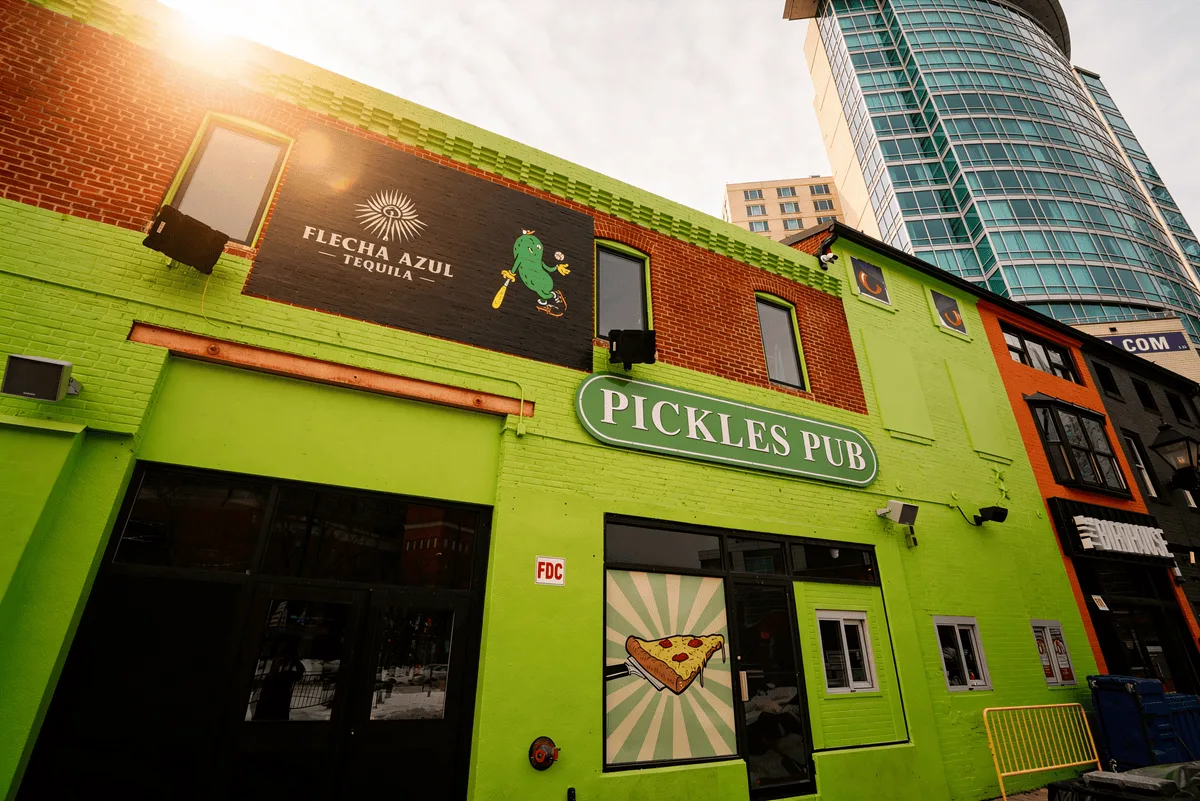
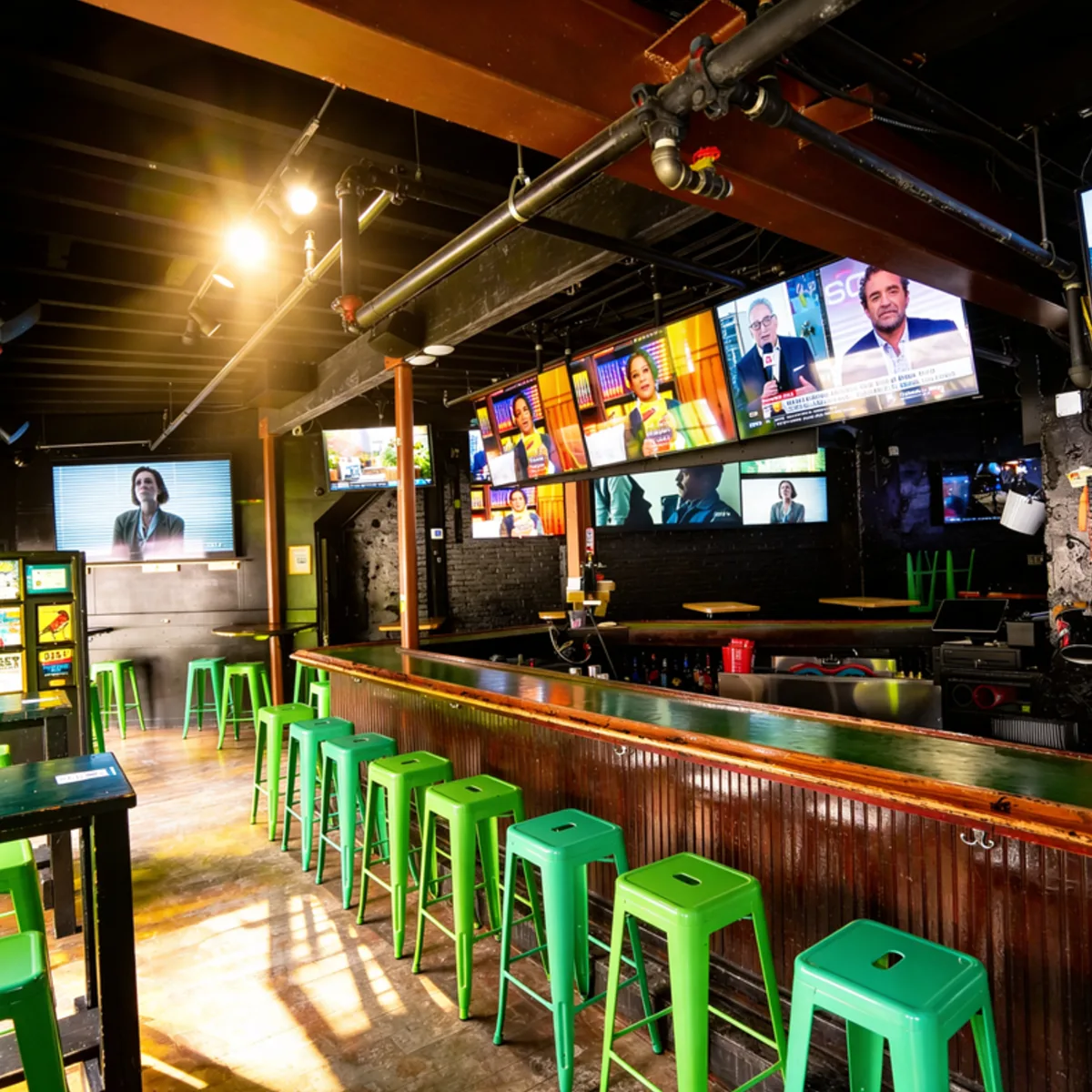
Pickles Pub Baltimore — The iconic gameday destination between Camden Yards and M&T Bank Stadium
Tom’s Watch Bar Indianapolis — 10,000 square feet near Lucas Oil Stadium with 135+ HD screens including massive stadium-style displays
The common thread: these aren’t venues that installed some TVs. They’re venues that engineered an experience.
The Question Every Sports Bar Owner Should Ask
The FSR article closes with this from Tom’s Watch Bar co-CEO Shannon McNiel: “We’re building something bigger than screens and venues. We’re creating a network of fan sanctuaries.”
The screens are just the delivery mechanism. The system behind them is what turns a bar into a sanctuary.
So the question isn’t “how many TVs do we need?”
The question is: what does your space need to accomplish, and does your AV system make that possible? If you want guests choosing your bar over the stadium, the answer has to be yes.
Ready to transform your sports bar into a destination? Crunchy Tech has been building sports bar AV systems for 17+ years across 32+ cities. Get a quote or explore our restaurant AV solutions.