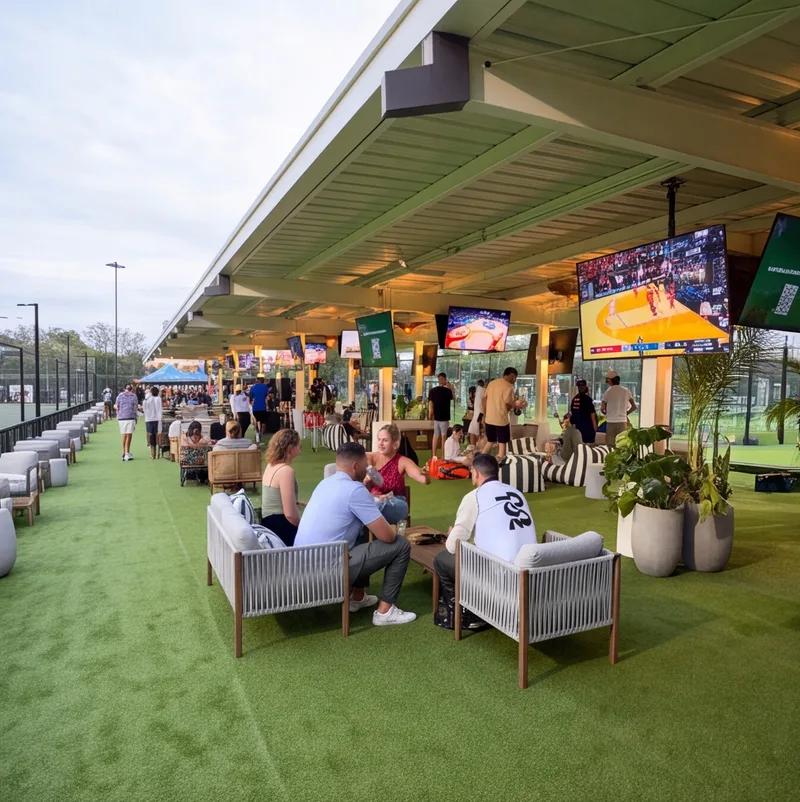
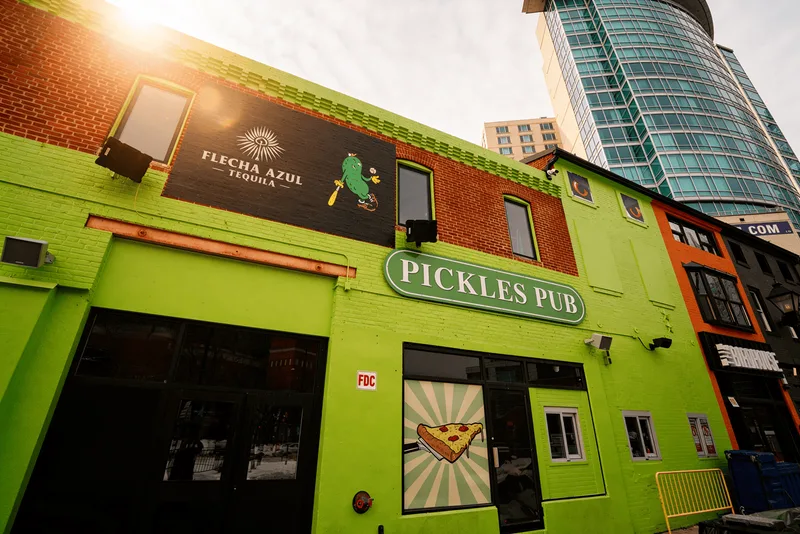
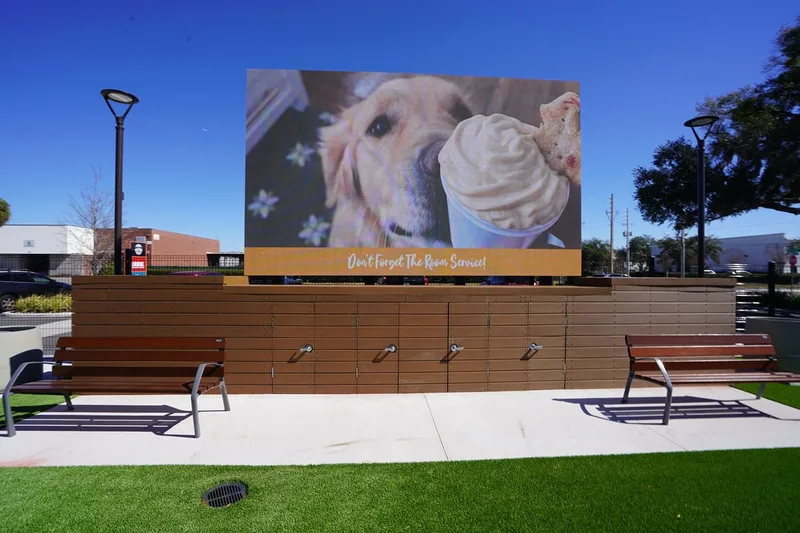
You're a great partner with Florida Hospital and this project will make a difference in Children's Health.

Des Cummings
Vice President of Florida Hospital · Florida Hospital
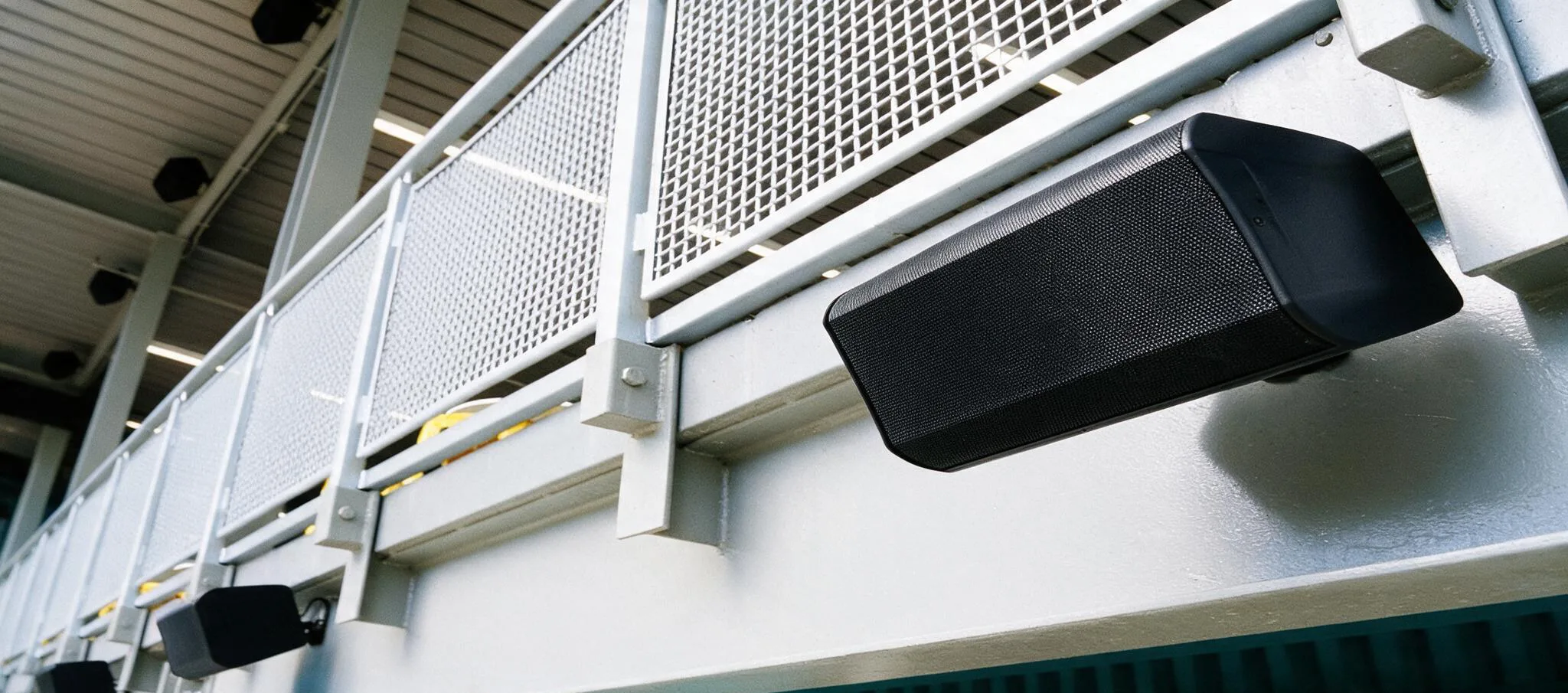
Multi-zone commercial audio for Atlantic City restaurants, bars, resorts, and retail. Boardwalk-facing zones on marine-rated hardware, designed to hold through a full summer and a cold off-season.
When a room sounds bad, most owners blame the speakers, and they're usually wrong. With commercial sound systems in Atlantic City, the real trouble is often one volume knob running the bar, the dining room and the patio at once. A patio facing the boardwalk loses its sound to wind and crowd noise, while the table under the bar speaker can't hear the server. Adding more speakers only makes that fight louder. We start by talking through how each space gets used, then lay out the speakers and split the sound so each area has its own volume. Salt air is part of the plan too, so outdoor gear is picked to last by the ocean. We design it, tune it on site and keep supporting it.
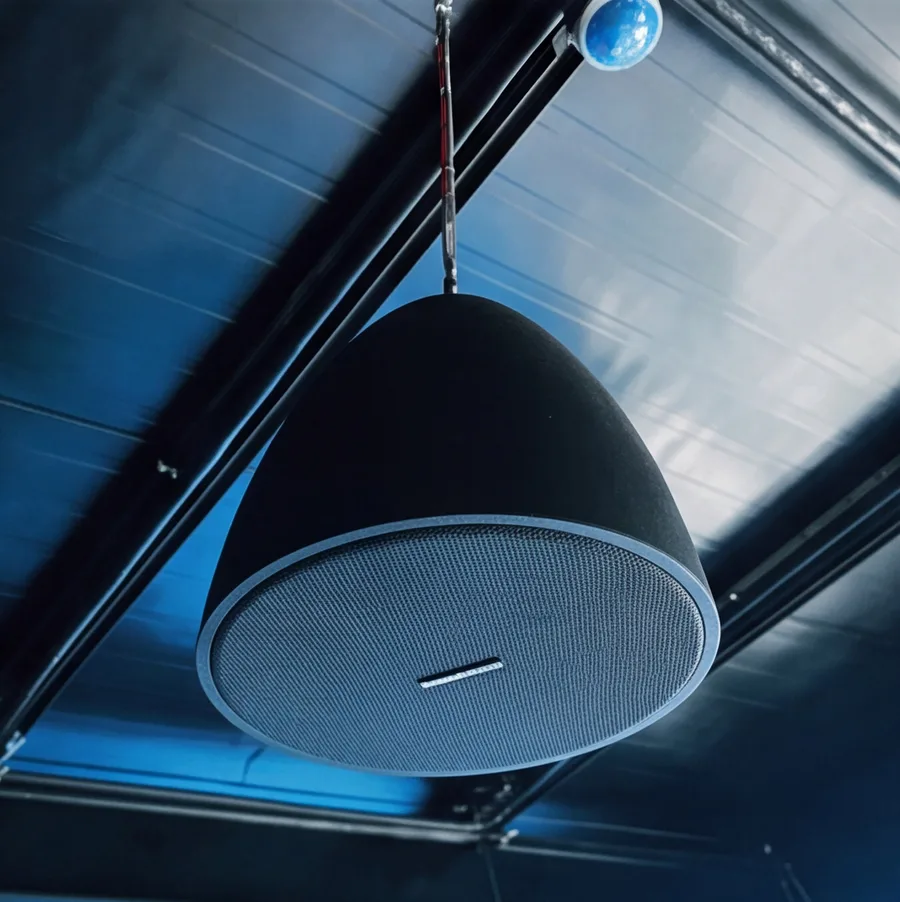
From Boardwalk decks and Marina District dining rooms to Ventnor storefronts and Egg Harbor Township offices, we design, install, tune, and support multi-zone commercial audio across Atlantic County and the shore towns.
Ocean-facing hardware sits in salt-laden air and steady wind, so outdoor cabinets, mounting, and terminations get marine-rated and corrosion-resistant specification as a baseline.
Outdoor speakers here spend months freezing and thawing while nobody is using them, then get switched on in May and asked to work, which is why the season check happens before the season.
Coastal storms take power down and drive water where it does not belong, so surge protection gets sized properly and outdoor terminations are treated as part of the weatherproofing.
The rack room needs cooling that holds at or below 75 degrees, because amplifiers in a sealed closet cook themselves and collect dust.
How we design it
Audio is the first thing that tells you whether a room was designed by someone who knew what they were doing. On this coastline, specification carries as much weight as layout.
Our first conversation is a consult rather than a quote. We learn what the property is, which rooms are in scope, how the place runs in July versus February, and the budget you are working with. Then we look at the room, because the room answers most of the design. Ceiling type drives speaker type, so a finished hotel restaurant takes in-ceiling units while an open-structure bar needs pendants or surface mounts, and exposure drives everything outdoors, since a deck facing the ocean is a different specification from a courtyard two blocks back. On a renovation we want the drawings early, because conduit sizing, pathways, blocking, rack power, and equipment room cooling belong in the plan instead of a change order, and projects engaged at that phase see roughly 95% fewer change orders.
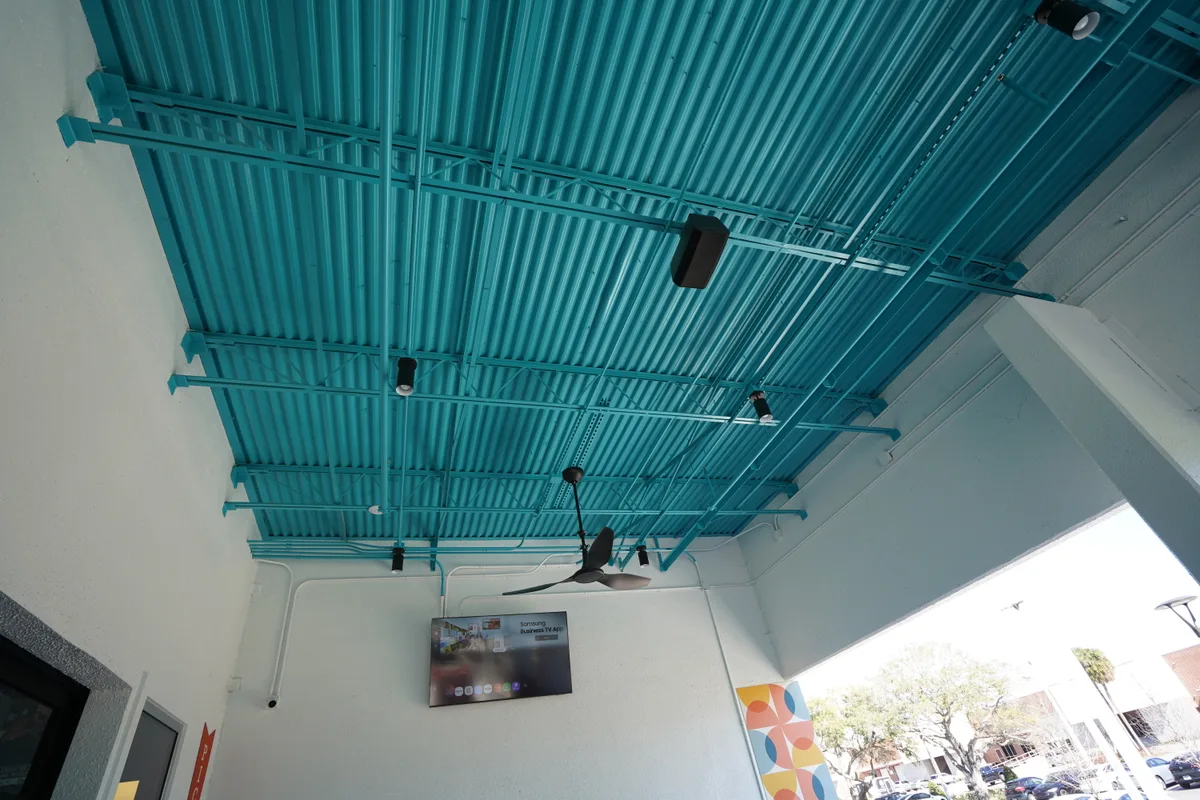
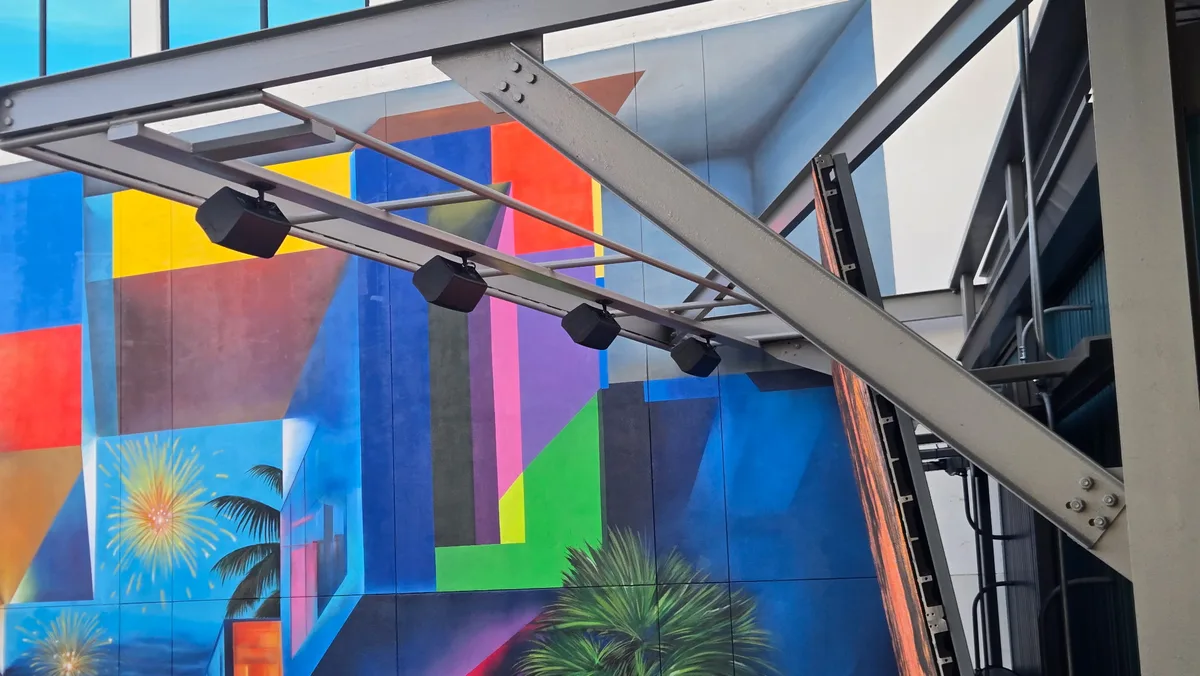
A restaurant build here usually lands at five or more zones, and a large property goes well past that: background music at the entrance, main dining, the bar at its own louder level with its own source, the deck or pool on marine-rated hardware, event space, and restrooms and back of house for paging. Channel count gets designed alongside zone count, because only so many speakers can hang on one amplifier channel before the power stops being clean. Presets then carry the room from a slow February lunch to a packed August Saturday, and one press can put a single program everywhere when the whole building needs it. Commissioning happens in the finished space, because a room cannot be equalized from a distance, and that is typically a couple of days across every zone.
Where it earns
A Boardwalk-facing deck, a resort dining room, and a retail floor want three different things from a sound system. Here is how the design changes by venue type.
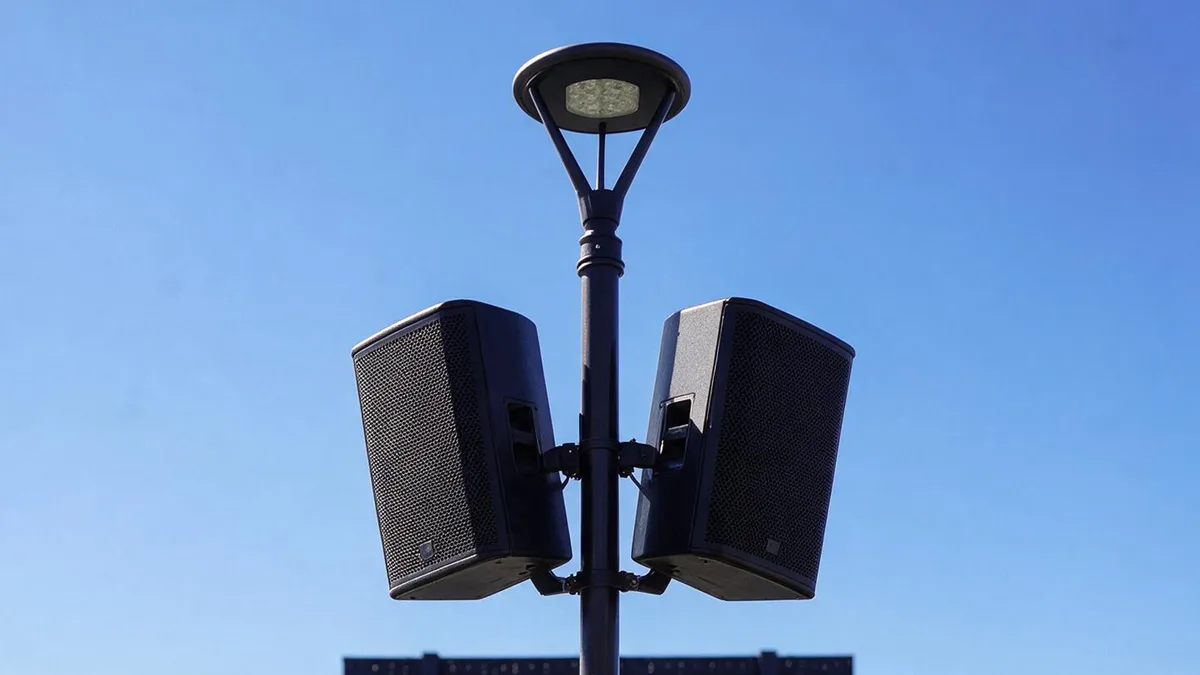
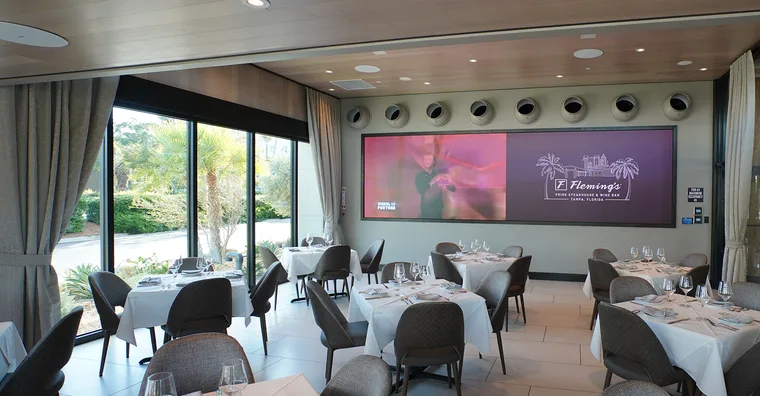
A restaurant system has several jobs at once, which is why a single zone never holds. The dining room wants music present enough to fill the silence without pushing people to raise their voices, the bar wants real energy and usually its own source, and private dining has to stay contained so a party does not spill into the main floor. Rooms here also swing harder by season than most, so the same system has to feel right at a quiet weekday lunch in February and at capacity on an August Saturday, which is a processing and preset question rather than a volume one. Where a room hosts live music, the performance area becomes its own zone that can drop out of the house program during a set and come back cleanly after, and our part is the installed system and that zoning rather than running the show.
A resort property here is many venues inside one building, so the lobby, the restaurants, the bars, the pool deck, the retail spaces, and the meeting and event floors all get designed separately and then handed to one operations team that runs them year round. That means the zone plan has to stay legible: clear names, sensible presets, and a control layer a duty manager can use at two in the morning without calling anyone. The Boardwalk-facing side is the hard part. Ocean exposure and constant onshore wind mean marine-rated cabinets, corrosion-resistant mounting, and a dedicated amplifier channel, with cable terminations treated as part of the weatherproofing. Meeting and event rooms get speech-first design instead of music energy, since intelligibility is the whole job in there.
Retail and office rooms want close to the opposite of a bar. On a store floor the job is even coverage at a low level with no hot spot under a speaker and no dead patch between them, plus announcements that land clearly over the program. An office or boardroom flips the brief, since people are talking rather than listening, so microphone coverage, feedback control, and remote participants being understood become the design drivers. Larger buildings around the county, including warehouses and distribution space off the expressway, need public address, which is its own discipline: an announcement has to carry across tens of thousands of square feet and be understood, including emergency instruction for someone who cannot see where they are being sent. Operators with several outlets get one zone standard repeated so a manager transfers without retraining.
Plain answers
Two questions come up on nearly every Atlantic City sound project. Straight answers to both.
Zoning lives at the digital signal processor, not at a volume control. The processor decides what plays where, at what level, with what equalization, and it holds the presets your staff actually press. Wiring is part of it, because seven speakers on one zone have to be wired correctly into the amplifier and addressed by the processor or the zone will not behave. The system is source-agnostic, so it plays whatever you feed it. Consumer equipment is where this falls apart. Wireless room-grouping products are built for a house, where a speaker plugs into a wall and joins a network. Commercial audio hangs wired speakers pulling a specific power draw from an amplifier channel, and there is a hard ceiling on how many go on one channel before the power stops being clean, which is why zone count and channel count get designed together.
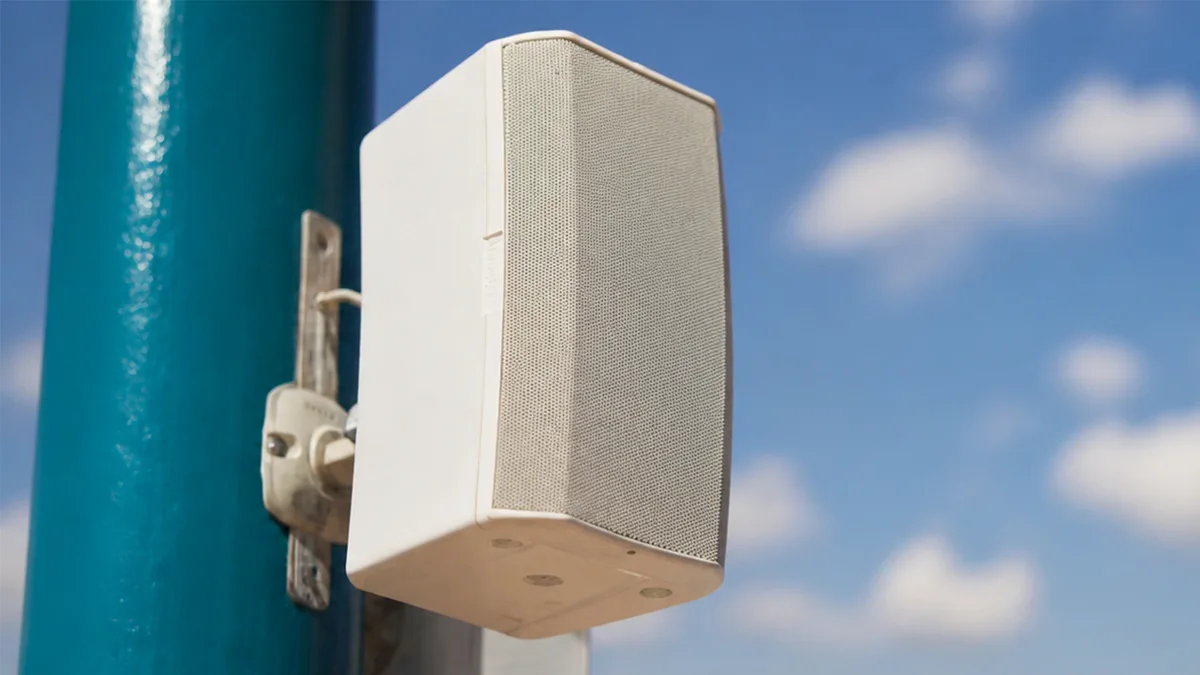
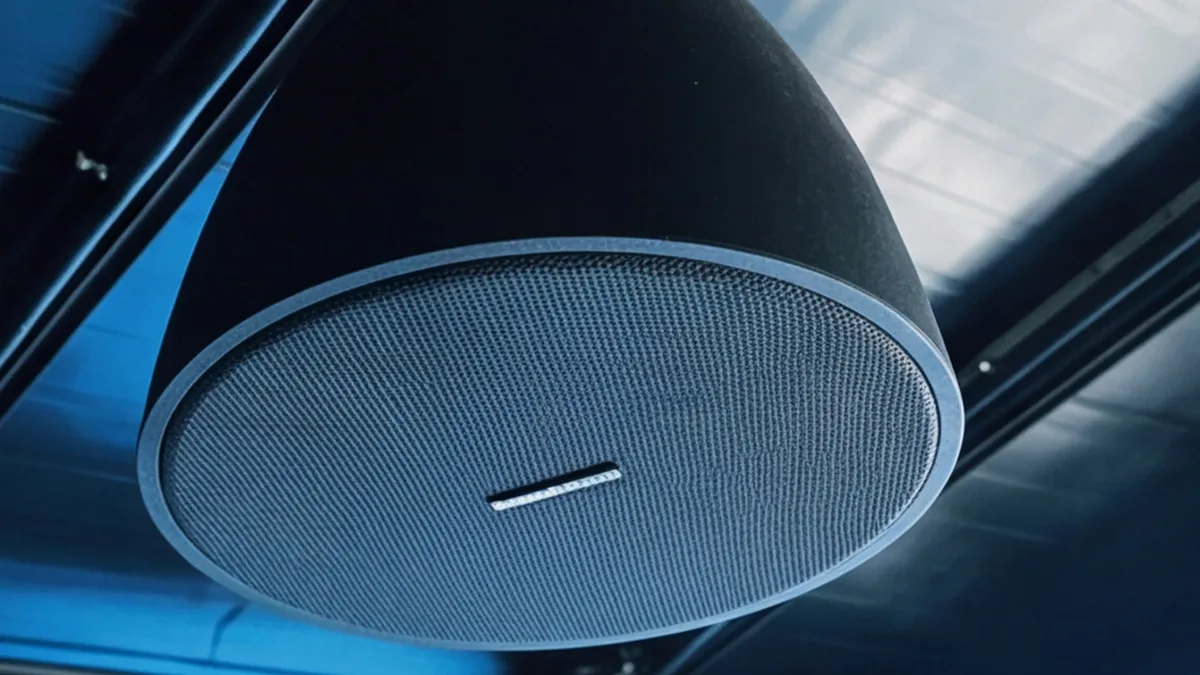
Indoor and outdoor speakers are not interchangeable, and this coastline is the hardest test we deal with. Weather, sun, temperature swings, and humidity retire an indoor cabinet placed outside within about a year, and salt air plus a winter of freezing and thawing while nobody is using the deck shortens that further. Outdoor zones get marine-rated cabinets, corrosion-resistant mounting, and their own amplifier channel, and we check them before the season opens rather than after a complaint. Inside, the common mistake is buying power instead of designing coverage, since more wattage aimed badly gives a loud room that is still hard to hear in while more sources at the right height and angle give an even room at a lower level. On larger rooms we model coverage with our acoustic-modeling partners before anything is installed.
They will if they were specified for it, and this is where most outdoor audio in this town goes wrong. A cabinet that holds up fine a few blocks inland can fail on a deck facing the Boardwalk, because salt-laden air and constant onshore wind go after the grille, the driver, the mounting hardware, and the cable terminations at the same time. Outdoor zones get marine-rated enclosures, corrosion-resistant mounting, and their own amplifier channel, with terminations sealed as part of the weatherproofing rather than treated as an afterthought. Mounting position matters as much as the cabinet, so we look for sheltered aiming angles that still cover the seating. We will also tell you plainly that outdoor coverage here costs more per area than indoor and has a shorter service life, and that anything which can be covered or pulled for the winter is worth doing.
Presets and a service schedule, mostly. Summer here runs flat out and winter is genuinely quiet, so a system tuned only for a packed August Saturday feels wrong in February, and one tuned for February will not hold a busy night. Each zone gets processing and preset levels for both ends of that range, so a manager presses a scene instead of hunting for the right volume and the room sounds intentional either way. Hardware is the other half. Outdoor speakers sit through months of freezing and thawing without being used, which is harder on them than steady operation, so we set expectations in the fall about what should be covered or pulled, and we check the outdoor zones before the season opens rather than after the first complaint. Racks get built and tested in our shop before they ship, and roughly 47% of support tickets close in under an hour, usually without anyone coming out.
One building is really many rooms with different jobs, and a single level cannot serve them all. A resort restaurant, a bar, a lobby, a pool deck, a retail space, and an event room each need their own level, their own program, and their own equalization, and the deck is fighting wind and open air while the lobby needs something quiet enough to stay out of the way at the front desk. A typical hospitality build lands at five or more zones and a large property goes well past that. All of it is handled at the processor rather than at volume controls scattered around the building, which is what lets one press put a single program everywhere when the whole property needs to hear the same thing. What operators care about most is that the zone plan stays legible: clear names, documented presets, and a control layer a duty manager can run at two in the morning. We generally advise against single-zone designs, though that is a recommendation rather than a refusal.
It comes down to square footage, zone count, how much outdoor coverage there is, and how hard the room fights you acoustically. We quote three tiers against one design. Good is enough coverage to do the job properly, and it is an honest recommendation rather than a stripped option. Better is designed with no dead spots and genuinely even coverage throughout, which is where most operators land. Best adds low frequency support so the room feels full rather than merely audible, even in a venue that is nothing like a club. Outdoor zones on this coast carry a higher cost per area and a shorter service life than anything indoors, and that goes on the table before the quote instead of after it. Older shore buildings add labor for pathways and concealment. If the budget is short of the property you are describing, we would rather value engineer it honestly than sell you a system you will be fighting after one season.
What We Do Here
Every system is designed, installed, and supported by our own team in Atlantic City — never subcontracted.
 01 / ATLANTIC CITY
AV consulting from an audio visual consultant who joins at the architectural phase, designs the technology into the plan and steers the project around your business outcome.
AV Consulting in Atlantic Cityarrow_forward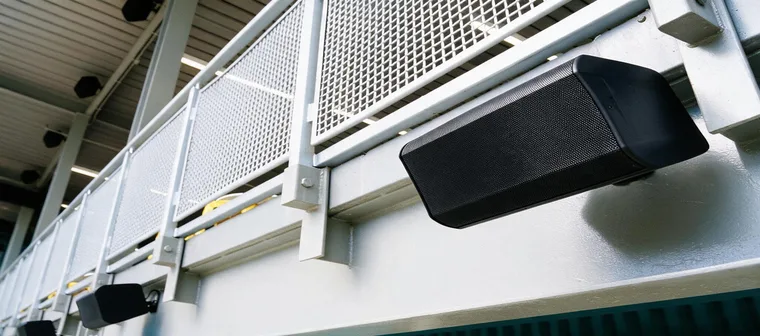
 02 / ATLANTIC CITY
Commercial sound system design and installation: multi-zone audio engineered around how your space is used, wired and tuned on site, and supported as a partner.
Commercial Sound Systems in Atlantic Cityarrow_forward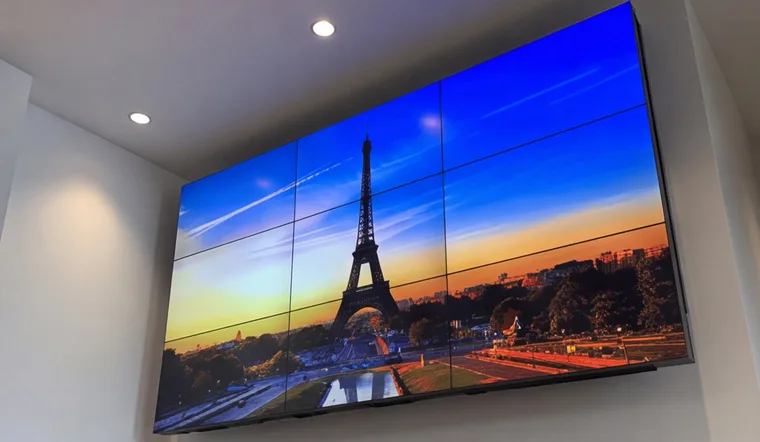
Commercial video walls across LED, LCD and Direct View. Designed, integrated, installed and supported by a national design-build AV integrator.
Video Wall Solutions in Atlantic Cityarrow_forward
Design-build digital signage for hospitality and enterprise: commercial displays, content management, and installation that keeps your screens selling and current.
Digital Signage Services in Atlantic Cityarrow_forwardClient successes drive Crunchy Tech to become better. Below is how our customers feel about us.
You're a great partner with Florida Hospital and this project will make a difference in Children's Health.
Working with Crunchy Tech was a fantastic experience from start to finish. They handled the sale and installation of all our sound and TV equipment at The County Bar in Aviston, IL, and absolutely nailed it. We were on a very tight deadline, and they not only met it—they delivered top-notch quality and service the entire way. Highly professional, responsive, and easy to work with. We couldn't be happier with the results.

Crunchy has done an amazing job on our A/V install. The sound is perfectly balanced throughout our many zones and the entire system is super simple to use.

You're a great partner with Florida Hospital and this project will make a difference in Children's Health.
Working with Crunchy Tech was a fantastic experience from start to finish. They handled the sale and installation of all our sound and TV equipment at The County Bar in Aviston, IL, and absolutely nailed it. We were on a very tight deadline, and they not only met it—they delivered top-notch quality and service the entire way. Highly professional, responsive, and easy to work with. We couldn't be happier with the results.
Crunchy has done an amazing job on our A/V install. The sound is perfectly balanced throughout our many zones and the entire system is super simple to use.
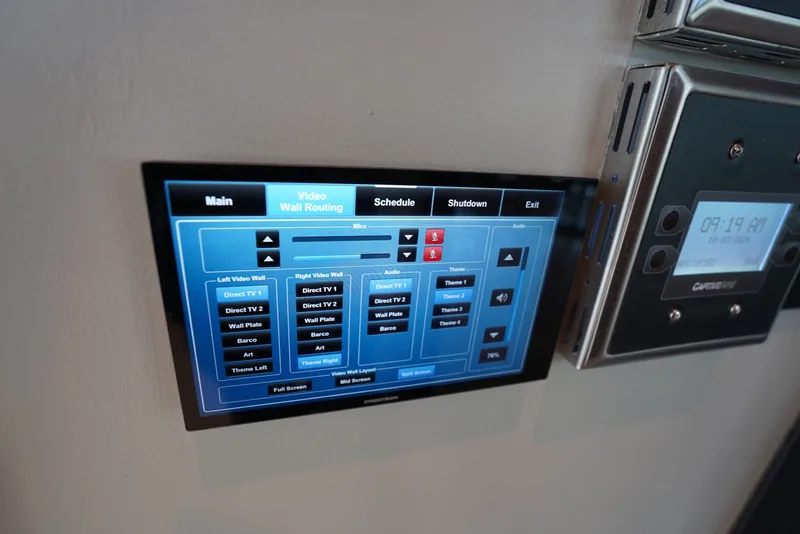
How hidden speakers, recessed displays, and invisible technology create elegant commercial environments.
Read article arrow_forward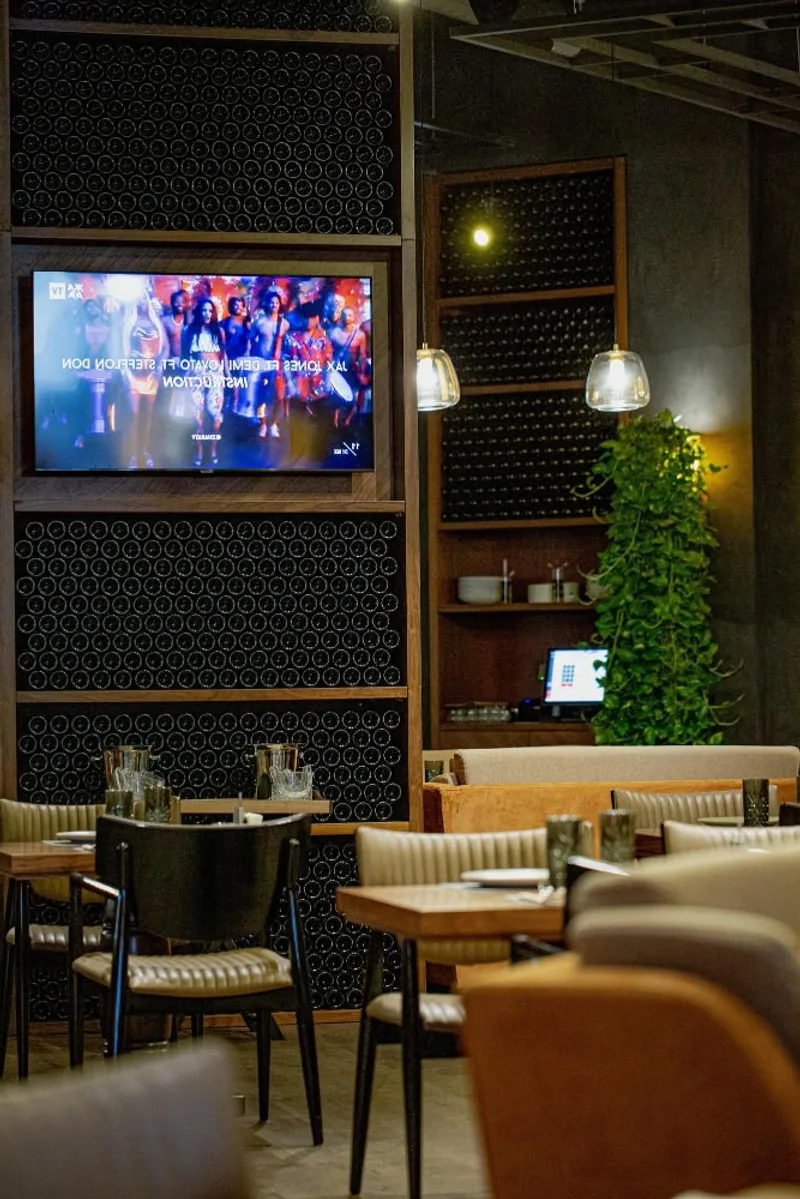
A comprehensive guide to commercial audiovisual installation — what it includes, how it differs from consumer setups, and what to expect.
Read article arrow_forward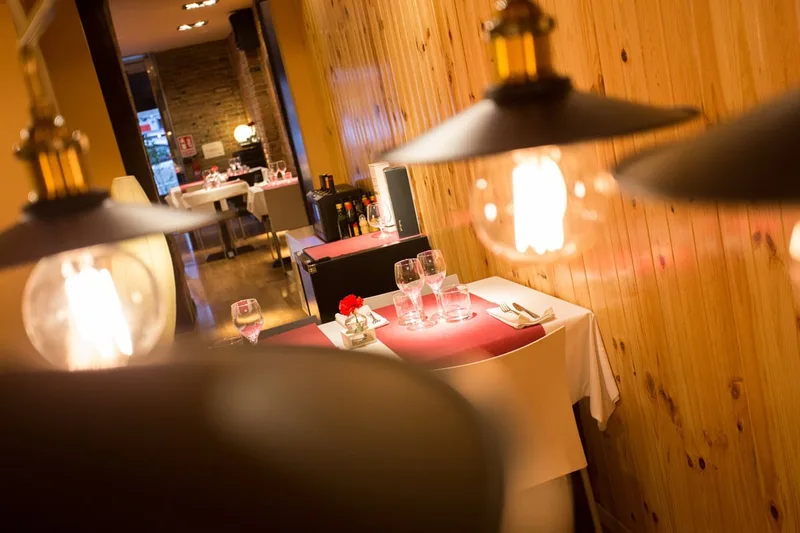
How LED walls, spatial audio, and lighting automation are transforming restaurants and bars into destination experiences.
Read article arrow_forwardTell us about the space: where it sits relative to the water, the square footage, the indoor and outdoor split, how the property runs in July versus February, who manages the audio day to day, and what is not working now. The consult starts with what each area has to accomplish, then we look at the room and come back with a zone design and one engineered recommendation instead of a speaker list.