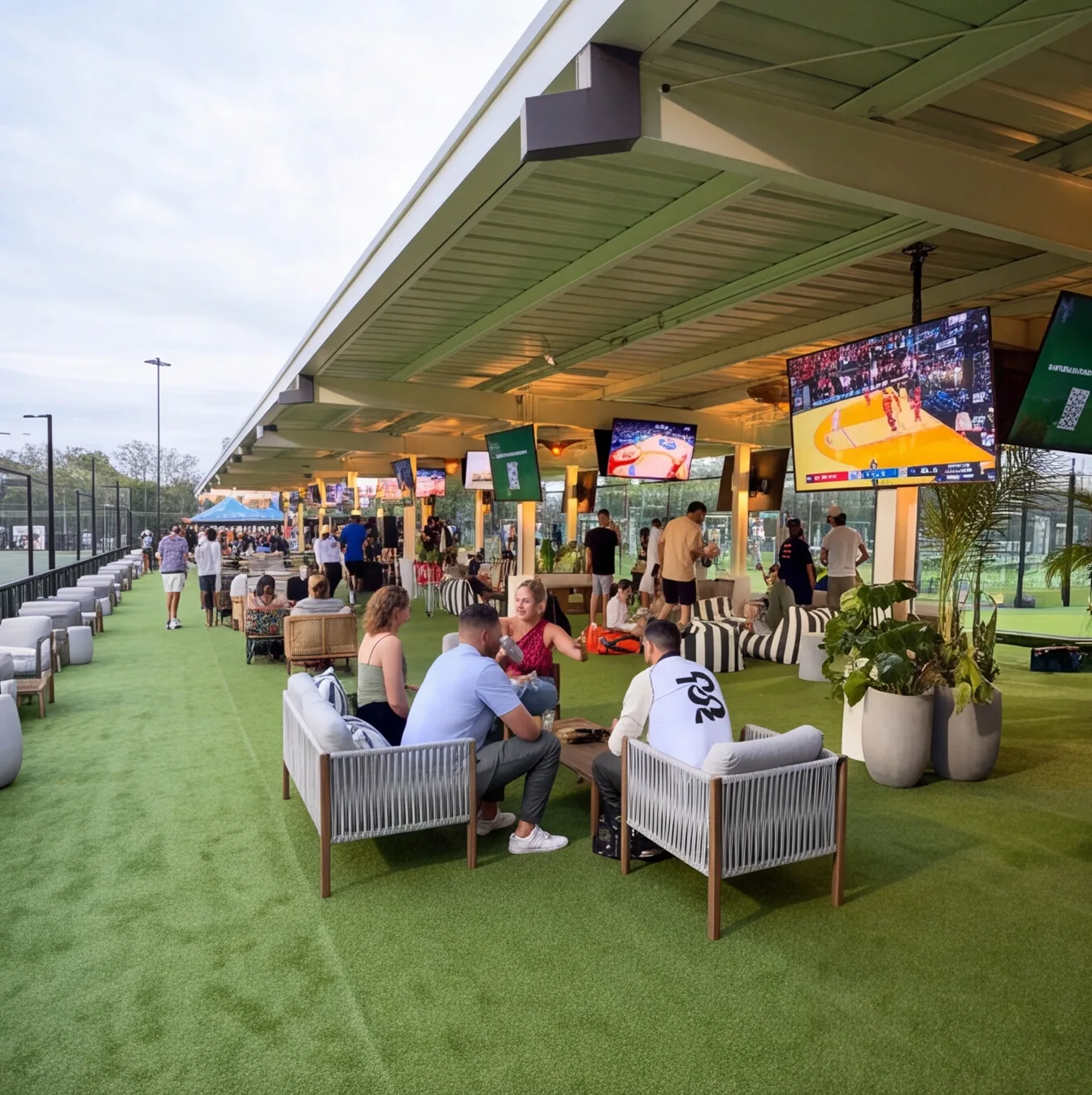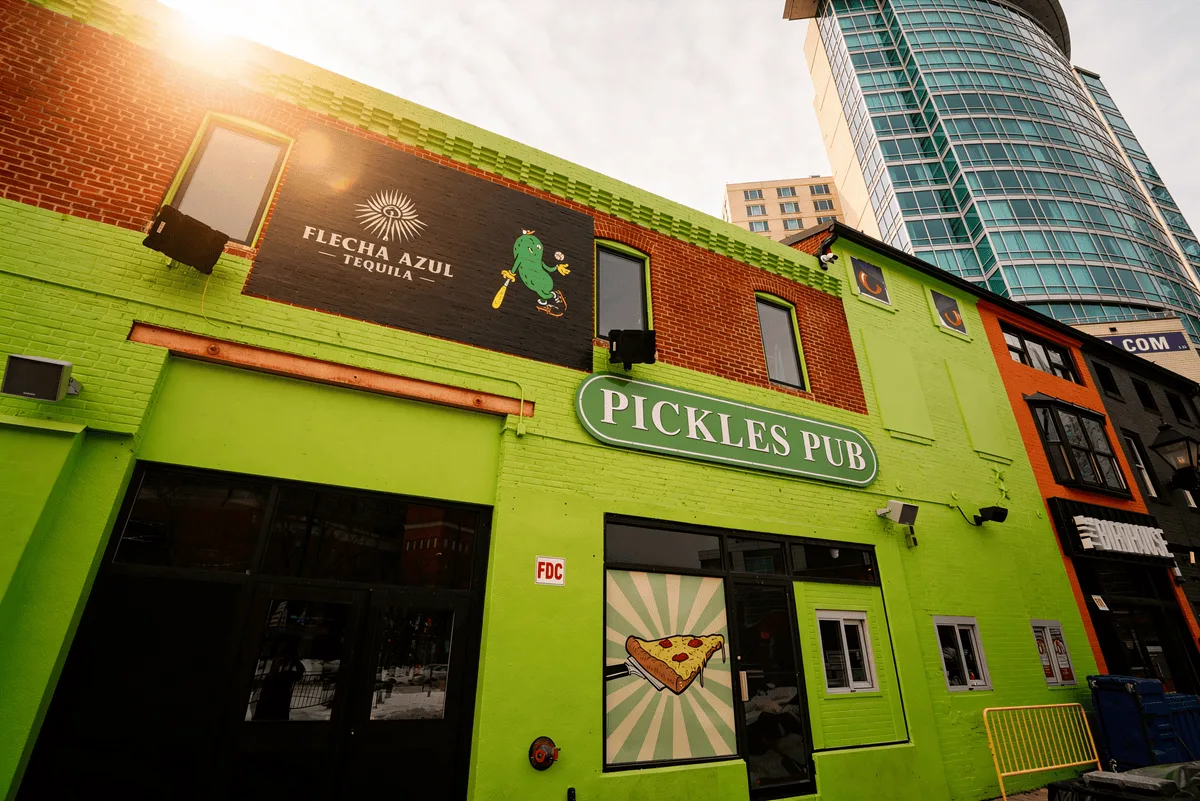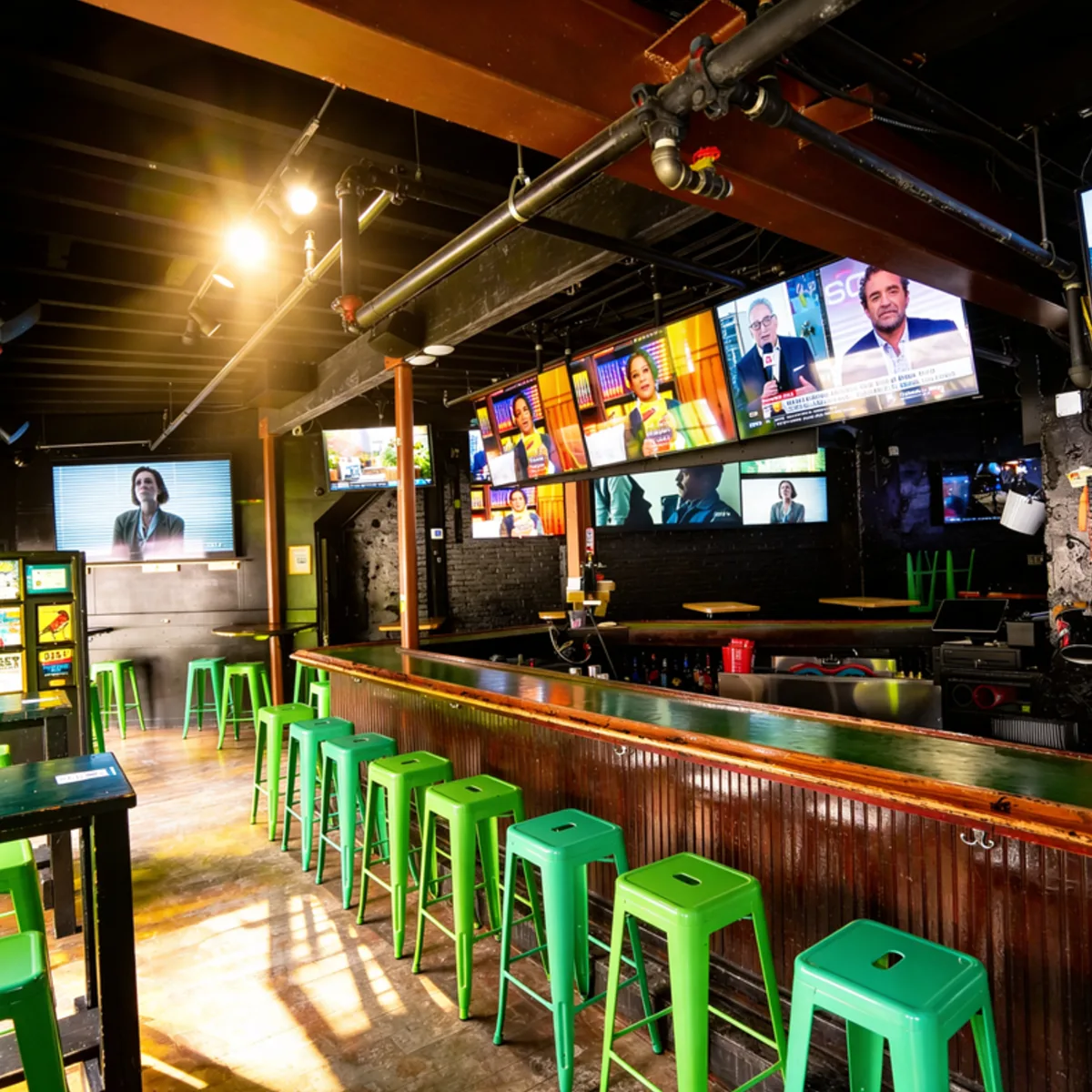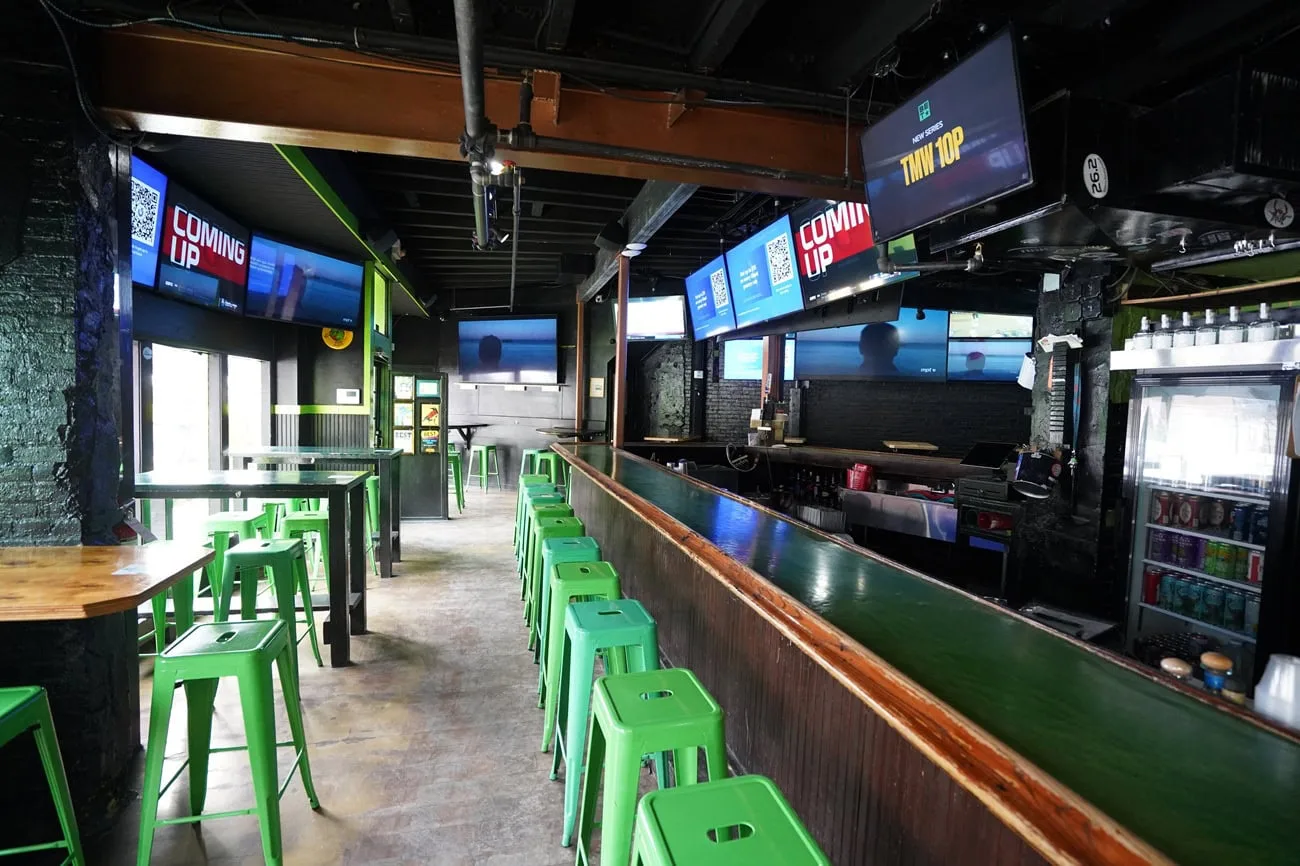

A sports bar TV control system is a centralized solution that lets you manage all your displays from a single interface. Instead of using multiple remotes or running back and forth to change channels, your staff can control everything from a tablet, iPad, touchscreen, or mobile app.
If you run a sports bar, you know the drill. A big game is starting, your regulars are piling in, and suddenly your staff is juggling four remotes, yelling across the floor, and flipping through inputs like it’s a NASA launch. One screen is showing soccer instead of Sunday Night Football. Another is stuck in HDMI purgatory. Meanwhile, guests are waiting... not watching.
This kind of chaos kills the vibe (and your revenue). In this comprehensive guide, we’ll get you everything you need to know about TV control systems for sports bars and how to future-proof your setup.
SEE ALSO: AV Control in Event Spaces
Types of Sports Bar TV Control Systems

Some control systems are built for packed, multi-room venues with 50+ screens. Other ones are perfect for tighter setups where the bartender is also the AV manager. What matters is choosing the right tool for the mayhem you actually deal with on a Friday night.
Let’s get down to the main types.
Centralized Matrix Systems
You can think of this as the control room approach. A centralized matrix system lets you route any video source (cable boxes, streaming devices, digital signage) to any display in the bar instantly.
- Great for large venues with lots of screens and sources
- Typically hardwired with pro-grade switching hardware
- High upfront cost, but ultra-reliable and fast
You’ll need proper planning (and probably a rack in the back), but once it’s in place, it runs like a machine with no lag. Just pure signal routing power.
App-Based Control Solutions
More screen time on your phone. But this time, for a good reason.
App-based systems run on tablets or a smartphone. They give sports bar staff the ability to switch games, adjust volume zones, or schedule changes off the bat. They’re modern, intuitive, and usually tie in with cloud or local hardware.
Use cases? Everywhere—from trendy sports lounges to college-town bars that want to avoid the remote shuffle.
Pros:
- Easy to use with minimal training
- Clean interface, quick updates
- Often integrates with lighting or audio too
Just make sure your Wi-Fi isn’t horrible, or you’ll see staff waving tablets in the air trying to get a signal.
Remote Control Systems
This is the "just make it work" option. You’ve probably seen it. One remote per TV, maybe color-coded with tape. Or worse, a universal remote that controls nothing universally.
While some systems use advanced remotes with IR/RF mapping, most of these setups rely on human memory and a lot of patience. It works until it doesn’t.
Still, for bars with fewer screens and no tech ambitions, it can be a functional (if fragile) solution.
Cloud-Based Management Platforms
This is where things start getting smarter. Cloud-based systems allow remote access, real-time updates, and full visibility into what’s playing where from anywhere. You could be on vacation in Cabo and still change channel 17 in the back bar of your Florida location.
Tremendously useful for:
- Multi-location bars or franchises
- Owners who want centralized oversight
- Automated scheduling and promotions
You’ll typically pair this with app-based control on-site, and the best platforms include analytics to help optimize screen usage and customer engagement.
Voice-Activated Systems
"Put the Knicks game on TV 4."
Yep, that’s a thing now. Voice-activated control systems are emerging in high-tech venues where staff are juggling trays and can’t touch a screen or remote. They integrate with voice assistants and respond to natural-language commands (no coding required).
Are they perfect? Not yet. Loud environments and accents can throw things off. But in the right setup, it’s an impressively efficient way to control your AV.
Key Features to Look for in a Sports Bar TV Control System
A good TV control system changes how your bar runs. It should take chaos off your staff’s plate, make your customers feel like you’re reading their minds, and save you time you didn’t know you were wasting.
These are the features that actually move the needle.
Multi-Zone Audio Management
You can have every game playing on the right screen, but if the audio doesn’t match, customers notice. FAST. A proper control system lets you split your space into zones. Each with its own sound source. The front bar can blast football. The back corner can follow the baseball doubleheader. The patio gets the fight.
If the audio's off, the experience is off. This one’s foundational.
Scheduling Capabilities
Your staff shouldn’t have to drop everything at 6:58 p.m. to scramble for the right channel. With built-in scheduling, game switches, audio transitions, and even promotional content can all happen automatically. Set it once in the morning—or even the week before—and trust the system to follow through.
It’s particularly useful during back-to-back games or when a bar operates on minimal staffing. One less thing to worry about when service is slammed.
Remote Access and Management
You don’t always want to walk over to the screen that’s acting up. Especially if it’s tucked behind a crowd of regulars. With location-independent access, you can handle it from your phone, tablet, or wherever you happen to be. You could be in the office, across town, or on vacation. You can make sure the right game is showing and the right sound is playing.
It’s also a lifesaver for owners managing multiple locations or needing to keep an eye on things without being on-site every night.
Integration with POS Systems
Most restaurants don’t think about this until they see it in action. But when your TV control system talks to your POS, you can start triggering screen content based on what’s happening right then and there. Think: dynamic promos when a certain number of wings are ordered, or syncing special offers with specific games.
It’s not really essential for every bar, but if you're managing a high-volume operation or looking to do more targeted in-bar marketing, this kind of integration can pay off.
Customer Engagement Features
Your screens don’t have to be passive. Some systems allow you to push out more than just sports—things like live social feeds, local shoutouts, trivia, or QR code promos. It gives customers something to engage with when there’s downtime between innings or during commercial breaks.
Utilized right, these features can keep people hanging around longer, ordering more, and feeling like your bar’s more than just another place with multiple TVs.
Scalability Options
What works for you now might not work six months from now. That is, if you’re expanding, remodeling, or adding new sections. A system worth investing in should scale with your business, not limit it.
That means no hard caps on screen counts, no painful AV upgrade paths, and no being forced into a whole new system just because you added a dozen TVs to the new upstairs bar.
Security and Access Controls
You might not have thought of it, but not every staff member needs full access. A well-built system allows you to control who can do what from basic volume adjustments to full source management. The goal is simple: let staff do their job without risking accidental system-wide panic button moments.
Access tiers, secure logins, and the ability to lock down sensitive settings can save you from costly slip-ups and late-night tech support calls.
Content Management Flexibility
Sports are the main event, but your screens can doubtless do more. A flexible system lets you easily switch between live games, digital signage, promotional loops, and even emergency alerts if needed. You shouldn’t need a degree in computer science to swap in a quick happy hour promo or update the rotating menu screens.
How a sports bar TV control system gets installed
A control system is only as good as the planning behind it. The install itself is the short part, and most of the work happens before anyone climbs a ladder.
Start with a consult and a site walk
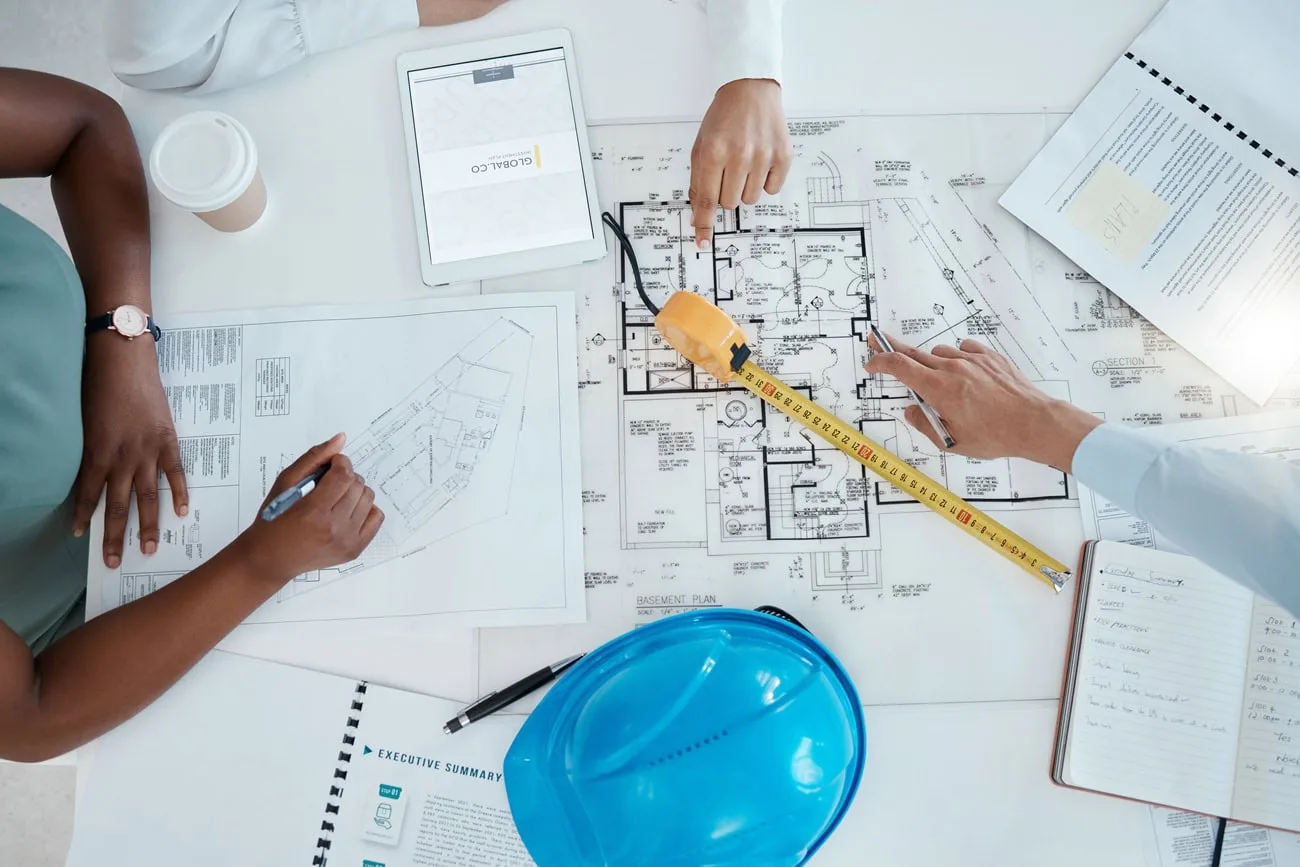
We begin with an AV consult to learn how the bar runs. We ask how many screens and sources you have, which games you carry, who runs the system on a busy night and what's already on the walls. The site walk happens inside that consult. It covers screen locations, speaker spacing, ceiling heights, wall types, outlets and where the rack can live. We bring bartenders and managers into it, since they know exactly where the current system breaks.
Plan the rack, network and power
The rack goes somewhere cool and accessible, like a back office or utility closet, with clean airflow and room to grow. It holds the processors, network switches, audio DSP and control hardware. Video and control run on business-grade switches, separated from guest Wi-Fi, with fixed IP addresses and clear device names. The rack gets dedicated, surge-protected power, and every cable is labeled on both ends.
Connect every screen and source
Each screen gets its own feed through the matrix or AV-over-IP system, tested and labeled before the display goes on the wall. Satellite and cable receivers are rack-mounted where possible, each on its own input. Audio zones are wired to amplifier channels by area, and lighting control ties into the same processor. Our guide to sports bar video distribution covers the routing options in detail.
Program presets and permissions
Screens get grouped the way staff think about the room: main bar, booths, patio, private room. Channel lists are preprogrammed and named. Each audio zone gets a default level and a range staff can adjust within. Managers get the full system and bartenders get TVs and volume. Admin settings stay with the technicians. Presets like Game Time, Happy Hour and Closing Time set every screen, zone and lighting scene at once.
Test it, break it on purpose, then train
Every rack is built, programmed and tested in our shop before it ships. On site, we test each component, then the whole system: channel changes, zone changes, presets, signage and remote access. Then we cause failures on purpose, cutting power or dropping the network, to see how the system recovers. Training happens in person and by role, with a quick-reference card behind the bar and a documented IP sheet for support.
Keep it running
A quick weekly check of every screen, zone and preset catches most problems early. Once a month, look at the rack for dust, loose cables and blocked airflow. Once a year, review passwords and the list of people with remote access. Keep the AV room at 75°F or cooler. When something does fail, our control system troubleshooting guide walks through the first checks, and our help desk fixes most issues remotely.
Running game day from one panel
Game day starts before game day. The bars that run smoothly on a packed Saturday set most of it up on Thursday.
Before the doors open
1. Build the week's game calendar: matchups, start times and the promotions tied to each.
2. Assign games to zones by who's coming. The patio might get the local college game while the main bar carries the national one.
3. Schedule signage for specials, upcoming games and events.
4. Set lighting scenes for pregame, kickoff and late night.
5. Match audio to each viewing area so three games aren't competing in one room.
6. Assign staff by zone, so every area has someone who knows the panel.
7. Run a five-minute check of every screen, source and zone.
During the games
The biggest game goes on the biggest screens, and secondary games cascade out from there. When a game goes to overtime or an upset starts to build, one tap moves it to more screens and brings its audio up in the right zone. If there are more games than screens, post the rotation on a signage screen so guests know when their game is coming. When a broadcast drops or a game runs long, staff reassign screens from the panel instead of chasing remotes.
After the last game
A short review the next morning pays off. Note what guests asked for that you couldn't show, where staff got stuck, which zones drew complaints and how the night's sales compared with the last big one. Adjust the presets and zone assignments before the next weekend.
The real cost of the remote drawer
Remote chaos rarely shows up as one big number, which is why it lasts so long. It shows up as small leaks.
Signs you're paying for it
• The counter behind the bar looks like an electronics graveyard.
• Staff keep asking which input the game is on, or how to fix the sound in one zone.
• Glitches show up at the worst possible moment.
• Guests point out the problem before your staff notices it.
• There's one screen everyone avoids because it never works right.
Run the numbers for your bar
Start with labor. If two staff spend 15 minutes a shift fixing inputs and hunting for channels across five busy shifts a week, that's about 130 hours a year. At $20 an hour, that's roughly $2,600, and it's the smallest part of the bill. The bigger costs are the tables that wait while someone finds the game, the guests who leave early and the review that mentions it. Put your own numbers on those, and the case for one panel usually makes itself.
At one bar we worked with, 12 screens and five remotes meant 30 minutes of setup before every big game. After we installed a centralized control system with presets for football, basketball, fight nights and pay-per-view, setup time dropped by about 90 percent.
ROI and Business Impact

TV control is your revenue lever. When done right, it smooths operations, sharpens marketing, and gives your bar a competitive edge that customers feel, even if they can’t quite name it. Let’s talk about the real payoff.
Customer Experience Improvements
People don’t come to a sports bar just to drink. They come to watch the game. If they show up and the game isn’t on, or worse, if the sound is playing for a different game entirely, they’ll walk. Or at the very least, they’ll remember the experience as nothing short of frustrating.
With a smart control system, you guarantee the right game is on the right screen, with the right audio, every single time. That consistency drives retention.
You’ll see it in the data:
- Longer dwell times during big matchups
- Increased food and drink orders per head
- Fewer complaints logged with staff or management
Even one good Sunday can justify the investment. And the best part? Your staff won’t be scrambling to make it happen.
Operational Efficiency Gains and Time Savings
Ask any manager how much time they waste flipping through remote controls or fiddling with inputs during a packed shift. It adds up. Ten minutes here, fifteen there—multiply that by multiple staff members and multiple games a week.
A centralized control system collapses all that time into seconds. Tap a screen. Switch all zones. Move on.
It also slashes mistakes. No more “Wait, I think I changed the projector feed instead of the patio...” Fewer mix-ups mean fewer disruptions, which translates to smoother shifts and more time spent actually serving customers.
Marketing Advantages and Promotional Opportunities
Your screens are some of your most valuable real estate. And with the right system, they can do more than show games. You can:
- Drop in promo banners mid-game
- Highlight drink specials tied to live sports
- Trigger content based on game triggers (“Free wings if the home team scores 30+”)
It turns passive viewing into active marketing without needing to ask staff to manually swap out signage or remember ad rotations.
Bars that use screen space creatively tend to see higher spend per guest. It’s not because the deals are better. It’s because the message actually gets seen.
Competitive Differentiation Examples
Most bars still use five remotes and a frustrated manager yelling “Why is the basketball game on the jukebox TV?” So when yours doesn’t—when it just works—it’s noticeable.
Imagine a guest walking in, asking for a niche college football game, and having it appear—on the right screen, with sound—within seconds. They’ll definitely remember that. And they’ll come back.
Or take multi-location operators: if you can manage screens and promotions across different bars from one dashboard, that’s brand control at scale.
In a crowded space, small tech advantages feel like big ones to your guests.
Crunchy Tech Case Study: Tom's Watch Bar in Phoenix, AZ
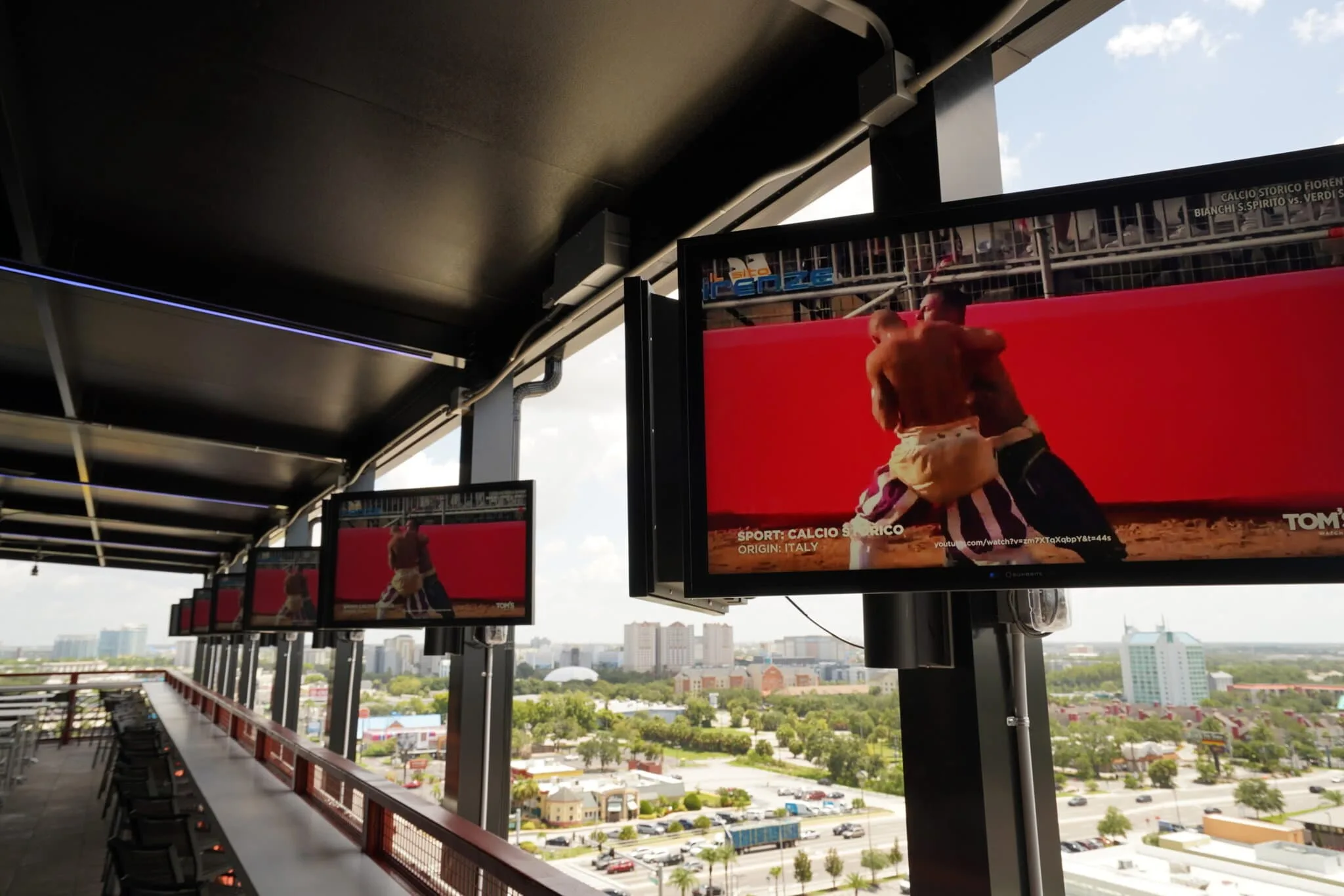
Tom's Watch Bar in downtown Phoenix needed 100 TVs, a jumbotron, four video walls and a full sound system installed in two weeks. We mapped the control interface before we arrived on site, with every screen, speaker and source labeled and loaded into a preconfigured control system. From day one, staff could put any game in any zone in seconds from a touchscreen, without an IT background. Read the Tom's Watch Bar Phoenix case study.
Typical Payback Period Calculations
The big question: when does it pay for itself?
For most mid-size bars, a quality system typically pays itself off in six to nine months. That’s factoring in labor time saved, increased food and drink sales tied to better game-day performance, and the ability to push promotions without extra print or marketing costs.
And if you’re using it to drive ad space for partners or local sponsors? The ROI curve gets even shorter.
Future Trends and Innovations

Control keeps moving toward software and remote management. More venues run their screens from a browser or phone, manage several locations from one dashboard and tie AV into lighting, shades and other building systems. Voice control and AI features get plenty of attention. In a loud bar, the fundamentals still decide how the night goes: wired connections, presets your staff trusts and support that answers on a Saturday.
AI Integration Possibilities
Let’s start with the buzzword that’s actually earning its keep: AI.
In this space, it’s not robots taking over your bar; it’s predictive control. Systems are starting to learn your patterns: which games get priority, when the volume goes up, what promos convert best. The main objective is less micromanagement and more automation that feels like you’re still in control.
Imagine your system auto-loading UFC fights on TVs where fight fans usually sit. Or adjusting audio based on crowd noise. Not in the sci-fi realm. That’s here—or just around the corner.
Cloud-Based Innovations
Local servers? Clunky hardware? Those are on borrowed time. Cloud-based control platforms are making it easier to run multiple locations, manage updates without downtime, and access your system from anywhere there's internet connectivity.
It also futureproofs you. Need to scale? Add new TVs? Change zones across locations? Cloud systems can often do it with no physical rework. Just a few clicks and you’re done.
Apart from that, cloud backups mean you're not going back to square one if someone accidentally resets the wrong thing.
Mobile Integration Developments
What’s changing is how deep that mobile integration goes. We’re talking full control from your phone while you’re on the other side of the bar. One-touch scenes. Game alerts that come with quick-switch prompts. Maybe even geo-fenced controls so only managers near the system can make changes.
Mobile is no longer a secondary interface. For a lot of bar operators, it is the interface.
Tablet control used to be the gold standard. Now, mobile’s taking over—faster interfaces, real-time sync, smoother user experience.
Interactive Customer Features
Here’s where things get fun.
Some systems are starting to test guest-facing controls—limited, of course. QR codes that let customers vote on which game gets sound in the main room. Or a touchpad at VIP tables to request channel changes (with staff approval).
Even subtle interactions—such as personalized trivia during commercial breaks or promo offers that tie into what a customer is watching—are starting to land. It turns idle screen time into something more social, more sticky, and more memorable.
Voice Command Advancements
Voice controls were laughable a few years ago. But now they're finally catching up.
Instead of saying, “Alexa, turn on TV 4” (and praying it doesn’t play kid songs), today’s voice-integrated systems are far more context-aware. You can walk into a room and say, “Put the Knicks game on the main wall, volume up,” and it just works.
It won’t replace manual control entirely. But in a fast-paced bar setting, hands-free options are starting to make real sense, most importantly during peak hours when staff are juggling drinks, tabs, and TVs all at once.
Integration with Smart Building Systems
Lighting. HVAC. Shades. Security. All of it is becoming part of the same digital ecosystem.
Modern TV control systems are increasingly integrating with these tools. You can dim the lights for a night game, adjust volume based on occupancy, or set the whole building to “Game Day Mode” with one command.
The more connected your bar is, the smoother the experience feels for sports bar guests. And fewer systems means less for your team to learn and manage.
Personalized Viewing Experiences
This one's early, but it’s coming. Imagine: loyalty members walk in, the system recognizes them via app or ID, and their favorite team’s game is auto-cued on the nearest screen. Or their drink special pops up on a nearby display.
It’s absolutely a way to turn casual, unenthusiastic guests into regulars. And regulars into evangelists.
Once that experience is dialed in, it becomes a key differentiator. Because most bars are still just broadcasting. You? You’re tailoring.
A Simple Decision-Making Framework
Controlling TVs in a sports bar used to mean juggling remotes and praying the signal held. Today it’s a full-blown strategy move. The right TV control system streamlines operations, elevates guest experience, and opens the door to smarter promotions. All without burning out your staff.
If you’re stuck in decision limbo, break it down like this:
- Where are your pain points right now? Too many remotes? Too many complaints? Not enough promo visibility?
- What’s your team realistically capable of managing? Choose a system they’ll actually use consistently.
- What kind of flexibility will you need in the next 12–24 months? Expanding to more screens? New locations? Consider future needs NOW.
- Who’s handling the install and support? Tech is only as good as the people behind it.
Answer those honestly and the best option usually makes itself known.
Next Steps for Implementation
Here’s how to get the ball rolling:
- Audit your current setup. Cables, screens, zones, workflow. Get everything mapped out.
- Talk to an integrator (or us). Bring in someone who knows the landscape and can recommend systems based on your actual needs.
- Plan for rollout. Set clear install dates, prep your team, and don’t underestimate training time.
- Think beyond installation. Who's managing updates? Who troubleshoots? Plan for the long haul.
You don’t need to do it all at once. But you do need to start somewhere.
Put the whole bar on one panel

A TV control system is one part of a full sports bar AV system, alongside distribution, zoned sound and lighting. We design all of it around your floor plan and your busiest night, build and test it in our shop and support it after opening. Tell us how many screens and games you run, and we'll show you what one-tap game day looks like in your bar. Talk to a sports bar AV designer.