AV Company in Jacksonville
location_on Jacksonville, FL

Commercial AV Company in Jacksonville

Design-build audiovisual for Jacksonville offices, restaurants, logistics floors, and beach rooms, across 875 square miles that all answer to one permit office.

Jacksonville is onecitythesizeofacounty, and that cuts both ways

Jacksonville and Duval County consolidated in 1968, and the result is the largest city by land area in the lower forty-eight, roughly 875 square miles wearing one name and answering, for the most part, to one government. For a commercial AV project, that's a genuine gift with a genuine bill attached. The gift is the paperwork: one primary permit office, one set of reviewers, one process to learn, where a comparable metro scatters approvals across a dozen proud municipalities. The bill is the map, because one city that stretches from the beaches to the westside timberland means your second location can sit forty-five minutes from your first without ever leaving town, and support plans that ignore that discover it on a Friday.

We take both sides of the trade seriously. The permitting advantage gets banked early, engineering in front of reviewers while a single efficient process can still compound with design readiness, and the distance cost gets engineered away instead of driven through: systems built remote-first, monitoring that names the failing part, documentation that turns any visit into one visit. Around 47% of our support tickets close inside an hour with nobody on the road. The rest of the discipline holds as always, real drawings, a rack proven at our shop, install, tune, train, document, one company accountable across all 875 square miles. Since 2008.

Jacksonville is one city the size of a county, and that cuts both ways
Install Jacksonville is one city the size of a county, and that cuts both ways Jacksonville, FL

Who We Serve

Industries we serve in Jacksonville

Spaces we've wired across Jacksonville — each built and supported by the same local crew.

Commercial AV AcrosstheBoldCity

Downtown and the Southbank, Riverside and San Marco, the industrial westside, the sprawling southside, and the beach cities that kept their own flags.

2008
Serving Jacksonville since
10
Neighborhoods
Downtown and the Northbank
Corporate · Institutional

Downtown's corporate floors buy consistency by the dozen rooms, and the single permit office keeps the schedule honest.

Multi-room standard
Southbank and San Marco
Corporate · Restaurants

San Marco's compact historic rooms reward placement over power, a block from towers that want the opposite discipline.

Tower · small room
Riverside and Avondale
Restaurants · Bars

Riverside's old storefronts bounce sound off brick and heart pine, so the acoustics draft the speaker plan first.

Historic · acoustics
Springfield
Restaurants · Bars

Springfield's renovations mix protected bones with new ambitions, and what the building tolerates gets answered early.

Revival · fabric
Five Points and King Street
Bars · Venues

Taproom acoustics are concrete and glass being honest, and many quiet speakers beat a few loud ones in every single one.

Taproom · coverage
The Town Center and southside
Retail · Restaurants · Corporate

The southside builds new and fast, which makes pre-drywall timing the cheapest decision on the whole project.

New build · design phase
Mandarin and the south river
Restaurants · Corporate

Mandarin's rooms serve regulars at conversation level, forty minutes from downtown without leaving the city.

Distance inside one city
Westside and the industrial belt
Industrial

The westside's floor plates are measured in acres, where announcement intelligibility is the entire audio brief.

Large volume · paging
Jacksonville Beach
Bars · Hotels · Restaurants

Jax Beach kept its own government at consolidation, and its permits, like its salt air, play by beach rules.

Separate city · marine
Atlantic and Neptune Beach
Restaurants · Bars

The smaller beach cities run their own reviews too, and their rooms live close enough to the surf to hear it.

Separate cities · salt line

What we do here

Jacksonville AV Design SizedfortheWholeMap

Four kinds of buyers anchor our Jacksonville work, spread across a city that would swallow three ordinary metros without loosening its belt.

Logistics, port, and industrial floors

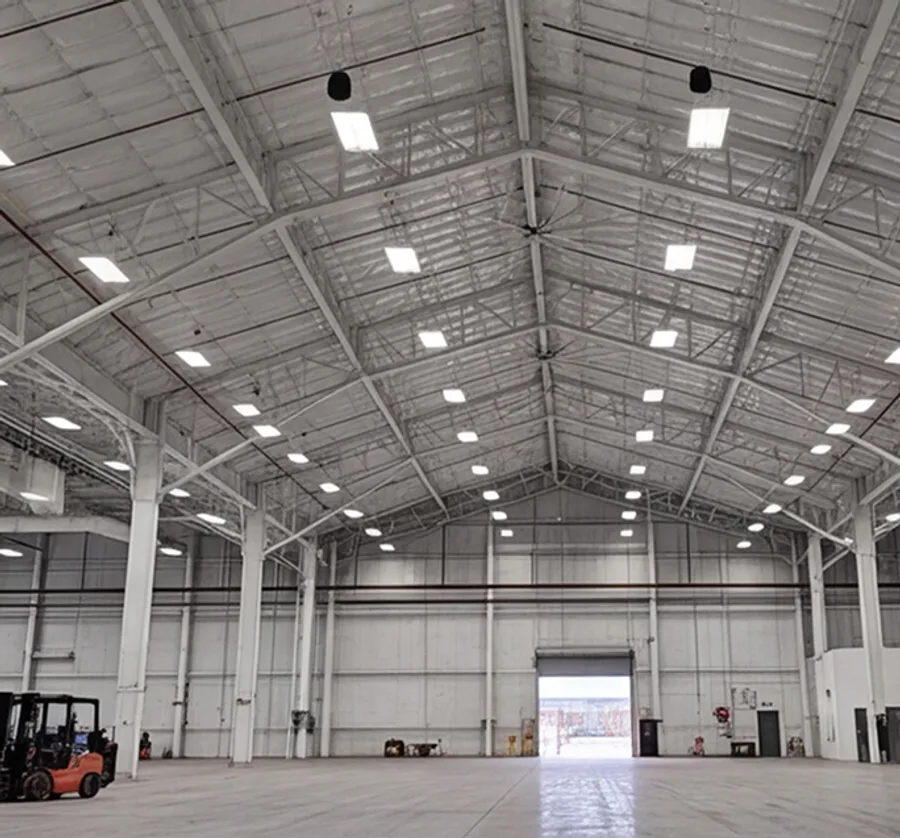
Jacksonville works for a living, and much of that work happens on enormous floor plates, port operations, distribution centers along the interstate belts, and the industrial westside. Rooms like that are announcement country before they're anything else, since an instruction has to cross concrete acreage, beat machinery noise, and land intact on somebody driving a forklift away from the loudspeaker, and that's an engineering problem music systems never face. Intelligibility gets designed from coverage maps, not hope. The office and training sides of these facilities get the same discipline at conversational scale, and everything gets documented to survive shift changes, because industrial staff turnover is a fact and the system can't retrain itself. Support runs remote-first, which on floors this size is the only honest kind.

Offices, banking, and downtown floors

The downtown skyline holds a financial and insurance base that buys AV the corporate way, floors of conference rooms where consistency is the product and the far end of the table is the test. The failures are national classics, hardware sized off a brochure, rooms that evolved separately until staff trust none of them, and the fixes are ours: measure the actual room, learn the platforms your people and clients genuinely run, standardize the control layer so the whole floor works on one set of habits, and document it past the next reorg. The Southbank and the growing suburban office nodes get the same treatment under the same single permit process, which is where this city quietly outpaces its peers. Approvals that run in weeks elsewhere run in days here, when the drawings arrive ready.

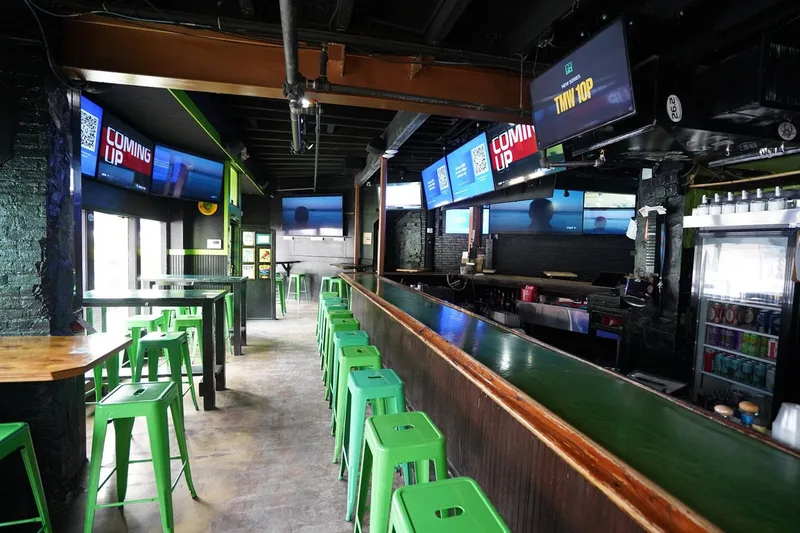
Restaurants, bars, and neighborhood rooms

Jacksonville eats across a dozen distinct pockets, Riverside and Avondale's historic storefronts, San Marco's tidy blocks, Springfield's revival, and the brewery belt threading through them all. The old rooms play by acoustic rules, brick and heart-pine bouncing everything, so we scatter lots of little speakers at low level and split the zones so the bar can push while dinner stays easy. The new construction sprawling south and east is the cheap win when we arrive before drywall. Patios earn most of the calendar here and pay Florida's usual taxes, humidity always, storms seasonally, and a lightning exposure that makes surge protection standard equipment. One curfew button on the patio zone keeps the neighborhood on your side, and in rooms this residential-adjacent, that button earns its keep weekly.

The beaches and the coastal rooms

Jacksonville Beach, Neptune Beach, and Atlantic Beach kept their own governments through consolidation, a fact that surprises operators annually at permit time, and their rooms live in the salt line besides. Coastal hospitality here runs casual and hard-working, surf-adjacent bars, beach hotels, restaurants that seat sandy customers twelve months a year, and the ocean bills every one of them: connectors corroding from the inside, fasteners streaking rust, gaskets aging on double time. Marine-grade specification is the baseline east of the Intracoastal, not the upgrade. The design side stays warm and simple, coverage tuned for rooms full of wet swimsuits and open doors, zones that follow the indoor-outdoor flow these buildings live on, and controls a seasonal staff can run on their second shift without a manual.

Is Jacksonville actually easier to build in, or is the one-city thing just trivia?

It's real, and it's worth actual weeks on the right project. Consolidation in 1968 folded Jacksonville and Duval County into one government, so most addresses in this enormous city route through a single permitting apparatus, one office, one process, one institutional memory, where a peer metro splits the same work across a dozen municipal counters that don't talk to each other. Projects that arrive with complete drawings move through review here at a pace that genuinely surprises operators from fragmented markets. Two asterisks keep the claim honest. The beach cities, Jacksonville Beach, Neptune Beach, and Atlantic Beach, kept their own governments and run their own reviews, so coastal projects start their own paperwork, and Baldwin holds the same independence out west. Our discipline stays what it is everywhere, confirm the actual authority for the actual address, it just resolves in one phone call most of the time. The way to spend the advantage is readiness, since a fast reviewer can't accelerate drawings that don't exist. Crunchy Tech has been doing this since 2008, and we'd rather bank your saved weeks in better rooms than in a longer schedule.

Our two locations are both in Jacksonville and they're 40 minutes apart. How does support work?

That sentence is the whole Jacksonville support problem in one line, and it's why we design for this city differently than its permit office suggests. Eight hundred seventy-five square miles means in-town distances other metros would call a road trip, so any support plan built on driving is a plan built on billing you for windshield time. Ours is built on not driving. The systems monitor themselves and name the failing component, so diagnosis happens from our desks instead of your parking lot, and about 47% of tickets close inside an hour with nobody on the road at all. Your locations run identical configurations, so a fix proven at the San Marco room applies at the Town Center room without rediscovery, and the documentation is thorough enough that when hands are genuinely required, the visit starts with answers instead of questions. Zoning keeps failures small in the meantime, since a patio amplifier fault should never take a dining room down with it, and small failures wait politely for scheduled visits. The map is what it is. The trick is making sure you never pay for it twice.

What does the lightning situation here actually require?

Respect, mostly, expressed as unglamorous hardware. North Florida trades places with Tampa Bay atop the national strike maps most years, and a strike doesn't need your address to ruin your week, since surges arrive by proxy through power lines, network runs, and any conductor that crosses your wall, then hunt for the most expensive unprotected electronics in the building. They usually find the amplifier or the processor. The defense stack is layered and boring, which is exactly what you want protecting you: surge protection at the rack as standard equipment, protection on circuits feeding anything remote, grounding designed and verified by your licensed electrician rather than assumed from the panel's age, and isolation on network runs between buildings, which matters more here than most places because Jacksonville properties sprawl. Outdoor systems earn extra care, since patio gear lives closest to the sky on the longest cable runs. All of it priced at design time costs less than one August casualty, and August is patient. We've replaced enough cooked processors in this state to write that sentence with feeling.

We're at the beach. Does that change the project beyond the view?

It changes the government and the chemistry, and both start before the first speaker gets picked. Governance first: the beach cities kept their independence when the rest of Duval consolidated, so Jacksonville Beach, Neptune Beach, and Atlantic Beach each run their own permits and reviews, and drawings blessed downtown mean nothing east of the Intracoastal. We file natively with whichever beach hall owns your address and schedule honestly around their pace. Chemistry second, and it's the bigger budget line: salt air east of the waterway is a permanent operating condition, corroding standard connectors from the inside, rusting ordinary fasteners into streaks, and aging gaskets on double time, so marine-grade specification is the baseline out here rather than the premium option. The design itself leans into what beach rooms actually are, indoor-outdoor spaces with open doors, sandy floors, and a seasonal staff that turns over by nature, which argues for weatherized zones that flow with the building, controls a second-week hire can run, and documentation that outlasts every summer crew. The view is free. The salt line sends invoices, and we'd rather you pay it once, at selection.

What clients say

Operators who run on our systems

Client successes drive Crunchy Tech to become better. Below is how our customers feel about us.

Just do it. Spend the money. It’s well worth it. It’s not worth your time, hassle, energy, and stress of trying to make it look right and do it right when there’s somebody who has been doing it for years and has perfected the craft.

Matt Moore logo
Matt Moore
IT Systems Administrator · Capone's Hideout

You're a great partner with Florida Hospital and this project will make a difference in Children's Health.

Des Cummings logo
Des Cummings
Vice President of Florida Hospital · Florida Hospital

Working with Crunchy Tech was a fantastic experience from start to finish. They handled the sale and installation of all our sound and TV equipment at The County Bar in Aviston, IL, and absolutely nailed it. We were on a very tight deadline, and they not only met it—they delivered top-notch quality and service the entire way. Highly professional, responsive, and easy to work with. We couldn't be happier with the results.

Clint Flowers logo
Clint Flowers
Owner · The County Bar

Crunchy's AV Services are outstanding. Staff members are experts, who really extend themselves to find the right technology for helping us reach our marketing goals in creative ways. The best thing about working with Crunchy is collaborating with the staff – they are patient, responsive, knowledgeable, and available.

Shannon McHale logo
Shannon McHale
Marketing Specialist · IGT

Crunchy has been great to work with. They communicate well and deliver as promised.

Brian Dornbush logo
Brian Dornbush
Facilities & Operations Manager · Orange County Library System

The work Crunchy has been doing is a game changer for this industry.

Steven Fandozzi logo
Steven Fandozzi
VP of Information Technology · Foundation Partners

Being able to reuse the existing structure created a much lower cost for the client and they were ecstatic.

Seminole State College logo
Seminole State College
Facilities · Seminole State College

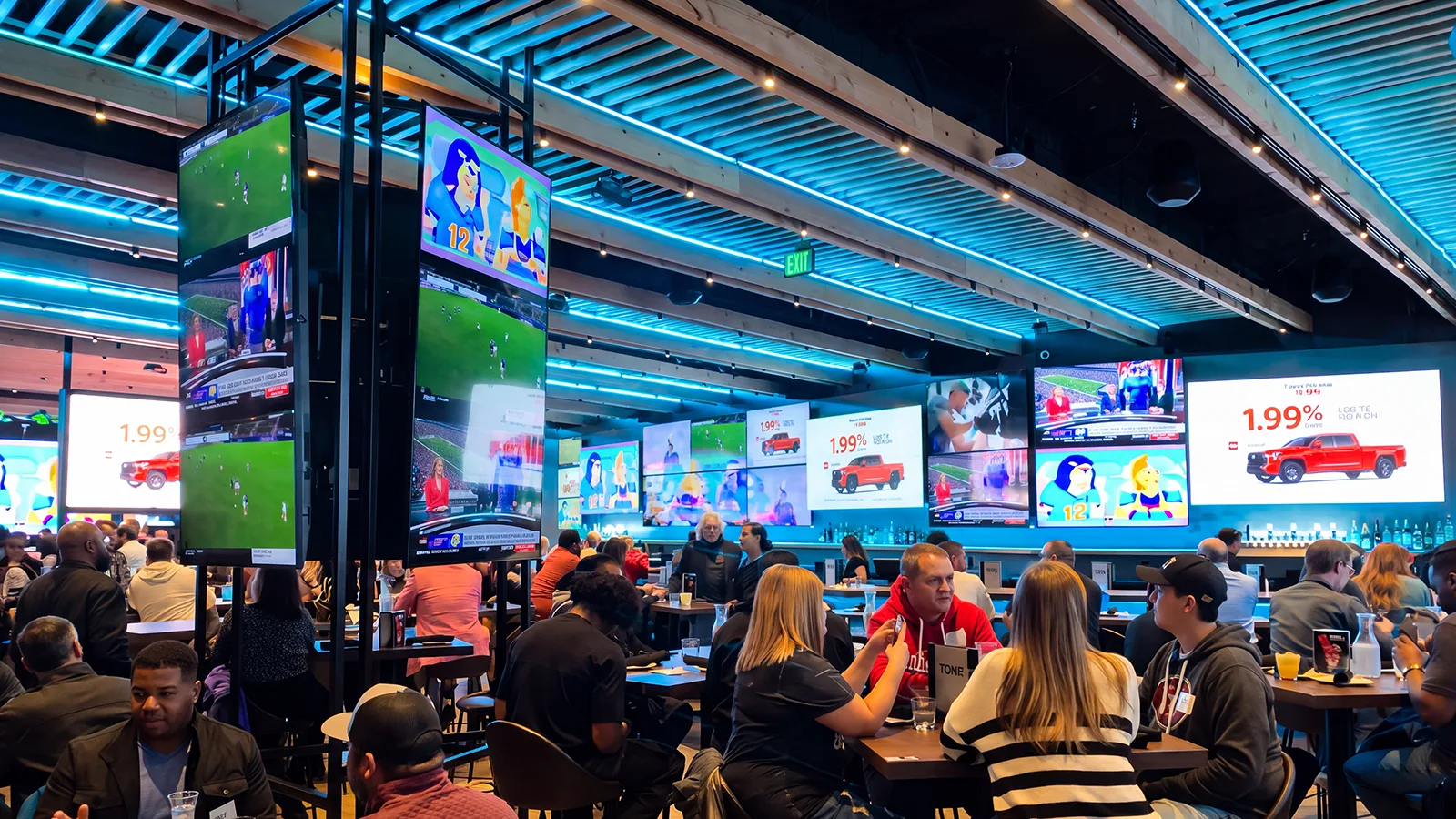
Crunchy has done an amazing job on our A/V install. The sound is perfectly balanced throughout our many zones and the entire system is super simple to use.
Steve Glum logo
Steve Glum
Chief Marketing Officer · Ace Cafe
Talk to a Jacksonville AV designer

Let's bank the fast permits and beatthelongmap

Tell us the address, and if you've got more than one, how far apart they really sit, because in this city that number matters. The consult covers what each room needs to earn, the walk covers the building and whichever government actually reviews it, and the deliverable is an engineered scope ready to move at Jacksonville's permit speed.

  • One permit office for most of the city, and drawings ready to use its speed.
  • Support engineered around 875 square miles, so the distance bills us, not you.
  • Beach-city governments and salt-line hardware handled as the separate things they are.
  • Lightning protection as standard equipment, priced at design time, not after August.