AV Company Daytona Beach | Commercial AV Integration
location_on Daytona Beach, FL

Commercial AV Integration in DaytonaBeach

Design-build audiovisual for Daytona Beach hotels, venues, restaurants, and offices, built to carry a race-weekend crowd and step down for the quiet week.

In Daytona the room serves twocompletelydifferentcrowds

Daytona lives on a handful of enormous weekends. Two race weekends at the Speedway, Bike Week with its hundreds of thousands of riders, Biketoberfest, and the rooms that host all of it spend most of the year nowhere near that full. That puts a strange question in front of everyone who buys AV here: which crowd are you buying for? Size the sound and screens for a packed Bike Week house and the system is overkill and a headache to run on a slow Tuesday. Size it for the slow Tuesday and it drowns the weekend the town triples in size. Most quotes pick one crowd and quietly ignore the other, which is why so many rooms in this town end up either too much or not enough.

We design for the loud weekend and make the system step down to the quiet week, so one room serves both crowds without a technician standing by. That means covering a full house cleanly first, then building presets a bartender or event lead runs by name rather than by knob, peak on Saturday and easy on Tuesday from the same rig. Where a full build is a stretch, we phase it, the core that carries the crowd now and the extras later. From there the craft holds steady. Drawings your contractor can build from, a rack we prove on the bench before it ships, then install, tuning, staff training, and documentation the next manager can use, with support that usually clears from our desks instead of a truck. Since 2008.

In Daytona the room serves two completely different crowds
Install In Daytona the room serves two completely different crowds Daytona Beach, FL

Commercial AV AcrossVolusiaCounty

The beachside and the Speedway, Beach Street and Ormond, Port Orange and New Smyrna, DeLand and the university corridor.

2008
Serving Daytona Beach since
10
Neighborhoods
Daytona Beach and the beachside
Hotels · Venues · Restaurants

The beachside packs oceanfront hotels and boardwalk rooms that fill on a rally weekend, where salt air and the crowd swing both drive the design.

Beachfront · surge
The Speedway and One Daytona
Venues · Corporate · Retail

The Speedway district and One Daytona run event and hospitality rooms built for peak weekends, so coverage gets sized for the full house first.

Event scale · peak
Main Street and the strip
Bars · Restaurants

Main Street's bars and the beachfront strip live for rally weekends, where audio has to stay even on a quiet night and carry over a packed one.

Swing crowd
Beach Street and the riverfront
Corporate · Restaurants

Beach Street's riverfront mixes downtown offices with dining, where a boardroom and a bar can sit a block apart and need different systems.

Downtown mix
Ormond Beach
Corporate · Hotels

Ormond pairs a quiet corporate corridor with its own beachfront, and it pulls permits separately from the city of Daytona.

Separate city
Port Orange and South Daytona
Restaurants · Retail

Port Orange runs suburban retail and dining strips that stay steady year-round, where reliable everyday rooms matter more than peak capacity.

Steady · suburban
New Smyrna Beach
Hotels · Restaurants · Bars

New Smyrna runs its own coastal hospitality and its own reviews, and its beachfront gear meets the same salt and storm exposure as Daytona's.

Separate city · coast
DeLand and Stetson
Institutional · Corporate

DeLand holds the county seat and Stetson University, so civic rooms and lecture halls sit side by side in west Volusia.

County seat · campus
Deltona and Orange City
Retail · Corporate

The west-county line around Deltona and Orange City permits on its own and leans commercial and retail rather than tourism.

Separate towns
Embry-Riddle and Daytona State
Institutional

The Embry-Riddle and Daytona State corridor fills lecture and flight-simulation rooms that have to run reliably, class after class, with no technician standing by.

Instructional · simulation

What we do here

Daytona AV That HandlesEveryCrowd

Four kinds of buyers drive our Daytona work, and the busiest of them live and die by a handful of weekends a year.

Hotels, event venues, and hospitality

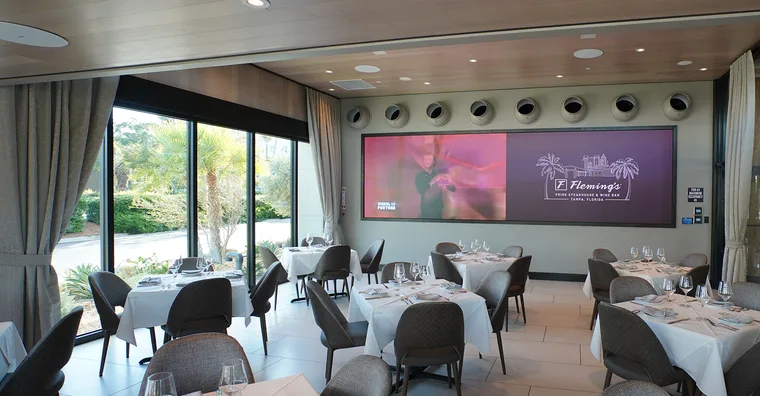
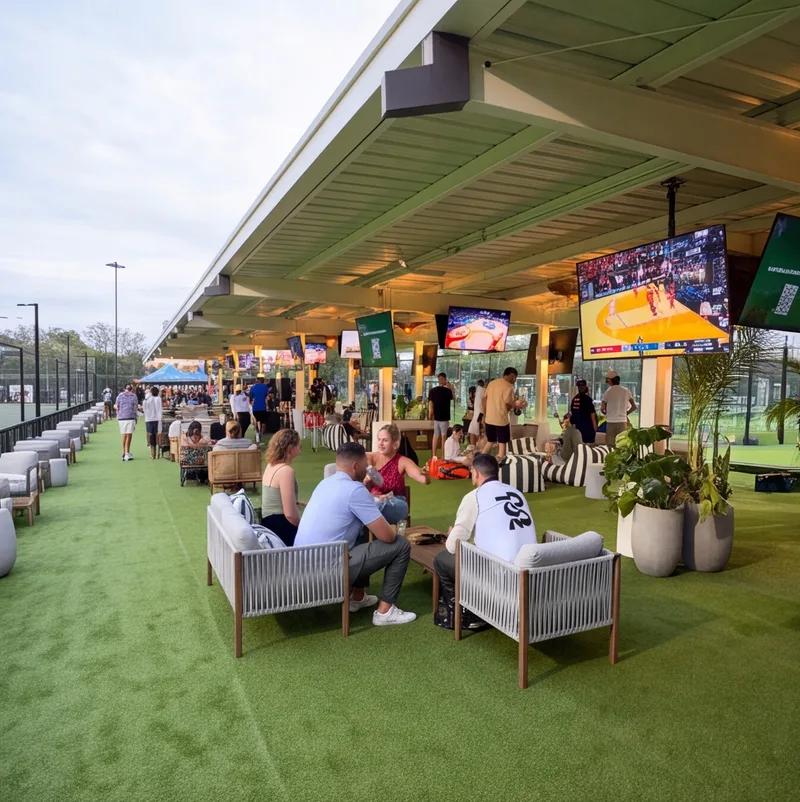
This is the buyer that defines the market. Oceanfront hotels, event halls, the hospitality built around the Speedway and One Daytona, and the venues that fill for Bike Week and race weekends all share one problem: the crowd they design for shows up a few times a year, and the rest of the calendar looks nothing like it. We cover the full house first, cleanly, so a packed room stays intelligible from the back. Then we build the everyday version into the same system, presets a house lead runs without a technician, so the quiet week is simple and the big weekend is ready. Where a room streams or feeds overflow space, we design the outlet and leave the show to your crew. Multi-property operators get one standard, so the Tuesday staff and the race-weekend staff run the same room the same way.

Restaurants, bars, and Main Street rooms

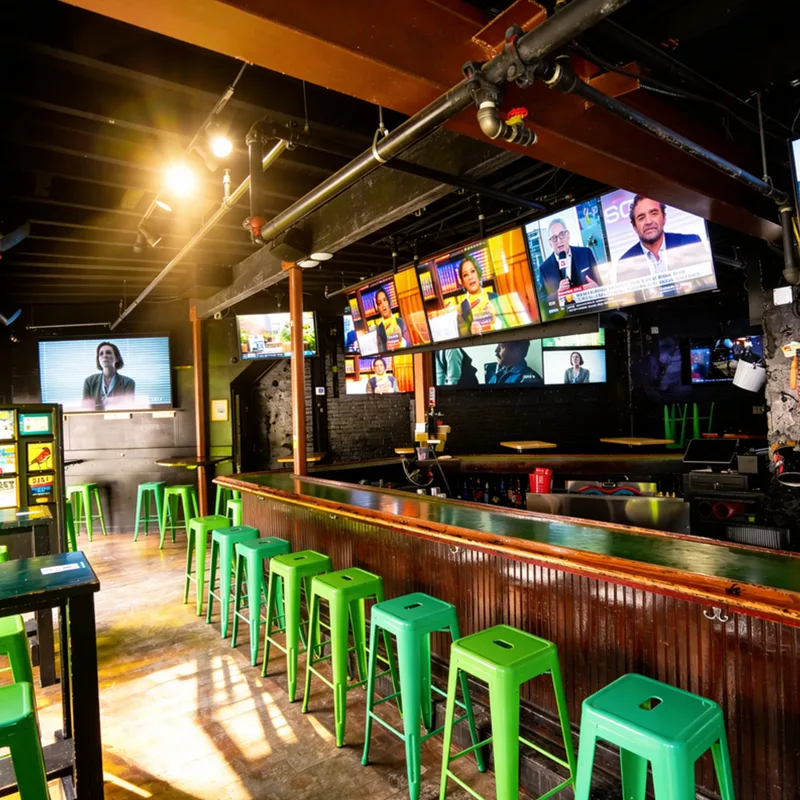
Daytona eats and drinks in rooms that swing hard with the calendar. A Main Street bar or a beachside patio runs half-full on an ordinary night and shoulder-to-shoulder when a rally rolls in, so the audio has to stay even at conversation level and still carry over a packed, loud house. Zones keep a game or a band in one area off the diners in another. On the beachfront, patio gear gets chosen for salt air and weather rather than looks, because the ocean is hard on anything that wasn't picked for it. The goal is a room that sounds right on a slow Tuesday and holds together when the town fills, from one system your staff can actually run.

Offices, healthcare, and campus rooms

Under the tourism sits a steady professional base, and its rooms don't care about race weekend. Insurance and corporate offices downtown and in Ormond, the medical campuses on the health-system side, and a university corridor led by Embry-Riddle all need rooms that just work, every day, run by whoever walks in. We confirm the video-call and presentation platforms actually in use, give a floor one way to start a meeting, and hand the facilities manager documentation that matches what's on the wall. The training and flight-simulation spaces on the aviation and medical side get built for reliability over flash, since a class or a briefing can't wait on a support call. None of it is glamorous. It's the work that keeps a building running long after the install crew leaves.

Civic rooms and public buildings

Volusia County runs its government from DeLand and its beachside business from Daytona, so the civic work here spreads across two seats plus the courts and the public libraries. All of it buys on public bids, and all of it lives or dies on one thing: can the person in the last seat follow the whole meeting. In old, hard-surfaced chambers that means the microphone and gain plan come first, before anyone counts speakers, because a live room feeds back long before the back wall hears it. We build the controls for the clerk running the session, not a visiting tech, and we meet the bid and records rules exactly as written. Where sessions stream, we wire the feed's outlet and leave the broadcast to your people. Clean paperwork and a room that just works, meeting after meeting.

Our place is packed for the races and Bike Week but quiet most weeks. How do we buy AV for both?

You buy for the loud weekend and make it step down to the quiet one, which is the whole trick in a town like this. Size the system for the crowd you actually get at peak, a full Bike Week or race-weekend house, so it stays clear and even when the room is shoulder-to-shoulder, because that's the night people remember and the night a thin system embarrasses you. Then build the everyday version into the same rig with presets, so a bartender or a house lead runs a simple, quieter room by name instead of fighting a board on a slow Tuesday. Done right, one system covers both crowds and nobody needs a technician on site to switch between them. Where the full build is a stretch, we phase it, the core that carries the peak now and the rest as the budget allows. The job we get called in to fix is a room bought for the average night that falls apart the weekend the town triples, so somebody keeps cranking it and the sound only gets worse. Crunchy Tech has been doing this since 2008, and we'd rather size it honestly for both crowds up front than rescue it after the first big weekend.

We have beachfront and patio space. What actually survives the salt air and the storms?

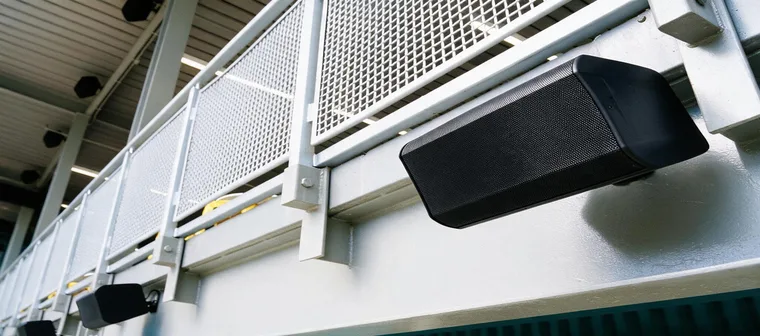
Gear that was specified for it, and not much else, because the Atlantic is unforgiving about shortcuts. Standard outdoor-rated equipment isn't the same as marine-rated, and on the beachfront the difference shows up fast: connectors corrode, cheap enclosures weep, and a speaker that looked fine in the showroom is streaked and failing in a season. So anything within reach of the salt gets chosen for marine exposure, sealed at every entry, and mounted in materials that don't rot. Storm season adds its own rules, since permanent outdoor work here sits in a windborne-debris zone and has to be wind-rated to the Florida Building Code and sited with surge in mind, rather than bolted up and hoped over. Lightning is the quiet third threat, so surge protection and grounding get built in rather than added after a board dies. None of this is exotic once you've worked this coast a while. It's the honest cost of putting AV where the ocean can reach it, and it's a lot cheaper to specify up front than to replace every year.

We're in Daytona, Ormond, and New Smyrna. Different towns, different rules?

Different towns and genuinely different rules, and Volusia County packs a lot of them into a small stretch of coast. Daytona Beach, Ormond Beach, Port Orange, New Smyrna Beach, DeLand, and the rest are separate jurisdictions with their own building departments and their own reviewers, and the county runs its own on top of the cities, so work in the next town starts fresh at that town's counter, whatever your first location cleared. Beachfront jobs add a coastal-construction review that inland sites never face. That whole map is our job, not yours: the right filings in each town, the right inspectors, and honest dates when one counter moves slower than the next, so nothing reaches your desk except a schedule you can rely on. What doesn't change from town to town is how your people run the room, one interface and one set of presets everywhere, with most support handled from our desks before anyone schedules a drive. You run one business across a string of beach towns, and keeping the permits and paperwork straight is exactly what you're paying an integrator to absorb.

For our race-weekend hospitality, can you run the live event production too?

No, and it's worth being clear about the line, because in an event town people reasonably assume every AV company also runs shows. We build and integrate the permanent room, the sound, the displays, the control, the infrastructure that lives in the building all year. We do not book talent, we do not mix live shows, and we do not do production camera work, and we won't pretend otherwise to win a job. What we will do is design the room so your production people, or the crew you hire for the weekend, can plug in fast and work clean, with the feeds, the outlets, the connection points, and the house system they tie into all planned for that. When the weekend's over and the production trucks leave, you're left with a room that still does its everyday job, which is the part we're actually responsible for. If you need a show run, we'll gladly point you to people who do that well. If you need the room that show plugs into, that's us.

What clients say

Operators who run on our systems

Client successes drive Crunchy Tech to become better. Below is how our customers feel about us.

Just do it. Spend the money. It’s well worth it. It’s not worth your time, hassle, energy, and stress of trying to make it look right and do it right when there’s somebody who has been doing it for years and has perfected the craft.

Matt Moore logo
Matt Moore
IT Systems Administrator · Capone's Hideout

You're a great partner with Florida Hospital and this project will make a difference in Children's Health.

Des Cummings logo
Des Cummings
Vice President of Florida Hospital · Florida Hospital

Working with Crunchy Tech was a fantastic experience from start to finish. They handled the sale and installation of all our sound and TV equipment at The County Bar in Aviston, IL, and absolutely nailed it. We were on a very tight deadline, and they not only met it—they delivered top-notch quality and service the entire way. Highly professional, responsive, and easy to work with. We couldn't be happier with the results.

Clint Flowers logo
Clint Flowers
Owner · The County Bar

Crunchy's AV Services are outstanding. Staff members are experts, who really extend themselves to find the right technology for helping us reach our marketing goals in creative ways. The best thing about working with Crunchy is collaborating with the staff – they are patient, responsive, knowledgeable, and available.

Shannon McHale logo
Shannon McHale
Marketing Specialist · IGT

Crunchy has been great to work with. They communicate well and deliver as promised.

Brian Dornbush logo
Brian Dornbush
Facilities & Operations Manager · Orange County Library System

The work Crunchy has been doing is a game changer for this industry.

Steven Fandozzi logo
Steven Fandozzi
VP of Information Technology · Foundation Partners

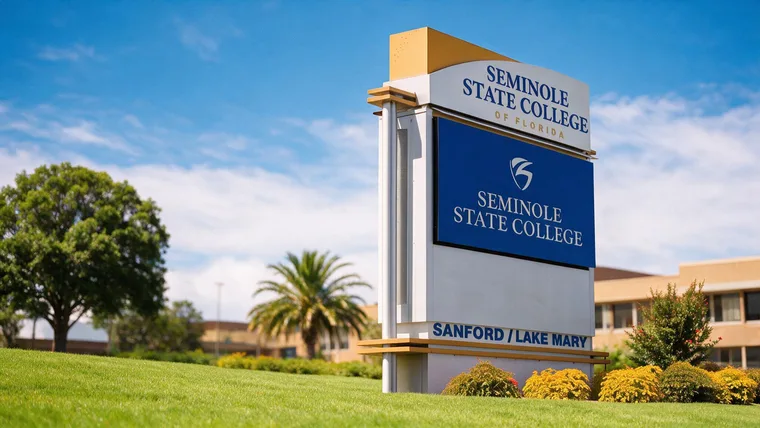
Being able to reuse the existing structure created a much lower cost for the client and they were ecstatic.

Seminole State College logo
Seminole State College
Facilities · Seminole State College

Crunchy has done an amazing job on our A/V install. The sound is perfectly balanced throughout our many zones and the entire system is super simple to use.
Steve Glum logo
Steve Glum
Chief Marketing Officer · Ace Cafe
Talk to a Daytona AV designer

Let's size it for bothofyourcrowds

Tell us the address, what the space does on a normal week, and what it does on a race or rally weekend, because in this town the gap between the two is the whole design. The consult covers the outcome, the walk measures the room and the exposure, and the deliverable is an engineered scope built to carry the peak and step down to the quiet week.

  • Systems that cover the peak crowd and step down for the quiet week.
  • Phased builds when the full system is a stretch, the core first and extras as budget allows.
  • Beachfront gear specified for salt air, wind, surge, and lightning.
  • Permanent room only, we design the outlet and leave the show to your crew.