Just do it. Spend the money. It’s well worth it. It’s not worth your time, hassle, energy, and stress of trying to make it look right and do it right when there’s somebody who has been doing it for years and has perfected the craft.
Hotel AV Systems in Los Angeles
Hotel and resort AV for properties whose public spaces pull their own crowd, with zones and profiles that serve arriving guests and a bar scene at the same time.
Your lobby is somebody else's local
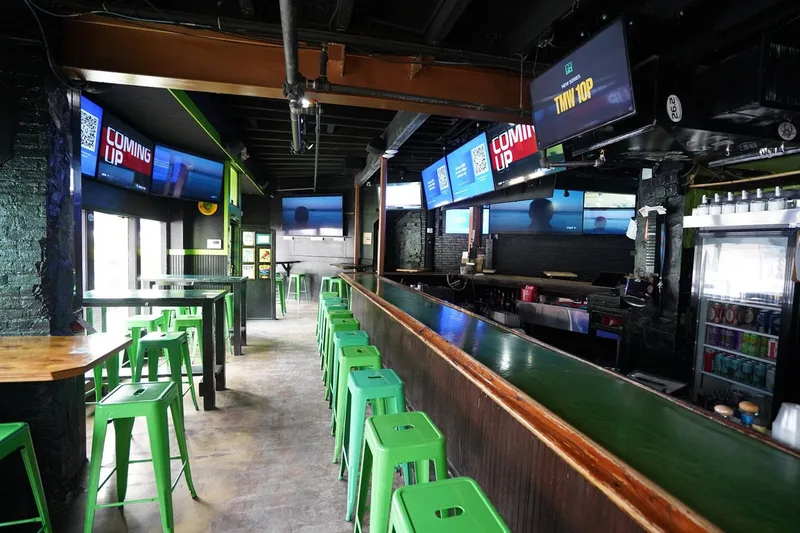
In Los Angeles a hotel's public spaces serve the neighborhood as much as the hotel. The lobby bar is where people who live nearby meet, the restaurant takes reservations from the neighborhood, and the rooftop has a following that has nothing to do with occupancy. That is good business and it creates a problem most properties never resolve. At nine in the evening the same floor is hosting a bar crowd and a guest who just landed and wants to find the desk. One level and one program cannot serve both, so somebody picks, and it is usually the guest who loses.
The answer is treating arrival and destination as separate zones even where the architecture does not divide them. The desk and the path to the elevators hold a level that lets a conversation about a reservation happen, while the bar twenty feet away runs its own program and its own limits. Both move on a schedule across the day, so the space is calm at check-in hours and has presence by evening without anyone deciding. Signage carries what a guest needs without becoming noise for the crowd. Then anything suspended is anchored to what your engineer confirms.

Hotel and Resort AV Across Greater Los Angeles
From Downtown and Hollywood to the Westside, the coast, and the Valley, we design and install hotel AV systems for lobbies, outlets, rooftops, meeting space, and signage.
Anything suspended carries bracing and anchorage requirements determined by your engineer and the jurisdiction, and the design follows what they confirm.
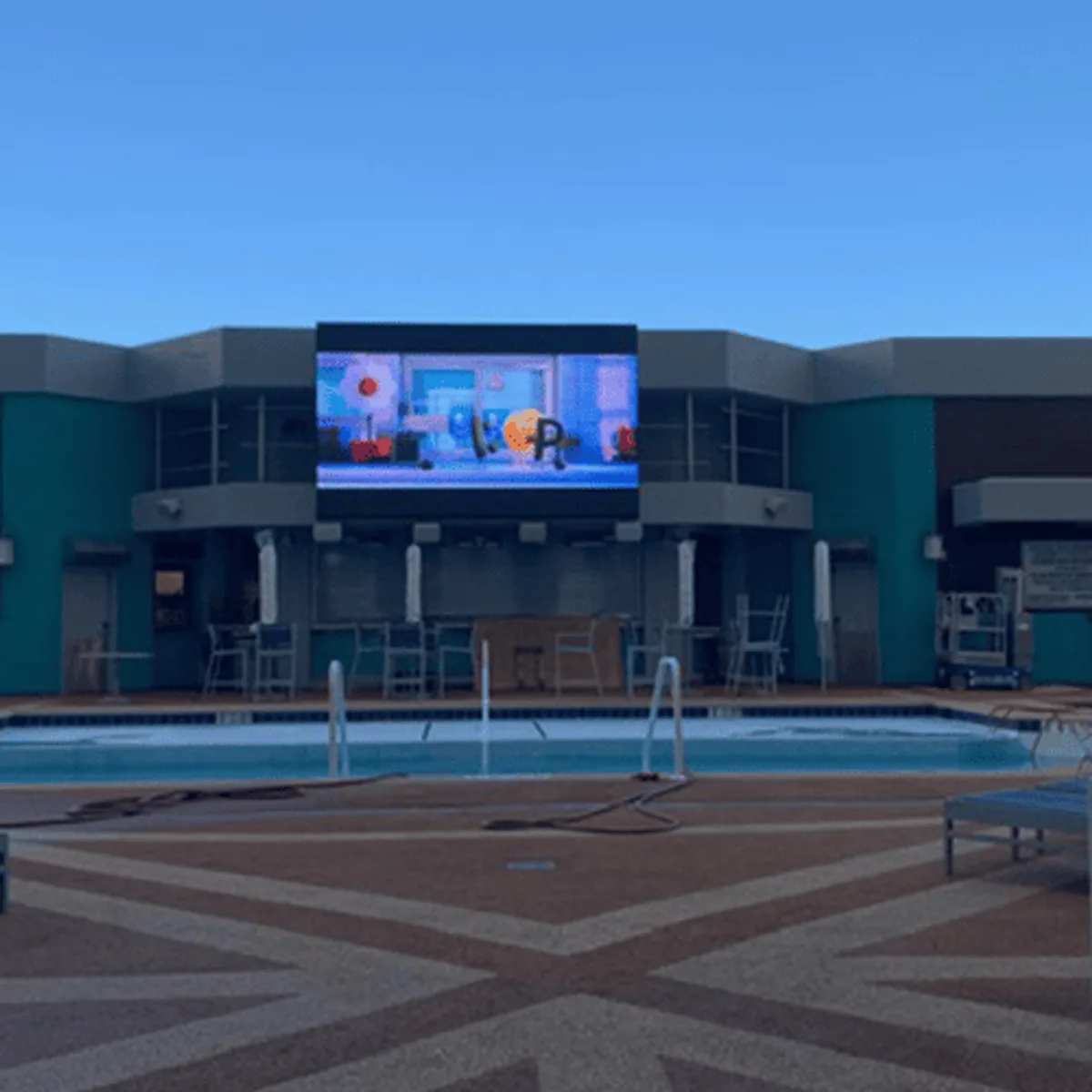
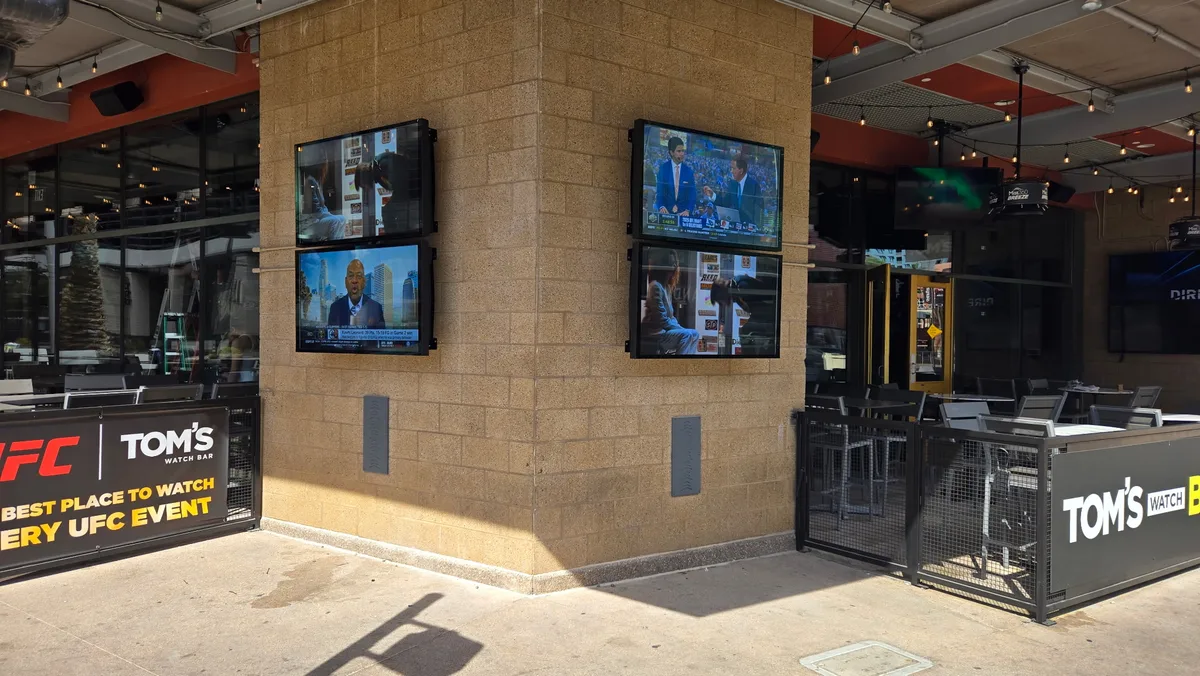
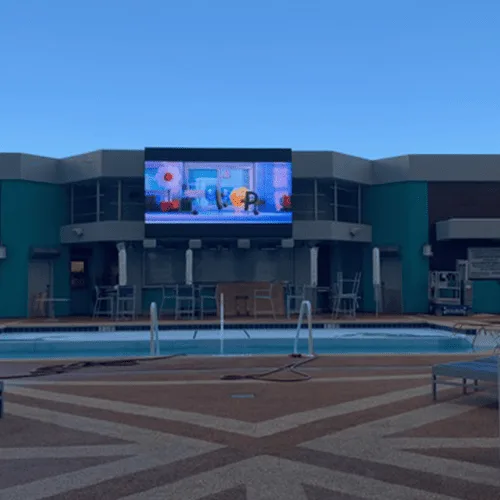
Decks and rooftops take strong UV, so exposed materials get selected for it and outdoor displays run real brightness with ambient sensing.
Airborne dust and smoke settle on heat sinks and inside enclosures where they insulate, so equipment rooms get filtered and cleaned on a schedule.
Coastal properties see salt reach exposed hardware, so anything outdoors there gets marine-grade selection down to the fasteners.
How we work
Zones drawn for two audiences at once
We do not start with a speaker count. We start with who is in the public spaces at nine in the evening, because on an LA property that is rarely only your guests.
The consult and the site walk
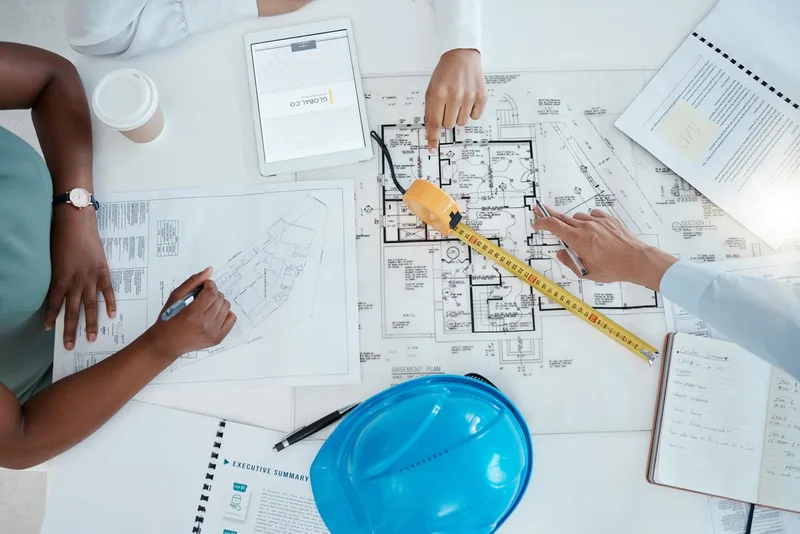
Most disappointing hotel systems were quoted off a floor plan by someone who never stood at the desk during a busy evening. So we start with a consult rather than a quote: what each space needs to do, how big the property is, what it needs to accomplish, and the budget you are working with. Then we walk it during real occupancy, at the desk, in the bar, in the restaurants, on the deck or rooftop, and in the meeting rooms. In Los Angeles we pay particular attention to how much of your public traffic is not staying with you.
Design you can see, then one team on site
The other way these go wrong is that nobody experiences the outcome until it is built, then wants it changed a season later. So you see the design before you commit to equipment, including where zone boundaries fall in an open lobby and what each profile does. Control gets programmed around how the property really runs, so check-in hours, dinner, and a late bar are scheduled states rather than a manager at a knob. One team handles the install, calibration, staff training, and documentation, and coordinates with your general contractor, electrician, low-voltage trades, licensed fire alarm contractor, your engineer where anchorage is a question, and brand or ownership standards where they apply.
What we build
The hotel AV stack an LA property runs on
A hotel is a set of very different spaces that should behave like one system, even when two of them share a floor. Here is what we design, program, and install.
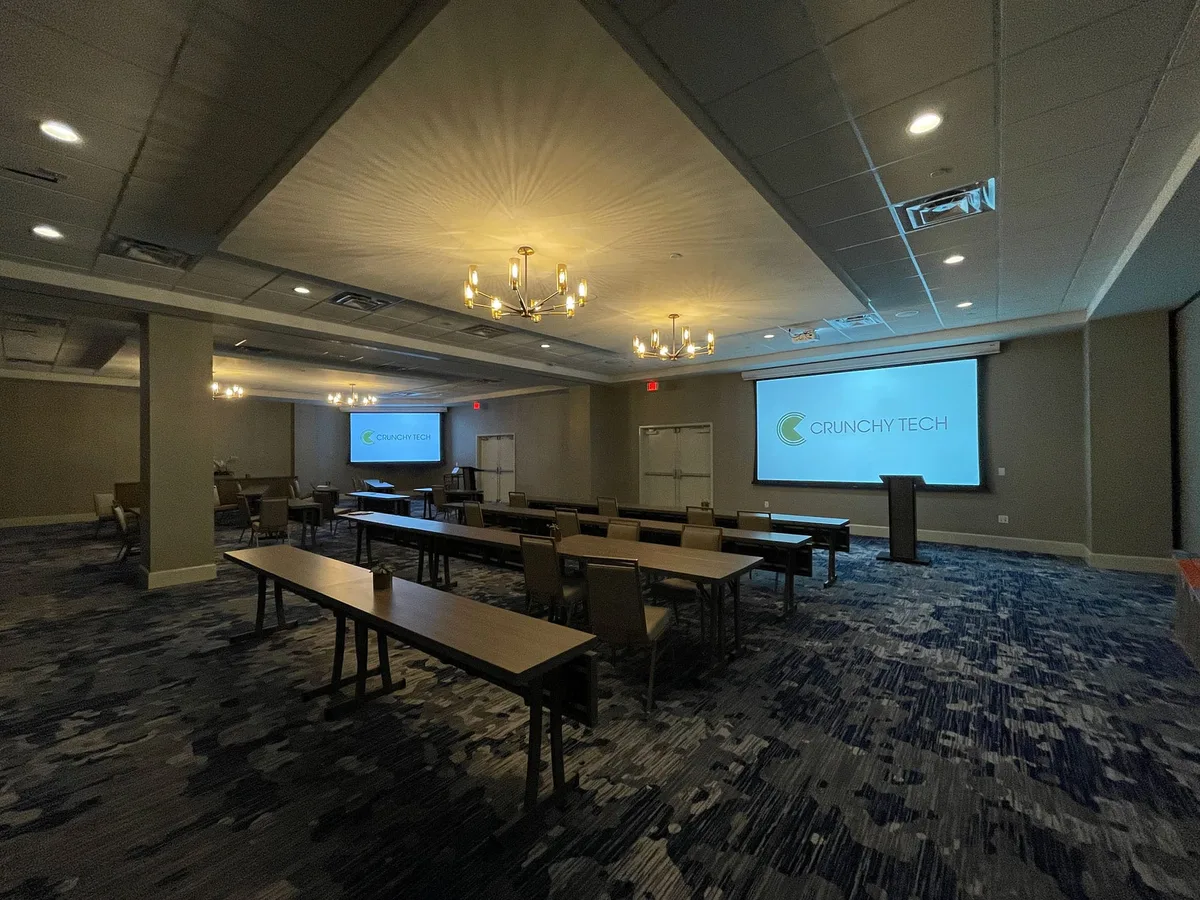
Zoning an open lobby
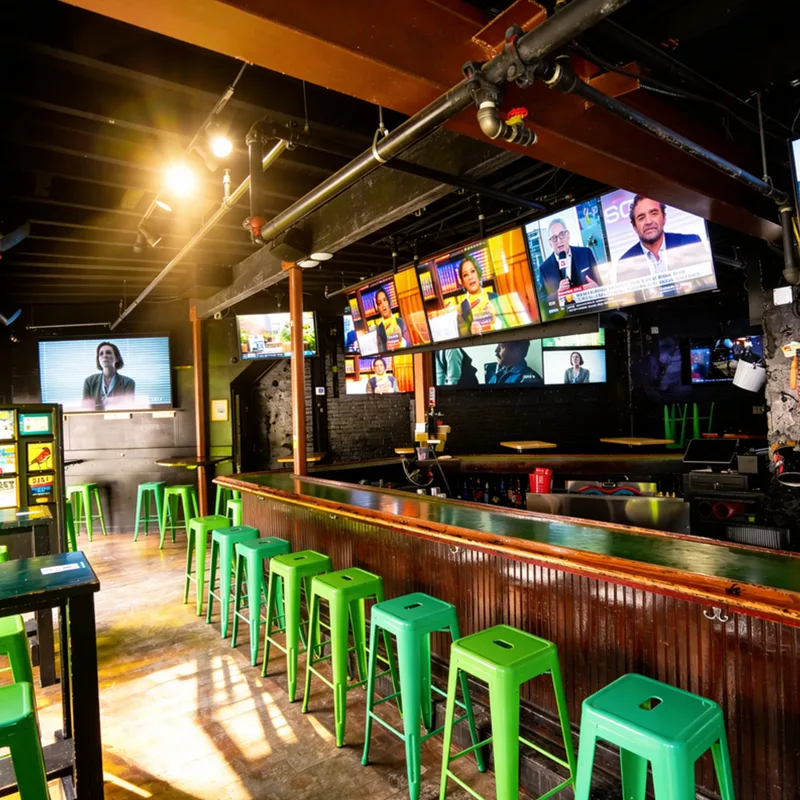
Where a lobby, a bar, and a restaurant share one volume, the separation has to come from coverage and directivity rather than from walls. Loudspeakers with controlled patterns put the bar's program on the bar and comparatively little of it on the desk, and more sources at lower level everywhere means no box is throwing sound across the room. Each area holds its own source, level, and hard limits on a shared processor. Where the architecture gives a soffit, a level change, or a screen, we use it, because physical separation outperforms processing every time.
Outdoor space and the rooftop
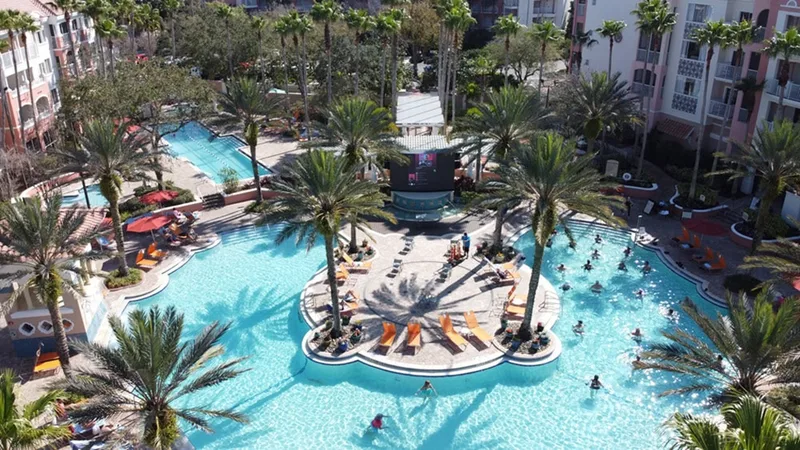
LA properties use outdoor space nearly year round, so decks and rooftops get built as permanent zones rather than seasonal ones. Open air returns nothing, so coverage comes from a higher count of smaller loudspeakers spread across the area at a moderate level, aimed down and inward, which reaches the far seats and keeps energy off the guest rooms above and the neighbors beyond. Hardware gets specified for sun, marine air on the coast, and airborne dust. Anything suspended is anchored to what your engineer and the jurisdiction confirm.
Signage, meeting space, and control
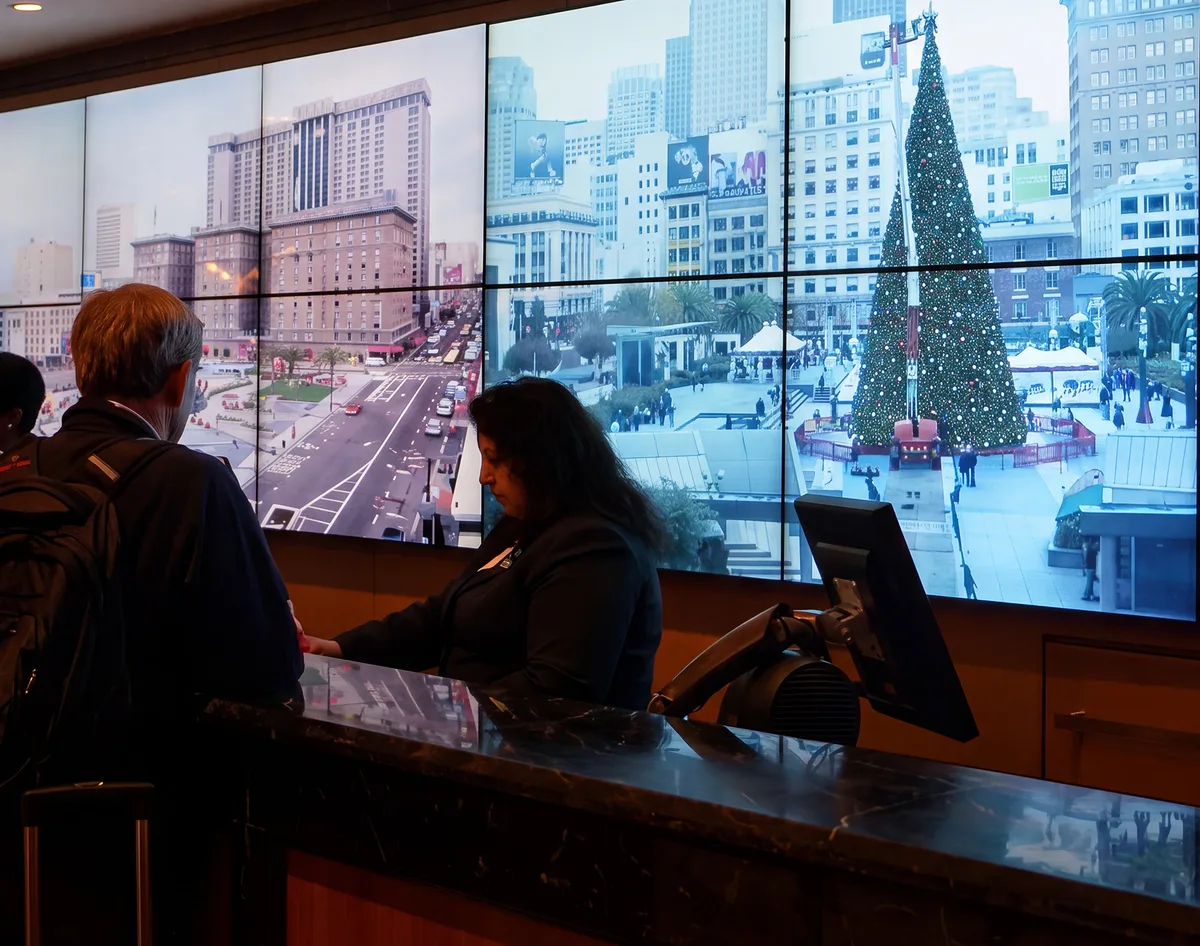
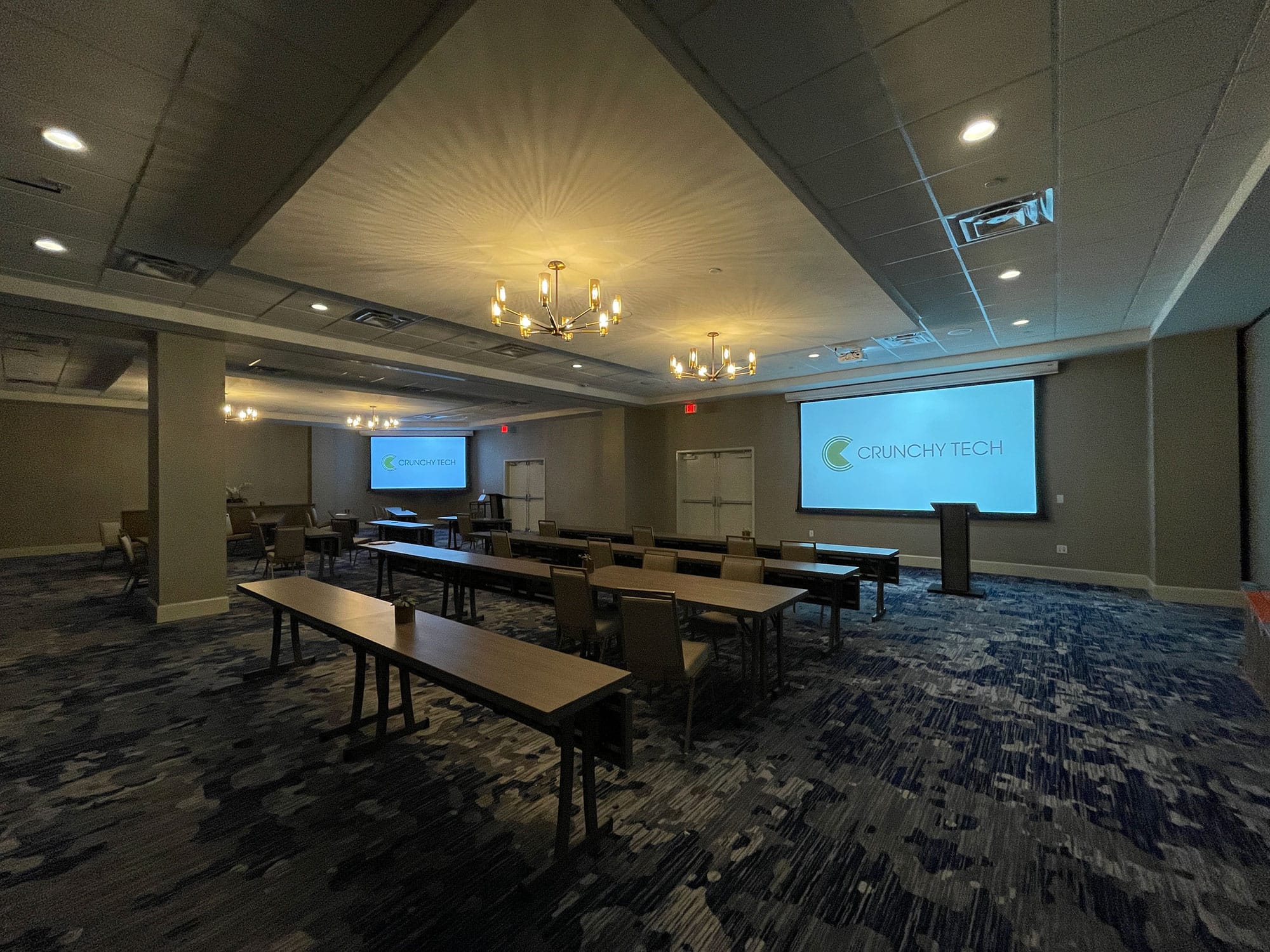
Hotel digital signage runs from one place, with event and meeting boards pulling from the schedule, F&B content moving by daypart, and property messaging pushed everywhere at once. Displays get sized off real reading distance with brightness specified for the light each space actually gets, which matters in a market with this much glass and daylight. Meeting and conference rooms get named presets per configuration and one documented connection point each. Above all of it sits one control surface. In-room AV is not something we do.
Why LA hotels and resorts trust us with it
Built for public spaces and California requirements
A property whose lobby is a destination has a harder AV problem than one whose lobby is a hallway, and California adds requirements most markets do not have. Here is where our depth shows, and where our scope ends.
Arrival is a zone, not a leftover
On most properties the desk inherits whatever the bar is doing, because the bar is the space somebody designed for. That is backwards, since arrival is the moment a stay is set up and the one interaction that requires a real conversation. Giving the desk and the elevator path their own zone with their own level costs very little and changes the experience of every check-in after nine. It also protects the bar, because staff stop being asked to turn the room down for a guest with a question, which is the compromise that satisfies nobody.
Seismic, sun, and dust
Three local realities shape the build. Anything suspended in California carries bracing and anchorage requirements determined by your engineer and the authority having jurisdiction, so loudspeakers and displays get designed to what they confirm rather than hung and hoped over. Sun is intense on decks and rooftops, so exposed materials get selected for UV and outdoor displays run real brightness. Santa Ana conditions drive dust and smoke indoors, where it settles on heat sinks and inside enclosures and insulates, so equipment rooms get filtered and stay at or below 75 degrees.
Support after opening night
Crunchy Tech started in 2008 as an AV support operation, which is an unusual origin for an integrator and the reason the systems get built the way they do. When you spend years fixing other people's work, you learn exactly where installations cut corners. That shows up in racks you can actually service: fully enclosed, every cable labeled at both ends, power separated from audio and data. We have opened racks that looked fifteen years old after three months in an uncooled closet, with dust caked on every surface. Around 47 percent of support tickets close inside an hour and roughly 72 percent within a day.
Where we draw the line
In-room AV is not a focus for us, so we work the guest environment outside the room: lobbies, restaurants and bars, pool decks and rooftops, meeting space, and signage. Bracing and anchorage determinations belong to your engineer and the authority having jurisdiction, and we design to what they confirm. We do not install or operate cameras, produce video, or run streaming as a service. We do not staff or operate events. We coordinate with your licensed fire alarm contractor rather than providing the alarm system. We generally do not take install-only work.
What it earns back
How public spaces earn twice
A lobby with a following is a second business inside the first one, and it only works if both keep functioning.
Neighborhood revenue and a guest who returns
Local traffic in your public spaces is revenue that does not depend on occupancy, which is exactly why it is worth protecting. It stops being worth it when the cost is a check-in experience that feels like arriving in the middle of somebody else's party. Zoning lets you keep both: a bar with presence and a desk where a conversation is possible. The founder's argument applies to the guest side directly, since the experience in these spaces is what decides whether someone chooses the property again, and that is the cheapest occupancy available.
Good, Better, Best against one design
Most owners price AV like retail: a loudspeaker costs a certain amount, so a property of them should not cost much more. Worth being plain about the gap, because the processing, the amplification, the cabling, and the control take a serious share of the budget before you buy a single box, and separating two areas that share one volume lives almost entirely in loudspeaker selection and processing. So we quote Good, Better, and Best against one design, per zone, and we phase it, usually starting with the public spaces. If your budget is short of the property, we would rather value engineer it honestly.
Our lobby bar is busy and check-in is impossible after nine. Can both work?
Yes, and it is mostly a coverage and directivity problem rather than a volume one. Where a lobby, a bar, and a restaurant share a single volume, the separation has to be created rather than assumed, and the way to do it is loudspeakers with controlled patterns that put the bar's program on the bar and comparatively little of it on the desk. Underneath that, more sources at lower level everywhere means no single box is throwing sound across the room, which lowers the total energy in the space for the same perceived level. Then each area holds its own source, level, and hard limits on a shared processor, and the profiles move on a schedule so the space is calm through check-in hours and has presence by evening. Where the architecture gives us a soffit, a level change, or a screen, we use it, because physical separation beats processing every time.
Do you handle in-room entertainment?
No. In-room AV has not been a focus for us, and we would rather be direct about that than pretend otherwise. What we do is the guest environment outside the room: lobbies, restaurants and bars, pool decks and rooftops, meeting and conference space, and signage. Our founder's view is that the biggest thing missing in almost every hotel is not equipment but a system that is used properly, interconnected and easy to manage, with background audio controlled by zone and signage that adapts rather than sitting static. On an LA property whose public spaces carry their own crowd, that gap is most visible in the lobby, which is doing two jobs at once. If in-room is your priority, you want a specialist in that.
Do we need an engineer involved to hang loudspeakers and displays?
In California, anything suspended has bracing and anchorage requirements, and that determination belongs to your engineer and the authority having jurisdiction rather than to us. What we do is design the AV around what they confirm, provide the weights, loads, and mounting points they need in order to make that determination, and coordinate so the process happens before equipment is ordered rather than after it arrives. That sequencing is the practical point, because a mounting plan that has to change once hardware is on site is expensive and slow, and on a hotel it usually means work happening in occupied space. We are AV designers and installers. We do not perform structural or seismic determination and we will not represent that we do.
Our rooftop has a following and the neighbors have started calling. What now?
Design for the building and the block rather than turning everything down, which costs you the space without fixing much. Two things do the work. Coverage and aim, since a rooftop covered by many smaller loudspeakers at a moderate level is audible at every seat and falls off quickly past the parapet, whereas a few loud boxes need real output to reach the far seats and everything beyond gets it too, including the guest rooms below you. Then hard limits per zone held in the processor, so the ceiling holds late in the evening regardless of who is running the space, plus a scheduled step down so the level drops on its own. Where the issue is low frequency reaching guest rooms through the structure, that gets addressed by decoupling and an independent low-frequency cap.
What We Do Here
Services available in Los Angeles
Every system is designed, installed, and supported by our own team in Los Angeles — never subcontracted.
AV Consulting
AV consulting from an audio visual consultant who joins at the architectural phase, designs the technology into the plan and steers the project around your business outcome.
AV Consulting in Los Angelesarrow_forwardVideo Wall Solutions
Commercial video walls across LED, LCD and Direct View. Designed, integrated, installed and supported by a national design-build AV integrator.
Video Wall Solutions in Los Angelesarrow_forwardDigital Signage Services
Design-build digital signage for hospitality and enterprise: commercial displays, content management, and installation that keeps your screens selling and current.
Digital Signage Services in Los Angelesarrow_forwardLearn more about our AV for Hotels solutions
Operators who run on our systems
Client successes drive Crunchy Tech to become better. Below is how our customers feel about us.
You're a great partner with Florida Hospital and this project will make a difference in Children's Health.
Working with Crunchy Tech was a fantastic experience from start to finish. They handled the sale and installation of all our sound and TV equipment at The County Bar in Aviston, IL, and absolutely nailed it. We were on a very tight deadline, and they not only met it—they delivered top-notch quality and service the entire way. Highly professional, responsive, and easy to work with. We couldn't be happier with the results.
Crunchy's AV Services are outstanding. Staff members are experts, who really extend themselves to find the right technology for helping us reach our marketing goals in creative ways. The best thing about working with Crunchy is collaborating with the staff – they are patient, responsive, knowledgeable, and available.
Crunchy has been great to work with. They communicate well and deliver as promised.
The work Crunchy has been doing is a game changer for this industry.
Being able to reuse the existing structure created a much lower cost for the client and they were ecstatic.
Crunchy has done an amazing job on our A/V install. The sound is perfectly balanced throughout our many zones and the entire system is super simple to use.
Just do it. Spend the money. It’s well worth it. It’s not worth your time, hassle, energy, and stress of trying to make it look right and do it right when there’s somebody who has been doing it for years and has perfected the craft.
You're a great partner with Florida Hospital and this project will make a difference in Children's Health.
Working with Crunchy Tech was a fantastic experience from start to finish. They handled the sale and installation of all our sound and TV equipment at The County Bar in Aviston, IL, and absolutely nailed it. We were on a very tight deadline, and they not only met it—they delivered top-notch quality and service the entire way. Highly professional, responsive, and easy to work with. We couldn't be happier with the results.
Crunchy's AV Services are outstanding. Staff members are experts, who really extend themselves to find the right technology for helping us reach our marketing goals in creative ways. The best thing about working with Crunchy is collaborating with the staff – they are patient, responsive, knowledgeable, and available.
Crunchy has been great to work with. They communicate well and deliver as promised.
The work Crunchy has been doing is a game changer for this industry.
Being able to reuse the existing structure created a much lower cost for the client and they were ecstatic.
Crunchy has done an amazing job on our A/V install. The sound is perfectly balanced throughout our many zones and the entire system is super simple to use.
Insights
Design-Build AV Philosophy: How it Separates the Top 3% From the Rest of the Industry
We don’t sell you what we have. We design what you need. That line is the operating principle I’ve built Crunchy Tech around for the last 20 years. And it’s the single sentence that separates us - and the small handful of firms like us - from the other 97% of the commercial AV industry.
Read article arrow_forwardThe Spectacle Trap: Why Technology-Centric Hospitality AV Kills Brands
There’s a pattern I’ve watched play out for 20 years in hospitality AV, and it always ends the same way...
Read article arrow_forwardWhy AV Quotes Take Time (And Why That's a Good Thing)
"Where's my quote?"
Read article arrow_forwardLet's serve the guest and the crowd
Tell us about the property: where it is and which city reviews it, how much of your public traffic is not staying with you, whether the lobby and bar share one volume, whether you have a rooftop or deck and who sits below it, how many systems and vendors you are living with, and whether brand standards apply. We will start with a consult to understand what you are trying to accomplish, then walk the property during a busy evening, and come back with one engineered recommendation instead of a parts list.
- Arrival treated as its own zone, so a conversation at the desk is possible after nine.
- Controlled-pattern loudspeakers that put the bar's program on the bar rather than across the room.
- Scheduled profiles, so the space is calm at check-in and has presence by evening.
- Anchorage designed to what your engineer and the jurisdiction confirm, before anything is ordered.