Why so many commercial video walls disappoint
A video wall is usually the biggest single line in a commercial AV budget, and it's the first thing guests and clients notice. It's also the purchase most often made backward. Someone orders panels off a spec sheet and the installer hangs them wherever they fit. Nobody checks the seats.
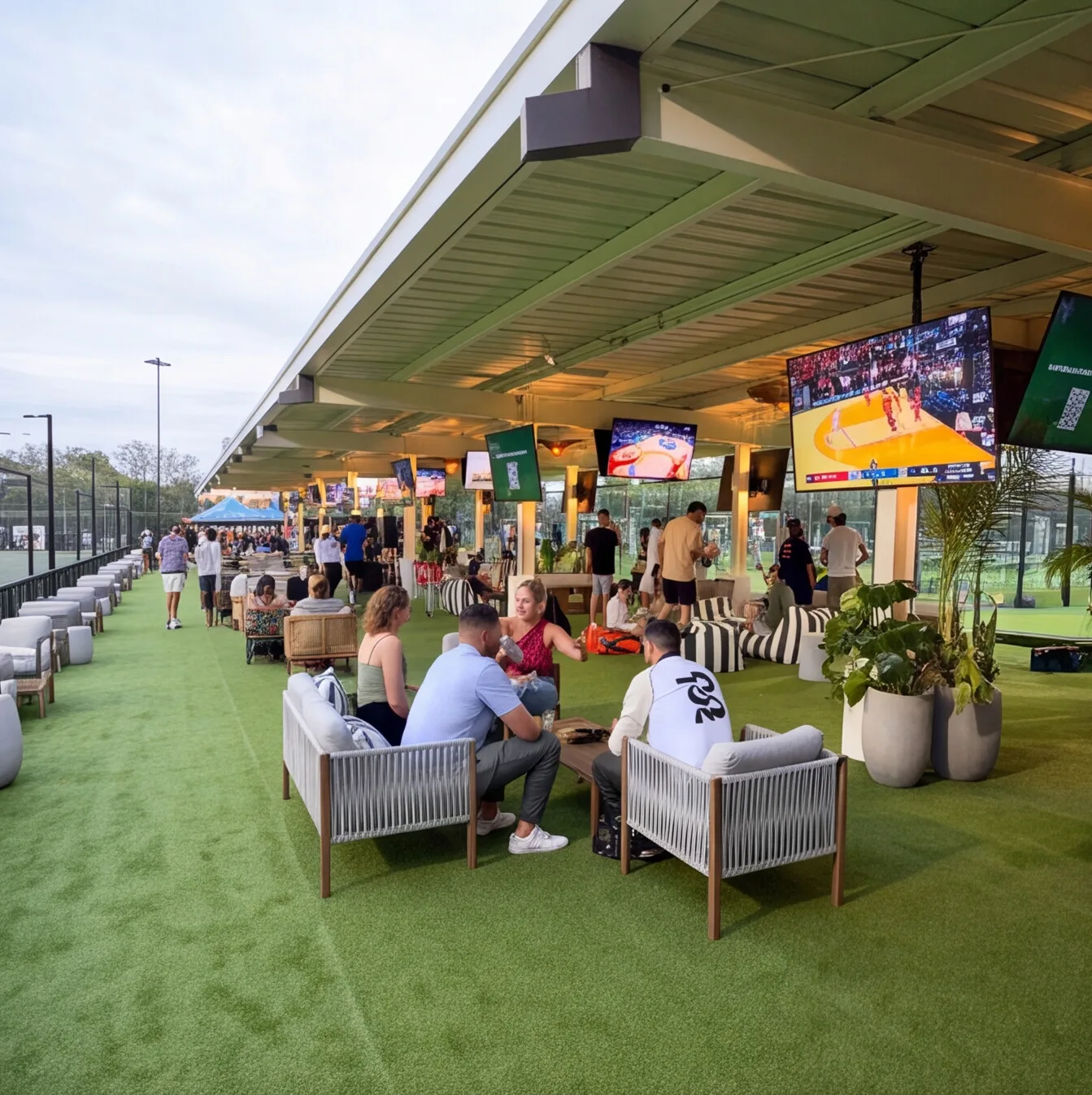
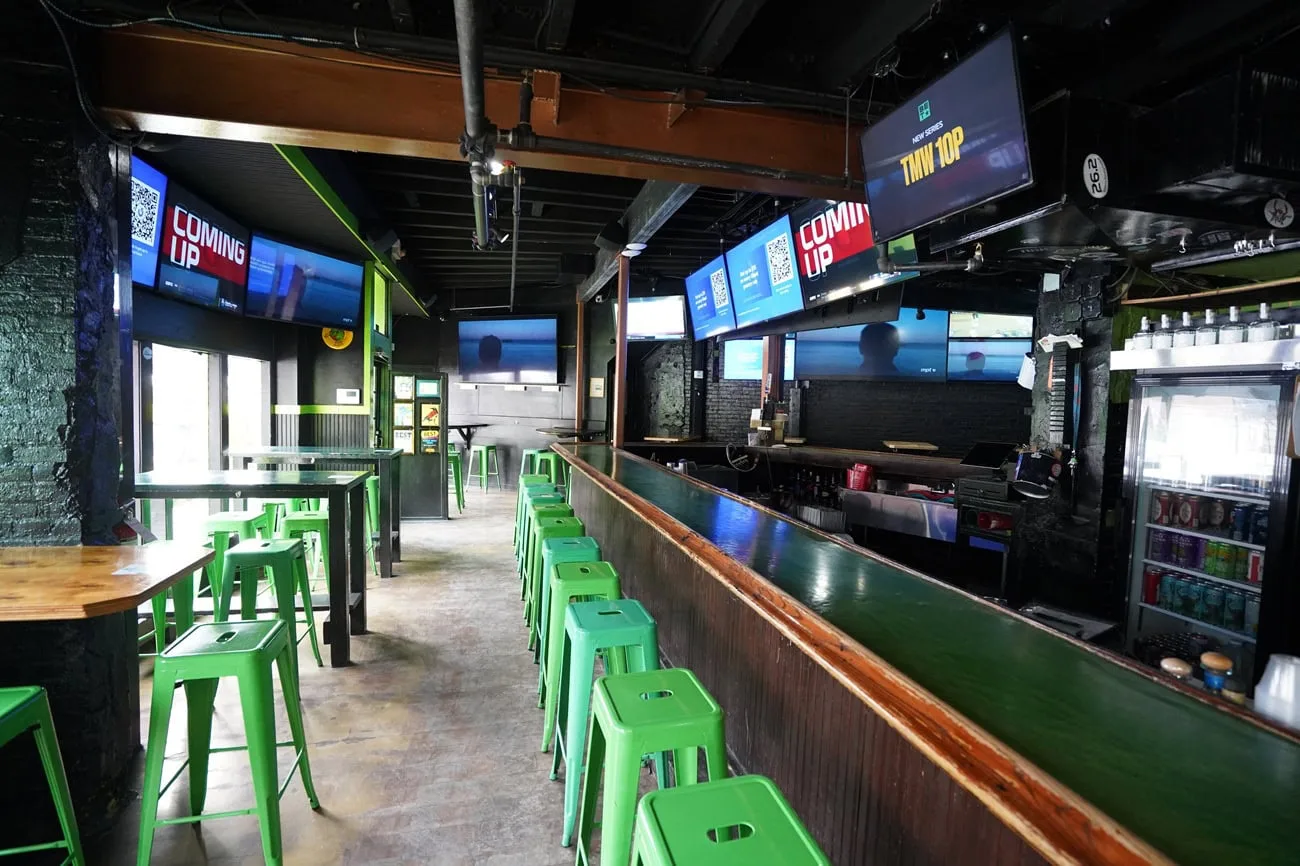
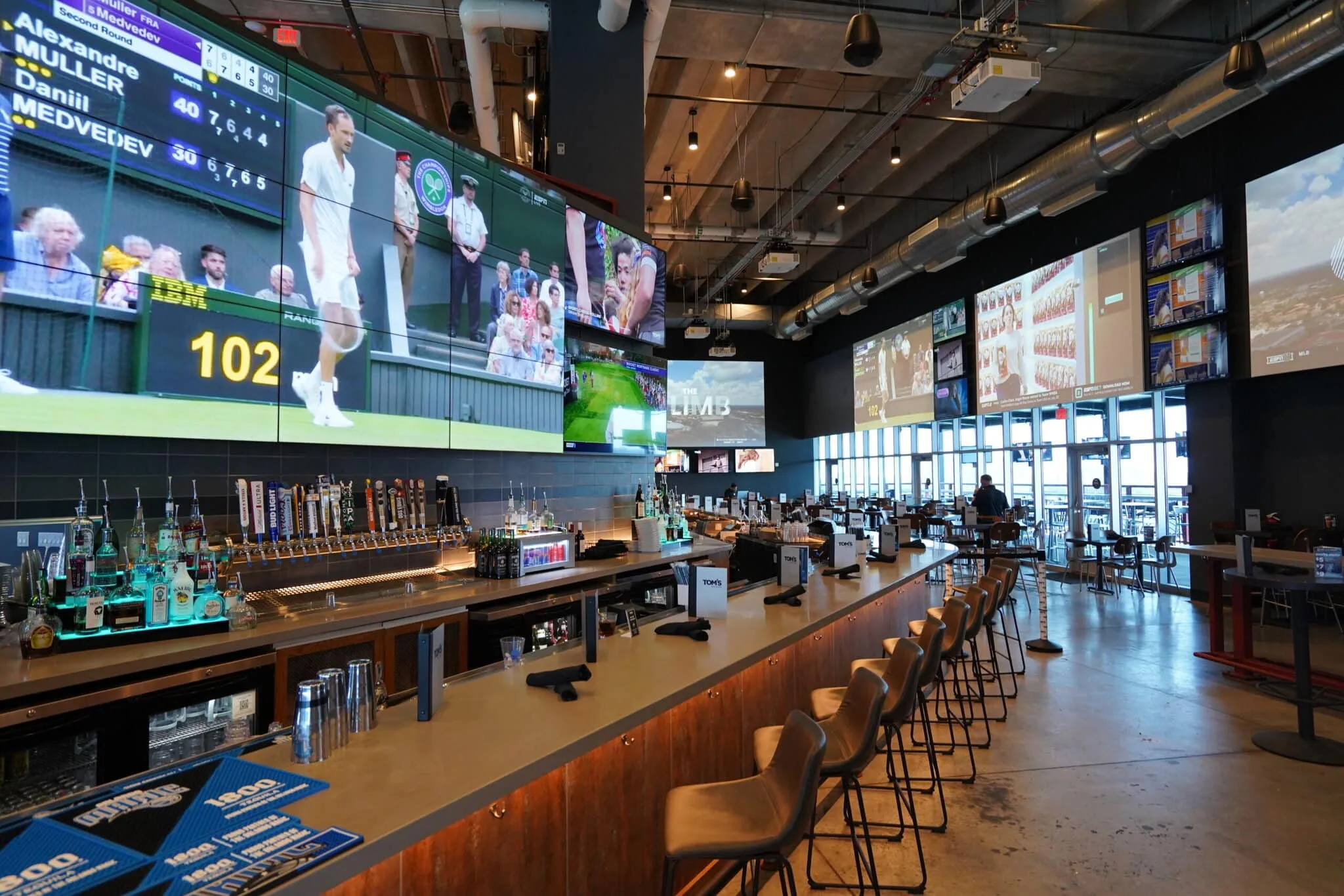
On sports bar site walks we've seen what happens next. Guests crane their necks at a TV wall instead of talking to their table. A fan who can't see the game doesn't come back for the next one. Fixing it later means paying for the wall twice.
This guide is for the owner, general manager or facilities lead who has to sign for the project. We'll cover LED versus LCD, sizing, real installed cost, what happens when a panel fails and how to judge an installer. Then we'll answer the question most buying guides skip. Do you need one at all? Plenty of rooms don't.
We've supported commercial audiovisual systems since 2008. Crunchy Tech started out with one contract supporting audiovisual systems for a global brand, so we saw where these projects fail long before we designed our own. We're a design-build integrator, not a reseller, so we recommend whichever panel type the room needs.
What a video wall is and how it works
Picture a grid of displays acting as one screen. The tiles are either LCD panels with very thin bezels or LED cabinets that butt together with no visible line. Behind them sits a processor, sometimes called a controller, that takes every source and maps it across the grid. All of it is commercial display hardware, designed for 16 to 24 hours of daily operation. Consumer displays used commercially tend to fail in 2 to 3 years.
The processor is the difference between a video wall and a row of TVs. Cable boxes, media players, computers, cameras and dashboards all feed into it. On Sunday it can stretch one game edge to edge. On Saturday it can split the same canvas into four games, and staff can change the layout on the fly. Our video wall solutions page covers the types we design.
LED vs LCD vs direct view: which one fits your room
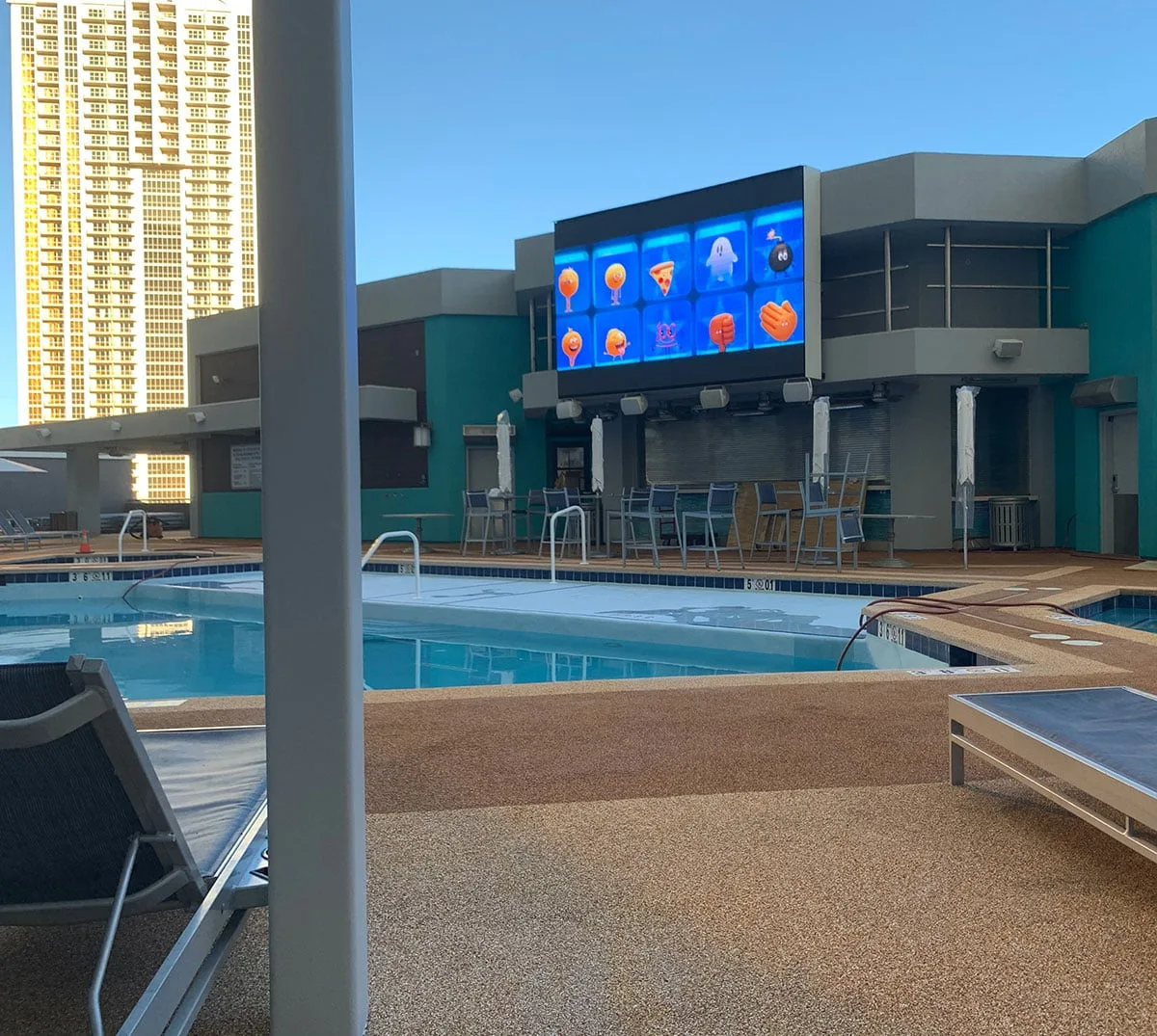
Start with one question. Is it going inside or outside? Outdoors the answer is LED, every time, because LED cabinets are built for weather and get bright enough for daylight. Indoors you have a real choice, and the light in the room, the viewing distance and the budget decide it. Our outdoor LED video wall guide covers what a screen outside has to survive.
LCD video walls
LCD tiles come in fixed 55-inch and 65-inch panels with ultra-thin bezels. They're the cost-effective route to high pixel density indoors, so they suit control rooms, design studios and rooms with controlled lighting. They can't go outside, and past about a 10-by-10 grid LED becomes the better call. Those thin lines between tiles never fully disappear. Some rooms don't mind.
LED video walls
These screens are built from cabinets of tiny light-emitting diodes. There are no bezels, so the image reads as one surface, and cabinets come in many sizes that can wrap corners or take odd shapes. LED runs brighter than LCD, which matters near windows. Price climbs with resolution, and pixel pitch sets the resolution. Our LED video wall page goes deeper.
Direct view LED
Direct view is fine-pitch LED, which we install at pitches as fine as 0.9mm for the closest viewing. Stand close and it still reads like a 4K monitor. Just about any interior LED wall we build today is fine-pitch direct view. Outdoor walls don't need to be, because people stand farther back. The tradeoff is a higher cost per square foot, which is worth it when the wall is the room.
One more option belongs on an indoor shortlist. A single 110-inch-plus display can carry a boardroom or a retail flagship on its own.
How to size a video wall and choose pixel pitch
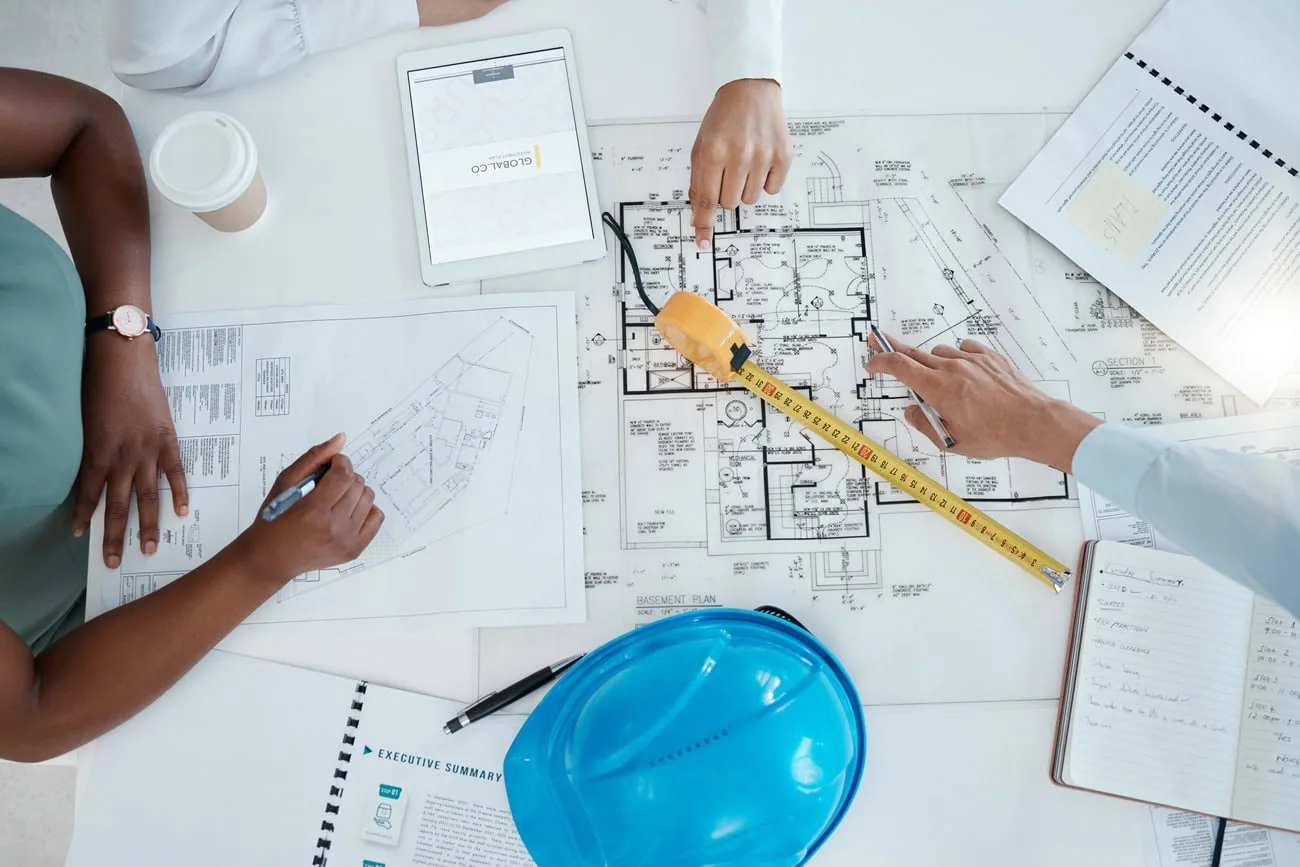
Size and pitch both come from the seats. AVIXA, the audiovisual industry's trade association, publishes a display size standard called DISCAS that sets screen size and viewing positions from what people need to see. It works from drawings or from the room itself, and any designer should be able to show you how your plan measures up.
Pixel pitch is the gap between pixels, measured in millimeters. Wider pitch costs less and shows less detail. Your closest regular viewer sets it. For example, a lobby screen people pass at arm's length needs a far finer pitch than a sports bar screen watched from across the room. Fine pitch at that distance buys detail nobody can see. Indoors we usually run 1.5 to 2.5mm for lobbies and high-end retail where people get close, and 2.9 to 3.9mm for sports bars where the nearest viewer sits farther back.
Brightness gets the same treatment. Indoor walls run 600 to 2,500 nits, set to the ambient light we measure in the room at peak hours.
Then walk every seat. Check the bar top, the high-tops, the booths and the standing room for columns, beams, light fixtures and other screens in the way. If guests have to crane their necks, they'll stop watching. Some of them won't come back for the next big game.
Do you need a video wall at all?
Sometimes the right answer is a smaller one, or none. Count the seats first. If 14 seats face the bar and 180 face everything else, a big build behind the bar puts most of the budget where few people are looking.
Put the best technology where you're driving the most experience.
Adi Khanna, CEO, Crunchy Tech
Cheaper setups can get the same reaction. A small block of panels flanked by well-placed TVs works. So does a ribbon of displays that a video processor runs as one canvas. Even a single 98-inch display split four ways can read as a feature wall. The money you save can go into audio, or into screens the rest of the room can actually see.
Before you sign, work out the cost per seat that can see the screen clearly. That one number settles most of these debates. Our guide to sports bar TV distribution covers getting the right content to every screen once they're placed.
What a commercial video wall costs installed
Online panel packages make this look cheap. Read the fine print. A package covers the panels, a processor and sometimes a frame. The installed project also has to pay for structural backing, mounting, dedicated power and its own network. Then come controls your staff can use, calibration, content setup, spare parts and support. Skimp on those lines and the bill arrives later. Most of the cost of a bad install comes after it, when nobody can find or fix anything quickly.
Price follows technology, pitch, size, indoor or outdoor use and how much processing the job needs. A small interior LCD wall and a large outdoor LED installation live in different orders of magnitude.
We quote every project in three tiers, Good, Better and Best, so you can see what each level of investment changes in the room before you weigh it against the cost.
How long do LED video walls last, and what happens when a panel fails?
A properly designed and maintained commercial video wall lasts 7 to 10 years in its original install. Heat is the number one killer of LED lifespan, and LED walls draw 300 to 500+ watts per panel. That's why we engineer rear ventilation and ambient cooling into every install, with panels rated for the daily duty cycle the room actually runs.
Every wall loses a module eventually. Plan for it. What matters is whether the replacement matches. LED panels from different production batches are visibly different colors, and the human eye catches it. We source every panel on a wall from one production batch and keep batch-matched spares from that run in our climate-controlled Tampa warehouse, labeled by project and batch number. When a module fails, we ship a matched spare and the failed one goes back to the manufacturer for repair, then into that revolving pool. You're never waiting on a new production run, and nobody can tell where the seam is.
Color drifts too. We calibrate color uniformity across every panel at commissioning and schedule an annual recalibration so year ten looks like year one.
Running it day to day
A screen your staff can't drive ends up stuck on one channel. Staff won't fight a system that takes a hunt through menus, so every system we hand over has to pass a ten-second operator test before sign-off. Ask any installer how a bartender goes from one game edge to edge to four games, and how a manager posts tonight's specials. In an office, time how long it takes to put a laptop on screen when a meeting starts.
Plan audio and content alongside the hardware. In a sports venue, the sound should follow the game each zone is watching. In a lobby or store, decide who updates the content and how often before install day. A wall playing the same loop for 24 months becomes invisible, so we design daypart switching and refreshable templates in at commissioning.
How to choose a video wall installer
The installer matters as much as the panels. Maybe more. Here are the questions we'd ask if we were the ones buying, and how we answer them.
- Will you show me the result in my space before I buy? We produce a visualization of it in your venue before you spend anything on equipment, then a full engineering package with a phased proposal.
- Did you map the sight lines from the seats? We map sightlines from every seat and measure ambient light at peak hours before a single panel is ordered.
- Will you tell me if I don't need one? Yes. If the seats say a smaller wall makes more sense, or none, that's what we'll recommend.
- What happens when a module fails, and will the replacement match? We keep batch-matched spares from your wall's original production run, labeled by project, for the life of the install.
- Who handles the structure, network and permits? We engineer the structural backer and the dedicated AV network, and we handle permitting, so nothing falls between trades.
- Is the system tested before it arrives? We rack, wire and program the whole system in-house and test every path before it ships.
- What happens after install? Proactive remote monitoring, scheduled annual recalibration, firmware updates and SLA-backed response.
An installer who answers all seven clearly is worth a serious look, whoever it is. For more on the design phase, read design-build vs design-then-build.
Where to start: schedule a site assessment
Call us, send a floor plan or schedule a site assessment. We'll map the sight lines and tell you whether a video wall belongs there. Then we'll show you a visualization of it in your space before you spend money on equipment. We design, install and support video walls along with the audiovisual, control and low voltage lighting around them, including control rooms and center-hung jumbotrons. Schedule your site assessment.