Control Room Video Walls

Control Room Video Walls

Built for the Night ItAllGoesSideways

A control room video wall earns its budget on the one shift everything is on fire, not on the 1,800 quiet shifts before it. We design for the shift that matters.

Video Wall Solutions

The shift that everythingdependson is the one we design for.

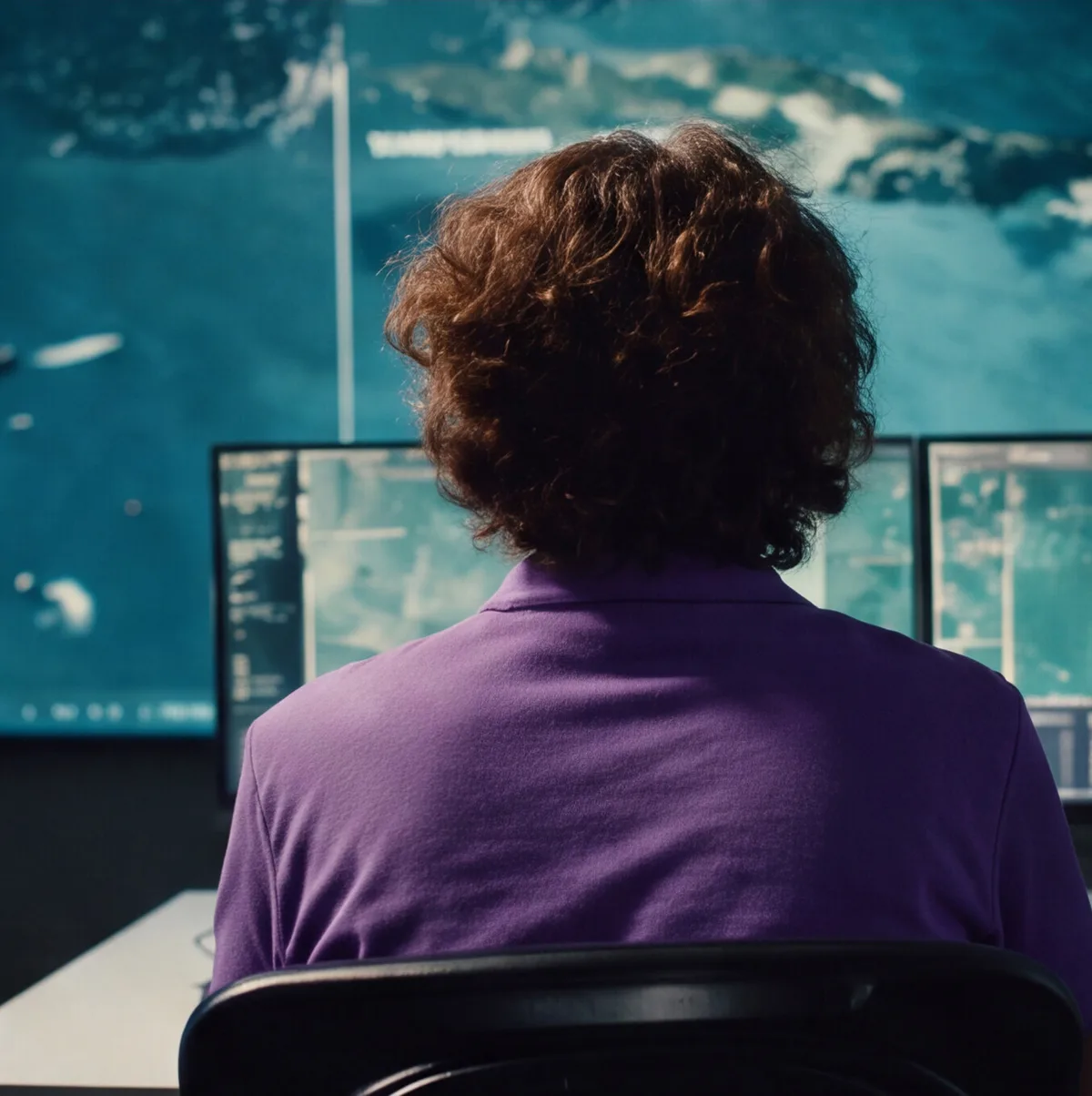
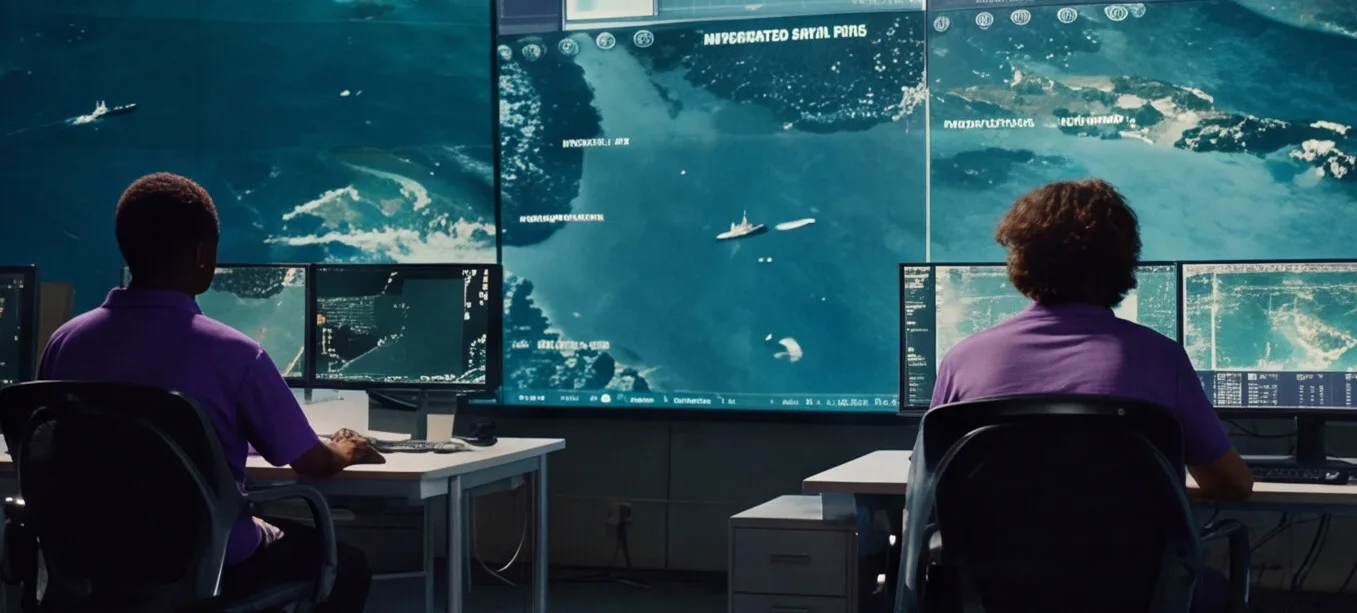
A control room video wall is one large, always-on display that pulls every critical source, camera feeds, dashboards, maps and dispatch into a single picture an operator can read at a glance.

It is where someone makes a hard call under pressure with incomplete information, and the wall is half of what makes that call possible. For 1,800 shifts it just works. Then comes the storm, the breach, the dispatch surge, the grid event - and that shift is the whole reason the wall exists.

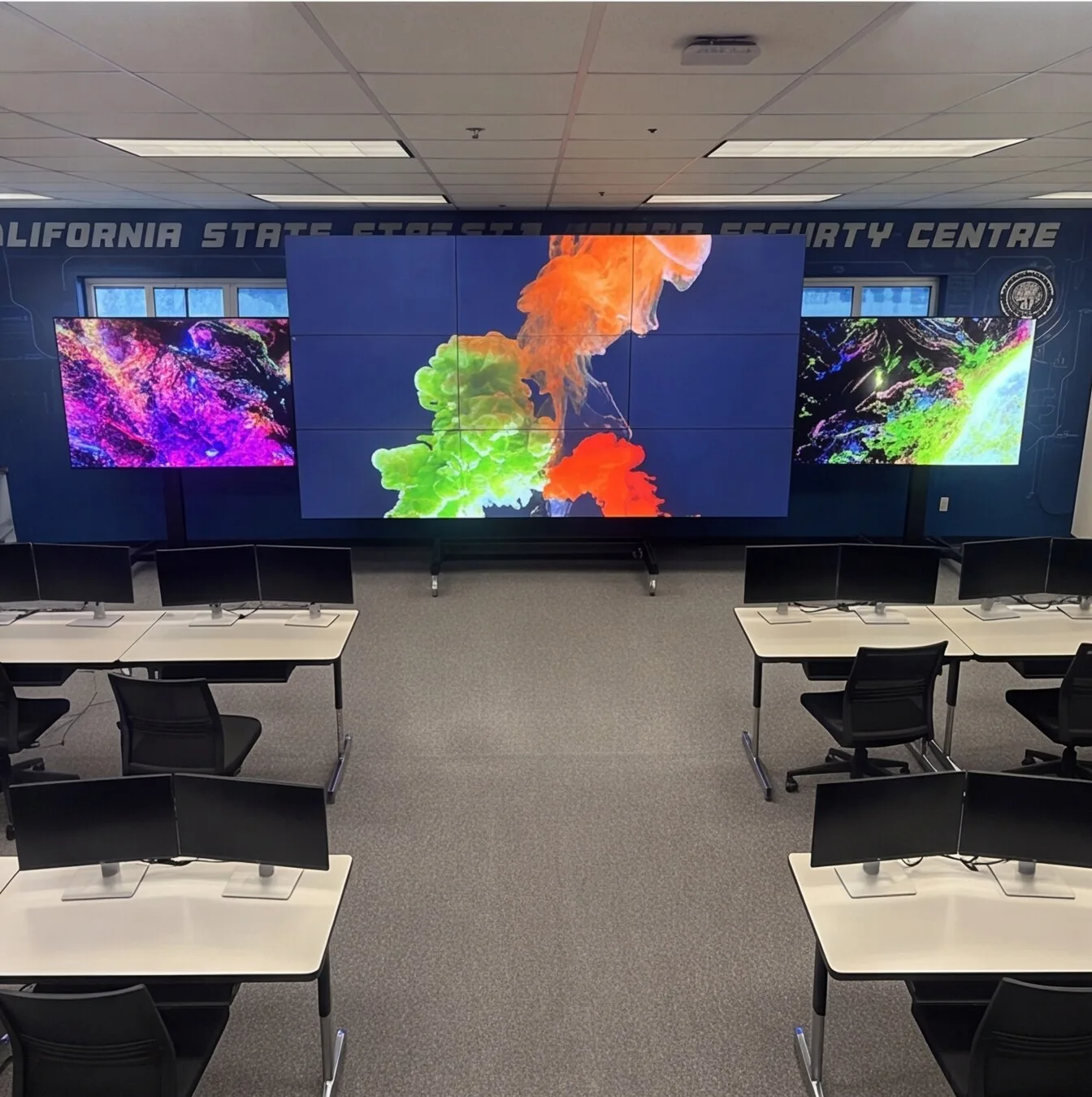
We design for that shift. N+1 redundancy so one failed part never blacks out the room, 24/7-rated panels, KVM so any operator can drive any source, a bezel-free surface for real situational awareness, and open architecture that does not lock you to a single video management or dispatch platform.

The shift that ==everything depends on== is the one we design for.
Install Control Room Video Walls
What we deliver

Six capabilities for mission-critical environments

Each capability earns its place in the shift everything depends on.

Capability 01

Operational Study & Design

The Challenge

Most control room designs are built from org charts, not actual operator workflows.

What We Deliver

We observe a shift, document the real workflow, then design the wall around it.
  • On-site operational study
  • Workflow + source-mapping documentation
  • Pixel pitch matched to operator viewing distance
  • Glare and ambient-light modeling

Public-safety and utility deployments

Industries We Serve

Who we engineer controlrooms for

Government, corporate, and education environments where situational awareness is the mission.

Mission-critical environments

Control room environments we designfor

Public safety, utilities, NOC/SOC, transportation, government, aerospace, data centers, security.

Public safety, emergency response and government operations

911 dispatch, emergency operations centers, multi-agency response, state EOCs, municipal traffic centers, public-facing council chambers. The wall consolidates CAD systems, GIS map overlays, traffic cameras, weather data and active-incident video feeds into one shared situational picture. When the storm hits, decisions get made in seconds, not in minutes spent toggling between monitors.

Utilities and energy

SCADA dashboards, substation monitoring, pipeline telemetry, outage maps, crew dispatch overlays. The wall shows the grid as it is, the alarms as they happen and the response unfolding in real time. Downtime is measured in customer hours. The wall makes the response faster.

Network and Security Operations (NOC/SOC)

Network performance dashboards, threat-intel feeds, endpoint health, active incidents. The wall is the shared cognitive workspace for the team and every minute that detection-to-response is faster is a minute the breach didn't spread.

Transportation, military and data center operations

Traffic management, rail and transit dispatch, airport ground operations, military training and simulation, data center network performance and environmental monitoring. The wall aggregates camera feeds, sensor data and dispatch tools for operators to see the system holistically.

Engineering pipeline

How we design a videowall for control rooms

Every Crunchy Tech control room video wall runs through the same seven-phase pipeline.

Consultation and operational study

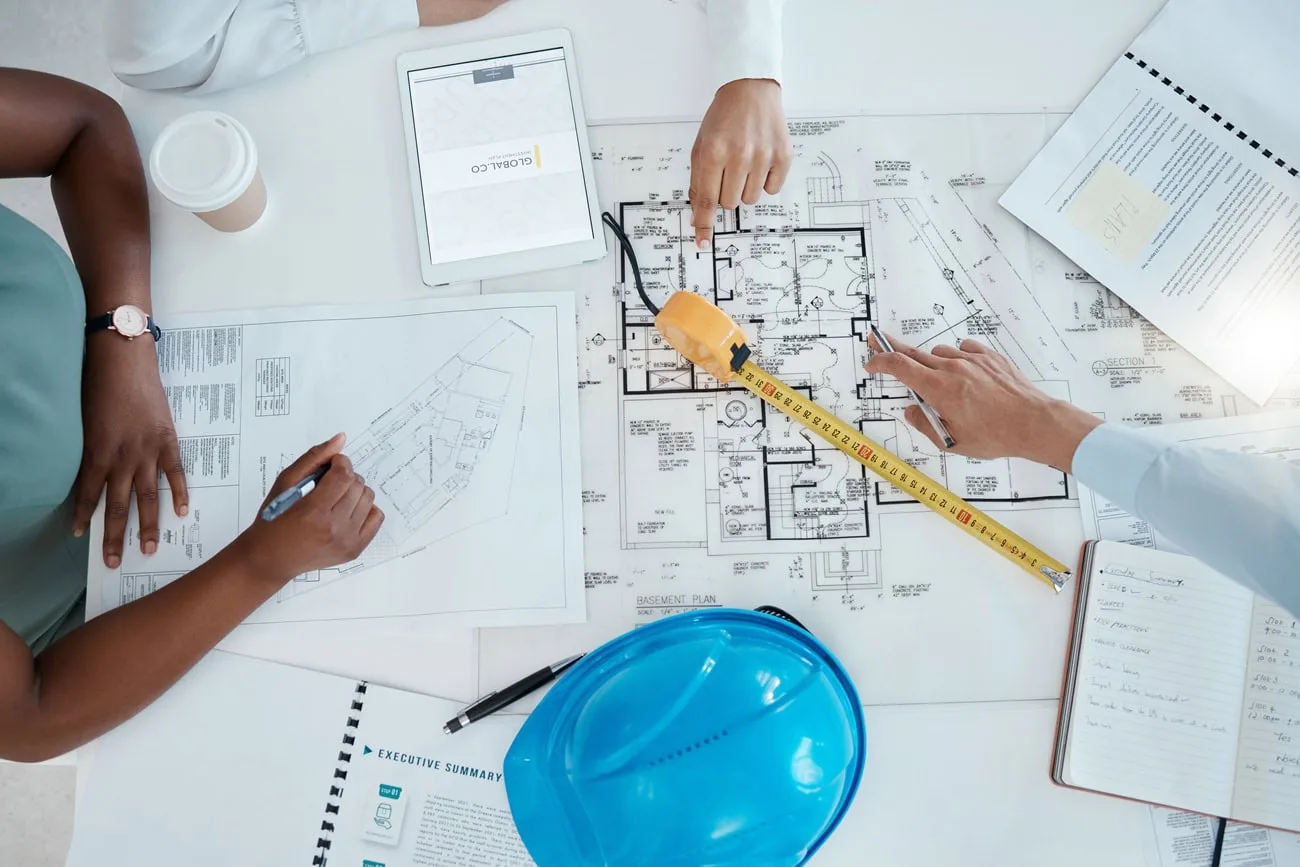
We sit with operators, dispatch leads and IT security. We watch a shift. We document the actual workflows, not the org chart workflows. We map every source the wall must show.

Design and source architecture

Pixel pitch matched to operator viewing distance. Panel type selected by environment (LED for situational awareness and 24/7 duty; LCD for budget-constrained sub-16-hour rooms). Layout designed for redundancy and ergonomics. Source routing through a video wall processor with KVM integration. Open-architecture compatibility with your VMS, CAD, SCADA, GIS and dispatch platforms.

control room video wall
InstallHow we design a video wall for control rooms
control room tv wall
InstallHow we design a video wall for control rooms

Redundancy and installation

N+1 redundancy on power, signal and processor paths. Hot-swap modules. Redundant sending and receiving cards. Engineered structural backer, mounting framework, power conditioning, dedicated AV network, initial signal test.

Commissioning, documentation and 24/7 support

Color calibration, bezel alignment, source routing programming, KVM integration, operator runbook, full documentation hand-off. Signal flow, source routing matrix, panel addressing, network architecture, controller configurations, all delivered at commissioning. Remote monitoring of uptime, color drift, module health. Scheduled annual calibration. Batch-matched spares replacement. Annual failover drills. SLA-backed response per operational tier.

Technology choice

LED vs LCD control room videowalls

Both technologies have a place in mission-critical environments. The right question is which one fits this control room's operational profile.

When we recommend LED video wall for control rooms​

Continuous situational awareness matters more than absolute pixel density. Ambient light is variable (windows, glass walls, mixed-use spaces). 24/7 operation, where LED panels are commonly rated for continuous duty. Large wall footprints (more than ~6 panels) where bezel grids would interrupt operator focus. Long lifecycle TCO and future-proofing for source resolution upgrades.

When we recommend LCD video wall for control rooms

Budget-constrained smaller rooms. Sub-16-hour duty cycle. Highly controlled ambient lighting (dedicated dispatch rooms with no windows). Smaller wall size (under 6 panels) where bezel grid is acceptable to operators. Niche cases where pixel density per square inch exceeds current fine-pitch LED capability.

About 70% of our recent control room deployments are LED; 30% LCD. The right answer depends on your room and your operations, not on which technology is in fashion.

Source routing

KVM, source routing and openarchitecture

A control room video wall system is only as good as the source routing behind it. Treating the wall as a display surface misses the actual job.

KVM integration

Keyboard-Video-Mouse platforms let a single operator control any source on the wall and route any other source to their workstation, without leaving their chair. This is the difference between a control room that functions in a crisis and one that turns into operators shouting across the room about which window to pull up.

Source routing through a video wall processor

Real-time layout changes. Single-source full-wall for a press briefing. Quad-window for normal ops. Twelve-window grid for a major incident. Saved presets per shift, per incident class, per time of day. Your dispatch system, VMS, CAD, SCADA, GIS and incident management platform will change over the wall's 10-year lifecycle. We design source architectures that don't lock you to one vendor's ecosystem. Standard signal types. Documented integrations. Replaceable components.

Let's design for the shift that matters

Whether you're in active procurement, scoping a pilot, or evaluating a refresh on an existing wall, we'll come walk the room, study a shift, and come back with an engineering recommendation that fits your operational profile.

Let's Talk
What clients say

Operators who run on our systems

Client successes drive Crunchy Tech to become better. Below is how our customers feel about us.

Just do it. Spend the money. It’s well worth it. It’s not worth your time, hassle, energy, and stress of trying to make it look right and do it right when there’s somebody who has been doing it for years and has perfected the craft.

Matt Moore logo
Matt Moore
IT Systems Administrator · Capone's Hideout

You're a great partner with Florida Hospital and this project will make a difference in Children's Health.

Des Cummings logo
Des Cummings
Vice President of Florida Hospital · Florida Hospital

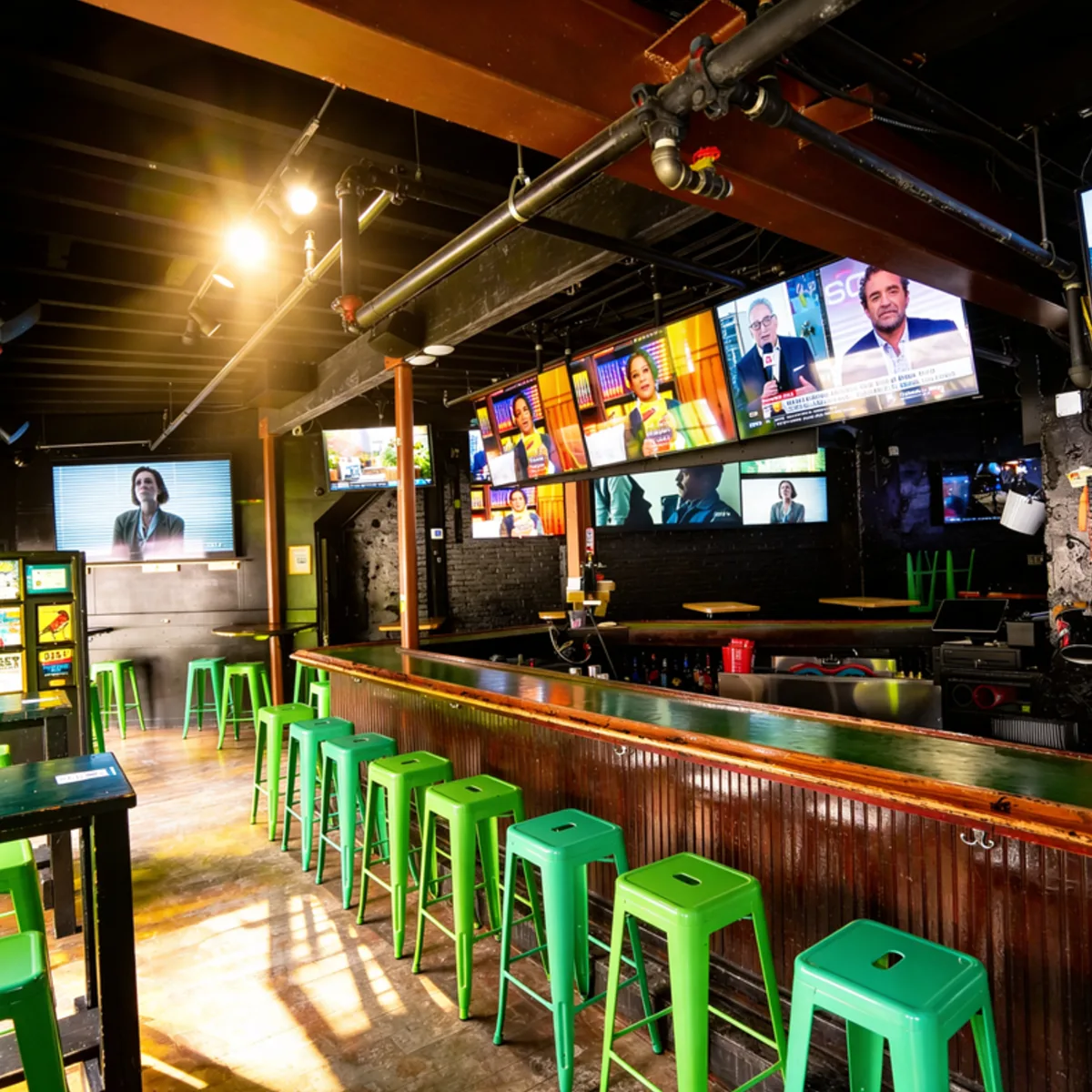
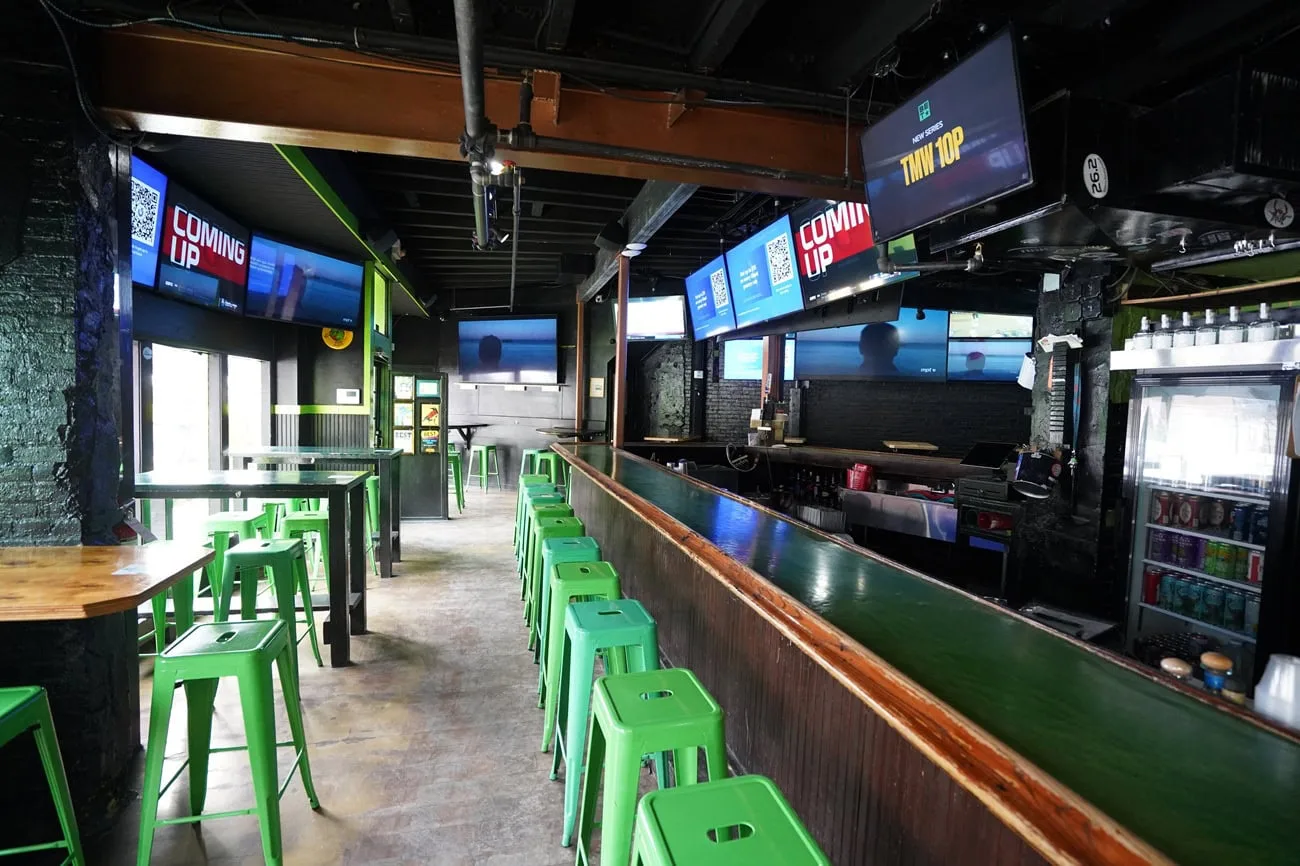
Working with Crunchy Tech was a fantastic experience from start to finish. They handled the sale and installation of all our sound and TV equipment at The County Bar in Aviston, IL, and absolutely nailed it. We were on a very tight deadline, and they not only met it—they delivered top-notch quality and service the entire way. Highly professional, responsive, and easy to work with. We couldn't be happier with the results.

Clint Flowers logo
Clint Flowers
Owner · The County Bar

Crunchy's AV Services are outstanding. Staff members are experts, who really extend themselves to find the right technology for helping us reach our marketing goals in creative ways. The best thing about working with Crunchy is collaborating with the staff – they are patient, responsive, knowledgeable, and available.

Shannon McHale logo
Shannon McHale
Marketing Specialist · IGT

Crunchy has been great to work with. They communicate well and deliver as promised.

Brian Dornbush logo
Brian Dornbush
Facilities & Operations Manager · Orange County Library System

The work Crunchy has been doing is a game changer for this industry.

Steven Fandozzi logo
Steven Fandozzi
VP of Information Technology · Foundation Partners

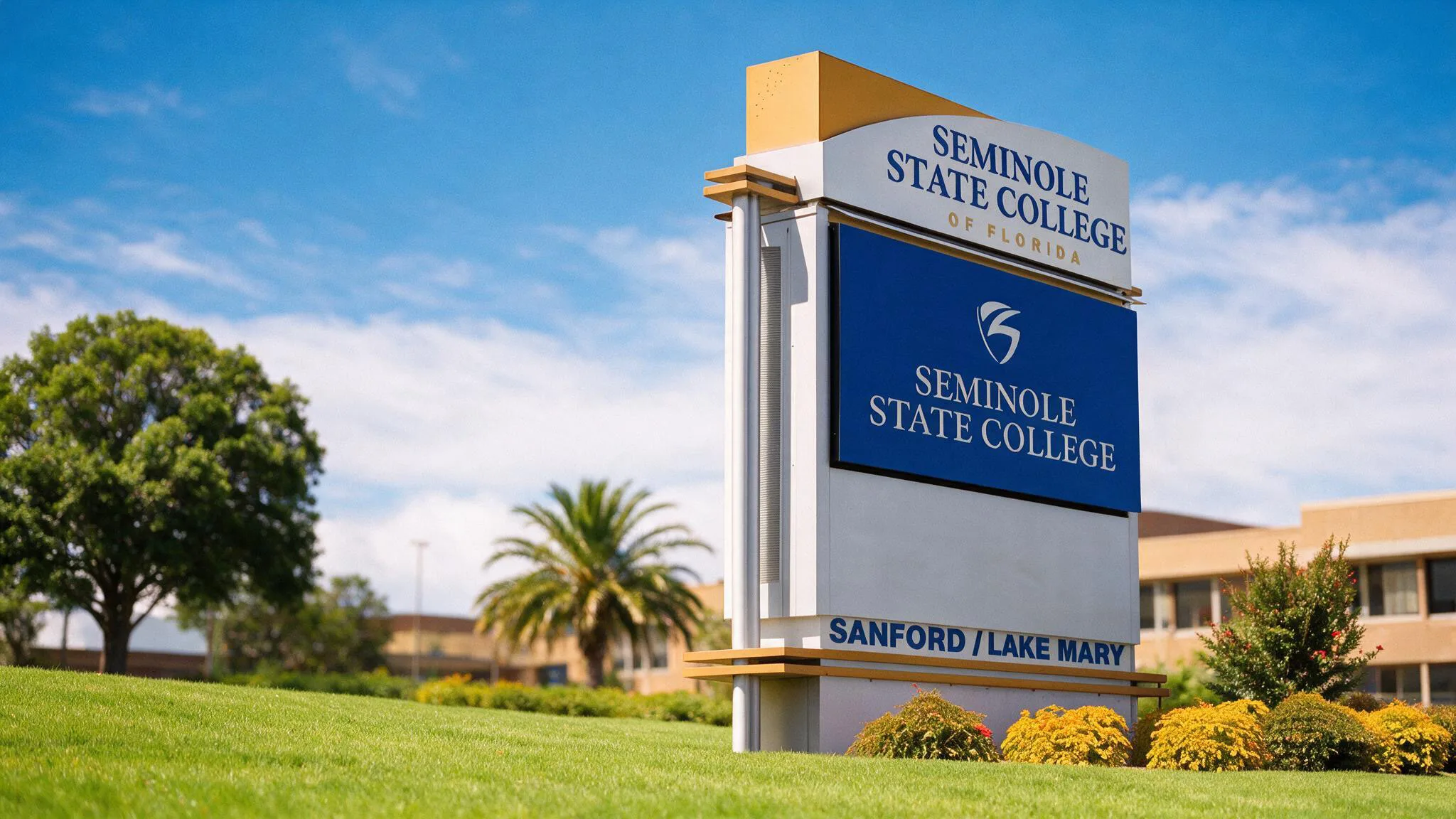
Being able to reuse the existing structure created a much lower cost for the client and they were ecstatic.

Seminole State College logo
Seminole State College
Facilities · Seminole State College

Crunchy has done an amazing job on our A/V install. The sound is perfectly balanced throughout our many zones and the entire system is super simple to use.
Steve Glum logo
Steve Glum
Chief Marketing Officer · Ace Cafe

What is a control room video wall and how does it work?

A control room video wall is a large, always-on display surface that consolidates every operational source (camera feeds, dashboards, maps, dispatch and incident tools) into one shared picture operators can read at a glance. A video wall processor routes those sources to the wall in real time, so a single operator can show one full-wall view for a briefing, a quad-window for normal ops, or a twelve-window grid during a major incident, with saved presets per shift and incident class. Paired with KVM, that operator controls any source and routes any other source to their own workstation without leaving their chair.

How do you design a control room video wall system that works 24/7 for years?

Commercial-grade LED panels are commonly rated for continuous 24/7 duty cycles, but reliability comes from designing redundancy in and not from buying a better panel. We engineer:

  • N+1 redundancy on power, signal and processor paths, so no single failure takes the wall down
  • Hot-swap modules so a degraded panel comes out without an outage
  • Batch-matched spares stored climate-controlled for the life of the install
  • 24/7 proactive monitoring with SLA-backed response, so issues surface before operators see them

We design through a seven-phase methodology, from operational study (we watch a shift) through source architecture, redundancy engineering, installation, commissioning with calibration and runbook delivery, and ongoing monitoring. Control room walls are designed for a 7-year baseline, refreshed at years 7–10 and maintained toward 15 years through our support discipline.

Can it integrate with our existing systems?

Yes. We design open-architecture source routing so your wall doesn't lock you to one vendor's ecosystem. Common integrations include video management systems (VMS), Computer-Aided Dispatch (CAD), SCADA, GIS overlays, incident management platforms and KVM workstations. KVM integration is the layer that lets a single operator control multiple source computers from one chair, pulling sources to the wall, sending the wall to their workstation, switching layouts and operating dispatch tools without physically moving. We document every integration and use standard signal types and protocols where possible.

How much does a control room video wall cost?

Pricing varies significantly by panel technology, pixel pitch, total surface area, source count and KVM complexity, and redundancy requirements (N+1, 2N, etc.). A small dispatch room LCD wall and a large multi-source LED command center with full N+1 redundancy live in different orders of magnitude. We provide tiered proposals scoped to your operational profile. About 70% of our recent control room deployments are LED; 30% LCD, and the technology choice falls out of the operational requirements and ambient-light modeling, not the budget conversation.

Do you handle government and public-sector RFPs, and do you sell walls or install them?

Yes to RFPs. We've designed control room and operations center systems for government agencies including the City of Tallahassee. We work with procurement teams to provide the documentation, references and compliance evidence the RFP process requires. We're bootstrapped with no outside funding, a vendor your procurement team can defend to oversight. We're a design-build integrator, not a reseller: we design the wall for your operational requirements, procure the right panels and processors on your behalf, install the system, commission it, integrate it with your existing platforms and support it through its lifecycle with SLA-backed response.

Get Started

Ready to Transform Your Space?

Tell us about your vision and we'll put together a custom proposal.

  • Free 1-on-1 phone consultation
  • Professional installation with minimal downtime

This site is protected by reCAPTCHA and the Google Privacy Policy and Terms of Service apply.

Let's Talk