AV Installation Buffalo | Commercial AV Company
location_on Buffalo, NY

Commercial AV Installation in Buffalo

Design-build audiovisual for Buffalo offices, restaurants, and civic rooms, in a market where affordable square footage hands you more room than the budget planned to cover.

In Buffalo the room is bigger thanthebudgetassumed

Space is genuinely affordable here, which is one of Buffalo's real advantages and a quiet trap for anyone buying AV. Operators lease or renovate rooms that would cost a fortune in Boston or New York, so the square footage runs generous, the ceilings run high, and the plans get ambitious. Then the AV budget arrives sized off a mental picture of a normal room, and it doesn't fit, because coverage does not care about the lease. A room twice the size needs closer to twice the speakers to stay even and closer to twice the display area to stay legible, and the number that felt right for a cozy space quietly under-buys the big one. The cheap real estate giveth, and the coverage math taketh a portion back.

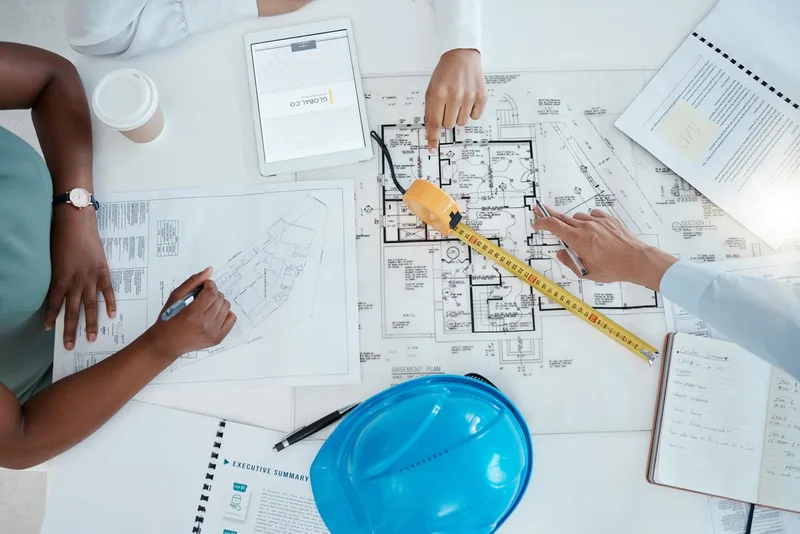
We size the system to the room you actually took, not the one the budget imagined, and we say so early enough to matter. That means walking the real dimensions, counting the coverage a space this size honestly needs, and having the hard conversation before the number locks rather than after the room sounds thin. Sometimes the answer is phasing, a properly sized core now with zones added as the space fills, which spreads the cost without leaving the far wall silent. From there the craft holds steady. Drawings your contractor can price from, a rack we bench-test before it ships, then install, tuning, staff training, and documentation that outlives the next manager, backed by support that mostly resolves from our desks rather than a truck. Since 2008.

In Buffalo the room is bigger than the budget assumed
Install In Buffalo the room is bigger than the budget assumed Buffalo, NY

Commercial AV AcrossWesternNewYork

Downtown and the Medical Campus, Elmwood Village and Allentown, Larkinville and the waterfront, and the suburbs from Amherst to Orchard Park.

2008
Serving Buffalo since
10
Neighborhoods
Downtown and the waterfront
Corporate · Hotels · Venues

Downtown pairs finance floors with big event rooms, where the coverage math punishes any system sized by instinct.

Large volume · coverage
Buffalo Niagara Medical Campus
Institutional · Corporate

The medical campus moves on committee schedules, where one standard across many buildings and records that survive an audit are what get bought.

Institutional · standard
Elmwood Village
Restaurants · Retail

Elmwood's storefronts run larger than their price tag suggests, so a string of quiet speakers fills the length evenly.

Generous room · coverage
Allentown
Bars · Restaurants

Allentown's old taverns share walls and high ceilings, where placement beats volume and zoning keeps neighbors friendly.

Historic · high ceiling
Larkinville
Venues · Corporate

Larkinville's warehouse volumes hand the acoustics the first word, and the speaker plan answers to the space.

Conversion · acoustics
Hertel and North Buffalo
Restaurants · Bars

Hertel Avenue's rooms serve regulars in generous storefronts, where even coverage at conversation level is the whole brief.

Neighborhood rooms
University Heights
Institutional · Restaurants · Bars

The university corridor needs teaching rooms that any instructor can drive on the first try, class after class.

Instructional
Amherst and the northern suburbs
Corporate · Restaurants

Amherst pulls its own permits and builds newer, so the smart move is landing the cabling in the walls before the drywall closes.

Separate town · new build
Orchard Park and the southtowns
Restaurants · Corporate

The southtowns permit independently and take the region's heaviest snow, which decides the outdoor hardware.

Separate towns · snow
Niagara Falls and the north
Hotels · Restaurants

The Niagara corridor runs its own reviews and its hospitality volume, where coverage and intelligibility carry the design.

Separate city · hospitality

What we do here

Buffalo AV Design That FillstheWholeRoom

Four kinds of buyers drive our Buffalo work, and most of them took more square footage than the budget quietly planned to cover.

Offices, healthcare, and finance floors

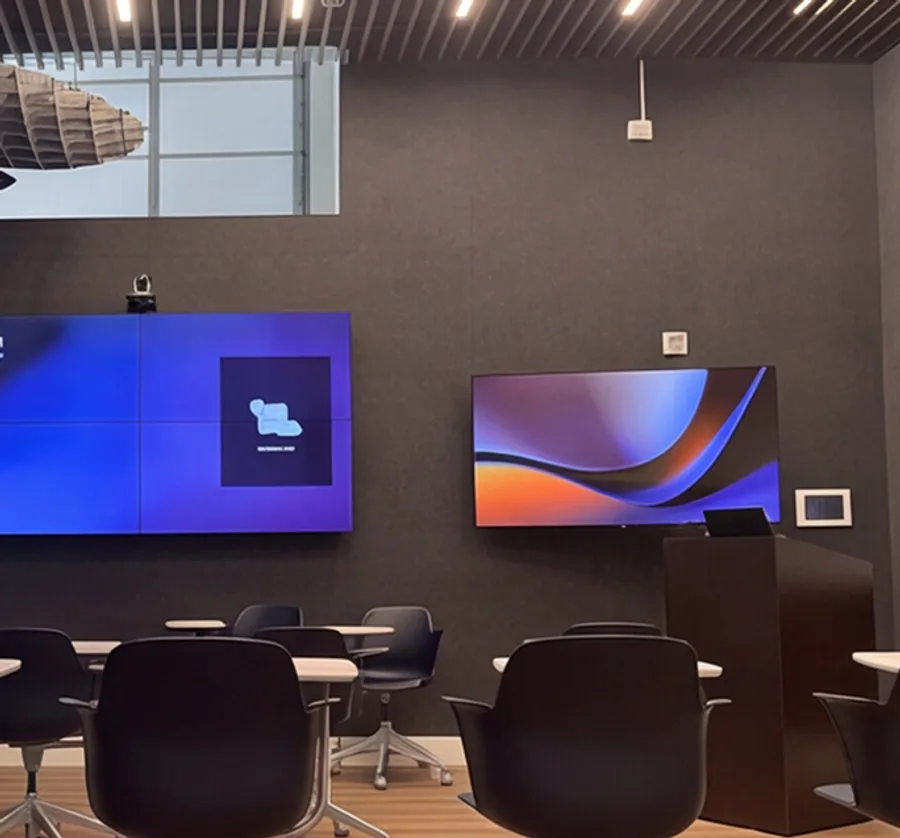
Buffalo's white-collar base runs on a medical-campus core and a deep back-office and finance sector, and their conference floors trip on the local hazard: generous space bought cheap, then under-covered. A boardroom that would be tight downstate sprawls here, and hardware sized from a photo leaves the far seats unheard on every call. We measure the room as taken, confirm the platforms in genuine use, and give a whole floor one control behavior worth learning once. Documentation gets written for the facilities manager who inherits it, because in this market someone always does. The medical campuses add committee calendars and multi-building standards, which we build for the long haul.

Restaurants, bars, and neighborhood rooms

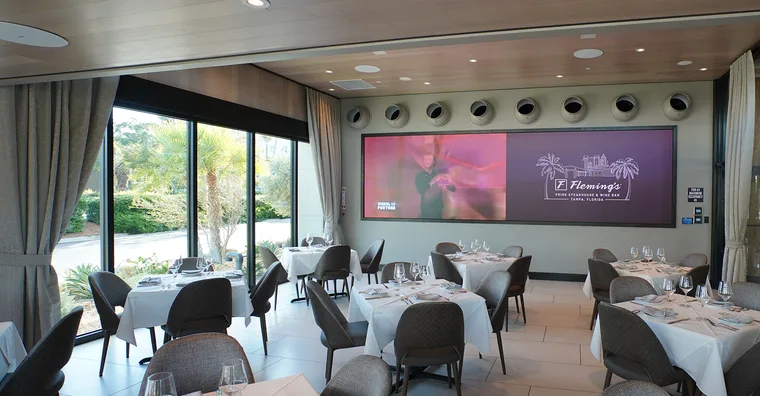
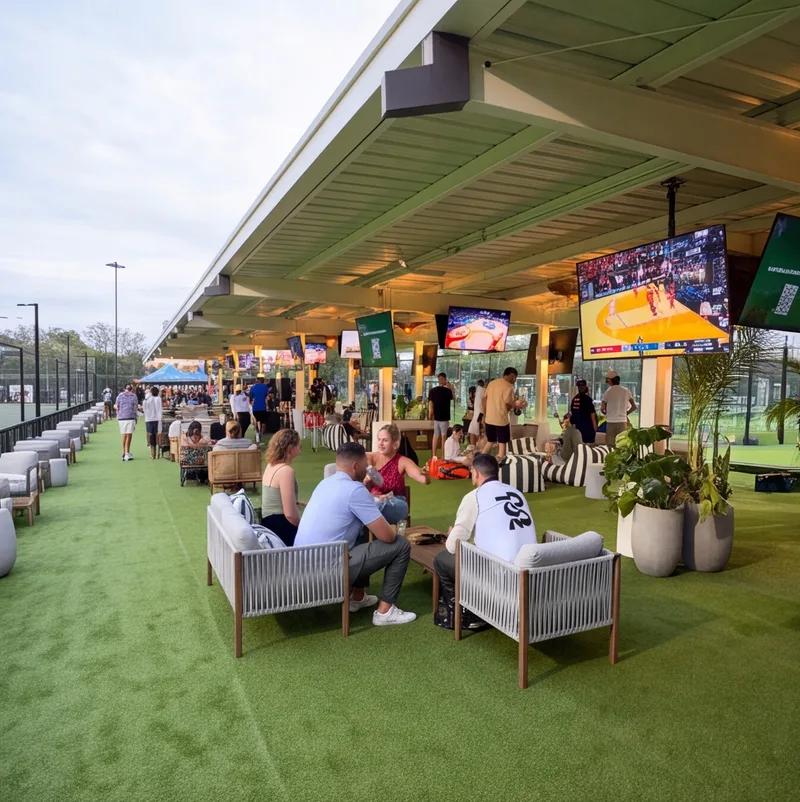
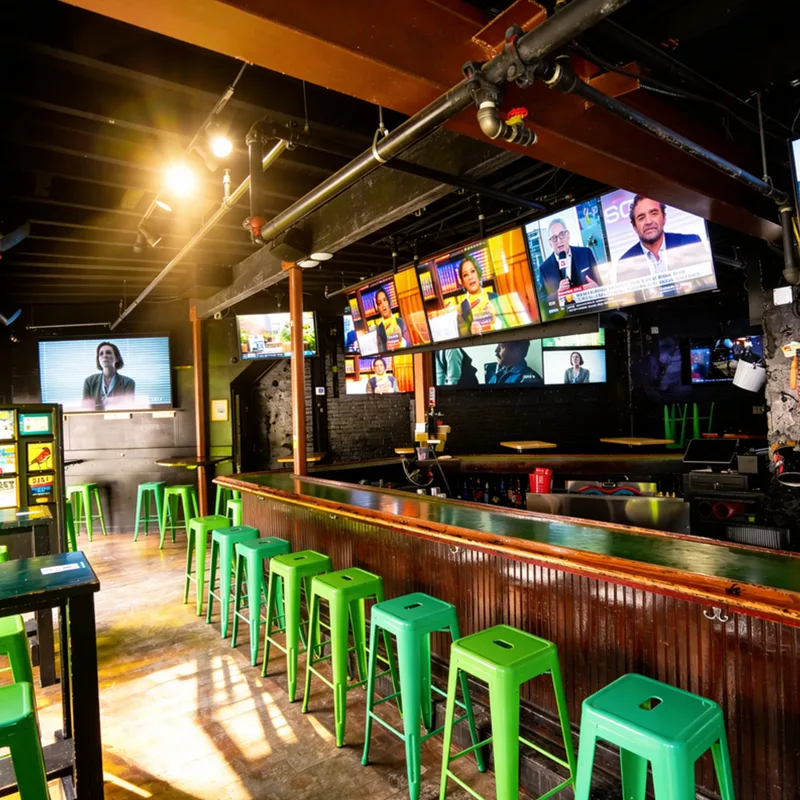
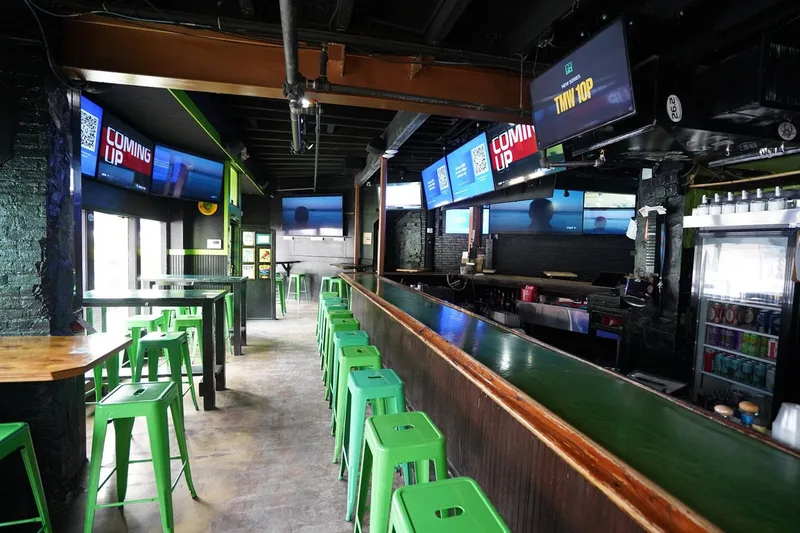
Buffalo eats in generous old rooms, Elmwood Village storefronts, Allentown taverns, Larkinville's rehabbed industrial, and the affordable space means dining rooms here run larger than the coverage instinct expects. A patient string of small speakers fills the length at conversation level, zones keep a loud bar off the quiet tables, and containment respects the neighbor through the shared wall. The high ceilings common in this stock reward careful placement over raw volume. Patios earn a fierce, compressed season and then meet a Buffalo winter head-on, so outdoor hardware gets chosen for the snow load it will absolutely see. The warmth of a full Western New York room is the local standard, and even coverage is what protects it.

Civic rooms and public buildings

Council chambers, courtrooms, libraries, and campus rooms across Erie County buy on public bids, and their one measure is plain: a resident in the last row hears the whole proceeding, or the purchase failed. Buffalo's civic stock leans old and generously sized, so the microphone plan and the gain structure matter more than the speaker count, and a wrong call feeds back long before it reaches the far wall. We set the controls for the clerk who actually runs the meeting, not for a visiting technician. Bid formats and records rules get met as written. Where a room streams its sessions, we build the feed's outlet in and leave the broadcasting to your people.

Venues, campuses, and larger facilities

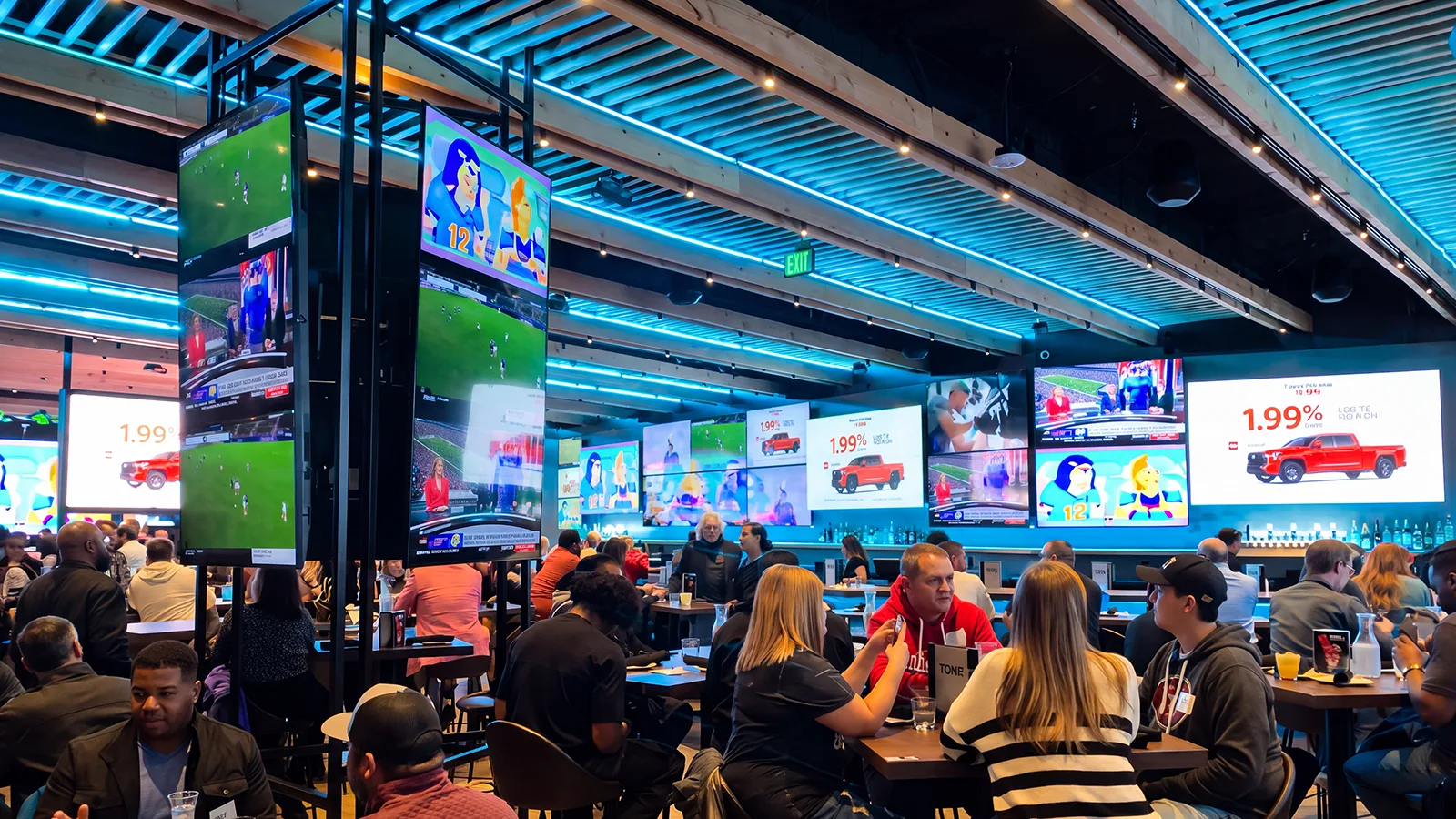
The region's bigger spaces, event halls, arena-adjacent hospitality, converted industrial venues, are where the coverage math turns unforgiving, since volume this size punishes any system sized by instinct instead of measurement. Coverage comes from more sources placed by plan, not fewer turned up, and announcements get engineered so intelligibility survives the room. Multi-site operators get one standard, one training, and documentation that lets any competent technician work any location from the file. Support runs remote-first, since Western New York is spread out and a service truck should be the last option, not the first. When a tech does roll out, the as-built drawings mean the problem gets solved on that single trip.

We got a great deal on a big space. Why is the AV quote higher than we expected?

You bought square footage, and AV covers square footage, so those two numbers quietly moved in opposite directions on you. Buffalo's affordable real estate is a genuine advantage, it's why you got a room that would cost triple downstate, but the coverage a room needs scales with its actual size rather than its price, and a system quoted off a mental picture of an average room under-buys the large one you actually took. A space twice the volume needs close to twice the speakers to keep sound even from wall to wall, and close to twice the display area to keep screens legible from the far seats, and skimping on either produces exactly the complaint that brings owners back to us a year later: the back of the room can't hear, the far tables can't see, so somebody cranks the volume and now the front is punished too. The honest fix is to size the system to the room you actually have and to say so before the budget hardens, which is why we walk the real dimensions early. Where the full build is a stretch, phasing works, a right-sized core now with zones added as the space fills out. Crunchy Tech has been doing this since 2008, and we'd rather have the honest number conversation now than the thin-sounding-room conversation later.

A lot of the AV results here look like home theater and TV mounting. Are you that kind of company?

No, though you've noticed something true about how AV shows up here. Type an AV search in Buffalo and the results lean residential, home theaters and TVs going up on living-room walls, which is real, skilled work and a different trade from what a dining room, an office floor, or a council chamber needs. The gap isn't quality, it's who the room answers to. A home system answers to one family that learns its habits over time. A commercial room answers to the public, to staff who rotate through, to a cleaner who never met the gear, and to whoever repairs it two years on without having seen the install, so it has to explain itself to strangers and keep running when nobody left in the building remembers how it went in. Different design brief, different service model, and it's the only kind we take. If the job is a home theater or a wall mount at the house, we'll point you to a residential specialist on the first call and mean it. If the job is a room the public uses every day for the next decade, that's our whole business, and it's where our remote support earns its keep, since most tickets close without a truck ever leaving the shop.

How much does the snow actually matter for AV?

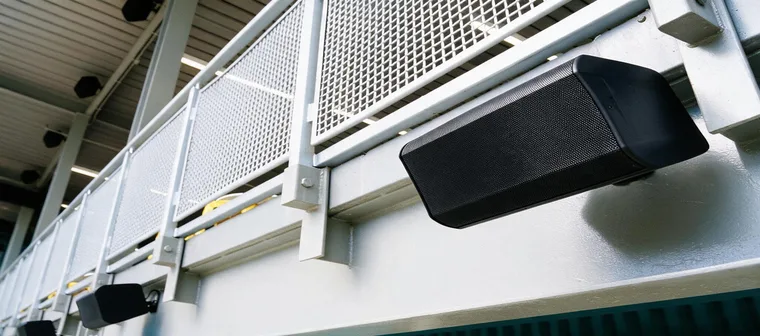
For anything outdoors, it matters a great deal, and Buffalo earns its reputation honestly, so the specification has to respect it rather than hope through it. Lake-effect snowfall here runs among the heaviest in the country, and that means two distinct problems for outdoor equipment. The first is load: accumulated snow and ice put real weight on anything mounted outside, and crews clearing it add impact, so mounts and enclosures get chosen to carry the load and survive the shovel, not to look tidy in a rendering. The second is cycling, since a Buffalo winter crosses the freezing line over and over rather than settling below it, and each crossing works seals and gaskets a fraction looser until moisture finds the gap, and by then the owner tends to fault the equipment when the real fault was the spec. So outdoor hardware gets rated for repeated freeze-thaw rather than one cold number, cable jacketing gets picked to stay flexible in the cold so a service call doesn't turn into a snapped run, and surge protection covers the summer storm season the winter makes everyone forget. Indoors, the quieter killer is an equipment closet with no dedicated cooling, where the humid lake summer ages components years early. None of it is exotic. It's just buying for the winter you actually get.

We're in Amherst and Orchard Park too. Different towns, different rules?

Different towns and genuinely different rules, and Western New York's home-rule tradition makes the map busier than it looks from the highway. Amherst, Cheektowaga, Orchard Park, Hamburg, and the rest are independent towns with their own building departments, their own reviewers, and their own snow realities, and the City of Buffalo runs its own besides, so a project in the suburbs starts its paperwork fresh regardless of what the city approved for your first location. Cross toward Niagara Falls and the reviews change again. That whole map is our department, not yours: correct filings per town, correct inspectors, honest scheduling when one office runs slower than its neighbor, none of it landing on your desk as anything but a timeline you can trust. What carries across every town line unchanged is the way your people run the system: the same interface, the same presets, the same short training at each site, records clear enough that a support call never has to establish which town it came from, and roughly 47% of those calls resolved from our desks inside the hour, whatever the return address. You run one business across a dozen town halls. Keeping that straight is exactly what you're hiring us to do.

What clients say

Operators who run on our systems

Client successes drive Crunchy Tech to become better. Below is how our customers feel about us.

Just do it. Spend the money. It’s well worth it. It’s not worth your time, hassle, energy, and stress of trying to make it look right and do it right when there’s somebody who has been doing it for years and has perfected the craft.

Matt Moore logo
Matt Moore
IT Systems Administrator · Capone's Hideout

You're a great partner with Florida Hospital and this project will make a difference in Children's Health.

Des Cummings logo
Des Cummings
Vice President of Florida Hospital · Florida Hospital

Working with Crunchy Tech was a fantastic experience from start to finish. They handled the sale and installation of all our sound and TV equipment at The County Bar in Aviston, IL, and absolutely nailed it. We were on a very tight deadline, and they not only met it—they delivered top-notch quality and service the entire way. Highly professional, responsive, and easy to work with. We couldn't be happier with the results.

Clint Flowers logo
Clint Flowers
Owner · The County Bar

Crunchy's AV Services are outstanding. Staff members are experts, who really extend themselves to find the right technology for helping us reach our marketing goals in creative ways. The best thing about working with Crunchy is collaborating with the staff – they are patient, responsive, knowledgeable, and available.

Shannon McHale logo
Shannon McHale
Marketing Specialist · IGT

Crunchy has been great to work with. They communicate well and deliver as promised.

Brian Dornbush logo
Brian Dornbush
Facilities & Operations Manager · Orange County Library System

The work Crunchy has been doing is a game changer for this industry.

Steven Fandozzi logo
Steven Fandozzi
VP of Information Technology · Foundation Partners

Being able to reuse the existing structure created a much lower cost for the client and they were ecstatic.

Seminole State College logo
Seminole State College
Facilities · Seminole State College

Crunchy has done an amazing job on our A/V install. The sound is perfectly balanced throughout our many zones and the entire system is super simple to use.
Steve Glum logo
Steve Glum
Chief Marketing Officer · Ace Cafe
Talk to a Buffalo AV designer

Let's size it to theroomyouactuallytook

Tell us the address, the real dimensions if you have them, and what the space has to do, because in this market the honest coverage number is half the design. The consult covers the outcome, the walk measures the room as taken, and the deliverable is an engineered scope sized for the space rather than the budget's mental picture of it.

  • Systems sized to the real square footage, with the honest number said early.
  • Phasing offered where the full build is a stretch, core now and zones later.
  • Commercial only, in a market whose search results skew residential.
  • Lake-effect snow load and freeze-thaw built into the hardware choice.