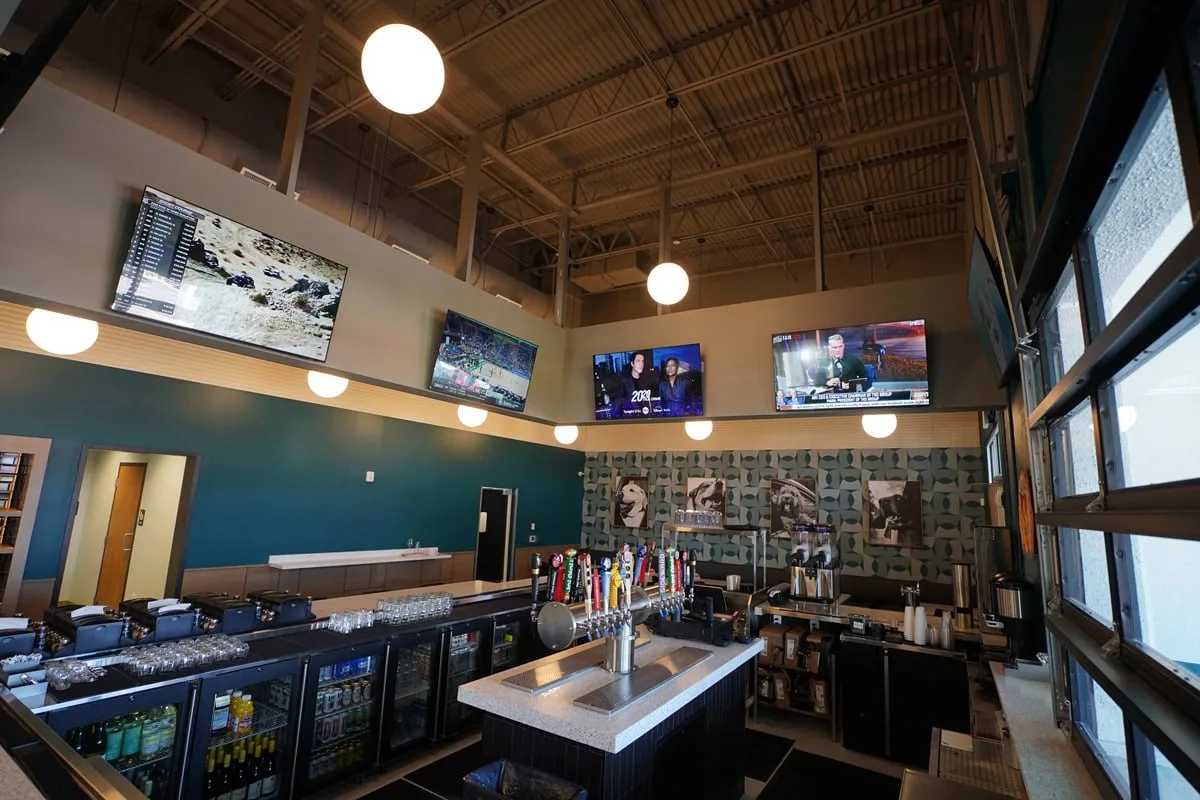

If you’ve ever walked into a big-box retailer and seen a massive 4K display for a price that seemed suspiciously too good to be true, you’re not the only one. For many business owners especially, it’s tempting to grab a few "home" TVs and a consumer-grade soundbar for the office to save a few dollars on the front end.
However, the difference between a home setup and a professional integration is like the difference between a sedan and a semi-truck. Both get you from point A to point B… but only one is built to carry a heavy load day in and day out without breaking down.
At Crunchy Tech, we’ve seen firsthand what happens when consumer gear meets the demands of a commercial environment. Let’s nail down the difference between consumer and commercial AV and establish why the latter should be a non-negotiable equipment investment for businesses.
SEE ALSO: Crunchy Tech at InfoComm 2025: Key Highlights
Core Differences Between Commercial and Consumer AV
When you look at a display or a speaker, the most important parts are the ones you can't see. Commercial AV hardware is engineered with an entirely different "DNA" than the equipment you use to watch football on Sundays.
These internal components are designed for high-stress environments where failure is not merely an inconvenience but a loss of revenue altogether.
Panels designed for 24/7 operation
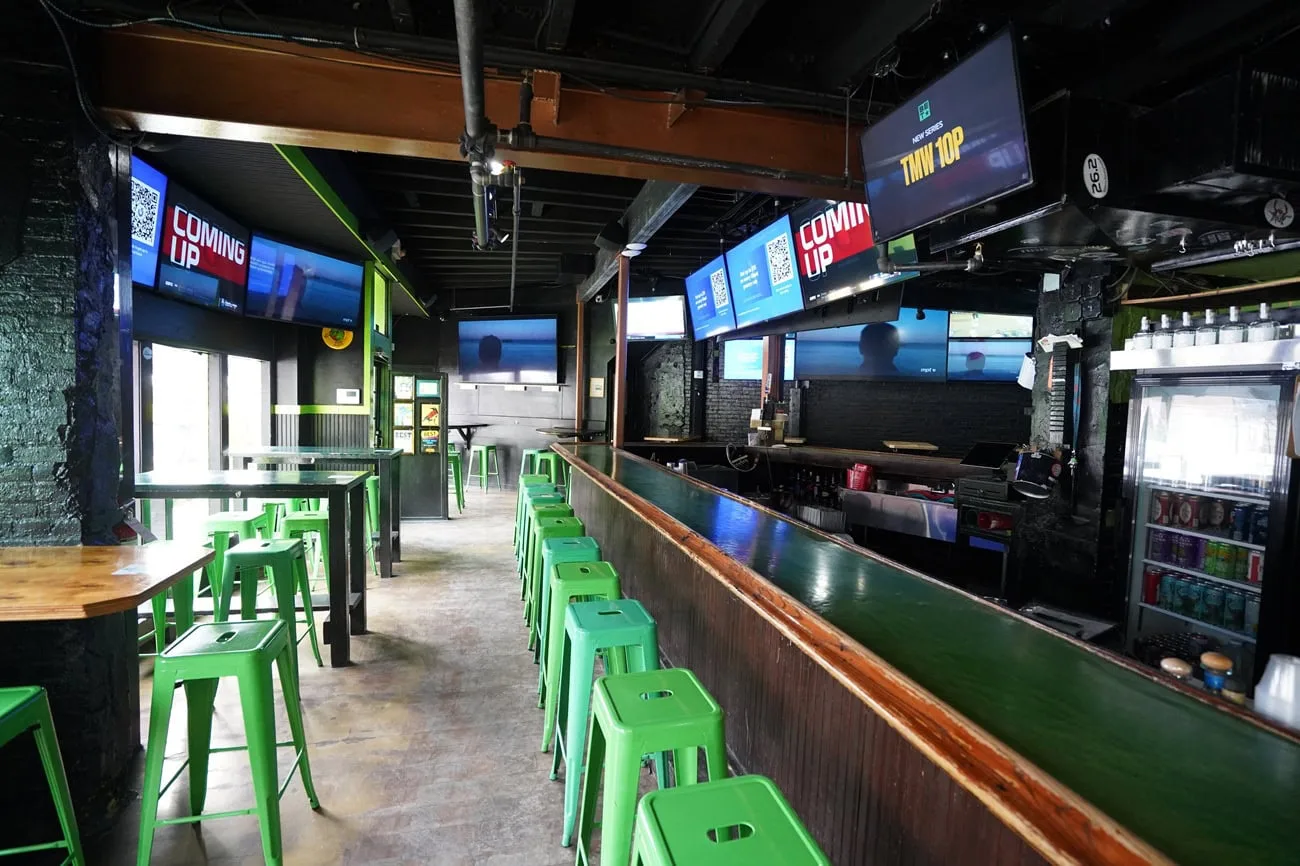
Most people don't realize that consumer TVs are rated for about 6 to 10 hours of use per day. If you run a consumer panel 24x7 in a hotel lobby or a sports bar, the liquid crystals can quite literally bake - leading to "image retention" or permanent burn-in.
Commercial displays use industrial-grade cooling fans and heat sinks that allow them to run 16 or even 24 hours a day, year after year, sans the picture quality degrading.
Brightness and anti-glare capabilities
Your living room likely has controlled lighting or curtains, but an Orlando office building or a retail storefront is often flooded with sunlight or harsh overhead fluorescents. Commercial screens are built with:
- High-nit brightness: While a home TV might hover around 250-350 nits, commercial panels can reach 500 to 2,500 nits to cut through sunlight.
- Anti-reflective coatings: These panels feature matte finishes that diffuse light rather than reflecting it back like a mirror.
- Orientation flexibility: You can mount a commercial screen in portrait (vertical) mode for digital signage without worrying about heat rising and damaging the internal components, a feat most consumer TVs can't handle and/or withstand.
Chassis and build quality
Consumer electronics are often encased in sleek, thin plastic to look good on a mantle. Commercial gear is much more "over-engineered." You’ll find heavy-duty metal chassis that protect the internals from physical impact and help dissipate heat more efficiently.
This rugged build is essential in high-traffic areas where a stray bumped ladder or a cleaning crew could easily crack a flimsy plastic consumer casing.
Commercial vs Consumer AV: Longevity and Warranty Protection
Investing in technology for your business is a capital expenditure that needs to be protected. One of the biggest shocks business owners face is realizing that their "great deal" on consumer televisions actually left them completely unprotected when things go awry.
Commercial-grade warranty coverage
Read the fine print on a consumer electronics warranty and chances are you’ll find a clause stating that the warranty is void if the product is used in a "commercial or business application" (or something to this effect). If your office TV dies after six months, the manufacturer may refuse to fix it. Commercial warranties, however, are built for business:
- On-site service: Instead of boxing up a 75-inch screen and shipping it to a warehouse, an AV technician comes to your location.
- Fast turnaround: Most commercial warranties guarantee a much faster response time because they know your business depends on that hardware.
Extended product lifecycles
In the consumer world, manufacturers release new models every single year. This is a nightmare for businesses. Why, you ask?
If you install ten screens in a conference room today and want to add two more next year, the consumer model will be discontinued and the new one won't match the bezel size or color. Commercial manufacturers keep specific models in production for years; as this allows you to scale your facility with a consistent, uniform look across the entire building.
Commercial and Consumer AV: Integration, Connectivity, and Control

A home theater is usually a closed loop: one remote for one room. In a commercial setting, your AV needs to be part of a larger ecosystem. It needs to "talk" to your commercial lighting, your security, and your IT network, and it needs to do so reliably without a drawerful of plastic remotes.
Standardized control via RS-232 and LAN
Commercial audiovisual solutions use RS-232 serial ports or LAN-based control. This allows a central system, programmed by an AV installation company like Crunchy Tech, to send a "hardwired" command to every device in the building.
With one tap on a touch panel, you can:
- Power down all 50 screens in a facility at closing time.
- Switch all displays to an emergency alert channel.
- Monitor the "health" of your hardware from a remote dashboard.
Secure and robust wireless sharing
We’ve all been in a meeting where someone spends ten minutes trying to get their laptop to show up on the screen. While consumer "casting" is fine for photos at home, it’s a security risk for a business. Professional solutions like Crestron offer:
- Enterprise security: Encrypted signals that prevent unauthorized users from "hijacking" the screen.
- Dual-network support: Keeping guest presenters on a separate Wi-Fi signal so they never touch your internal company data.
- Multi-user display: The ability for four people to share their screens simultaneously for true collaboration.
Seamless cable management and mounting
A commercial AV system uses locking connectors and specialized distribution methods, which allows high-definition video to travel over 300 feet of Category cable without losing quality.
Consumer HDMI cables often fail or shake loose over long distances or through walls. By using commercial-grade cabling and specialized VESA mounts, you make sure that once the system is installed, it stays connected despite vibrations or heavy use.
On Audio Distribution and Acoustic Precision

Audio tends to be the forgotten half of AV, but in a business setting, it’s arguably more important. If a client can’t hear you clearly during a Zoom call, isn’t that meeting considered a failure?
Commercial models are built to solve the problems of physics that large, Echo-prone office spaces create.
Constant voltage 70V systems
In a home, you run thick wires from an amp to a couple of speakers. This doesn't work in a 5,000-square-foot office or a restaurant. Commercial audio utilizes 70-volt (or 100-volt) systems. These systems allow us to:
- Run miles of thin wire without losing volume.
- Daisy-chain dozens of speakers to a single amplifier.
- Adjust the volume of individual speakers (taps) so the person sitting directly under a speaker isn't blasted while the person five feet away hears nothing.
Digital signal processing for speech intelligibility
A living room is full of soft surfaces like couches and rugs that soak up sound. A boardroom is typically full of glass, metal, and hard tables (an acoustic nightmare!). Professional-grade AV technology utilizes Digital Signal Processors (DSPs) to clean the audio in real-time. This technology performs several vital tasks:
Automated Mixing
Automatically lowering the background music when someone speaks into a microphone.
Acoustic Echo Cancellation (AEC)
Prevents the person on the other end of a call from hearing their own voice echoing back.
Noise Masking
Using subtle background frequencies to ensure private conversations in one office aren't overheard in the next.
Commercial AV vs Consumer AV: Making the Right Choice for Your Business
So - is there ever a time to use consumer displays? Perhaps, but it’s a calculated risk. Understanding the "Total Cost of Ownership" (TCO) is the key to making a decision that your future self won't regret.
Assess the environment and duty cycle
Before you buy, ask yourself these three questions:
- How long will it be on? If it's more than 8 hours, go commercial.
- Where is it going? If there is high sunlight or public access, go commercial.
- What is the cost of downtime? If a screen goes dark in your lobby, does it make your brand look "cheap" or unprofessional? If the answer is yes, the "savings" of a consumer TV aren't worth the reputational hit.
Consult with a professional integrator
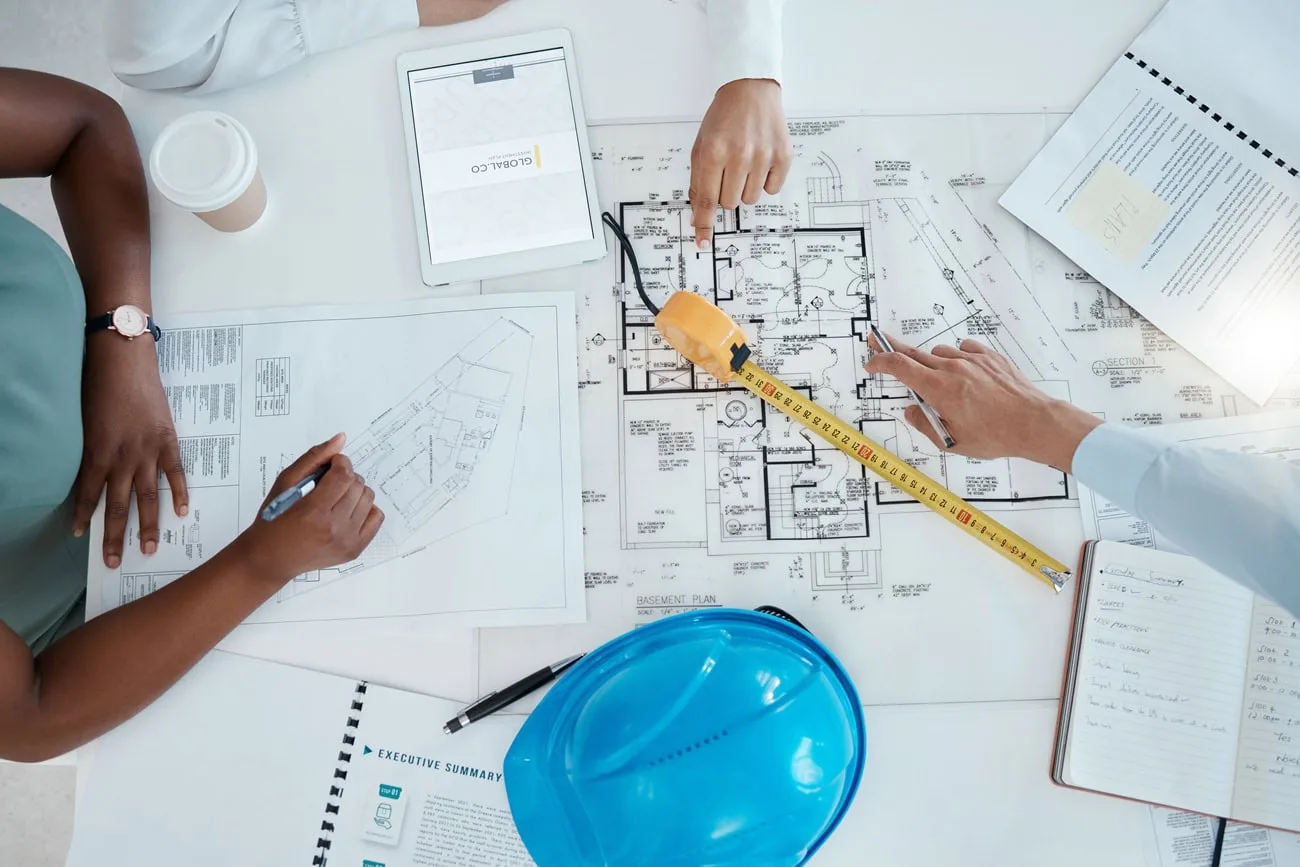
The best way to avoid the pitfalls of "prosumer" mistakes is to partner with an expert who understands the landscape. At Crunchy Tech, we design systems. We look at your floor plan, your network security, and your specific business goals to create a solution that actually works.
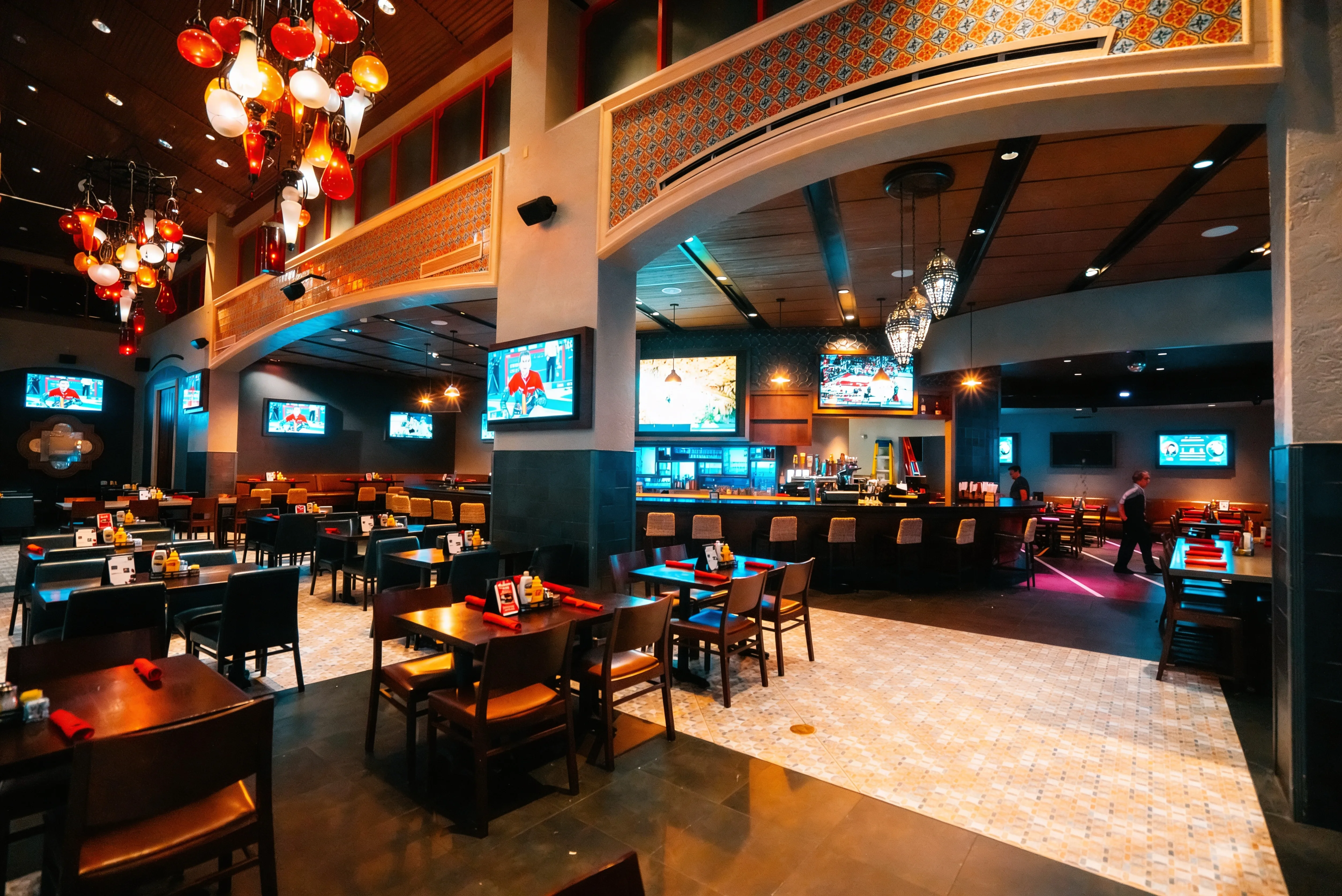
A professional integration ensures that your technology is an asset that drives your business forward, rather than a collection of gadgets that requires constant "restarting" and troubleshooting. Whether you’re outfitting a new headquarters or a restaurant, choosing the right grade of equipment is the first step toward a seamless experience.
Ready to Get Your Facility Up to Speed With Professional AV?

The price sticker on a consumer TV at the store might be enticing. But your business shouldn’t depend on hardware that’s crossing its fingers just to stay on for eight hours. If you’re done dealing with no-signal screens or remotes that won't talk to the TV, it’s about darn time you stop DIY-ing your tech and let a professional AV integrator sweat over it.
Crunchy Tech is based in Orlando, FL, and we’ve built our name on being the guys people call when failure isn't an option.
We’re ready when you are. Contact us today.