
Guests rarely tell a manager the dining area is too loud. They raise their voices through dinner and quietly decide not to come back.
The surveys back that up. In Zagat’s 2018 National Dining Trends survey, noise ranked as the most annoying issue at 24%, just ahead of poor service at 23%. Consumer Reports reached the same conclusion from its own survey, where noise was the biggest complaint, driven by loud customers and blaring music.
Restaurant atmosphere usually gets planned around decor and lighting, and sound often gets decided last. This guide covers how noise and music tempo shape the way guests experience your restaurant and what to settle before buying any equipment.
Why Sound Shapes Restaurant Atmosphere
Atmosphere is everything a guest notices without being asked to notice it. Lighting sets what they see, and commercial restaurant lighting covers that side in depth. Sound decides whether they can hold a conversation and how long the meal seems to last.
Crunchy Tech CEO Adi Khanna puts the stakes plainly:
“Bad audio drives customers away, and no audio drives customers away.”
Adi Khanna, CEO, Crunchy Tech
Silence leaves a dining area feeling empty even when tables are full. Too much volume pushes guests out early. The work is finding the level between those two for every part of your space.
How Loud Is Too Loud?
Restaurant noise levels have less to do with the music than many owners expect. A dining area gets louder as it fills, because every table raises its voice to be heard over the next one. Music set at a comfortable level at 5 p.m. can become the problem at 8 p.m. without anyone touching the volume.
There’s no single restaurant decibel level that fits every concept. A sports bar on game night and a chef-driven dining space aim for very different energy. The practical test works anywhere: if guests at a two-top have to lean in to hear each other, the space is too loud for conversation.
Why Hard Surfaces Make Dining Areas Loud
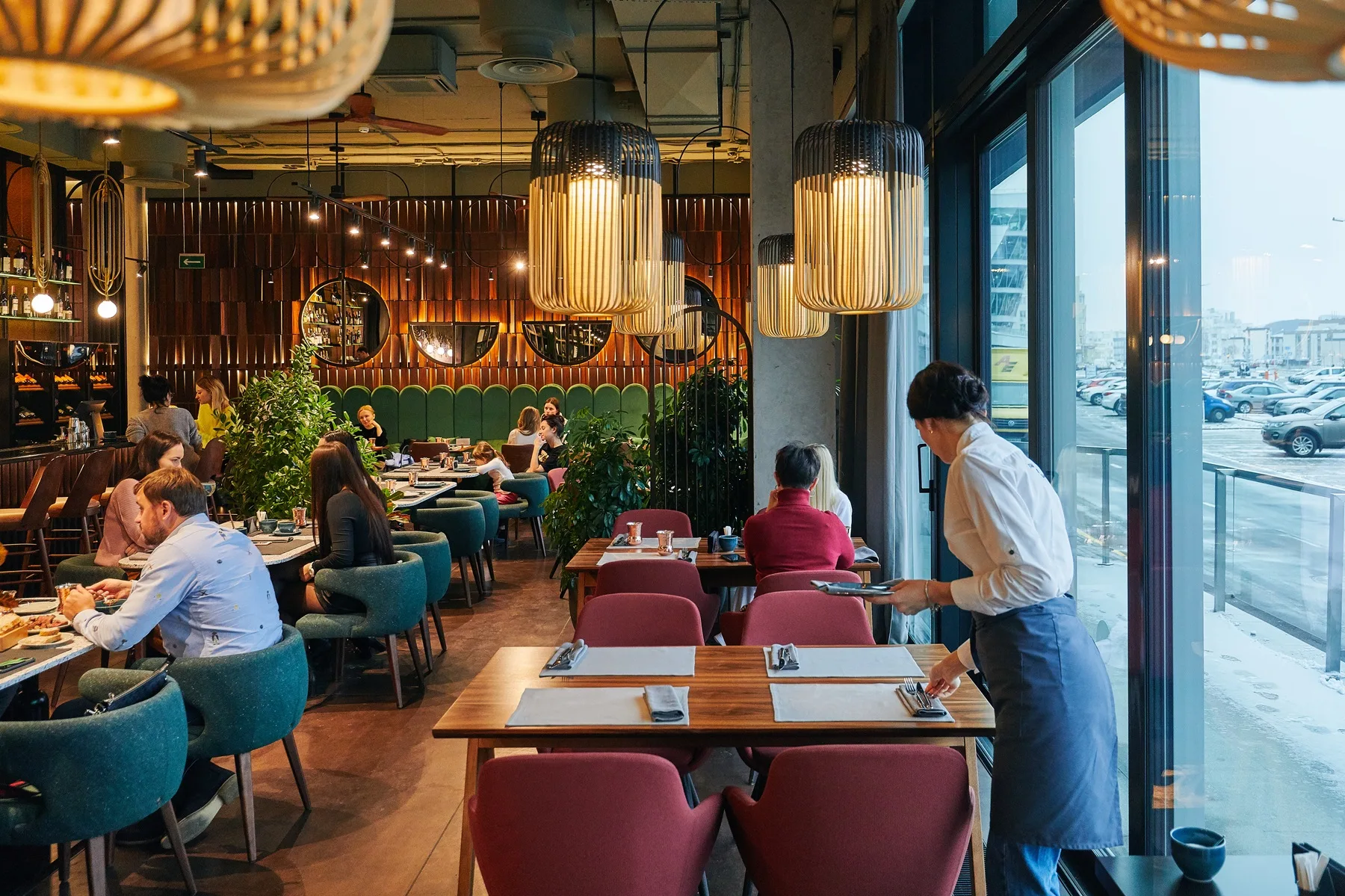
Restaurant acoustics come down to what sound hits before it reaches a guest. Concrete floors and exposed ceilings reflect sound instead of absorbing it. Each reflection adds to the noise, and the space starts to sound crowded even at half capacity. That lingering effect is called reverberation: sound that keeps bouncing after its source stops.
Turning up the music to cover the noise feeds the cycle. Guests talk louder to compete, and the overall level climbs again.
Fixing it usually takes two moves. Absorptive panels and soft finishes give sound somewhere to go, and careful speaker placement keeps music aimed at guests instead of bare walls.
Tempo and the Linger-or-Turn Decision
The old assumption says longer stays mean more revenue. The research tells a more useful story.
In a 1986 field study published in the Journal of Consumer Research, Ronald Milliman found that diners spent more time eating their meals when the background music was slow rather than fast. Tempo had no significant effect on how much food guests bought, but it did change alcohol and bar purchases. psychologytodayirishtimes
A 2024 field experiment published in Behavioral Sciences found the same pattern. Guests who heard slow-tempo music stayed the longest, and those who heard fast-tempo music left the quickest. Bill size didn’t differ across the tempo groups. The researchers suggest using fast-tempo music during busy periods to turn tables over faster, freeing them for new diners. pmc.ncbi.nlm.nih.gov +2
Your goal decides the tempo. A wine bar on a slow Tuesday wants guests to order another round. A full dining area with a waitlist at 7 p.m. needs tables turning.
Zoning the Bar and the Dining Area
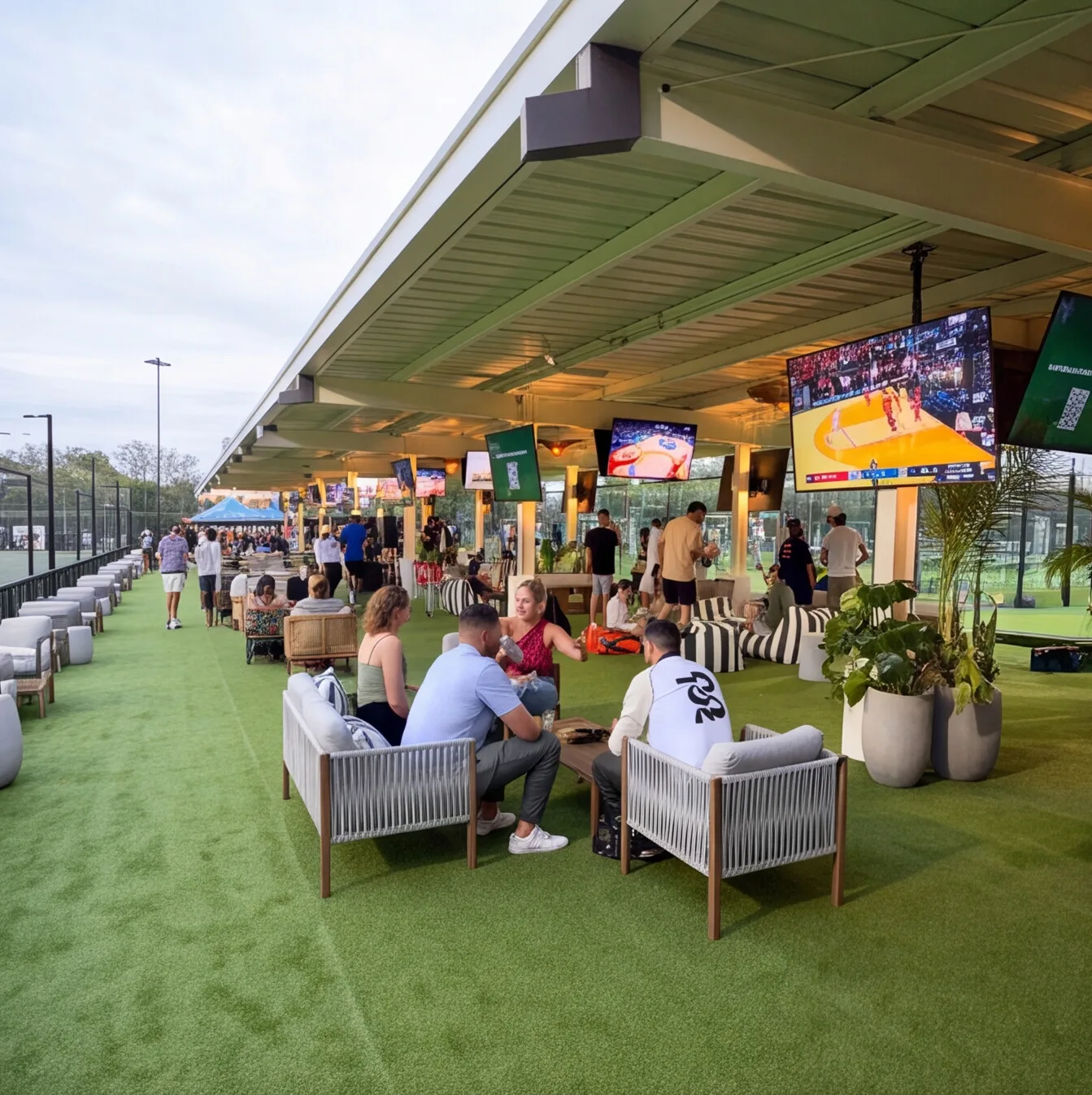
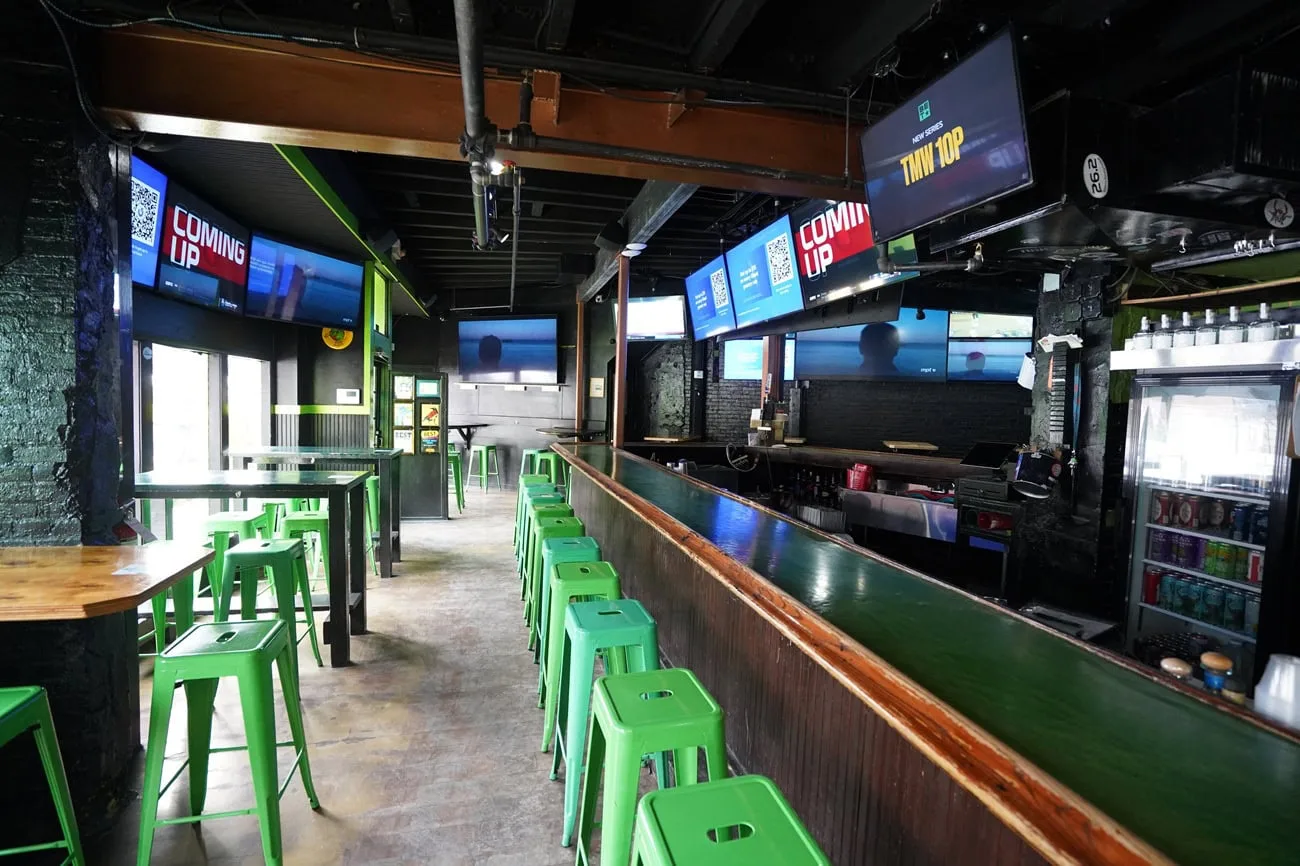
The bar and the dining area want different things. The bar may run game audio or higher-energy music, while diners a few feet away need to hear their server. A zoned restaurant sound system splits the space into areas with their own volume and source, keeping one area’s energy from spilling into the next.
Zoning works best alongside acoustics. Without absorptive surfaces and careful speaker aim, sound bleeds between zones no matter how the system is set.
Setting Sound by Daypart
Lunch and late night rarely want the same volume or tempo. Left to the staff, volume tends to drift: whoever is closest to the controls adjusts for their own comfort, and the level wanders all shift.
A control system can schedule volume and music sources by time of day. Staff still get a simple override for a private event or a quiet table request.
Questions to Ask Before Buying Anything
-
What should each area of your space sound like at peak hours?
-
Is the goal for each daypart lingering or turnover?
-
Which surfaces are reflecting the most sound?
-
Who controls the volume during a shift?
-
What will the system need to handle in a few years?
Plan the Sound Before the Playlist
Every restaurant has a sound, whether anyone planned it or not. If yours is costing you conversations or table turns, talk through your space with Crunchy Tech’s design team. To see how sound works alongside screens and lighting, browse Crunchy Tech’s restaurant AV work.