
A sports bar TV package makes a simple promise: buy the box, plug it in and every screen in the bar can show any game. No design phase, no integrator, less labor. For some bars that promise holds. For a lot of others, a plug-and-play system turns out to be a consumer product wearing a commercial costume, and the gaps show up on the busiest night of the year.
We handle full sports bar AV installation, so we have an obvious point of view. We also tell owners when a kit is enough, because the wrong system at the right price is still the wrong system. This is the honest comparison.
SEE ALSO: Sports Bar AV Cost and ROI: What a TV and Sound System Really Costs
What a sports bar TV package includes
Most packages bundle the video distribution hardware: encoders or a matrix switcher, decoders or extenders for each screen and sometimes a control app for a tablet. The pitch is lower labor, no design phase and a box of parts you can install yourself or hand to a general contractor.
The hardware inside is often competent. Several of the companies that sell these kits make perfectly good encoders and decoders. The problem is that they're selling components and calling it a system.
What the box leaves out
Everything that makes those components work together in your building is still your job.
-
Network design. AV-over-IP kits need switches sized for video, the right settings for video traffic and a network kept apart from point-of-sale and guest Wi-Fi. None of that comes in the box.
-
Power and heat. Where the rack goes, how it stays cool and which circuits feed it, kept clear of ice machines and kitchen equipment.
-
Distance limits. HDMI over category cable only goes so far. Even HDBaseT, the pro standard, tops out at 100 meters (328 feet) according to the HDBaseT Alliance, and many kit extenders reach less.
-
Audio zoning. Most video kits don't touch sound, so the game's audio still plays everywhere or nowhere.
-
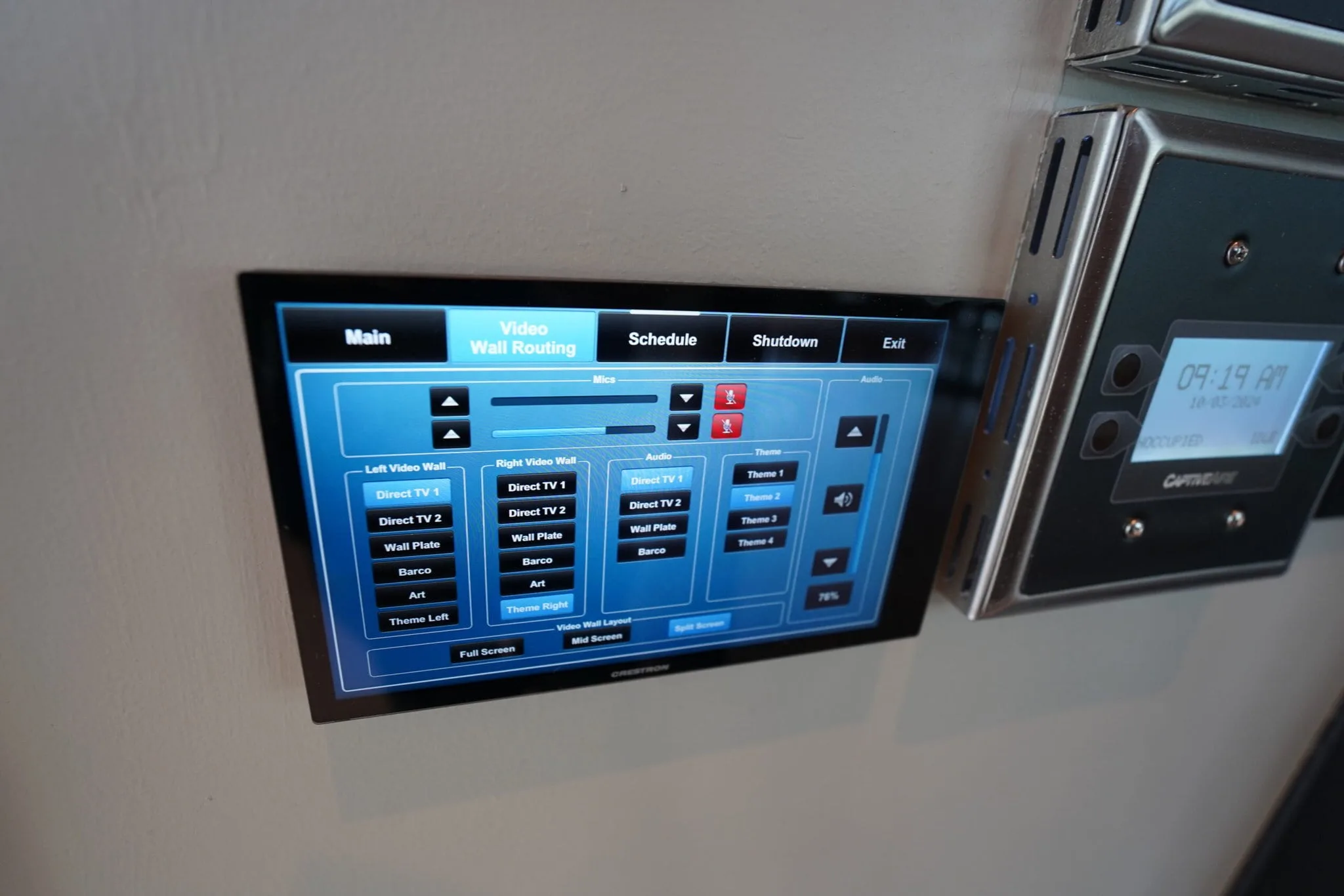
Control your staff can run. An app that works for the owner on a Tuesday isn't the same as presets a new bartender can use at 7 p.m. on a Saturday.
-
Support. When a kit fails mid-game, you're in a manufacturer's ticket queue. A partner answers the phone.
When a kit is enough
A package can be the right call when the bar is small and simple. Think a handful of screens, one audio zone, a few games at a time and an owner comfortable doing some of the setup. If that's you, buy good hardware, run the cable cleanly, label everything and keep the rack somewhere cool. You don't need us, and we'll say so.
When a designed system pays for itself
The math changes fast once the bar gets busier or bigger. These are the signs a kit will run out of room:
-
More than about 20 screens spread across several areas or floors
-
Different game audio in different zones, or a patio with its own sound
-
Several receivers running at once on game days
-
Presets that change screens, sound and lighting by daypart
-
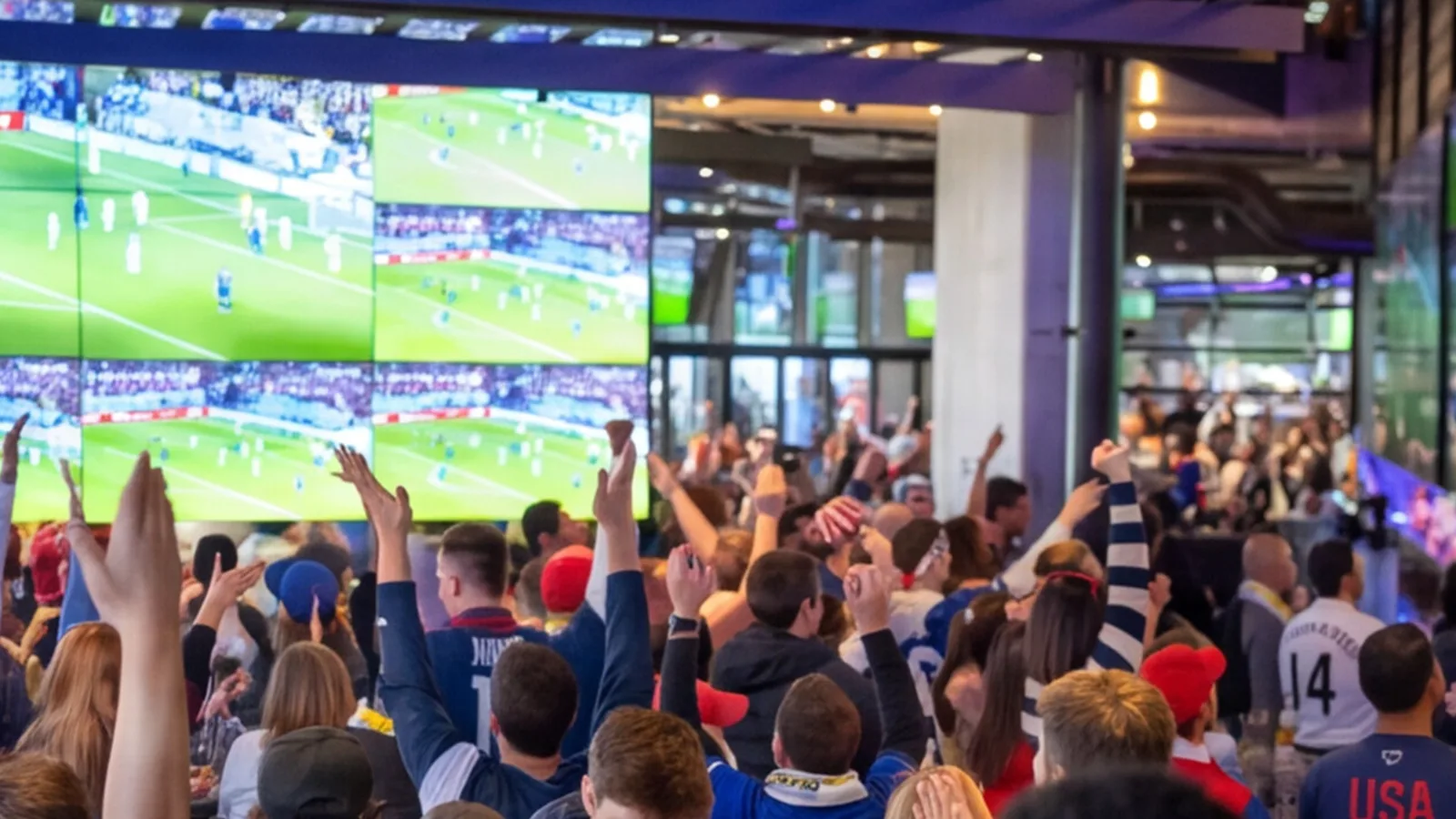
Crowds of a couple hundred people on the biggest nights
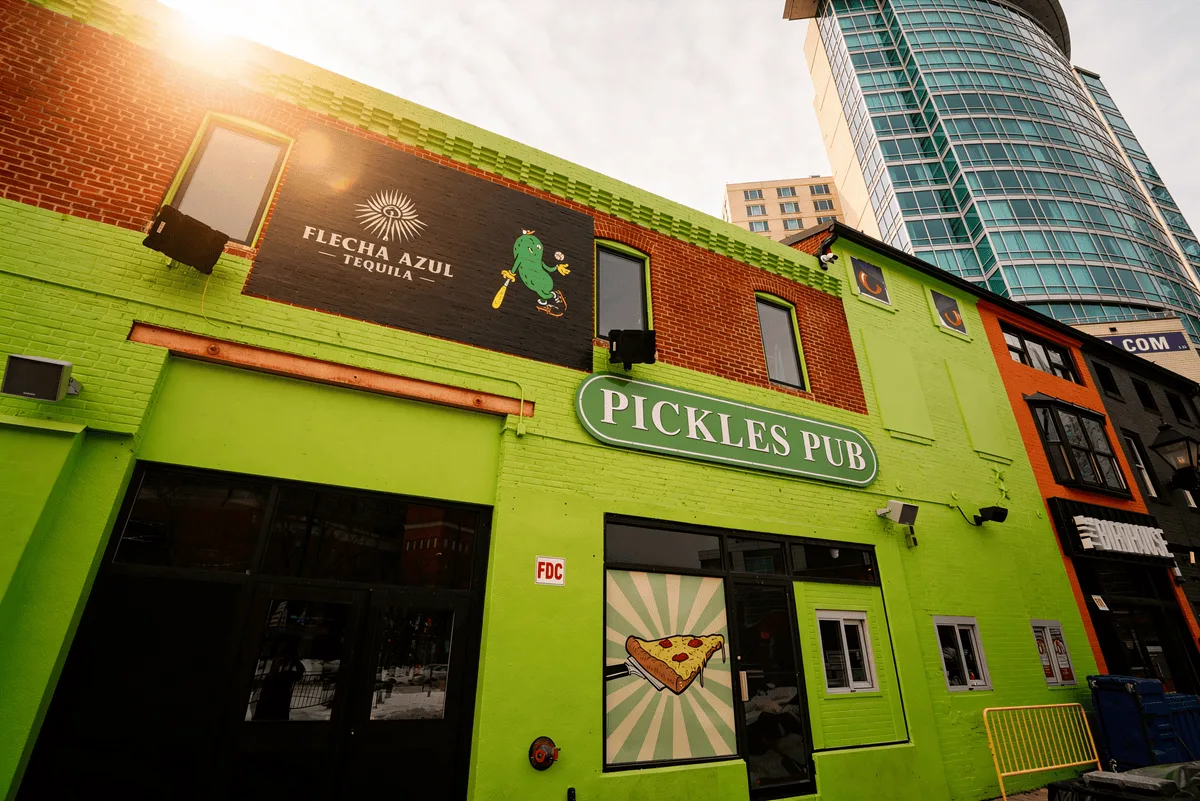
Pickles Pub in Baltimore is what that looks like in real life. Its system had grown one piece at a time, with mismatched displays, tangled cabling and audio that changed from zone to zone. We replaced the patchwork with one system across multiple floors and the patio: 52 displays and four audio zones, run from a single interface. We installed it in phases while the pub stayed open, and it never missed a game.
Once a bar reaches that size, the low install price stops being the whole story. A $15,000 kit that crashes during the biggest game of the season can cost more than a designed system that runs every night for years. The real cost is the table that leaves and doesn't come back. Our breakdown of sports bar TV system cost has the full price ranges.
Kit vs. designed system, side by side
|
Plug-and-play package |
Designed system |
|
|---|---|---|
|
Upfront cost |
Often $5,000 to $20,000 |
Back end starts around $25,000, full systems higher |
|
Design |
None (you plan the layout) |
Sightlines, zones and infrastructure planned for your floor plan |
|
Network |
Shared or improvised |
Built for video, separate from POS and Wi-Fi |
|
Audio |
Usually not included |
Zoned, with game audio routed by area |
|
Control |
An app, often per device |
One panel with presets for screens, sound and lighting |
|
Commissioning |
You test it |
Built and tested in the shop, tuned on site |
|
Support |
Manufacturer ticket queue |
A help desk that knows your system |
|
Growth |
Limited by the kit's size |
Designed with room to add screens and zones |
How a designed system gets built
Our process has two phases. Phase 1 buys clarity: an AV consult to learn how you run the bar, then a design with sightlines, zones and Good, Better and Best options for each wall, drawn on your floor plan. Phase 2 buys certainty: the rack gets built, programmed and tested in our shop, then installed around your schedule. We tune it on site and hand it over with staff training and a year of remote support.
If you've already bought a kit, bring it into the consult. When the hardware is commercial grade and fits the design, we can often build around parts of it. When it isn't, we'll explain why before you spend another dollar on it.
Questions to ask before you buy either one
-
How many games will I show at once on my busiest day, and how many sources does that take?
-
Does this include sound, or only video?
-
Can a new bartender set up the whole bar for game day in one tap?
-
What happens when I add ten screens or a patio next year?
-
Who supports it after install, and how fast?
If the answers are simple, a kit may be fine. If they aren't, talk to a sports bar AV designer before you order the box.