AV Company Harrison NJ | Commercial AV Integration
location_on Harrison, NJ

Commercial AV in Harrison

Design-build audiovisual for Harrison's new-built restaurants, offices, and mixed-use blocks, designed in while the walls are still open.

In Harrison the building is usually brandnew

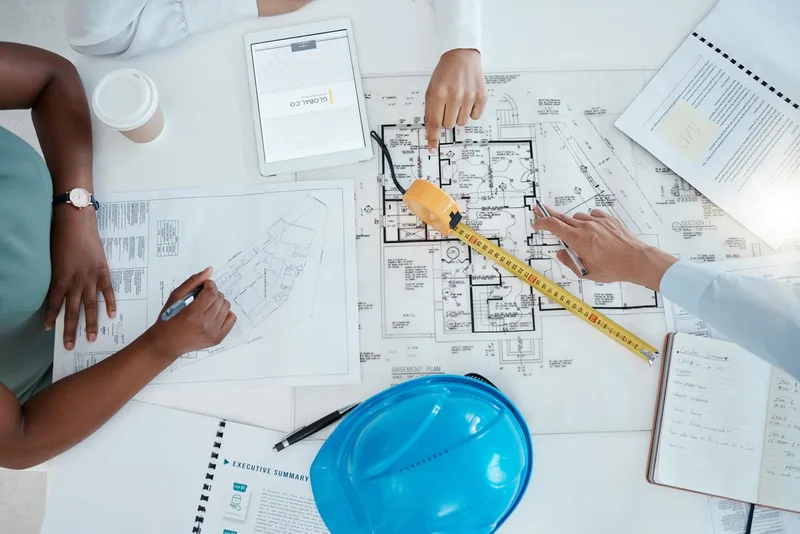
Harrison is a rare thing: a town being built almost all at once. A century ago it was a beehive of industry, elevators, lamps, radios, and when the factories left they freed up an enormous canvas, about 250 acres of redevelopment land, roughly a third of the whole town. That canvas is filling fast: thousands of new apartments around the rebuilt PATH station, restaurants and retail under them, offices and a stadium district along the waterfront. For commercial AV, that changes the timing entirely. In most towns we meet a building decades into its life and work around its walls. In Harrison the walls are usually still open, which means the wiring, the mounts, and the infrastructure can go exactly where they should, for a fraction of what retrofits cost.

So we push one idea hard here: get the AV into the drawings before the drywall closes. Conduit run during framing costs almost nothing, and the same pathway cut into a finished wall costs a small fortune, so a tenant or developer who brings us in at design buys twice the system for the money. We coordinate with architects and general contractors as a matter of routine, put the infrastructure in the plans, and rough-in at the right construction phase instead of after the ribbon cutting. The craft that follows is the usual kind: honest drawings, a rack we bench-test before delivery, clean installation, tuning, training, and documentation the next operator inherits gladly, with support that mostly resolves remotely. Since 2008.

In Harrison the building is usually brand new
Install In Harrison the building is usually brand new Harrison, NJ

Commercial AV AlongthePATHCorridor

The redevelopment district and the stadium waterfront, the PATH blocks and the older town, Newark and Kearny next door.

2008
Serving Harrison since
10
Neighborhoods
The PATH station district
Restaurants · Retail · Corporate

The rebuilt PATH station anchors thousands of new apartments with ground-floor restaurants and retail opening in brand-new shells.

New-built core
The stadium waterfront
Venues · Restaurants · Hotels

The waterfront arena district swells on match nights, and its hospitality rooms get built for the swing.

Event district
The redevelopment area
Corporate · Retail · Industrial

The 250-acre redevelopment area, a third of the town, turns old factory land into new commercial ground block by block.

Brownfield rebuild
Harrison Avenue
Restaurants · Retail

Harrison Avenue runs the older town's shops and eateries, rooms that served factory shifts long before the cranes arrived.

Legacy main street
North of the tracks
Institutional · Retail

The town north of the rail line keeps the civic buildings, schools, and neighborhood commercial of old Harrison.

Civic · residential
The riverfront walkway
Venues · Restaurants

The new riverfront walkway strings public space along the Passaic, with outdoor rooms that face real Northeast weather.

Waterfront public
Newark downtown
Corporate · Institutional · Venues

Downtown Newark sits one PATH stop away with its own government, universities, and corporate towers.

Separate city
Kearny
Industrial · Corporate

Kearny's working industrial base borders Harrison to the north, a separate town with its own reviews.

Separate town
East Newark
Retail · Industrial

East Newark, one of the state's smallest boroughs, sits wedged against Harrison with a government all its own.

Separate borough
The Ironbound
Restaurants · Bars

Newark's Ironbound dining district sits just across the bridge, a dense restaurant economy in a separate city.

Dining district

What we do here

Harrison AV, Built In FromtheDrawings

Four kinds of buyers drive our Harrison work, and nearly all of them are opening in a building younger than their lease.

New-built restaurants and ground-floor retail

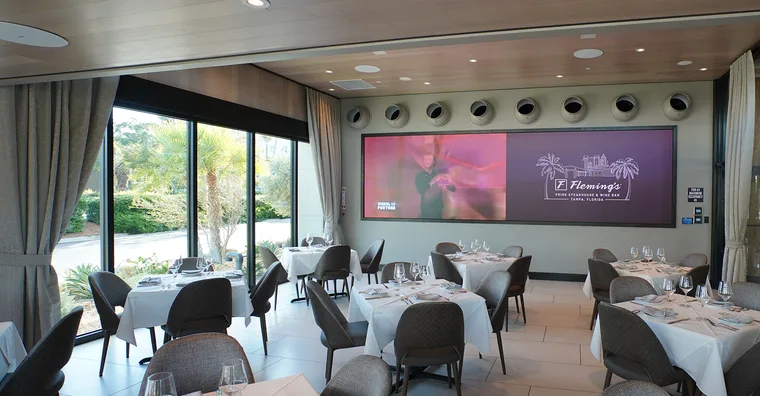
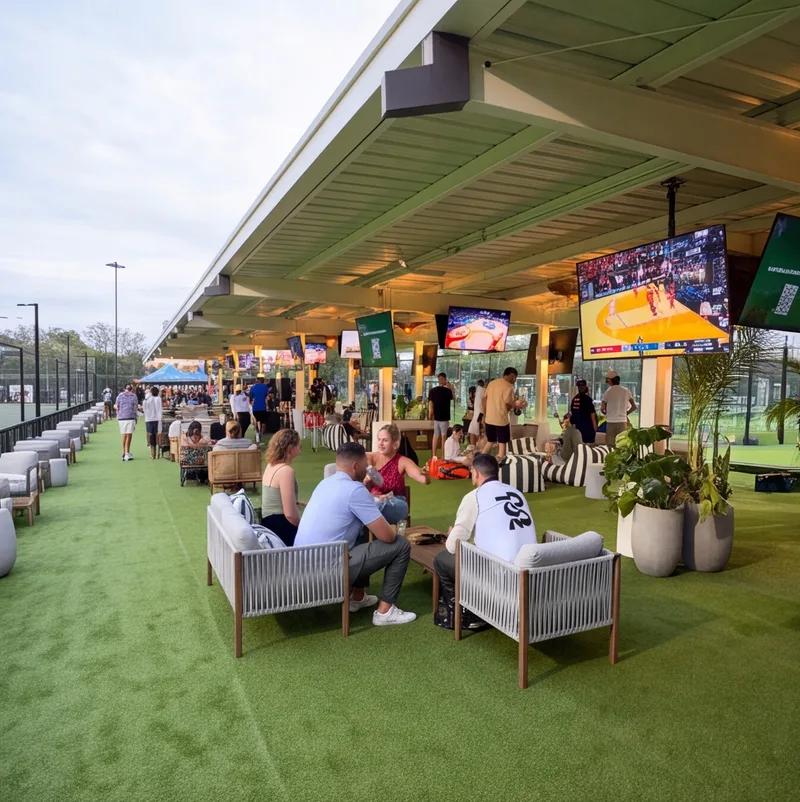
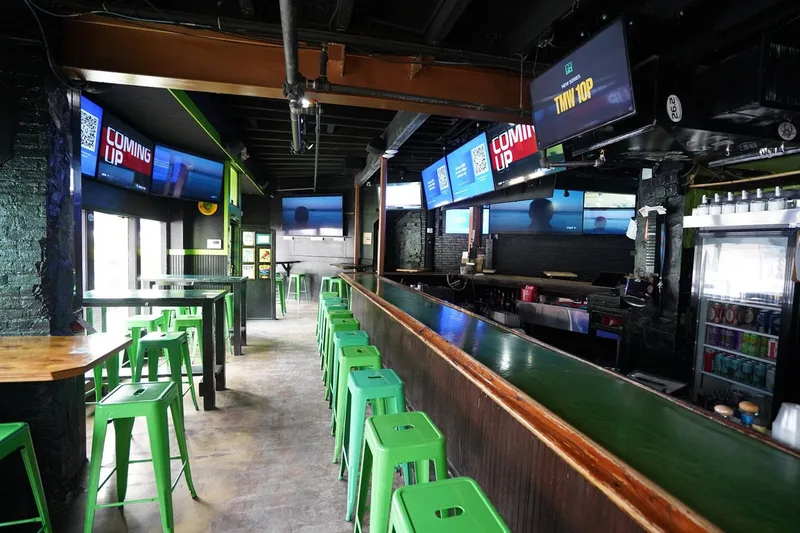
The ground floors of Harrison's new blocks are filling with restaurants, cafes, and retail, and every one of them opens in a space that's never held a tenant before. That's a gift most operators never get: no legacy wiring to untangle, no previous owner's shortcuts to discover, just a clean shell where the audio zones, the screens, and the infrastructure can land exactly where the room wants them. We work from the tenant drawings, coordinate with the landlord's build-out rules, and rough-in while the trades are still on site, which keeps cost down and quality up. The rooms themselves serve a young, transit-riding crowd at lunch and a game-day surge on match nights, so audio gets zoned to hold conversation and still carry through a packed evening. A first tenant sets a space's standard forever, and we like setting it high.

Developers and mixed-use buildings

Harrison's developers are building whole blocks at a time, and the smart ones treat AV infrastructure the way they treat plumbing, something that goes into the core design, not a tenant afterthought. We work at that level: common-area audio and signage for lobbies and amenity floors, conduit and pathway planning that makes every future tenant fit-out cheaper, and riser capacity that won't embarrass the building in ten years. A residential tower's amenity spaces, the gym, the lounge, the roof deck, need simple systems residents can run without a manual. Done at the drawing stage, all of it costs a fraction of the retrofit price and reads as quality the day the building opens. The buildings going up here will define this town for fifty years, and the infrastructure inside them should be worthy of that.

Offices and the stadium district

The waterfront blocks around the arena are drawing offices and tenants who want the PATH and the energy of a town on its way up. Their rooms need what modern offices need everywhere, conferencing that connects on the first try, a consistent way to start a meeting, controls a new hire can run, delivered in new construction where the pathways can be planned instead of improvised. On event nights the district floods with fans, so the hospitality rooms nearby get built to swing from a quiet weekday to a full house. When a venue here hosts a live event, our part is the connection points and the house system, and the crew running the show takes it from there, because we do not book talent, we do not mix live shows, and we do not do production camera work. The rooms we build are the permanent kind.

Civic rooms and the older town

Not all of Harrison is new. The older town north of the tracks keeps its civic buildings, schools, and the small commercial strips that served generations of factory workers, and those rooms deserve the same care as the shiny new blocks. Public spaces buy on bids and live on whether the resident at the back follows the whole meeting, so microphone planning and gain structure come first and the controls fit the clerk who runs the session. Schools and community rooms need durable, simple systems that survive daily public use, with accessibility and assistive listening built in as standard. Retrofit work in these older buildings takes the patience new construction doesn't, finding pathways in plaster walls and respecting what's there. We bring both skill sets, because this town needs both.

Our space is still under construction. When should the AV conversation start?

Now, and in Harrison that answer is worth real money. When a building is still open, conduit, boxes, and mounting backing go in during framing for close to nothing, and the same infrastructure cut into finished walls later costs many times more and never looks as clean. That's why our favorite Harrison projects start at the drawings: we put the AV pathways into the plans alongside the other trades, coordinate the rough-in with the general contractor's schedule, and come back for devices and tuning when the space is ready. The payoff is a room with zero visible compromise, wiring exactly where it should be, screens on walls framed to hold them, and a budget that went into performance instead of demolition. Our own numbers say engagement at the architectural phase cuts change orders by roughly 95%, and new construction is exactly where that shows. Crunchy Tech has been doing this since 2008, and in a town building itself from scratch, early is everything.

We're a developer. What AV infrastructure belongs in the base building?

More than most pro formas assume, and the cheap window is open exactly once. At the base-building level, the list is infrastructure rather than electronics: conduit and pathways from the risers to every future tenant space and amenity area, backing in the walls where displays and speakers will plausibly hang, power and network capacity where systems will live, and common-area audio and signage roughed in for the lobby, gym, lounge, and roof deck. None of it is exotic and all of it is dramatically cheaper during construction, which is why we'd rather join at the drawing stage and mark up the plans than watch a finished building get opened back up one tenant at a time. Buildings that get this right lease better too, since every fit-out lands faster and cleaner for the next decade of tenants. Think of it the way you think of plumbing: nobody regrets the pipe they ran while the walls were open.

Does old factory land complicate an AV install?

Less than you'd think by the time we arrive, and the history is worth knowing anyway. Harrison's redevelopment sits on former industrial ground, and the site work, the environmental remediation and structural preparation, happens well before any tenant improvement begins, handled by the specialists that brownfield redevelopment requires. What reaches us is a modern building on prepared ground, and our part follows the same disciplines as anywhere: seismic-sensible mounting, clean pathways, honest power planning. The one place the industrial past does touch our work is sequencing, since redevelopment projects run on coordinated schedules with many trades and firm milestones, so the AV rough-in has to land in its window or wait for the next opening. We plan for that, coordinate with the GC's calendar, and keep our part of a complicated build simple. The factories left the land a century of stories, and the buildings rising on it just need their wiring in the right place.

Our block floods with fans on event nights. How should the AV handle that?

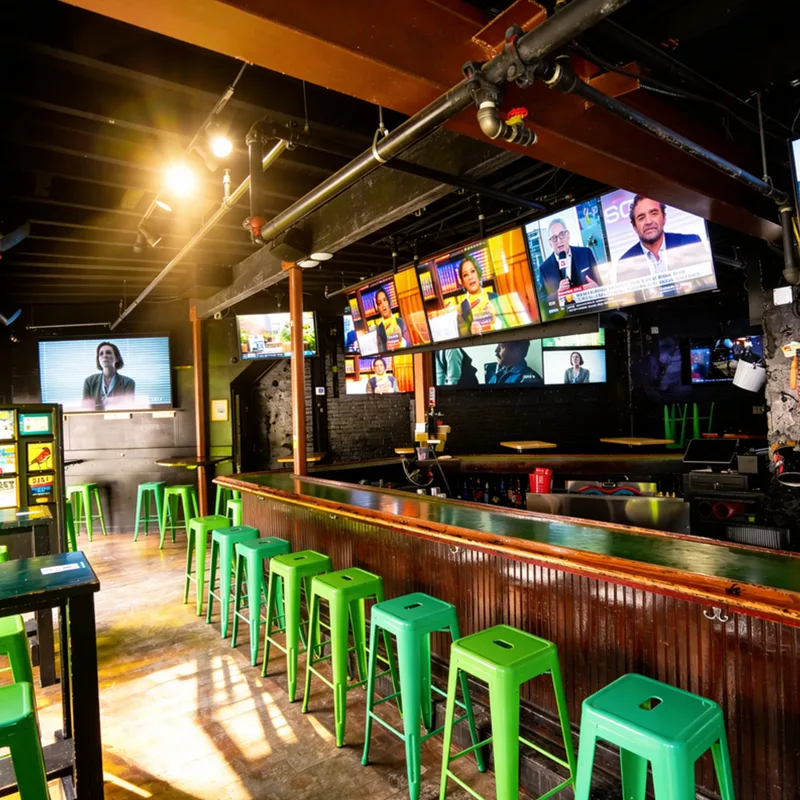
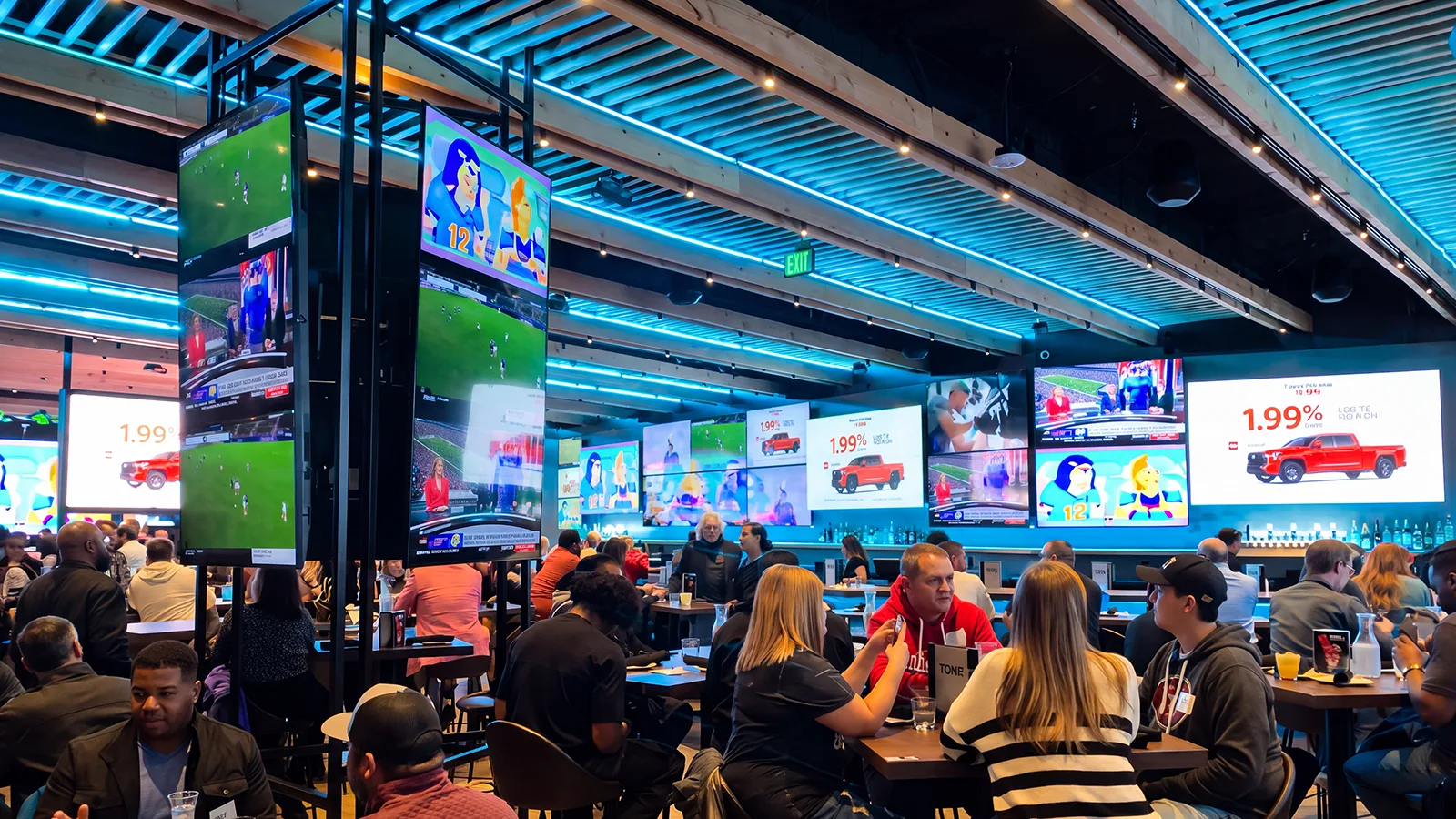
By design, because the swing between a Harrison weekday and an event night is enormous and the room has to serve both. On ordinary days a restaurant or bar near the stadium district runs like any neighborhood spot, background music, a game on a few screens, conversation-level sound. On a match night the same room fills wall to wall with a loud, happy crowd, and a system tuned only for Tuesday disappears into the noise. So we size the coverage for the full house, zone it so the bar's energy doesn't flatten the dining tables, and build presets your staff can switch by name, weekday mode, event mode, closing time, without touching anything technical. Screens get placed where a standing crowd can see them, seated diners included. The building being new helps here too, since the wiring for all of it goes in clean during the fit-out. Event nights are the nights this district was built for, and the rooms around it should rise to them.

What clients say

Operators who run on our systems

Client successes drive Crunchy Tech to become better. Below is how our customers feel about us.

Just do it. Spend the money. It’s well worth it. It’s not worth your time, hassle, energy, and stress of trying to make it look right and do it right when there’s somebody who has been doing it for years and has perfected the craft.

Matt Moore logo
Matt Moore
IT Systems Administrator · Capone's Hideout

You're a great partner with Florida Hospital and this project will make a difference in Children's Health.

Des Cummings logo
Des Cummings
Vice President of Florida Hospital · Florida Hospital

Working with Crunchy Tech was a fantastic experience from start to finish. They handled the sale and installation of all our sound and TV equipment at The County Bar in Aviston, IL, and absolutely nailed it. We were on a very tight deadline, and they not only met it—they delivered top-notch quality and service the entire way. Highly professional, responsive, and easy to work with. We couldn't be happier with the results.

Clint Flowers logo
Clint Flowers
Owner · The County Bar

Crunchy's AV Services are outstanding. Staff members are experts, who really extend themselves to find the right technology for helping us reach our marketing goals in creative ways. The best thing about working with Crunchy is collaborating with the staff – they are patient, responsive, knowledgeable, and available.

Shannon McHale logo
Shannon McHale
Marketing Specialist · IGT

Crunchy has been great to work with. They communicate well and deliver as promised.

Brian Dornbush logo
Brian Dornbush
Facilities & Operations Manager · Orange County Library System

The work Crunchy has been doing is a game changer for this industry.

Steven Fandozzi logo
Steven Fandozzi
VP of Information Technology · Foundation Partners

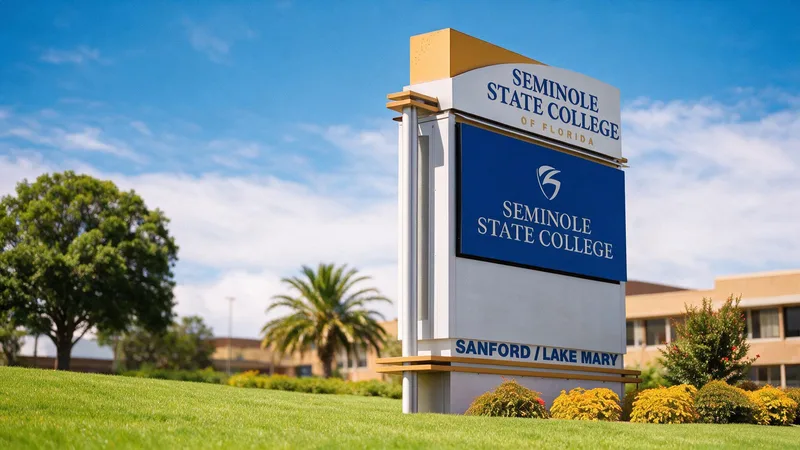
Being able to reuse the existing structure created a much lower cost for the client and they were ecstatic.

Seminole State College logo
Seminole State College
Facilities · Seminole State College

Crunchy has done an amazing job on our A/V install. The sound is perfectly balanced throughout our many zones and the entire system is super simple to use.
Steve Glum logo
Steve Glum
Chief Marketing Officer · Ace Cafe
Talk to a Harrison AV designer

Into the drawings, beforethedrywall

Tell us the project, the construction schedule, and what the space has to do, because in Harrison the walls are usually still open and that window is worth real money. We join at the design stage when we can, coordinate the rough-in with your GC, and deliver a scope where the infrastructure lands right the first time.

  • AV infrastructure into the drawings while the building is still open.
  • Rough-in coordinated with the GC's schedule and milestones.
  • Base-building pathways that make every future fit-out cheaper.
  • Event-night presets for the rooms around the stadium district.