You're a great partner with Florida Hospital and this project will make a difference in Children's Health.

Des Cummings
Vice President of Florida Hospital · Florida Hospital
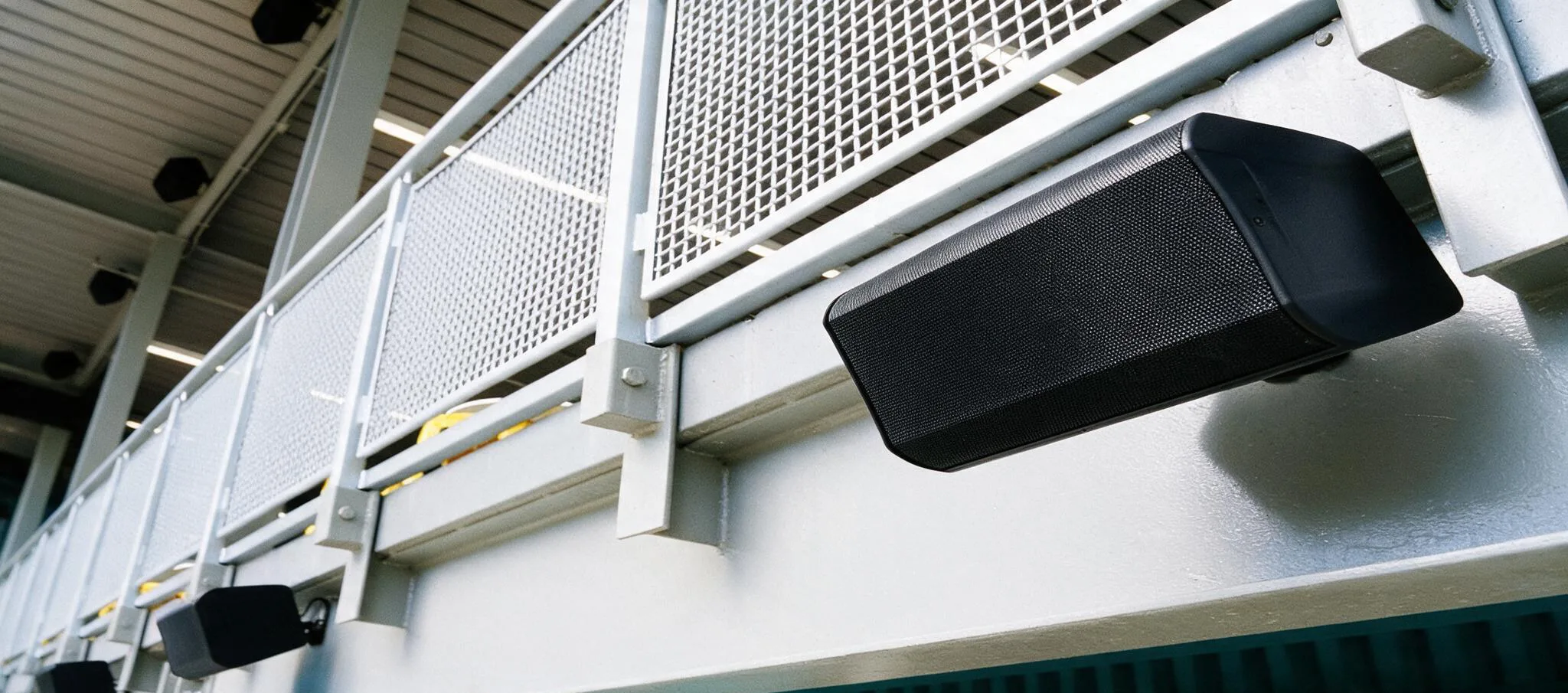
Multi-zone commercial audio for Miami restaurants, bars, hotels, and retail. Designed zone by zone, tuned in your actual room, with patio speakers specified for salt air and humidity.
Here is the usual Miami restaurant. One volume knob behind the bar controls the whole building. So the dining room is either too loud for a conversation or too quiet to feel like anything, the patio disappears under traffic noise off the street, and the bar never gets the energy it needs because turning it up makes the tables unbearable. Staff end up adjusting it all night and nobody is happy. Then the patio speakers fail inside a year and everyone blames the brand.
Neither of those is a speaker problem. The first is zoning, and it gets solved at the processor rather than the volume knob: the bar, the dining room, private dining, and the patio each get their own level and their own program. The second is specification. Salt air and humidity are constants here, so anything outdoors gets weather-rated hardware on its own amplifier channel. We design the zones around how your room actually runs through the day, then tune it on site once the space is finished.
From Brickell hotel lobbies to Wynwood taprooms and Doral corporate floors, we design, install, tune, and support multi-zone commercial audio across Greater Miami.
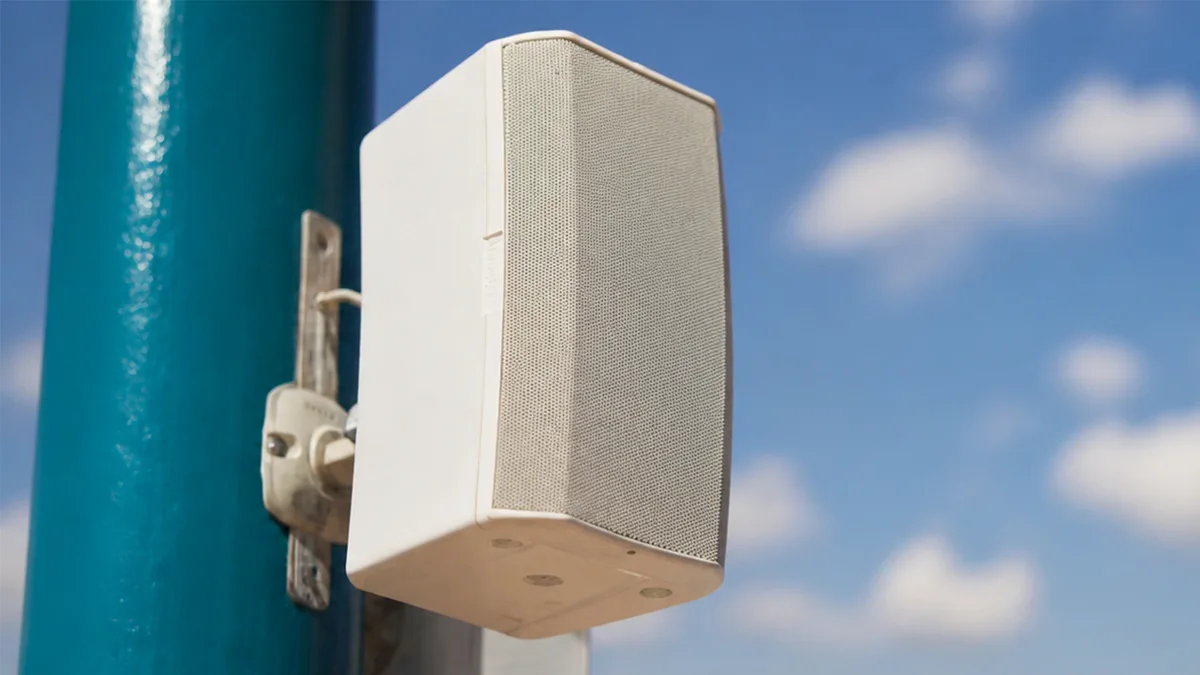
Coastal air reaches further inland than most operators expect, so outdoor cabinets and mounting hardware get corrosion-resistant specification as standard.
The rack room needs cooling to hold at or below 75 degrees, because amplifiers in a sealed closet cook themselves and collect dust.
Daily summer storms mean surge protection and backup power sized for Miami, so a system does not come back up mid-service with settings lost.
Patios and pool decks run most of the year here, which makes outdoor audio a primary zone with its own amplifier channel rather than an add-on.
How we design it
Audio is the first thing that tells you a room was designed by someone who knew what they were doing. So we start with the room and the schedule, not a speaker catalog.
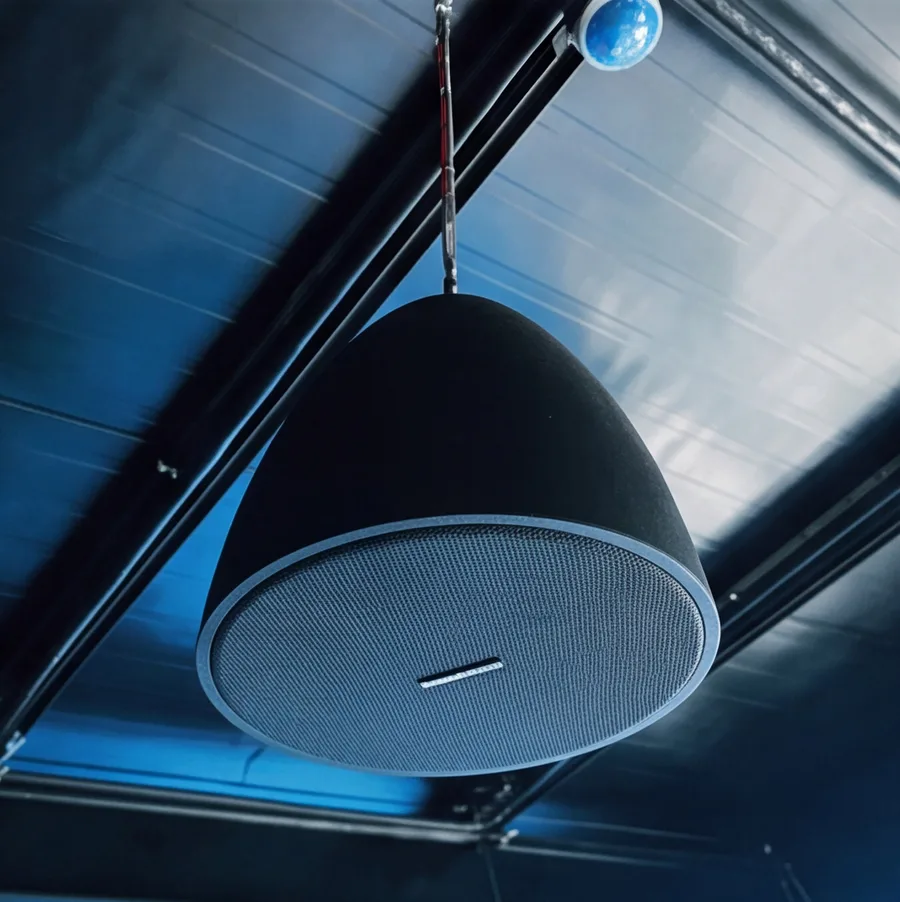
Our first conversation is a consult rather than a quote: what the space is, what you need it to do at different times of day, and the budget you are working with. Then we look at the room, because the room decides most of the answer. Ceiling type drives speaker type, since a drop ceiling takes in-ceiling units and an open ceiling in a Wynwood conversion needs pendants or surface mounts instead. Hard surfaces matter more than people expect, and a lot of Miami rooms are concrete, glass, and tile, which bounces sound around instead of letting it land. We map which areas need different levels before anything gets specified.
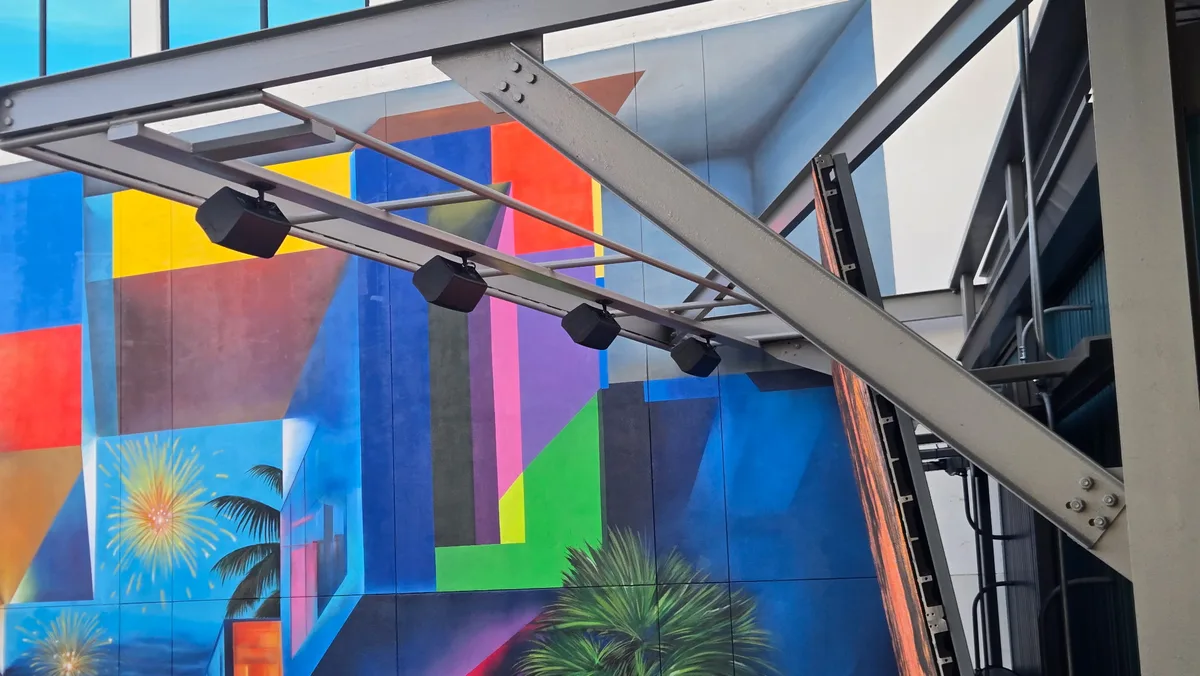
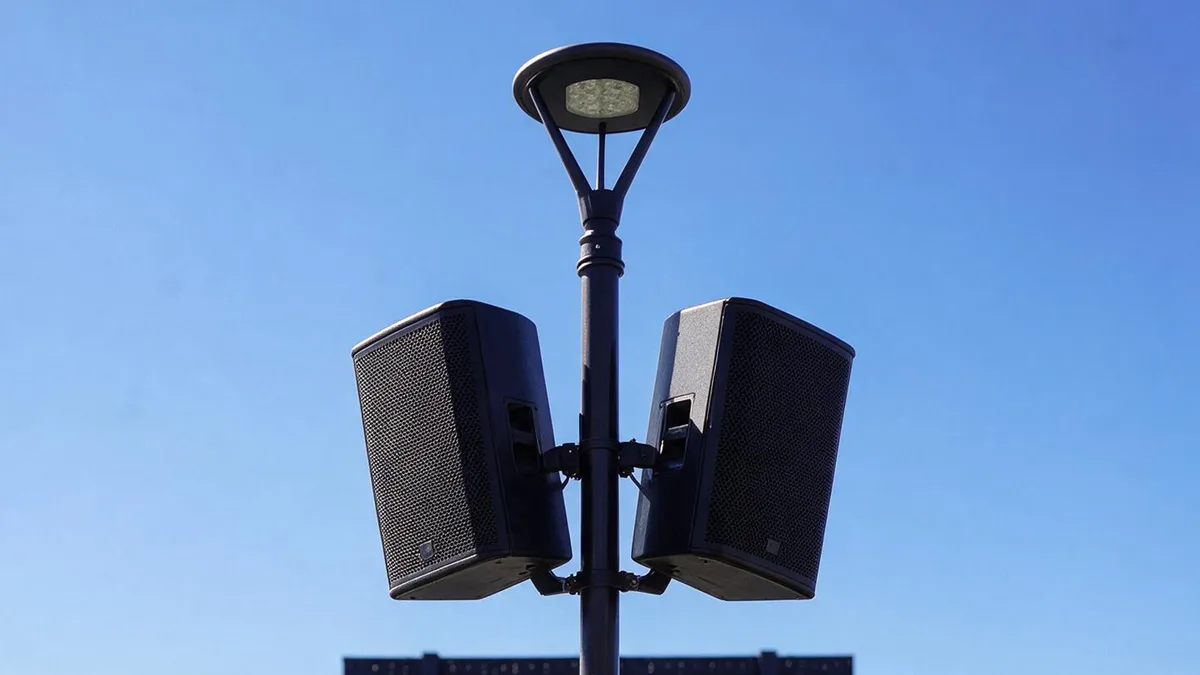
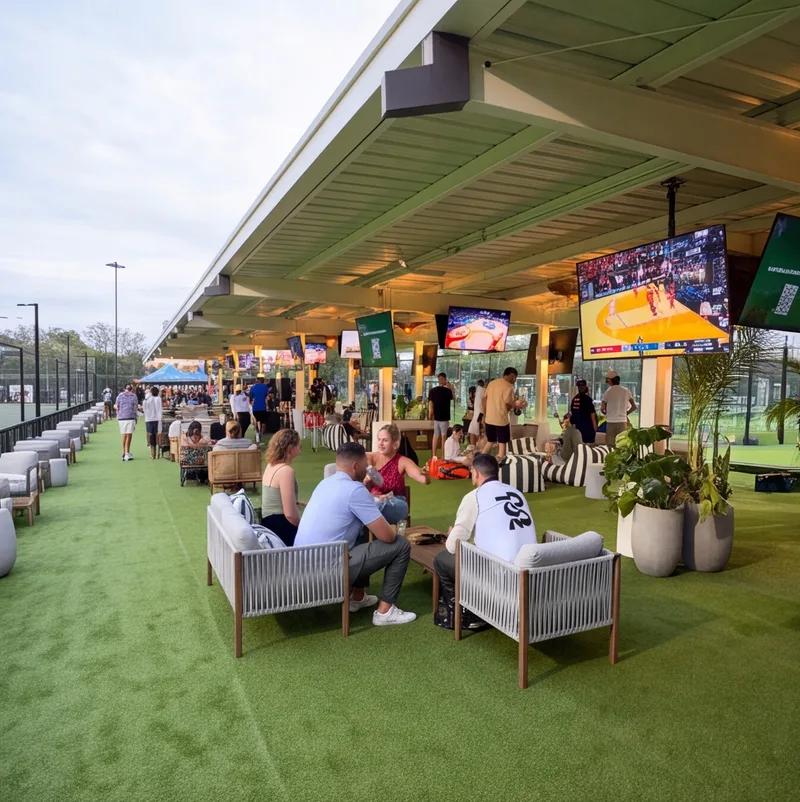
A typical hospitality build runs five or more zones: front of house for background music, main dining, the bar at its own louder level with its own source, the patio on weather-rated hardware, and restrooms and back of house for paging. We size the amplifier channels against that zone count rather than crowding speakers onto one channel until it cannot deliver clean power. Then the daypart schedule gets programmed so the room moves from brunch to lunch to happy hour to late night on its own. Final tuning happens on site after the space is built, because you can test a rack in the shop but you cannot EQ a room you are not standing in. That usually takes a couple of days across all zones.
Where it earns
Different rooms want completely different things from a sound system. Here is how the design changes by venue type, and where the patio fits in a city that eats outside most of the year.
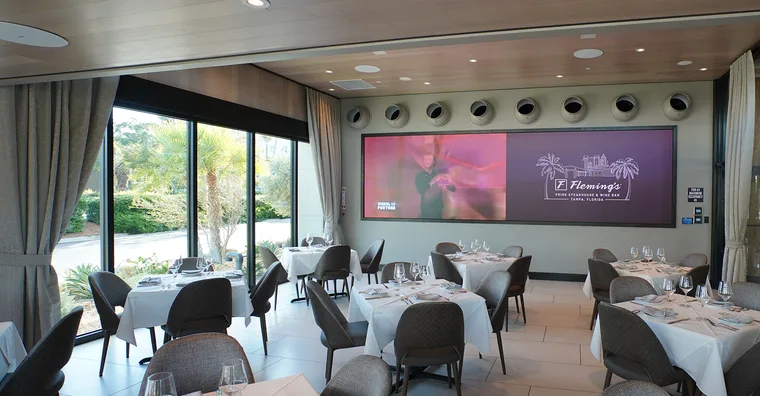
A restaurant sound system has to do several jobs at once, which is why one zone never works. The dining room needs music present enough to fill silence without forcing people to raise their voices, the bar needs real energy and often its own source, and private dining needs to be sealed off enough that a party does not leak into the main floor. Zone bleed is the failure we find most often, usually because speakers were run around the perimeter and the middle of the room got nothing while the edges got hammered. We tune each zone to its own job, with the processing set so a full Saturday and a quiet Tuesday both sound intentional rather than one being an accident.
A Miami hotel is several venues sharing one building, so the lobby, the restaurant, the pool deck, and the meeting floors all get designed separately. The lobby needs a mood that does not fight the front desk, and the pool deck and patio are where South Florida properties earn a serious share of their year, which makes outdoor audio a primary zone rather than an accessory. Outdoor speakers here are not the indoor ones moved outside: they get weather-rated cabinets, corrosion-resistant mounting hardware, and their own amplifier channel, because salt-carrying air reaches further inland than most operators expect and will finish an indoor speaker in a season. Back of house gets paging that is genuinely intelligible.
Retail and corporate rooms want the opposite of a bar. In a store the job is even coverage at a low level with no hot spots under a speaker and no dead patches between them, plus announcements that land clearly over the music. In a boardroom the design question changes entirely, because people are talking rather than listening, so the priority becomes microphone coverage, feedback control, and remote participants who can actually be understood. Large spaces like warehouses and distribution floors need public address, which is a different service from background music: an announcement has to reach across tens of thousands of square feet and be understood, including for emergency instructions when someone cannot see where they are being told to go.
Plain answers
Two questions come up on nearly every Miami sound project. Here are straight answers to both.
Zoning happens at the digital signal processor, not at a volume control. The processor decides what plays where, at what level, with what equalization, and it holds the presets your staff actually press. Wiring is part of that: seven speakers on one zone have to be wired correctly into the amplifier and addressed by the processor, or the zone does not behave. This is where consumer equipment stops working. Wireless room-grouping products are built for a house, where a speaker plugs into a wall and joins a network. Commercial audio hangs wired speakers pulling a specific power draw from an amplifier channel, and there is a hard limit to how many you can put on one channel before the power stops being clean.
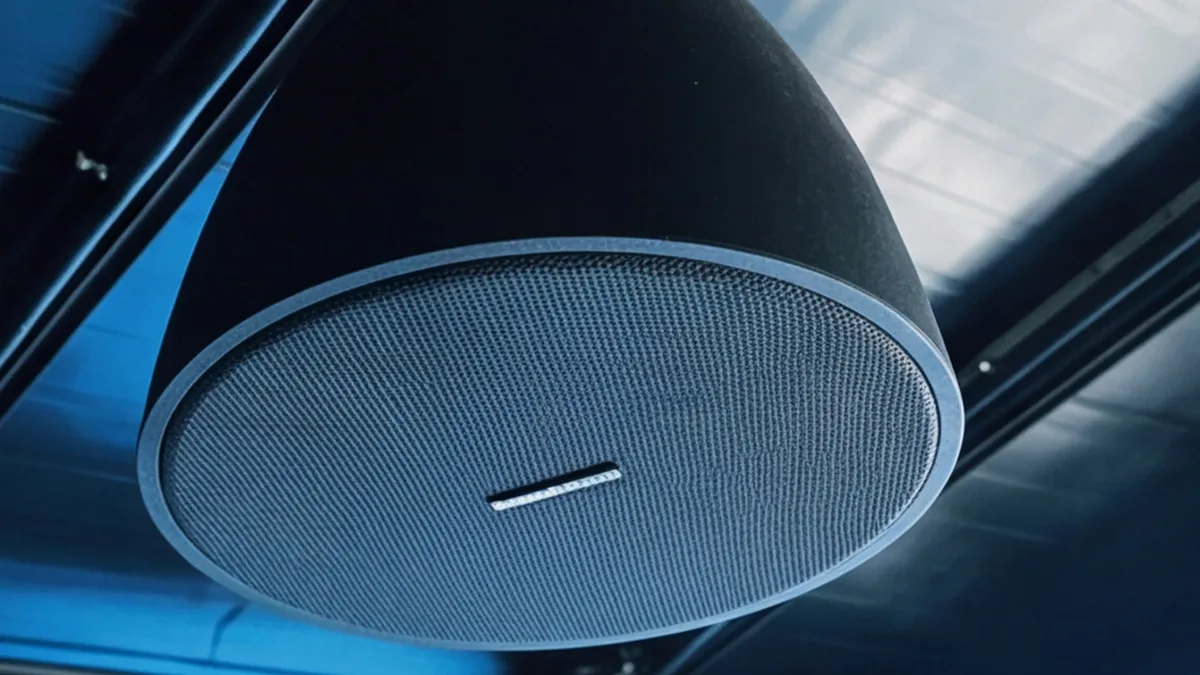
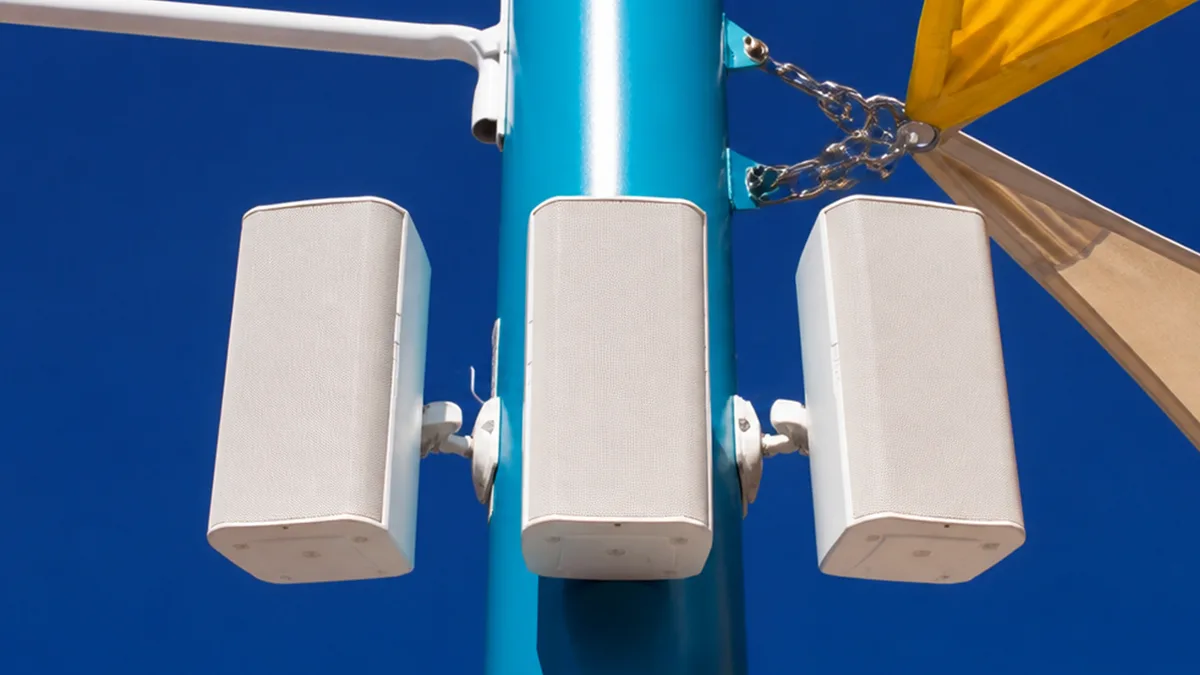
Indoor and outdoor speakers are not interchangeable, and in Miami that gap is wider than in a dry climate. Weather, sun, temperature swings, and salt-laden humidity will retire an indoor cabinet placed outside within about a year. The other common mistake is buying power instead of designing coverage. More wattage aimed badly produces a loud room that is still hard to hear in, while more sources at the right height and angle produce an even room at a lower level. On larger projects we model it before installing anything, running a three dimensional layout through prediction software with our acoustic-modeling partners to map coverage by speaker position and orientation, so the design is arithmetic rather than opinion.
Because one room is really several rooms with different jobs, and a single zone forces them all to share one compromise. The bar wants energy. The dining room wants music you can talk over. Private dining needs to be contained so a party does not take over the main floor. The patio is fighting street noise and needs more level than anything inside. Restrooms and back of house need paging and nothing else. With one zone you pick one setting and four of those five areas are wrong, which is why staff end up adjusting the volume all night. Zoning is handled at the processor: each area gets its own level, its own program, and its own equalization, and presets let a manager change the whole room with one press. We generally advise against a single-zone design, though it is a recommendation rather than a refusal.
It depends on the square footage, the number of zones, whether there is outdoor coverage, and how much the room fights you acoustically. The honest framing is three tiers against one design. Good gets you enough coverage to do the job properly, which is a real recommendation rather than a stripped option. Better is designed with no dead spots and genuinely even coverage throughout, which is where most operators land. Best adds low frequency support so the room feels full rather than merely audible, even in a venue that is not a club. Outdoor zones carry a higher cost per area than indoor and a shorter service life, and we say that up front rather than after the quote. If your budget is short of the room you are describing, we would rather value engineer it honestly than sell you a system you will be fighting in two seasons.
For a business that depends on the room, no, and it is worth explaining why rather than just saying so. Consumer wireless products group speakers over a network, which works in a house where each unit plugs into a wall. Commercial audio hangs wired speakers that draw a specific amount of power from an amplifier channel, and zoning is addressed at the processor through how those speakers are wired and controlled. There is also a hard ceiling on how many speakers a channel can carry before the power stops being clean, which is why zone count and amplifier channels get designed together. Wireless audio in a commercial room is the piece we will not put our name on, because a system that drops out during a backyard barbecue is a minor annoyance and one that drops out during dinner service is not.
Often, with a look at it first. If you have existing commercial speakers or an amplifier worth keeping, we will review what is there before recommending replacement, and the answer ranges from it is broadly right with a few changes to the placement is the actual problem. Two things we hold firm on. We control placement and cabinet type even when you have a brand preference, because where a speaker sits and what kind of enclosure it is matter more to the result than the badge on it. And we will not design around consumer-grade or wireless audio in a room your business depends on. We also generally do not take install-only work, since we need to understand the design to stand behind it. If you inherited a system from a previous operator, the most useful first step is usually letting us open the rack and tell you honestly what you have.
What We Do Here
Every system is designed, installed, and supported by our own team in Miami — never subcontracted.
 01 / MIAMI
AV consulting from an audio visual consultant who joins at the architectural phase, designs the technology into the plan and steers the project around your business outcome.
AV Consulting in Miamiarrow_forward
 02 / MIAMI
Commercial sound system design and installation: multi-zone audio engineered around how your space is used, wired and tuned on site, and supported as a partner.
Commercial Sound Systems in Miamiarrow_forward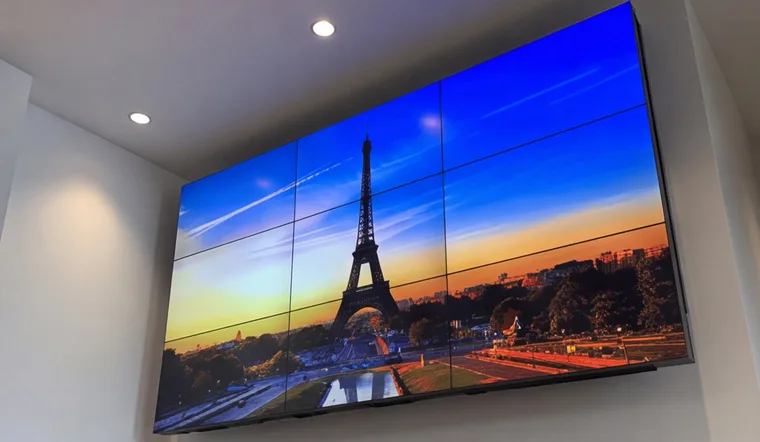
Commercial video walls across LED, LCD and Direct View. Designed, integrated, installed and supported by a national design-build AV integrator.
Video Wall Solutions in Miamiarrow_forward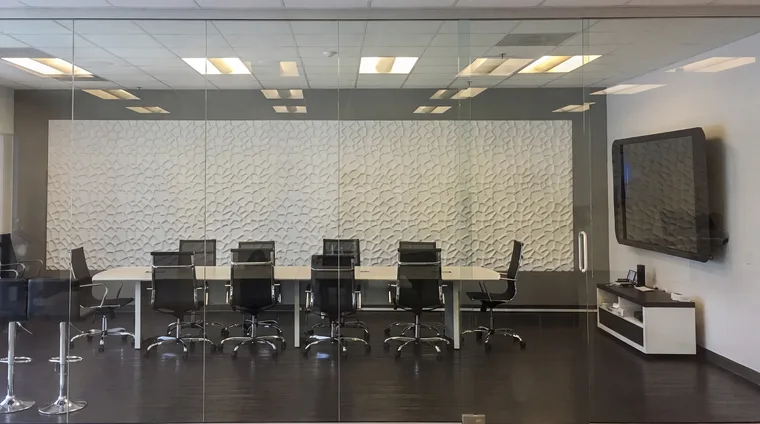
Conference room AV designed around the people using the room: video conferencing, Zoom and Teams Rooms, displays, and audio, installed and supported as a partner.
Conference Room AV in Miamiarrow_forward
Design-build digital signage for hospitality and enterprise: commercial displays, content management, and installation that keeps your screens selling and current.
Digital Signage Services in Miamiarrow_forwardClient successes drive Crunchy Tech to become better. Below is how our customers feel about us.
You're a great partner with Florida Hospital and this project will make a difference in Children's Health.
Working with Crunchy Tech was a fantastic experience from start to finish. They handled the sale and installation of all our sound and TV equipment at The County Bar in Aviston, IL, and absolutely nailed it. We were on a very tight deadline, and they not only met it—they delivered top-notch quality and service the entire way. Highly professional, responsive, and easy to work with. We couldn't be happier with the results.

Crunchy has done an amazing job on our A/V install. The sound is perfectly balanced throughout our many zones and the entire system is super simple to use.

You're a great partner with Florida Hospital and this project will make a difference in Children's Health.
Working with Crunchy Tech was a fantastic experience from start to finish. They handled the sale and installation of all our sound and TV equipment at The County Bar in Aviston, IL, and absolutely nailed it. We were on a very tight deadline, and they not only met it—they delivered top-notch quality and service the entire way. Highly professional, responsive, and easy to work with. We couldn't be happier with the results.
Crunchy has done an amazing job on our A/V install. The sound is perfectly balanced throughout our many zones and the entire system is super simple to use.
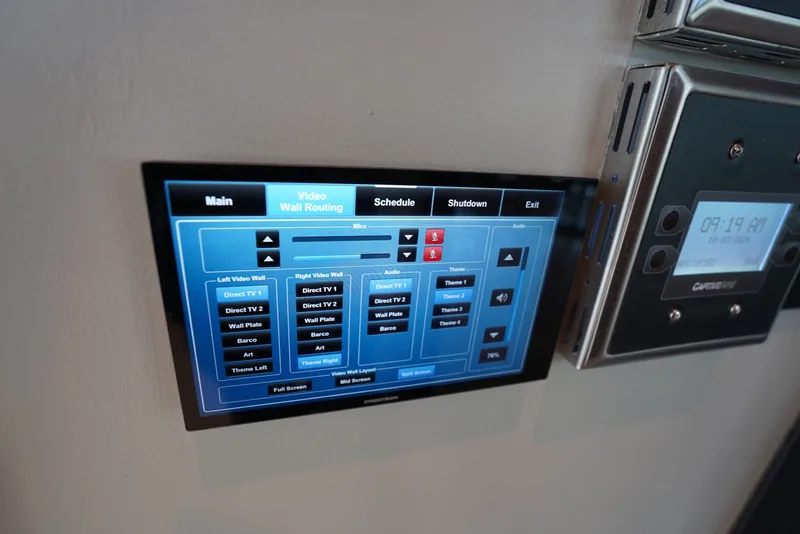
How hidden speakers, recessed displays, and invisible technology create elegant commercial environments.
Read article arrow_forward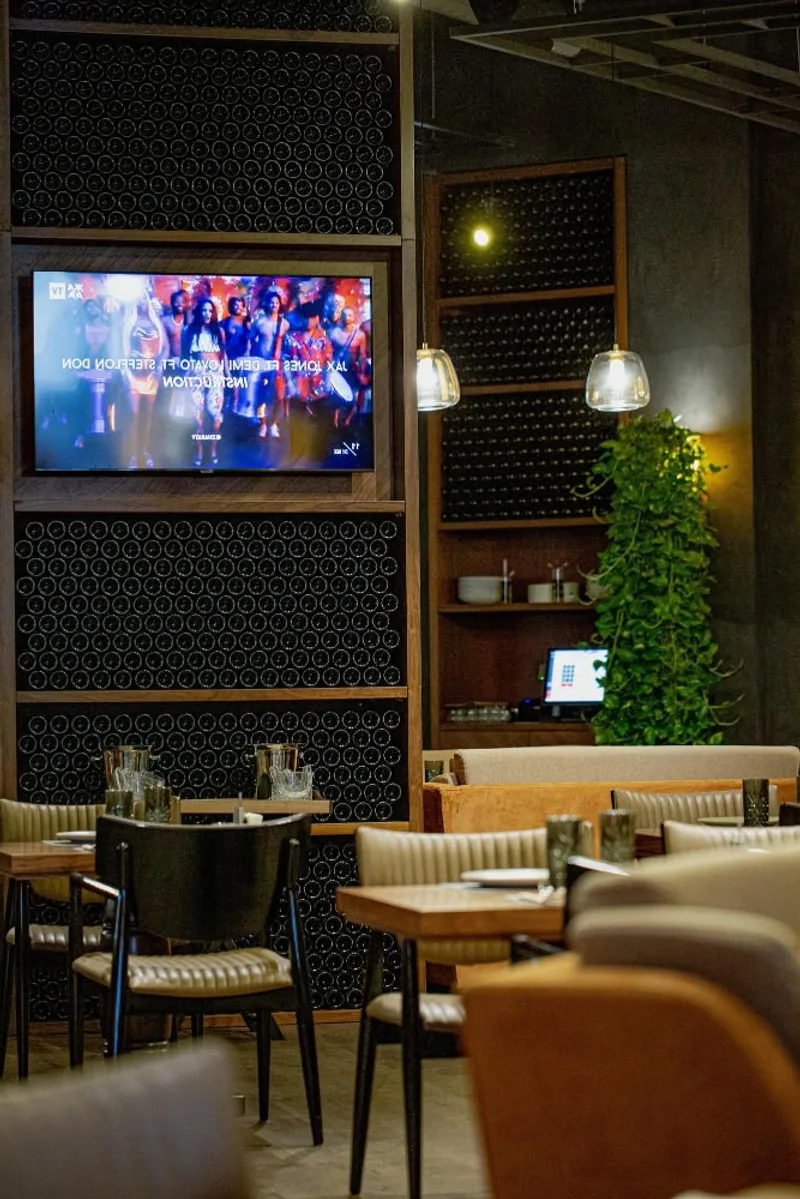
A comprehensive guide to commercial audiovisual installation — what it includes, how it differs from consumer setups, and what to expect.
Read article arrow_forward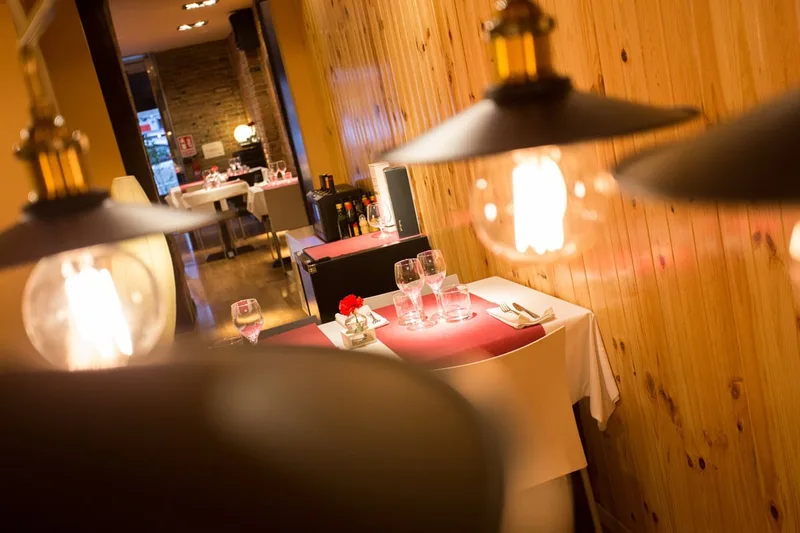
How LED walls, spatial audio, and lighting automation are transforming restaurants and bars into destination experiences.
Read article arrow_forwardTell us about the space: the neighborhood, the square footage, the indoor and outdoor split, how the room changes through the day, and what is not working now. The consult starts with what each area has to accomplish, then we look at the room and come back with a zone design and one engineered recommendation instead of a speaker list.