Digital Signage in San Antonio
location_on San Antonio, TX

Digital Signage in SanAntonio

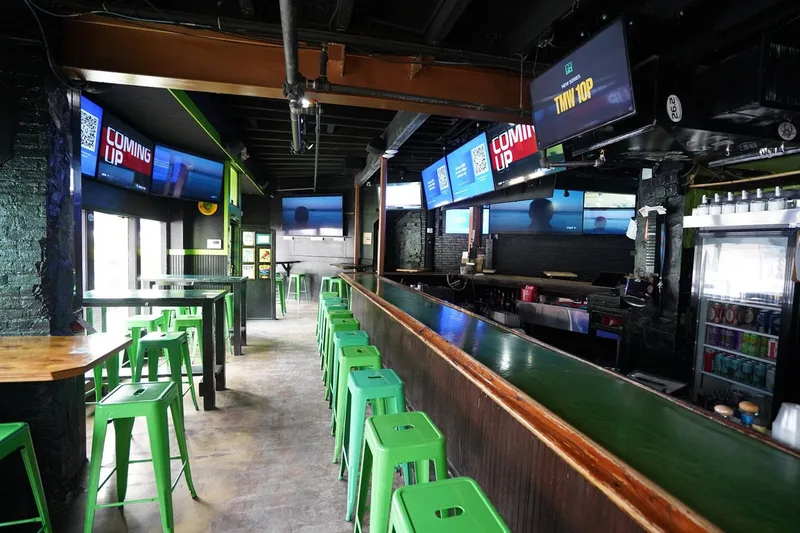
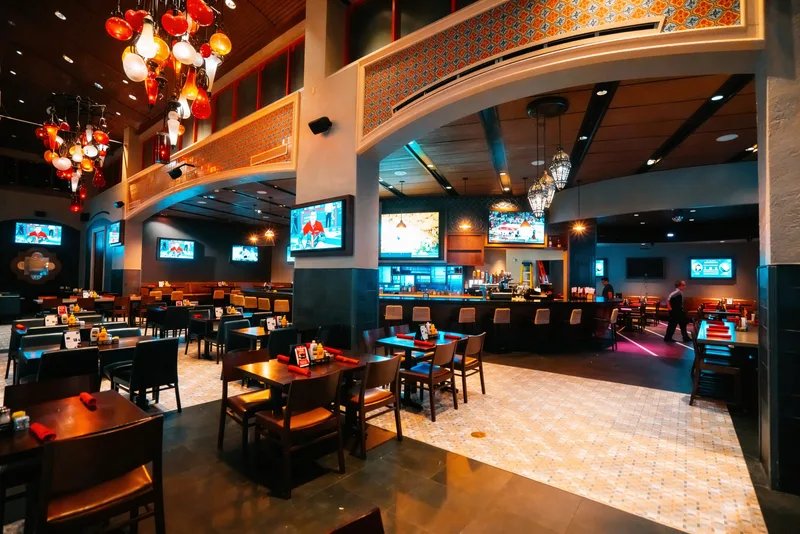
Commercial digital signage and menu boards for San Antonio venues, built around a content source your team will still be using in month six.

The content stops getting updated inweekthree

Every venue we walk into with disappointing signage has the same history. The screens went in, somebody produced good content for opening, and it was genuinely impressive for about a fortnight. Then the person who knew how to change it got busy, the process turned out to involve a laptop in the back office and a file from a designer, and the loop stopped moving. By month three it is showing a promotion that ended, an event that happened, and a price that is wrong, which is worse than showing nothing because customers read it and learn not to trust it.

The screen was never the product. The driving source behind it is, and it is the thing nobody shops for. What makes signage survive contact with a real business is a commercial content-management and scheduling engine your team can reach from a phone: log in from anywhere, see each location, schedule a promotion for the hours it should run, pull something that ended, and push a change to one site or all of them in under a minute. When updating is that easy, it keeps happening. When it needs a laptop and a designer, it stops.
The content stops getting updated in week three
Install The content stops getting updated in week three San Antonio, TX

Digital Signage AcrossGreaterSanAntonio

From downtown and the Pearl to Stone Oak, La Cantera, and the outlying communities, we design and install commercial digital signage, menu boards, and outdoor displays.

2008
Serving San Antonio since
10
Neighborhoods
Downtown
Restaurants · Retail

Content here changes with the season and the crowd, so scheduling from a phone matters more than anything on the wall.

Frequent change · scheduled
Pearl District
Restaurants · Retail

Exposed structure and masonry limit mounting options, so wall type and backing get established before anything is specified.

Exposed structure · backing
Southtown
Restaurants · Retail

Small operators have nobody dedicated to content, so templates a manager can edit beat files that need a designer.

No content staff · templates
Stone Oak
Restaurants · Retail

Menu boards here get sized off the real distance from where the queue forms rather than from the wall they hang on.

Queue distance · sizing
La Cantera and The Rim
Retail · Restaurants

Newer buildings allow proper equipment locations, which is the cheapest moment to get ventilation and cooling right.

New build · equipment location
Alamo Heights
Retail · Restaurants

Visible hardware is held to a higher bar here, so displays get planned with the millwork rather than mounted onto finished joinery.

Integrated · millwork
Medical Center area
Restaurants · Lobbies

Lobby screens run all day with nobody assigned to them, so content schedules itself and displays power down on their own.

Unattended · scheduled
Westover Hills
Corporate · Retail

Operators here often run several sites, so one place to update every screen matters more than anything on a single wall.

Multi-site · one source
Airport corridor
Restaurants · Retail

Screens run at all hours, so continuous-duty panels and remote visibility of what each is showing earn their place.

All hours · monitoring
New Braunfels and Boerne
Restaurants · Retail

These sit under their own municipal review, so any permitting path gets confirmed locally rather than carried over from a San Antonio address.

Separate jurisdiction

How we work

Who updates it, askedfirst

The specification starts with a staffing question rather than a hardware one, because that is what predicts whether the system is still working in a year.

The consult and the site walk

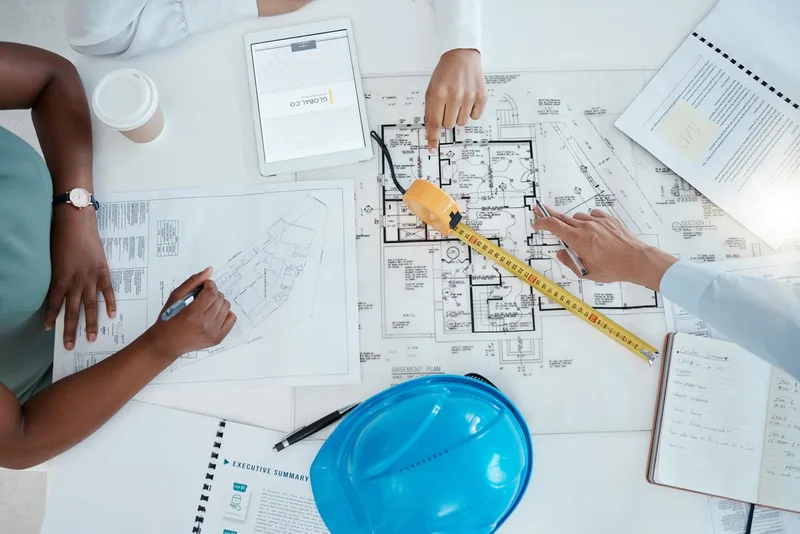
We do not quote a display until we have walked the wall, because four things there decide the specification and none appear on a drawing. What the wall is made of and what backing exists behind it, which determines what can safely hang. Sightlines, meaning where people genuinely stand and look. The light in that spot at the brightest hour. Safety matters too, particularly anywhere the public passes underneath. Then we ask the question that outlasts all of them: who is going to change this content, and from what device.

Who updates it, asked first — digital signage in San Antonio, TX
InstallWho updates it, asked first

Design you can see, then one team on site

You see the design before you commit to equipment, including a Good, Better, and Best option per location so budget lands where it earns. One team handles the install, calibration, staff training, and documentation, and coordinates with your general contractor, electrician, and IT department. Training gets more weight on this line than on most, because a signage system nobody can operate is not a partial success, it is a wall of screens showing last month. Documentation stays on site so the next person starts from something written down.

Designing for the person who will actually do it

The honest answer is usually a manager with a phone and ten spare minutes, not a marketing team with a design workflow. So the system gets built for that person: templates they can edit rather than files they have to commission, a schedule that handles dayparts automatically so nobody is remembering anything, and permissions that let them change what they should without reaching what they should not. Where a designer is involved, we supply exact content dimensions so their work drops in cleanly rather than arriving cropped.

What we build

What goes into SanAntoniodigitalsignage

Digital signage is a display, a source, a network path, and a content plan. Here is what we design, program, and install.

What goes into San Antonio digital signage
InstallWhat goes into San Antonio digital signage

The content source, properly specified

A commercial content-management and scheduling engine is what turns displays into signage. It exposes a portal your team reaches from a phone or laptop wherever they are, shows each location separately, schedules content by daypart so the loop changes without anyone acting, and pushes a change to a single site or every site at once. It also lets you see what each screen is currently showing, which is how a wrong price gets caught by whoever noticed rather than reported and forgotten.

Menu boards and structured content

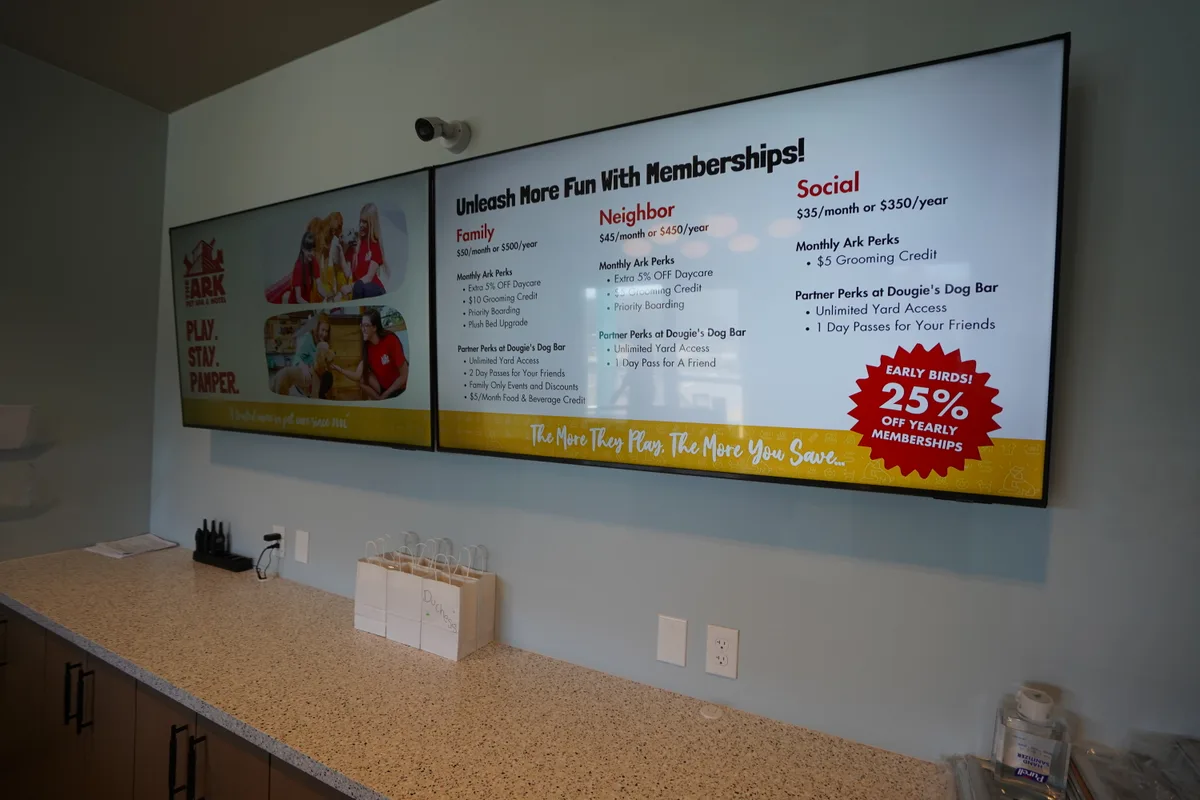
Digital menu boards get sized off real reading distance from where the queue forms, mounted at a height a standing guest reads without stepping back, and structured so individual items and prices are editable rather than baked into one flat image. That structure is the difference between a board that reflects reality and a photograph of a menu. Dayparts run on a schedule, sold-out items come off in seconds, and where you run several locations one change covers all of them.

One screen doing more than one job

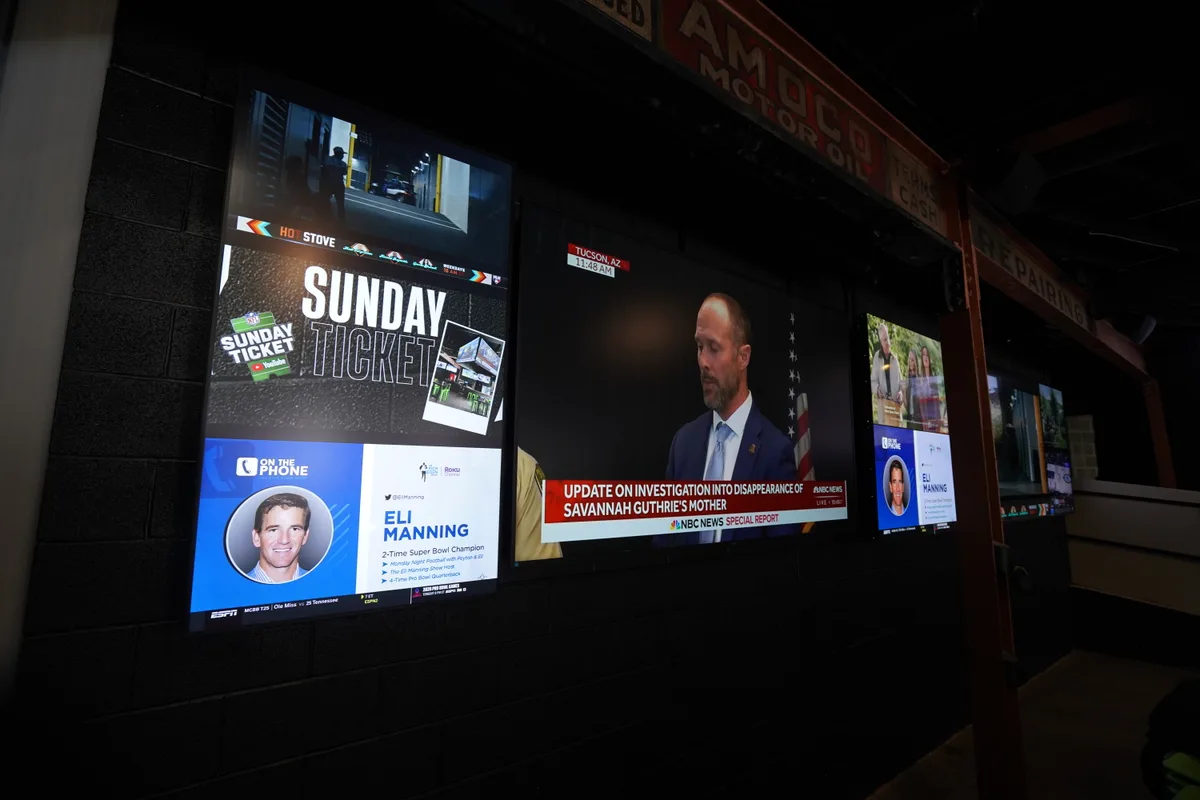
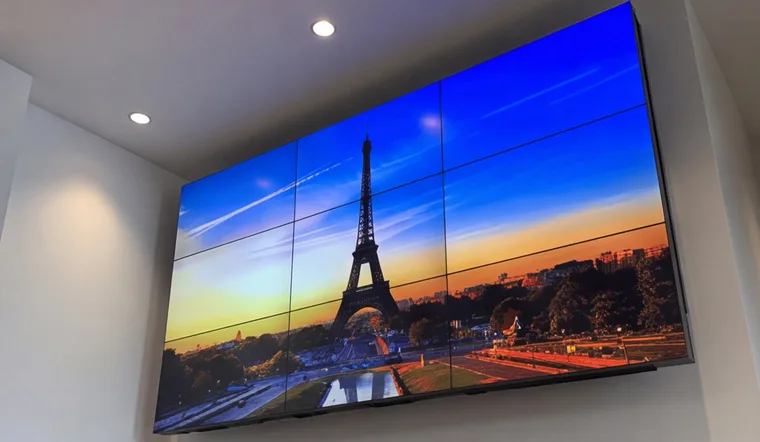
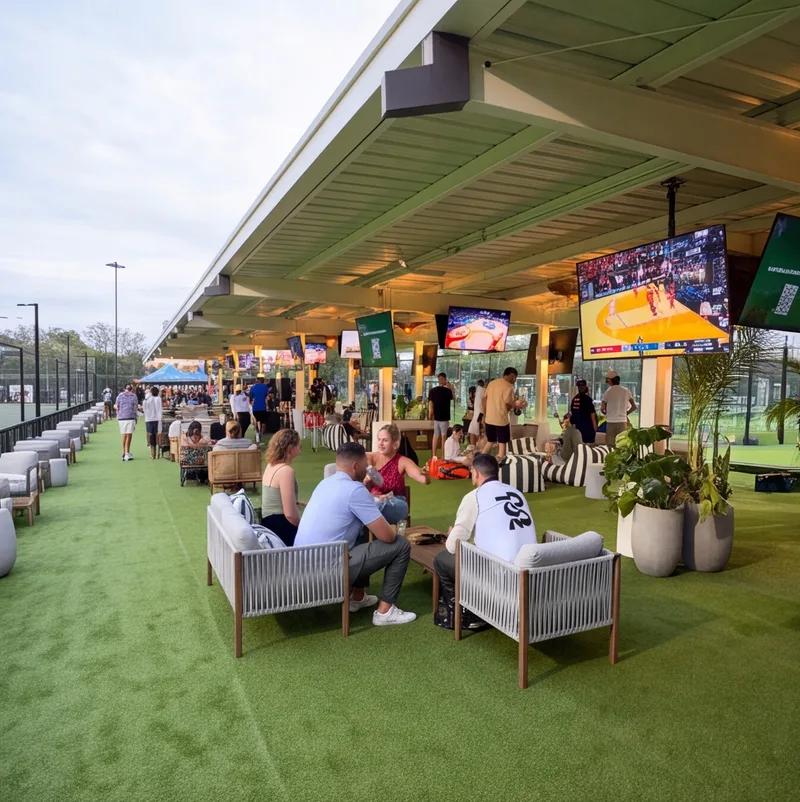
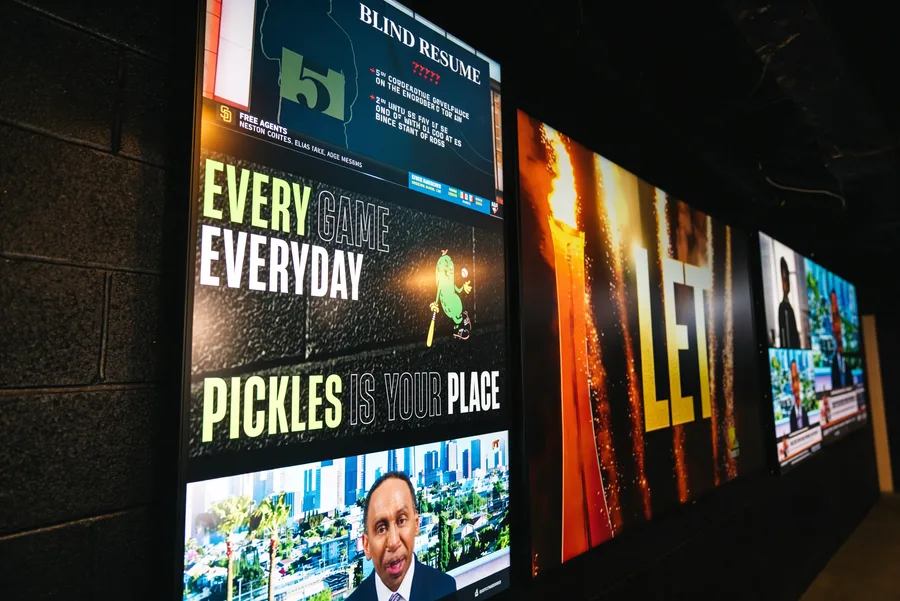
A commercial panel gives you pixel-by-pixel control, so live programming and your own content can share a display through a custom layout rather than needing two screens. A large portrait panel can carry three panes, with the middle one commonly holding whatever you are promoting. That reduces how many displays a room needs while increasing what each one does, and it means the promotion sits in the same eye line as the thing people came to watch.

The technical part

Panels, control, andTexasheat

Three technical realities decide whether signage keeps working: what the panel is rated for, whether you keep control of it, and what the climate does to the equipment behind it.

Rated runtime and two warranties

Panels carry a rated runtime describing the daily duty they were engineered for: roughly two to three hours a day for consumer sets, sixteen, eighteen, or continuous for commercial tiers. A venue open from morning to close belongs in the upper tiers, and matching them is most of what determines lifespan. Keep two numbers separate on warranties. Panel warranty is typically three years commercial against one year consumer, and consumer terms generally do not cover business use at all. System lifecycle is a different figure, closer to seven years, describing when the design rather than the glass limits you.

Panels, control, and Texas heat — digital signage in San Antonio, TX
InstallPanels, control, and Texas heat

Heat, hail, and grid events

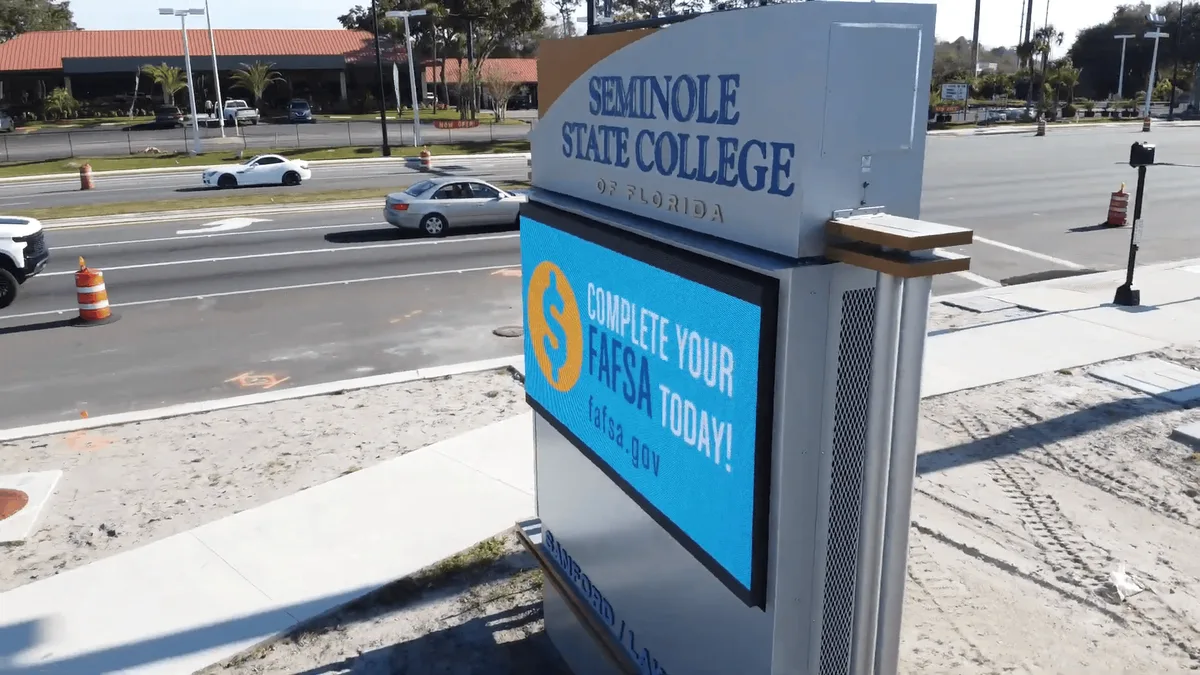
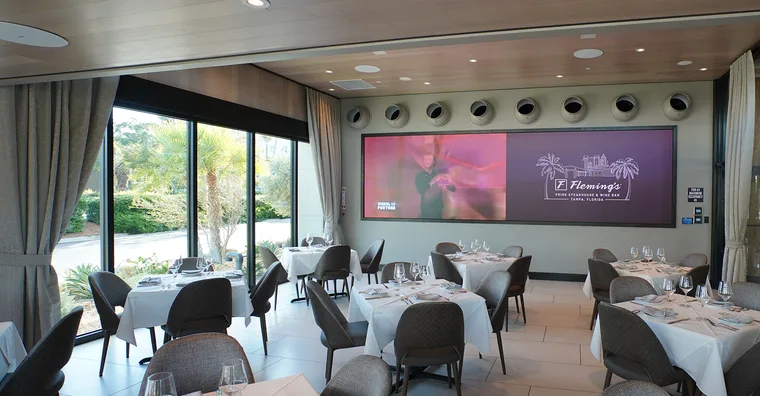
Three local realities shape the build. Heat is the single most expensive variable in how long anything lasts, so enclosed cabinets get genuine ventilation rather than a closed door and equipment spaces get cooling and stay at or below 75 degrees. Spring storms bring hail and surges, so anything mounted outside gets placed with impact in mind and racks get real surge protection and conditioning. Winter grid events have caused extended outages here, so equipment shuts down cleanly rather than dropping mid-cycle.

Control and fewer failure points

Commercial displays accept wired control over RS-232 or IP, so screens come up on the right source at open and shut down at close without anyone walking the floor. A consumer set relies on an infrared emitter glued near its sensor, which eventually fails and strands that panel until somebody reaches it. The broader principle is fewer failure points: every extra hop between your content and the glass is one more thing that can break, and in a venue with nobody assigned to screens, reducing that count is the whole objective.

Our screens are showing content from two months ago. How do we stop that happening again?

By making updating easy enough that it survives a busy week, which is a design decision rather than a discipline problem. Signage stops getting updated when the process involves a laptop in the back office and a file from a designer, because that is more friction than a busy manager can absorb, and after a few weeks it stops entirely. The fix has three parts. A content source your team reaches from a phone, so a change takes a minute from the floor rather than an afternoon. Templates a manager can edit directly, rather than artwork they have to commission. Third, scheduling, so dayparts and end dates are handled automatically and a promotion that finished on Sunday comes down on Sunday whether anyone remembers or not. Then training and documentation on site, since the person who was shown how to use it will eventually be replaced.

Who should be responsible for content internally?

Whoever is actually on site and noticing, which is usually a general manager rather than a marketing function. That sounds like a small distinction and it decides the specification. If the system assumes a designer, it will only be updated as often as a designer is available. If it assumes a manager with a phone, it gets updated when somebody spots that a price is wrong or an item ran out, which is when it matters. So we build permissions accordingly: the people on the floor can change the things that go stale, while pricing structures, layouts, and anything that took a designer to establish sit behind credentials so they cannot be broken accidentally. Where you do have a marketing team, they get the exact content dimensions for each region so their work drops in cleanly.

Do we need commercial displays, or will consumer TVs do?

Consumer panels can be made to work, and there are concrete reasons we advise against them in a venue. Rated runtime, since consumer sets are engineered for roughly two to three hours a day while commercial tiers run to sixteen, eighteen, or continuous, and a venue open from morning to close is well past the consumer figure. Control, since commercial displays accept wired control over RS-232 or IP while a consumer set depends on an infrared emitter that eventually fails and strands the screen. Brightness, which decides readability in a sunlit space. Fewer failure points between your content and the glass. Warranty is the last one: consumer terms are written for residential use, so running those panels in a business generally voids them, which owners usually discover when one fails.

Can one screen show our promotion and a live feed at the same time?

On a commercial display, yes. Pixel-by-pixel control means a panel can be divided into regions rather than showing one full-frame source, so a custom layout carries live programming in one area and your content in another. A large portrait display can hold three panes, with the middle one commonly used for whatever you are promoting. That usually means fewer screens doing more, and it puts your promotion in the same eye line as the thing people are already watching, which is where an impulse decision comes from. It needs a commercial panel, a source capable of driving the layout, and content built to the documented dimensions of each region, which we provide rather than leaving your designer guessing.

Related Solution

Learn more about our Digital Signage Services solutions

View Digital Signage Services
What clients say

Operators who run on our systems

Client successes drive Crunchy Tech to become better. Below is how our customers feel about us.

The way you can do different layouts on different TVs, so the marketing team can do their own in-house advertisements — that was really a big thing. Just for them to be able to upload their photos on their own and choose what dates to do it on is really helpful.

Humberto De La Cruz logo
Humberto De La Cruz
IT Field Technician · Capone's Hideout

You're a great partner with Florida Hospital and this project will make a difference in Children's Health.

Des Cummings logo
Des Cummings
Vice President of Florida Hospital · Florida Hospital

Crunchy has been great to work with. They communicate well and deliver as promised.

Brian Dornbush logo
Brian Dornbush
Facilities & Operations Manager · Orange County Library System
Talk to a San Antonio digital signage designer

Let's build something yourteamkeepsusing

Tell us about the venue: how many screens you have or want, who updates content today and what that process involves, how long it has been since it changed, whether you run more than one location, whether any screens face daylight, and where the equipment lives. We will walk the walls before quoting anything, then come back with Good, Better, and Best per location rather than one number.

  • A content source your team reaches from a phone, so a change takes a minute from the floor.
  • Templates a manager can edit rather than files that have to be commissioned.
  • Dayparts and end dates handled on a schedule, so nothing stale stays up.
  • Permissions that protect layouts and pricing structures from accidental changes.