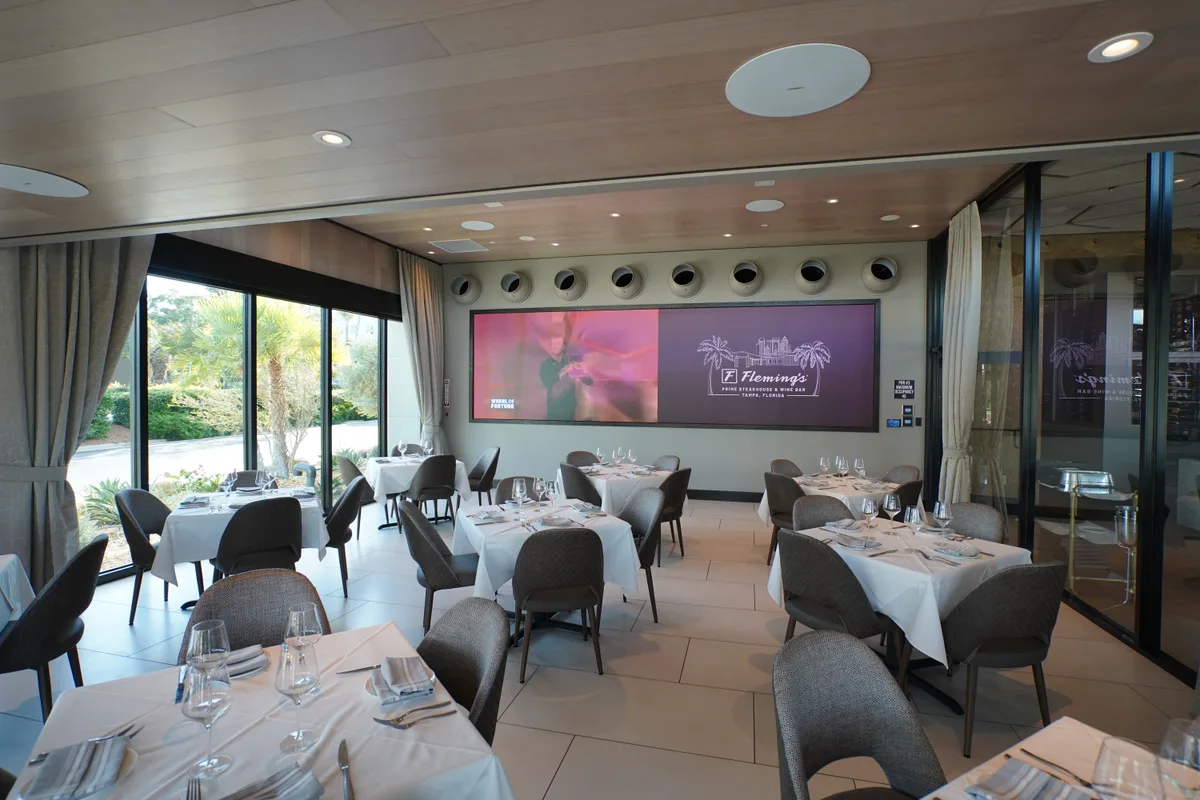
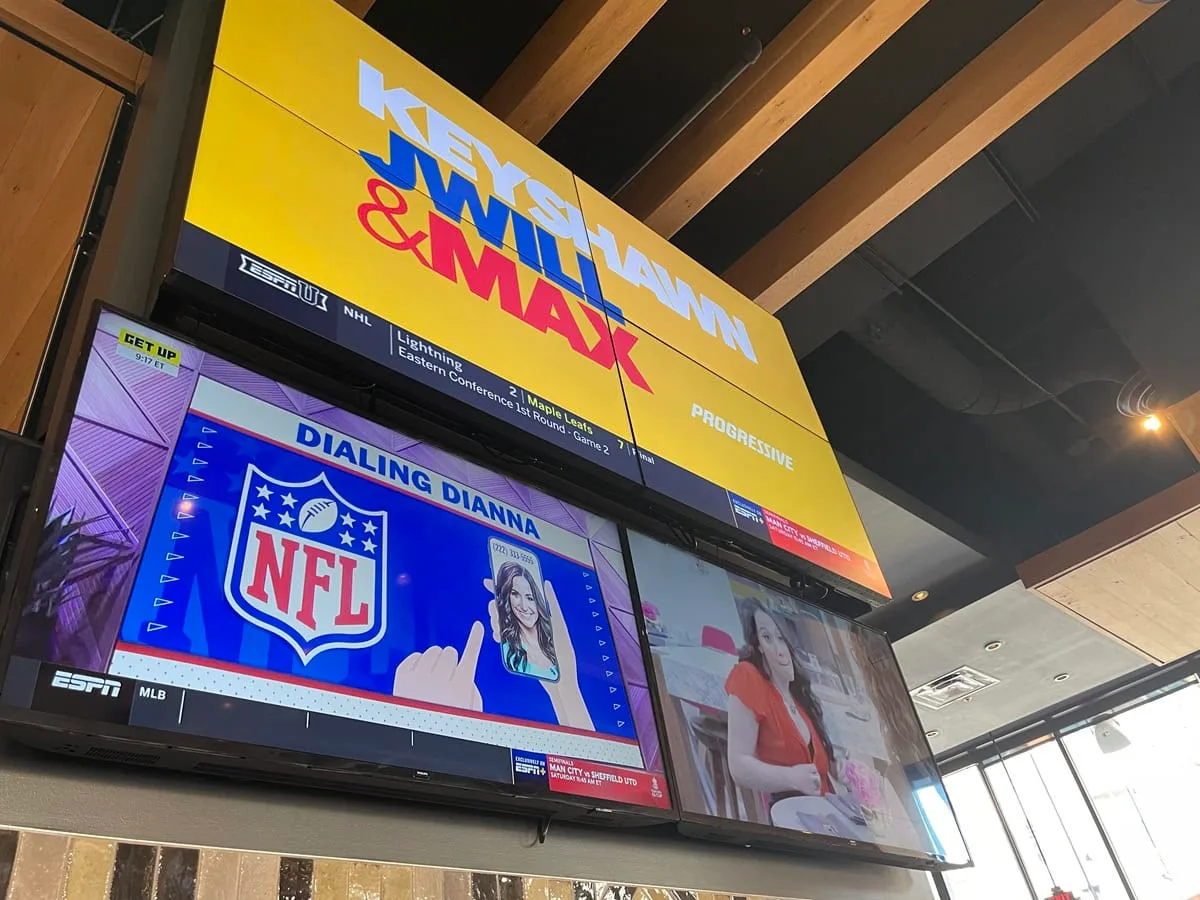
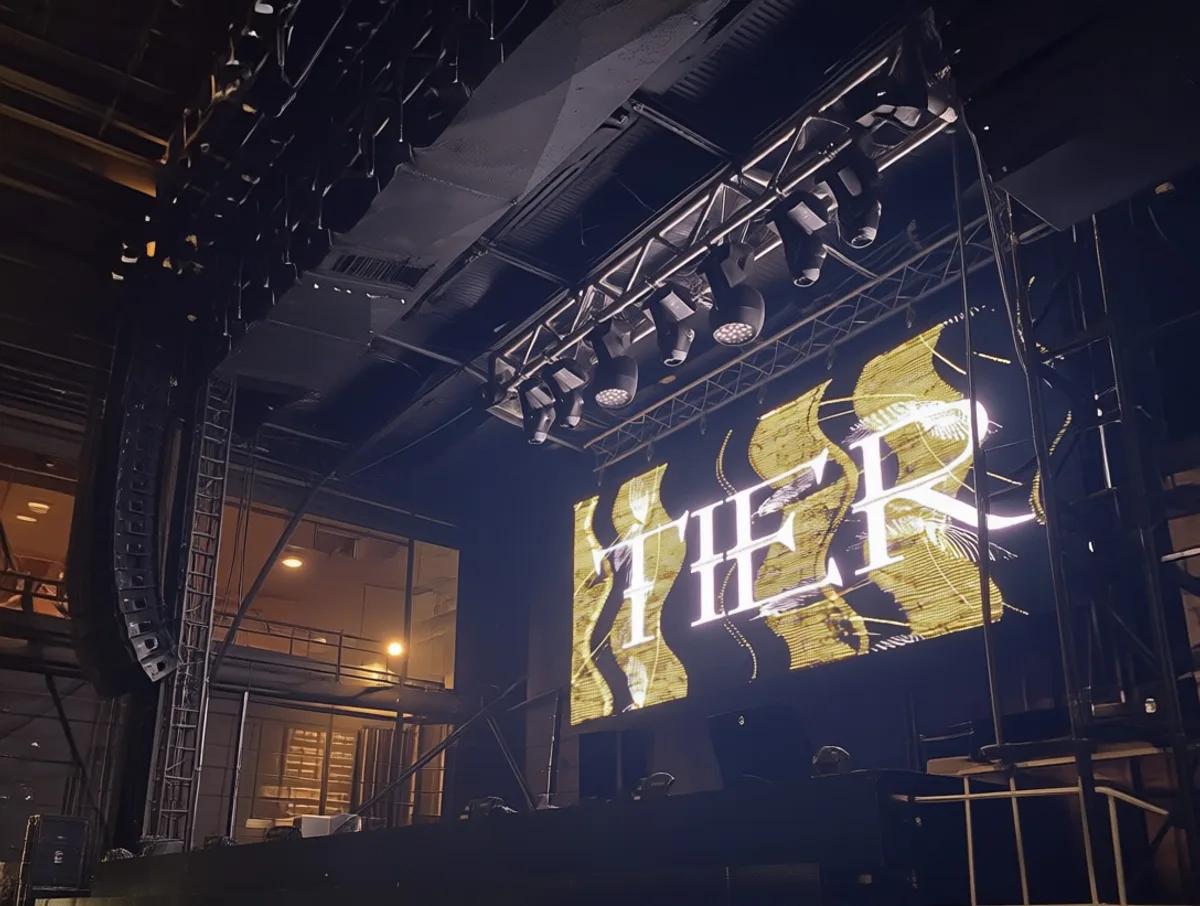
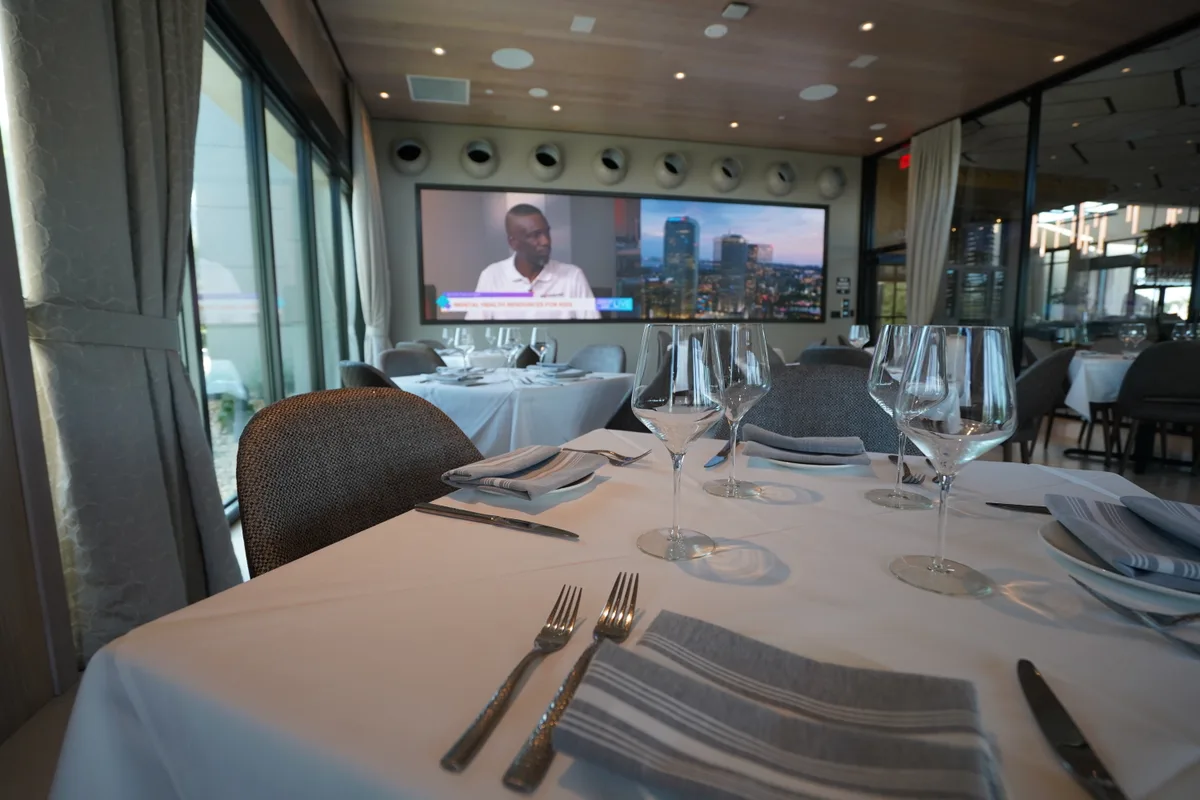
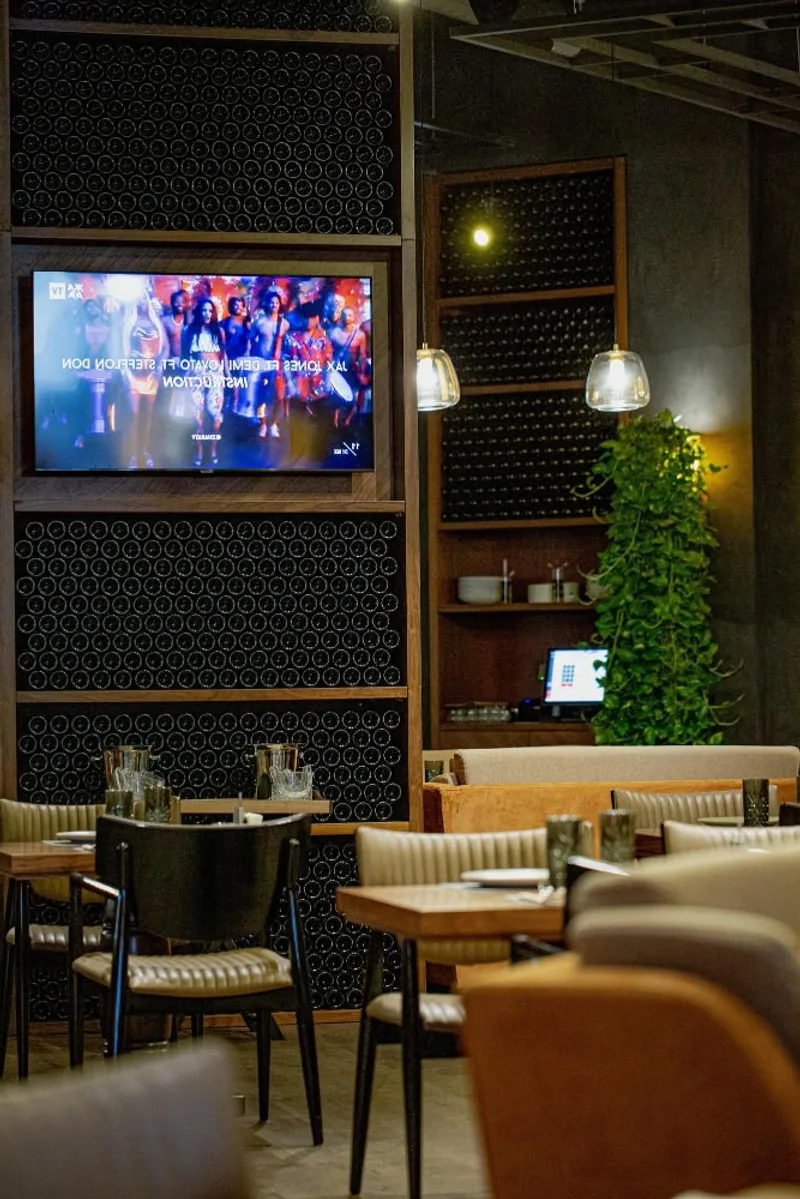
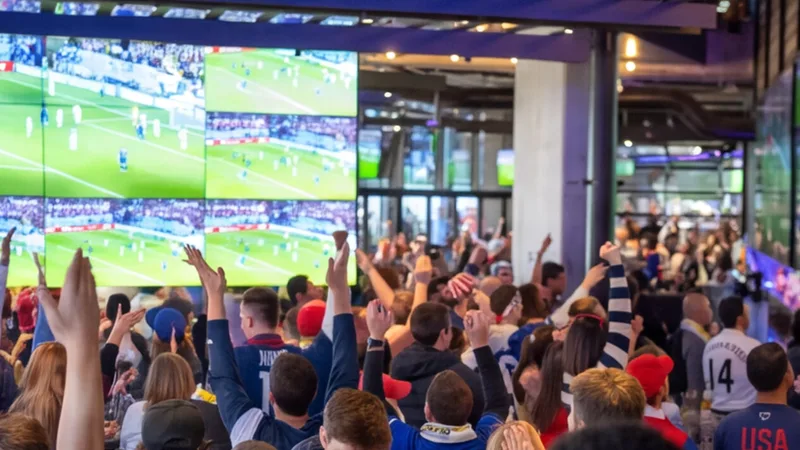
The Design Build process was the best thing that could have happened. They showed our ownership three different options on each feature wall — from the bar to the rest of the venue. That’s when it really sold them. They felt involved. They knew what they were putting in, they were making the decisions, and they could see it was going to look right.
Video Wall Installation in Charlotte
Permanent LED and LCD video walls designed and installed across the Charlotte region. Built for lobbies full of daylight and briefing rooms that need a dozen sources on screen at once.
A Charlotte wall usually has to carry information, not atmosphere
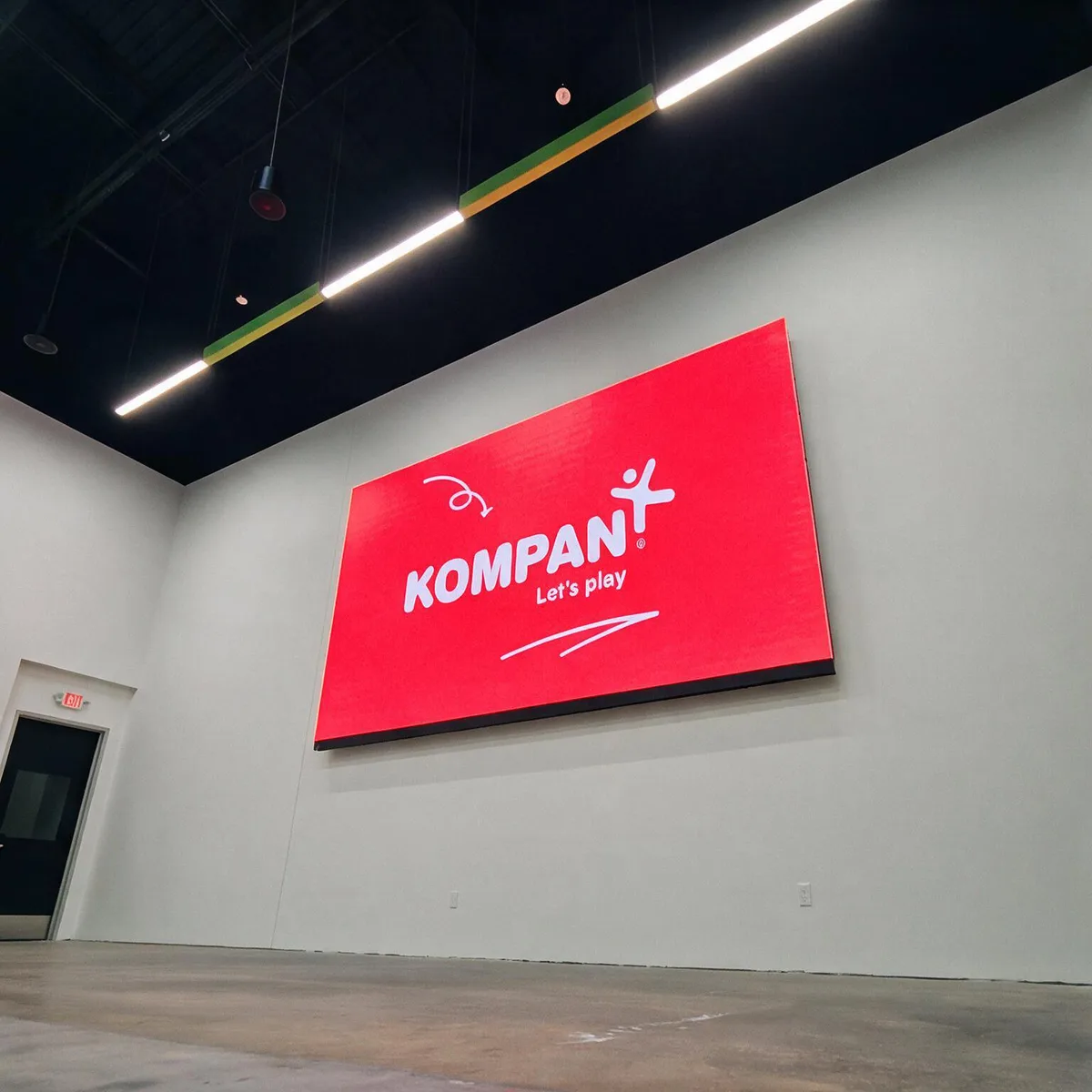
A video wall is the largest display purchase most organizations make, and the common failure is putting it where the experience is not. The ask is often a wall behind the bar, and the bar seats fourteen while the rest of the venue seats a hundred and eighty. Put the best technology where you are driving the most experience. In corporate Charlotte the same mistake looks different: a handsome lobby wall washed out by daylight, or a briefing wall that cannot show more than one source at a time.
So we start with what the wall has to accomplish and who has to read it. Where a full wall is not the answer, a cluster of commercial displays, a ribbon, or one large display driven as four panes does the same job for far less. Where a wall is right, brightness and placement get solved before resolution, pitch follows viewing distance, and a canvas carrying many sources gets designed around the processing rather than the panels. Outdoors the answer is always LED, specified for Carolina sun and humidity. We install permanent systems only, and we do not rent.

Video Wall Installation Across the Charlotte Region
From Uptown tower lobbies and South End dining rooms to Ballantyne corporate floors, University City campuses, and Concord retail, we design, install, calibrate, and support permanent video walls across the region.
Processing and control gear needs a room held at or below 75 degrees, since a hot rack shortens the life of everything in it.
Hard summer storms come through most weeks, so surge protection on the wall and its processing is baseline rather than an upgrade.
Pine pollen loads filters and cooling paths every spring, so equipment room airflow gets specified with that in mind and checked seasonally.
An outdoor wall gets an ambient light sensor driving automatic brightness, so it lifts at midday and dims at night instead of running flat out.
How we work
We start with what the wall has to say
Put the best technology where you are driving the most experience. In a corporate building that means asking what has to be legible, and from where.
The consult, then the light
An information wall gets judged on whether people can read it, and that is where most designs fail. Our first conversation is a consult rather than a quote: what the space is, who has to see the screen, what the wall has to accomplish, and the budget in play. Then we read the light, since an Uptown tower lobby behind a glass curtain wall competes with a great deal of daylight and no amount of resolution fixes a washed-out image. Brightness and placement get settled first, then content gets designed to stay legible rather than merely look impressive. Viewing distance sets the pixel pitch after that, and paying for detail nobody can perceive is the most common way this budget disappears.
Sources, mounting, and one team on site
The second question on a corporate wall is how many things have to be on it at once. A canvas carrying eight to twelve inputs, with one source large while the rest stay visible, is a different design from a single-source display, and the processing and control layer drive that far more than the panels do. Mounting comes next. A ceiling-hung wall needs a plate and a structural pole, and on an open ceiling it needs unistrut and backing from the general contractor, with ductwork, lighting, and sprinkler positions constraining where it can land. One team then handles the install, the calibration, the staff training, and the documentation, coordinated with your electrician, your low-voltage trades, and your IT group.
Where Charlotte walls earn
Where a wall earns its cost in Charlotte
Banking floors, hospitality rooms, and retail spaces all ask a large display for something different. Here is where a wall pays off in this market.
Uptown lobbies and corporate floors
Lobby walls in a banking tower fail for one reason more than any other: daylight. Glass curtain walls put a lot of light into the room, so output and placement get decided before resolution, and the message gets designed to survive the brightest hour of the day rather than the rendering. Upstairs the problem changes. Briefing and operations rooms want a multi-input canvas, and a direct-view LED surface carrying eight to twelve sources at once is where that cost is genuinely earned, since one feed can run large while the rest stay readable. Boardroom walls get sized off the furthest seat and the platforms in use. All of it carries your own content.
Hotels, restaurants, and sports bars
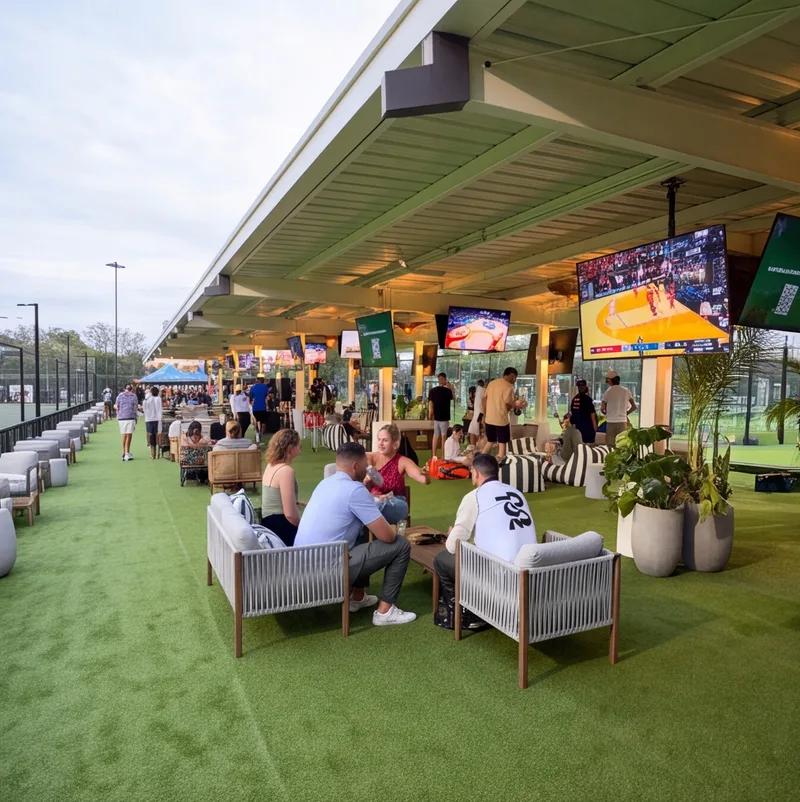
Hospitality here has to serve two different crowds from one room: a weekday business traveller and a weekend crowd, often in the same week. A wall that suits only one of them is half wasted, so we design for the schedule rather than a single scene, with a control layer that lets the room change quickly. Rooms watching one thing together want a single large canvas, while rooms following several games want a grid split, and sports viewing pulls the pixel pitch tighter than operators expect. Hotel walls carry property and event information across long lobby sightlines, which relaxes pitch and raises brightness. Where a room seats too few people to warrant a wall, a ribbon or a driven cluster does the same job.
Retail, education, and government rooms
Retail and institutional walls get bought for reach rather than atmosphere. A retail wall carries your own brand and product content, sized to read from the aisle instead of only up close, which usually means a wider pixel pitch and more brightness than operators expect. Campus and training rooms get specified off the furthest seat, so output and physical size matter more than fine detail. Civic and operations rooms lean back toward the multi-input canvas, where a group of sources has to stay visible together. Outdoors the answer is always LED with an ambient light sensor, since a fixed brightness setting either washes out at midday or glares at night.
Plain answers
Pitch, panels, and calibration in plain terms
A few choices drive most of the cost here. Here is what each one means for a room that has to stay readable at eleven in the morning.
LED, LCD, and what direct view means
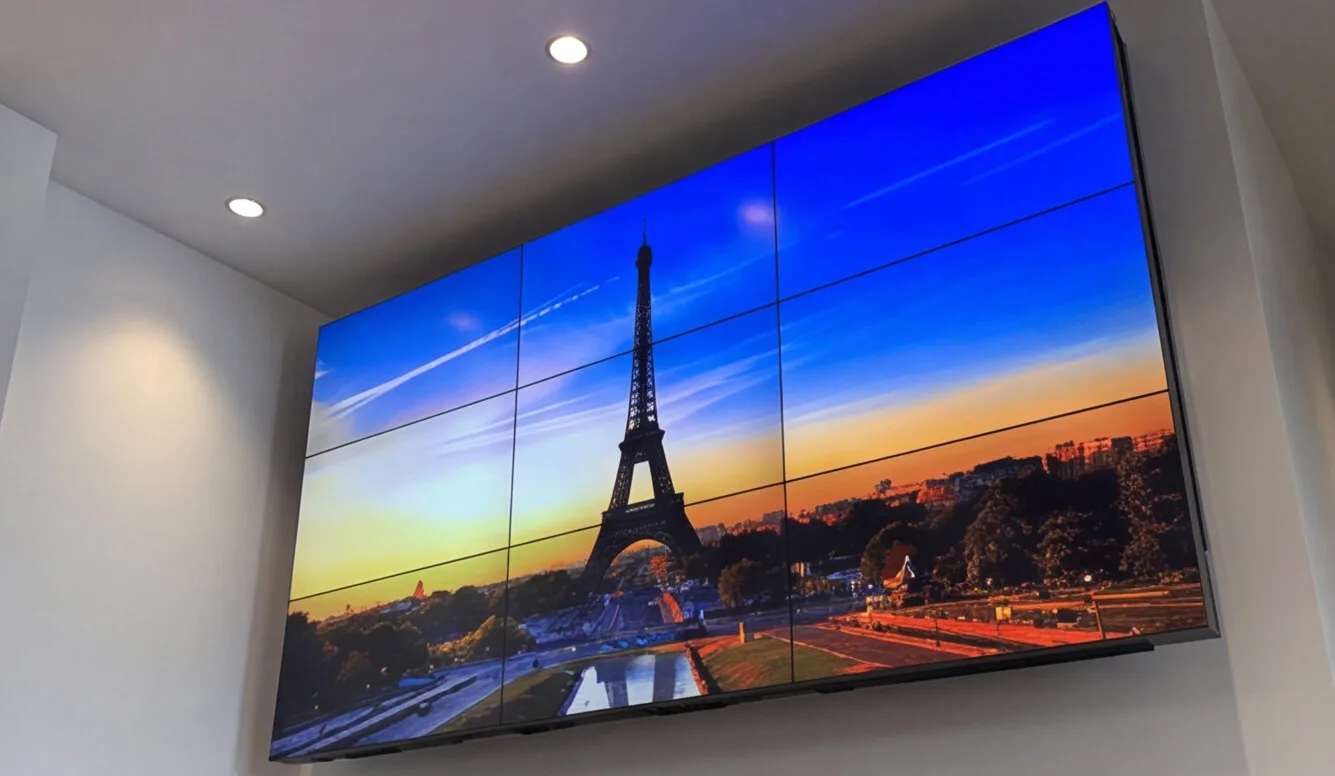
Indoor or outdoor settles most of it. Outdoor is LED, since nothing else survives outside. Indoors an LCD wall is a grid of thin-bezel panels with the processing built in, which costs less and resolves well, but it is indoor only, the tiles come in 55 and 65 inch, and the practical ceiling is around a ten by ten grid, so the size is the size. Large-format indoor displays generally sit in the 110 to 165 inch range, since LCD cost past that stops making sense at commercial budgets today. LED uses cabinets in many sizes driven by an external processor, so you get shape freedom, a brighter surface, and something that reads as one screen. Direct view means LED fine enough to stand close to, roughly 0.7 to 0.9mm.
Calibration, warranty, and spare parts
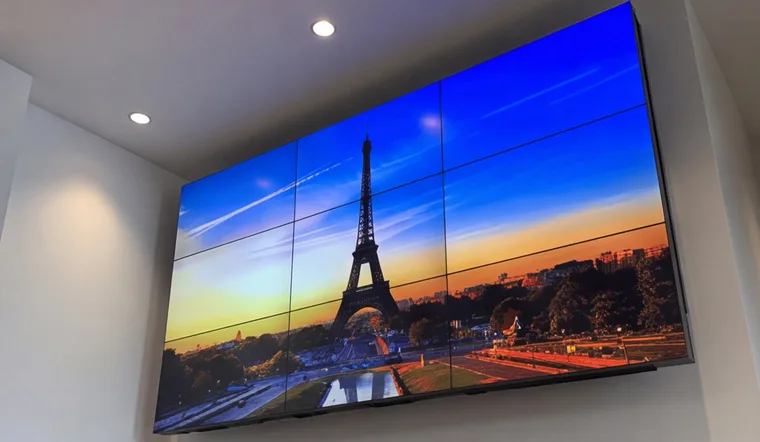
On an LCD wall, calibration is a matching exercise across panels: color, brightness, and contrast lined up so the seams disappear. Done badly, every panel shows a slightly different white and an expensive wall looks cheap regardless of resolution, and a bad display cannot be calibrated into a good one, so selection beats tuning. LED panels arrive pre-calibrated to a baseline and get tuned on site through the wall's processor. Past that, the real longevity story is parts rather than diode hours. We supply a spare-parts kit from day one and run revolving inventory, so a failed module gets swapped immediately, the dead one goes back to the vendor under warranty, and the repaired unit returns to the pool.
Our Uptown lobby is all glass. Can a video wall actually work in that much daylight?
Yes, but the design has to start there instead of ending there. Daylight through a glass curtain wall is a brightness and placement problem before it is a resolution problem, and a wall chosen on pixel pitch alone will look washed out at eleven in the morning no matter how good the panel is. So we measure the light in the actual room, at the hours people walk through it, then pick output and position to suit the worst of it. Sometimes that moves the wall off the surface you had in mind and onto one that is not facing the glass. LED usually wins these rooms, since it runs brighter than LCD. Content matters as much as hardware: high-contrast layouts and larger type stay legible in bright ambient light, while a low-contrast loop simply disappears. We would rather tell you a location will not work before you buy the panels than tune around it afterward.
Do we actually need a video wall, or is there a cheaper way to get the same effect?
Ask that first, since it saves more money than any other decision on the project. A wall is a purposeful choice about where experience is actually created rather than a default showpiece, and the test is to count the people who will see it. If the bar seats fourteen and the rest of the venue seats a hundred and eighty, an LED wall behind the bar is probably a waste of money. Put the best technology where you are driving the most experience. Several alternatives get most of the way there for far less. A ribbon or a cluster of commercial displays reads as one feature when placed and driven properly. A video processor in the control system turns a group of screens into a single canvas. One large display can be driven as four panes, so a 98-inch panel behaves like four 49-inch quadrants. In an office building that last option covers a surprising number of briefing rooms. We will say plainly when a wall is right and when it is not.
We need eight to twelve sources on screen at once. Is that different from a normal video wall?
It is a different design, and it is the case where a wall genuinely earns its cost. A single-source display shows one thing well. A multi-input canvas carries eight to twelve sources at once, with one feed running large while the rest stay visible and readable at a glance, and that behavior comes from the processing and the control layer rather than the panels. Direct-view LED suits it, since a fine pixel pitch keeps small text legible when a source is scaled down into a corner of the canvas. The questions we ask are how many sources, who needs to switch them, how quickly, and from what: a touch panel, a laptop, a phone. Layout presets get built so an operator recalls a view instead of dragging windows during a meeting. We also size off the furthest seat, since a source shown small still has to be readable from the back of the room.
What happens when a panel fails, and do you rent walls?
We do not rent. We design and install permanent video walls, and the service plan is part of the design rather than something bolted on later. Manufacturers quote diode life in the tens of thousands of hours, but real service life depends on the environment, so we plan for parts instead of quoting a lab number. We supply a spare-parts kit from day one and keep revolving inventory: a failed module gets swapped immediately, the dead one goes back to the vendor under warranty, and the repaired unit returns to the pool, so the wall is never sitting with a dark patch. On a lobby wall that visitors see every morning, that matters more than a spec sheet. Warranty terms scale with the tier of wall you buy and we will be straight about the trade-off. Most support issues resolve remotely, with around 47 percent of tickets closing inside an hour and roughly 72 percent inside a day.
What We Do Here
Services available in Charlotte
Every system is designed, installed, and supported by our own team in Charlotte — never subcontracted.
Digital Signage Services
Design-build digital signage for hospitality and enterprise: commercial displays, content management, and installation that keeps your screens selling and current.
Digital Signage Services in Charlottearrow_forwardVideo Wall Solutions
Commercial video walls across LED, LCD and Direct View. Designed, integrated, installed and supported by a national design-build AV integrator.
Video Wall Solutions in Charlottearrow_forwardLearn more about our Video Wall Solutions solutions
Operators who run on our systems
Client successes drive Crunchy Tech to become better. Below is how our customers feel about us.
Working with Crunchy Tech was a fantastic experience from start to finish. They handled the sale and installation of all our sound and TV equipment at The County Bar in Aviston, IL, and absolutely nailed it. We were on a very tight deadline, and they not only met it—they delivered top-notch quality and service the entire way. Highly professional, responsive, and easy to work with. We couldn't be happier with the results.
Crunchy has done an amazing job on our A/V install. The sound is perfectly balanced throughout our many zones and the entire system is super simple to use.
The Design Build process was the best thing that could have happened. They showed our ownership three different options on each feature wall — from the bar to the rest of the venue. That’s when it really sold them. They felt involved. They knew what they were putting in, they were making the decisions, and they could see it was going to look right.
Working with Crunchy Tech was a fantastic experience from start to finish. They handled the sale and installation of all our sound and TV equipment at The County Bar in Aviston, IL, and absolutely nailed it. We were on a very tight deadline, and they not only met it—they delivered top-notch quality and service the entire way. Highly professional, responsive, and easy to work with. We couldn't be happier with the results.
Crunchy has done an amazing job on our A/V install. The sound is perfectly balanced throughout our many zones and the entire system is super simple to use.
Insights
What is Commercial AV Installation?
A comprehensive guide to commercial audiovisual installation — what it includes, how it differs from consumer setups, and what to expect.
Read article arrow_forwardImmersive Dining & Bar Experiences: LED Video Walls, Spatial Audio & Synchronized Lighting
How LED walls, spatial audio, and lighting automation are transforming restaurants and bars into destination experiences.
Read article arrow_forwardWhy Plug-and-Play Sports Bar AV Packages Will Cost You the 2026 World Cup
Consumer-grade AV cannot handle the demands of World Cup game day. Here is what your sports bar actually needs.
Read article arrow_forwardLet's start with what has to be legible
Tell us about the space: the neighborhood, how much daylight it takes and when, whether the wall is indoors or out, how many sources have to be on screen at once, and how far back the furthest viewer sits. The consult starts with whether a wall is the right answer, then we look at the room and come back with one engineered recommendation instead of a panel count.
- The consult tests whether a wall is worth building at all.
- Brightness and placement solved before resolution in daylight-heavy lobbies.
- Multi-input canvases designed around the processing, not the panel count.
- Surge protection and equipment room cooling treated as baseline.
- Permanent installations only. We do not rent.