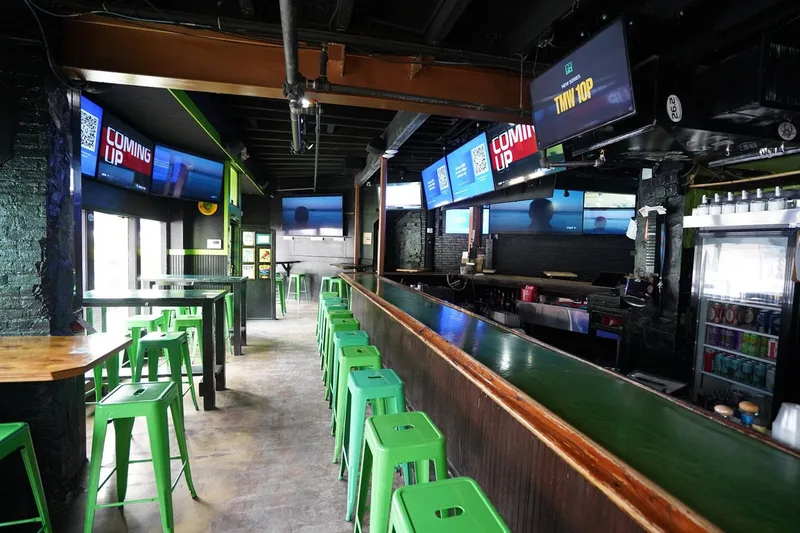
Hotel AV Systems in Chicago
location_on Chicago, IL

Hotel AV Systems in Chicago

Hotel and resort AV built to be operated by whoever is on shift, with named presets, locked settings, and documentation that stays in the building.

If the front desk cannot fix it, itstaysbroken

A hotel runs three shifts a day and replaces the people on them regularly. Whatever the AV needs in order to work has to be doable by whoever is standing there at the time, which is frequently a front desk agent nine weeks into the job at eleven at night. On most properties it is not. The lobby music stops and the fix lives on a laptop in an office that is locked. A screen goes blank and the answer is a note for the morning. So small faults sit for days, guests see them the whole time, and by the time anyone with the knowledge is on site the system has drifted somewhere nobody can retrace.

Operability is a design requirement, not training. Control gets built as a small set of clearly labeled states matching what staff actually do, reachable from where they actually stand, with the settings that took a designer to establish held behind credentials so nothing important can be undone at two in the morning. Zones get named after the rooms staff call them rather than after circuit numbers. Documentation stays in the building instead of in an email. Most faults then become a tap, and the ones that are not can usually be diagnosed remotely before anyone drives.

Reel If the front desk cannot fix it, it stays broken Chicago, IL

Hotel and Resort AV AcrossChicagoland

From the Magnificent Mile and the Loop to River North, the West Loop, and the suburbs, we design and install hotel AV systems for lobbies, outlets, terraces, meeting space, and signage.

2008
Serving Chicago since
10
Neighborhoods
Magnificent Mile and Streeterville
Hotels · Hotel dining

Lobbies here run all day at varying occupancy, so the profile moves on a schedule rather than by whoever last walked past a control.

All-day lobby · scheduled
The Loop
Hotels · Meeting space

Older buildings restrict where anything can be mounted or routed, so positions and cable paths get planned rather than improvised on site.

Historic · planning
River North
Hotels · Hotel dining

Multiple outlets sit alongside the lobby, so each becomes its own zone with its own limits rather than sharing one level.

Multi-outlet · zoned
West Loop and Fulton Market
Hotels · Hotel dining

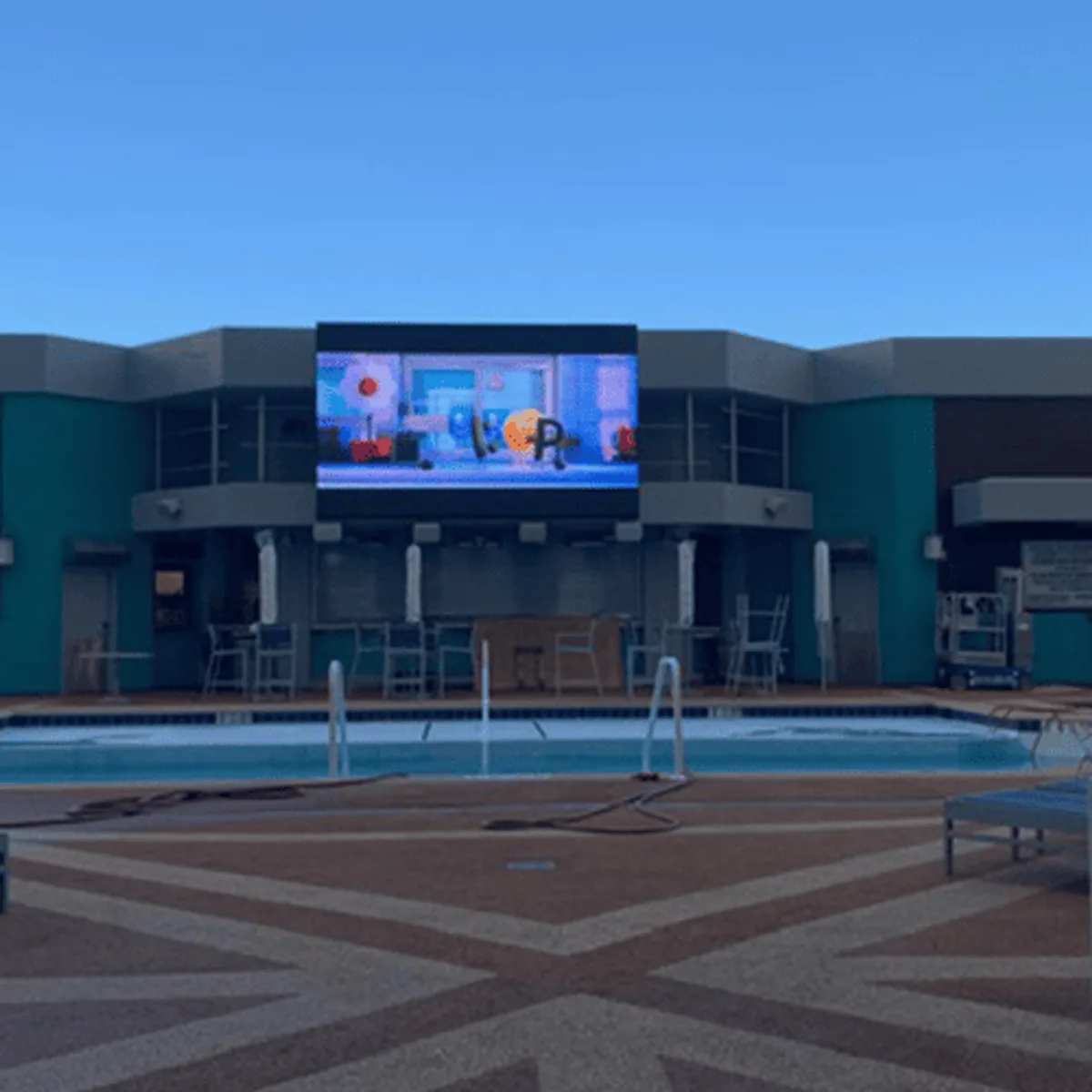
Rooftops sit above guest rooms and residential neighbors, so outdoor zones carry their own limits and a scheduled step down.

Rooftop · limits
Gold Coast
Boutique hotels · Hotel dining

Visible hardware is held to a very high bar, so loudspeakers and displays get planned with the millwork rather than mounted afterward.

Concealed · design-led
South Loop
Hotels · Meeting space

Group business drives these properties, so every configuration a room gets sold in exists as a named, verified preset.

Divisible space · presets
Old Town and Lincoln Park
Boutique hotels · Hotel dining

Homes sit close on every side, so outdoor and terrace zones carry hard limits rather than being left open.

Residential edge · limits
O'Hare and Rosemont
Hotels · Meeting space

Rosemont reviews separately from Chicago, so the approval path gets confirmed with the municipality the property actually sits in.

Separate jurisdiction
Evanston and the North Shore
Hotels · Hotel dining

Trade here is steadier and less peaked, so the design leans on scheduled profiles rather than one big configuration.

Steady trade · scheduled
Oak Brook and Schaumburg
Hotels · Meeting space

Operators out here often run several properties, and one repeatable standard is cheaper to support than four different systems.

Multi-property · standard

How we work

Built for the person actuallyonshift

We do not start with a speaker count. We start by asking who touches the system at eleven at night, because that answer decides how the control layer gets built.

The consult and the site walk

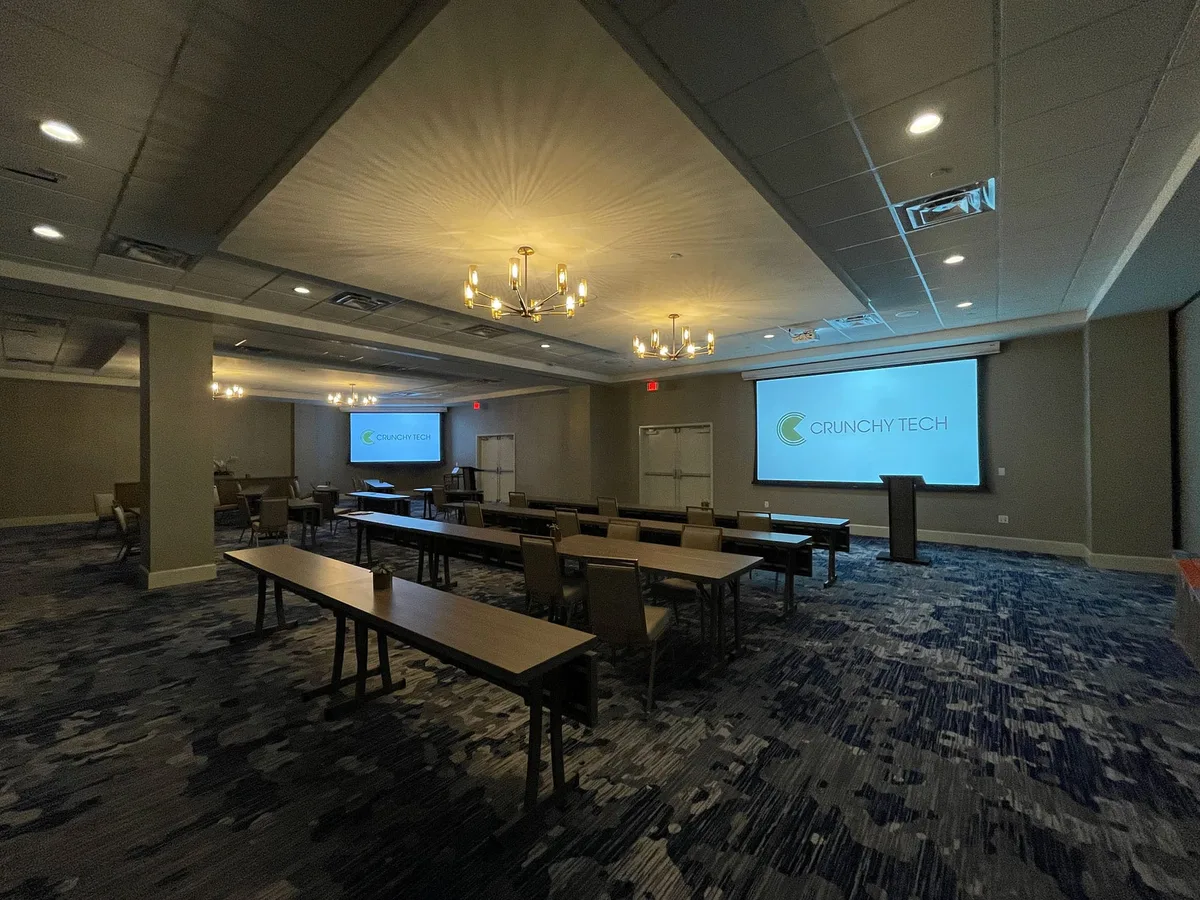
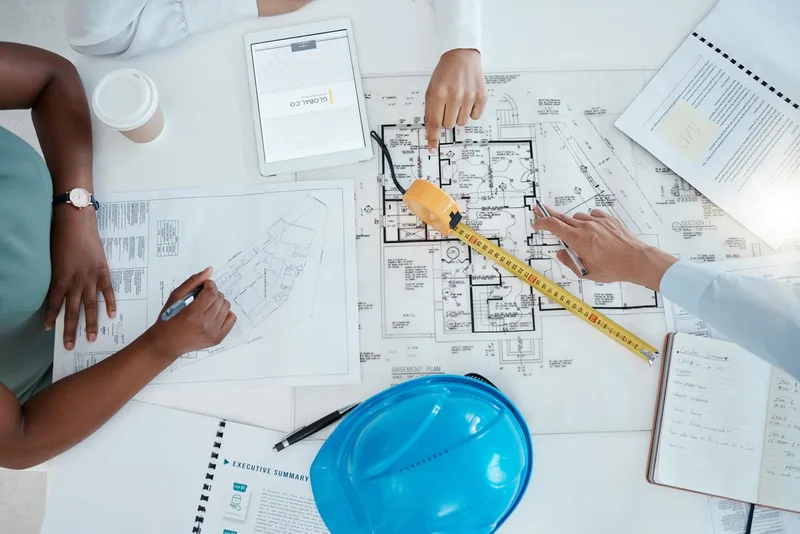
Most disappointing hotel systems were quoted off a floor plan by someone who never watched a night shift try to use them. So we start with a consult rather than a quote: what each space needs to do, how big the property is, what it needs to accomplish, and the budget you are working with. Then we walk it during real occupancy, in the lobby, the outlets, the meeting rooms, and any terrace. In Chicago we also ask your director of engineering what they get called about most, because that list is the honest specification for the control layer.

Built for the person actually on shift — hotel AV in Chicago, IL
InstallBuilt for the person actually on shift
Built for the person actually on shift — hotel AV in Chicago, IL
InstallBuilt for the person actually on shift

Design you can see, then one team on site

The other way these go wrong is that nobody experiences the outcome until it is built, then wants it changed a season later. So you see the design before you commit to equipment, including what the control interface looks like and what each state is called. Control gets programmed around what staff actually do, so dayparts, events, and a terrace opening are named states rather than a training problem. One team handles the install, calibration, staff training, and documentation, and coordinates with your general contractor, electrician, low-voltage trades, licensed fire alarm contractor, and brand or ownership standards where they apply.

What we build

The hotel AV stack aChicagopropertyrunson

A hotel is a set of very different rooms that should behave like one system, operable by anyone on duty. Here is what we design, program, and install.

The hotel AV stack a Chicago property runs on
InstallThe hotel AV stack a Chicago property runs on

Control anyone on shift can use

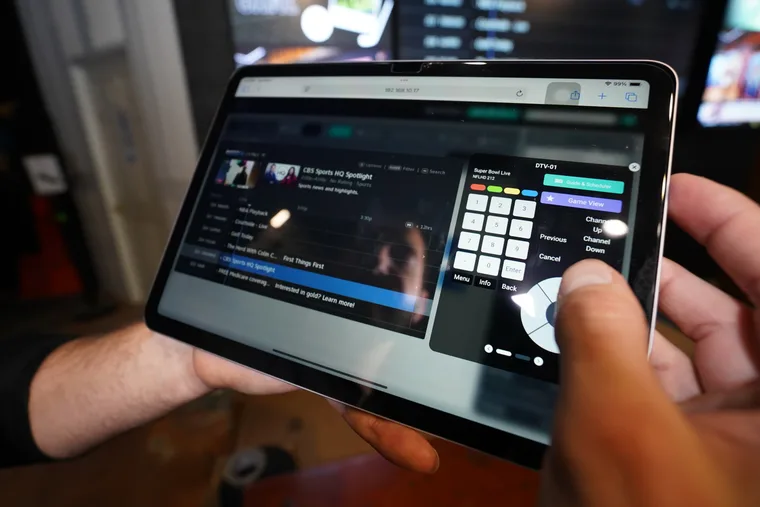
The interface gets built for the person standing there rather than for the person who bought it. A small number of named states covering what actually happens, reachable from the desk, the office, or a tablet depending on the space, with nothing exposed that can put a room in a condition staff cannot get out of. Zone names match what people call the rooms. Calibration, routing, and limits sit behind credentials. Documentation lives in the building. That combination is what turns most faults into a tap and keeps the system from drifting a little every month.

Zoned audio and the guest-facing spaces

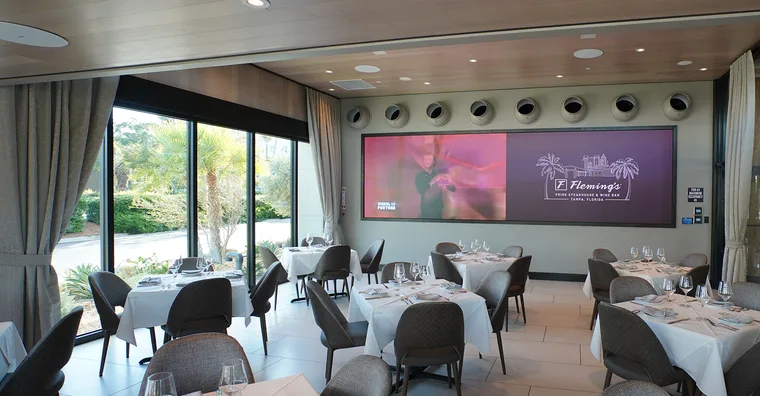
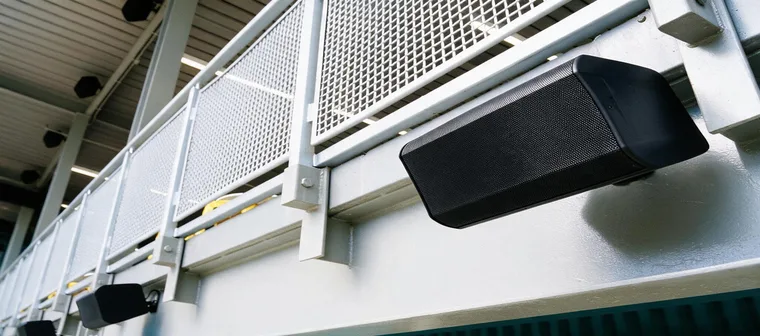
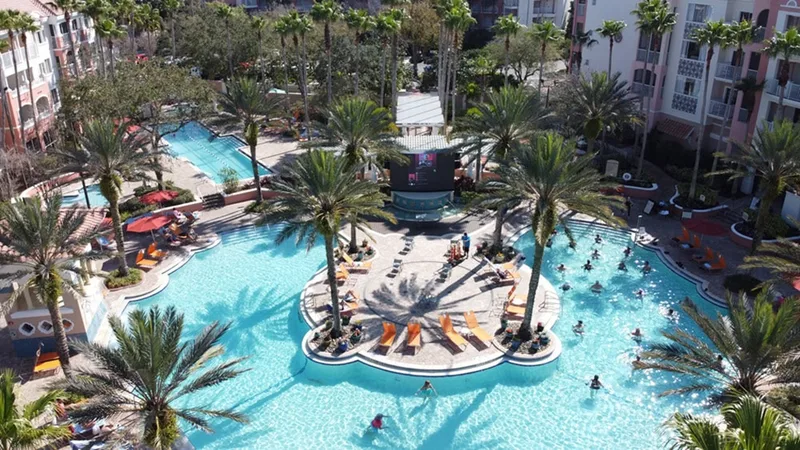
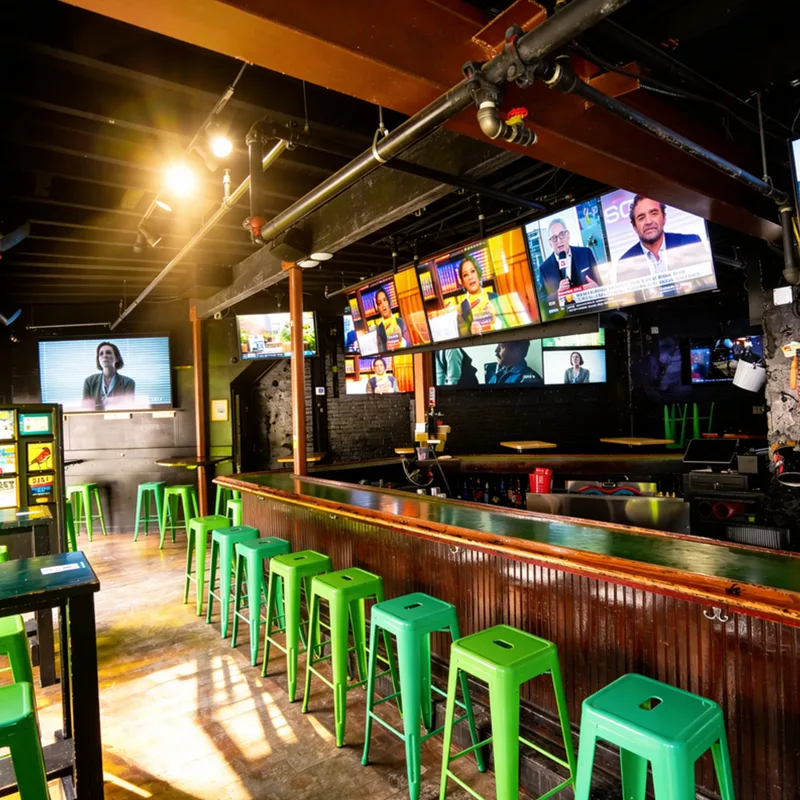
Every guest-facing space becomes its own zone on a shared processor, with its own source, level, and hard limits. The lobby gets even coverage and a scheduled profile rather than one level held all day, which is what stops it being loud on Tuesday and dead on Thursday depending on who was last there. Restaurants and bars each hold their own character. Terraces and rooftops run as their own zones with hardware rated for a real winter rather than pulled inside each October, and they get their own limits given how close neighbors sit.

Signage, meeting space, and the network

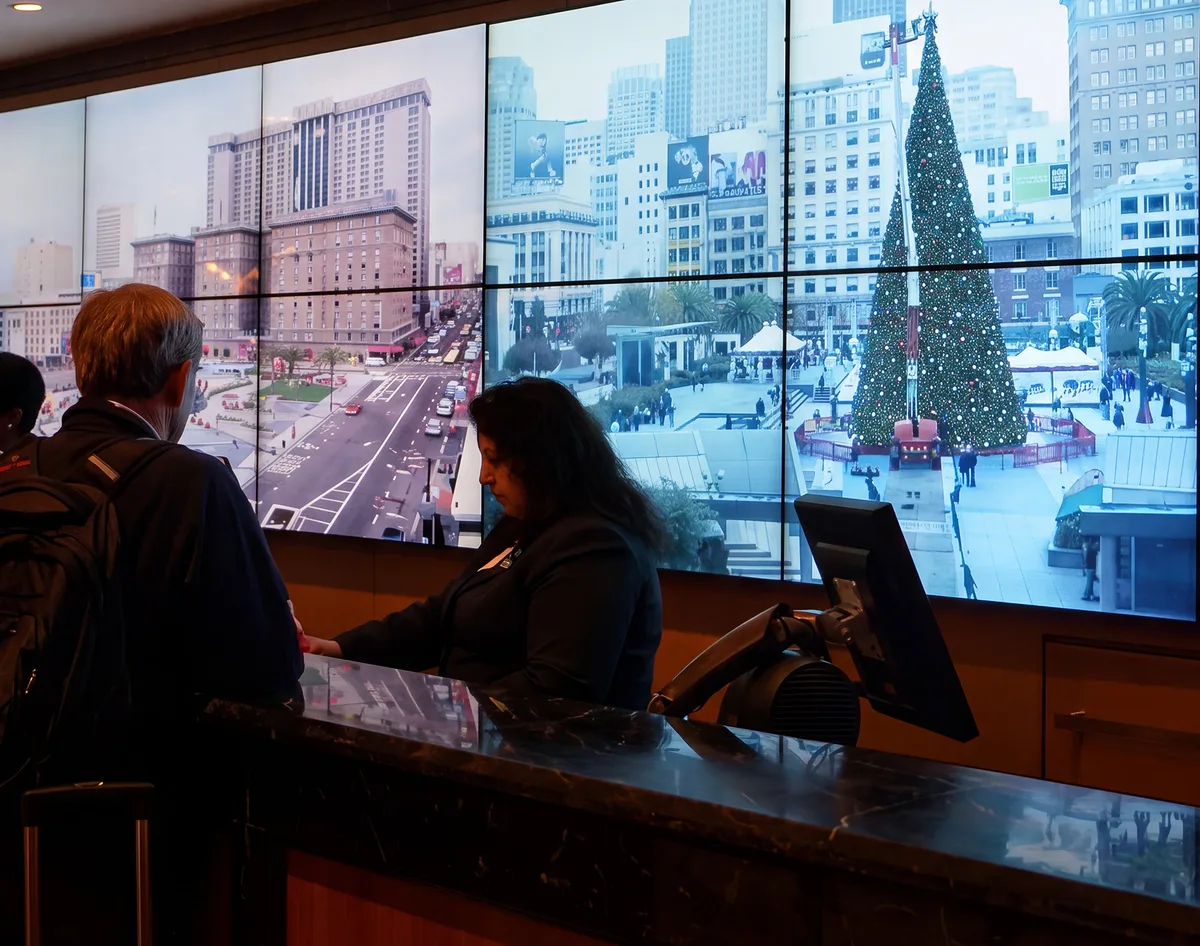
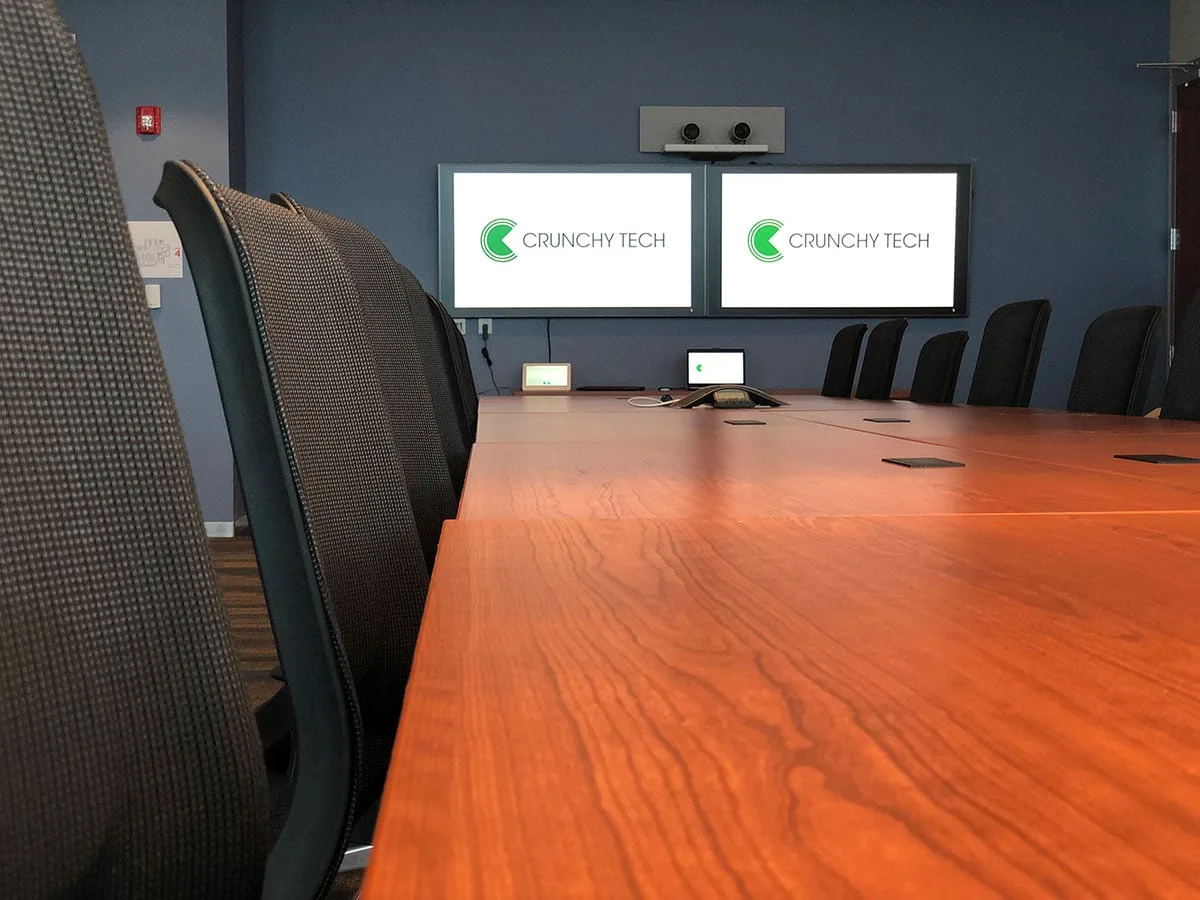
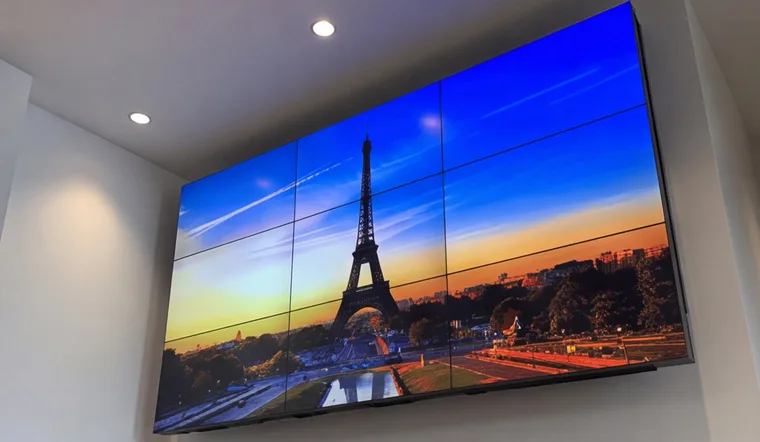
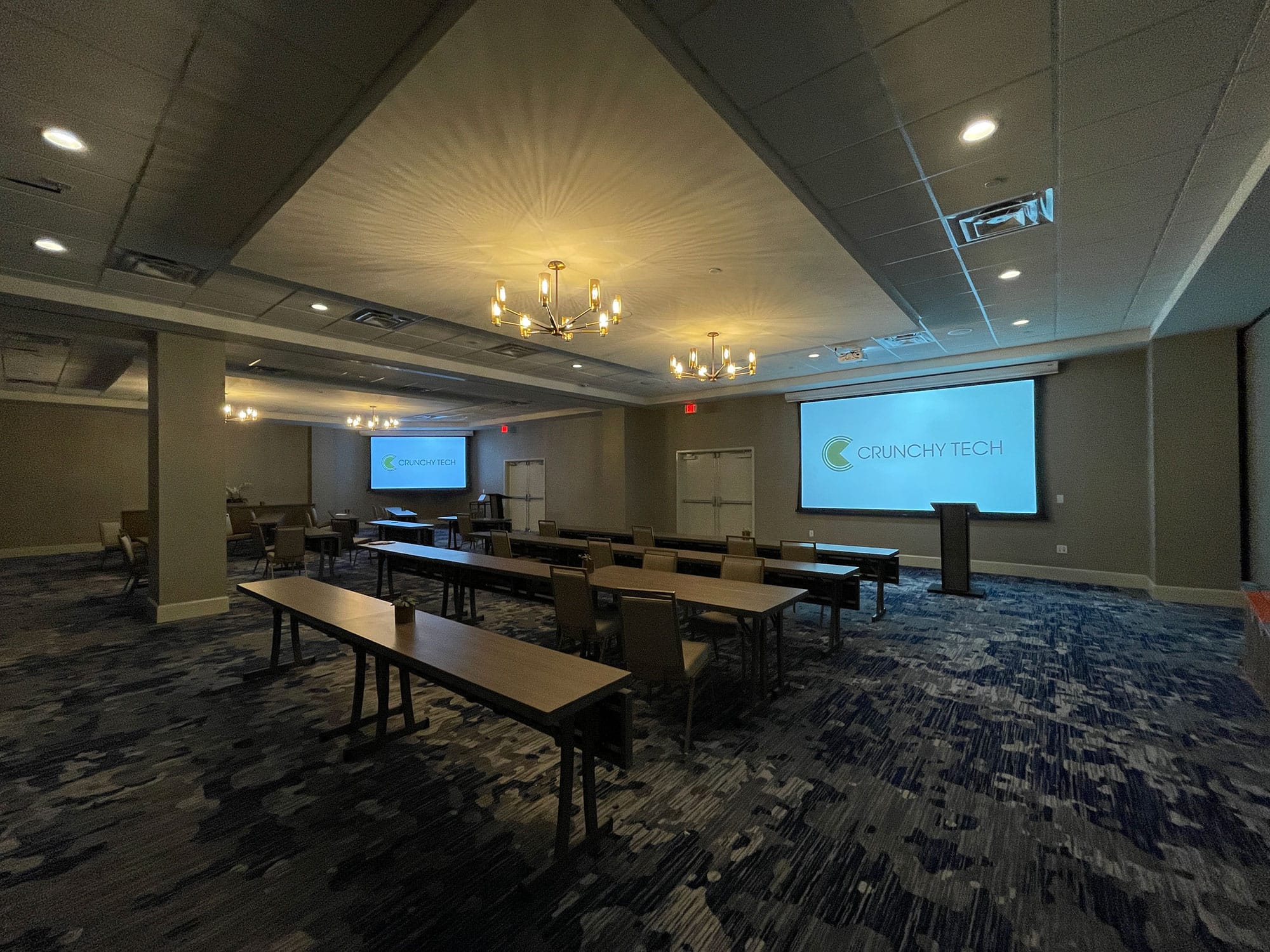
Hotel digital signage runs from one place, with event and meeting boards pulling from the schedule so a room change reaches every screen without anyone opening a file, F&B content moving by daypart, and property messaging pushed everywhere at once. Meeting and conference rooms get named presets per configuration and one documented connection point each. Everything sits on a dedicated AV network rather than sharing bandwidth with property operations, which is also what allows a fault to be diagnosed remotely. In-room AV is not something we do.

Why Chicago hotels and resorts trust us with it

Built for shift changes andoldbuildings

A property is operated by dozens of people across a year, in buildings that make everything harder to install. Here is where our depth shows, and where our scope ends.

The most common fault is a setting

The single most frequent service call in hospitality is not a failure, it is something somebody changed. A source switched and never switched back, a level pushed for an event and left there, a zone muted at close and forgotten. Across three shifts and normal turnover that happens constantly, and every instance is a guest-facing problem until someone notices. Designing it out beats training around it: expose the states staff need, lock everything else, and give them names that make the right choice obvious. It is unglamorous work and it removes more recurring cost than any piece of equipment.

Old buildings, hard winters, and several equipment rooms

Three local realities shape the build. Much of the building stock is old, with masonry, plaster, and protected finishes that restrict where anything can be mounted or routed, so loudspeaker positions and cable paths get planned rather than improvised. Winter is hard on terraces and on the entry, where doors open constantly onto freezing air, so anything exposed gets rated for freeze and thaw. A property also has several equipment rooms rather than one, frequently including a basement, each needing ventilation, protection, and cooling at or below 75 degrees.

Support after opening night

Crunchy Tech started in 2008 as an AV support operation, which is an unusual origin for an integrator and the reason the systems get built the way they do. When you spend years fixing other people's work, you learn exactly where installations cut corners, and most of what you learn is about documentation rather than hardware. That shows up in racks you can actually service: fully enclosed, every cable labeled at both ends, power separated from audio and data. Around 47 percent of support tickets close inside an hour and roughly 72 percent within a day, and that number is mostly a function of how the system was built.

Where we draw the line

In-room AV is not a focus for us, so we work the guest environment outside the room: lobbies, restaurants and bars, terraces and pool decks, meeting space, and signage. We do not install or operate cameras, produce video, or run streaming as a service. We do not staff or operate events. We coordinate with your licensed fire alarm contractor on the emergency interface rather than providing the alarm system, and we work to brand or ownership standards rather than interpreting them for you. We generally do not take install-only work.

What it earns back

How operability stopscostingyou

The expensive part of hotel AV is not the install. It is the hundreds of small moments afterward when the system is not doing what it should.

How operability stops costing you — hotel AV in Chicago, IL
InstallHow operability stops costing you

The faults that stop lasting three days

A silent lobby is not a crisis, which is exactly why it persists. It waits for someone with access, and every guest who passes through in the meantime experiences a property that feels slightly unfinished. Multiply that across a year of small faults and it becomes the difference between a property that feels run and one that feels neglected, which is precisely the founder's point: a hotel that is interconnected and easy to manage is the one guests choose again. On the operations side you get engineering hours back and a system that does not drift.

Good, Better, Best against one design

Most owners price AV like retail: a loudspeaker costs a certain amount, so a property of them should not cost much more. Worth being plain about the gap, because the processing, the amplification, the cabling, and the control take a serious share of the budget before you buy a single box, and operability lives almost entirely in the control layer and the documentation. So we quote Good, Better, and Best against one design, per zone, and we phase it, usually starting with the spaces your engineering team gets called about most. If your budget is short of the property, we would rather value engineer it honestly.

How operability stops costing you — hotel AV in Chicago, IL
InstallHow operability stops costing you

Small AV problems sit for days here. How do we stop that?

By designing the system so the people actually on duty can resolve the common ones, rather than by training harder. The most frequent service call in hospitality is not a failure, it is a setting somebody changed: a source switched and never switched back, a level pushed for an event and left there, a zone muted at close and forgotten. Those should be a tap from where staff stand. So the control layer gets built as a small number of named states covering what really happens, reachable from the desk or a tablet, with zone names matching what people call the rooms rather than circuit numbers. Everything that took a designer to establish sits behind credentials, so a new agent can fix the ordinary things without being able to break the important ones. Documentation stays in the building. Then the faults that genuinely need us can usually be diagnosed remotely before anyone drives.

Our lobby is loud some days and dead others. Why?

The level is being decided by people rather than by design, and people disagree. A lobby that depends on whoever last walked past a control drifts in both directions, too loud after a busy evening and too quiet after a complaint, never quite right. Two things fix it. Coverage first, since a lobby served by a few loudspeakers has hot spots near them and dead zones between, which makes any single setting wrong somewhere in the room. More sources at lower level gives you a space that is even, and an even space can be set once. Then scheduling, so the profile moves through the day on its own, brighter around check-in, calmer late in the evening, without anyone deciding. The settings sit behind credentials so they hold, and staff get a named override for the exceptions rather than access to the master.

Do you handle in-room entertainment?

No. In-room AV has not been a focus for us, and we would rather be direct about that than pretend otherwise. What we do is the guest environment outside the room: lobbies, restaurants and bars, terraces and pool decks, meeting and conference space, and signage. Our founder's view is that the biggest thing missing in almost every hotel is not equipment but a system that is used properly, interconnected and easy to manage, with background audio controlled by zone and signage that adapts rather than sitting static. Most properties already have AV. Far fewer have AV anyone on shift can run, and that gap is what we work on. If in-room is your priority, you want a specialist in that.

Can our terrace stay wired through the winter?

It should, and that is a specification question rather than a seasonal chore. Outdoor terminations get gasketed and rated to sit sealed through months of freezing weather and be live again in spring, so opening the terrace is not an annual installation. Loudspeakers and any display that stay outside get rated for repeated freeze and thaw rather than for the summer they went in, because the cycle is what fails hardware here rather than the cold itself. What genuinely has to come inside should be a short list, documented so the same person can put it back without calling anyone. The other half is the neighbors, since a rooftop or terrace sits above guest rooms and frequently beside residences, so the zone carries hard limits and a scheduled step down later in the evening.

What We Do Here

Services available in Chicago

Every system is designed, installed, and supported by our own team in Chicago — never subcontracted.

Get a Chicago Quote arrow_forward
AV Consulting01 / CHICAGO

AV Consulting

AV consulting from an audio visual consultant who joins at the architectural phase, designs the technology into the plan and steers the project around your business outcome.

AV Consulting in Chicagoarrow_forward
tv02 / CHICAGO

Video Wall Solutions

Commercial video walls across LED, LCD and Direct View. Designed, integrated, installed and supported by a national design-build AV integrator.

Video Wall Solutions in Chicagoarrow_forward
Commercial Sound Systems03 / CHICAGO

Commercial Sound Systems

Commercial sound system design and installation: multi-zone audio engineered around how your space is used, wired and tuned on site, and supported as a partner.

Commercial Sound Systems in Chicagoarrow_forward
add_ad04 / CHICAGO

Digital Signage Services

Design-build digital signage for hospitality and enterprise: commercial displays, content management, and installation that keeps your screens selling and current.

Digital Signage Services in Chicagoarrow_forward
settings_remote05 / CHICAGO

AV Control Systems

Design-build AV control systems: one iPad, wall panel, or browser runs every display, audio zone, lighting scene, and source in the room. Programmed and supported in-house.

AV Control Systems in Chicagoarrow_forward
bolt06 / CHICAGO

AV Programming

AV programming that starts with the right design: a vetted, interconnectable stack unified into one control system, so the whole room runs from one simple interface.

AV Programming in Chicagoarrow_forward
hangout_video07 / CHICAGO

Conference Room AV

Conference room AV designed around the people using the room: video conferencing, Zoom and Teams Rooms, displays, and audio, installed and supported as a partner.

Conference Room AV in Chicagoarrow_forward
Related Solution

Learn more about our AV for Hotels solutions

View AV for Hotels
What clients say

Operators who run on our systems

Client successes drive Crunchy Tech to become better. Below is how our customers feel about us.

Just do it. Spend the money. It’s well worth it. It’s not worth your time, hassle, energy, and stress of trying to make it look right and do it right when there’s somebody who has been doing it for years and has perfected the craft.

Matt Moore logo
Matt Moore
IT Systems Administrator · Capone's Hideout

You're a great partner with Florida Hospital and this project will make a difference in Children's Health.

Des Cummings logo
Des Cummings
Vice President of Florida Hospital · Florida Hospital

Working with Crunchy Tech was a fantastic experience from start to finish. They handled the sale and installation of all our sound and TV equipment at The County Bar in Aviston, IL, and absolutely nailed it. We were on a very tight deadline, and they not only met it—they delivered top-notch quality and service the entire way. Highly professional, responsive, and easy to work with. We couldn't be happier with the results.

Clint Flowers logo
Clint Flowers
Owner · The County Bar

Crunchy's AV Services are outstanding. Staff members are experts, who really extend themselves to find the right technology for helping us reach our marketing goals in creative ways. The best thing about working with Crunchy is collaborating with the staff – they are patient, responsive, knowledgeable, and available.

Shannon McHale logo
Shannon McHale
Marketing Specialist · IGT

Crunchy has been great to work with. They communicate well and deliver as promised.

Brian Dornbush logo
Brian Dornbush
Facilities & Operations Manager · Orange County Library System

The work Crunchy has been doing is a game changer for this industry.

Steven Fandozzi logo
Steven Fandozzi
VP of Information Technology · Foundation Partners

Being able to reuse the existing structure created a much lower cost for the client and they were ecstatic.

Seminole State College logo
Seminole State College
Facilities · Seminole State College

Crunchy has done an amazing job on our A/V install. The sound is perfectly balanced throughout our many zones and the entire system is super simple to use.
Steve Glum logo
Steve Glum
Chief Marketing Officer · Ace Cafe
Talk to a Chicago hotel AV designer

Let's make it fixable bywhoeverisonshift

Tell us about the property: where it is, how many guest-facing spaces you run, what your engineering team gets called about most, who touches the system overnight, whether you have a terrace or rooftop, how many systems and vendors you are living with, and whether brand standards apply. We will start with a consult to understand what you are trying to accomplish, then walk the property during real occupancy, and come back with one engineered recommendation instead of a parts list.

  • A small set of named states covering what staff actually do, reachable from where they stand.
  • Zone names that match what people call the rooms rather than circuit numbers.
  • Everything a designer set held behind credentials, so nothing important can be undone overnight.
  • Documentation that stays in the building, and remote diagnosis for what is left.