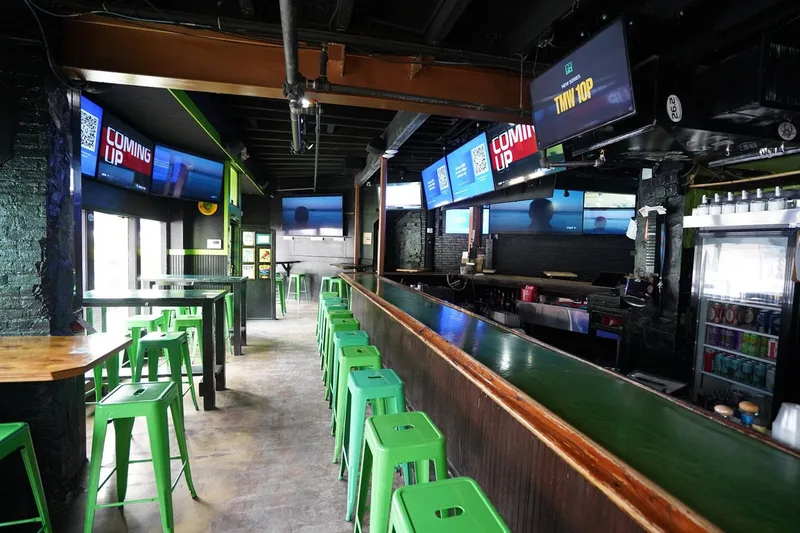
Nightclub AV in Fort Lauderdale
location_on Fort Lauderdale, FL

Nightclub AV in FortLauderdale

Nightclub sound systems and lighting designed so the emergency interface works first, and commissioned alongside your licensed fire alarm contractor rather than assumed.

When the alarm goes off, thealarmhastowin

A club is the hardest room in hospitality to make an announcement in. It is loud on purpose, dark on purpose, and full of people facing away from the exits. So the one moment the audio system absolutely has to work is the moment nobody plans for. What we find in rooms built without that in mind is a system that keeps playing while an alarm sounds somewhere underneath it, or one that a manager has to mute by hand from a booth they may not be standing in, in a room where nobody can hear them being told to.

That behavior belongs in the design, not in a procedure. The AV system gets wired to accept a signal from the building's fire alarm, so on activation the program audio mutes and the emergency announcement is what people hear, without anyone deciding anything. Lighting states can be brought up in the same moment so the room becomes legible instead of dark. Then it gets commissioned and tested with your licensed fire alarm contractor rather than assumed to work. To be exact about who does what: they provide and certify the alarm system, we build the AV side that obeys it.

When the alarm goes off, the alarm has to win
Install When the alarm goes off, the alarm has to win Fort Lauderdale, FL

Nightclub AV AcrossBrowardCounty

From Las Olas and Himmarshee to the beach, Wilton Manors, and Hollywood, we design and install nightclub sound systems, lighting, and booth infrastructure.

2008
Serving Fort Lauderdale since
10
Neighborhoods
Himmarshee and Downtown
Nightclubs · Bars

Rooms here run at capacity well past midnight, so coverage has to carry an announcement to every corner rather than only near a speaker.

High occupancy · intelligibility
Las Olas Boulevard
Lounges · Bars

Outdoor frontage sits outside the building envelope, so it gets its own zone and hardware specified for weather rather than an indoor speaker moved outdoors.

Frontage · own zone
Flagler Village
Nightclubs · Lounges

New buildings mean conduit, structural mounting, and the alarm interface can be designed in during construction rather than retrofitted.

New build · design-in
Fort Lauderdale Beach
Beach clubs · Lounges

Rooms that open to the ocean sit in constant salt, so exposed hardware gets marine-grade selection down to the fasteners.

Beachfront · marine-grade
Wilton Manors
Nightclubs · Bars

These rooms move between dining, entertainment, and club hours in one night, so the control layer switches states without a reconfiguration.

Mixed programming
Oakland Park
Music venues · Bars

Rooms that host live acts need real headroom and a clean separation between the house system and whatever gets brought in.

Live-capable · separation
Pompano Beach
Beach clubs · Bars

Waterfront decks take direct spray, so mounting hardware and cable get selected to survive it rather than replaced every other season.

Waterfront · corrosion
Hollywood and the Broadwalk
Nightclubs · Beach bars

Crowds here are largely first-time visitors who do not know the building, which puts real weight on how legible the room is in an emergency.

Visitor crowd · legibility
Dania Beach
Bars · Event venues

These sit under their own municipal review, so the approval path gets confirmed locally rather than carried over from a Fort Lauderdale address.

Separate jurisdiction
Plantation and Sunrise
Event venues · Bars

Operators out here often run several rooms, and one repeatable standard is cheaper to support than four different systems.

Multi-venue · standard

How we work

The emergency interface designedinfromthestart

We do not start with a speaker count. We start with what the room has to do on the worst night it will ever have, then design the good nights around that.

The consult and the site walk

Most disappointing club systems were quoted off a floor plan by someone who never stood in the room at one in the morning. So we start with a consult rather than a quote: what you want the room to feel like, how big it is, what it needs to do, and the budget you are working with. Then we walk it during a real night, listening on the floor, at the bar, in the lounge, and standing in the booth. In Fort Lauderdale we also ask who your alarm contractor is and what the current interface does, because in most rooms we walk the honest answer is that nobody has tested it.

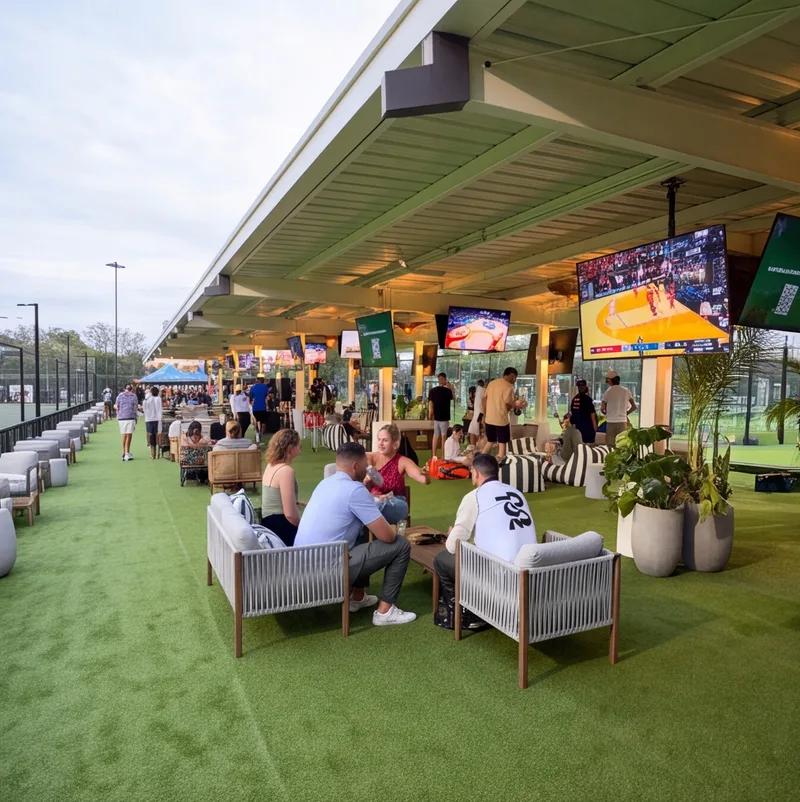
The emergency interface designed in from the start — nightclub AV in Fort Lauderdale, FL
InstallThe emergency interface designed in from the start
The emergency interface designed in from the start — nightclub AV in Fort Lauderdale, FL
InstallThe emergency interface designed in from the start

Design you can see, then one team on site

The other way these go wrong is that nobody experiences the outcome until it is built, then wants it changed a season later. So you see the design before you commit to equipment, including how the system behaves on alarm and where every loudspeaker lands. Control gets programmed around the nights you actually run, so a peak Saturday, a slower midweek, and a private buyout are states rather than an argument. One team handles the install, calibration, staff training, and documentation, and coordinates with your general contractor, electrician, low-voltage trades, and your licensed fire alarm contractor.

What we build

The nightclub AV stack aBrowardroomrunson

A club is a handful of systems that have to behave like one instrument, including on the night nobody wants. Here is what we design, program, and install.

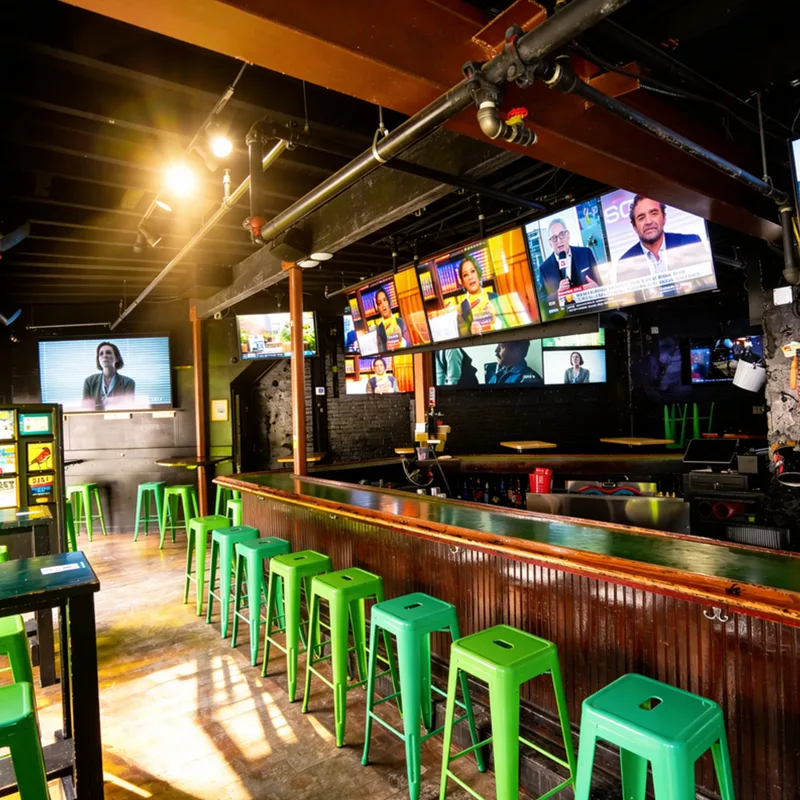
The nightclub AV stack a Broward room runs on — nightclub AV in Fort Lauderdale, FL
InstallThe nightclub AV stack a Broward room runs on

Nightclub sound systems and the alarm interface

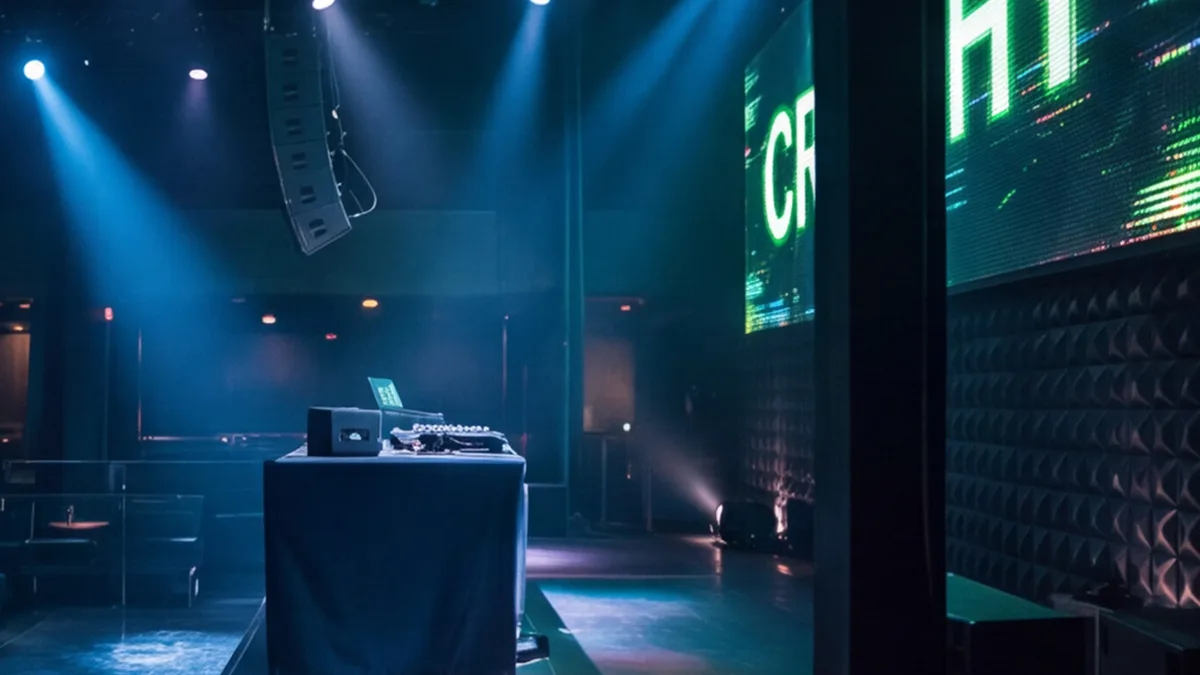
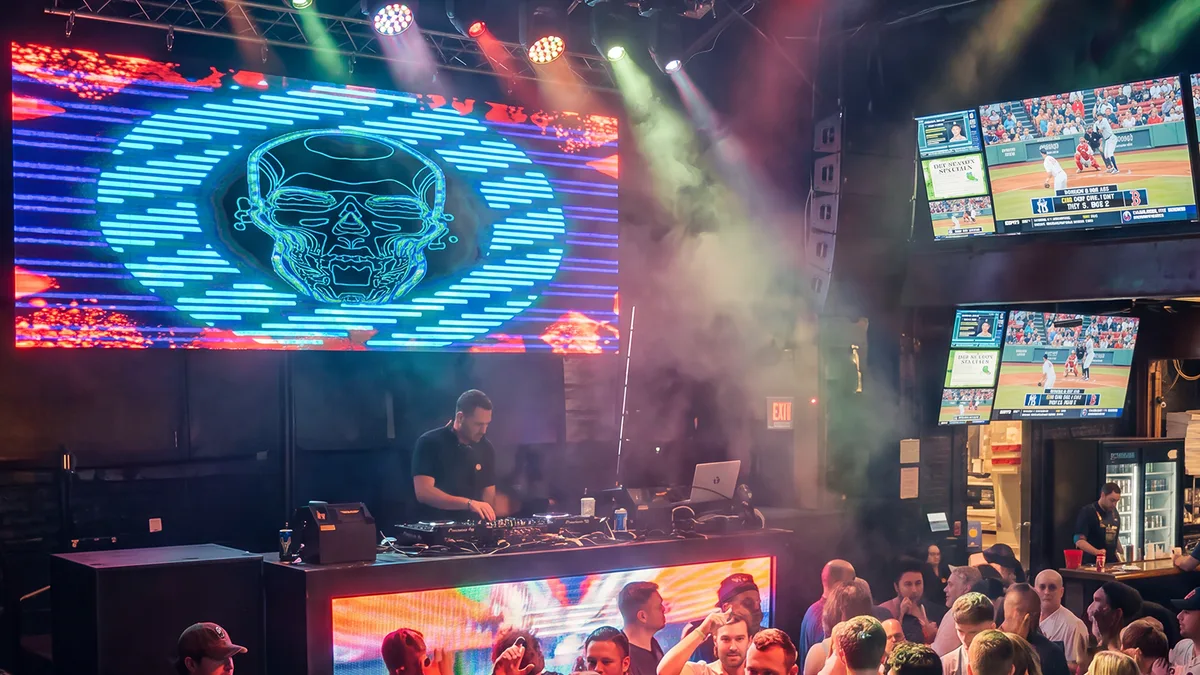
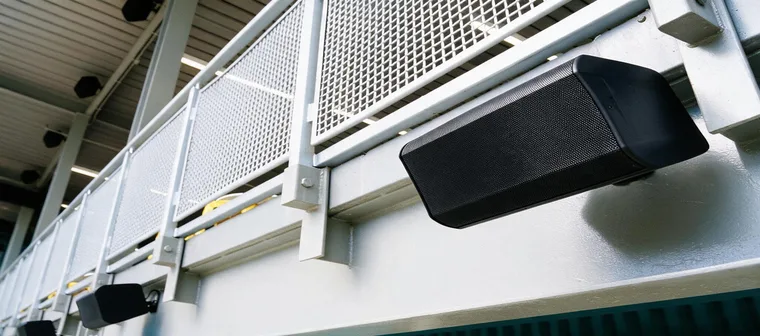
The system gets sized for the loudest hour and then held below it, because a rig running at its limit sounds harsh, distorts on peaks, and cooks drivers. Coverage on the floor comes from enough sources that nobody stands in a hole or directly under a horn, which also means an announcement reaches everyone rather than only the people near a speaker. The emergency interface is wired so program audio mutes on alarm activation and the announcement passes through, with the behavior commissioned and tested alongside your alarm contractor rather than left as a setting somebody believes is enabled.

Lighting, LED, and the visual layer

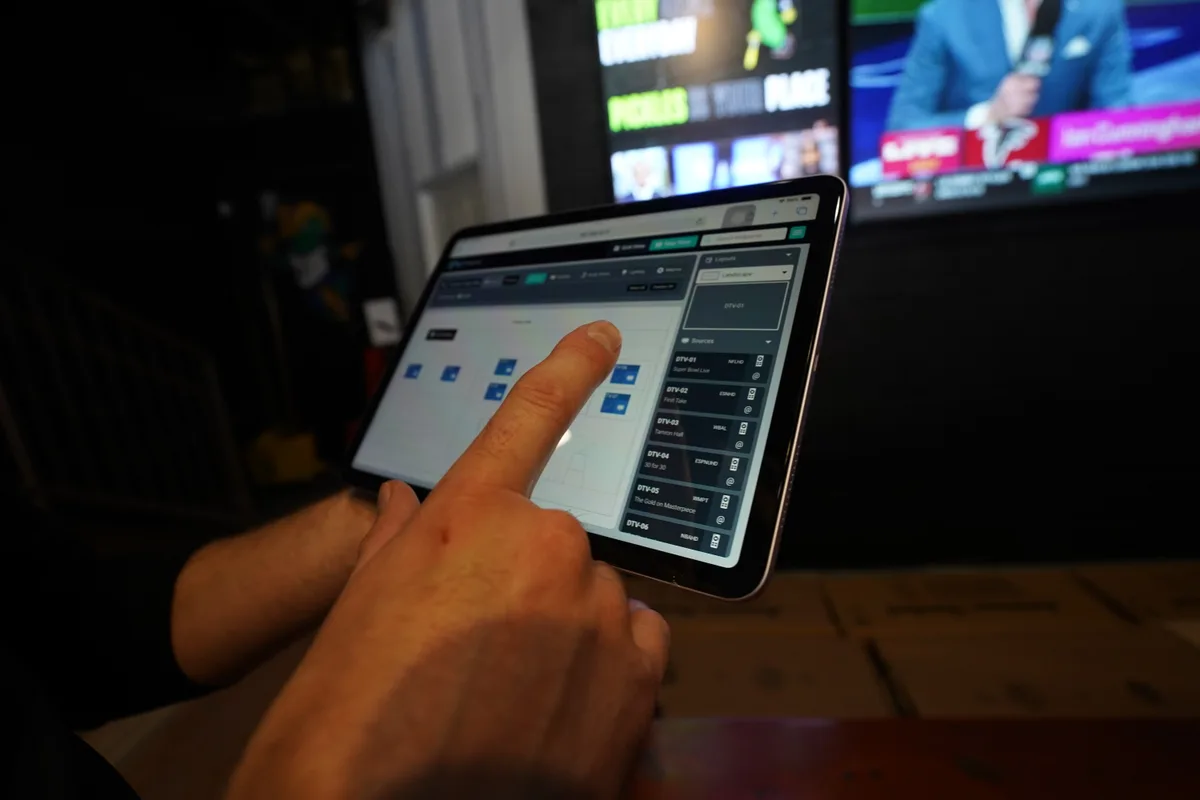
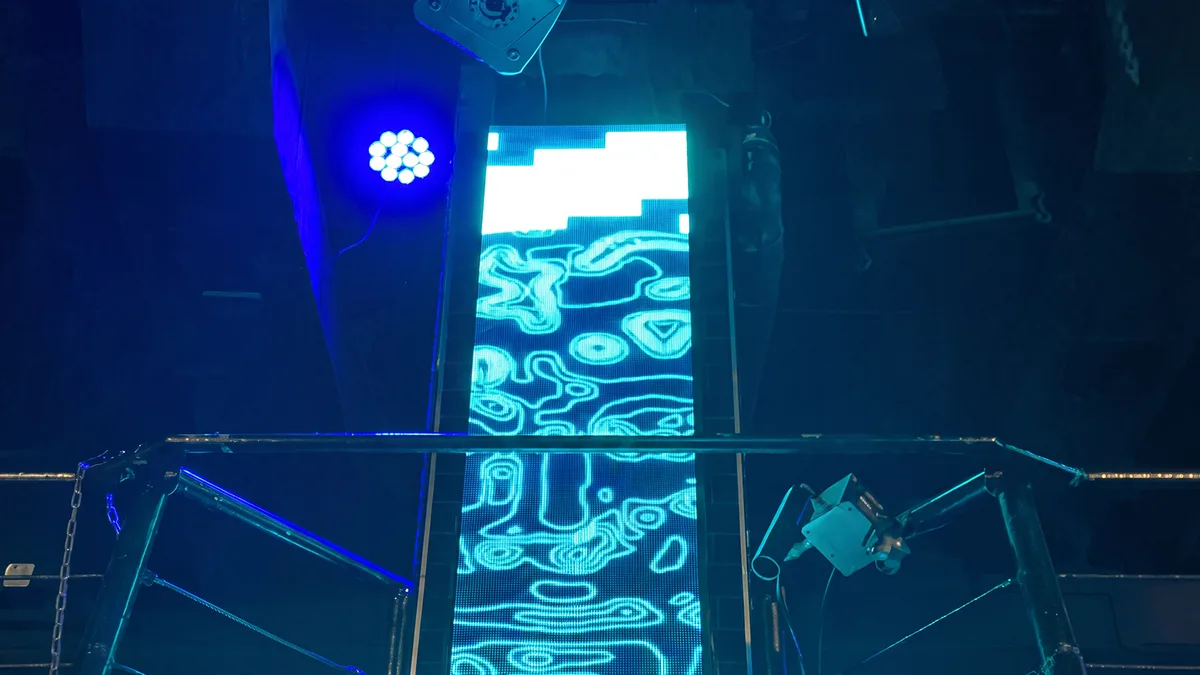
Lighting is what a phone camera actually records, so it gets designed alongside the audio rather than added by a different vendor with a different control system. Fixtures get selected and positioned for the room's geometry and the looks the concept needs, wired and addressed properly, and brought into one control layer so lighting, video, and audio states change together. That single control layer is also what lets an alarm state raise house lighting in the same instant the music stops, so the room becomes legible rather than dark. LED walls get sized off real viewing distance and mounted to structure that can carry them.

Booth, zoning, and control

The floor, the bar, the lounge, the entry, and any outdoor area each get their own zone with their own level and hard limits held in the processor, so the settings that make the room work cannot be undone at two in the morning. The booth gets a documented tie-in panel with labeled, tested inputs, its own monitor path, and limits that protect the room regardless of who is behind the decks. Everything lives in one enclosed, labeled rack in a conditioned space, on a dedicated AV network rather than sharing bandwidth with your point of sale.

Why Broward clubs trust us with it

Built for the worst night andthesaltair

The interface that matters most is the one nobody exercises, and this climate works on everything else. Here is where our depth shows, and where our scope ends.

An announcement people can actually hear

Intelligibility in a club is a coverage problem rather than a volume problem. In a room where a handful of loudspeakers do all the work, there are places on the floor where a voice announcement arrives late, smeared, and competing with reflections, and shouting it louder makes it worse. Even coverage from enough sources means speech reaches people clearly wherever they are standing. That is a design outcome, and it is one of the quieter arguments for building the system properly rather than to the minimum that produces enough volume on a Saturday.

Salt, storms, and the equipment room

Three coastal realities shape the build. Salt air corrodes anything unprotected, so terraces, patios, and open frontages get marine-grade selection down to the fasteners and the cable. Storm season puts surges and brief outages on the grid all summer, so the rack gets real surge protection and conditioning rather than a power strip. Hurricane exposure and flooding history make rack placement a design decision: raised, inside the conditioned envelope, on protected circuits, kept at or below 75 degrees, since a club works its amplification harder than any other hospitality room.

Support after opening night

Crunchy Tech started in 2008 as an AV support operation, which is an unusual origin for an integrator and the reason the systems get built the way they do. When you spend years fixing other people's work, you learn exactly where installations cut corners. That shows up in a rack you can actually service: fully enclosed, every cable labeled at both ends, power separated from audio and data. We have opened racks that looked fifteen years old after three months in an uncooled closet, with dust caked on every surface. Around 47 percent of support tickets close inside an hour and roughly 72 percent within a day.

Where we draw the line

We are not your fire alarm contractor. We do not provide, certify, or inspect alarm systems, and we do not determine what your jurisdiction requires. We design and install the AV side, wire it to obey the alarm, and commission that behavior together with the licensed contractor who does own it. Beyond that: we do not book or program talent, staff your booth, or run shows, and we do not install cameras, produce video, or run streaming as a service. We also generally do not take install-only work.

What it earns back

How doing it properly protectsthebusiness

Most of what a club spends on AV buys better nights. This part buys the ability to keep having them.

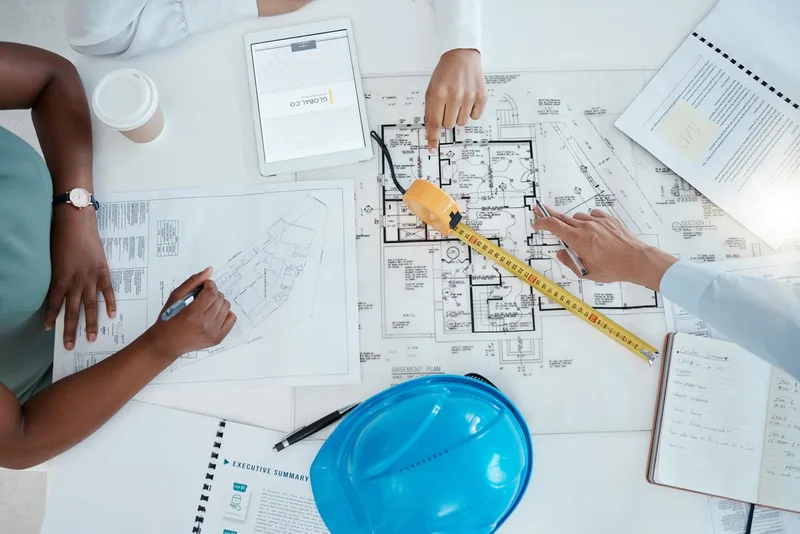
How doing it properly protects the business — nightclub AV in Fort Lauderdale, FL
InstallHow doing it properly protects the business

The night you never have to explain

An emergency in a packed room is judged afterward on what the building did, and a system that kept playing over an alarm is not a defensible answer to anyone: an inspector, an insurer, or a family. Getting the interface designed, commissioned, and tested is inexpensive compared with the exposure, and it is the kind of thing that only ever looks like money well spent in hindsight. The same coverage that makes an announcement intelligible is also what makes the room sound good on an ordinary Saturday, so the spend is not sitting idle waiting for an event that may never come.

Good, Better, Best against one design

Most owners price AV like retail: a loudspeaker costs a certain amount, so a room of them should not cost much more. Worth being plain about the gap, because the processing, the amplification, the cabling, and the control take a serious share of the budget before you buy a single box, and the emergency interface lives in exactly those components. So we quote Good, Better, and Best against one design, per zone. Good is a real recommendation, not a strawman: even floor coverage, a documented booth, zoned bar and lounge, protected limits, and a tested alarm interface. If your budget is short of the room, we would rather value engineer it honestly.

How doing it properly protects the business — nightclub AV in Fort Lauderdale, FL
InstallHow doing it properly protects the business

What actually happens to our system when the fire alarm activates?

It should stop and get out of the way, automatically. The AV system is wired to accept a signal from the building's fire alarm, and on activation the program audio mutes so the emergency announcement is what people hear, with no one needing to find a control or make a decision in a loud, dark, crowded room. Where the lighting is on the same control layer, house lighting can come up in the same instant, which makes the room legible rather than dark at the moment that matters most. The part people skip is proving it. We commission that behavior together with your licensed fire alarm contractor and test it, rather than leaving it as a setting somebody believes is enabled. To be exact about scope: your alarm contractor provides, certifies, and inspects the alarm system and your jurisdiction determines what is required.

Can anyone actually hear an announcement in a packed club?

They can if the system was built for coverage rather than for output, and that is the honest connection between everyday sound quality and emergency performance. In a room where a few loudspeakers do all the work, there are positions on the floor where a voice announcement arrives late, smeared by reflections, and fighting the room, and turning it up makes it less intelligible rather than more. A system with enough sources spread properly puts clear speech at every position at a sensible level. The same design decision is what makes music sound good at the back of the floor on an ordinary Saturday, so it is not a cost that sits idle. Where a room's shape or surfaces make intelligibility genuinely difficult, we will say so and tell you what an acoustician would need to look at, since that part is their trade rather than ours.

Our current system was installed years ago. How do we know the interface works?

Test it, and be prepared for the answer. In a large share of the rooms we walk, nobody can say with confidence what the AV system does on alarm activation, and in a meaningful number of them the honest answer turns out to be nothing at all, either because the interface was never wired, or because equipment was replaced later and the connection was not carried across. That second case is common, since an amplifier or processor swap five years after opening rarely comes with anyone checking a behavior nobody documented. So the first step is a walk-through with your alarm contractor to establish what exists, then a test. If the interface is missing, adding it to an otherwise sound system is usually straightforward. If the system is being replaced anyway, it gets designed in from the start and commissioned as part of handover.

Do you do the lighting as well, or do we need a second vendor?

We do it, and on this page there is a specific reason it matters. Lighting is what a phone camera records and what the room is judged on afterward, so it belongs in the same design conversation as the audio rather than being added later by someone with a separate control system. Beyond the aesthetics, one control layer is what allows an alarm state to raise house lighting at the same instant the music mutes, which two disconnected systems cannot reliably do. We select and position fixtures for the room's geometry, wire and address them properly, and bring lighting, video, and audio together. What we build is the permanent installed system and its programming. We do not run shows, book or program talent, or staff your booth.

Related Solution

Learn more about our Nightclub AV solutions

View Nightclub AV
What clients say

Operators who run on our systems

Client successes drive Crunchy Tech to become better. Below is how our customers feel about us.

Just do it. Spend the money. It’s well worth it. It’s not worth your time, hassle, energy, and stress of trying to make it look right and do it right when there’s somebody who has been doing it for years and has perfected the craft.

Matt Moore logo
Matt Moore
IT Systems Administrator · Capone's Hideout

You're a great partner with Florida Hospital and this project will make a difference in Children's Health.

Des Cummings logo
Des Cummings
Vice President of Florida Hospital · Florida Hospital

Working with Crunchy Tech was a fantastic experience from start to finish. They handled the sale and installation of all our sound and TV equipment at The County Bar in Aviston, IL, and absolutely nailed it. We were on a very tight deadline, and they not only met it—they delivered top-notch quality and service the entire way. Highly professional, responsive, and easy to work with. We couldn't be happier with the results.

Clint Flowers logo
Clint Flowers
Owner · The County Bar

Crunchy's AV Services are outstanding. Staff members are experts, who really extend themselves to find the right technology for helping us reach our marketing goals in creative ways. The best thing about working with Crunchy is collaborating with the staff – they are patient, responsive, knowledgeable, and available.

Shannon McHale logo
Shannon McHale
Marketing Specialist · IGT

Crunchy has been great to work with. They communicate well and deliver as promised.

Brian Dornbush logo
Brian Dornbush
Facilities & Operations Manager · Orange County Library System

The work Crunchy has been doing is a game changer for this industry.

Steven Fandozzi logo
Steven Fandozzi
VP of Information Technology · Foundation Partners

Being able to reuse the existing structure created a much lower cost for the client and they were ecstatic.

Seminole State College logo
Seminole State College
Facilities · Seminole State College

Crunchy has done an amazing job on our A/V install. The sound is perfectly balanced throughout our many zones and the entire system is super simple to use.
Steve Glum logo
Steve Glum
Chief Marketing Officer · Ace Cafe
Talk to a Fort Lauderdale nightclub AV designer

Let's make sure the room worksontheworstnight

Tell us about the venue: the neighborhood, the capacity, who your fire alarm contractor is, whether anyone has tested what the AV does on activation, how much of the space is outdoors, and what fails on you most often. We will start with a consult to understand what you are trying to accomplish, then walk the room during a real night, and come back with one engineered recommendation instead of a parts list.

  • Program audio that mutes on alarm activation automatically, with no one deciding anything.
  • House lighting able to come up in the same instant, because it is on the same control layer.
  • The behavior commissioned and tested with your licensed alarm contractor rather than assumed.
  • Coverage built so speech is intelligible everywhere, which is also why the music sounds right.