
Twenty 75-inch TVs from a big-box store cost about $20,000. So when a sports bar owner sees a quote three times that for "the same 20 TVs," the first question is a fair one: what's the rest of the money for? The short answer is everything that makes those 20 screens behave like one system on a packed Saturday. The rest of this guide is the long answer, with real price ranges from our own sports bar projects.
The ranges below come from full sports bar AV systems we've designed and installed. That means the whole audiovisual setup: TVs and video walls, distribution in the rack, zoned sound, low voltage lighting and the control panel your staff runs. We'll cover what drives the price, what late planning costs and how the system earns its money back.
SEE ALSO: Sports Bar AV Systems
How much does a sports bar AV system cost?
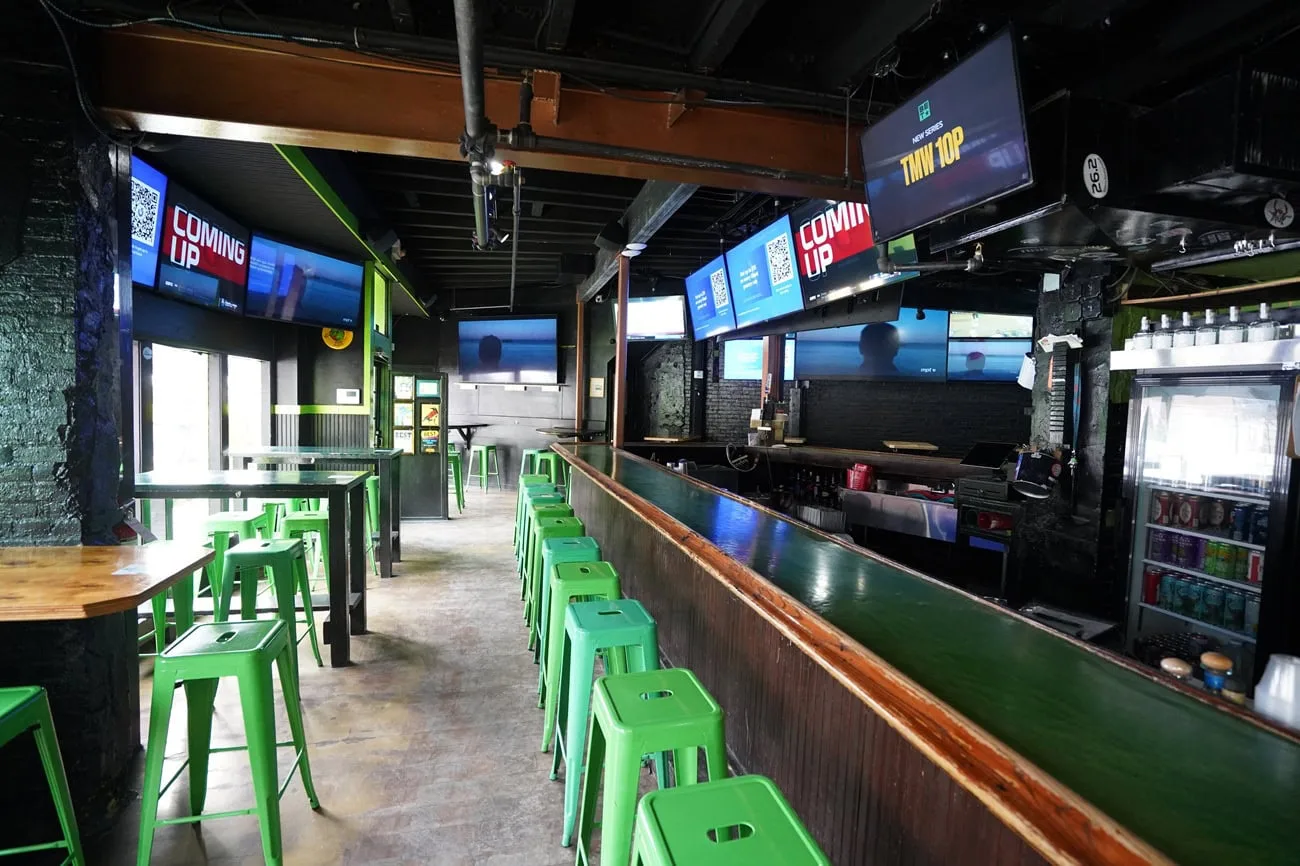
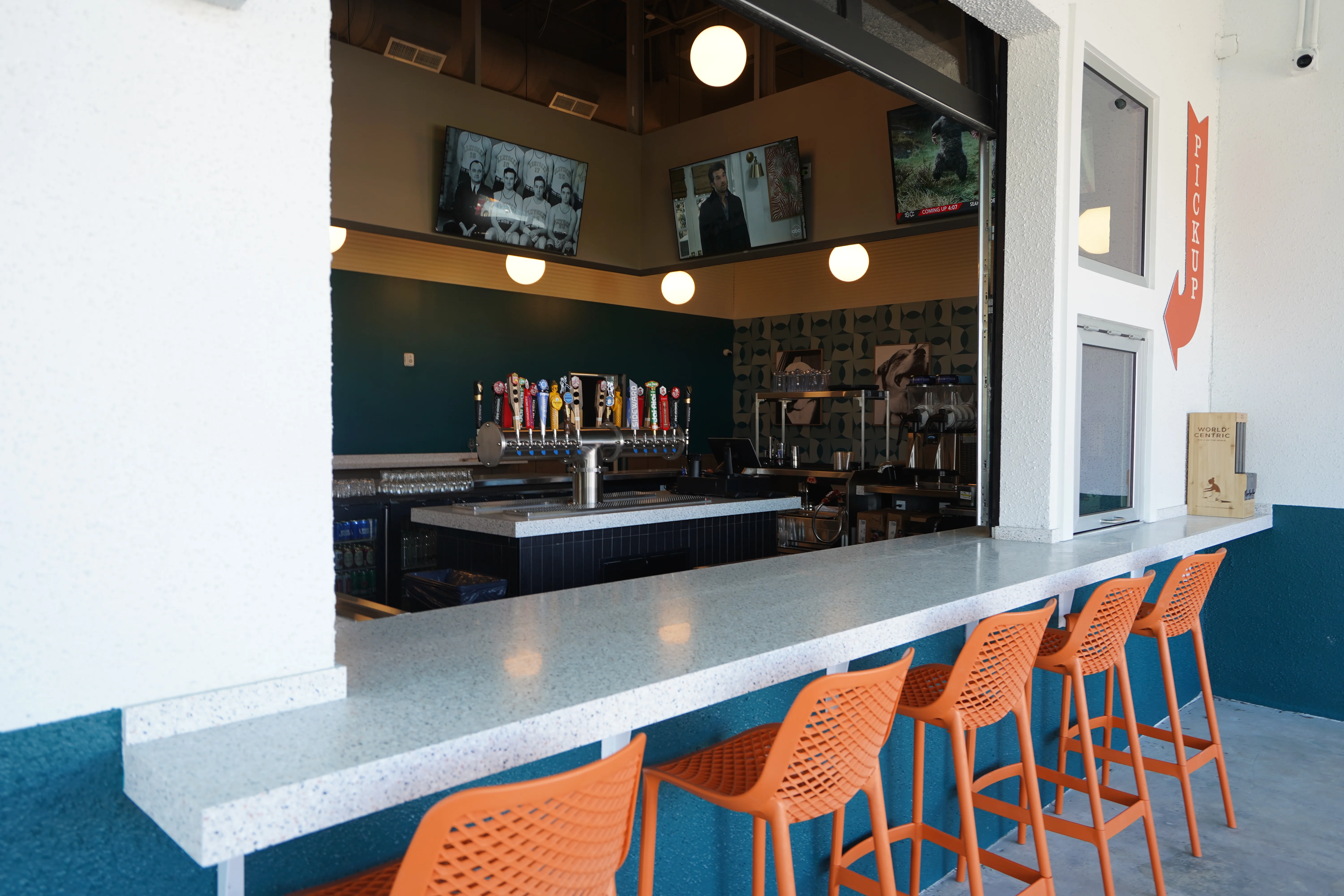
In our recent sports bar projects, most mid-size to large systems land between about $130,000 and $315,000, and multi-floor flagships with over 100 screens run up to about $850,000. Smaller bars come in below that, and upgrades to a bar that's already open can start around $25,000. The table shows where different kinds of projects land.
|
Project |
What it usually includes |
Where our projects land |
|---|---|---|
|
Control-first upgrade |
New rack, distribution and one-panel control, keeping the TVs that pass a control check |
Starts around $25,000 |
|
Add-on phase |
A patio, a video wall or new audio zones added to a system that already works |
About $10,000 to $80,000 |
|
Full system, smaller bar |
Around 20 commercial TVs, distribution, control and zoned sound |
Below the mid-size range, scoped per bar |
|
Full system, mid-size to large bar |
Dozens of screens, a feature wall, patio coverage and several audio zones |
About $130,000 to $315,000 |
|
Flagship venue |
100 or more screens, several video walls, seven or eight audio zones and multiple floors |
About $550,000 to $850,000 |
Those ranges cover design, equipment, installation, programming, commissioning and staff training. They don't include the commercial TV service, which you contract directly with your provider, or general construction like new electrical circuits, conduit and wall backing, which your GC typically handles.
What drives the sports bar AV price
Six things move the number more than anything else.
-
Games at once. Every game you show at the same time needs its own receiver or streaming source. A bar that carries 12 games on Saturday needs a bigger back end than one that carries four, even with the same screen count.
-
Screen count and size. Commercial displays cost more than consumer TVs and last far longer in a bar. The main wall usually gets the biggest screens and the biggest share of the display budget.
-
Audio zones and ceilings. More zones mean more amplifier channels and DSP capacity. Open ceilings and high ceilings take different speakers than drop ceilings.
-
Video walls and LED. A feature wall is often the single largest line item, which is why we only recommend one where enough seats can see it.
-
Outdoor. Full-sun displays and weather-rated speakers cost more and wear out sooner than indoor gear. Budget for both.
-
New build or retrofit. A retrofit means fishing cable through finished walls and working around open hours. A new build is cheaper per screen, as long as the AV is in the drawings early.
Underneath all six is infrastructure: a wired network for video, isolated power for the rack and air conditioning in the AV room. It's the part guests never see and the part that decides whether the system lasts.
If you're weighing a boxed TV package against a designed system, our TV packages vs. custom AV comparison covers where a kit is enough and where it runs out.
What late planning costs
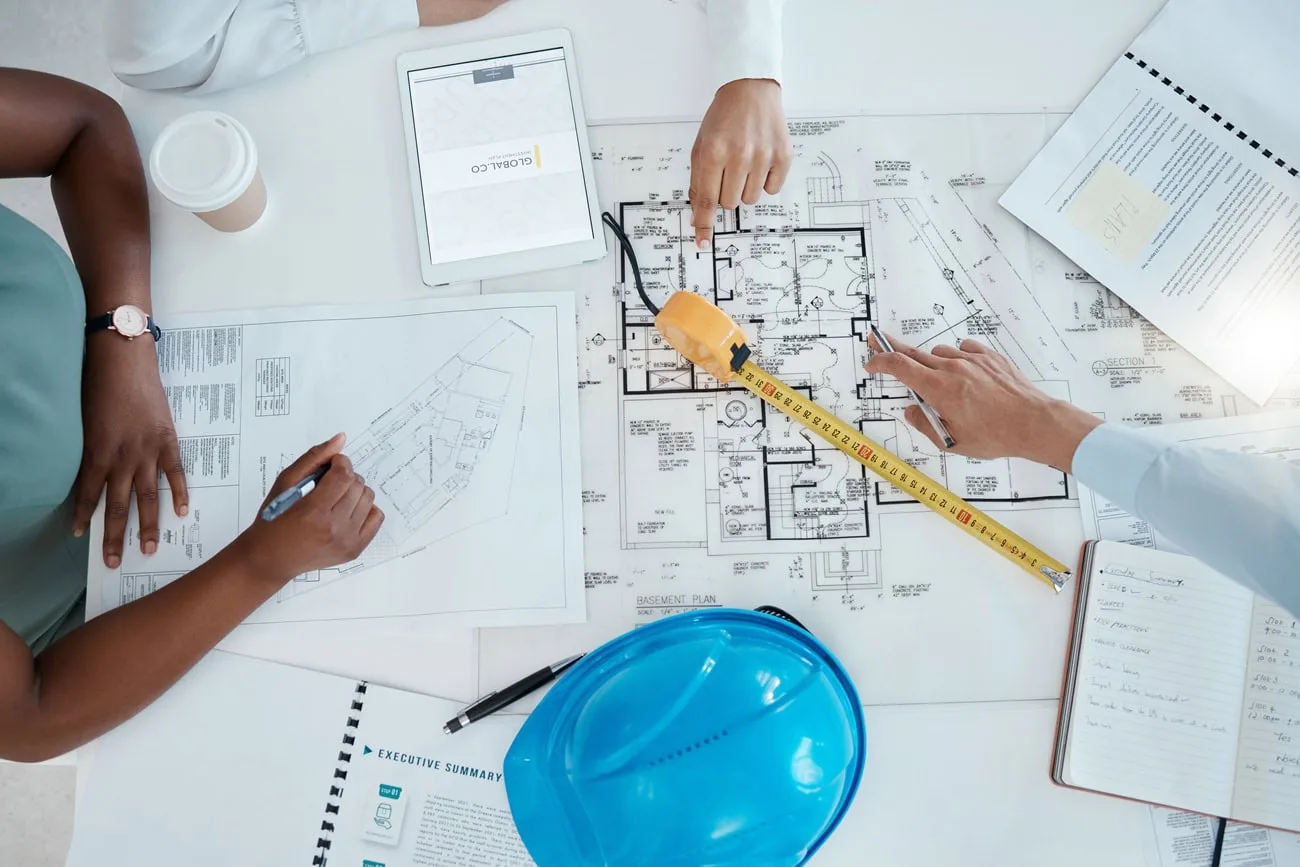
The most expensive AV mistake happens before any AV arrives. When the technology gets designed after the walls go up, cable paths land in the wrong places and the fixes land on your budget. Take a 4,000-square-foot bar with ten screens and four audio zones, where AV got planned after construction started.
|
Cost |
Typical range |
Why it happens |
|---|---|---|
|
Electrical and data rework |
$6,000 to $8,000 |
Outlets and cable paths in the wrong places |
|
Drywall and paint repairs |
$3,000 to $4,000 |
New chases cut into finished walls |
|
Added labor |
$4,000 to $5,000 |
Double handling and coordination delays |
|
Night work or closures |
$2,000 to $3,000 |
Working around open hours |
|
Rush materials and stopgap gear |
$2,000 to $3,000 |
Bridging gaps until permanent equipment arrives |
|
Total |
$17,000 to $23,000 |
Before any lost sales |
None of that money buys a better system. It pays to fix a sequencing problem. On our projects, bringing AV in at the architectural phase has meant an estimated 95% fewer change orders than projects where the GC was already building. Put the AV designer in the room when the first floor plan comes out.
Sports bar AV ROI: How it pays for itself

The return shows up in a few places, and the biggest one never appears on an invoice: guests who stay.
Guests stay for another round
Live sport keeps people in their seats. In a 2023 UK survey by CGA by NIQ and Sky Business, 87% of respondents said they were more inclined to stay out longer when a game was on. People who watch sport in pubs and bars also spent 36% more a month on eating and drinking out. Your AV decides whether your bar gets that behavior or the bar down the street does. Run it with your own numbers. If the system keeps 20 more guests for one more $8 round on 60 big game days a year, that's $9,600 a year from a single extra round.
Staff stop fighting the system
Every time a bartender spends five minutes hunting for the right input, a table waits. It rarely shows up as a big labor number, but it shows up as slower service on the nights you can least afford it. One-panel control with presets turns a half-hour game-day setup into a single tap, which is why control is usually the first upgrade we recommend.
Outages that never happen
A screen that goes dark during a big game costs more than the repair. The guests at that table remember it, and some of them watch the next game somewhere else. Commercial gear, a cooled AV room and a support plan are how you avoid that bill.
The low bid is only cheaper on install day. After that, the bar has to earn its keep every night the game is on. — Crunchy Tech Design-Build Engineering Team
The cost of ownership after install
A sports bar AV system is a seven-year decision. We design for a seven-year baseline, plan to refresh core components across years seven to ten, and a well-maintained system can run about 15 years. Some parts wear sooner: projector light sources usually need replacing around years three to four.
Commercial displays usually carry around three years of commercial warranty, while a consumer TV used in a bar may lose its warranty altogether. Every system we design and build includes a year of remote support, and extended plans add weekend coverage for venues that can't afford a dark Saturday. Keep the AV room at 75°F or cooler. Heat and dust are the fastest way to shorten every one of those numbers.
Where to spend first on an upgrade
If you're upgrading a bar that's already open, spend in the order your guests and staff will notice.
- Control first. One panel and a set of presets end the remote shuffle, and this is usually the fastest payback.
- Then audio zones. Balanced zones make the game loud where fans want it and quiet where people talk.
- Then the key screens. Rewire or replace the main displays once the new back end can route to them.
- Then everything else. Patio, video wall, signage and lighting scenes, phased into slow weeks.
A retrofit costs more per screen than building it in during construction, but phasing keeps the bar open and spreads the spend across seasons. We schedule the work around your game calendar so a big night never goes dark.
Crunchy Tech’s Good, Better and Best: match the budget to each zone
We price each wall and zone at three levels, so the money goes where guests actually watch. Good is commercial displays placed for sightlines, clean audio coverage and one control preset. It works, and it's a real recommendation. Better adds ribbons of screens, audio with no dead spots and presets for every daypart. Best adds a video wall or large feature displays, subwoofers and lighting scenes on the main bar. Most owners mix them: Good at the entry, Better in the dining room and Best where the crowd gathers.
Get a real number for your bar

A useful quote starts with your floor plan, your busiest day and what's already behind the bar.
Book an AV consult and we'll go through the layout with you, show Good, Better and Best options for each zone and give you a range you can plan around. Talk to a sports bar AV designer.