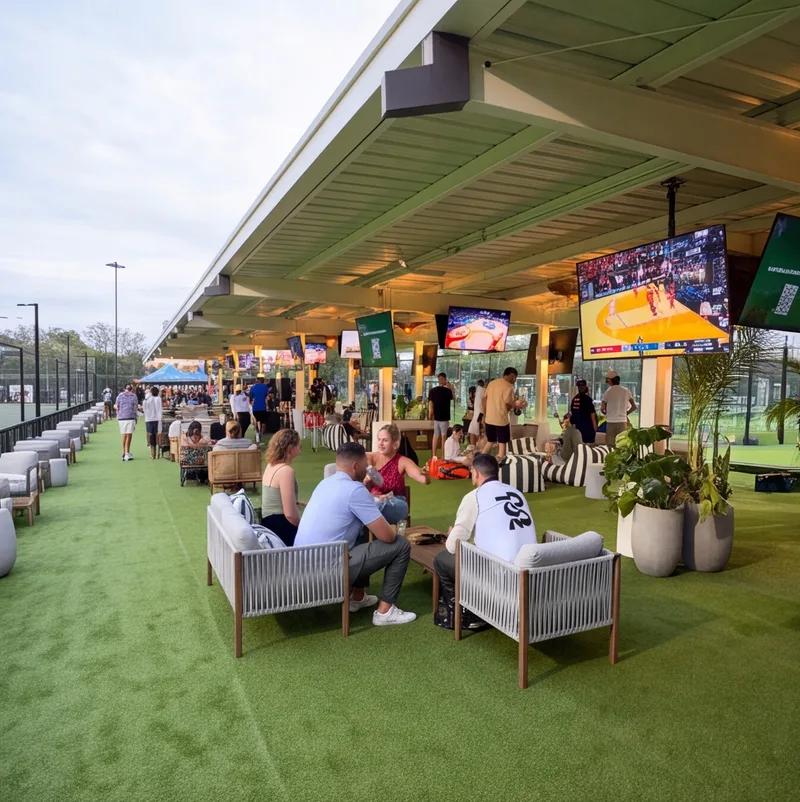
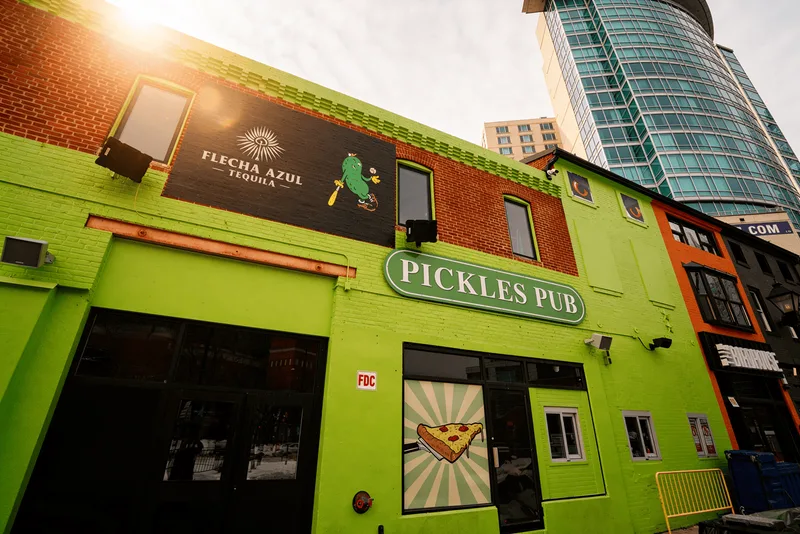
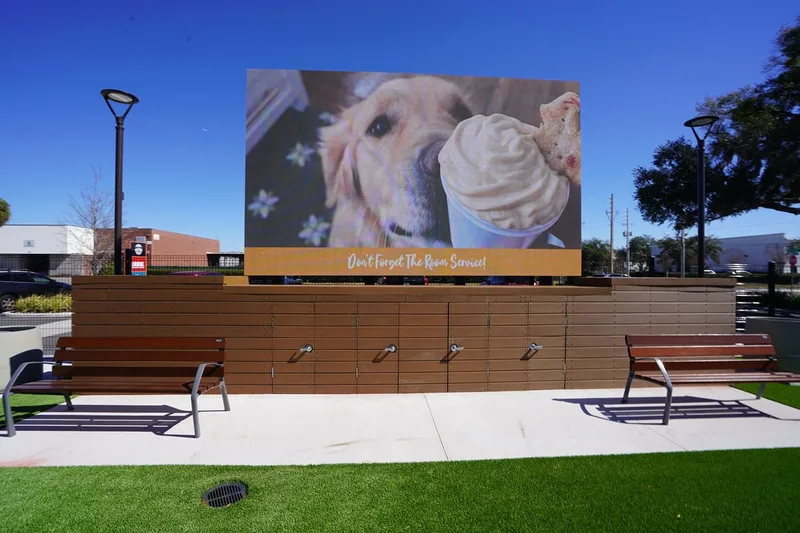
You're a great partner with Florida Hospital and this project will make a difference in Children's Health.

Des Cummings
Vice President of Florida Hospital · Florida Hospital
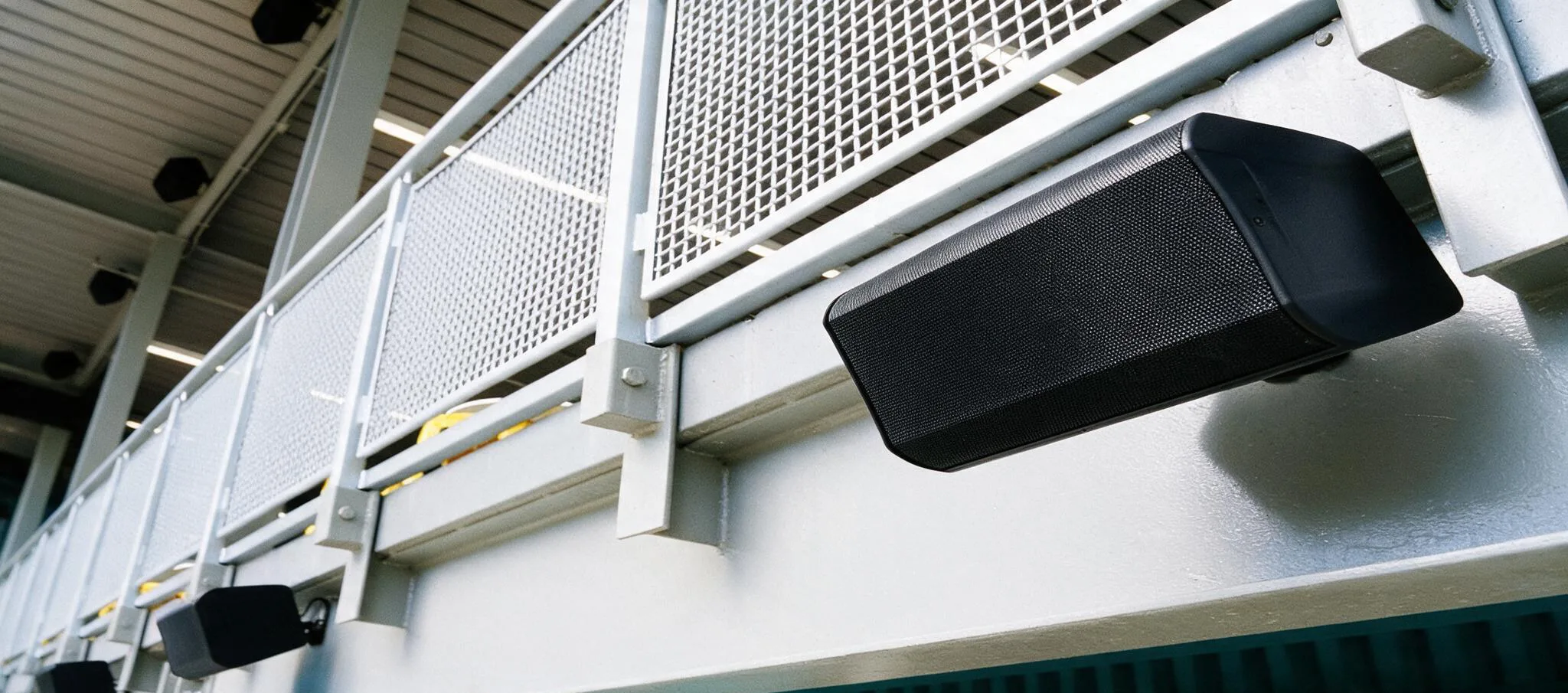
Multi-zone commercial audio for Las Vegas resort restaurants, bars, lobbies, pool decks, and meeting space. Designed to be serviced without closing the room, and specified for desert heat and dust.
Every other market gets a maintenance window. Las Vegas does not. There is no 2am shutdown to swap an amplifier and no slow Tuesday afternoon to re-tune a zone, so whatever breaks gets fixed while guests are still sitting there. Most of the systems already installed here were never built with that in mind. The rack is jammed into a hot closet, nothing is labeled, the signal path lives in one former technician's memory, and one failed component drops a whole bar for the rest of the night.
Two things change that. Zoning gets handled at the digital signal processor rather than a volume knob, so the lobby, the restaurant, the bar, the pool deck, and back of house paging each hold their own level and program, and one preset moves the property at once. Then the design gets specified for the desert. Dry heat and fine airborne dust load cooling fans and speaker grilles, so the equipment room gets real cooling, filtration gets a service interval, and outdoor hardware is rated for direct sun.
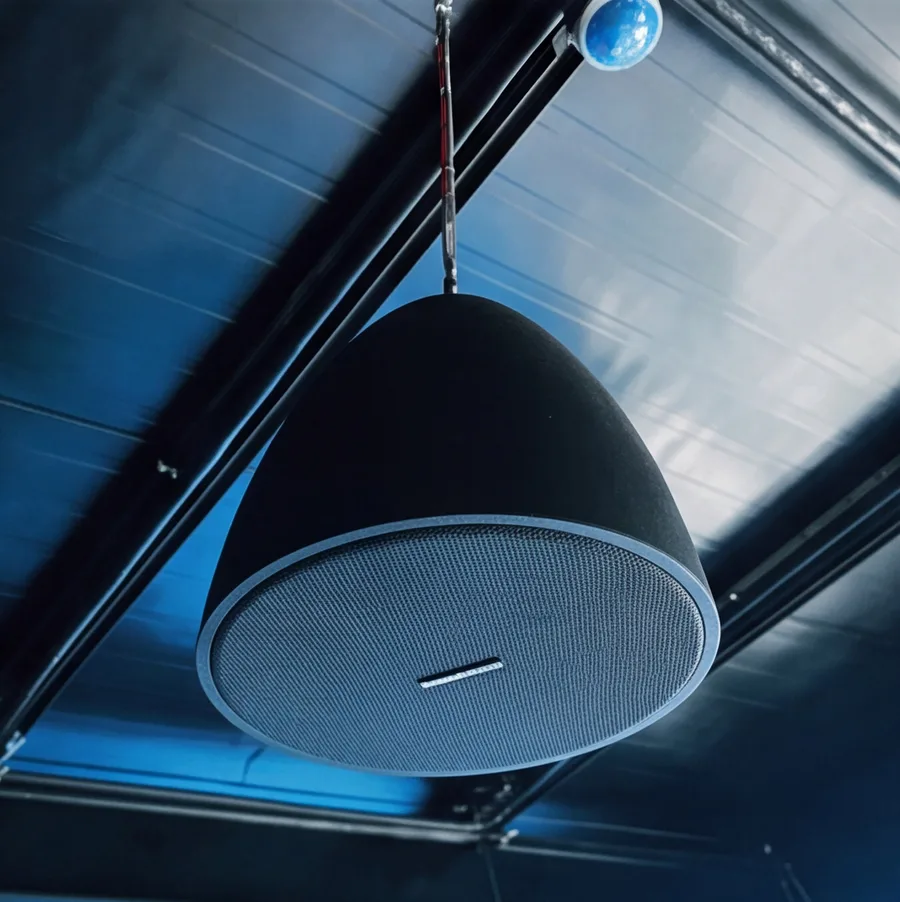
From Strip resort restaurants to Fremont Street bars, Summerlin dining rooms, and Henderson corporate floors, we design, install, tune, and support multi-zone commercial audio across the valley.
The rack room needs genuine cooling to hold at or below 75 degrees, because amplifiers in a sealed desert closet cook themselves and pull in dust.
Valley dust loads cooling fans and settles into speaker grilles, so filtration gets specified and a real service interval gets scheduled.
Pool deck and patio hardware gets weather-rated cabinets and sun-stable mounting, since an indoor speaker placed outside here is finished in about a year.
Late-summer storms arrive fast, so surge protection and backup power get sized properly and a system does not come back mid-service with settings lost.
How we design it
Audio is the first thing that tells you a room was designed by someone who knew what they were doing. In Las Vegas the operating schedule shapes the design as much as the square footage does.
Our first conversation is a consult rather than a quote: what the space is, what it has to do at different hours, and the budget you are working with. Then we look at the actual room, because the room decides most of the answer. Ceiling type drives speaker type, so a finished resort restaurant takes in-ceiling units while an open-structure venue downtown needs pendants or surface mounts instead. Hard surfaces matter more than operators expect, and a lot of rooms here are stone, glass, and polished concrete that scatter sound rather than letting it land. We also ask when the space is quietest, since almost nothing in this city fully closes and the work has to be sequenced around a shift that never really ends.
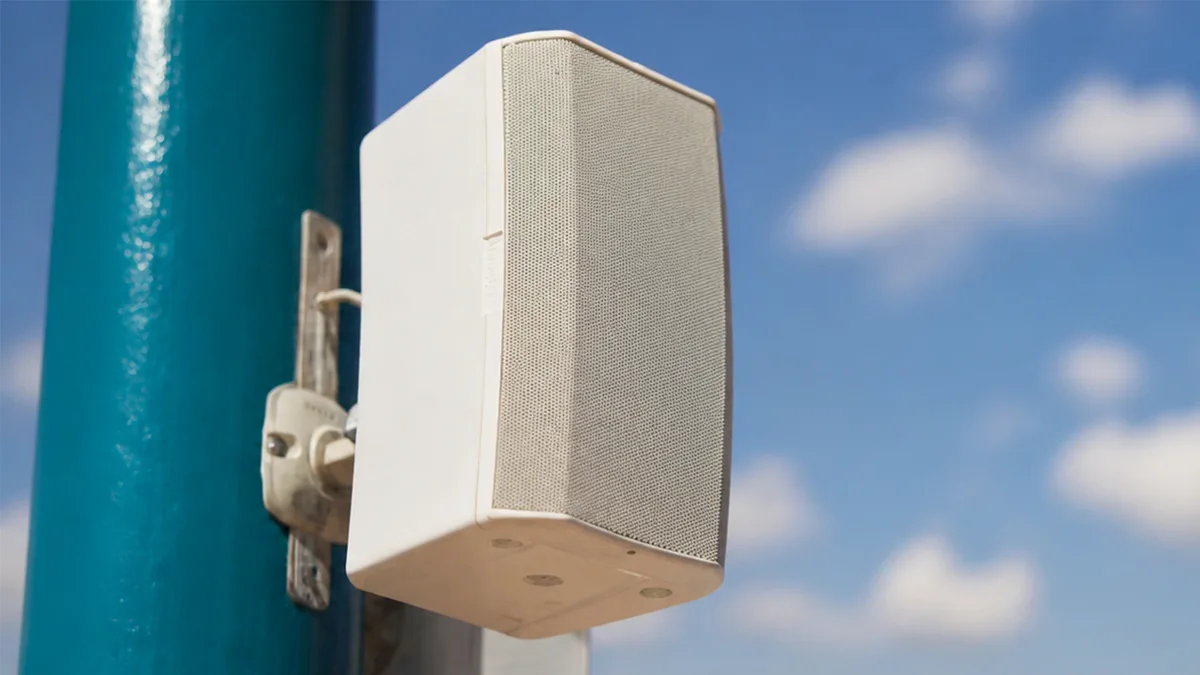
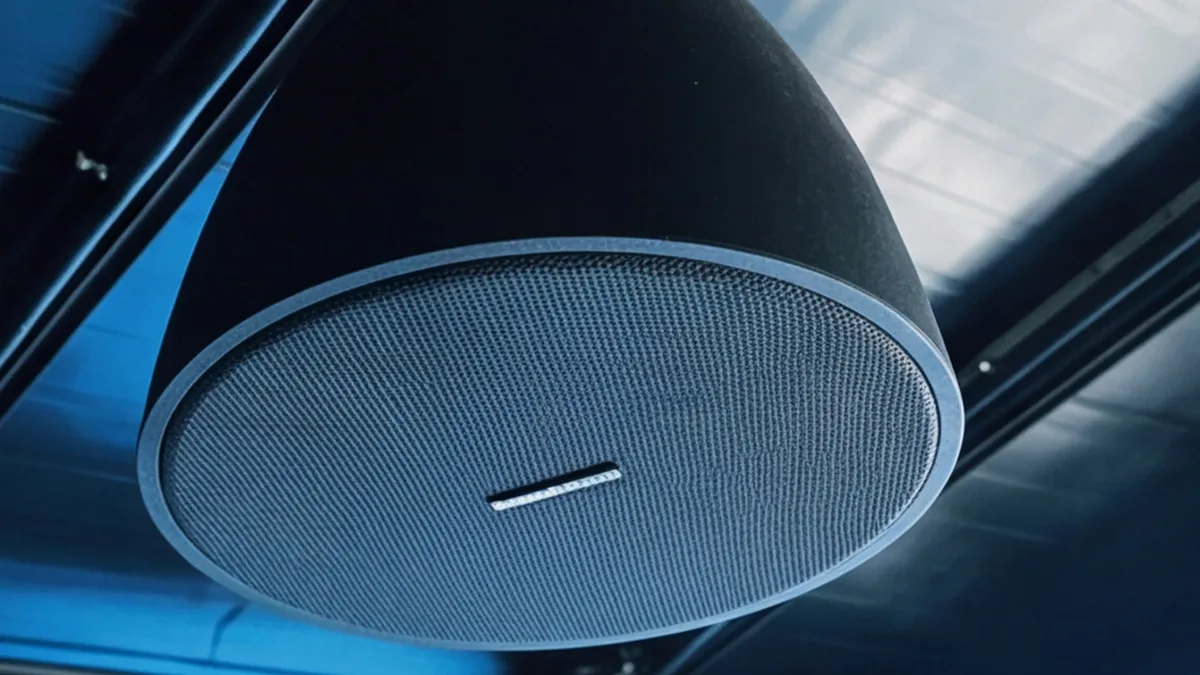
A typical hospitality build runs five or more zones: front of house background music, main dining, the bar at its own louder level with its own source, the pool deck or patio on weather-rated hardware, and restrooms and back of house for paging. One venue inside a resort can carry more zones than an entire standalone restaurant elsewhere, so the plan stays legible enough for an operations team running it around the clock. Amplifier channels get sized against that zone count rather than crowding speakers onto one channel until the power is no longer clean. We build and test the rack in our shop before it ships. Final tuning happens on site once the space is finished, and that pass usually takes a couple of days across every zone.
Where it earns
Different rooms want completely different things from a sound system. Here is how the design changes by venue type across a market where one property can hold a dozen of them.
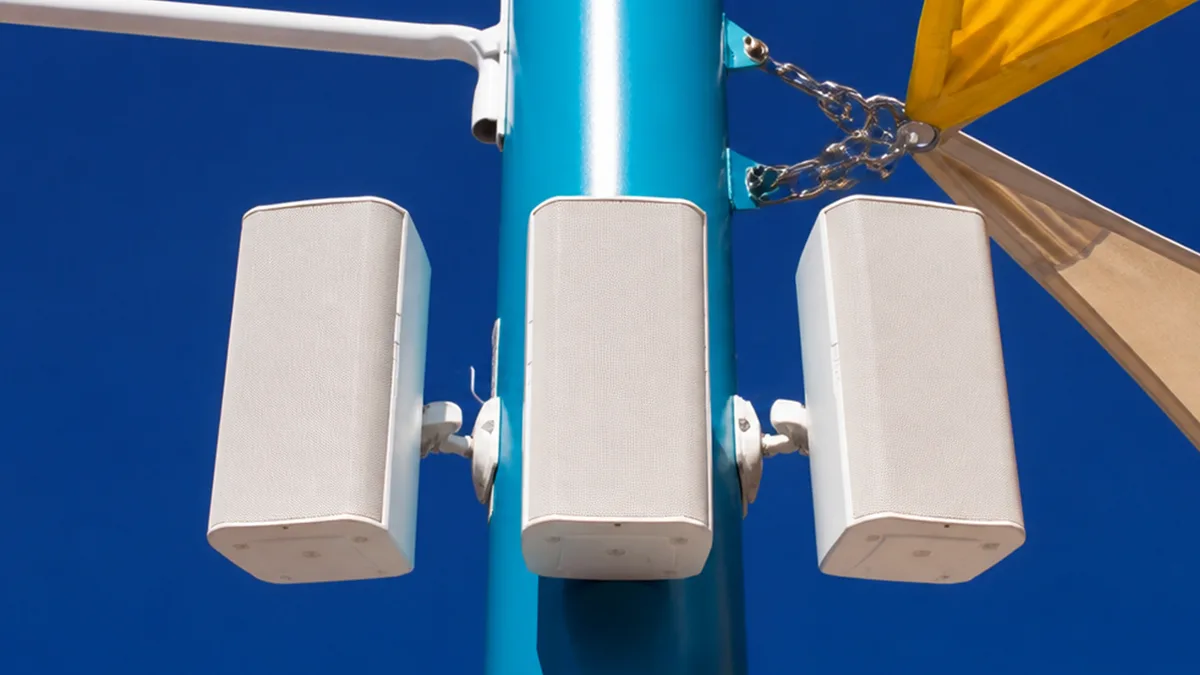
A restaurant sound system has several jobs at once, which is why a single zone never holds up. The dining room wants music present enough to fill silence without pushing people to raise their voices, the bar wants real energy and usually its own source, and private dining has to be contained so one party does not take over the main floor. Zone bleed is the failure we find most often, and it usually traces back to speakers run around the perimeter so the middle of the room got nothing while the edges got hammered. Inside a resort these rooms sit tight against each other and share walls and ceilings, so aiming and pattern control keep one venue out of the next one.
A Las Vegas property is a dozen venues sharing one building, so the lobby, the restaurants, the bars, the pool deck, the retail promenade, and the meeting floors each get designed on their own. Lobby audio has to hold a mood without competing with the front desk. Pool decks earn a long season here, which makes outdoor audio a primary zone with weather-rated cabinets, sun-stable mounting hardware, and its own amplifier channel, since heat and direct sun retire an indoor speaker placed outside inside about a year. Ballroom and meeting space gets designed around speech rather than music, so microphone coverage, feedback control, and remote participants being understood become the priorities.
Retail and corporate rooms want close to the opposite of a bar. In a store the job is even coverage at a low level with no hot spot under a speaker and no dead patch between them, plus announcements that land clearly over the program. A boardroom changes the question completely, because people are speaking rather than listening, so the design is built around microphone coverage, feedback control, and someone on the far end of a call being understood. Warehouses and distribution buildings out in the southwest valley need public address, which is a separate discipline from background music. An announcement has to carry across tens of thousands of square feet and be understood, including emergency instruction for someone who cannot see where they are being sent.
Plain answers
Two questions come up on nearly every Las Vegas sound project. Straight answers to both.
Zoning happens at the digital signal processor, not at a volume control. The processor decides what plays where, at what level, with what equalization, and it holds the presets your staff actually press. Wiring is part of that, since seven speakers on one zone have to be wired correctly into the amplifier and addressed by the processor or the zone will not behave. That is also where consumer equipment stops working. Wireless room-grouping products are built for a house, where a speaker plugs into a wall and joins a network. Commercial audio hangs wired speakers pulling a specific power draw from an amplifier channel, and there is a hard ceiling on how many you can put on one channel before the power stops being clean.
Two environmental facts drive most of our specification here. The equipment room has to hold at or below 75 degrees, because a rack of amplifiers in a sealed desert closet cooks itself and collects dust while it does it. Fine airborne dust is the second one, since it loads cooling fans and settles into speaker grilles, so filtration gets specified and a real service interval gets scheduled rather than waiting for something to fail on a Friday night. The other common mistake has nothing to do with the climate. More wattage aimed badly gives you a loud room that is still hard to hear in, while more sources at the right height and angle give you an even room at a lower level. On larger projects we model coverage with our acoustic-modeling partners before anything is installed.
By designing for it from the start, which is the single biggest difference between a Las Vegas build and the same build anywhere else. Three decisions do the work. The rack gets laid out so a technician can reach a failed component from the front without pulling the room apart, and it lives in a space with real cooling rather than a hot closet behind a kitchen. Every signal path gets labeled and documented, so the person who arrives at 9pm on a Friday is reading a drawing instead of guessing. And the design carries enough headroom and redundancy that one failure degrades a zone rather than taking a whole venue offline mid-shift. On top of that, roughly 47% of our support tickets close in under an hour and about 72% inside a day, usually without anyone coming to the site.
More than most operators assume, and the honest answer starts with how the room runs. A standalone restaurant typically lands at five or more: front of house background music, main dining, the bar at its own louder level with its own source, the patio or pool deck on weather-rated hardware and its own amplifier channel, and restrooms and back of house for paging. A venue inside a resort often needs more than that, because it may include private dining, a lounge, a host area, and a service corridor that all behave differently. We take the zone count you want and design to it. Where a client asks for a single zone we advise against it, since you always want the bar louder, the restrooms lower, and the patio louder than either, though that is a recommendation rather than a refusal. Zone count and amplifier channel count get designed together so the power stays clean.
It depends on the square footage, the zone count, whether there is outdoor coverage, and how hard the room fights you acoustically. We quote three tiers against one design. Good gets you enough coverage to do the job properly and is a real recommendation rather than a stripped option. Better is designed with no dead spots and genuinely even coverage, which is where most operators land. Best adds low frequency support so the room feels full rather than merely audible, even in a venue that is not a club. Outdoor zones cost more per area than indoor and have a shorter service life in this climate, and multi-venue properties add cost in documentation and control rather than in speakers. We put all of that on the table before the quote instead of after it. If the budget is short of the room you are describing, we would rather value engineer it honestly.
It shortens the life of the wrong equipment, and it is the reason our specification here looks different from a coastal market. Heat is the first problem, and it hits the equipment room before it hits the speakers. A rack of amplifiers in an uncooled closet runs hot, pulls dust through its own fans, and fails early, so we push for a space that holds at or below 75 degrees. Dust is the second problem. Fine valley grit loads fans and settles into grilles, which means filtration gets specified up front and a service interval gets scheduled rather than left to chance. Outdoors, sun and temperature swing will finish an indoor cabinet within about a year, so anything on a pool deck or patio gets weather-rated hardware on its own amplifier channel. None of that is exotic. It is just specification, and skipping it is what makes a system feel disposable.
What We Do Here
Every system is designed, installed, and supported by our own team in Las Vegas — never subcontracted.
 01 / LAS VEGAS
AV consulting from an audio visual consultant who joins at the architectural phase, designs the technology into the plan and steers the project around your business outcome.
AV Consulting in Las Vegasarrow_forward
Commercial video walls across LED, LCD and Direct View. Designed, integrated, installed and supported by a national design-build AV integrator.
Video Wall Solutions in Las Vegasarrow_forward
Design-build digital signage for hospitality and enterprise: commercial displays, content management, and installation that keeps your screens selling and current.
Digital Signage Services in Las Vegasarrow_forward
Conference room AV designed around the people using the room: video conferencing, Zoom and Teams Rooms, displays, and audio, installed and supported as a partner.
Conference Room AV in Las Vegasarrow_forward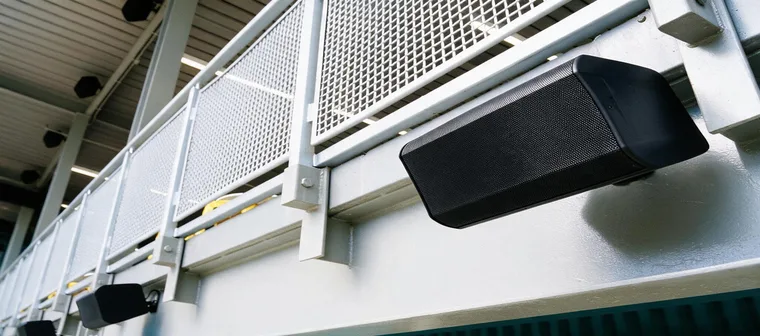
 05 / LAS VEGAS
Commercial sound system design and installation: multi-zone audio engineered around how your space is used, wired and tuned on site, and supported as a partner.
Commercial Sound Systems in Las Vegasarrow_forwardClient successes drive Crunchy Tech to become better. Below is how our customers feel about us.
You're a great partner with Florida Hospital and this project will make a difference in Children's Health.
Working with Crunchy Tech was a fantastic experience from start to finish. They handled the sale and installation of all our sound and TV equipment at The County Bar in Aviston, IL, and absolutely nailed it. We were on a very tight deadline, and they not only met it—they delivered top-notch quality and service the entire way. Highly professional, responsive, and easy to work with. We couldn't be happier with the results.

Crunchy has done an amazing job on our A/V install. The sound is perfectly balanced throughout our many zones and the entire system is super simple to use.

You're a great partner with Florida Hospital and this project will make a difference in Children's Health.
Working with Crunchy Tech was a fantastic experience from start to finish. They handled the sale and installation of all our sound and TV equipment at The County Bar in Aviston, IL, and absolutely nailed it. We were on a very tight deadline, and they not only met it—they delivered top-notch quality and service the entire way. Highly professional, responsive, and easy to work with. We couldn't be happier with the results.
Crunchy has done an amazing job on our A/V install. The sound is perfectly balanced throughout our many zones and the entire system is super simple to use.
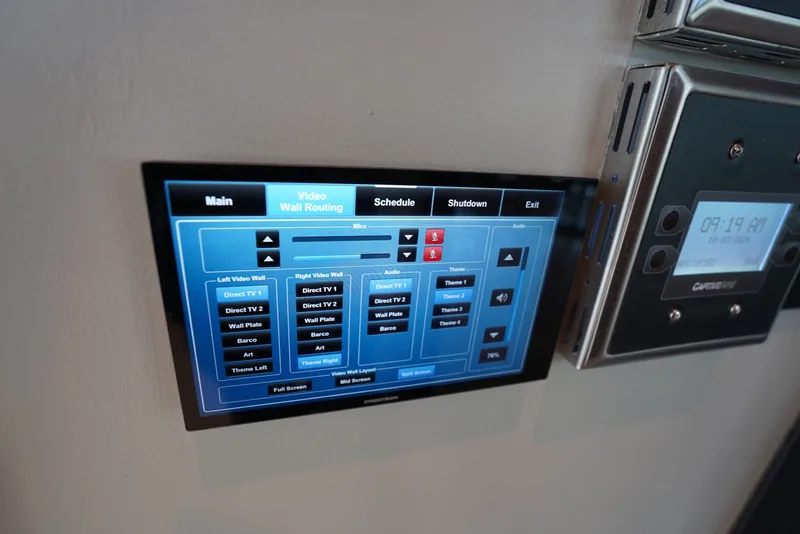
How hidden speakers, recessed displays, and invisible technology create elegant commercial environments.
Read article arrow_forward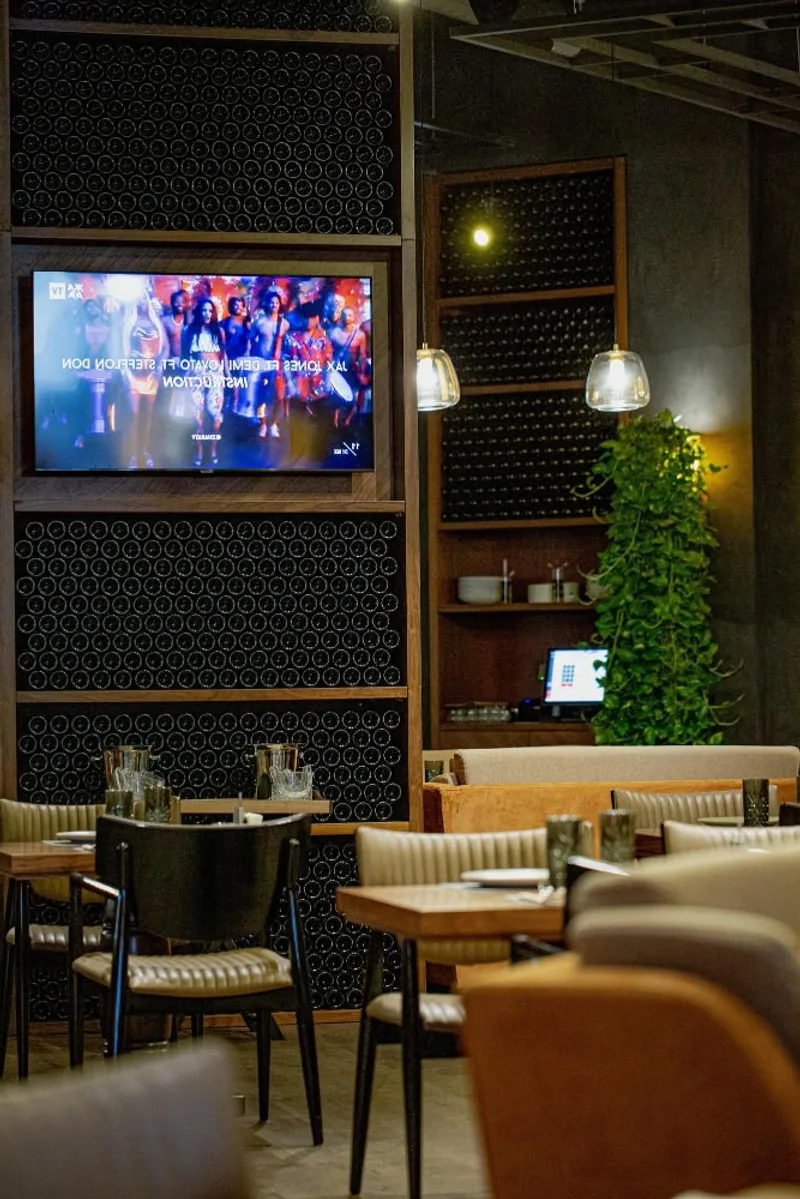
A comprehensive guide to commercial audiovisual installation — what it includes, how it differs from consumer setups, and what to expect.
Read article arrow_forward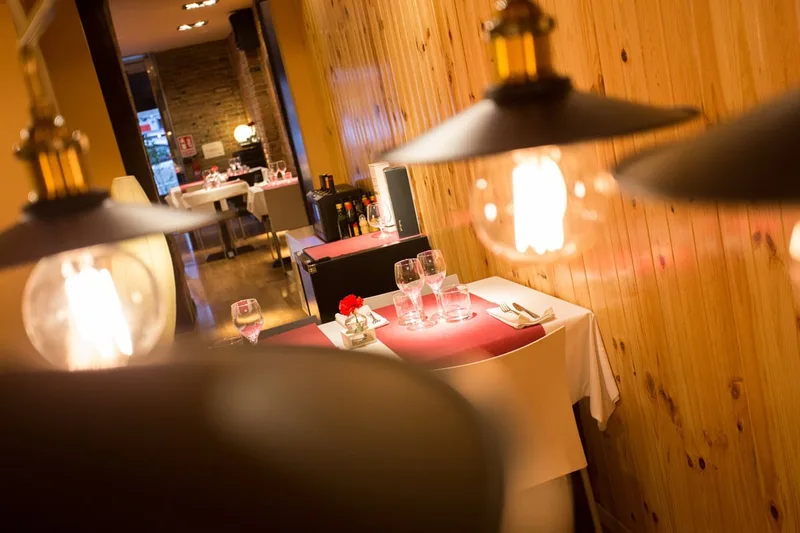
How LED walls, spatial audio, and lighting automation are transforming restaurants and bars into destination experiences.
Read article arrow_forwardTell us about the space: where it is in the valley, the square footage, the indoor and outdoor split, how many separate areas it holds, when it is quietest, and what is not working now. The consult starts with what each area has to accomplish, then we look at the room and come back with a zone design and one engineered recommendation instead of a speaker list.