Audio Visual Company in Las Vegas
location_on Las Vegas, NV

Commercial Audio Visual Company in LasVegas

Design-build audiovisual for Las Vegas restaurants, bars, hotels, offices, and public buildings. Built for rooms that never close, in a city where most AV gear is packed up by Monday.

In Las Vegas, most AV gear leavestownwhentheeventdoes

This city has more audiovisual talent per square mile than almost anywhere in America, and nearly all of it works on things that get torn down. Search for AV companies here and the results are production houses, staging crews, and directories, because that's what the local industry is. None of that helps a restaurant owner in Summerlin or a facilities manager in Henderson whose system has to run every single day for ten years. The skills barely overlap. A crew that can rig a ballroom overnight has no reason to care whether a rack is serviceable in 2031, because by 2031 their work has been struck four hundred times. Yours can't be.

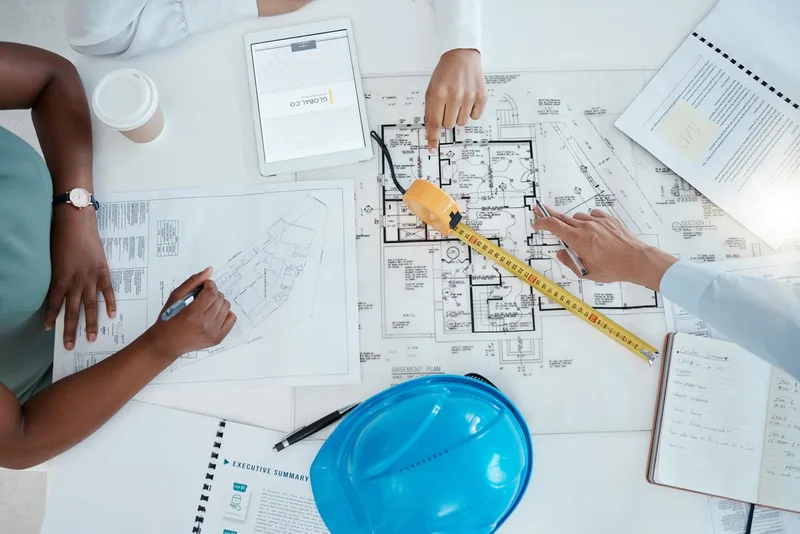
Crunchy Tech builds the permanent kind. We design commercial systems around what the room earns for the business, put the requirements in front of your architect and general contractor early, then bench-build the rack at our shop so it lands on site already proven. Install, tune, train, document, and stay reachable for years. That last part matters more here than in most cities, because so many Las Vegas rooms genuinely never close, and a company that can only fix things by shutting you down is a company that costs you revenue every visit. About 47% of our support tickets close in under an hour with nobody on site. Since 2008.

In Las Vegas, most AV gear leaves town when the event does
Install In Las Vegas, most AV gear leaves town when the event does Las Vegas, NV

Commercial AV AcrosstheValley

Downtown and the Arts District, the resort corridor's guest-facing spaces, the Summerlin and Henderson office markets, and the neighborhoods in between.

2008
Serving Las Vegas since
10
Neighborhoods
Downtown and Fremont East
Bars · Restaurants · Venues

Fremont East rooms run late and loud in close quarters, so zoning keeps each bar's identity inside its own walls.

Late night · containment
Arts District
Restaurants · Bars

Converted warehouse bones bounce sound hard here, and the acoustics choose the speaker layout before anybody's taste does.

Conversion · acoustics
Resort corridor
Hotels · Restaurants

Most of the corridor sits in unincorporated Clark County rather than the City of Las Vegas, which surprises people at permit time.

County jurisdiction
Chinatown and Spring Mountain
Restaurants · Bars

Small rooms with big hours mean gear rated for the duty cycle and coverage from many quiet speakers instead of a few loud ones.

Duty cycle · coverage
Summerlin
Corporate · Restaurants

Summerlin's headquarters market wants conference floors that behave identically, and the standard matters more than any single room.

Multi-room standard
Downtown Summerlin and the west valley
Retail · Restaurants

Newer construction out west lets conduit, backing, and rack cooling land in the plans while that's still cheap.

New build · design phase
Henderson
Corporate · Institutional · Restaurants

Henderson is its own city with its own building department, and a Las Vegas permit assumption stops at the line.

Separate jurisdiction
Green Valley
Restaurants · Corporate

Suburban rooms here serve regulars rather than tourists, which shifts the design toward comfort and conversation over impact.

Neighborhood rooms
North Las Vegas
Industrial · Institutional

North Las Vegas permits separately and its floor plates run huge, so intelligible announcements matter more than playlists.

Separate jurisdiction · paging
Southwest valley and Enterprise
Retail · Institutional

The valley's fastest-growing quadrant is mostly ground-up construction, the one moment infrastructure decisions cost almost nothing.

Growth corridor

What we do here

Las Vegas Audio Visual Built for Around-the-ClockRooms

Four kinds of buyers keep us busy in this valley. None of their rooms keep office hours, and that single fact drives more of the design than any spec sheet.

Restaurants, bars, and late-night rooms

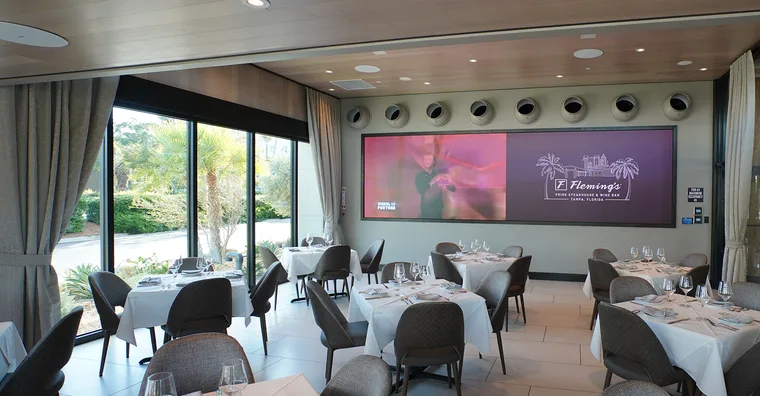
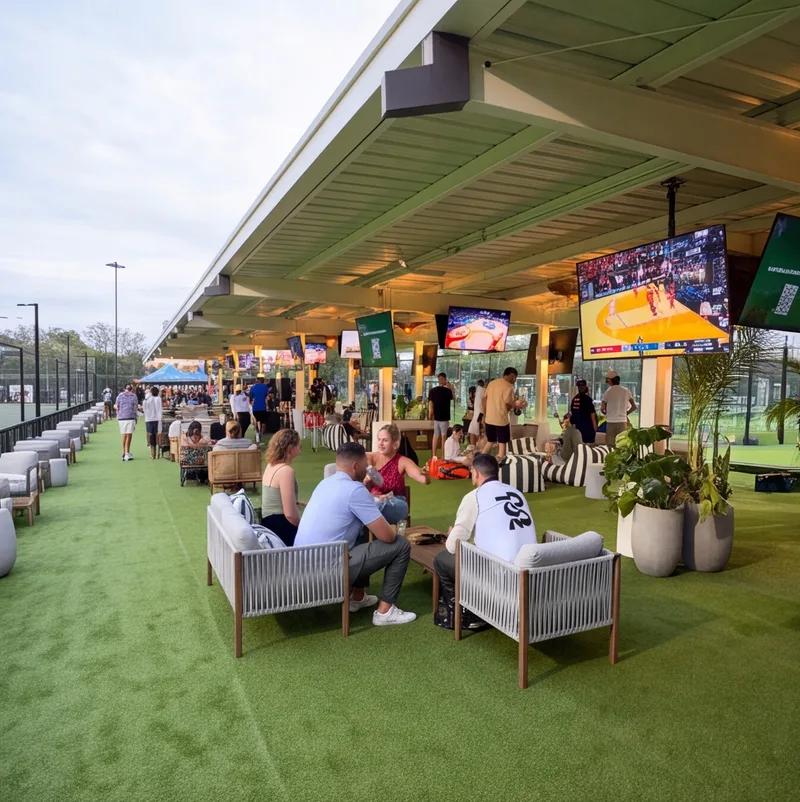
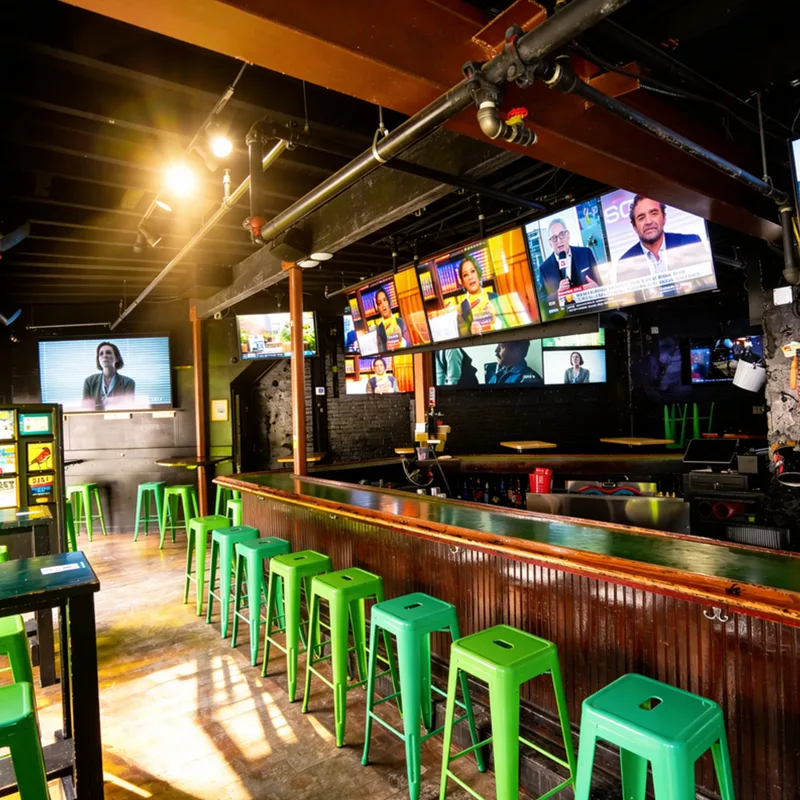
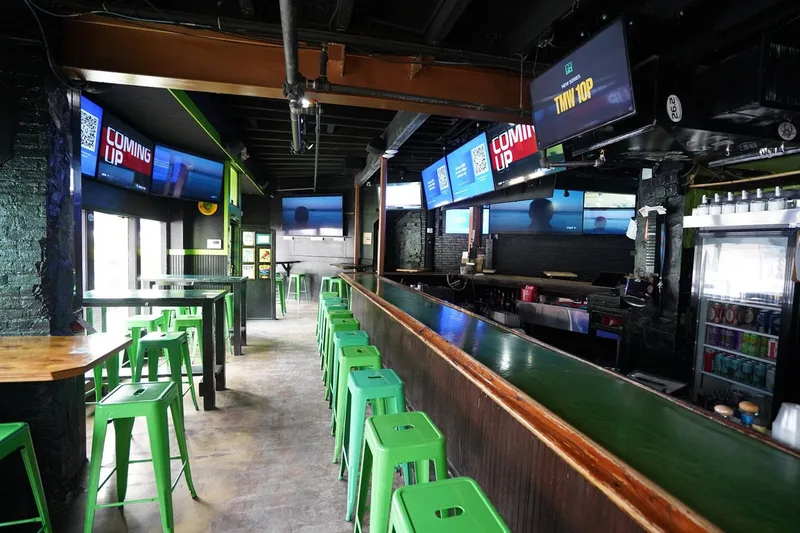
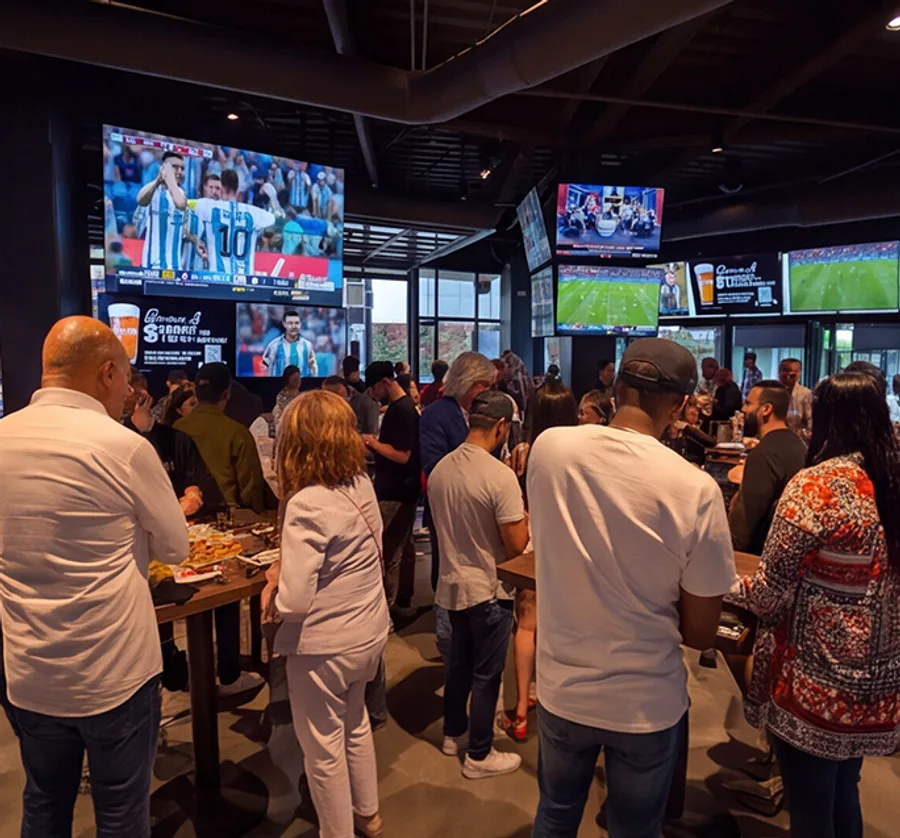
Vegas hospitality runs on a clock other cities don't have. A dining room that seats its last table at 2 a.m. and reopens for brunch leaves no maintenance window, so the system has to be diagnosable from our office and serviceable in pieces. Audio gets built in zones, each with its own level and character, because one room here often has to be three different businesses between noon and midnight. There's a local trap worth naming too. Owners see what the resort corridor spends and either chase it or despair of it, and both reactions miss the point. A neighborhood bar doesn't need a spectacle budget. It needs every seat covered, a patio that survives the heat, and controls the closing shift can run at 1:45 a.m. without a manual.

Hotels and resort-side spaces

Our lane on a resort property is the guest-facing commercial spaces: the lobby, the restaurants, the pool deck, the fitness floor, the meeting rooms. Never the guest room, and the wagering floor isn't our scope either. What makes this work different in Las Vegas is sheer duty cycle, since a lobby here is as busy at midnight as most lobbies are at noon, and hardware chosen off a standard hospitality spec ages in double time. Pool decks are their own engineering problem in this climate. Speakers and displays out there face sun that degrades plastics, dust that works into everything, and summer surface temperatures that push equipment past its ratings. We pick the gear for that reality first and the aesthetics second, then hide it well enough that nobody notices we compromised nothing.

Offices and headquarters

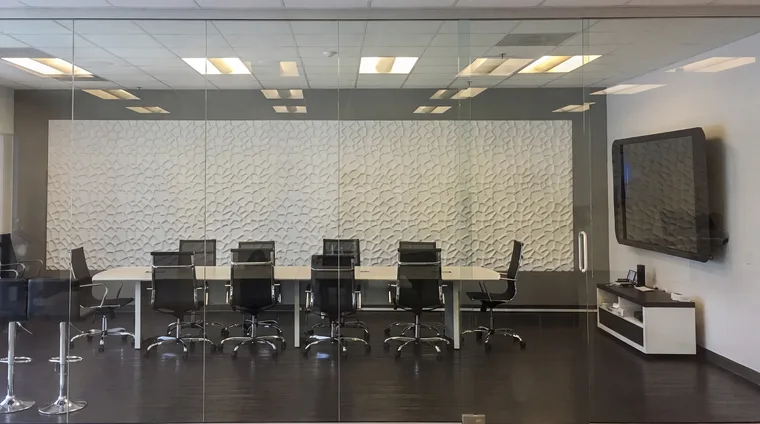
Summerlin and Henderson have quietly built a real headquarters market, and it buys nothing like the tourist economy. These are conference floors, training rooms, and all-hands spaces that need to work identically, boot instantly, and never require a call to IT before a client presentation. The recurring mistake we fix is borrowed thinking, meaning rooms specified off a hospitality playbook because that's what the local trades knew. An office doesn't need atmosphere. It needs the far end of the table heard clearly on Teams, Zoom, or Meet, each of which certifies different hardware and behaves differently as rooms grow. So we size from the actual room, standardize the control layer across every floor, and document it so the next facilities hire isn't reverse-engineering the last one's decisions.

Public buildings and large facilities

Clark County, the City of Las Vegas, Henderson, and North Las Vegas all buy AV for courtrooms, chambers, training rooms, and public counters, and that work is speech-first. If a citizen in the back row can't follow the proceeding, the room failed, whatever it cost. Microphone coverage follows how people actually address these rooms, and feedback margin gets engineered rather than trusted to luck. Large facilities add announcement systems, which live by harder rules than music, since an instruction has to cross a big echoing volume and still land on somebody who can't see the door it's describing. Where a bid carries documentation, sourcing, or compliance requirements, we price to the current issue of those rules. Rooms that need to feed a live stream get the outlet built in. Running the stream stays your job.

Every AV company we call here turns out to do events. What are we actually looking for?

You're looking for a commercial design-build integrator, and in this town they're the needle in a haystack made of staging companies. The difference is the calendar. An event crew builds for a date. Their gear is superb, their speed is unbelievable, and their entire business model assumes teardown, which is precisely why their instincts don't transfer to a system that has to survive a decade of daily service. A design-build integrator works the other way around. Crunchy Tech has been doing this since 2008, and our whole process assumes permanence: engineering drawings your contractor can build from, a rack assembled and tested at our shop with every cable labeled at both ends, commissioning and tuning in the finished room, staff training, documentation, and support that stretches years past opening. One test question saves you a dozen phone calls. Ask who handles a failure three years from now. An event company finds the question confusing. We find it to be the job description.

Our room never closes. How do you install or fix anything without costing us a night?

By designing for that from the first drawing, because retrofitting serviceability into a finished system is miserable and expensive. New installs get phased so the room stays open: infrastructure and pathway during your slowest hours, cutover zone by zone rather than all at once, and the old system running until the moment the new one takes over. After opening, the design keeps earning. Monitoring tells us which component failed before anyone picks up a phone, and about 47% of tickets close in under an hour without a site visit at all. When hands are genuinely needed, the rack layout does the work, since we build them so a single component swaps out from the front or back mid-shift without powering down neighbors. Zones matter here too. A failure in the patio zone should never take the dining room with it, and redundancy goes where a failure would be visible to guests rather than everywhere money allows. The honest version: you might see a technician during service hours. Your guests shouldn't be able to tell.

What does this climate actually do to outdoor equipment?

It runs a three-front campaign on it. Heat is the obvious front, and the least understood part is surface temperature, since a dark enclosure in direct summer sun runs far hotter than the air around it and pushes electronics past ratings that looked comfortable on paper. Displays are the usual casualty. A panel that isn't engineered for direct desert sun will thermally shut itself down on summer afternoons, then do it again every afternoon until somebody moves it or shades it. Dust is the quiet front. It's fine as powder here, it never stops, and it works into fans, connectors, and gasket seams until something chokes, so outdoor gear gets specified with real sealing and serviceable filtration rather than hope. Sun is the slow front, degrading plastics, jackets, and mounts on a schedule measured in seasons. None of this argues against outdoor AV, and a Vegas patio can be worth a fortune eight months a year. It argues for buying once, correctly: rated hardware, engineered shade and orientation, and mounting chosen by someone who has replaced the cheap version before.

The Strip, Henderson, North Las Vegas: does the address change the project?

It changes who reviews it, and that catches people constantly. The famous stretch of Las Vegas Boulevard mostly isn't in the City of Las Vegas at all. It sits in unincorporated Clark County, which runs its own building department, while Henderson and North Las Vegas are independent cities with departments of their own. Four addresses a visitor would call Las Vegas can answer to four different reviewers, so we confirm the actual authority for the actual parcel before the design closes rather than after a plan check bounces. What draws review is consistent across all of them: heavy displays on walls, dedicated circuits to a rack, and work above finished ceilings. The boundaries are consistent too. Your licensed electrician owns the power, your structural engineer signs the mounting, your general contractor sequences the work, and we coordinate around all three without performing electrical work, making structural determinations, or ruling on code compliance ourselves. For operators with rooms in more than one of these jurisdictions, we keep the paperwork straight per address and the system identical per brand, which is the combination that keeps both the inspectors and your managers happy.

What clients say

Operators who run on our systems

Client successes drive Crunchy Tech to become better. Below is how our customers feel about us.

Just do it. Spend the money. It’s well worth it. It’s not worth your time, hassle, energy, and stress of trying to make it look right and do it right when there’s somebody who has been doing it for years and has perfected the craft.

Matt Moore logo
Matt Moore
IT Systems Administrator · Capone's Hideout

You're a great partner with Florida Hospital and this project will make a difference in Children's Health.

Des Cummings logo
Des Cummings
Vice President of Florida Hospital · Florida Hospital

Working with Crunchy Tech was a fantastic experience from start to finish. They handled the sale and installation of all our sound and TV equipment at The County Bar in Aviston, IL, and absolutely nailed it. We were on a very tight deadline, and they not only met it—they delivered top-notch quality and service the entire way. Highly professional, responsive, and easy to work with. We couldn't be happier with the results.

Clint Flowers logo
Clint Flowers
Owner · The County Bar

Crunchy's AV Services are outstanding. Staff members are experts, who really extend themselves to find the right technology for helping us reach our marketing goals in creative ways. The best thing about working with Crunchy is collaborating with the staff – they are patient, responsive, knowledgeable, and available.

Shannon McHale logo
Shannon McHale
Marketing Specialist · IGT

Crunchy has been great to work with. They communicate well and deliver as promised.

Brian Dornbush logo
Brian Dornbush
Facilities & Operations Manager · Orange County Library System

The work Crunchy has been doing is a game changer for this industry.

Steven Fandozzi logo
Steven Fandozzi
VP of Information Technology · Foundation Partners

Being able to reuse the existing structure created a much lower cost for the client and they were ecstatic.

Seminole State College logo
Seminole State College
Facilities · Seminole State College

Crunchy has done an amazing job on our A/V install. The sound is perfectly balanced throughout our many zones and the entire system is super simple to use.
Steve Glum logo
Steve Glum
Chief Marketing Officer · Ace Cafe
Talk to a Las Vegas AV designer

Let's build the system that's stillhereintenyears

Tell us the address, the hours the room actually keeps, and what's working or failing today. The consult covers what each space needs to earn, includes a walk to check heat exposure, dust, service access, and which authority reviews the parcel, and comes back as an engineered scope with a cutover plan that doesn't cost you a night.

  • Permanent commercial systems in a city where almost nobody builds them.
  • Designed for mid-shift service, because your room doesn't close for repairs.
  • Heat, dust, and sun engineered in at selection, not discovered in July.
  • We confirm the real reviewing authority before the design closes.