AV Company Tulsa | Commercial AV Integration
location_on Tulsa, OK

Commercial AV in Tulsa

Design-build audiovisual for Tulsa arts venues, offices, restaurants, and civic rooms, engineered to satisfy the donors, the public, and Tornado Alley weather.

In Tulsa the big rooms are often foundation-funded

Tulsa gives away money at a scale most cities its size can't match. A philanthropic sector this large means an unusual share of the big civic and cultural rooms here, the arts venues, the museums, the park pavilions, the community centers, get built with foundation money rather than a single owner's budget. That changes how the AV gets approved. When a grant funds the room, the design answers to the grantor's standards and reporting as much as to the building department, so the plan effectively gets reviewed twice, once by the people writing the check and once by the people signing the permit. Miss either and the project stalls. It's a good problem to have, but it's a real one, and it isn't how AV usually gets bought.

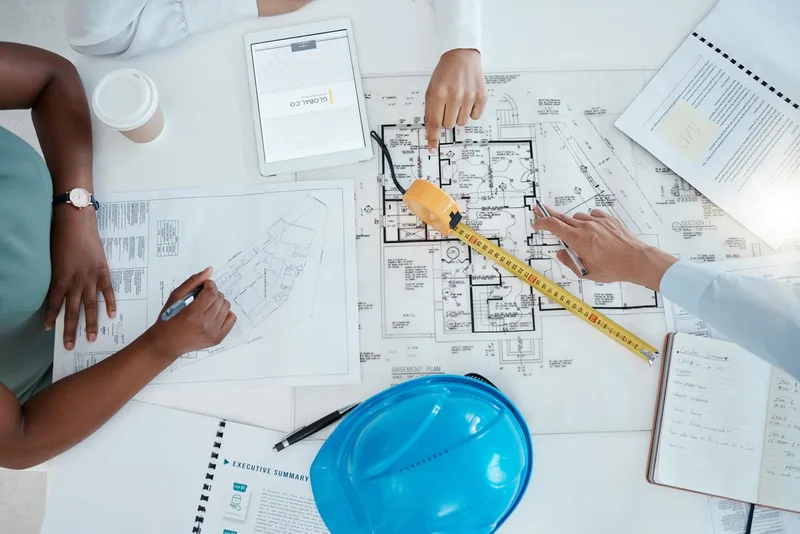
So we design for both reviewers from the start. That means drawings and documentation clean enough for a foundation program officer and correct enough for an inspector, budgets that map to how a grant actually releases money, and a scope that holds up when a board asks what every line buys. Public and donor money both come with reporting, so we build the paper trail as we go instead of scrambling for it at closeout. From there the work is steady and familiar. Plans a funder and a contractor can both follow, a rack burned in at our bench, then install and tuning, training your staff can absorb, documentation the next director inherits, and support we mostly resolve without leaving the shop. Since 2008.

In Tulsa the big rooms are often foundation-funded
Install In Tulsa the big rooms are often foundation-funded Tulsa, OK

Who We Serve

Industries we serve in Tulsa

Spaces we've wired across Tulsa — each built and supported by the same local crew.

Commercial AV AcrosstheTulsaMetro

Downtown and the Arts District, Blue Dome and Cherry Street, Brookside and Utica Square, Broken Arrow and Jenks.

2008
Serving Tulsa since
10
Neighborhoods
Downtown and the Deco District
Corporate · Institutional

Downtown's art deco towers hold Tulsa's energy and corporate floors, where boardrooms and briefing rooms carry the daily work.

Corporate core
Tulsa Arts District
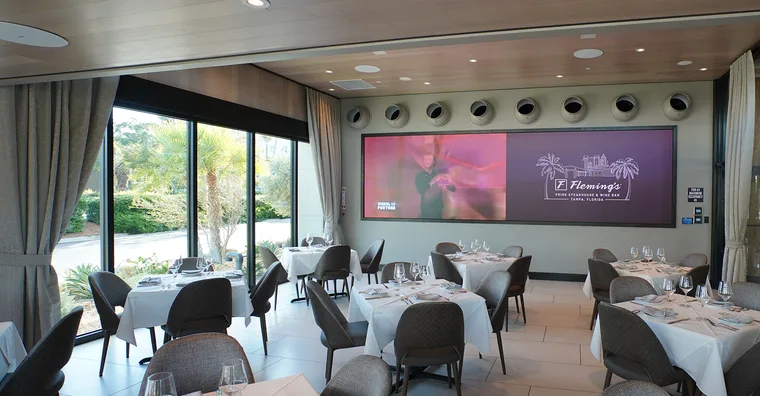
Venues · Institutional · Restaurants

The Arts District pairs galleries and music venues with foundation-funded public space, so its rooms answer to donors and audiences alike.

Arts · donor-funded
Blue Dome District
Bars · Restaurants · Venues

The Blue Dome District runs bars, restaurants, and event rooms that fill on weekends, where zoned audio keeps a loud night off the tables.

Entertainment
Cherry Street
Restaurants · Retail

Cherry Street's dining strip serves regulars in older brick rooms, where careful placement beats raw volume for even coverage.

Historic dining
Brookside
Restaurants · Retail

Brookside runs a long retail and restaurant corridor, where a room has to sound right from the bar to the patio.

Corridor dining
Utica Square
Retail · Restaurants

Utica Square anchors upscale retail and dining, where quiet, even background audio and clean signage carry the experience.

Upscale retail
Greenwood District
Institutional · Venues · Restaurants

The Greenwood District, a cultural and commercial anchor, hosts venues and institutions where program clarity matters to a broad audience.

Cultural district
South Tulsa and Tulsa Hills
Retail · Restaurants

South Tulsa and the Tulsa Hills retail node run suburban shopping and dining that lean on dependable, everyday systems.

Suburban retail
Broken Arrow
Corporate · Restaurants · Retail

Broken Arrow's Rose District downtown and its office parks pull permits on their own and buy for steady, everyday reliability.

Separate city
Jenks
Restaurants · Venues · Retail

Jenks runs its Riverwalk hospitality and an aquarium-anchored tourism strip, where rooms serve a visitor crowd year-round.

Tourism · separate city

What we do here

Tulsa AV That AnswerstoTwoReviewers

Four kinds of buyers drive our Tulsa work, and the most visible of them build with foundation money.

Arts venues, museums, and foundation-funded rooms

This is the buyer that makes Tulsa different. Performance halls, galleries, museums, and the park and community rooms that a foundation helped fund all answer to two masters: the grantor who paid for it and the public who uses it. We design to both, with drawings clean enough for a program officer and correct enough for an inspector, and a budget that tracks the way grant money actually releases. In a performance or gallery space, speech and program audio have to land cleanly for a paying audience, and the controls have to be simple enough for a volunteer or a docent to run. We build the reporting trail as we go, because donor-funded work gets asked to account for itself. It's civic AV held to a standard the whole city can see, which is exactly the pressure it should carry.

Offices, energy, and aerospace floors

Under the arts headlines, Tulsa runs a deep professional economy: energy and pipeline companies downtown, the aircraft-maintenance and aerospace base out by the airport, and the healthcare and back-office employers across midtown. Their rooms don't need spectacle, they need to run without drama every single day. A boardroom that connects on the first attempt, a training space any shift lead can operate, one predictable way to start a meeting on every floor. We confirm the platforms a team actually uses, keep the controls identical room to room, and leave documentation a facilities lead can act on without a call to us. For an operations or engineering culture, reliability beats novelty every time, and that suits how we build.

Restaurants, bars, and the entertainment districts

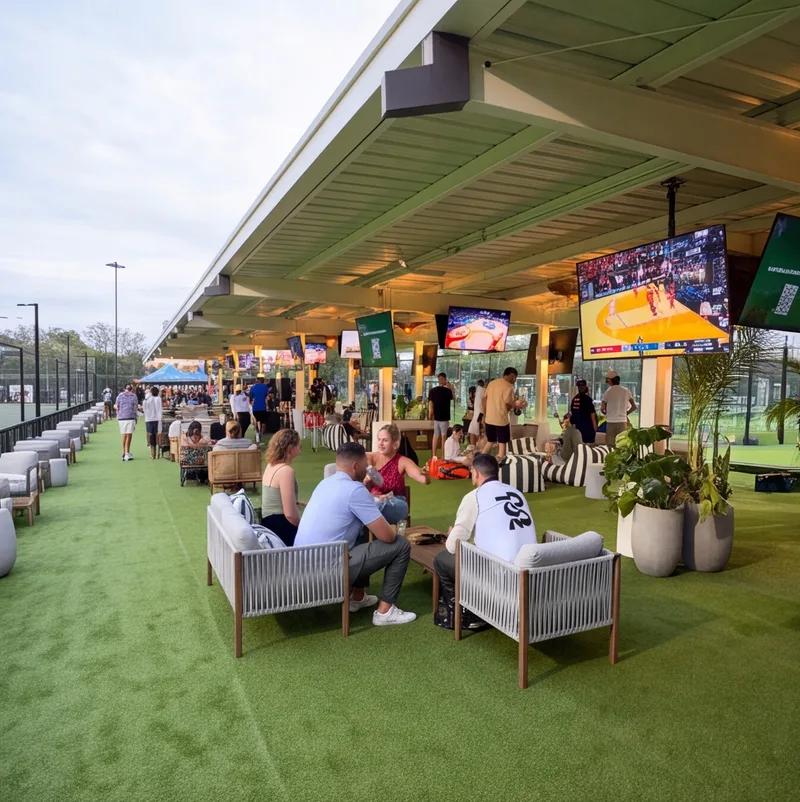
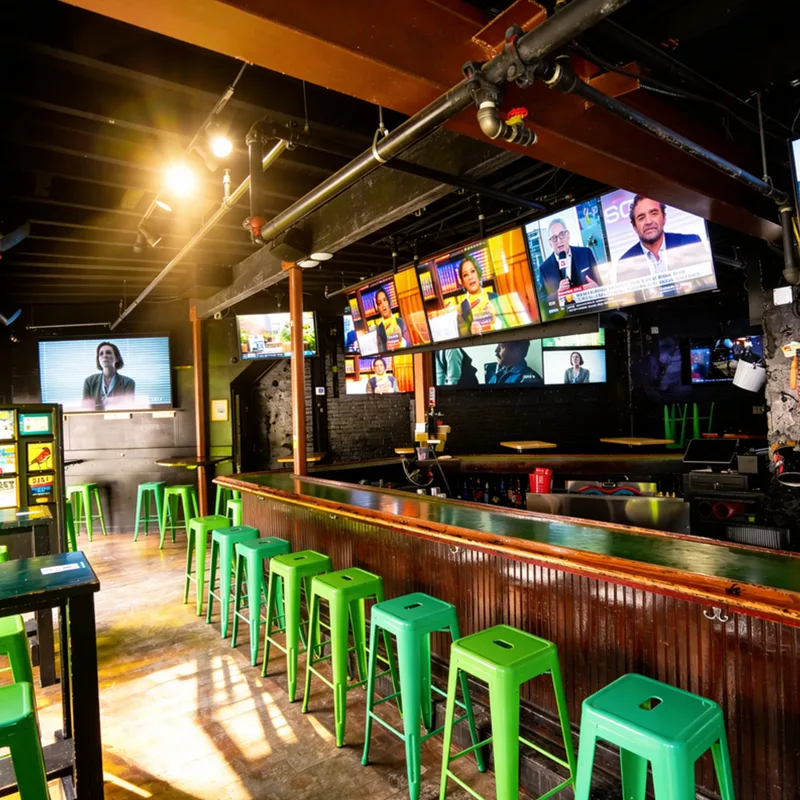
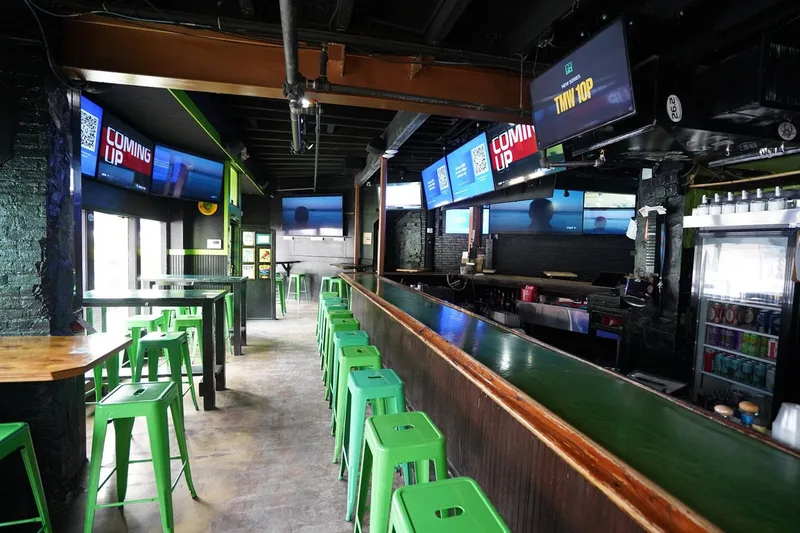
Tulsa goes out in districts, and each one has its own sound. The Blue Dome and the Arts District run bars and music rooms, Cherry Street and Brookside run dining strips, and every one of them needs audio that holds a conversation on a slow night and still carries when the district fills on a weekend. Zones keep a live act or a game off the tables that came to talk. The older brick rooms in these districts sound lively and hard, so placement and tuning matter more than raw volume. Screens go where a crowd will actually see them. The goal is a room that works on a quiet Tuesday and holds together on a First Friday, from one system the staff can run themselves.

Civic, campus, and public buildings

The public side buys differently. The city and county, the courts, the libraries, and the university campuses put speech rooms out to bid, and the test is plain: the resident or student at the back follows the whole session, or the money was wasted. That means microphones and gain structure planned first, controls sized for the clerk or staffer who actually runs the room, and bid and records rules met as written. Larger halls need announcements engineered so an instruction survives the space. Where a room streams its proceedings, we wire the outlet and leave the broadcast to your team. Public work rewards patience and clean paperwork, and that is how we operate.

Our project is grant-funded. Does that change how the AV gets designed and approved?

It does, and it's better to plan for it than to be surprised by it. Grant-funded work has two reviewers instead of one: the building department that signs the permit, and the foundation or program officer who wrote the check and expects the money spent the way the grant promised. Those two care about different things, so we design for both from the first drawing, documentation clean enough for a program officer to follow and correct enough for an inspector to approve, and a budget structured the way grant money actually releases rather than one lump sum. We also build the reporting trail as the work goes, because donor-funded projects get asked to account for themselves and scrambling for that paper at closeout is how good projects end badly. None of it slows the room down when it's handled up front. Crunchy Tech has been doing this since 2008, and a lot of that work is exactly this, designing a room that satisfies the people who paid for it and the people who inspect it at the same time.

We have rooftop and outdoor AV. How does Tulsa weather factor in?

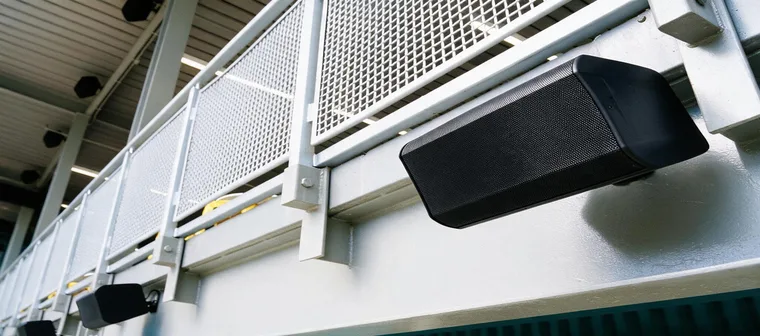
It factors in a lot, because Tornado Alley is hard on anything mounted outside and hoping through it is expensive. Spring hail is the first problem: it dents and cracks soft equipment, so exterior gear gets chosen and shielded to survive a real storm rather than to look tidy in a rendering. Winter ice is the second, since an ice storm loads a mount with weight and works cheap seals loose, so outdoor hardware gets rated for the load and the freeze, not a mild afternoon. Straight-line wind and tornado-season gusts are the third, so anchoring and enclosures get engineered for the force they'll actually see. Oklahoma storms also come with lightning, so grounding and surge protection get built in rather than added after the first strike takes a board out. Indoors, the quiet killer is a hot equipment closet with no cooling, which ages gear years early. None of it is exotic. It's just building for the weather Tulsa actually gets.

We have locations in Tulsa, Broken Arrow, and Jenks. Different rules?

Different rules at each one, since the Tulsa metro is a patchwork of separate cities rather than one big jurisdiction. Tulsa, Broken Arrow, Jenks, Owasso, Bixby, and the others each keep their own permit office and their own inspectors, so opening in the next suburb means starting over at that city's window regardless of what your first location cleared. Unincorporated Tulsa County is a separate track again. Sorting all of that is on us, not you, from filing correctly in each city to giving you an honest timeline when one office is backed up, so the only thing that reaches you is a date you can build a schedule on. What doesn't change from city to city is the way your staff runs the room, one control layer and one startup at every location, so the experience holds even as the building official changes. You run a single operation spread across a metro of small governments, and absorbing that permitting maze is part of what an integrator is for.

Grant and public money both come with reporting. Do you handle that documentation?

Yes, and we treat it as part of the job rather than an afterthought, because on funded work the paperwork is half the deliverable. As the design and install progress, we produce the drawings, specifications, and closeout documents that a grantor's reporting and a public bid both require, in a form each one accepts. That means as-built drawings that match what's actually on the wall, an equipment list that ties to the budget lines, and warranty and training records that a director can hand to an auditor without a scramble. When the funder asks what the money bought, the answer is already assembled. When the next facilities hire inherits the room, the manual is real and matches the space. We'd rather build that trail as we go than reconstruct it under a deadline, and it's one of the reasons funded institutions keep calling us back.

What clients say

Operators who run on our systems

Client successes drive Crunchy Tech to become better. Below is how our customers feel about us.

Just do it. Spend the money. It’s well worth it. It’s not worth your time, hassle, energy, and stress of trying to make it look right and do it right when there’s somebody who has been doing it for years and has perfected the craft.

Matt Moore logo
Matt Moore
IT Systems Administrator · Capone's Hideout

You're a great partner with Florida Hospital and this project will make a difference in Children's Health.

Des Cummings logo
Des Cummings
Vice President of Florida Hospital · Florida Hospital

Working with Crunchy Tech was a fantastic experience from start to finish. They handled the sale and installation of all our sound and TV equipment at The County Bar in Aviston, IL, and absolutely nailed it. We were on a very tight deadline, and they not only met it—they delivered top-notch quality and service the entire way. Highly professional, responsive, and easy to work with. We couldn't be happier with the results.

Clint Flowers logo
Clint Flowers
Owner · The County Bar

Crunchy's AV Services are outstanding. Staff members are experts, who really extend themselves to find the right technology for helping us reach our marketing goals in creative ways. The best thing about working with Crunchy is collaborating with the staff – they are patient, responsive, knowledgeable, and available.

Shannon McHale logo
Shannon McHale
Marketing Specialist · IGT

Crunchy has been great to work with. They communicate well and deliver as promised.

Brian Dornbush logo
Brian Dornbush
Facilities & Operations Manager · Orange County Library System

The work Crunchy has been doing is a game changer for this industry.

Steven Fandozzi logo
Steven Fandozzi
VP of Information Technology · Foundation Partners

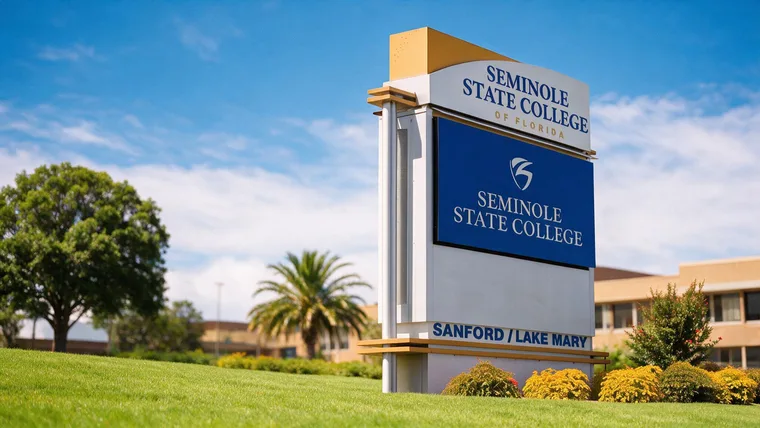
Being able to reuse the existing structure created a much lower cost for the client and they were ecstatic.

Seminole State College logo
Seminole State College
Facilities · Seminole State College

Crunchy has done an amazing job on our A/V install. The sound is perfectly balanced throughout our many zones and the entire system is super simple to use.
Steve Glum logo
Steve Glum
Chief Marketing Officer · Ace Cafe
Talk to a Tulsa AV designer

Let's design it to passbothreviews

Tell us the room, who's funding it, and what it has to do, because in Tulsa the grantor's standards and the building department's are both part of the design. We open on the outcome, take the room's measurements and exposure on the walk, and deliver an engineered scope that reads clearly for a board and checks out for an inspector.

  • Designed for both reviewers, the grantor and the building department.
  • Reporting and closeout documentation built as the work goes.
  • Rooftop and outdoor gear specified for hail, ice, wind, and lightning.
  • One standard across every site in the metro, however many cities it crosses.