AV Installation Oklahoma City | Commercial AV
location_on Oklahoma City, OK

Commercial AV Installation in OklahomaCity

Design-build audiovisual for Oklahoma City civic rooms, offices, restaurants, and energy campuses, in a downtown the voters built a penny at a time.

OKC built its downtown bypublicvote, and it buys AV accordingly

Oklahoma City did something almost no American city has pulled off: it rebuilt its own core on purpose, penny by penny, starting with a 1993 vote that taxed a cent of every sale and spent it on the city itself, then renewing the bargain again and again across three decades. The result is a downtown where an unusual share of the buildings, arenas, halls, libraries, riverfront facilities, civic rooms at serious scale, exists because voters said yes. That origin never wears off. A voter-funded building buys like a public building forever, with published processes, documented decisions, bid formats that mean exactly what they say, and a public that considers itself, correctly, the client.

We're comfortable in that room. Public-process work rewards the habits we run everywhere anyway, pricing to the bid as written, confirming requirements per project instead of assuming last year's held, documenting to a standard an auditor can follow, and building systems a rotating civic staff can operate without a technician on payroll. The private side of this metro, energy offices, aerospace-adjacent employers, a dining scene that's grown teeth, gets the same discipline with less paperwork. Real drawings, a rack that leaves our bench already exercised, install, tune, train, document, and support that handles most calls without a truck, about 47% of them inside an hour. Since 2008.

OKC built its downtown by public vote, and it buys AV accordingly
Install OKC built its downtown by public vote, and it buys AV accordingly Oklahoma City, OK

Commercial AV AcrosstheOKCMetro

The voter-built downtown, Bricktown and the districts, the energy corridor offices, and the metro cities from Edmond to Norman that run their own halls.

2008
Serving Oklahoma City since
10
Neighborhoods
Downtown and the civic core
Institutional · Corporate · Hotels

The referendum-built core buys through public processes, and design readiness before the bid window is worth a funding cycle.

Public process
Bricktown
Restaurants · Bars · Venues

Bricktown's warehouse conversions bounce sound off brick and water alike, and the speaker plan answers to the architecture first.

Conversion · acoustics
Automobile Alley
Restaurants · Retail

The Alley's glass-fronted showrooms are gorgeous echo chambers, where placement and zoning do what volume never could.

Glass · placement
Plaza District
Restaurants · Bars · Venues

Plaza's storefronts share walls down the block, so containment and a curfew zone keep the district friendly after midnight.

Party wall · curfew
Midtown
Restaurants · Corporate

Midtown's rehabs mix protected bones with new ambitions, and what the original structure tolerates gets answered early.

Rehab · fabric
Film Row and the west core
Corporate · Venues

Film Row's exchange buildings host creative tenants in historic shells, two sets of rules the design serves at once.

Historic · creative
The energy corridor
Corporate

The energy campuses buy rooms by the floor and expect them identical, a standardization brief we build for the long haul.

Multi-room standard
Stockyards City
Restaurants · Industrial

Stockyards rooms serve generations of regulars under pressed tin, where even coverage at conversation level is the entire brief.

Heritage rooms
Edmond
Corporate · Restaurants

Edmond is its own city with its own reviewers, and its newer stock rewards early infrastructure decisions.

Separate city · new build
Norman
Institutional · Restaurants

Norman runs its own permits and buys instructional rooms on academic calendars, where whoever walks in must start unaided.

Separate city · instructional

What we do here

Oklahoma City AV Design, Public-ProcessFluent

Four kinds of buyers anchor our OKC work, and the biggest one answers to a ballot.

Civic rooms and the voter-built core

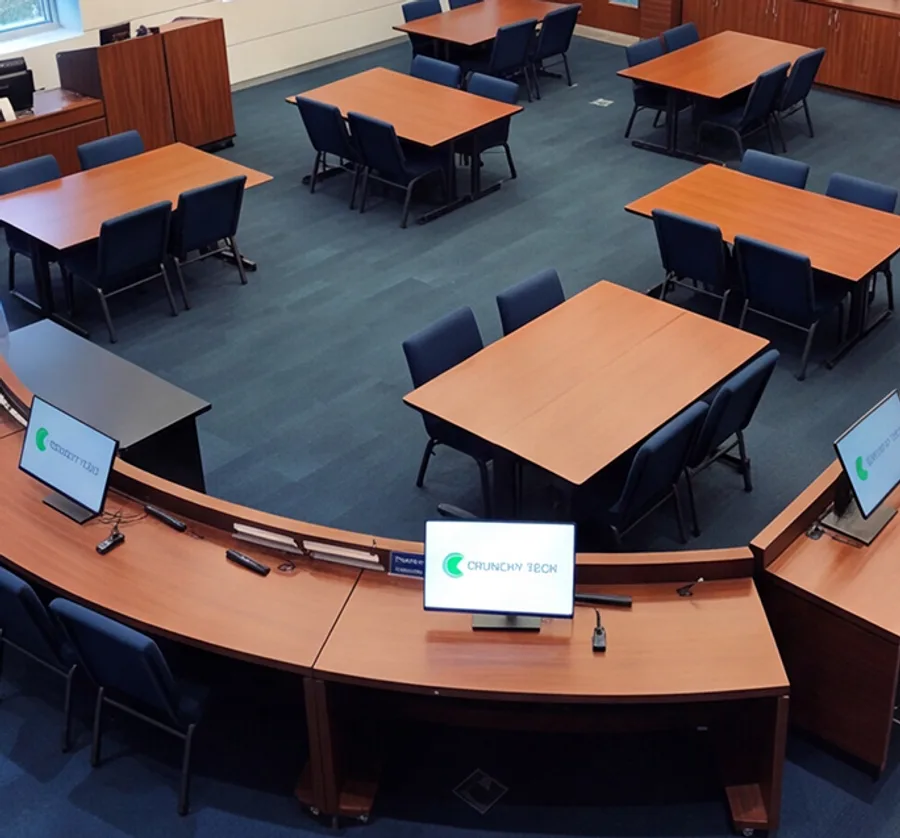
The council chambers, civic halls, libraries, and public venues that define this downtown buy through processes their funding demands: published bids, documented sourcing, review by people whose job is skepticism. We price those documents exactly as written, confirm the current requirements per project, and deliver files built for the audit that public money eventually invites. The rooms themselves are speech rooms first, a resident in the back row follows the proceeding or the referendum failed at the last mile, so microphone strategy leads, feedback margin gets engineered, and the controls get sized to the clerk actually running the meeting. Announcement systems in the big facilities get their own engineering, an instruction crossing a civic hall has to land on somebody mid-stride and still make sense.

Energy offices and corporate floors

The energy companies headquartered here buy conference floors with a trading-desk temperament, decisions moving fast when prices do, rooms that have to work the moment somebody needs them, and zero patience for a system that greets a crisis meeting with a firmware update. The failures are national classics, hardware sized from catalog photos, floors that drifted until no two rooms match, and the fixes are permanent rather than clever: measure the real room, learn the platforms in actual use, give the entire floor one control behavior worth memorizing, and document past the next reorganization. Aerospace-adjacent employers around the metro bring documentation expectations of their own, and we build the file to survive them.

Restaurants, bars, and the districts

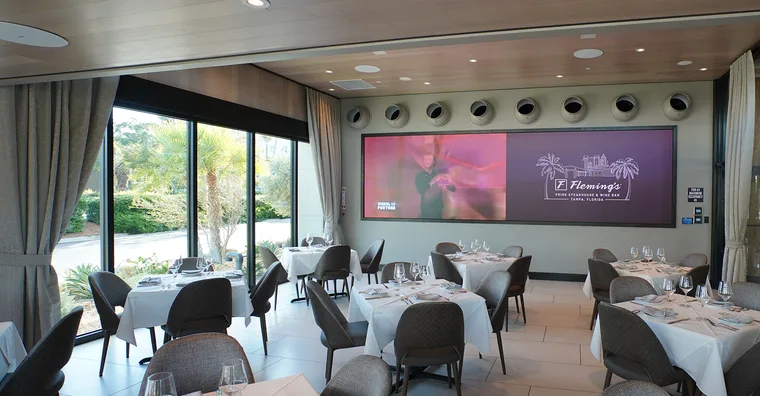
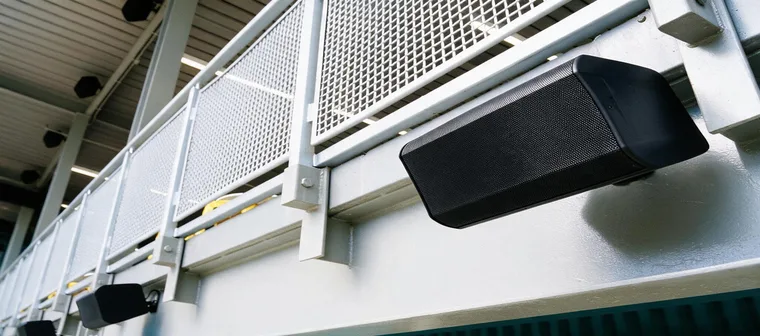
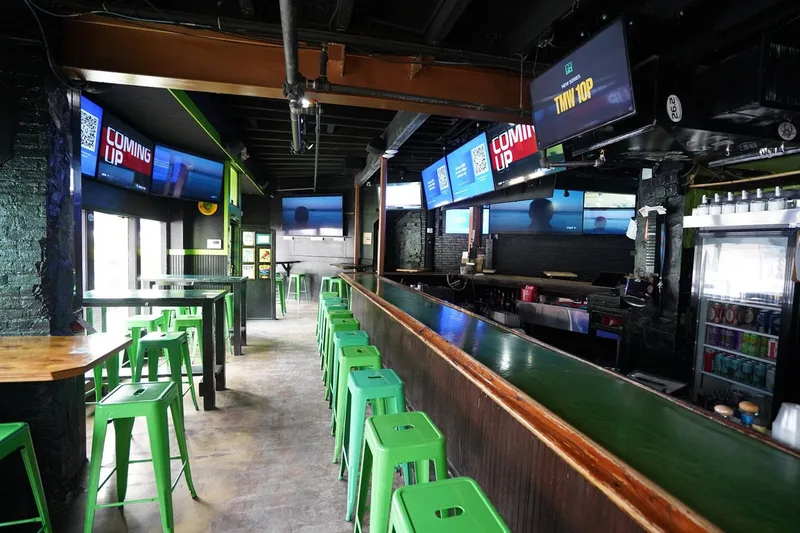
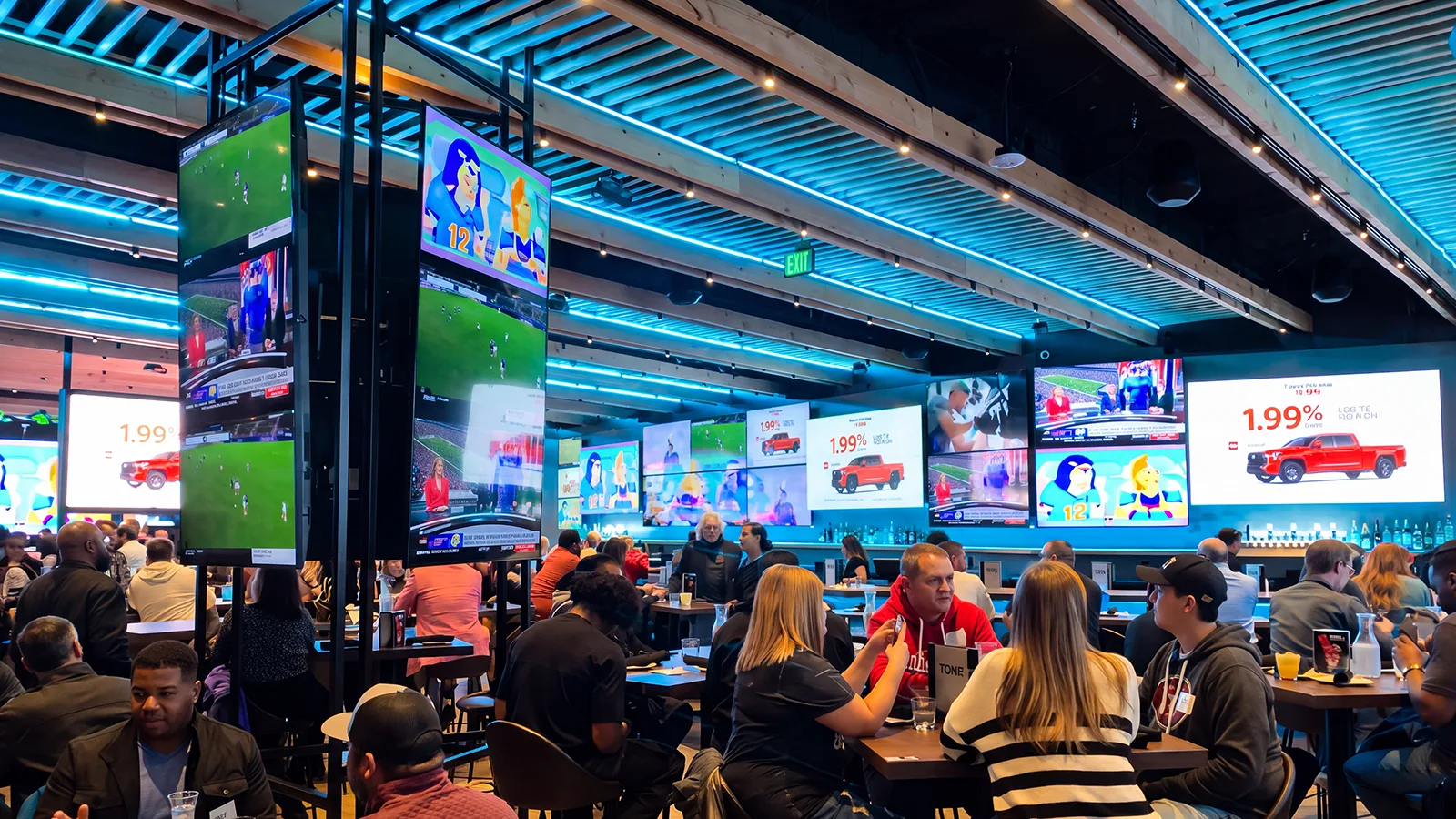
OKC's dining scene grew up fast and confident, Bricktown's canal-side rooms, the Plaza District's storefronts, Automobile Alley's converted showrooms, Midtown's rehabs, and the building stock splits the usual two ways. The conversions play acoustic hardball, brick and glass flinging sound until a squad of small speakers, run gently and zoned honestly, brings the room back to conversation. The new construction filling the gaps rewards early arrival, when routing cable paths and setting display backing into open framing costs next to nothing. Patios earn a real season here and then face plains weather with the safety off, so outdoor hardware gets chosen for hail it will genuinely meet, anchored for wind that arrives sideways, with a curfew button because the districts sleep close to their customers.

Large facilities and the working metro

Beyond downtown, this metro works at plains scale, distribution floors along the interstates, fairground-sized venues, campus facilities, and the audio brief out there is announcement-first: an instruction has to cross an enormous volume, beat machinery or crowd noise, and arrive intact on somebody facing the wrong direction. Coverage gets designed from measured levels rather than optimism. Multi-site operators get the standardization treatment, one interface, one training, documentation that lets any competent technician service any location from the file, and support built remote-first because this metro spreads generously and windshield time is a tax nobody should fund. Where hands are needed, they arrive with as-builts, which turns one visit into one fix.

Our project is MAPS-adjacent public money. What does that mean for how we work with you?

It means the process is the product alongside the room, and we treat both with respect. Publicly funded work in this city carries the obligations its origin demands: published bid documents we price exactly as written, sourcing and documentation requirements we confirm per project rather than assume, decision trails built for the audit that public money eventually attracts, and deliverables a citizen oversight process can read without translation. None of that slows us down, because the habits are our defaults anyway, we started in 2008 as the support company fixing other integrators' undocumented systems, and Crunchy Tech has been doing this since 2008, which is to say the paperwork discipline predates the public work. What we'd add from experience with civic rooms: have the engineering finished before the bid window opens, since a public timeline that slips waits for the next cycle, and design for the staff reality, because the person running a council chamber on Tuesday night is a clerk with three other duties, not a technician, and the controls should honor that. Voter-built rooms deserve systems that work every single time the public shows up. That's the actual spec.

Our energy company's conference rooms sit empty until a price moves, then everything's urgent. Design for that?

Design for exactly that, because the trading-floor rhythm is a real specification most integrators never think to ask about. A room that's idle for days and then hosts a crisis meeting on ninety seconds' notice has one non-negotiable virtue: instant, boring readiness. No warm-up rituals, no firmware update ambushing the display at the wrong moment, no source-hunting while the call waits. We build for it deliberately, systems that wake fast from managed standby, control layers that put the whole room one button from working, updates scheduled through your IT team's windows instead of the hardware's whims, and monitoring that tells us a component is drifting before your worst morning finds out. Standardization multiplies the value, since urgency doesn't check which floor it strikes, and a trader who grabs the nearest room shouldn't face a different interface than the one upstairs. The far end of the table stays audible on every platform your desks and your counterparties actually use, because a crisis call with a mute half is a crisis squared. Idle-then-urgent is honestly one of our favorite briefs. It rewards engineering over spectacle, which is the game we practice anyway.

What does plains weather actually do to outdoor AV, and can a patio system really survive here?

It can survive handsomely if it's specified for the actual plains rather than a catalog's gentle imagination, and the threat list here is specific. Hail leads it, the genuine article that dents cars, so outdoor enclosures and grilles get chosen for impact rating first, and mounting positions consider what a spring cell drops from above. Wind comes second and arrives sideways, straight-line gusts that audit every anchor, so mounts get engineered for load with margins a calmer market would call paranoid. The temperature spread does the slow damage, summers over a hundred, ice storms that glaze everything, a swing that cycles seals and gaskets until the cheap ones quit, which is why the specification names materials rather than trusting adjectives. Surge protection is standing equipment, because plains lightning treats unprotected electronics as a scavenger hunt. Built to that list, an OKC patio system runs for years while the weather does its worst, and the spring and fall seasons here genuinely earn the investment. Built off an inland-mild template, the same patio becomes an annual replacement subscription. The weather isn't negotiable. The specification is, once.

We're in Edmond and Norman too. Different cities, really?

Really and thoroughly, and the metro's polite sprawl hides it well. Edmond, Norman, Moore, Yukon, and the rest are independent cities with their own councils, their own building departments, and their own review rhythms, and Oklahoma City's approvals carry no weight across any of those lines, however smoothly the streets flow over them. The filings, the inspectors, and the pacing differences between halls all live on our side of the ledger, and what reaches your desk is a timeline you can trust. Norman adds its own flavor, since university-adjacent work there runs on academic calendars and instructional rooms obey the campus rule, whoever walks in starts teaching without a phone call. What crosses every city line untouched is your operation: one interface, one preset logic, one training at every location, documentation so consistent that a ticket's suburb never matters, with roughly 47% of support requests settled remotely inside an hour, metro-wide. You run one business across a quilt of city halls. The quilt is our department.

What clients say

Operators who run on our systems

Client successes drive Crunchy Tech to become better. Below is how our customers feel about us.

Just do it. Spend the money. It’s well worth it. It’s not worth your time, hassle, energy, and stress of trying to make it look right and do it right when there’s somebody who has been doing it for years and has perfected the craft.

Matt Moore logo
Matt Moore
IT Systems Administrator · Capone's Hideout

You're a great partner with Florida Hospital and this project will make a difference in Children's Health.

Des Cummings logo
Des Cummings
Vice President of Florida Hospital · Florida Hospital

Working with Crunchy Tech was a fantastic experience from start to finish. They handled the sale and installation of all our sound and TV equipment at The County Bar in Aviston, IL, and absolutely nailed it. We were on a very tight deadline, and they not only met it—they delivered top-notch quality and service the entire way. Highly professional, responsive, and easy to work with. We couldn't be happier with the results.

Clint Flowers logo
Clint Flowers
Owner · The County Bar

Crunchy's AV Services are outstanding. Staff members are experts, who really extend themselves to find the right technology for helping us reach our marketing goals in creative ways. The best thing about working with Crunchy is collaborating with the staff – they are patient, responsive, knowledgeable, and available.

Shannon McHale logo
Shannon McHale
Marketing Specialist · IGT

Crunchy has been great to work with. They communicate well and deliver as promised.

Brian Dornbush logo
Brian Dornbush
Facilities & Operations Manager · Orange County Library System

The work Crunchy has been doing is a game changer for this industry.

Steven Fandozzi logo
Steven Fandozzi
VP of Information Technology · Foundation Partners

Being able to reuse the existing structure created a much lower cost for the client and they were ecstatic.

Seminole State College logo
Seminole State College
Facilities · Seminole State College

Crunchy has done an amazing job on our A/V install. The sound is perfectly balanced throughout our many zones and the entire system is super simple to use.
Steve Glum logo
Steve Glum
Chief Marketing Officer · Ace Cafe
Talk to an OKC AV designer

Let's build rooms worthy of acitythatvotedforitself

Tell us the address, whether the money is public, private, or the local blend of both, and what the room has to earn. The consult covers the outcome and the process it must survive, the walk covers the building and the weather exposure, and the deliverable is an engineered scope ready for the bid window or the boardroom, whichever comes first.

  • Public bid documents priced as written, with files built for the eventual audit.
  • Idle-then-urgent corporate rooms engineered for instant, boring readiness.
  • Hail, wind, and the hundred-degree spread specified at selection.
  • Every metro city hall's paperwork carried natively, Edmond to Norman.