AV Company in Austin
location_on Austin, TX

Commercial AV Company in Austin

Design-build audiovisual for Austin offices, hotels, restaurants, venues, and public buildings. We design the system, specify it, build the rack, install it, and support it afterward.

Search for an AV company in Austin and you get threedifferentindustries

The first page of results mixes companies that do completely different jobs. Some rent lighting and staging for an event next month. Some install home theaters. Some are directories listing whoever paid. All of them describe themselves as audiovisual, so an operator trying to get a restaurant or an office floor built ends up comparing quotes that are not comparable, and often finds out late that the company they picked does not do permanent commercial work at all.

We are the third kind. Crunchy Tech designs and installs permanent commercial audiovisual systems: the sound, the displays, the control, and the infrastructure behind them. We do not rent equipment for events and we do not do residential. What we do is come onto a project as the technology partner, work out what each room has to accomplish, hand your architect and general contractor requirements they can build to, then install and support what we designed so one company is accountable. Since 2008.

Search for an AV company in Austin and you get three different industries
Install Search for an AV company in Austin and you get three different industries Austin, TX

Commercial AV AcrossCentralTexas

From downtown towers and Domain office floors to South Congress restaurants and the suburbs north of the river, we design, install, and support commercial audiovisual systems across the metro.

2008
Serving Austin since
10
Neighborhoods
Downtown
Corporate · Hotels · Restaurants

Downtown buildings mix conference floors with hospitality, so meeting-room systems and music zones get designed as separate systems under one control layer.

Corporate & hospitality
Rainey Street
Bars · Restaurants

These are small converted structures with shared walls and large outdoor areas, so zoning keeps the program inside the property and outdoor gets its own amplifier channel.

Outdoor-led · containment
South Congress
Restaurants · Retail

The requirement here is usually that the hardware not be visible, so equipment gets concealed into the architecture and coverage gets solved through placement.

Concealed install
East Austin
Bars · Restaurants · Venues

Open-ceiling warehouse conversions scatter sound badly, so speaker type and placement get worked out around the acoustics before anything is specified.

Open ceiling · acoustics
The Domain
Corporate · Hotels · Retail

Domain projects lean corporate, where control that behaves identically across a floor of rooms matters more than any single impressive space.

Multi-room standard
Mueller
Offices · Retail

Mueller is largely new construction, which lets us get conduit, pathways, backing, and rack cooling into the plan set before the ceilings close.

New build · design-phase
Southwest Austin and Bee Cave
Restaurants · Offices

These are larger footprints with big patios, so coverage comes from more sources spread evenly rather than fewer turned up.

Large room · coverage-led
Round Rock
Corporate · Restaurants

Round Rock sits under its own municipal review, so the approval path gets confirmed locally rather than carried over from an Austin address.

Separate jurisdiction
Cedar Park and Leander
Retail · Restaurants

Operators expanding north usually want one repeatable standard, so the control layer and training stay identical while room design adjusts per site.

Multi-location standard
Georgetown
Restaurants · Institutional

Work around the historic square means confirming what can be seen or penetrated first, and civic buildings shift the brief toward speech and paging.

Historic · speech-first

What we do here

Commercial AV for Austin offices,venues,andpublicbuildings

Most of our Austin work sits in four places. The design question is different in each one, and the equipment list always comes last.

Offices and conference rooms

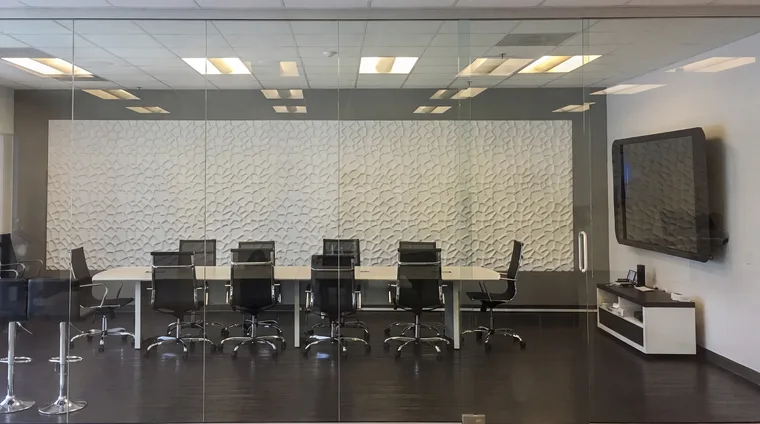
Corporate teams usually arrive with a platform already chosen and a room size assumption that does not hold. Manufacturer marketing sells a system built for five people into a room that seats twenty, and everyone at the far end of the table spends a year being hard to understand on calls. So we design from the space: the dimensions, the acoustics, whether the walls are glass or drywall, what actually happens in the room, and which platforms your people and your clients use. Microsoft Teams Rooms, Zoom Rooms, and Google Meet each want something different from the hardware. That gives you microphone and camera coverage matched to the room, displays sized for the furthest seat, and controls that behave identically on every floor.

Restaurants, bars, and hotels

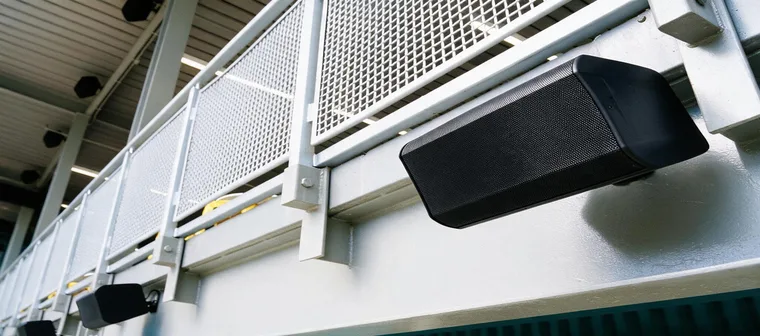
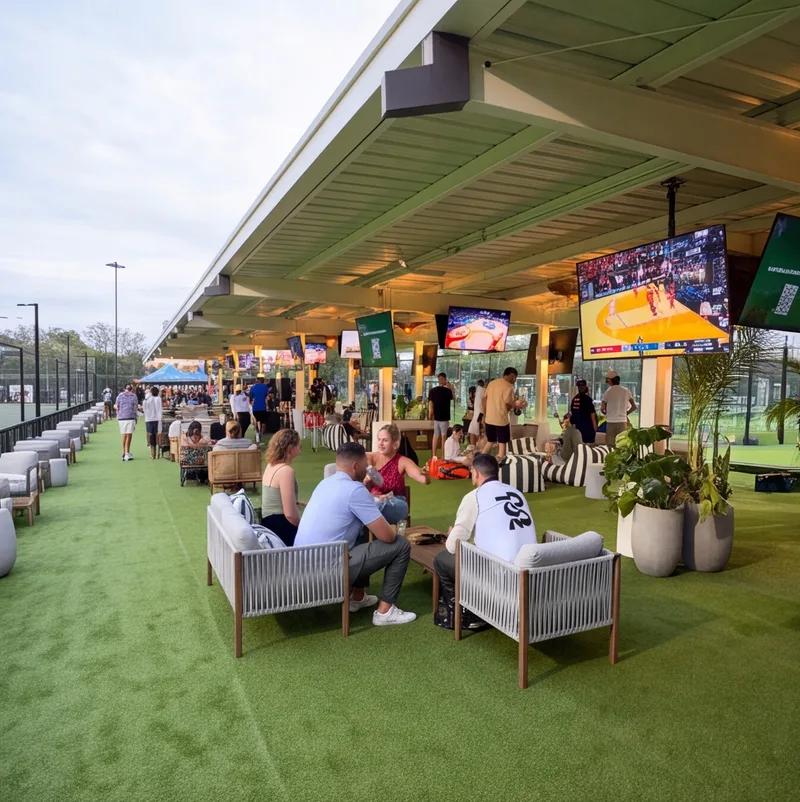
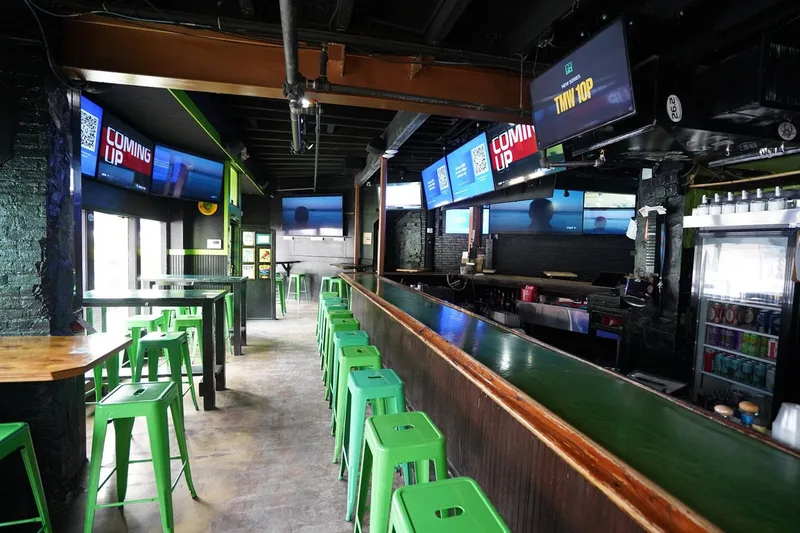
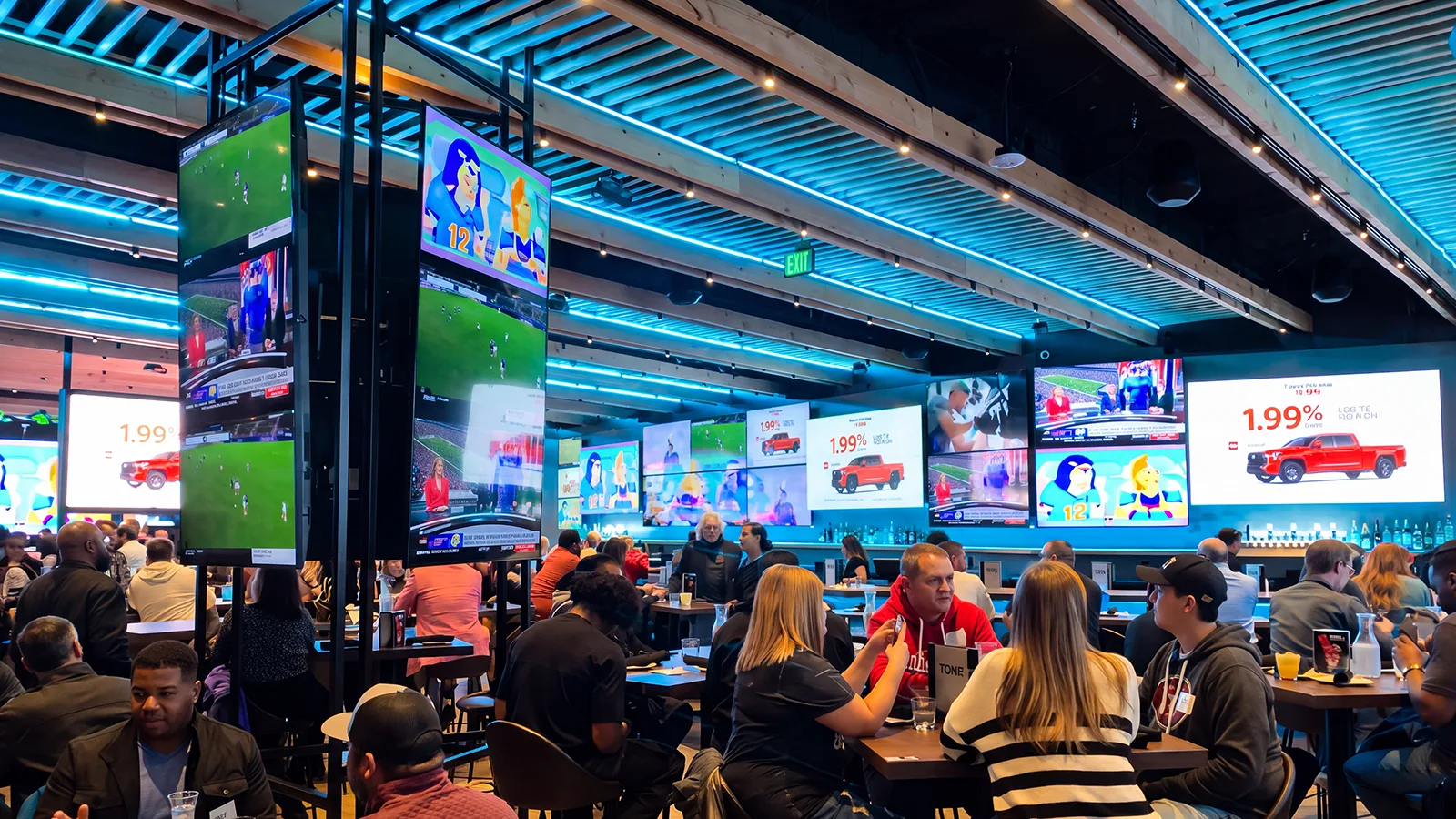
Two things tell you a room's audio was never designed: you cannot hold a conversation, or you cannot hear what the operator wants playing. Both trace back to speakers placed without accounting for direction, height, and hard surfaces, often run around the perimeter so the middle gets no coverage and the edges are punishing. So audio gets zoned at the processor, with the dining room, the bar, and the patio each tuned to the concept instead of sharing one volume control. A hotel is several venues in one building, so the lobby, the restaurant, and the meeting floors get designed separately. Austin patios run most of the year, which makes outdoor a permanent zone on weather-rated hardware and its own amplifier channel.

Venues with live performance

Austin has more rooms hosting live music than almost anywhere, and the installed system has to share the building with it. The usual failure is a house system that fights the act, or one nobody trusts so it sits unused. Zoning solves it: the performance area becomes its own zone that drops out of the house program during a set, the areas away from the stage stay usable, and a preset brings the room back cleanly once the band packs down. Our scope is the permanently installed system and that zoning. We do not book talent and we do not mix live shows. Where you bring your own engineer, we give them a clean, documented tie-in point.

Public buildings and large facilities

Austin is a state capital and a major institutional market, so a meaningful share of local work is speech rather than music. Briefing rooms, hearing rooms, and training spaces get designed around intelligibility and feedback control, with microphone coverage matched to how people actually sit and speak. Large facilities need public address, which is a separate discipline from background music: an announcement has to carry across a big space and be understood, including emergency instruction for someone who cannot see where they are being sent. Where a project carries its own procurement or security requirements, we design to them and confirm the specifics per project rather than assuming.

There are a lot of AV companies in Austin. How do we tell which kind we actually need?

Ask what happens after the install, because that is where the categories separate. An event production or rental company sets up lighting and sound for a date and takes it away afterward, which is a genuinely different business from a permanent build. A residential installer does home theater and whole-house audio, which uses different equipment and different standards from a room that has to run every day for a business. A directory listing is neither, it is a lead form. What you want for a restaurant, an office floor, or a venue is a commercial design-build integrator: a company that designs the system, specifies it, builds and tests the rack, installs it, commissions and tunes it on site, trains your staff, documents it, and supports it afterward. That is us. We do not rent equipment for events and we do not do residential work. A useful screening question for anyone you are comparing: ask who is accountable if the room does not work on opening night. If design and installation sit with different companies, the answer is usually nobody.

When should we bring an AV partner onto an Austin project?

When your architect produces a first floor plan, and earlier than most people expect. There is no reason your technology partner is not at the architectural phase, since by the time the building is going up the mark has already been missed. A project a year out does not need a large upfront spend, it needs the technology requirements in the architectural plan, because you cannot submit a clean permit set or get an honest general contractor bid without them. What the GC needs early is specific: conduit sizing, pathway plans for open ceilings, blocking and backing behind every display, power for the rack, and cooling for the equipment room. Projects engaged at the architectural phase see roughly 95% fewer change orders than projects where we arrive after construction has started. Austin rewards that more than most markets, because so much of the work here is new construction rather than a retrofit into a finished room, which means the cheap moment to get it right actually exists and is easy to miss.

Do you only design, or do you install what you design?

Both, and the accountability is the point. Most consultants hand over a specification and leave, and they are not accountable for whether the room works on opening night, which is how you end up with a designer and an installer blaming each other while you sit in the middle. We design, specify, procure, build the rack in our shop, install, commission, train your staff, document the system, and support it afterward. One company, one point of accountability. Crunchy Tech started in 2008 as an AV support company before it ever designed systems, and years of fixing other people's work is why our racks get built to be serviced: fully enclosed, every cable labeled at both ends, power separated from audio and data. We have opened racks that looked fifteen years old after three months in an uncooled closet, with dust caked on every surface, and replacing cooked components runs into the tens of thousands. We will quote a fixed bid once the scope is genuinely settled, and we will tell you plainly when a fixed number is going to cost you more than the design work would have.

We are outside Austin proper. Does that change anything?

The design work does not change, but the approval path does. The metro is several separate municipalities, so a project in Round Rock, Cedar Park, Leander, Georgetown, or Bee Cave answers to its own review rather than to Austin's, and we confirm that for the actual address rather than assuming one process covers the region. It matters most on anything structural or electrical, which on an AV project usually means display and speaker mounting, rack power, and work above a ceiling. For an operator running rooms across several of these cities, the useful approach is one repeatable standard: the same control layer, the same presets, and the same staff training everywhere, with the physical design adjusted per room since a downtown conversion and a new suburban build are not the same problem. That keeps a manager transferable between locations and keeps support predictable rather than location-specific.

What clients say

Operators who run on our systems

Client successes drive Crunchy Tech to become better. Below is how our customers feel about us.

Just do it. Spend the money. It’s well worth it. It’s not worth your time, hassle, energy, and stress of trying to make it look right and do it right when there’s somebody who has been doing it for years and has perfected the craft.

Matt Moore logo
Matt Moore
IT Systems Administrator · Capone's Hideout

You're a great partner with Florida Hospital and this project will make a difference in Children's Health.

Des Cummings logo
Des Cummings
Vice President of Florida Hospital · Florida Hospital

Working with Crunchy Tech was a fantastic experience from start to finish. They handled the sale and installation of all our sound and TV equipment at The County Bar in Aviston, IL, and absolutely nailed it. We were on a very tight deadline, and they not only met it—they delivered top-notch quality and service the entire way. Highly professional, responsive, and easy to work with. We couldn't be happier with the results.

Clint Flowers logo
Clint Flowers
Owner · The County Bar

Crunchy's AV Services are outstanding. Staff members are experts, who really extend themselves to find the right technology for helping us reach our marketing goals in creative ways. The best thing about working with Crunchy is collaborating with the staff – they are patient, responsive, knowledgeable, and available.

Shannon McHale logo
Shannon McHale
Marketing Specialist · IGT

Crunchy has been great to work with. They communicate well and deliver as promised.

Brian Dornbush logo
Brian Dornbush
Facilities & Operations Manager · Orange County Library System

The work Crunchy has been doing is a game changer for this industry.

Steven Fandozzi logo
Steven Fandozzi
VP of Information Technology · Foundation Partners

Being able to reuse the existing structure created a much lower cost for the client and they were ecstatic.

Seminole State College logo
Seminole State College
Facilities · Seminole State College

Crunchy has done an amazing job on our A/V install. The sound is perfectly balanced throughout our many zones and the entire system is super simple to use.
Steve Glum logo
Steve Glum
Chief Marketing Officer · Ace Cafe
Talk to an Austin AV designer

Let's get the AV into thedrawings

Tell us about the project: the address, the phase it is in, who the architect and general contractor are, what is decided and what is still open. If construction has not started we work from the drawings. If it has, the consult starts with your locations and what each room has to do, includes a site visit to confirm what the building and the jurisdiction allow, and comes back as one engineered scope rather than a parts list.

  • Permanent commercial systems only. Not event rentals, not residential.
  • Requirements in the plan set at the architectural phase, before the permit submission.
  • Drawings your general contractor can bid and build from, not a recommendation memo.
  • We install and support what we design, so one company is accountable.