Hotel AV Systems in Miami
location_on Miami, FL

Hotel AV Systems in Miami

Hotel and resort AV for the spaces guests actually judge you on, with pool deck audio, lobby sound, and digital signage running as one manageable system.

The pool deck is theproperty'sfrontpage

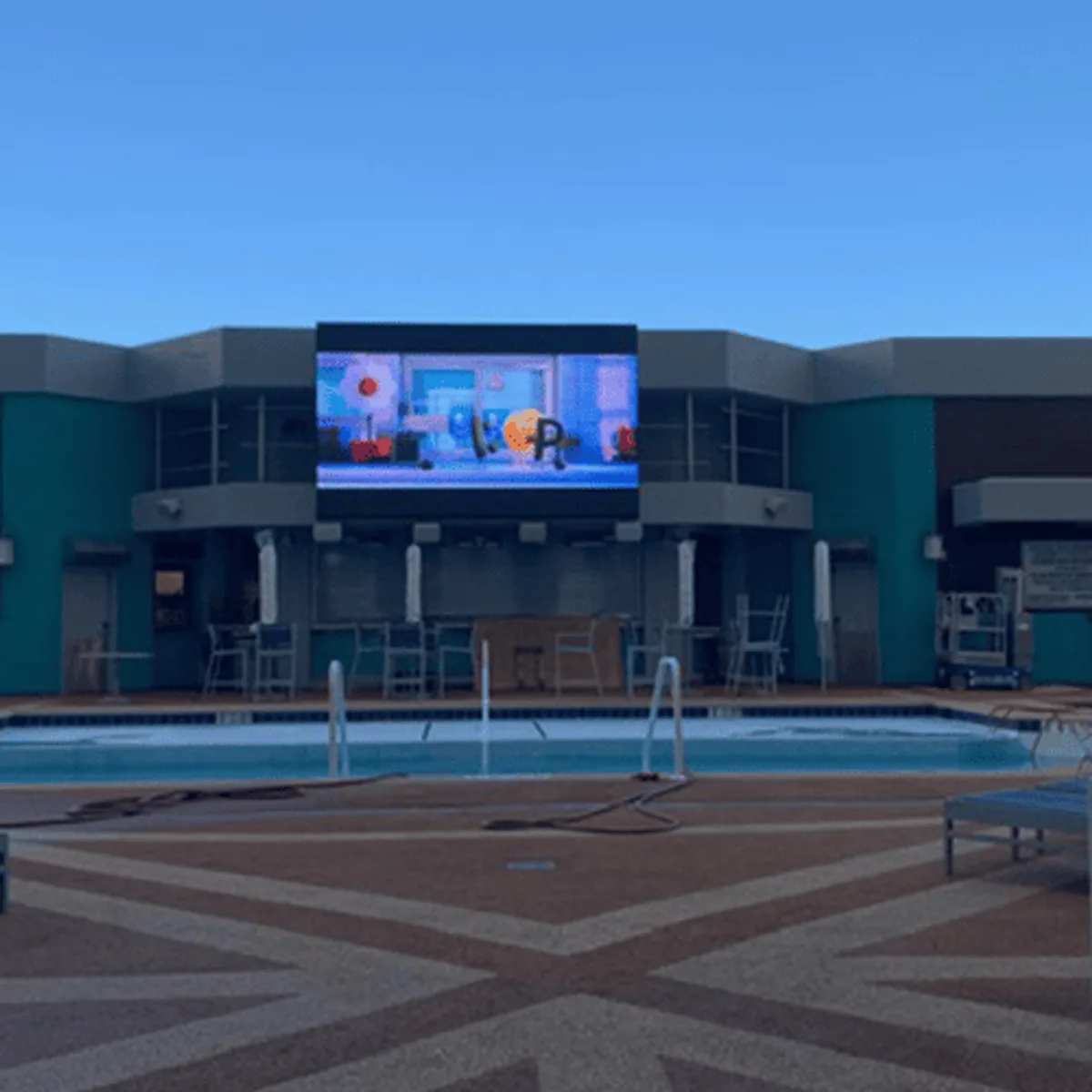
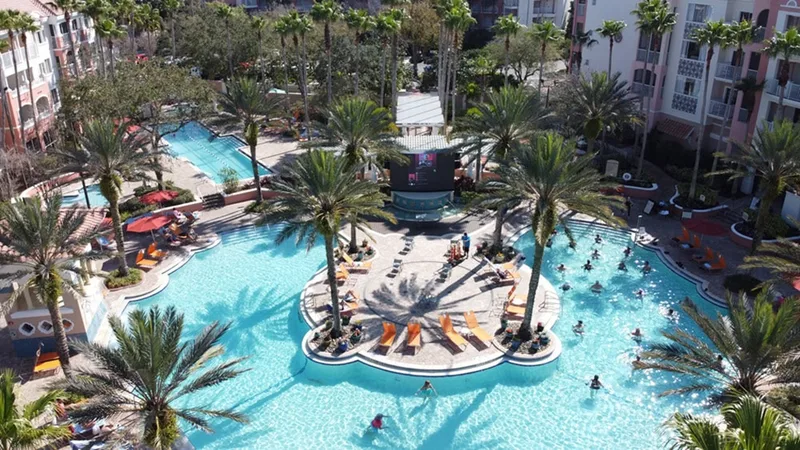
In Miami the deck is what sells the property. It is the space in the photographs, the reason a guest picked you over the resort next door, and the place they spend the most waking hours. It is also, on most properties, the least engineered space on site. A pair of speakers on the building wall covering an acre of loungers, so the first ten rows get too much and the far end gets nothing. Levels set by whoever last had a complaint. Then sound climbing straight up into the guest rooms stacked above it, which is the one thing on a deck nobody plans for and everybody hears about.

A deck is a zone, so it should be designed like one. Coverage comes from more sources at lower level spread across the whole area, aimed down and inward rather than thrown from the building, which reaches every lounger and keeps energy off the balconies overhead. Everything exposed gets marine-grade selection down to the fasteners. Levels move on a schedule through the day, from quiet in the morning to something with more presence by late afternoon, without a manager deciding. The same logic then carries into the lobby, the restaurants, the bars, and the signage.

Reel The pool deck is the property's front page Miami, FL

Hotel and Resort AV AcrossMiami-Dade

From South Beach and Mid-Beach to Brickell, the Grove, and the Gables, we design and install hotel AV systems for lobbies, decks, restaurants, meeting space, and signage.

2008
Serving Miami since
10
Neighborhoods
South Beach
Resorts · Boutique hotels

Guest rooms sit directly over the deck on most of these properties, so loudspeakers get mounted low and aimed down rather than thrown from the building.

Rooms above · aimed down
Miami Beach jurisdiction
Resorts · Hotels

Miami Beach permits and reviews separately from Miami, so the approval path gets confirmed with the city the property actually sits in.

Separate jurisdiction
Mid-Beach and North Beach
Resorts · Hotels

Big properties have several guest-facing spaces and several equipment rooms, so the control layer matters more than any single piece of hardware.

Large property · one control layer
Brickell
Hotels · Hotel dining

Residences and offices share these buildings, so low frequency in the F&B outlets gets capped independently in the processor.

Mixed-use · LF limits
Downtown
Hotels · Meeting space

Group business drives these properties, so meeting rooms get systems a banquet team can reset without calling anyone.

Meeting space · presets
Design District and Midtown
Boutique hotels · Hotel dining

Visible hardware is held to a very high bar, so loudspeakers and displays get planned with the millwork rather than mounted afterward.

Concealed · design-led
Coconut Grove
Hotels · Hotel dining

Light levels swing sharply under the tree canopy, so outdoor displays run ambient sensing rather than a fixed brightness.

Canopy · auto-brightness
Coral Gables
Hotels · Hotel dining

Exterior work here goes through its own review, so any visible outdoor hardware gets confirmed locally before installation.

Design review
Key Biscayne and the islands
Resorts · Beach clubs

Island properties sit in the harshest salt in the county, so marine-grade specification is the baseline rather than an upgrade.

Island · marine-grade
Sunny Isles, Aventura, and Doral
Resorts · Business hotels

Operators here often run several properties, and one repeatable standard is cheaper to support than four different systems.

Multi-property · standard

How we work

Designed across everyguest-facingspace

We do not start with a speaker count. We start by walking the property the way a guest does, from arrival to the deck to dinner, because that is the sequence being judged.

The consult and the site walk

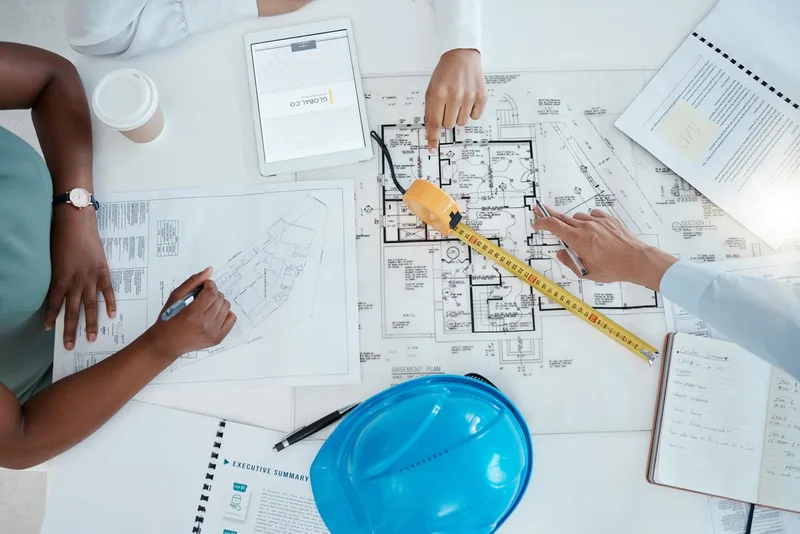
Most disappointing hotel systems were quoted off a floor plan by someone who never stood on the deck at four in the afternoon. So we start with a consult rather than a quote: what you want each space to feel like, how big the property is, what it needs to do, and the budget you are working with. Then we walk it during real occupancy, listening in the lobby, at the far end of the deck, in the restaurants and bars, and in the meeting rooms. In Miami we also stand on a balcony above the deck, because what carries upward is the complaint you will actually receive.

Designed across every guest-facing space — hotel AV in Miami, FL
InstallDesigned across every guest-facing space
Designed across every guest-facing space — hotel AV in Miami, FL
InstallDesigned across every guest-facing space

Design you can see, then one team on site

The other way these go wrong is that nobody experiences the outcome until it is built, then wants it changed a season later. So you see the design before you commit to equipment, including where every loudspeaker lands on the deck and why. Control gets programmed around how the property really runs, so morning, afternoon, evening, and a private event are scheduled states rather than a manager at a knob. One team handles the install, calibration, staff training, and documentation, and coordinates with your general contractor, electrician, low-voltage trades, licensed fire alarm contractor, and brand or ownership standards where they apply.

What we build

The hotel AV stack aMiamipropertyrunson

A hotel is a set of very different rooms that should behave like one system. Here is what we design, program, and install.

The hotel AV stack a Miami property runs on
InstallThe hotel AV stack a Miami property runs on

Pool deck and outdoor audio

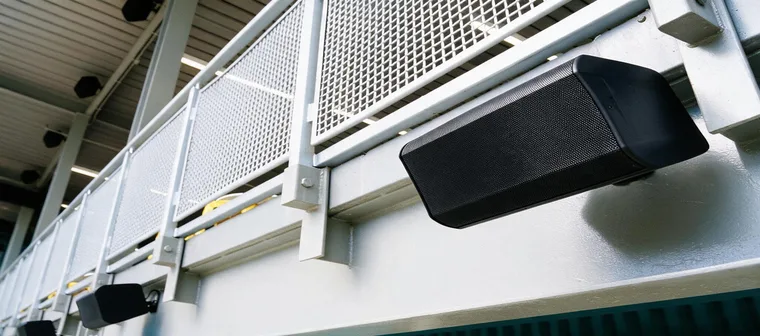
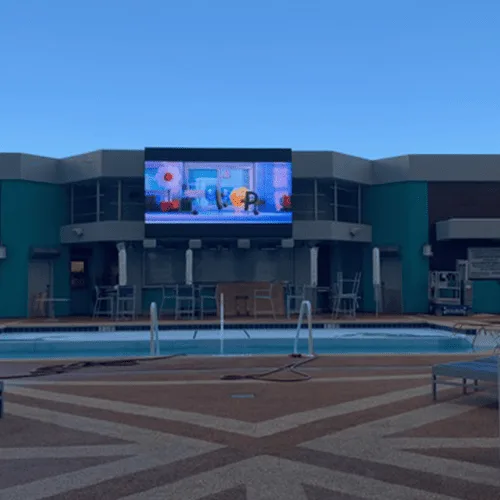
Open air returns nothing, so sound dissipates instead of filling the space, and the answer on a deck is a higher count of smaller loudspeakers spread across the whole area at a moderate level rather than a few loud ones on the building. That reaches the far loungers, keeps the near ones comfortable, and puts far less energy up toward the rooms above. Everything exposed gets specified for salt, sun, and driving rain, including the mounting hardware and the cable, which fail as often as the loudspeakers do. The deck runs as its own zone with its own limits.

Lobby, restaurants, and bars

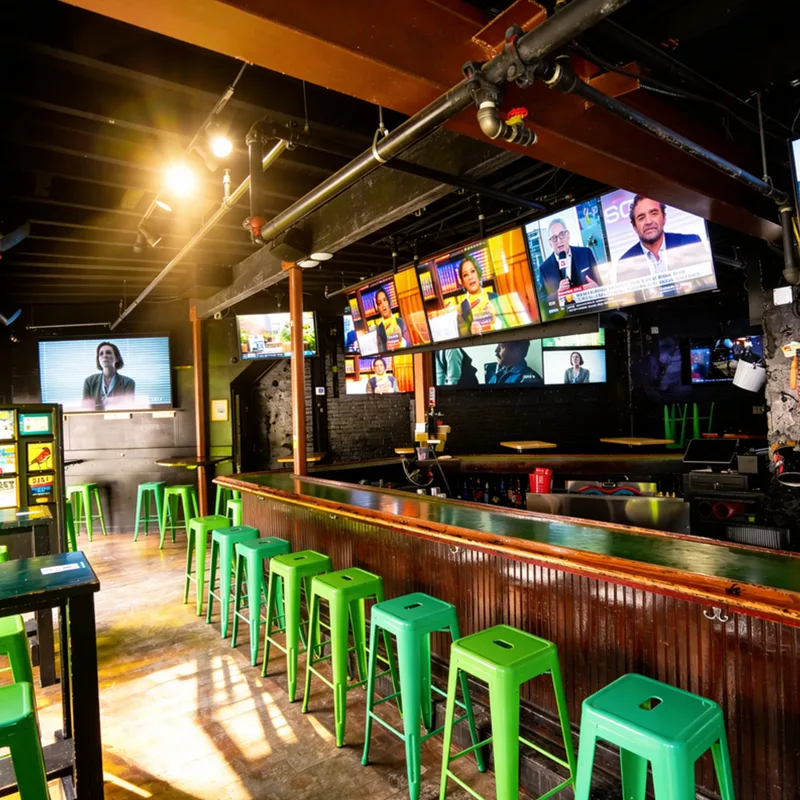
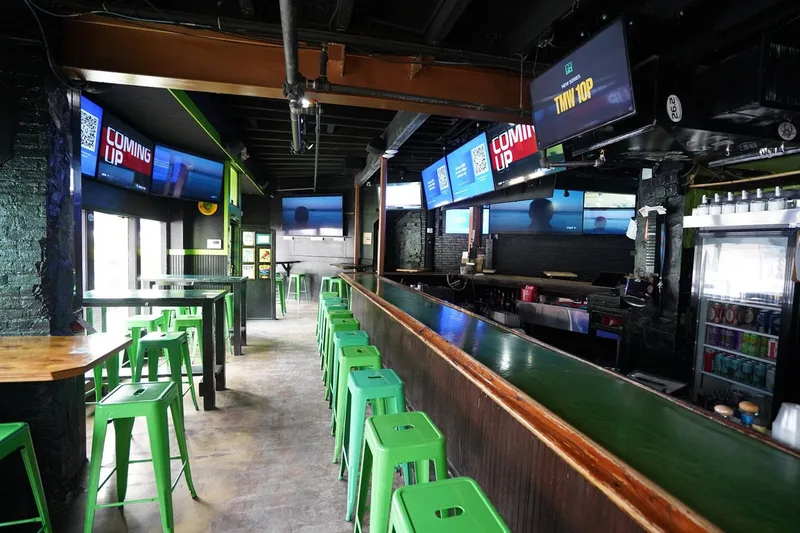
The lobby sets the first impression and is usually running the wrong level for the hour it is in, so it gets even coverage and a scheduled profile rather than one setting. Restaurants and bars each become their own zone, so an outlet can be livelier without the lobby inheriting it and a dining room can stay conversational while the bar lifts. Where a room hosts a later program, it gets the headroom to do that cleanly. All of it sits on one processor and one control surface, which is the difference between a property that is managed and one that is merely equipped.

Digital signage and meeting space

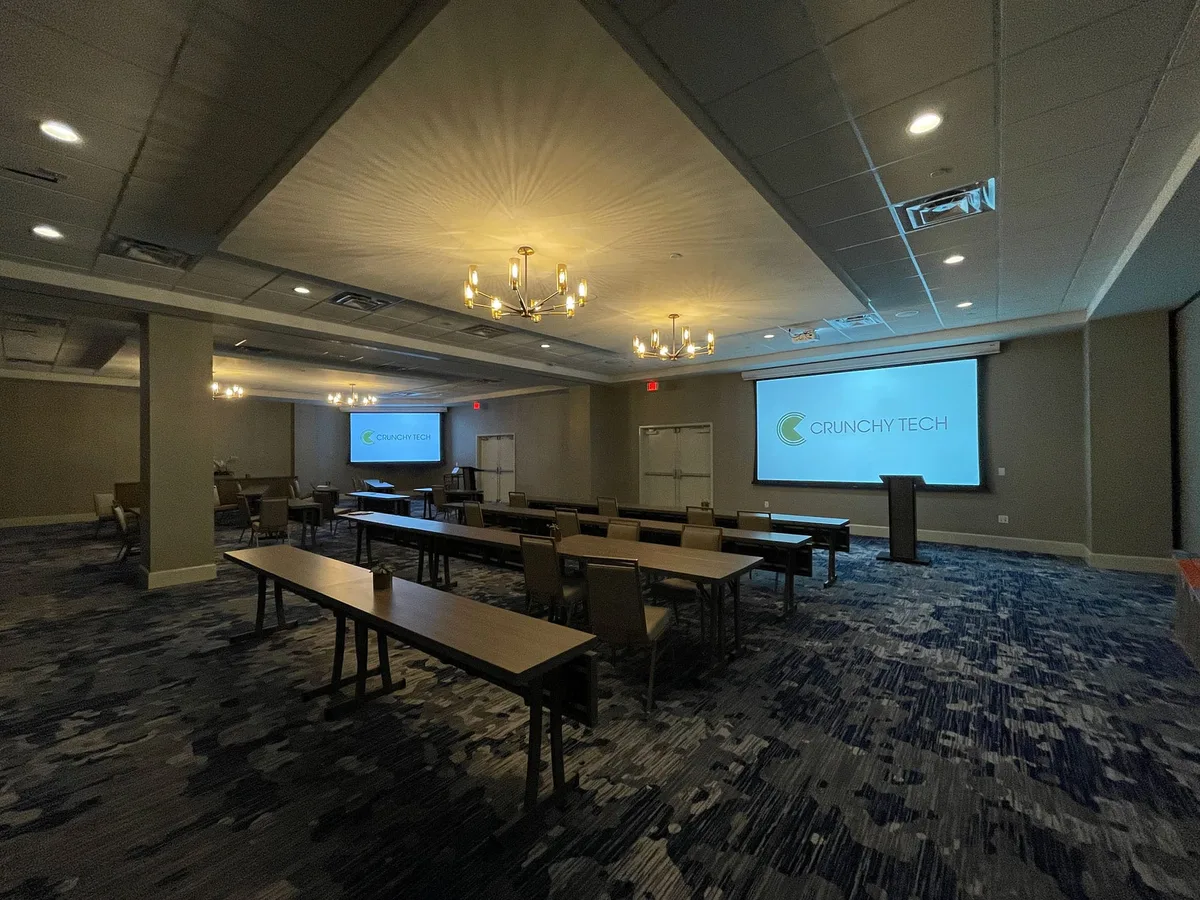
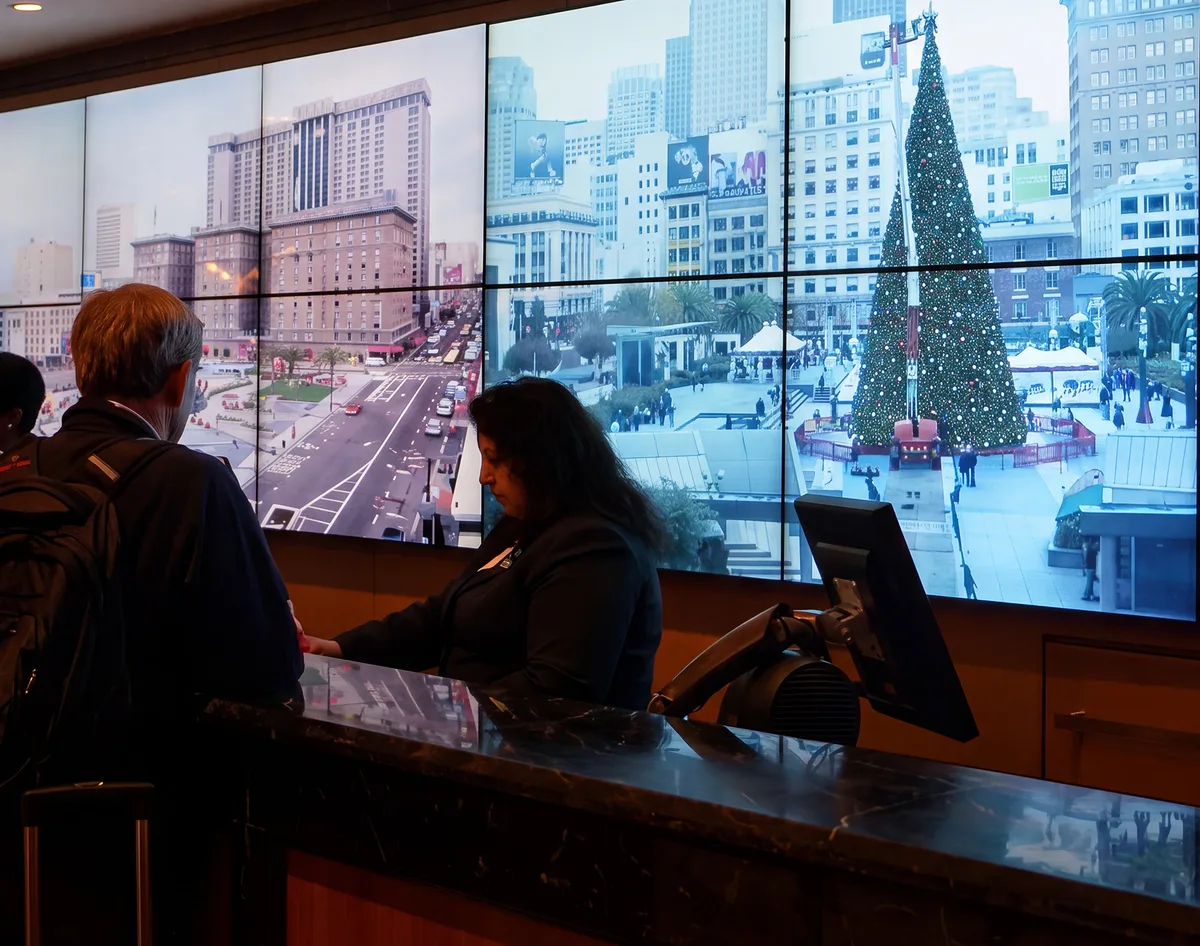
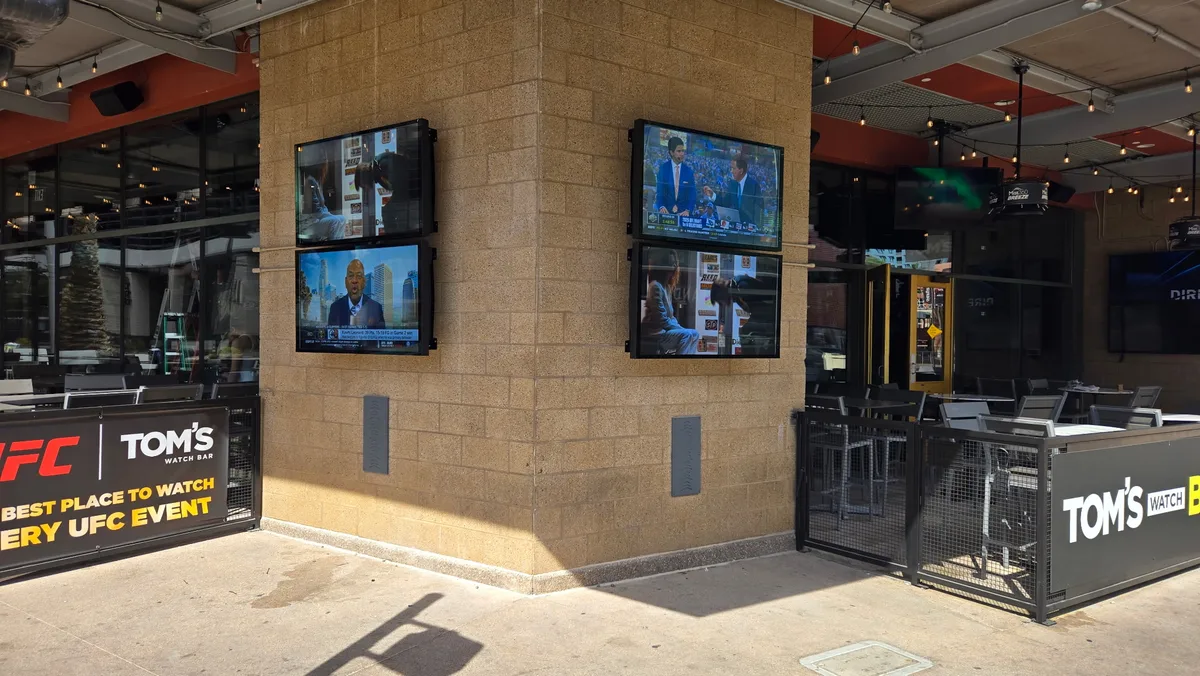
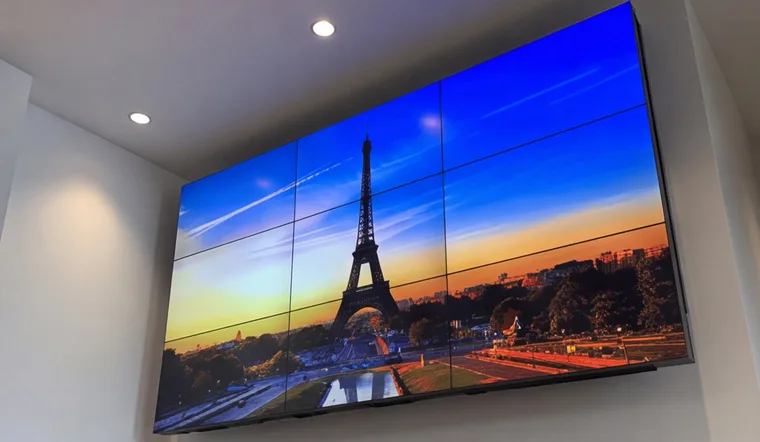
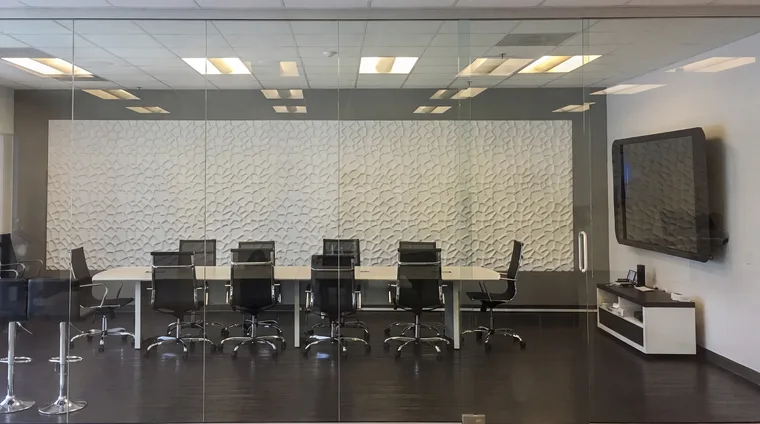
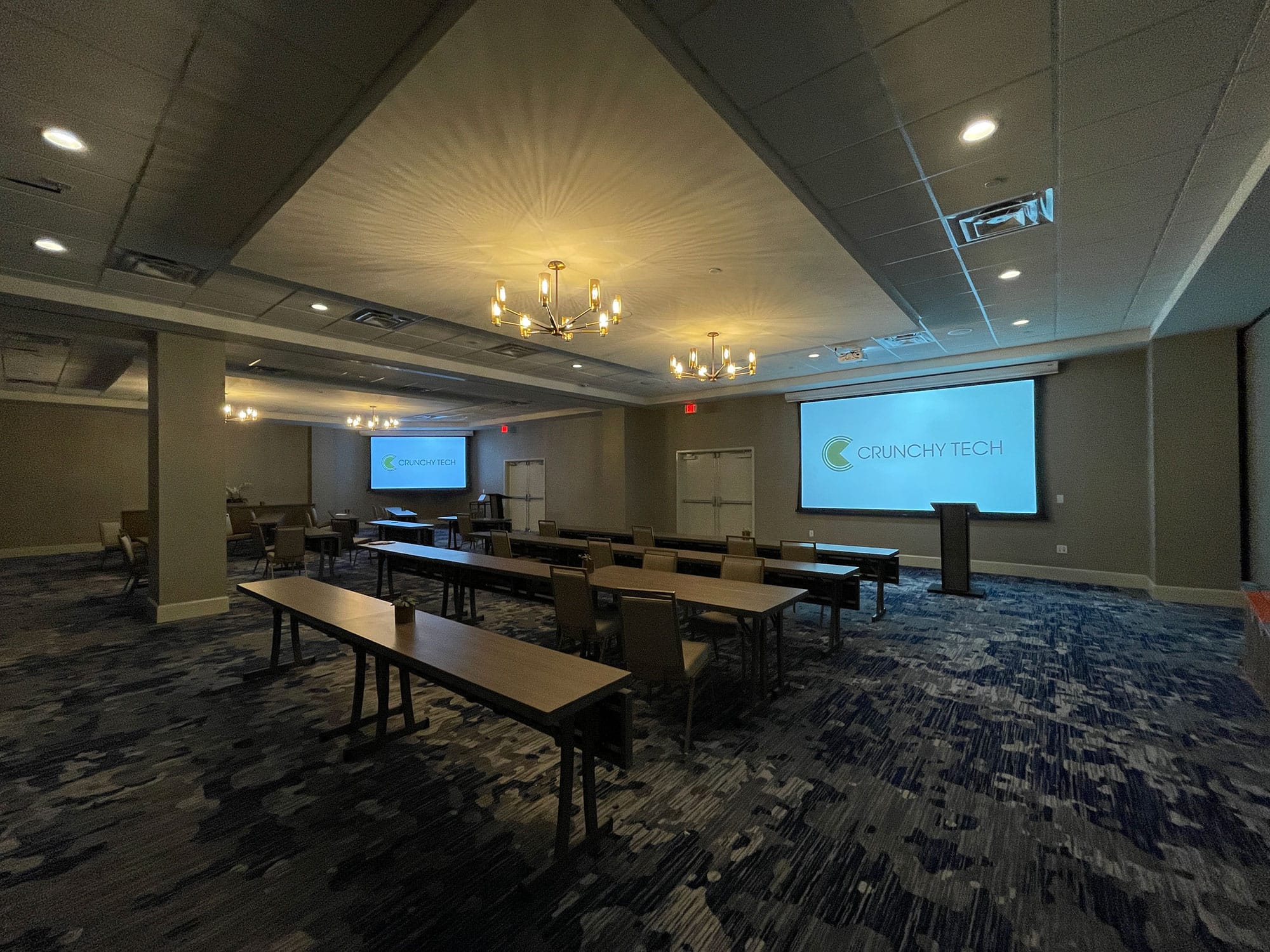
Hotel digital signage earns its keep when it changes on its own. Event and meeting boards update from the schedule rather than from somebody editing a slide, F&B and menu content moves by daypart, and property messaging can be pushed to every screen from one place. Displays get sized off real reading distance and specified for the light in each space, which in Miami means real brightness anywhere daylight reaches. Meeting and conference rooms get systems a banquet team can actually operate, with presets rather than a training problem. All of this is guest-facing space. In-room AV is not something we do.

Why Miami hotels and resorts trust us with it

Built for open-air properties insaltair

This market puts most of the guest experience outdoors in the harshest environment on the mainland. Here is where our depth shows, and where our scope ends.

What goes up is what gets complained about

Deck audio has a second audience nobody designs for: the guests in the rooms directly above it. Loudspeakers mounted high on a building and aimed outward send a large share of their energy across the deck and up the facade, which is why a property can have a perfectly pleasant deck and a stack of noise complaints from the fourth floor. More sources at lower level, mounted low and aimed down and inward, fix both problems at once, because nothing is being thrown any distance. It costs more boxes and less output, and it is the single most common thing we redesign on a resort deck.

Salt, humidity, and equipment rooms

Three local realities shape the build. Salt air corrodes anything unprotected, so decks, terraces, and open frontages get marine-grade selection down to the fasteners and the cable. Humidity condenses inside enclosures, so outdoor gear gets sealed and drained properly rather than coated and hoped over. Equipment rooms decide how long everything lasts: raised where flooding is a risk, inside the conditioned envelope, on protected circuits, kept at or below 75 degrees. Temperature is the single most expensive variable in how long a system lasts, and a large property has several rooms to get right rather than one.

Support after opening night

Crunchy Tech started in 2008 as an AV support operation, which is an unusual origin for an integrator and the reason the systems get built the way they do. When you spend years fixing other people's work, you learn exactly where installations cut corners. That shows up in racks you can actually service: fully enclosed, every cable labeled at both ends, power separated from audio and data. We have opened racks that looked fifteen years old after three months in an uncooled closet, with dust caked on every surface. Around 47 percent of support tickets close inside an hour and roughly 72 percent within a day, which matters on a property that never closes.

Where we draw the line

In-room AV is not a focus for us, so we work the guest environment outside the room: lobbies, restaurants and bars, pool decks, meeting space, and signage. We do not install or operate cameras, produce video, or run streaming as a service. We do not book talent or staff events. We coordinate with your licensed fire alarm contractor on the emergency interface rather than providing the alarm system, and we work to brand or ownership standards rather than interpreting them for you. We generally do not take install-only work.

What it earns back

How the experience bringsguestsback

Rate and occupancy get most of the attention. Whether a guest chooses you again is decided in the spaces this system covers.

How the experience brings guests back — hotel AV in Miami, FL
InstallHow the experience brings guests back

The property they pick again

A guest who had the right experience says so by returning, and in a leisure market that decision is made on the deck, in the lobby, and over dinner rather than in the room. Most properties already own AV in all three. Few own AV that is interconnected and easy to manage, and the gap between those two is what guests actually feel: a deck that sounds good everywhere, a lobby that fits the hour, outlets that hold their own character. That is the return, and it compounds, because repeat guests cost nothing to acquire.

Good, Better, Best against one design

Most owners price AV like retail: a loudspeaker costs a certain amount, so a property of them should not cost much more. Worth being plain about the gap, because the processing, the amplification, the cabling, and the control take a serious share of the budget before you buy a single box, and on a property that spend is what makes several spaces behave as one system. So we quote Good, Better, and Best against one design, per zone, and we phase it, usually starting with the space guests judge you on first. If your budget is short of the property, we would rather value engineer it honestly.

How the experience brings guests back — hotel AV in Miami, FL
InstallHow the experience brings guests back

Our deck sounds fine near the building and dead at the far end. What is wrong?

The system is being asked to throw sound across an open space, which is the one thing outdoor audio cannot do well. Indoors, walls and ceilings return sound to the room, so a handful of loudspeakers can cover it. Outdoors nothing comes back, so energy falls off quickly and the only way to reach the far loungers is to run the near ones at a level nobody wants to sit in. The fix is a higher count of smaller loudspeakers distributed across the whole deck at a moderate level, mounted low and aimed down and inward rather than out from the building. That reaches every position evenly, and it has a second benefit that matters more than most people expect: far less energy travels up the facade into the guest rooms above, which is where deck complaints actually come from. Everything exposed then gets marine-grade selection down to the fasteners.

Do you handle in-room entertainment?

No, and we would rather be direct about it than pretend. In-room AV has not been a focus for us. What we do is the guest environment outside the room, which in our experience is where most properties are actually losing ground: lobbies, restaurants and bars, pool decks, meeting and conference space, and signage. Our founder's view is blunt on this, that the biggest thing missing in almost every hotel is not equipment but a system that is used properly, interconnected, easy to manage, with background audio you can actually control by zone and signage that adapts rather than sitting static. That is the gap we fill. If in-room is your priority, you want a specialist in that, and we will say so early rather than three meetings in.

Is hotel digital signage worth it, or is it just screens?

It is worth it when it changes without anyone touching it, and it is a waste when it does not. The version that pays for itself pulls from the sources you already maintain, so event and meeting boards update from the schedule rather than from a manager editing a slide, F&B content moves by daypart so breakfast is not still up at four, and property messaging can be pushed to every screen from one place. The version that disappoints is a set of displays somebody has to remember to update, which within a month is showing last week. The practical requirements are modest: commercial displays sized off real reading distance, brightness specified for the light each space actually gets, and one place to manage content from. On a multi-property group the case gets stronger, since one change can reach every site.

We have four different systems from four different vendors. Can that be brought together?

Usually yes, and it is often the highest-return work on a property. The first step is establishing what is actually installed, which on a hotel that has been added to over a decade takes a walk-through and time in each equipment room, because the documentation rarely survived the vendors. Then we look at what can be brought onto one processor and one control surface and what genuinely has to be replaced, which is normally the equipment that was specified to just barely do its job. The goal is a property where a manager sees one interface rather than four remotes, where zones are named after real spaces, and where the settings that took a designer to establish sit behind credentials. We phase it, usually starting with the space guests judge you on first.

Related Solution

Learn more about our AV for Hotels solutions

View AV for Hotels
What clients say

Operators who run on our systems

Client successes drive Crunchy Tech to become better. Below is how our customers feel about us.

Just do it. Spend the money. It’s well worth it. It’s not worth your time, hassle, energy, and stress of trying to make it look right and do it right when there’s somebody who has been doing it for years and has perfected the craft.

Matt Moore logo
Matt Moore
IT Systems Administrator · Capone's Hideout

You're a great partner with Florida Hospital and this project will make a difference in Children's Health.

Des Cummings logo
Des Cummings
Vice President of Florida Hospital · Florida Hospital

Working with Crunchy Tech was a fantastic experience from start to finish. They handled the sale and installation of all our sound and TV equipment at The County Bar in Aviston, IL, and absolutely nailed it. We were on a very tight deadline, and they not only met it—they delivered top-notch quality and service the entire way. Highly professional, responsive, and easy to work with. We couldn't be happier with the results.

Clint Flowers logo
Clint Flowers
Owner · The County Bar

Crunchy's AV Services are outstanding. Staff members are experts, who really extend themselves to find the right technology for helping us reach our marketing goals in creative ways. The best thing about working with Crunchy is collaborating with the staff – they are patient, responsive, knowledgeable, and available.

Shannon McHale logo
Shannon McHale
Marketing Specialist · IGT

Crunchy has been great to work with. They communicate well and deliver as promised.

Brian Dornbush logo
Brian Dornbush
Facilities & Operations Manager · Orange County Library System

The work Crunchy has been doing is a game changer for this industry.

Steven Fandozzi logo
Steven Fandozzi
VP of Information Technology · Foundation Partners

Being able to reuse the existing structure created a much lower cost for the client and they were ecstatic.

Seminole State College logo
Seminole State College
Facilities · Seminole State College

Crunchy has done an amazing job on our A/V install. The sound is perfectly balanced throughout our many zones and the entire system is super simple to use.
Steve Glum logo
Steve Glum
Chief Marketing Officer · Ace Cafe
Talk to a Miami hotel AV designer

Let's start with the space guestsjudgeyouon

Tell us about the property: where it is, how many guest-facing spaces you run, whether guest rooms sit above the deck, how many different systems and vendors you are living with today, what your engineering team gets called about most, and whether brand standards apply. We will start with a consult to understand what you are trying to accomplish, then walk the property during real occupancy, and come back with one engineered recommendation instead of a parts list.

  • Deck coverage from more sources at lower level, aimed down and inward rather than thrown from the building.
  • Far less energy up the facade, which is where deck complaints actually come from.
  • Marine-grade hardware everywhere exposed, down to the fasteners and the cable.
  • Lobby, outlets, deck, meeting space, and signage on one control surface rather than four remotes.