Nightclub AV in New York City
location_on New York City, NY

Nightclub AV in NewYorkCity

Nightclub sound systems and lighting for rooms with three previous installs in the walls, starting with an audit of what is actually there.

You are the fourth operator inthisroom

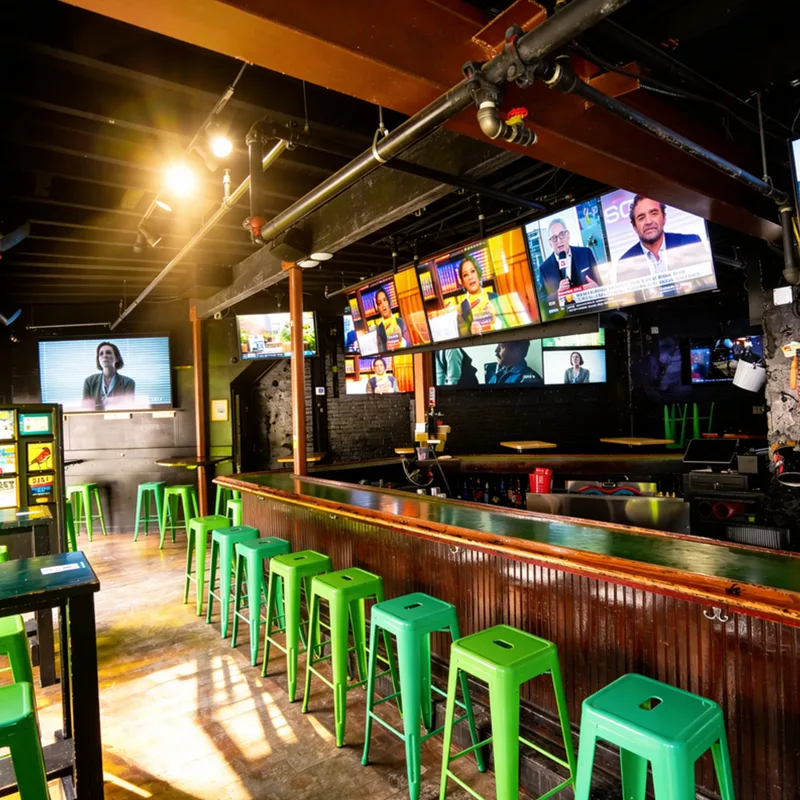
Venues here change hands faster than the wiring does. Open a space in this city and you are rarely the first, which means the ceiling holds three generations of somebody else's decisions. Cable that goes nowhere. A conduit run for a system removed in 2016. Two amplifiers doing the work of one because a previous operator added rather than replaced. Nobody left documentation, the vendors who did the work are unreachable, and every question about the room takes an afternoon and a ladder to answer.

So the first thing worth buying is knowledge. Before anything gets specified, we work out what is physically present, what is live, what is dead, and what can be reused, which in a room like this is genuinely the highest-value hour of the project. Some of it is usually worth keeping, particularly conduit and structural mounting. Plenty of it is not, especially equipment that was already at its limit under the last concept. Then whatever gets built goes in labeled at both ends and documented on site, so the fifth operator inherits something legible rather than repeating this.

You are the fourth operator in this room
Install You are the fourth operator in this room New York City, NY

Nightclub AV AcrosstheFiveBoroughs

From the Meatpacking District and the Lower East Side to Bushwick, Williamsburg, and Long Island City, we design and install nightclub sound systems, lighting, and booth infrastructure.

2008
Serving New York City since
10
Neighborhoods
Meatpacking District
Nightclubs · Lounges

Several operators have usually built into these spaces already, so the discovery pass matters more here than anywhere else in the project.

Layered installs · audit first
Chelsea
Nightclubs · Event venues

Big volumes in old structure need coverage from enough sources that nobody stands in a hole, with mounting planned around what the building allows.

Large format · constrained mounting
Lower East Side
Bars · Lounges

Apartments sit directly above most of these rooms, so subwoofer decoupling and an independent low-frequency cap get designed in from the start.

Residential above · decoupled
Hell's Kitchen
Nightclubs · Bars

Narrow footprints leave nowhere for a badly aimed loudspeaker to hide, so coverage gets modeled rather than assumed from a layout.

Narrow room · modeled
Midtown
Nightclubs · Hotel venues

Many occupied floors sit above these spaces, so isolation and limits get agreed before installation rather than after a letter.

Mixed-use · agreed limits
Williamsburg
Nightclubs · Music venues

Concrete and open structure reflect everything you put into the room, so loudspeaker selection and aiming get solved before anything is hung.

Concrete shell · aiming
Bushwick
Nightclubs · Music venues

Long cable runs across a big shell make the electrical layout and the cable path one problem, so they get planned together.

Long runs · planned paths
Greenpoint
Music venues · Bars

Rooms that host live acts need real headroom and a clean separation between the house system and whatever gets brought in.

Live-capable · separation
Long Island City and Astoria
Event venues · Lounges

Newer construction means conduit, structural mounting, and rack location can be designed in rather than retrofitted around somebody else's work.

New build · design-in
Jersey City and Hoboken
Nightclubs · Bars

These sit under their own municipal review, so the approval path gets confirmed locally rather than carried over from a New York address.

Separate jurisdiction

How we work

Find out what is actually there beforespecifying

We do not start with a speaker count. We start with an audit, because in a room this old nobody can tell you what is behind the ceiling.

The consult, the audit, and the site walk

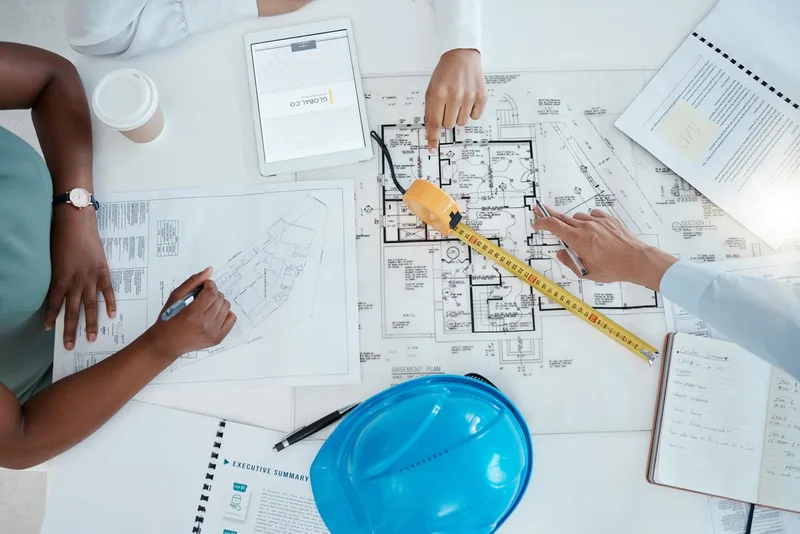
Most disappointing club systems were quoted off a floor plan by someone who never stood in the room at one in the morning. So we start with a consult rather than a quote: what you want the room to feel like, how big it is, what it needs to do, and the budget you are working with. Then we walk it during a real night, listening on the floor, at the bar, in the lounge, and standing in the booth. In New York we add a discovery pass, tracing what is live and what is abandoned, because a design written on assumptions about existing infrastructure is a change order waiting to happen.

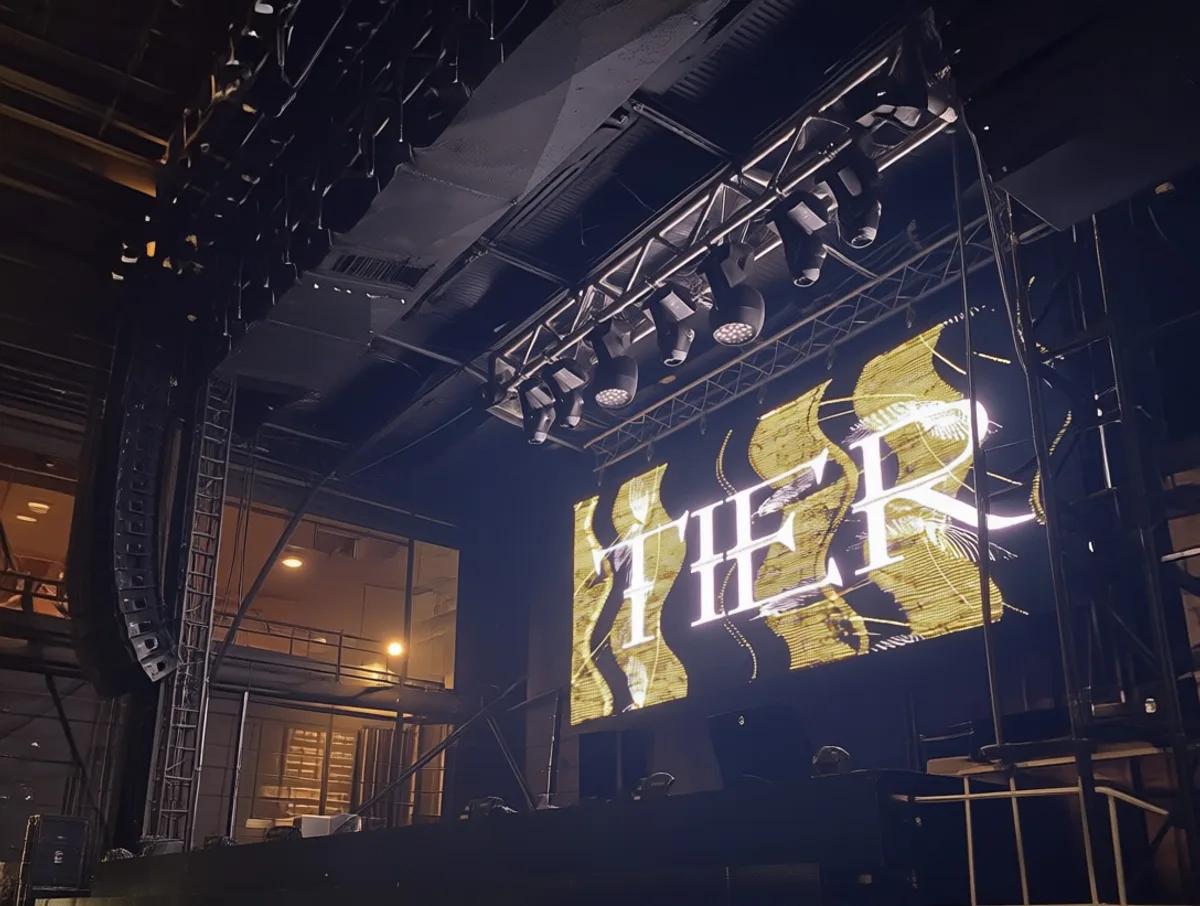
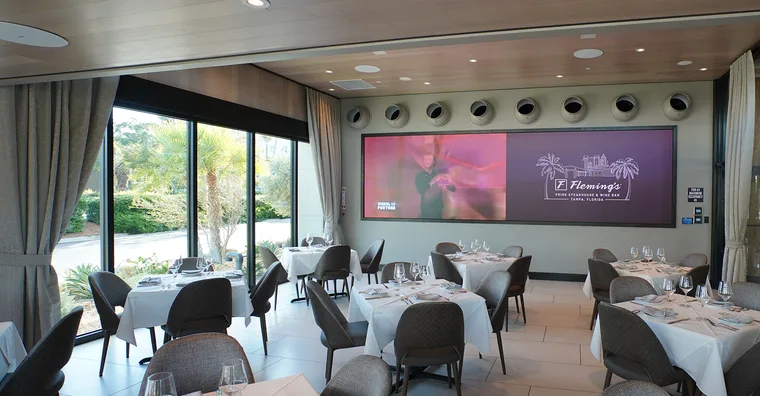
Find out what is actually there before specifying — nightclub AV in New York City, NY
InstallFind out what is actually there before specifying
Find out what is actually there before specifying — nightclub AV in New York City, NY
InstallFind out what is actually there before specifying

Design you can see, then one team on site

The other way these go wrong is that nobody experiences the outcome until it is built, then wants it changed a season later. So you see the design before you commit to equipment, including what we recommend keeping from the existing install and why. Control gets programmed around the nights you actually run, so a peak Saturday, a slower midweek, and a private buyout are states rather than an argument. One team handles the install, calibration, staff training, and documentation, and coordinates with your general contractor, electrician, low-voltage trades, the licensed fire alarm contractor, and where relevant your building's requirements.

What we build

The nightclub AV stack aNewYorkroomrunson

A club is a handful of systems that have to behave like one instrument, installed into a building that has seen several attempts. Here is what we design, program, and install.

The nightclub AV stack a New York room runs on — nightclub AV in New York City, NY
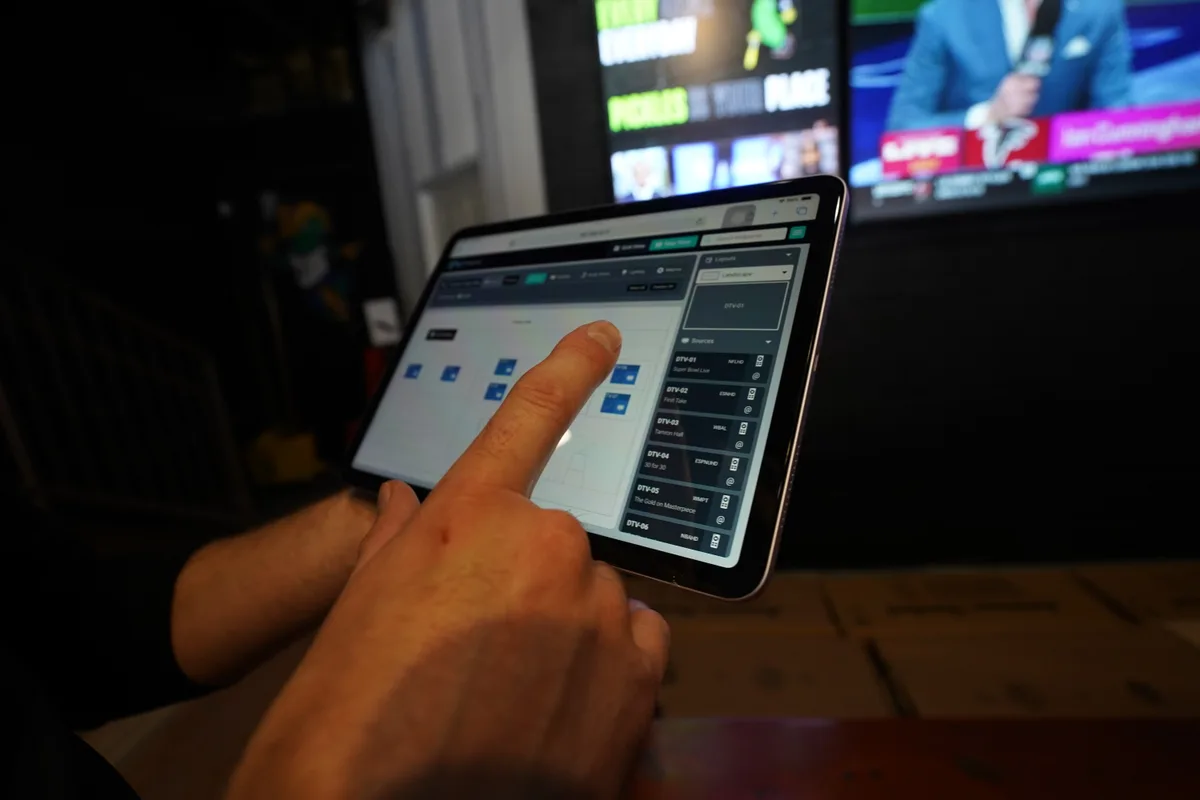
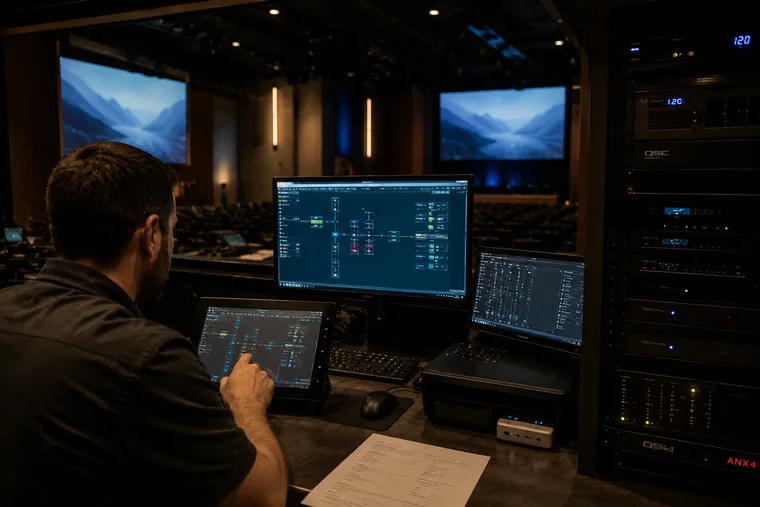
InstallThe nightclub AV stack a New York room runs on

Nightclub sound systems and the booth

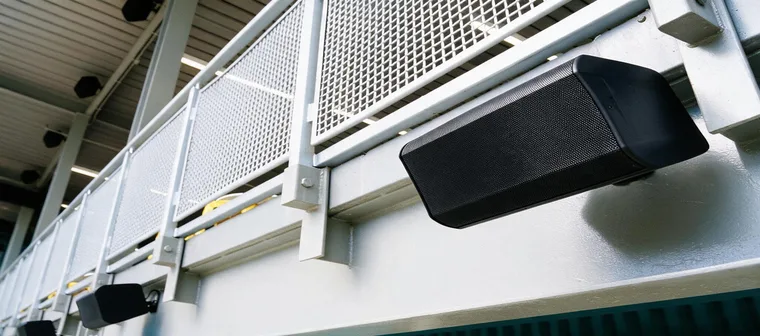
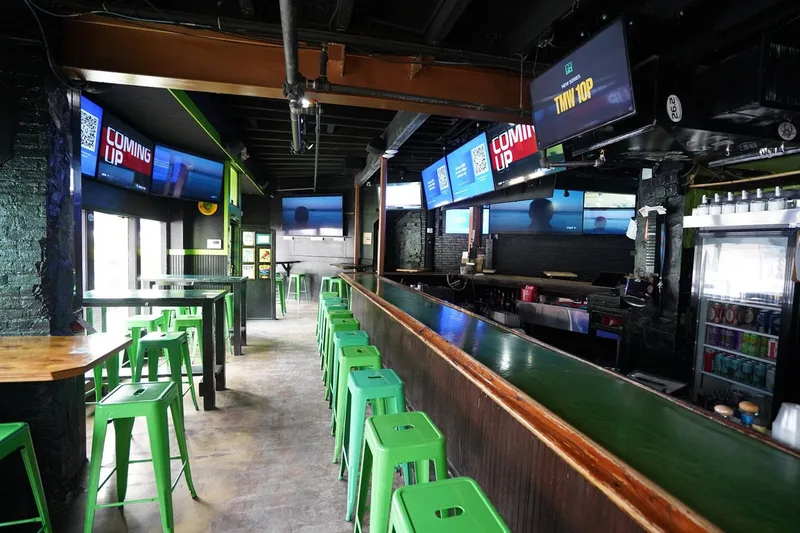
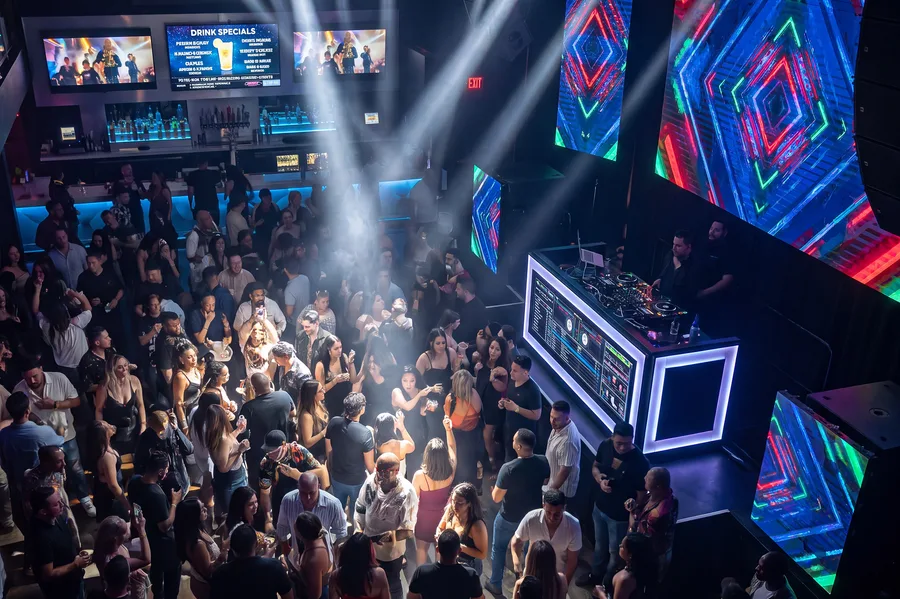
The system gets sized for the loudest hour and then held below it, because a rig running at its limit sounds harsh, distorts on peaks, and cooks drivers, which is why inherited systems specified to just barely work fail early under a new operator. Coverage on the floor comes from enough sources that nobody stands in a hole or directly under a horn, with the bar and lounge on their own zones and hard limits. The booth gets a documented tie-in panel with labeled, tested inputs, its own monitor path, and processor limits that protect the room regardless of who is behind the decks.

Low frequency and the building

New York puts clubs underneath and beside people, so low frequency is the constraint that shapes the system. Subwoofers get decoupled from the structure rather than set on a slab or a suspended floor, placed where they excite the building least, and held to an independent limit in the processor so the ceiling holds at two in the morning. Even coverage helps as well, since a system where nothing is working hard puts less total energy into the structure for the same perceived level in the room. Where the answer is genuinely isolation, that is an acoustician's work and we will say so.

Lighting, LED, and control

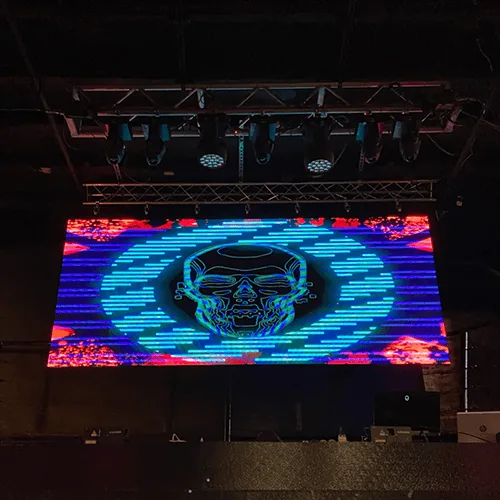
Lighting is what a phone camera actually records, so it gets designed alongside the audio rather than added by a different vendor with a different control system, which is exactly how these rooms accumulated three of everything. Fixtures get selected and positioned for the room's geometry, wired and addressed properly, and brought into one control layer with video and audio so states change together. Everything lives in one enclosed, labeled rack, frequently in a cellar here, which makes ventilation, moisture, and access real design questions. The system mutes and passes emergency announcements when the fire alarm calls for it.

Why New York venues trust us with it

Built for inherited rooms andcellarracks

Nothing here is a clean sheet, and the equipment usually lives in the worst room in the building. Here is where our depth shows, and where our scope ends.

Keep, replace, or remove

The instinct when taking over a room is to reuse everything visible and replace everything audible, and that is usually backwards. Conduit, structural mounting points, and properly run cable are frequently worth keeping and expensive to recreate. Equipment is the opposite: a system that was at its limit under the previous concept will be at its limit under yours, and inherited consumer-grade gear in a room that runs at volume is a false economy. Abandoned cable is worth removing rather than leaving, since the next person after us will otherwise be tracing it too.

Old structure, close neighbors, and the cellar

Three local realities shape the build. The buildings are old and shared, so low frequency travelling through structure decides how loud the room can be, and that gets designed for rather than negotiated after a letter. Mounting and cable paths are constrained by masonry, finishes, and what previous installs already occupy. The rack is usually below grade, so it gets ventilation, moisture protection, elevation off the floor, protected circuits, and cooling that keeps it at or below 75 degrees, since a club works its amplification harder than any other hospitality room.

Support after opening night

Crunchy Tech started in 2008 as an AV support operation, which is an unusual origin for an integrator and the reason the systems get built the way they do. When you spend years fixing other people's work, you learn exactly where installations cut corners, and a New York club is that lesson concentrated. That shows up in a rack you can actually service: fully enclosed, every cable labeled at both ends, power separated from audio and data. We have opened racks that looked fifteen years old after three months in an unventilated cellar. Around 47 percent of support tickets close inside an hour and roughly 72 percent within a day.

Where we draw the line

We are not acousticians, so where the answer is structural isolation or absorption we will say so and tell you what that specialist would need to do. We coordinate with your licensed fire alarm contractor on the emergency interface rather than providing the alarm system, and we work to your building's requirements rather than interpreting them for you. We do not book or program talent, staff your booth, or run shows, and we do not install cameras, produce video, or run streaming as a service. We generally do not take install-only work.

What it earns back

How knowing the room savesthebuild

In an inherited space the expensive surprises arrive during installation, and almost all of them were knowable beforehand.

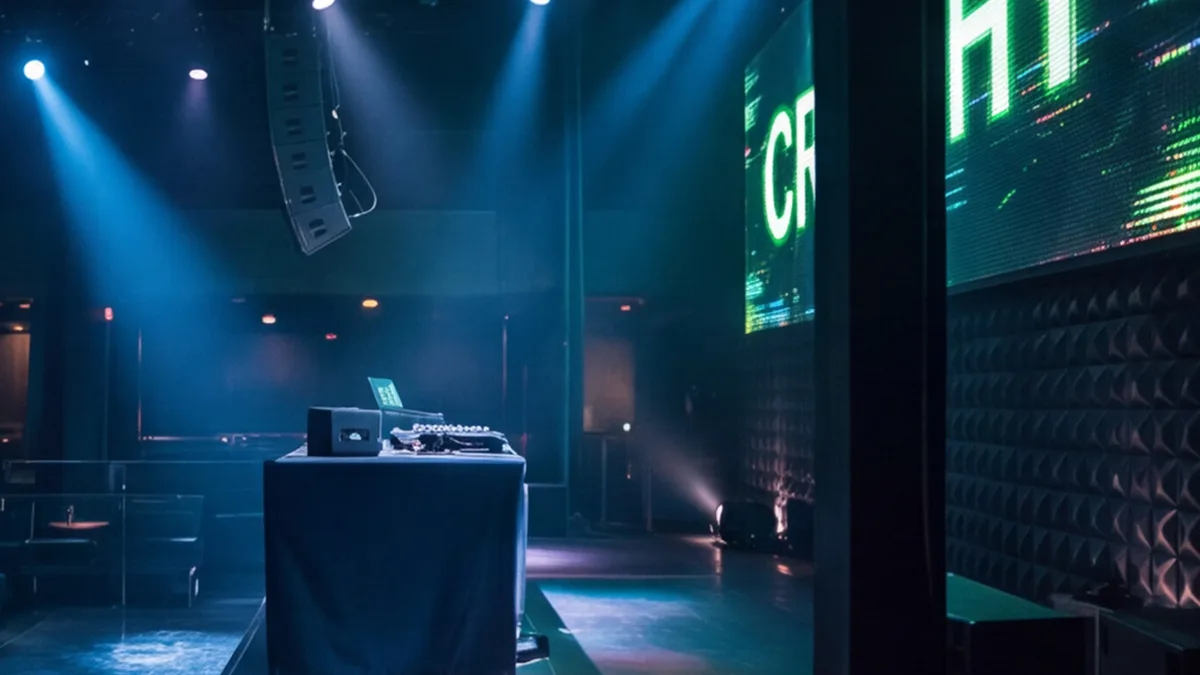
How knowing the room saves the build — nightclub AV in New York City, NY
InstallHow knowing the room saves the build

The change order you did not get

A design written on assumptions about what is behind the ceiling produces exactly one outcome: a change order in week two, with a contractor waiting and an opening date under pressure. In this city that opening date is expensive, since rent runs whether or not you are trading and a delayed launch is difficult to recover. An audit before specification is the cheapest insurance available against that, and it frequently pays for itself immediately by identifying infrastructure worth keeping that nobody knew was there.

Good, Better, Best against one design

Most owners price AV like retail: a loudspeaker costs a certain amount, so a room of them should not cost much more. Worth being plain about the gap, because the processing, the amplification, the cabling, and the control take a serious share of the budget before you buy a single box, and in an inherited room the labor to route and terminate properly is real. So we quote Good, Better, and Best against one design, per zone. Good is a real recommendation, not a strawman: decoupled subwoofers, an independent low-frequency limit, even floor coverage, a documented booth. If your budget is short of the room, we would rather value engineer it honestly.

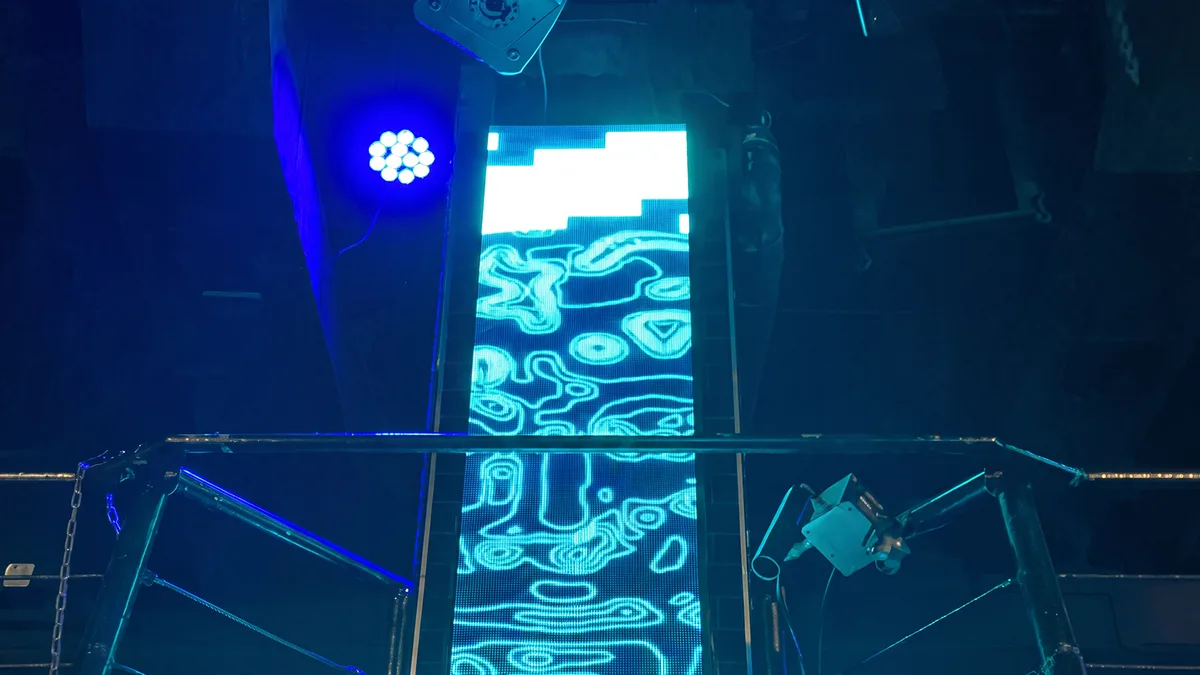
How knowing the room saves the build — nightclub AV in New York City, NY
InstallHow knowing the room saves the build

We took over a space with an existing system and no documentation. Where do we start?

With a discovery pass, before anything gets specified or ordered. In a room that has changed hands two or three times, nobody can tell you what is behind the ceiling, which cable is live, what was abandoned in place, or what a previous operator added rather than replaced. So we trace it: what is physically present, what carries signal, what is dead, and what can be reused. That hour or two is consistently the highest-value part of the project, for two reasons. It frequently finds infrastructure worth keeping that nobody knew existed, particularly conduit and structural mounting, which are expensive to recreate. It also prevents the alternative, which is a design written on assumptions and a change order in week two with your contractor waiting and an opening date under pressure. In this city that delay is the expensive part.

How much of the old system is usually worth keeping?

More of the infrastructure than you would expect and less of the equipment. Conduit runs, structural mounting points, and cable that was properly installed and can be traced are often worth keeping, since replacing them is labor rather than hardware and labor is what costs money in an old building. Equipment is the opposite. A system specified to just barely do the job under the previous concept will be at its limit under yours, and a rig running at its limit sounds harsh, distorts on peaks, and cooks drivers, which is why inherited systems tend to fail in the first year under a new operator. Consumer-grade gear in a room that runs at volume is the clearest case for replacement. We would also rather remove abandoned cable than leave it, so the next person is not tracing it the way we just did.

We are below apartments. How loud can we actually be?

Louder than an untreated room allows, and the honest answer depends on the building rather than on the equipment. What reaches your neighbors is low frequency, which travels through structure rather than air, and a subwoofer sitting directly on a slab or a suspended floor couples into the building the way a tuning fork couples into a table. Everything above a few hundred hertz is stopped reasonably well already. So the effective moves are mechanical and electronic: decouple the subwoofers from the structure, place them where they excite it least, and hold an independent low-frequency limit in the processor that holds at two in the morning regardless of who is running the room. Where getting to the level you want genuinely requires structural isolation, that is an acoustician's and a contractor's work, and we will tell you rather than selling around it.

Our rack is in the cellar. Does that matter?

It matters a great deal, and it is one of the main reasons systems in this city age faster than they should. Cellars hold damp air, they are frequently unventilated, and they are the first place water shows up in a coastal storm. Damp shortens the life of everything in the rack, dust insulates components so they run hotter, and heat is the single most expensive variable in how long a system lasts, which is amplified in a club because the amplification works harder than in any other hospitality room. So the rack gets ventilation, moisture protection, elevation off the floor, protected circuits with real surge conditioning, and enough clearance for a technician to work. Keep the space at or below 75 degrees. We have opened racks that looked fifteen years old after three months in an unventilated cellar.

What We Do Here

Services available in New York City

Every system is designed, installed, and supported by our own team in New York City — never subcontracted.

Get a New York City Quote arrow_forward
AV Consulting01 / NEW YORK CITY

AV Consulting

AV consulting from an audio visual consultant who joins at the architectural phase, designs the technology into the plan and steers the project around your business outcome.

AV Consulting in New York Cityarrow_forward
settings_remote02 / NEW YORK CITY

AV Control Systems

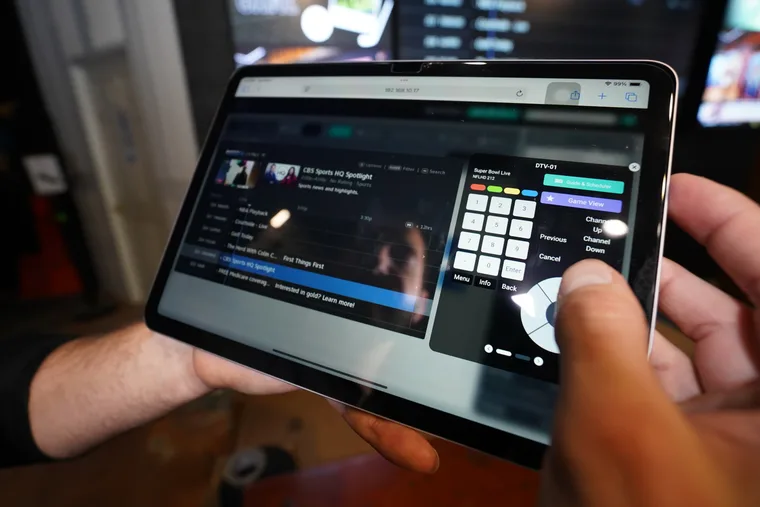
Design-build AV control systems: one iPad, wall panel, or browser runs every display, audio zone, lighting scene, and source in the room. Programmed and supported in-house.

AV Control Systems in New York Cityarrow_forward
bolt03 / NEW YORK CITY

AV Programming

AV programming that starts with the right design: a vetted, interconnectable stack unified into one control system, so the whole room runs from one simple interface.

AV Programming in New York Cityarrow_forward
Commercial Sound Systems04 / NEW YORK CITY

Commercial Sound Systems

Commercial sound system design and installation: multi-zone audio engineered around how your space is used, wired and tuned on site, and supported as a partner.

Commercial Sound Systems in New York Cityarrow_forward
hangout_video05 / NEW YORK CITY

Conference Room AV

Conference room AV designed around the people using the room: video conferencing, Zoom and Teams Rooms, displays, and audio, installed and supported as a partner.

Conference Room AV in New York Cityarrow_forward
add_ad06 / NEW YORK CITY

Digital Signage Services

Design-build digital signage for hospitality and enterprise: commercial displays, content management, and installation that keeps your screens selling and current.

Digital Signage Services in New York Cityarrow_forward
tv07 / NEW YORK CITY

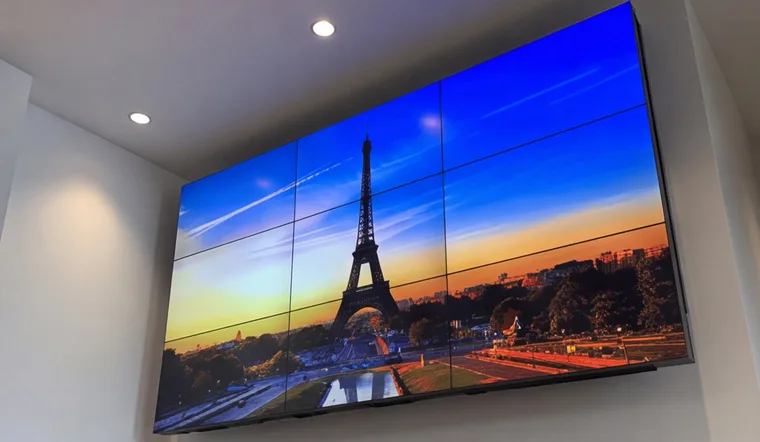
Video Wall Solutions

Commercial video walls across LED, LCD and Direct View. Designed, integrated, installed and supported by a national design-build AV integrator.

Video Wall Solutions in New York Cityarrow_forward
Related Solution

Learn more about our Nightclub AV solutions

View Nightclub AV
What clients say

Operators who run on our systems

Client successes drive Crunchy Tech to become better. Below is how our customers feel about us.

Just do it. Spend the money. It’s well worth it. It’s not worth your time, hassle, energy, and stress of trying to make it look right and do it right when there’s somebody who has been doing it for years and has perfected the craft.

Matt Moore logo
Matt Moore
IT Systems Administrator · Capone's Hideout

You're a great partner with Florida Hospital and this project will make a difference in Children's Health.

Des Cummings logo
Des Cummings
Vice President of Florida Hospital · Florida Hospital

Working with Crunchy Tech was a fantastic experience from start to finish. They handled the sale and installation of all our sound and TV equipment at The County Bar in Aviston, IL, and absolutely nailed it. We were on a very tight deadline, and they not only met it—they delivered top-notch quality and service the entire way. Highly professional, responsive, and easy to work with. We couldn't be happier with the results.

Clint Flowers logo
Clint Flowers
Owner · The County Bar

Crunchy's AV Services are outstanding. Staff members are experts, who really extend themselves to find the right technology for helping us reach our marketing goals in creative ways. The best thing about working with Crunchy is collaborating with the staff – they are patient, responsive, knowledgeable, and available.

Shannon McHale logo
Shannon McHale
Marketing Specialist · IGT

Crunchy has been great to work with. They communicate well and deliver as promised.

Brian Dornbush logo
Brian Dornbush
Facilities & Operations Manager · Orange County Library System

The work Crunchy has been doing is a game changer for this industry.

Steven Fandozzi logo
Steven Fandozzi
VP of Information Technology · Foundation Partners

Being able to reuse the existing structure created a much lower cost for the client and they were ecstatic.

Seminole State College logo
Seminole State College
Facilities · Seminole State College

Crunchy has done an amazing job on our A/V install. The sound is perfectly balanced throughout our many zones and the entire system is super simple to use.
Steve Glum logo
Steve Glum
Chief Marketing Officer · Ace Cafe
Talk to a New York nightclub AV designer

Let's find out whatisactuallyintheroom

Tell us about the venue: the neighborhood, the capacity, how many operators have been in the space before you, what documentation came with it, who is above and beside you, where the equipment lives, and what your opening date looks like. We will start with a consult to understand what you are trying to accomplish, then walk the room during a real night and trace what is there, and come back with one engineered recommendation instead of a parts list.

  • A discovery pass before anything is specified, so the design is built on what is actually there.
  • A clear keep, replace, or remove call on the existing install, with the reasoning.
  • Subwoofers decoupled and an independent low-frequency limit, given who is above you.
  • Cellar racks given ventilation, elevation, protected circuits, and clearance to be serviced.