Video Wall Installation in San Jose
location_on San Jose, CA

Video Wall Installation in SanJose

Permanent LED and LCD video walls designed and installed across San Jose and the South Bay. Built around multi-source canvases, where the processor matters as much as the panels.

Here the wall is aworkingsurface,notashowpiece

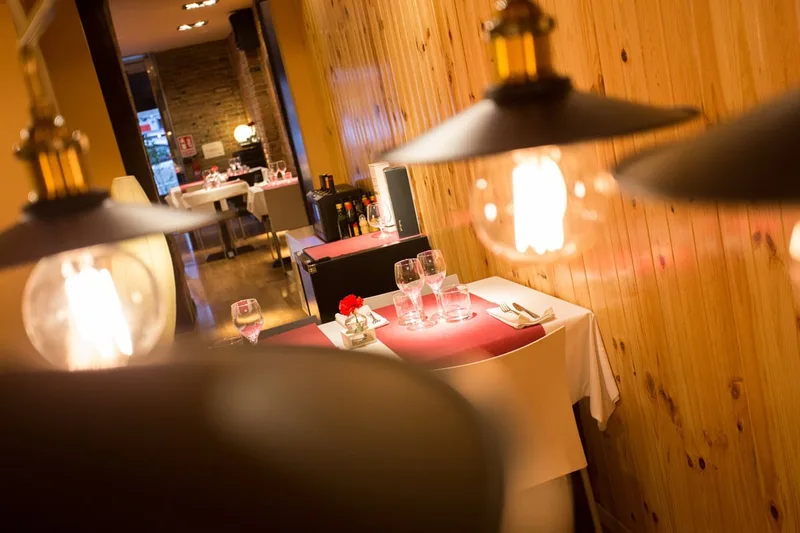
A video wall is the most expensive thing most organizations hang, and it often lands in the wrong place. The hospitality version is a wall behind a bar that seats fourteen while the room seats a hundred and eighty, which spends the budget on the smallest audience. Put the best technology where you are driving the most experience, and sometimes that is a wall, sometimes a ribbon, a cluster of commercial displays, or one large screen driven as four panes. San Jose usually asks a different question. The wall here has a job, and the job is showing many things at once.

So we start with what has to be on screen and who is looking at it. Operations centers, briefing rooms, and all-hands spaces need a canvas carrying eight to twelve inputs, which puts the processor and the control layer at the center of the design. Viewing distance is short in those rooms, so pitch runs tight and direct view is the norm. Anything overhead gets braced for seismic load, and anything outdoors is LED specified for this environment. We install permanent systems, and we do not rent.

Reel Here the wall is a working surface, not a showpiece San Jose, CA

Video Wall Installation AcrossSanJose

From Downtown briefing rooms and North San Jose operations centers to Santana Row retail, Santa Clara corporate floors, and Milpitas facilities, we design, install, calibrate, and support permanent video walls across the South Bay.

2008
Serving San Jose since
10
Neighborhoods
Downtown San Jose
Corporate · Hotels · Government

Lobby and pre-function walls downtown run long viewing distances, which relaxes pixel pitch and raises the brightness requirement.

Long-distance viewing
North San Jose
Corporate

Monitoring rooms out here need a canvas carrying eight to twelve sources at once, so the processor and control layer get designed before the panel count.

Multi-input canvas
Santana Row
Retail · Restaurants

Retail walls here carry the property's own brand and product content, and anything on a patio is treated as an outdoor LED installation.

Owned content · outdoor
Willow Glen
Restaurants · Bars

Smaller rooms rarely justify a full wall, so a cluster or a single display driven as four panes usually gets the same effect for far less.

Cluster alternative
Japantown
Restaurants · Bars

Older structures here need mounting and bracing confirmed before a size is chosen, since there is often nothing overhead rated to carry a wall.

Structure confirmed first
Campbell
Sports bars · Restaurants

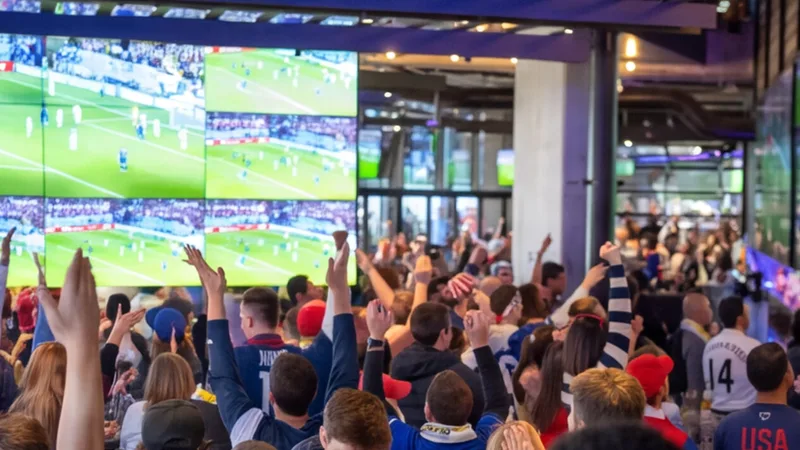
These rooms follow several games at once on busy nights, which points to a wall that splits into a grid rather than one large image.

Grid split · multi-source
Sunnyvale
Corporate

Multi-floor employers here want one room standard repeated, so the same canvas approach and control behavior get specified across every space.

Repeatable standard
Cupertino
Corporate · Education

All-hands rooms get sized off the furthest seat and the platforms actually in use rather than a spec sheet.

Sized off furthest seat
Santa Clara
Corporate · Hotels

Hotel and pre-function walls in this corridor carry property and event information at distance, which favors scale and brightness over a tight pitch.

Brightness-led
Milpitas
Corporate

Floor-level information walls here have to stay legible under bright overhead lighting, so brightness and placement get solved ahead of resolution.

High-light interior

How we work

The consult, then thesourcesonthewall

Put the best technology where you are driving the most experience. In San Jose that usually means counting sources before counting panels.

The consult, then the sources

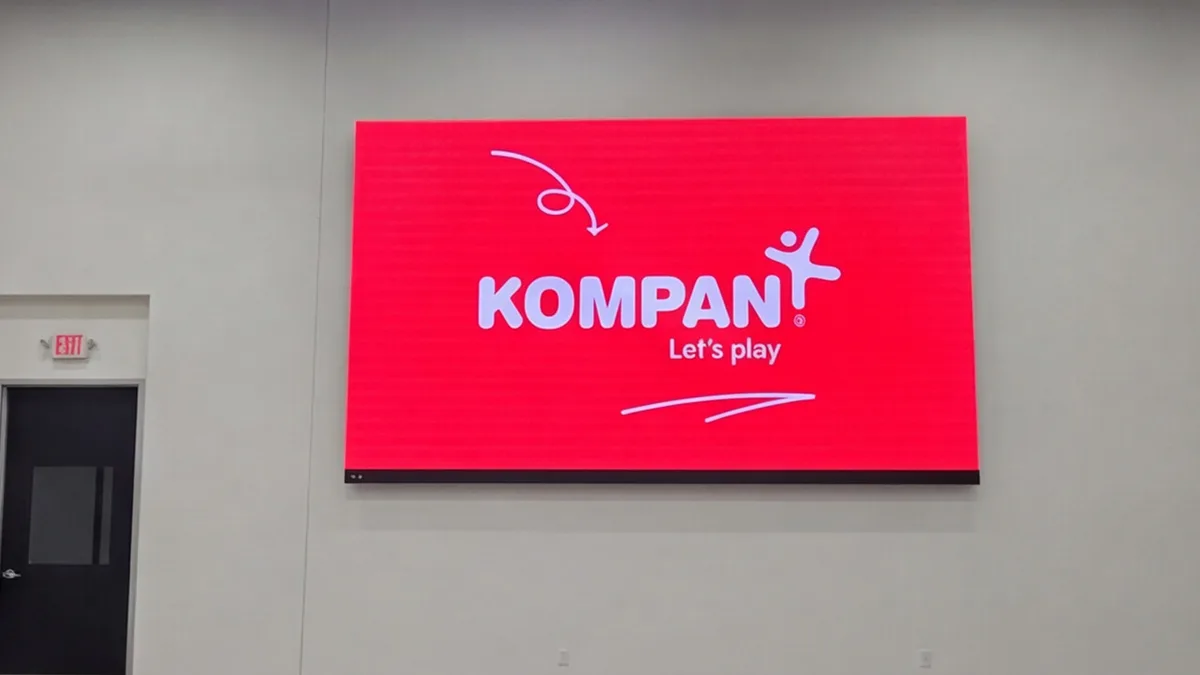
Our first conversation is a consult, not a quote. We ask what the room is for, who watches it, what the wall has to accomplish, and the budget you are working with. Then we count sources, because that number changes the design more than the panel count does. A canvas carrying eight to twelve feeds, where one shows large while the others stay readable, is a fundamentally different problem from a single-source display, and it lands on the processor and the control layer rather than the panels. Viewing distance sets the pitch, and in a monitoring or briefing room people sit close, so the pitch runs tight. Only then do we recommend a size, a technology, and a location.

The consult, then the sources on the wall — video wall installation in San Jose, CA
InstallThe consult, then the sources on the wall
The consult, then the sources on the wall — video wall installation in San Jose, CA
InstallThe consult, then the sources on the wall

Mounting, bracing, and one team on site

This is a seismic region, so anything hung overhead gets mounted and braced for seismic load, and that gets confirmed before a size is chosen rather than after. Ceiling-hung displays need a ceiling plate and a structural pole, and an open ceiling needs unistrut and structural backing from your contractor. What sits above the ceiling decides the rest, since ductwork, lighting runs, and sprinkler locations all limit where a mount can land. Processors and controllers go in a room held at or below 75 degrees, because a hot rack shortens the life of everything in it. One team then handles the install, calibration, control programming, staff training, and documentation, coordinating with your electrician, your low-voltage trades, and your IT group.

Where San Jose walls earn

Where a video wall actuallypaysoffhere

A wall earns its cost where it does real work. Here is where we see it happen across the South Bay, and where something lighter does the same job.

Where a video wall actually pays off here — video wall installation in San Jose, CA
InstallWhere a video wall actually pays off here

Operations and monitoring rooms

Network operations centers are the clearest case for a real wall in this market, since the room genuinely needs many things visible at once. A direct-view LED canvas carrying eight to twelve sources lets one feed run large while the rest stay readable, and layouts change through the control system rather than by walking to a rack. People sit close in these rooms, so pitch runs tight and the surface has to read cleanly at a few feet. Uptime is the requirement that outranks everything else, which is why the spare-parts plan gets designed alongside the wall. Processing capacity, source routing, and the control layer all get specified before anyone talks about panel count.

Briefing rooms and all-hands spaces

Briefing and executive rooms want the same canvas behavior at a different scale. Content arrives from laptops, room systems, dashboards, and remote participants, so the wall gets sized off the furthest seat and the platforms actually in use rather than a spec sheet. Major employers with several floors or several buildings usually want one room standard repeated, so the same canvas approach, the same control behavior, and the same source layout get specified everywhere and staff move between rooms without relearning anything. That consistency is worth more than a slightly larger screen in any single room. Where a room does not justify a full wall, a cluster driven by a video processor behaves as one canvas for far less.

Lobbies, retail, and hospitality

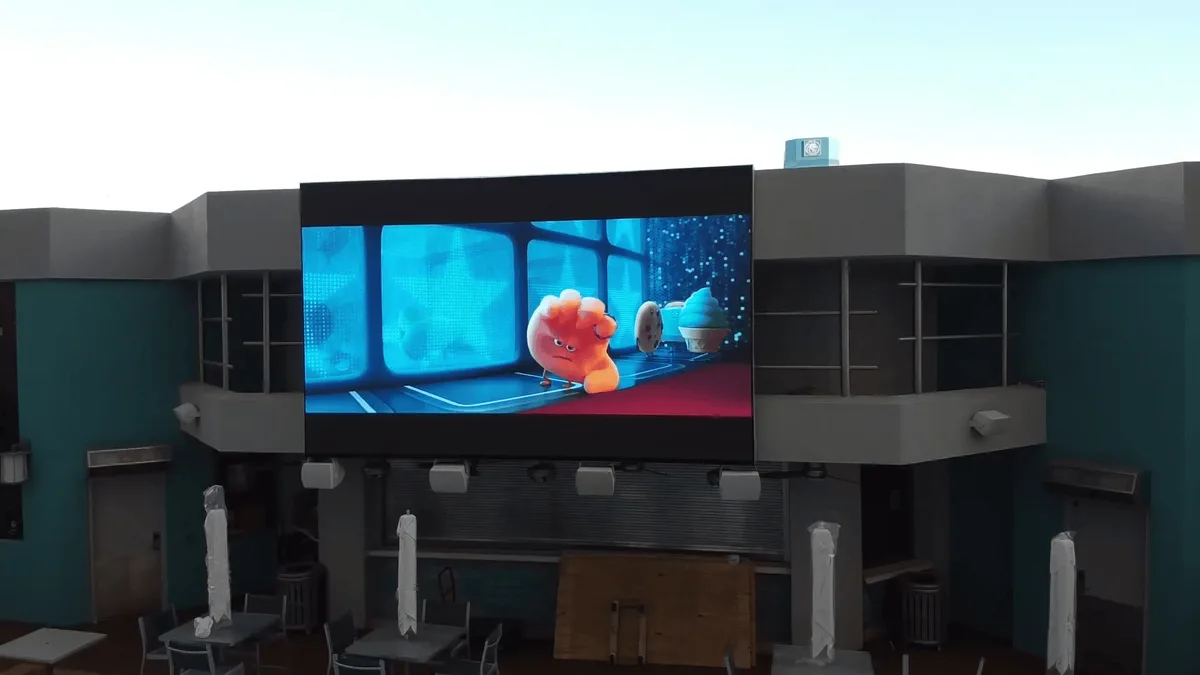
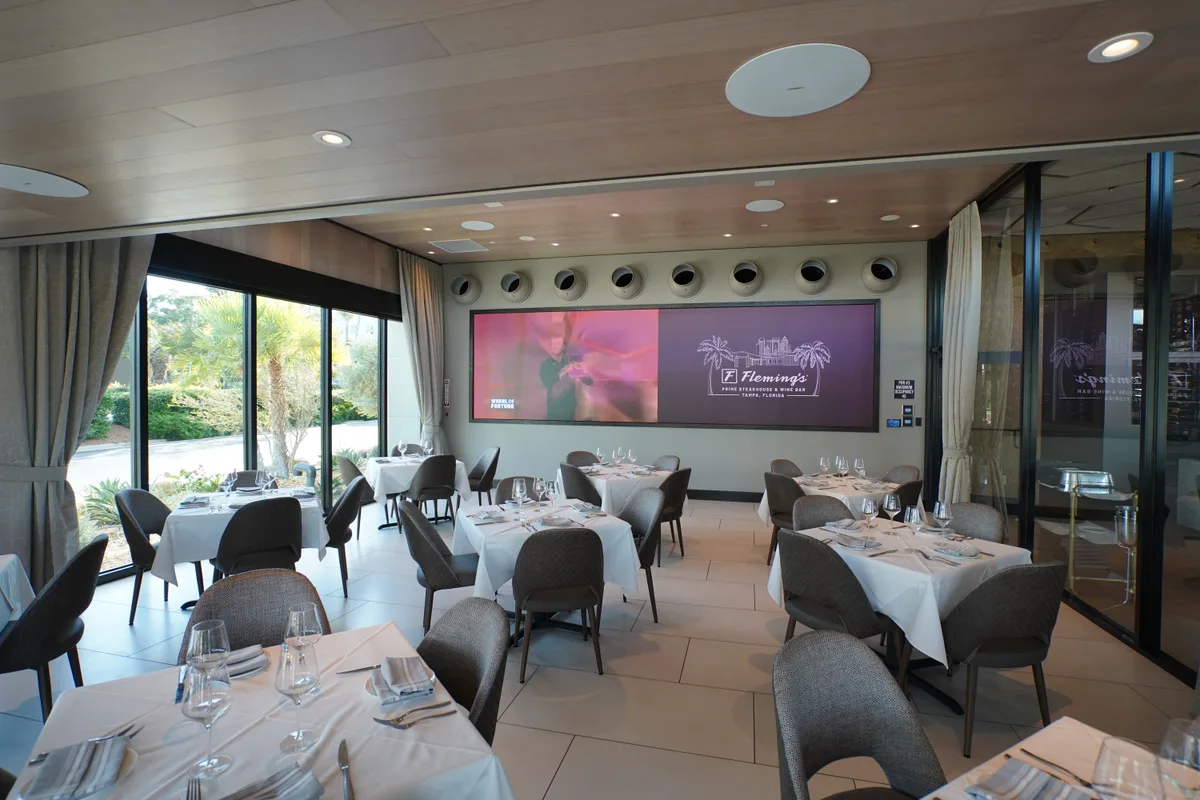
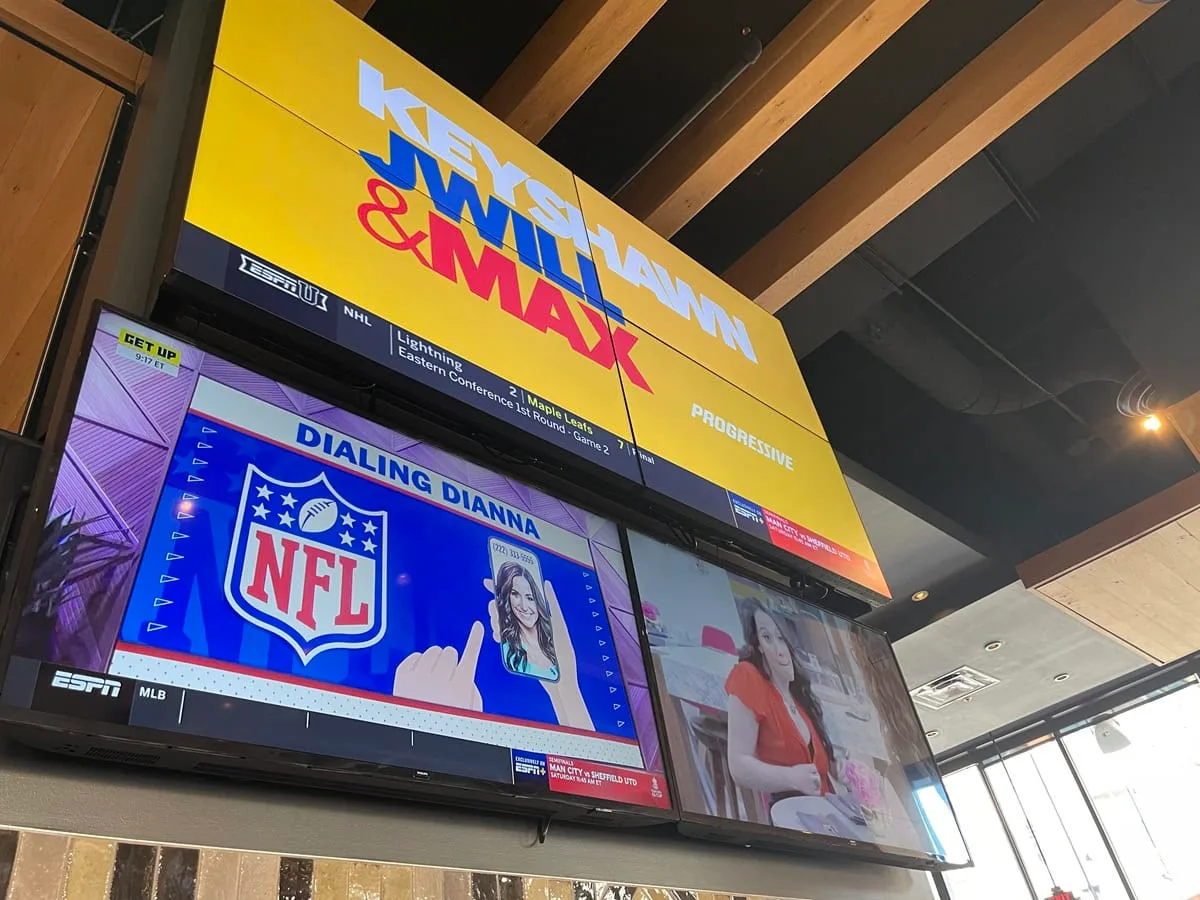
Lobby walls carry company and visitor information across long viewing distances, which relaxes pitch and raises the brightness requirement, especially where daylight comes through glass. Retail walls carry your own brand and product content, sized to read from the aisle rather than only up close. Bars and restaurants ask the seat-count question instead: a single large canvas suits a room watching one thing together, a grid suits a room following several games, and sports viewing gets a tighter pitch because fans sit closer than operators assume. Patios and plazas are outdoor installations, which means LED with an ambient light sensor, sealed construction, and mounting engineered for that exposure.

Plain answers

Direct view, processing, and pixel pitch inplainterms

Three things drive most of the cost on a working video wall. Here is what each one means for your room.

LED versus LCD, and what direct view means

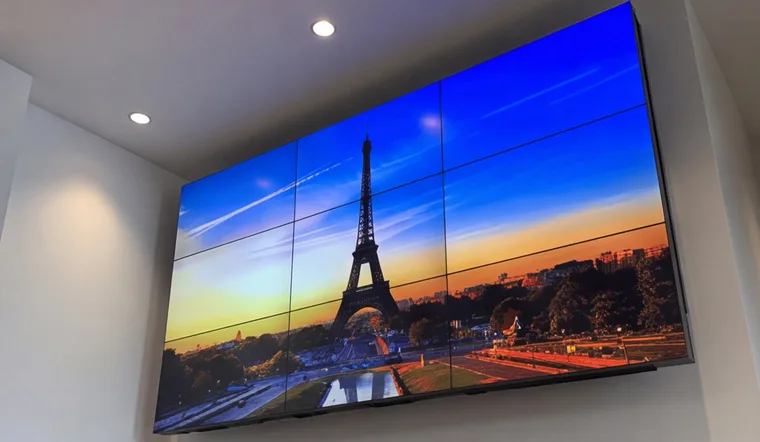
Indoor or outdoor answers most of this, since outdoor is always LED. An LCD wall is a grid of thin-bezel panels with the processing built in: lower cost, high resolution, indoor only, with tiles in 55 and 65 inch sizes, so the wall is the size the tiles make it and it caps out around a ten by ten grid. LED uses cabinets in many sizes driven by an external processor, reads as one screen rather than a set of panels, and is brighter. Direct view means LED at a very fine pitch, roughly 0.7 to 0.9mm, tight enough to stand close to, which is why the interior walls in most San Jose control and briefing rooms are direct view.

Direct view, processing, and pixel pitch in plain terms — video wall installation in San Jose, CA
InstallDirect view, processing, and pixel pitch in plain terms
Direct view, processing, and pixel pitch in plain terms — video wall installation in San Jose, CA
InstallDirect view, processing, and pixel pitch in plain terms

Processing, calibration, and staying up

On a multi-source wall the processor is the product. It decides how many inputs the canvas can carry, how layouts are recalled, and how quickly an operator can rearrange the surface, and it is where most of the design attention goes. Calibration comes next. On LCD, color, brightness, and contrast get matched panel to panel so the seams disappear, and no amount of tuning rescues a bad panel, so selection matters more. LED cabinets arrive pre-calibrated and get tuned on site through the wall's processor, and a panel with damaged pixels goes back under warranty while we install a replacement. We supply a spare-parts kit from day one and keep revolving inventory, so a failure never means a dark section.

Can one wall carry eight or twelve sources at once, and what does that change?

Yes, and it changes almost everything about the design. A multi-input canvas is the product most San Jose rooms are actually buying: a direct-view LED surface carrying eight to twelve feeds, where one source runs large while the others stay readable around it, and layouts get recalled through the control system instead of somebody walking to a rack. That is a fundamentally different problem from a single-source display, and it moves the design weight onto the processor and the control layer rather than the panels. Processing capacity decides how many inputs the canvas can carry and how fast an operator can rearrange it, so we specify that before we specify a panel count. Viewing distance in operations centers and briefing rooms is short, so pixel pitch runs tight and direct view is the norm. Uptime outranks everything else in these rooms, which is why the spare-parts plan is designed alongside the wall rather than sold afterward.

Do we actually need a video wall, or is there a cheaper way to get the same effect?

Worth asking first, because it is where the most money gets saved. A wall earns its cost where it does real work or where the experience is actually being created. On the hospitality side the test is to count the seats that will see it, and if the bar seats fourteen while the rest of the room seats a hundred and eighty, an LED wall behind the bar is probably a waste of money. Put the best technology where you are driving the most experience instead. The alternatives get most of the way there for far less. A cluster or a ribbon of commercial displays reads as one feature when it is placed and driven properly. One large display can be driven as four panes, so a 98-inch panel behaves like four 49-inch quadrants. A video processor in the control system turns any group of screens into a single canvas. In corporate work that last option covers a surprising number of rooms, and we would rather put a real wall in the operations center and clusters in the meeting rooms than spread the budget evenly and get neither right.

How tight does the pixel pitch need to be in a control room?

Tighter than most rooms, because people sit close. Pixel pitch is the distance between pixels in millimeters, with common steps around 0.9, 1.9, 2.9, and 3.9, and wider means less resolution. Viewing distance sets the number, so a surface people sit five feet from needs a much tighter pitch than a lobby wall read from across the room. Direct view means LED at a very fine pitch, roughly 0.7 to 0.9mm, which is the range operations centers and briefing rooms usually land in. The flip side matters just as much: paying for resolution nobody can perceive is the most common way this budget gets wasted, so a wall read from forty feet does not need a control-room pitch. The other choice is LED versus LCD. LCD is lower cost with the processing built in, but it is indoor only, the tiles come in 55 and 65 inch sizes so the wall is the size the tiles make it, and it caps out around a ten by ten grid. LED gives shape freedom, more brightness, and a surface that reads as one screen.

What happens when a panel fails, and do you rent walls?

We do not rent. We design and install permanent video walls only, and the service plan is part of the design rather than something added later. Manufacturers quote diode life in the tens of thousands of hours, and real life is environment-dependent, so we plan for parts instead of hoping. We supply a spare-parts kit from day one and run revolving inventory, which means a failed module gets swapped immediately, the dead one goes back under warranty, and the repaired unit returns to the pool. The wall never sits with a dark section, which matters most in a room where people are watching the surface all day. Warranty terms scale with the tier of wall you buy and we will be straight about that trade-off. Most support issues resolve remotely, with around 47 percent closing inside an hour and roughly 72 percent within a day, usually without anyone coming to the site. Bringing us in during the design phase puts the requirements into the architectural plan, and that alone cuts change orders by roughly 95 percent.

Related Solution

Learn more about our Video Wall Solutions solutions

View Video Wall Solutions
What clients say

Operators who run on our systems

Client successes drive Crunchy Tech to become better. Below is how our customers feel about us.

The Design Build process was the best thing that could have happened. They showed our ownership three different options on each feature wall — from the bar to the rest of the venue. That’s when it really sold them. They felt involved. They knew what they were putting in, they were making the decisions, and they could see it was going to look right.

Matt Moore logo
Matt Moore
IT Systems Administrator · Capone's Hideout

Working with Crunchy Tech was a fantastic experience from start to finish. They handled the sale and installation of all our sound and TV equipment at The County Bar in Aviston, IL, and absolutely nailed it. We were on a very tight deadline, and they not only met it—they delivered top-notch quality and service the entire way. Highly professional, responsive, and easy to work with. We couldn't be happier with the results.

Clint Flowers logo
Clint Flowers
Owner · The County Bar

Crunchy has done an amazing job on our A/V install. The sound is perfectly balanced throughout our many zones and the entire system is super simple to use.
Steve Glum logo
Steve Glum
Chief Marketing Officer · Ace Cafe
Talk to a San Jose video wall designer

Let's find out whattheroomhastoshow

Tell us about the space: what the room is for, how many sources have to be visible at once, how close people sit, whether the wall is indoors or out, and whether this is one room or a standard you want repeated across floors or buildings. The consult starts with whether a wall is the right answer at all, then we design the processing and control layer around what the room actually has to do.

  • We count sources and viewing distance before we count panels.
  • Multi-input canvases carrying eight to twelve feeds, with layouts recalled from the control system.
  • Overhead mounting braced for seismic load, confirmed before a size is chosen.
  • One room standard specified and repeated across floors and buildings.
  • Spare-parts kit from day one and revolving inventory. Permanent installs only, no rentals.