Just do it. Spend the money. It’s well worth it. It’s not worth your time, hassle, energy, and stress of trying to make it look right and do it right when there’s somebody who has been doing it for years and has perfected the craft.
Nightclub AV in Chicago
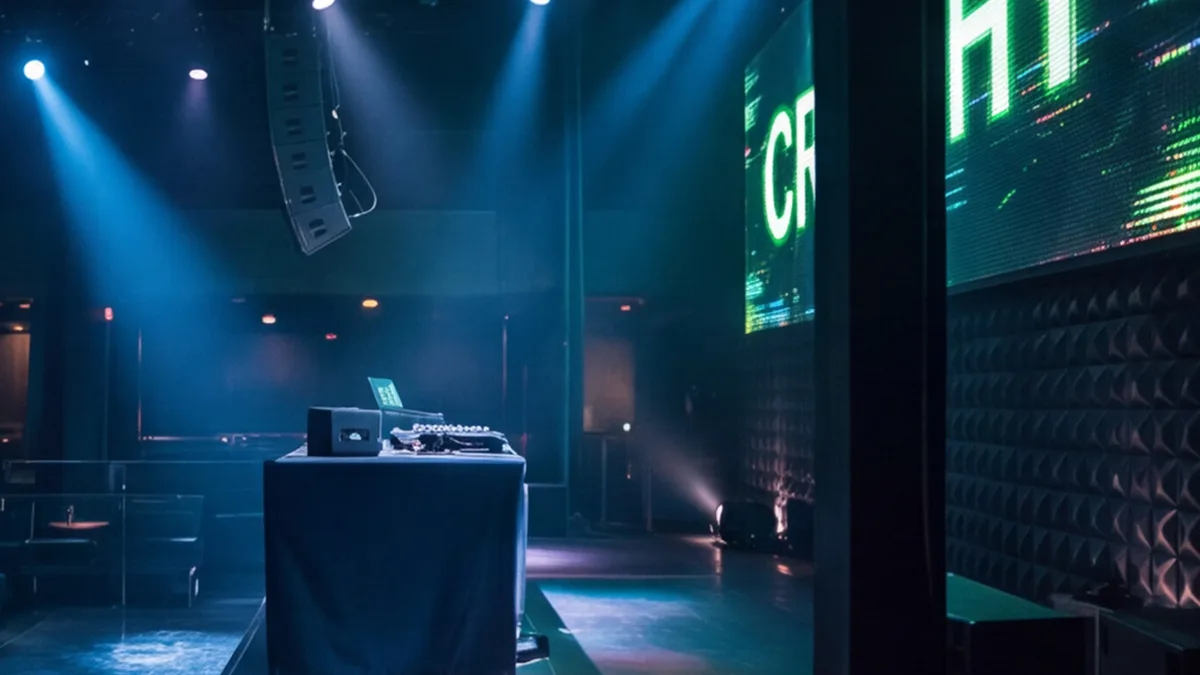
Nightclub sound systems for old buildings where the dance floor sits on timber rather than slab, with subwoofers decoupled and low frequency kept out of the structure.
The dance floor is a timber floor over a basement
A lot of Chicago nightlife happens on the second floor of a building older than anyone working in it, or on a ground floor with a basement underneath. That changes the physics of the room in a way most system designs ignore. A subwoofer sitting on a concrete slab pushes air. The same box sitting on a suspended timber floor pushes the floor, and the floor becomes a loudspeaker that radiates into the basement, the units above, and the building next door. Guests on the floor feel less of it than the neighbor two doors down does.
The fix is mechanical before it is electronic. Subwoofers get decoupled from the structure rather than set down on it, placed where they excite the floor least, and held to an independent low-frequency limit in the processor so the ceiling is fixed regardless of who is running the room at two. Loudspeakers get mounted to structure that can carry them, coordinated with your engineer where loading is a question. Then the rest of the design follows: even coverage on the floor, zones for the bar and lounge, and a booth built to be legible to a stranger.
Nightclub AV Across Chicago
From River North and Fulton Market to Logan Square, Wicker Park, and the South Loop, we design and install nightclub sound systems, lighting, and booth infrastructure.
Anything outdoors or at the entry sits through months of freezing weather, so exposed hardware gets rated for freeze and thaw.
Doors open constantly against real wind, so equipment near the entry gets placed and protected rather than left in the path of it.
Below-grade equipment rooms hold damp air, so the rack gets ventilation, elevation off the floor, and moisture protection.
A club runs its amplification harder than any other hospitality room, so the equipment room gets real cooling and stays at or below 75 degrees.
How we work
What the building will carry, settled first
We do not start with a speaker count. We start with what the floor is made of and what is underneath it, because in these buildings that decides the rest.
The consult and the site walk
Most disappointing club systems were quoted off a floor plan by someone who never stood in the room at one in the morning. So we start with a consult rather than a quote: what you want the room to feel like, how big it is, what it needs to do, and the budget you are working with. Then we walk it during a real night, listening on the floor, at the bar, in the lounge, and standing in the booth. In Chicago we also go downstairs and next door, because what the neighbors get is the constraint that ends up shaping the system.
Design you can see, then one team on site
The other way these go wrong is that nobody experiences the outcome until it is built, then wants it changed a season later. So you see the design before you commit to equipment, including how the subwoofers are decoupled and what the low-frequency ceiling will be. Control gets programmed around the nights you actually run, so a peak Saturday, a slower midweek, and a private buyout are states rather than an argument. One team handles the install, calibration, staff training, and documentation, and coordinates with your general contractor, electrician, low-voltage trades, structural engineer where loading is a question, and the licensed fire alarm contractor.
What we build
The nightclub AV stack a Chicago room runs on
A club is a handful of systems that have to behave like one instrument, installed into a building that was designed for something else. Here is what we design, program, and install.
Low frequency that stays in the room
Subwoofers get isolated from the structure rather than set on the floor, since a box in direct contact with a suspended timber deck turns that deck into a radiator that reaches the basement and the buildings on either side. Placement gets chosen to excite the structure least while still serving the dance floor, which is a different optimum from the one you would pick on a slab. The processor then holds an independent low-frequency limit, so the ceiling holds at two in the morning regardless of who is behind the decks and regardless of how good the night is going.
Nightclub sound systems and the booth
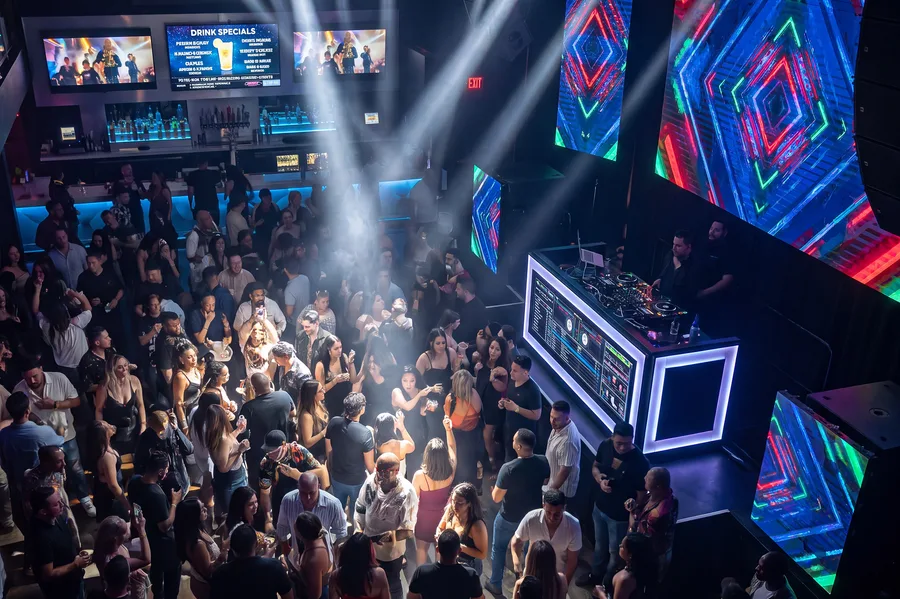
The system gets sized for the loudest hour and then held below it, because a rig running at its limit sounds harsh, distorts on peaks, and cooks drivers, which is why so many club loudspeakers fail early. Coverage on the floor comes from enough sources that nobody stands in a hole or directly under a horn, with the bar and lounge on their own zones and limits. The booth gets a documented tie-in panel with labeled, tested inputs, its own monitor path so nobody has to push the house to hear themselves, and limits that protect the room whoever is playing.
Lighting, LED, and control
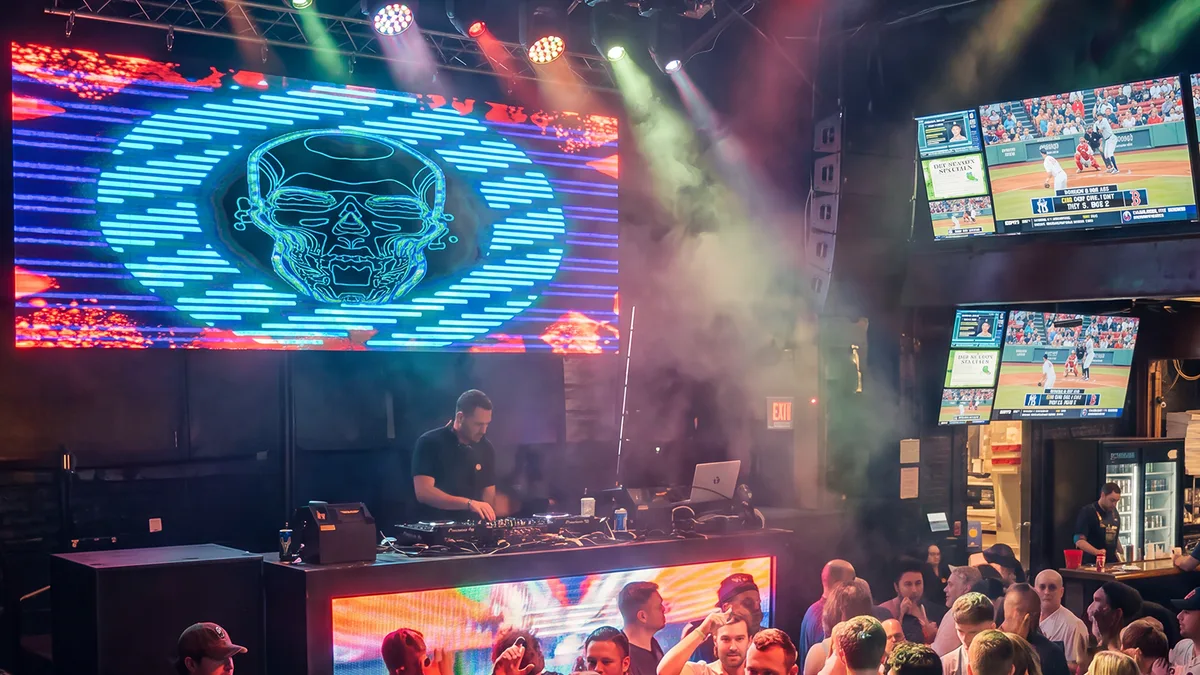
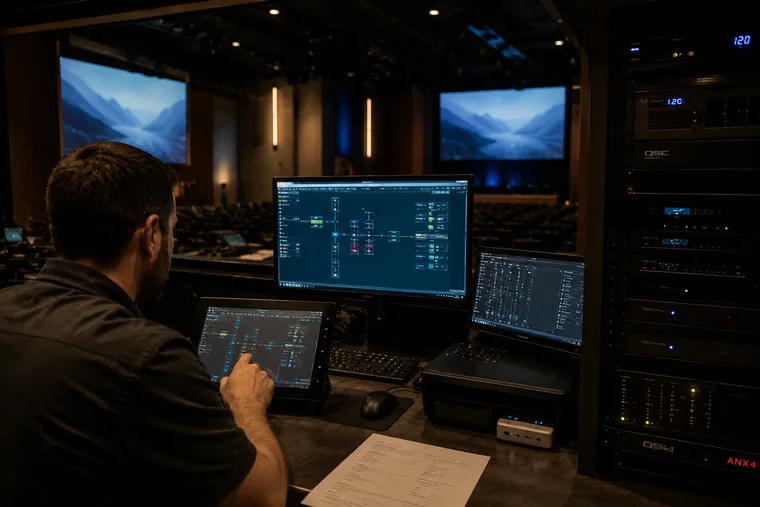
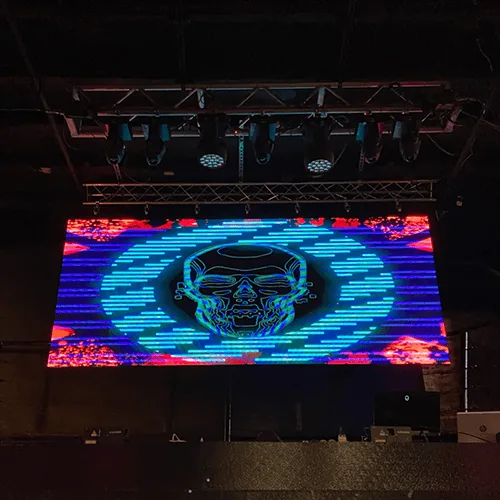
Lighting is what a phone camera actually records, so it gets designed alongside the audio rather than added by a different vendor with a different control system. Fixtures get selected and positioned for the room's geometry, wired and addressed properly, and brought into one control layer with video and audio so states change together. Mounting in an old building gets planned around what the structure can carry and what the finishes allow rather than improvised. Everything lives in one enclosed, labeled rack on a dedicated AV network, and the system mutes and passes emergency announcements when the fire alarm calls for it.
Why Chicago clubs trust us with it
Built for old structures and close neighbors
This city puts loud rooms inside century-old buildings with residents on the other side of the wall. Here is where our depth shows, and where our scope ends.
Structure-borne is the part that gets you
Complaints in these buildings are almost never about how loud the music is in the room. They are about what arrives two floors away, and that is low frequency travelling through structure rather than air. Turning the whole system down rarely solves it and costs you the night, because everything above a few hundred hertz was already being stopped reasonably well by the building. The effective moves are mechanical: decouple the subwoofers, place them where they couple into the structure least, and cap the low end independently. Where the honest answer is structural isolation, that is an acoustician's work and we will say so.
Old buildings, hard winters, and a basement rack
Three local realities shape the build. The building stock is old, with timber structure, masonry, and finishes that restrict where anything can be mounted or routed, so speaker positions and cable paths get planned rather than improvised. Winter is hard on any outdoor element and on the entry, where doors open constantly and cold air meets equipment. The rack in these buildings is frequently in a basement, so it gets ventilation, moisture protection, elevation off the floor, and cooling that keeps it at or below 75 degrees, since a club works its amplification harder than any other hospitality room.
Support after opening night
Crunchy Tech started in 2008 as an AV support operation, which is an unusual origin for an integrator and the reason the systems get built the way they do. When you spend years fixing other people's work, you learn exactly where installations cut corners. That shows up in a rack you can actually service: fully enclosed, every cable labeled at both ends, power separated from audio and data. We have opened racks that looked fifteen years old after three months in an unventilated basement, with dust caked on every surface. Around 47 percent of support tickets close inside an hour and roughly 72 percent within a day.
Where we draw the line
Where floor loading or structural capacity is in question, that determination belongs to your structural engineer and we design around what they confirm. We are not acousticians, so where the answer is isolation or absorption we will say so. We coordinate with your licensed fire alarm contractor on the emergency interface rather than providing the alarm system. We do not book or program talent, staff your booth, or run shows, and we do not install cameras, produce video, or run streaming as a service. We generally do not take install-only work.
What it earns back
How staying out of the structure protects the room
In a building with neighbors, the constraint that closes a room is rarely the one on the dance floor.
The complaint that does not become a condition
A noise complaint from an upstairs unit or the building next door is not a bad review. It can become a restriction on how you operate, and once that exists it shapes the venue for as long as you hold the lease, with no amount of equipment able to undo it. Designing for the structure from the start is inexpensive by comparison and lets the room run at the energy the concept needs. Inside the room the same work pays off differently: subwoofers placed deliberately give a floor that feels even rather than one with loud spots and dead ones.
Good, Better, Best against one design
Most owners price AV like retail: a loudspeaker costs a certain amount, so a room of them should not cost much more. Worth being plain about the gap, because the processing, the amplification, the cabling, the control, and the isolation take a serious share of the budget before you buy a single box, and in a building like this those are exactly the parts protecting you. So we quote Good, Better, and Best against one design, per zone. Good is a real recommendation, not a strawman: decoupled and placed subwoofers, an independent low-frequency limit, even floor coverage, a documented booth. If your budget is short of the room, we would rather value engineer it honestly.
The neighbors complain even when the room does not sound that loud. Why?
What reaches them is not what you are hearing. Frequencies above roughly a few hundred hertz are stopped reasonably well by an ordinary floor or wall assembly, so most of what your guests notice stays in the room. Low frequency is different. It travels through structure rather than air, and in a building with a suspended timber floor the problem compounds, because a subwoofer sitting on that floor does not simply pass energy into it, it drives the whole deck and turns it into a radiator. The neighbor two floors down gets the bass line with none of the context, which is the thing people find hardest to ignore. Turning the system down rarely fixes it and costs you the night. The effective moves are decoupling the subwoofers from the structure, placing them where they excite it least, and setting an independent low-frequency limit in the processor.
Our dance floor is on the second floor. Does that change the design?
Substantially, and in ways that are cheap to plan and expensive to retrofit. On a slab, a subwoofer mostly moves air. On a suspended floor it also moves the floor, so where you put it and what it sits on matter more than how many you buy. Isolation platforms, placement chosen relative to the structural bays rather than to the furniture plan, and an independent low-frequency cap do most of the work. Loudspeaker and lighting mounting is the second question, since anything hung in an old building has to attach to structure that can carry it. Where floor loading or capacity is genuinely in question, that is your structural engineer's determination and we design around what they confirm rather than guessing. It is worth having that conversation before equipment is ordered.
Our rack is in the basement. Does that matter?
It matters, and it is one of the more common reasons systems in this city age faster than they should. Basements hold damp air, they are often unventilated, and they are the first place water shows up. Damp shortens the life of everything in the rack, dust insulates components so they run hotter, and heat is the single most expensive variable in how long a system lasts, which is amplified in a club because the amplification works harder than in any other hospitality room. So the rack gets ventilation, moisture protection, elevation off the floor, protected circuits with real surge conditioning, and enough clearance for a technician to work. Keep the space at or below 75 degrees. We have opened racks that looked fifteen years old after three months in an unventilated basement.
Do you handle the lighting and the LED as well?
Yes, and in an old building it is better done by one team. Lighting is what a phone camera records and what the room gets judged on afterward, so it belongs in the same design conversation as the audio rather than being added later by someone with a separate control system. The practical reason here is mounting and routing: in a building with timber structure, masonry, and protected finishes, every fixture position and cable path is a constraint, and solving those once across audio, lighting, and video is far cleaner than three vendors each finding their own way. We bring all of it into one control layer so states change together. What we build is the permanent installed system and its programming. We do not run shows, book or program talent, or staff your booth.
What We Do Here
Services available in Chicago
Every system is designed, installed, and supported by our own team in Chicago — never subcontracted.
AV Consulting
AV consulting from an audio visual consultant who joins at the architectural phase, designs the technology into the plan and steers the project around your business outcome.
AV Consulting in Chicagoarrow_forwardVideo Wall Solutions
Commercial video walls across LED, LCD and Direct View. Designed, integrated, installed and supported by a national design-build AV integrator.
Video Wall Solutions in Chicagoarrow_forwardCommercial Sound Systems
Commercial sound system design and installation: multi-zone audio engineered around how your space is used, wired and tuned on site, and supported as a partner.
Commercial Sound Systems in Chicagoarrow_forwardDigital Signage Services
Design-build digital signage for hospitality and enterprise: commercial displays, content management, and installation that keeps your screens selling and current.
Digital Signage Services in Chicagoarrow_forwardAV Control Systems
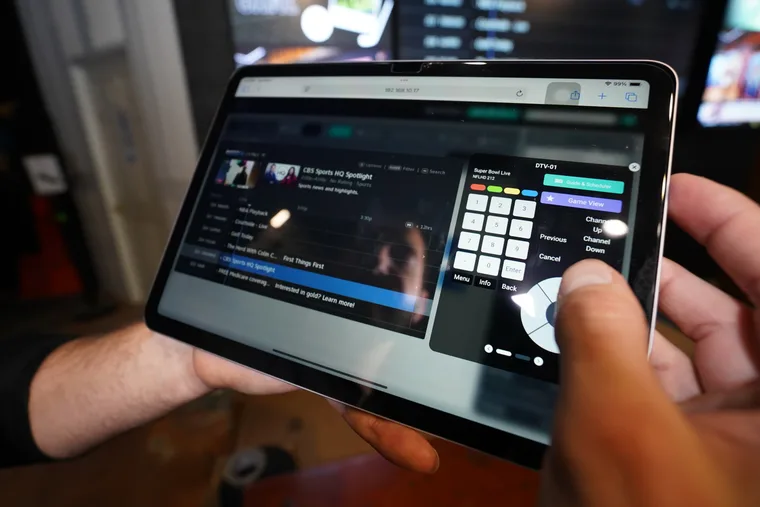
Design-build AV control systems: one iPad, wall panel, or browser runs every display, audio zone, lighting scene, and source in the room. Programmed and supported in-house.
AV Control Systems in Chicagoarrow_forwardAV Programming
AV programming that starts with the right design: a vetted, interconnectable stack unified into one control system, so the whole room runs from one simple interface.
AV Programming in Chicagoarrow_forwardConference Room AV
Conference room AV designed around the people using the room: video conferencing, Zoom and Teams Rooms, displays, and audio, installed and supported as a partner.
Conference Room AV in Chicagoarrow_forwardLearn more about our Nightclub AV solutions
Operators who run on our systems
Client successes drive Crunchy Tech to become better. Below is how our customers feel about us.
You're a great partner with Florida Hospital and this project will make a difference in Children's Health.
Working with Crunchy Tech was a fantastic experience from start to finish. They handled the sale and installation of all our sound and TV equipment at The County Bar in Aviston, IL, and absolutely nailed it. We were on a very tight deadline, and they not only met it—they delivered top-notch quality and service the entire way. Highly professional, responsive, and easy to work with. We couldn't be happier with the results.
Crunchy's AV Services are outstanding. Staff members are experts, who really extend themselves to find the right technology for helping us reach our marketing goals in creative ways. The best thing about working with Crunchy is collaborating with the staff – they are patient, responsive, knowledgeable, and available.
Crunchy has been great to work with. They communicate well and deliver as promised.
The work Crunchy has been doing is a game changer for this industry.
Being able to reuse the existing structure created a much lower cost for the client and they were ecstatic.
Crunchy has done an amazing job on our A/V install. The sound is perfectly balanced throughout our many zones and the entire system is super simple to use.
Just do it. Spend the money. It’s well worth it. It’s not worth your time, hassle, energy, and stress of trying to make it look right and do it right when there’s somebody who has been doing it for years and has perfected the craft.
You're a great partner with Florida Hospital and this project will make a difference in Children's Health.
Working with Crunchy Tech was a fantastic experience from start to finish. They handled the sale and installation of all our sound and TV equipment at The County Bar in Aviston, IL, and absolutely nailed it. We were on a very tight deadline, and they not only met it—they delivered top-notch quality and service the entire way. Highly professional, responsive, and easy to work with. We couldn't be happier with the results.
Crunchy's AV Services are outstanding. Staff members are experts, who really extend themselves to find the right technology for helping us reach our marketing goals in creative ways. The best thing about working with Crunchy is collaborating with the staff – they are patient, responsive, knowledgeable, and available.
Crunchy has been great to work with. They communicate well and deliver as promised.
The work Crunchy has been doing is a game changer for this industry.
Being able to reuse the existing structure created a much lower cost for the client and they were ecstatic.
Crunchy has done an amazing job on our A/V install. The sound is perfectly balanced throughout our many zones and the entire system is super simple to use.
Insights
Design-Build AV Philosophy: How it Separates the Top 3% From the Rest of the Industry
We don’t sell you what we have. We design what you need. That line is the operating principle I’ve built Crunchy Tech around for the last 20 years. And it’s the single sentence that separates us - and the small handful of firms like us - from the other 97% of the commercial AV industry.
Read article arrow_forwardThe Spectacle Trap: Why Technology-Centric Hospitality AV Kills Brands
There’s a pattern I’ve watched play out for 20 years in hospitality AV, and it always ends the same way...
Read article arrow_forwardWhy AV Quotes Take Time (And Why That's a Good Thing)
"Where's my quote?"
Read article arrow_forwardLet's keep the low end out of the building
Tell us about the venue: the neighborhood, the capacity, what floor you are on and what the floor is made of, who is above, below, and beside you, whether you have had complaints, and where the equipment lives. We will start with a consult to understand what you are trying to accomplish, then walk the room during a real night, and come back with one engineered recommendation instead of a parts list.
- Subwoofers decoupled from the structure rather than set down on a suspended floor.
- Placement chosen to excite the structure least while still serving the dance floor.
- An independent low-frequency limit that holds at two in the morning.
- Mounting and cable paths planned around what an old building can carry and allow.