Audio Visual Company in Cincinnati
location_on Cincinnati, OH

Commercial Audio Visual Company in Cincinnati

Design-build audiovisual for Cincinnati offices, restaurants, and brand-standard rooms, in a headquarters town where the spec often arrives before the space does.

In Cincinnati the room often has to satisfyastandard written by strangers

This is a headquarters town for brands whose rules reach into thousands of rooms, and that culture runs both directions here. Franchise operators across the metro live under standards handed down from somewhere else, documents that dictate the displays, the sound levels, sometimes the exact mounting heights, written by people who have never stood in the actual space and never will.

Corporate teams downtown write standards of their own for buildings they'll never visit. Either way, the daily reality of Cincinnati AV work is a binder on the table before the tape measure comes out, and the binder and the building rarely agree. The ceiling is lower than the standard assumed. The wall it wants doesn't exist. Somebody has to reconcile the two, in writing, without blowing the certification.

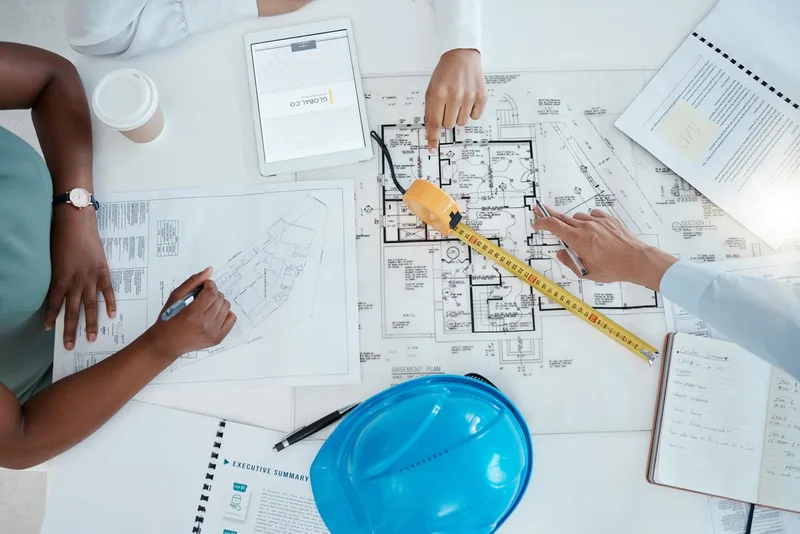
Reconciling those is a skill we've built deliberately. Crunchy Tech reads the standard first, walks the space second, and documents every place they disagree along with the fix we propose, which is exactly the paper trail a franchisor or a corporate design team needs to grant the variance.

Where the standard is silent, we design to what the room earns. From there it's our usual sequence: drawings a contractor can actually bid, a rack proven at our shop before delivery, install, tune, train, and documentation that survives the brand audit. One company, accountable to you and legible to them, which turns out to be a rare combination in this line of work. Crunchy Tech has been in the AV industry since 2008.

In Cincinnati the room often has to satisfy a standard written by strangers
Install In Cincinnati the room often has to satisfy a standard written by strangers Cincinnati, OH

Commercial AV AcrossGreaterCincinnati

Downtown and Over-the-Rhine, the riverfront, the northern suburbs to West Chester and Mason, and the Kentucky river cities across the bridges.

2008
Serving Cincinnati since
10
Neighborhoods
Downtown and the CBD
Corporate · Hotels · Restaurants

Headquarters floors here want every conference room on one standard, and the ground level wants atmosphere, two briefs in one building.

Tower · street level
Over-the-Rhine
Restaurants · Bars · Venues

OTR's nineteenth-century brick and plaster bounce everything, so the acoustics write the speaker plan and taste signs off second.

Historic · acoustics
The Banks and the riverfront
Restaurants · Bars · Venues

The Banks is new build, where pathway, backing, and rack cooling cost pocket change if somebody asks before the drywall.

New build · design phase
Findlay Market and the north OTR blocks
Restaurants · Retail

Small stalls and storefronts share walls and customers, and many quiet speakers beat a few loud ones in every one of them.

Small room · coverage
Hyde Park and Oakley
Restaurants · Corporate

East-side rooms serve regulars who come back weekly, which tilts the design toward conversation over spectacle.

Neighborhood rooms
Norwood and the central corridor
Corporate · Industrial

Norwood is its own city inside the metro's middle, with its own reviewers and a stock of honest industrial conversions.

Separate city · conversion
Blue Ash and Kenwood
Corporate · Retail

The I-71 corridor's office parks buy rooms by the floor, and the repeatable standard is worth more than any single showpiece.

Multi-room standard
West Chester and Mason
Corporate · Restaurants

The northern suburbs permit through their own townships and build new, which rewards early involvement and punishes late.

Separate jurisdictions · new build
Covington, Kentucky
Corporate · Restaurants

Covington is another state entirely, with Kentucky licensing and its own reviewers a bridge away from downtown.

State line
Newport, Kentucky
Venues · Restaurants · Bars

Newport's entertainment blocks run loud and late under Kentucky's rules, and the paperwork crosses the river even when the design doesn't change.

State line · late night

What we do here

Cincinnati AV Design, Brand-LegibleandBuilding-True

Four kinds of buyers fill our Cincinnati calendar, and half of them answer to a standard somebody else wrote. We speak both dialects.

Franchise and multi-unit operators

An operator opening a franchised room gets a technology standard with the license, and the standard is non-negotiable right up until it's physically impossible. That's where these projects live. The document calls for a display wall the room's geometry can't hold, or speaker spacing the joists won't allow, and the operator is stuck between a franchisor who wants compliance and a building that won't cooperate.

Our value is fluency in both directions. We build what the standard requires wherever the building permits it, and where it doesn't, we assemble the variance case, measurements, photos, proposed equivalents, in the format brand reviewers approve. Operators who improvise instead spend audit season sweating. Ours file the paperwork and pour the drinks.

Corporate headquarters and their standards

The other side of the same coin: Cincinnati's headquarters teams write the standards everyone else lives under, and their own buildings deserve better than a template. Executive floors, briefing centers, and all-hands spaces here get used by people who notice. The recurring sins are the national ones - hardware sized for a photograph instead of the room, and floors where each conference room evolved separately until none of them behave alike.

We measure, learn what actually happens in each space and on which platforms, and make the whole floor run on one set of habits. For the teams authoring standards for their own field locations, we're also a useful reality check, as we install against those documents weekly and know exactly where they break contact with real buildings.

Restaurants, bars and river-town rooms

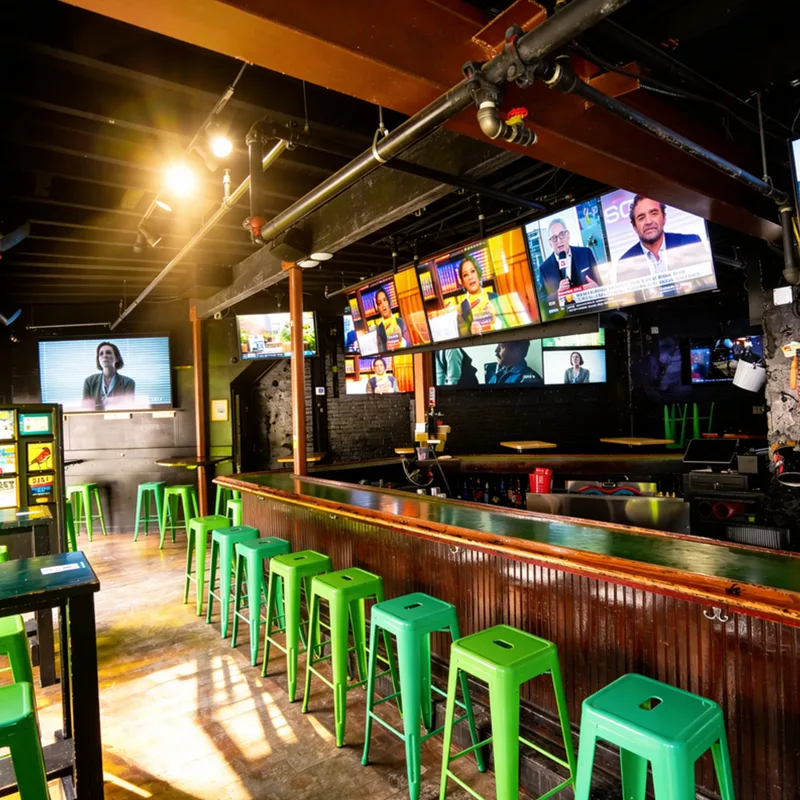
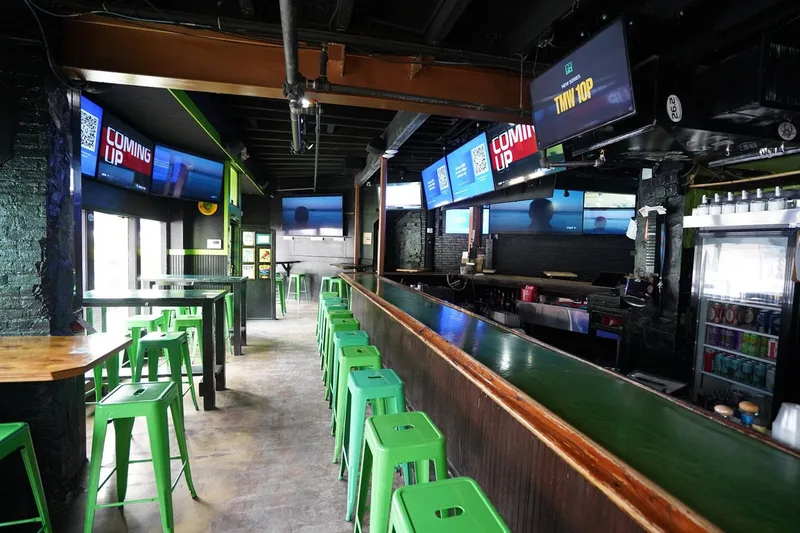
Cincinnati eats in some of the best old bones in the Midwest: Over-the-Rhine's Italianate blocks, converted industrial along the river, and neighborhood storefronts that predate the light bulb. Those rooms bounce sound off brick and plaster with total indifference to your playlist. Coverage comes from many small speakers run gently, zones keep the bar's energy from steamrolling the dining room, and containment respects the neighbor through the wall, who has been there longer than you have.

The Banks and the newer developments flip the problem, since new construction is the one cheap moment to route pathway and set backing, and we'd rather be there before the drywall than after. Patios earn a real season here and then take a river-valley winter, so outdoor hardware gets bought for both.

Healthcare, campus and civic rooms

The institutional side of town - hospital systems, universities, and city facilities - buys speech-first rooms on committee schedules. Training centers and auditoriums succeed on one measure, whether the person in the last row followed every word. Microphone coverage and feedback margin lead the design and the equipment list trails it.

Instructional rooms obey our house rule everywhere: whoever walks in starts without calling anyone, or the room dies and a laptop takes over. Institutional buyers here arrive with sourcing rules and documentation formats, and we bid to the current version of each. Announcement systems in the big buildings get engineered separately from music, because a paged instruction has to land intact on somebody mid-stride in a corridor. And that's physics, not preference.

Our franchisor's tech standard doesn't fit our building. What are our options?

Three, and only one of them is good. Option one is forcing the standard into a building that can't hold it, which produces a compliant-looking room that works badly, and you'll live with it for a decade. Option two is improvising and hoping the brand never audits, which works right up until it doesn't, and the discovery conversation is worse than any variance request would have been. Option three - the good one - is the documented variance: measurements and photos showing exactly why the standard can't apply as written, a proposed equivalent that honors the standard's intent, and a paper trail the franchisor's design team can approve without sticking their own necks out. Brand reviewers grant these routinely when the case is professional, because they'd rather approve a documented exception than discover an undocumented one. We've built that case enough times to know what the reviewers need to see. Crunchy Tech has been doing this since 2008, and translating between binders and buildings is a real specialty of the house.

We write the AV standard for our own locations. Can you pressure-test it before we publish?

Gladly, and it might be the most valuable few days we ever spend with a headquarters team, because a flawed standard doesn't fail once but at every location that inherits it. We review drafts the way an installer will meet them: against real ceiling heights and joist spacing, the actual duty cycles commercial spaces run, the acoustic reality of the room types you're standardizing, the platforms your field locations use, etc. The classic failures are predictable from our side of the drawings. Standards written around one flagship space that don't scale down, display specs that ignore ambient light variation across sites, mounting details that assume construction every building doesn't have, and no variance process at all, which guarantees your field operators will improvise instead of ask. We'll mark up where the document will collide with real buildings, suggest tolerances that preserve your intent while surviving contact with drywall, and help you write the variance pathway that keeps field improvisation from becoming your real standard. Your reviewers approve better rooms and your operators stop dreading the audit. Everyone wins (except improvisation).

Our space in OTR is beautiful and sounds terrible when it's full. Can that be fixed?

The honest answer has two halves. The half we fix: coverage and zoning. Most OTR rooms got their speakers wherever the renovation left room, usually a perimeter line that hammers the wall tables and starves the center. Rebuilding that as many small sources run gently - zoned so the bar and the dining room live separate lives - changes how a full room feels without touching a single brick. That's our work and it's bread and butter. The half we don't sell: absorption. If your room is brick, plaster, and tin ceiling, sound reflects until it dies of exhaustion, and no speaker system can un-ring that bell. The problem isn't how sound gets made but how long it hangs around. The fix there is acoustic treatment - panels and materials that absorb instead of reflect - a different trade we'll happily point you toward, sometimes as the first step before we touch a speaker. Plenty of AV integrators would sell you a bigger system for a reflection problem. We'd rather tell you which problem you actually have.

Some of our locations are in Kentucky. Does the river actually change anything?

Administratively yes, operationally no, and we keep it that way on purpose. Kentucky licenses trades under its own rules. The electrical and low-voltage work in Covington or Newport runs through people credentialed for Kentucky, and the river cities each review their own permits on their own schedules, none of which care what Cincinnati approved. That's our paperwork to manage, and it stays invisible to you beyond honest scheduling. What crosses the river untouched is the system itself: identical interface, identical presets, identical training on both banks, documentation that doesn't care which state the room is in, and support that works the same from our desks regardless. About 47% of tickets close remotely in under an hour, and the Ohio River has never once been the reason one didn't. For a multi-site operator straddling the line, the practical promise is simple. Your managers move between locations without relearning anything, your compliance stays native to each state, and the only person who thinks about the river is us, at permit time, which is exactly where that thought belongs.

What clients say

Operators who run on our systems

Client successes drive Crunchy Tech to become better. Below is how our customers feel about us.

Just do it. Spend the money. It’s well worth it. It’s not worth your time, hassle, energy, and stress of trying to make it look right and do it right when there’s somebody who has been doing it for years and has perfected the craft.

Matt Moore logo
Matt Moore
IT Systems Administrator · Capone's Hideout

You're a great partner with Florida Hospital and this project will make a difference in Children's Health.

Des Cummings logo
Des Cummings
Vice President of Florida Hospital · Florida Hospital

Working with Crunchy Tech was a fantastic experience from start to finish. They handled the sale and installation of all our sound and TV equipment at The County Bar in Aviston, IL, and absolutely nailed it. We were on a very tight deadline, and they not only met it—they delivered top-notch quality and service the entire way. Highly professional, responsive, and easy to work with. We couldn't be happier with the results.

Clint Flowers logo
Clint Flowers
Owner · The County Bar

Crunchy's AV Services are outstanding. Staff members are experts, who really extend themselves to find the right technology for helping us reach our marketing goals in creative ways. The best thing about working with Crunchy is collaborating with the staff – they are patient, responsive, knowledgeable, and available.

Shannon McHale logo
Shannon McHale
Marketing Specialist · IGT

Crunchy has been great to work with. They communicate well and deliver as promised.

Brian Dornbush logo
Brian Dornbush
Facilities & Operations Manager · Orange County Library System

The work Crunchy has been doing is a game changer for this industry.

Steven Fandozzi logo
Steven Fandozzi
VP of Information Technology · Foundation Partners

Being able to reuse the existing structure created a much lower cost for the client and they were ecstatic.

Seminole State College logo
Seminole State College
Facilities · Seminole State College

Crunchy has done an amazing job on our A/V install. The sound is perfectly balanced throughout our many zones and the entire system is super simple to use.
Steve Glum logo
Steve Glum
Chief Marketing Officer · Ace Cafe
Talk to a Cincinnati AV designer

Let's reconcile thebinderandthebuilding

Tell us the address, and if there's a brand standard involved, send it along, because reading it is step one and we're fast readers. The consult covers what the room has to earn and what the standard demands, the walk covers where the building agrees and where it argues, and the deliverable is an engineered scope with the variance case built in wherever one's needed.

  • Brand standards read first, buildings walked second, disagreements documented in between.
  • Variance cases assembled the way brand reviewers actually approve them.
  • Standards pressure-tested before publication, for the teams who write them.
  • Kentucky trades and permits handled natively, invisible from the Ohio side.