Just do it. Spend the money. It’s well worth it. It’s not worth your time, hassle, energy, and stress of trying to make it look right and do it right when there’s somebody who has been doing it for years and has perfected the craft.
Commercial Audio Visual Company in Boston
Design-build audiovisual for Boston offices, campuses, restaurants, hotels, and public buildings, from the needs assessment through the engineering set to the install and the support years.
In Boston the AV goes out to bid before anyone asks what the room is for
So much of this market is institutional that the buying runs through procurement. A specification gets written, it goes out, three companies price the same document, and the lowest number wins.
On paper that protects you. It looks disciplined. The catch is that a bid document is only as good as whoever wrote it, and it's usually written by an architect who placed the displays without knowing where the speakers belong, or by an internal team whose real goal is the fewest support tickets. Then three companies price that document faithfully, competitively, and to the letter. Nobody ever prices the room the building actually needed. That's the gap, and it ships straight into the finished space.
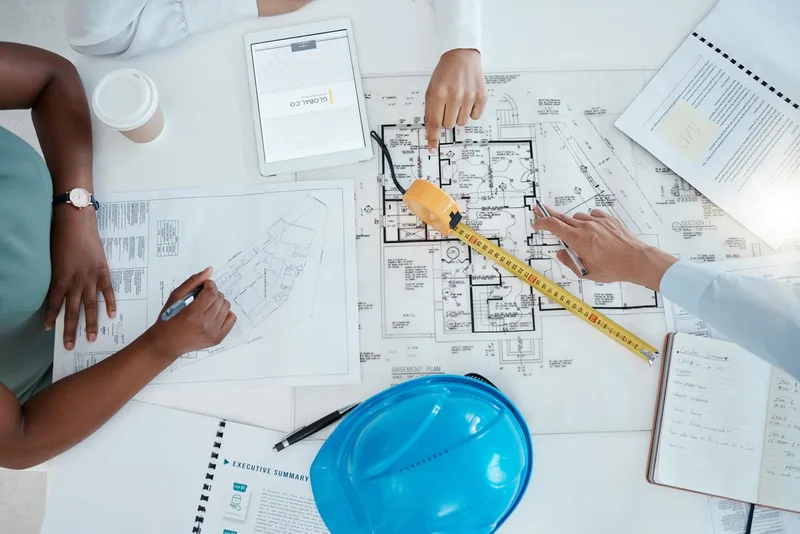
Crunchy Tech works the other direction. We start from what each space has to accomplish, model it against the building and how your people really use it, and produce the engineering set the specification should've been in the first place.
Your general contractor can bid and build from that set, because it's drawings and requirements rather than a parts list with assumptions buried inside. From there we build and test the rack in our own shop, install it, tune it on site, train your staff, document everything, and stick around for the support years. One company, accountable for whether the room works. We'll happily price a fixed bid too, once the scope is genuinely settled.
What We Do Here
Services available in Boston
Every system is designed, installed, and supported by our own team in Boston — never subcontracted.
AV Consulting
AV consulting from an audio visual consultant who joins at the architectural phase, designs the technology into the plan and steers the project around your business outcome.
AV Consulting in Bostonarrow_forwardVideo Wall Solutions
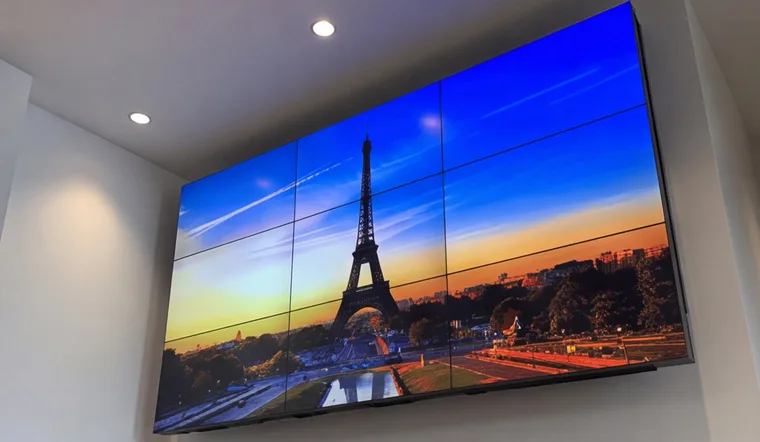
Commercial video walls across LED, LCD and Direct View. Designed, integrated, installed and supported by a national design-build AV integrator.
Video Wall Solutions in Bostonarrow_forwardCommercial Sound Systems
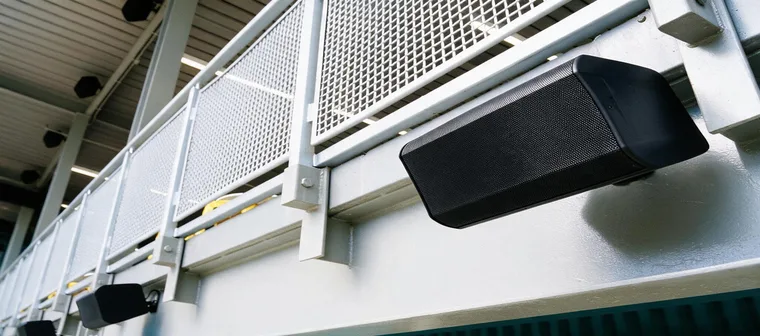
Commercial sound system design and installation: multi-zone audio engineered around how your space is used, wired and tuned on site, and supported as a partner.
Commercial Sound Systems in Bostonarrow_forwardDigital Signage Services
Design-build digital signage for hospitality and enterprise: commercial displays, content management, and installation that keeps your screens selling and current.
Digital Signage Services in Bostonarrow_forwardAV Control Systems
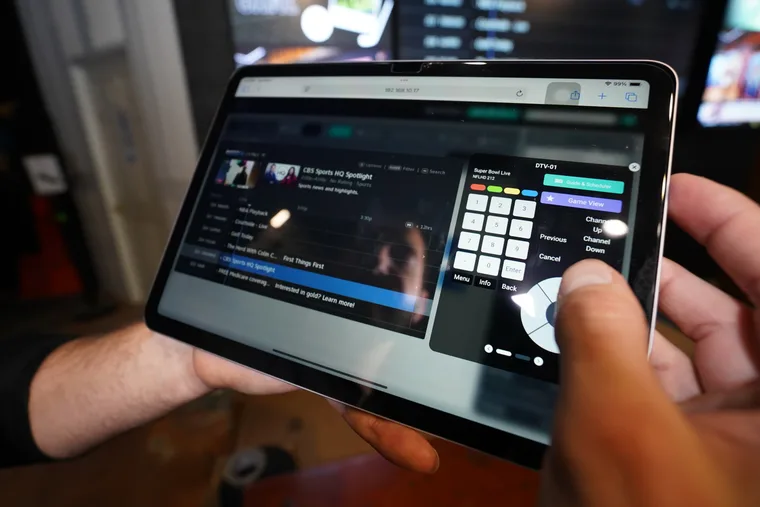
Design-build AV control systems: one iPad, wall panel, or browser runs every display, audio zone, lighting scene, and source in the room. Programmed and supported in-house.
AV Control Systems in Bostonarrow_forwardAV Programming
AV programming that starts with the right design: a vetted, interconnectable stack unified into one control system, so the whole room runs from one simple interface.
AV Programming in Bostonarrow_forwardWho We Serve
Industries we serve in Boston
Spaces we've wired across Boston — each built and supported by the same local crew.
Commercial AV Across Greater Boston
From the Financial District and Back Bay to the Seaport, the Cambridge research corridor, and the inner-ring towns, we design, install, and support commercial audiovisual systems across the metro.
Outdoor mounts here carry snow load and survive the crews who clear it, which disqualifies choices that'd be fine in a milder market.
Freeze-thaw cycling chews on seals and enclosures all winter, so outdoor hardware is chosen for the cycling, not for a low number on a spec sheet.
Salt air is real on the water, and a Seaport or Charles River address changes the enclosure metal before it changes anything else.
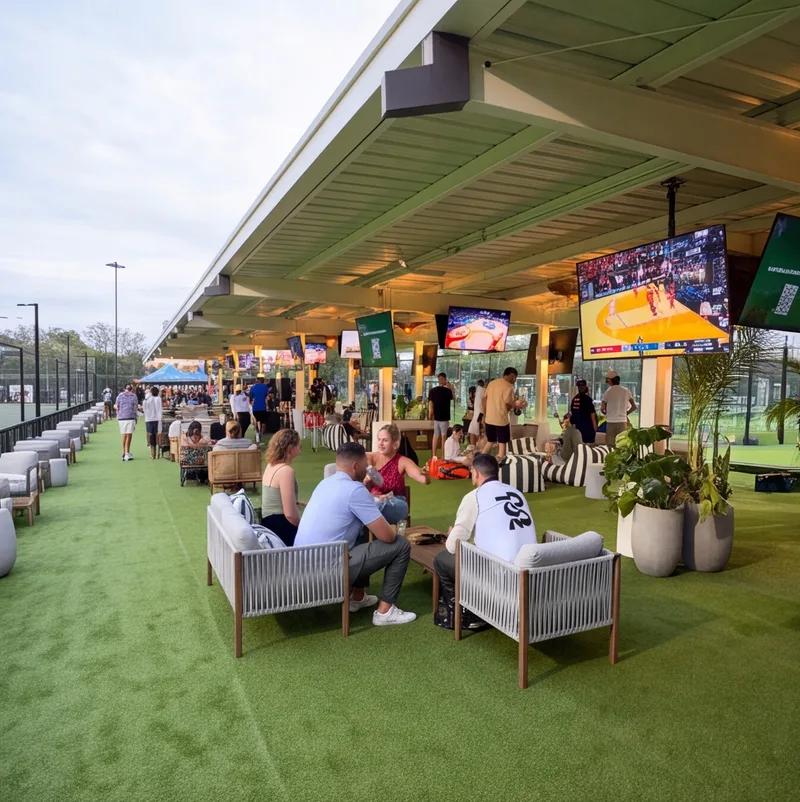
A Boston patio has maybe five good months to pay for itself, which argues for outdoor audio engineered once and properly rather than dragged out of storage each May.
What we do here
Boston Audio Visual Design, Four Buying Processes
Boston work reaches us through four different doors, and each one buys a different way. What never changes: the equipment list waits until the room has spoken.
Offices and conference rooms
The financial corridor downtown and the research offices across the river tend to arrive the same way: platform already chosen, room-size guess already wrong. Hardware rated for a five-person huddle gets pointed at a twenty-seat table, and the people at the far end pay for it on every call for a year.
We start with the space instead: its dimensions, its acoustics, and how it's used, plus which platform your people and clients rely on, because Teams and Zoom each certify different hardware and behave differently once a room gets long. Boston adds one more requirement on top: a floor of rooms has to behave identically or nobody trusts any of them, and the control layer gets standardized before a single box is ordered.
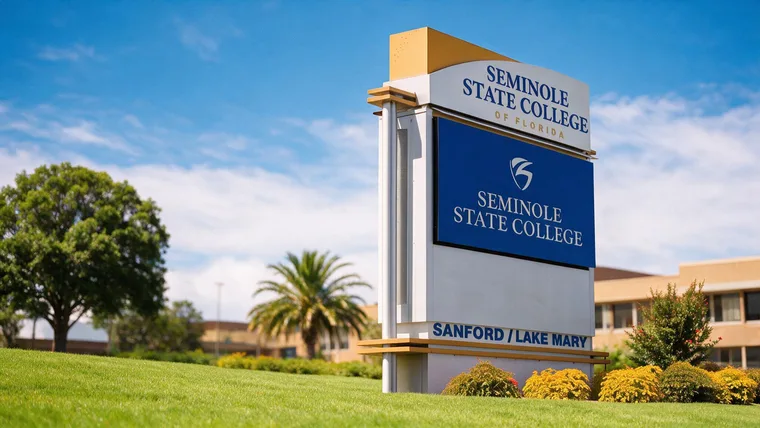
Campuses and classrooms
Instructional space is the hardest thing in this market to buy well, because the person writing the spec is almost never the person who has to start class in the room. The failure we see most often: a small conferencing bar in a twenty-seat seminar room, chosen because it was already on an approved purchasing agreement. It priced cleanly. It was miserable to teach in.
Display selection fails just as quietly. A consumer panel rated for two or three hours a day gets hung in a room that runs sixteen, then dies conveniently outside its warranty. We design around one rule: the instructor starts class without calling anyone. The building gets standardized: every room behaves the same, and hardware gets rated for real, full-day use.
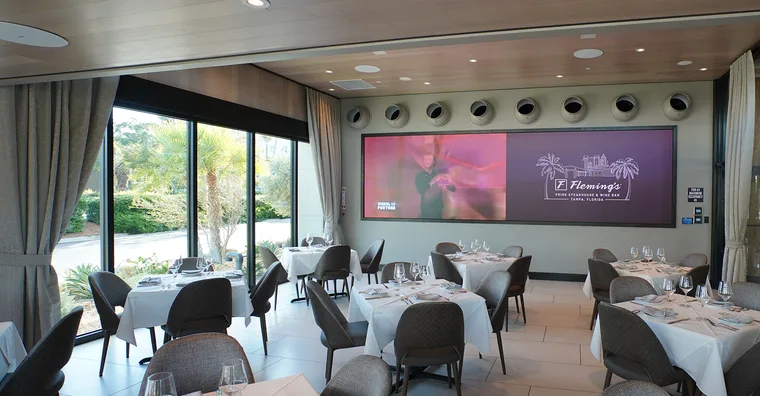
Restaurants, bars and hotels
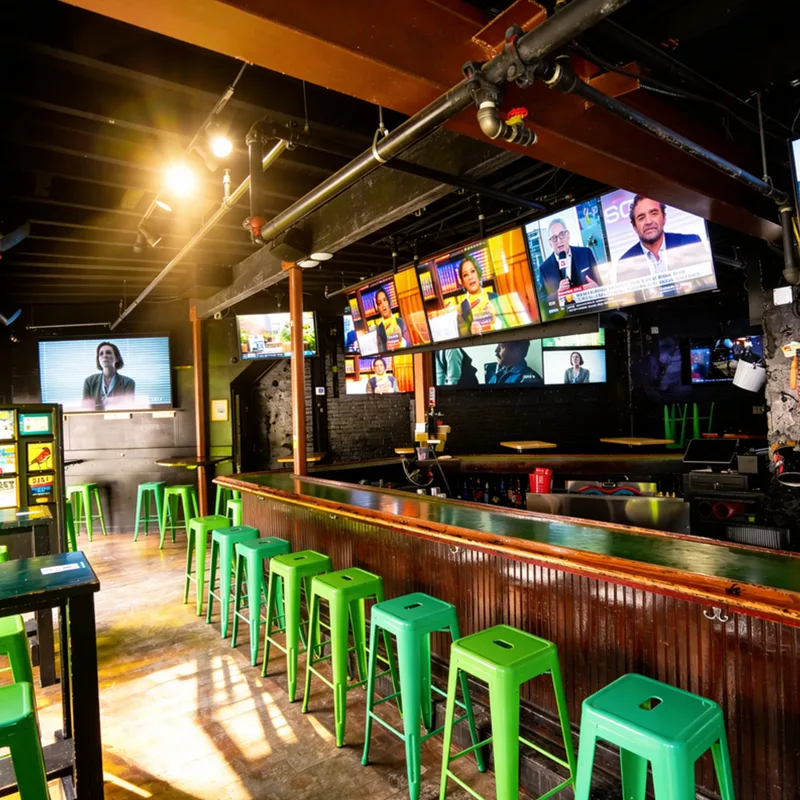
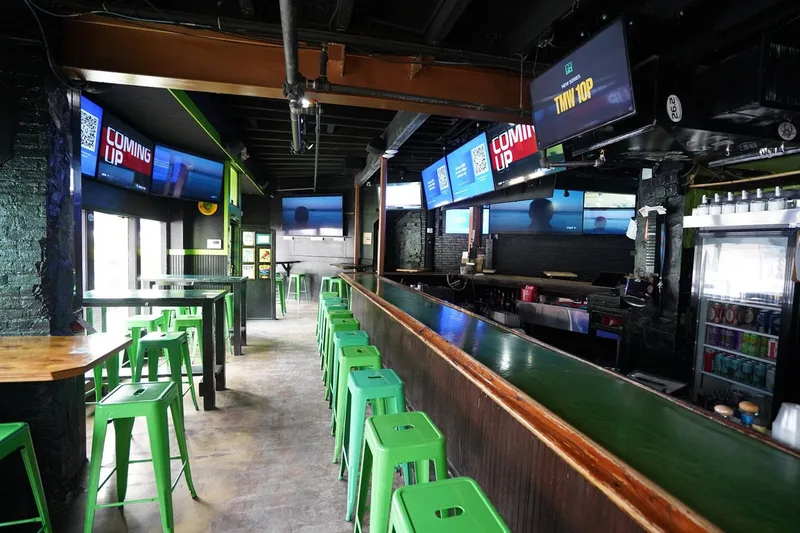
The best rooms in this city sit inside the least cooperative buildings: protected exteriors and party walls on both sides, in a footprint drawn long before anyone imagined a modern sound system. Two constraints fall out of that, and both belong on the table before anyone specs equipment.
Containment first: neighbors are close on every side, and keeping the program inside your own walls is design work. What the building will tolerate comes second, and our line there is careful. We identify what the design needs from the structure. What may be touched or shown to the street belongs to you and the reviewing authority. We won't quietly design something that dies at review.
Public buildings and large facilities
Speech carries a big share of this market's work, and speech forgives nothing. In hearing rooms and briefing rooms, the whole game is whether every word survives the trip to the back row. Microphone coverage follows how people sit and speak, and feedback margin gets engineered rather than hoped for.
Paging in a large building is its own discipline and gets designed separately from music, because an announcement has to survive the room's reverberation and stay intelligible, up to and including an evacuation instruction heard clearly by somebody with no line of sight to an exit. Institutional buyers often bring sourcing rules and documentation standards with them, and we price to the current version of those.
This has to go out to bid. Can you work inside a procurement process?
Yes, and we do it constantly. That's how a big slice of this market buys. Two useful ways in. First: we bid your document as issued. We'll do that, and we'll also tell you in writing where we think the document won't deliver the room. The decision stays yours instead of arriving later as a surprise. Second, and better: buy the design work first as its own small engagement, then bid the build. That gets you a real engineering set: architectural schematics of what each space needs, a line diagram of every connection and the low-voltage, pathway and dedicated-power requirements. On jobs above roughly a hundred thousand dollars, that document usually runs twelve to fourteen pages. It's yours. Put it out to as many companies as you like, and every bid that comes back is finally pricing the same reality. We'd like a shot at bidding it ourselves, and we'll hand it over just the same if you go another way.
Our architect already wrote the AV into the drawings. Will you just build what is there?
Often we can. Sometimes we shouldn't, which is why we review before we price. Architects are experts in what a building needs, and they aren't experts in what a technology stack needs. That's a fair division of labor. The gaps we find live in the parts a plan view doesn't show: speaker coverage across the whole room instead of around its edges, display sizing driven by the furthest seat, and microphones matched to where people sit. If your set is close, we'll say so, flag the handful of changes, and get on with it. If it'll produce a room that doesn't work, we'll show you exactly where and why, and we won't quietly bid it as written just to win the job. Two things we WON'T do at all: take an install-only scope we haven't been allowed to review, or put consumer-grade equipment in a commercial room.
At what point in the process are you most useful to us?
Before the specification gets written, which is exactly backwards from how most institutional projects run. The arithmetic is simple. Every assumption baked into a bid document gets priced by every bidder and inherited by the winner. A mistake at the spec stage is the most expensive mistake available anywhere on the project. Bring us in before that. The needs assessment happens first, the document describes rooms that'll work, and the bids you get back are finally comparable because they're all pricing the same reality. Sequence already locked and the spec already out? Then the most useful moment is now - while there's still time for us to read it and tell you what it will (and won't) deliver. Engagement at the architectural phase runs about 95% fewer change orders than showing up after the trades are on site. Timelines, stated plainly: nine to twelve months from start to opening on a new build, a few months on a mid-size renovation if the schedule holds and the gear is in stock.
We are in a historic building, or outside Boston proper. Does that change anything?
The design doesn't change. The approvals do, and Greater Boston is far more fragmented than one address lets on. Cambridge and Somerville each run their own review, and a project past the city line answers to its own process. We confirm the review path for the specific address and don't assume one covers the region. Older and protected buildings stack a second layer on top, and our boundary there is firm. We don't decide what may be penetrated or seen from the street, and we don't perform electrical work or make structural determinations. Those calls belong to your licensed electrician and your structural engineer, with your general contractor coordinating both. Running rooms in several of these municipalities? One repeatable standard is the move: a single interface and a single set of habits your staff carry between buildings, with the physical design adapting to each room. A transferring manager already knows the system, and support stops caring about the zip code.
Operators who run on our systems
Client successes drive Crunchy Tech to become better. Below is how our customers feel about us.
You're a great partner with Florida Hospital and this project will make a difference in Children's Health.
Working with Crunchy Tech was a fantastic experience from start to finish. They handled the sale and installation of all our sound and TV equipment at The County Bar in Aviston, IL, and absolutely nailed it. We were on a very tight deadline, and they not only met it—they delivered top-notch quality and service the entire way. Highly professional, responsive, and easy to work with. We couldn't be happier with the results.
Crunchy's AV Services are outstanding. Staff members are experts, who really extend themselves to find the right technology for helping us reach our marketing goals in creative ways. The best thing about working with Crunchy is collaborating with the staff – they are patient, responsive, knowledgeable, and available.
Crunchy has been great to work with. They communicate well and deliver as promised.
The work Crunchy has been doing is a game changer for this industry.
Being able to reuse the existing structure created a much lower cost for the client and they were ecstatic.
Crunchy has done an amazing job on our A/V install. The sound is perfectly balanced throughout our many zones and the entire system is super simple to use.
Just do it. Spend the money. It’s well worth it. It’s not worth your time, hassle, energy, and stress of trying to make it look right and do it right when there’s somebody who has been doing it for years and has perfected the craft.
You're a great partner with Florida Hospital and this project will make a difference in Children's Health.
Working with Crunchy Tech was a fantastic experience from start to finish. They handled the sale and installation of all our sound and TV equipment at The County Bar in Aviston, IL, and absolutely nailed it. We were on a very tight deadline, and they not only met it—they delivered top-notch quality and service the entire way. Highly professional, responsive, and easy to work with. We couldn't be happier with the results.
Crunchy's AV Services are outstanding. Staff members are experts, who really extend themselves to find the right technology for helping us reach our marketing goals in creative ways. The best thing about working with Crunchy is collaborating with the staff – they are patient, responsive, knowledgeable, and available.
Crunchy has been great to work with. They communicate well and deliver as promised.
The work Crunchy has been doing is a game changer for this industry.
Being able to reuse the existing structure created a much lower cost for the client and they were ecstatic.
Crunchy has done an amazing job on our A/V install. The sound is perfectly balanced throughout our many zones and the entire system is super simple to use.
Insights
Design-Build AV Philosophy: How it Separates the Top 3% From the Rest of the Industry
We don’t sell you what we have. We design what you need. That line is the operating principle I’ve built Crunchy Tech around for the last 20 years. And it’s the single sentence that separates us - and the small handful of firms like us - from the other 97% of the commercial AV industry.
Read article arrow_forwardThe Spectacle Trap: Why Technology-Centric Hospitality AV Kills Brands
There’s a pattern I’ve watched play out for 20 years in hospitality AV, and it always ends the same way...
Read article arrow_forwardWhy AV Quotes Take Time (And Why That's a Good Thing)
"Where's my quote?"
Read article arrow_forwardLet's write the spec the room actually needs
Tell us where the project stands and whether a specification already exists. If one does, we'll read it and tell you plainly what it will and won't deliver before anyone prices it. If nothing is written yet, better still. The consult establishes what each room must accomplish, the site walk establishes what the building and its reviewers will tolerate, and the deliverable is an engineered scope your general contractor can bid without guessing.
- We bid your document as written, and we tell you where it falls short.
- Design and engineering available as a standalone package you own and can bid out.
- Permanently installed commercial systems, which is the only thing we do.
- Design and installation under one roof. Nobody to blame but us, which is the point.