AV Company in Indianapolis
location_on Indianapolis, IN

Commercial AV Company in Indianapolis

Design-build audiovisual for Indianapolis offices, restaurants, and civic rooms, in the rare American metro where the permitting is actually the easy part.

Indianapolis makes the paperwork easy, whichchangeswherethemoneygoes

Here's something almost no other city this size can say: Indianapolis and Marion County merged their governments in 1970, and most of the metro's core answers to one permitting apparatus instead of the six-county scavenger hunt a project faces in Chicago or the two-dozen building departments scattered across Phoenix. Unigov isn't perfect and the excluded towns kept their own arrangements, but the practical effect on a commercial AV project is real. Less schedule burned on jurisdictional archaeology, fewer surprises at plan review, and one set of reviewers who've seen your kind of project before. In most cities we spend real hours just confirming who has authority over an address. Here that answer usually takes a phone call.

What that buys you is focus, because the money and attention other metros spend untangling approvals can go into the rooms themselves. Crunchy Tech treats an Indianapolis project accordingly. The consult digs into what each space earns for the business, the walk reads the actual building, and the engineering lands with your architect and contractor while changes are still cheap. Then the rack gets bench-built and tested at our shop, installed, tuned, and handed over with training and documentation that matches the wall, with support running years past opening. One company, start to finish. Since 2008, and glad every time a project lands somewhere the government got out of the way.

Indianapolis makes the paperwork easy, which changes where the money goes
Install Indianapolis makes the paperwork easy, which changes where the money goes Indianapolis, IN

Who We Serve

Industries we serve in Indianapolis

Spaces we've wired across Indianapolis — each built and supported by the same local crew.

Commercial AV AcrossCentralIndiana

The Mile Square and Mass Ave, Fountain Square and Broad Ripple, the corporate campuses, and the ring of independent towns from Speedway to Carmel.

2008
Serving Indianapolis since
10
Neighborhoods
Downtown and the Mile Square
Corporate · Hotels · Restaurants

Mile Square rooms live two lives, ordinary weekdays and packed event weekends, and the design has to hold its composure in both.

Peak-and-median
Mass Ave
Restaurants · Bars

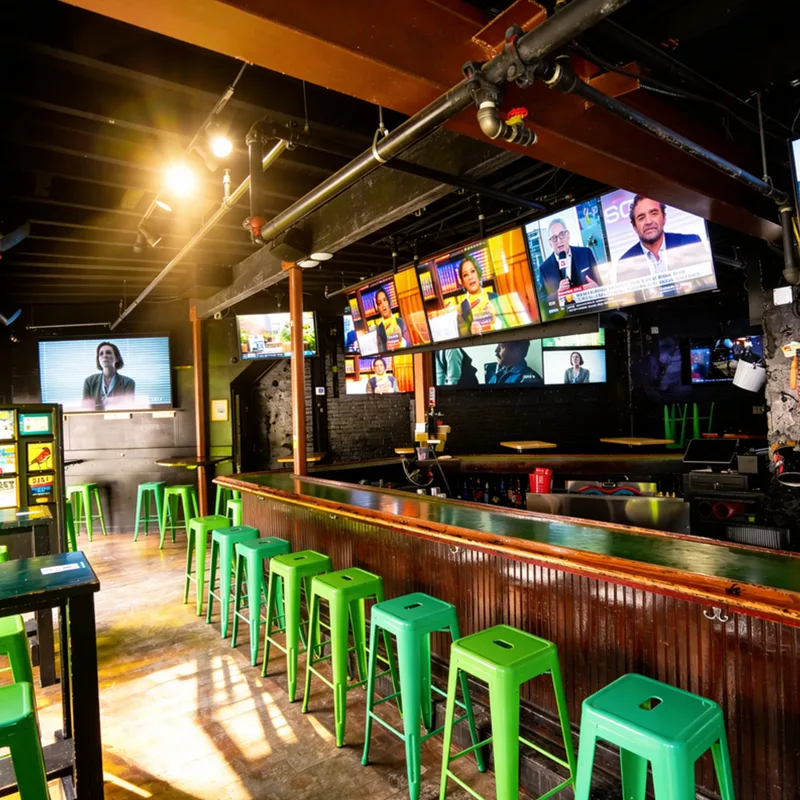
Mass Ave brick and tin ceilings scatter sound with enthusiasm, so the acoustics pick the speaker plan before anybody's playlist does.

Conversion · acoustics
Fountain Square
Bars · Venues

Fountain Square rooms flip between dinner service and live sets, and presets handle the flip better than memory ever will.

Multi-mode
Broad Ripple
Bars · Restaurants

Broad Ripple patios back onto houses, and a patio zone with its own curfew button keeps the village friendly.

Patio · curfew
Speedway
Bars · Restaurants · Industrial

Speedway kept its own government through Unigov, so its permits run through its own hall, five minutes from downtown's.

Excluded town · separate permits
16 Tech and the near northwest
Corporate · Institutional

The innovation district's tenants arrive with IT standards already written, and the AV lives inside them from day one.

IT-led
Carmel
Corporate · Restaurants

Carmel sits outside Unigov entirely, runs its own reviews, and expects a finish level its roundabouts already promised.

Separate city · finish
Fishers
Corporate · Retail

Fishers builds new and fast under its own government, which rewards getting infrastructure into plans early.

Separate city · new build
Greenwood and the south side
Restaurants · Retail

The south suburbs permit independently of Marion County, a reminder that Unigov's simplicity ends at the county line.

Separate jurisdiction
Plainfield and the airport corridor
Industrial · Hotels

The logistics boxes out west are announcement-first buildings, where being understood at two hundred feet is the whole audio brief.

Large volume · paging

What we do here

Indianapolis AV Design With theSavingsSpentWell

Four kinds of buyers drive our Indianapolis work, and every one of them benefits from a metro that doesn't tax the schedule with bureaucracy.

Pharma, insurance, and corporate campuses

The city's corporate anchors run technical, since pharmaceutical and insurance operations bring buyers who read specifications and ask about failure modes, and we consider that the best kind of client. Their needs run to scale: training centers, briefing rooms, and conference floors across campuses where consistency is the entire product, because a scientist or an adjuster who books a room deserves to already know how it works. The classic failure here is drift, floors that grew one purchase order at a time until every room became its own puzzle. We standardize the layer people touch, size each room from its real dimensions and its real platforms, and document everything so the next facilities manager inherits a system instead of a mystery.

Restaurants, bars, and Mass Ave rooms

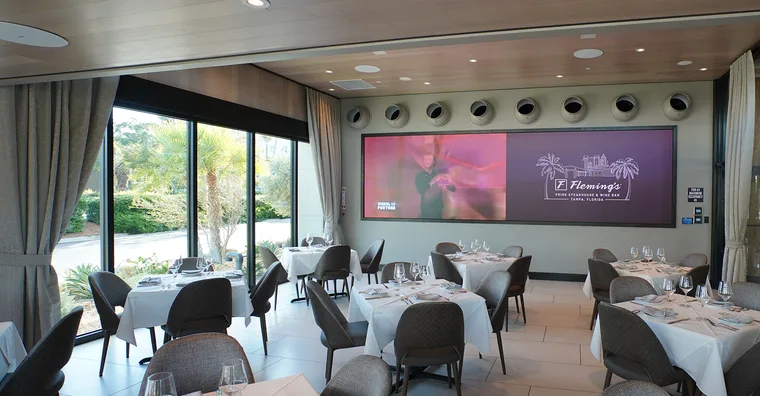
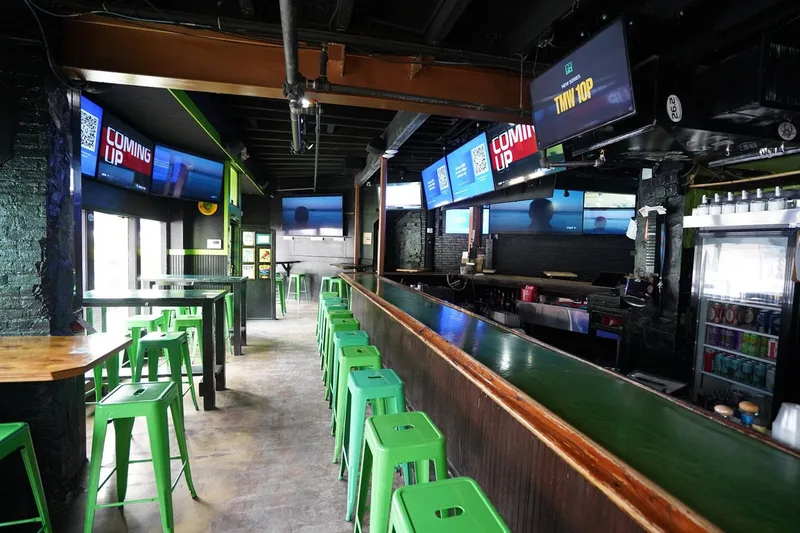
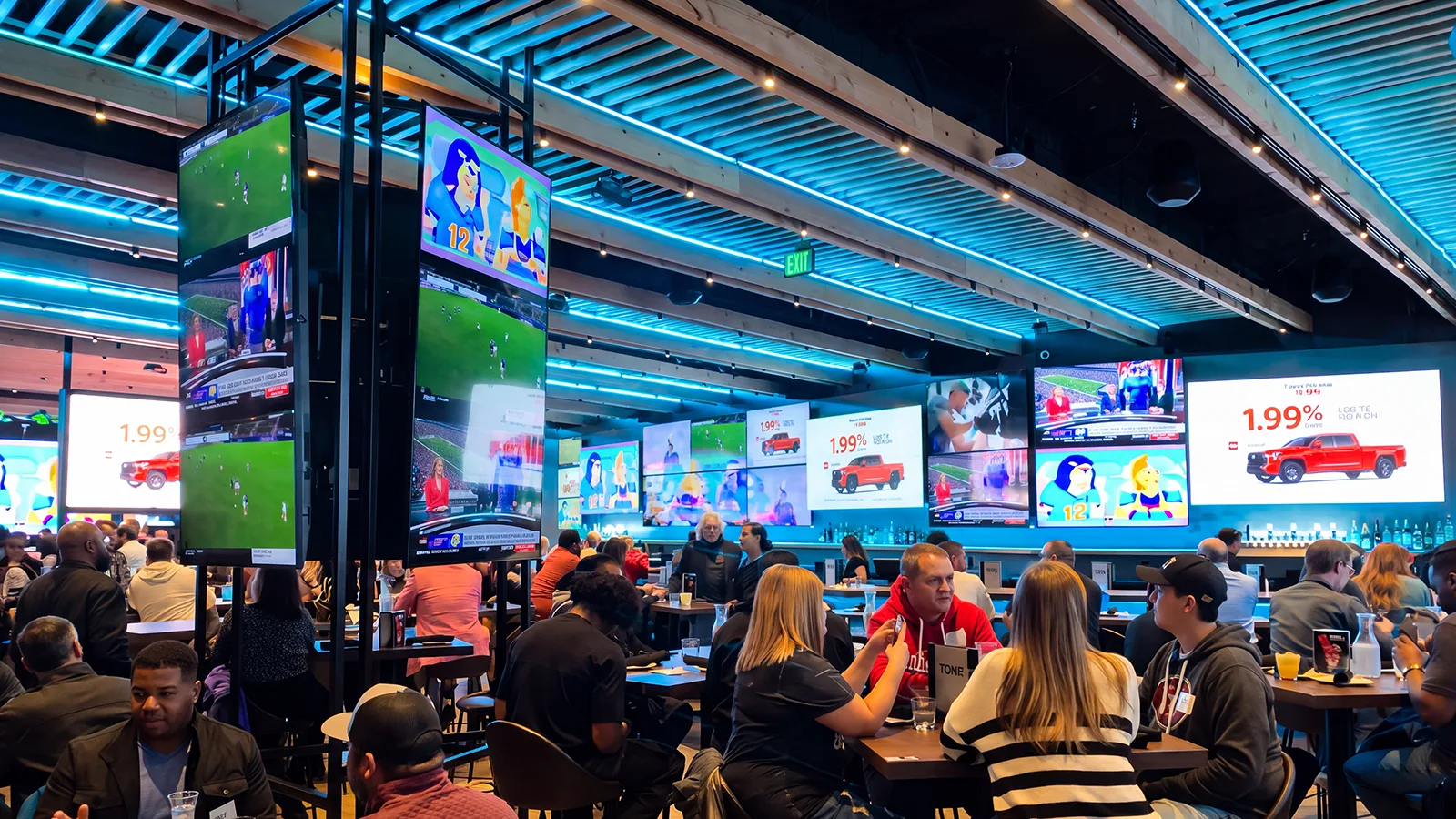
Indianapolis dining grew up fast, and its best rooms split between old bones and new shells. Mass Ave and Fountain Square run on converted storefronts where brick and tin throw sound around gleefully, so coverage comes from many small speakers run easy, zones let the bar roar while the tables talk, and the neighbor through the wall stays a friend. The new builds going up around downtown are the cheap win, since pathway and backing cost almost nothing when we're in before drywall, and this metro's permitting speed means those windows come fast. Patios earn a genuine season here and then take a real winter, so outdoor hardware gets bought for the whole year, with one button that puts the patio to bed at close.

Civic rooms and public buildings

One government for city and county means civic work concentrates instead of scattering, and the rooms it buys are speech rooms first: council chambers, courtrooms, training facilities, and public counters where the whole job is a citizen in the back row following every word. Microphone strategy leads, feedback margin gets engineered rather than hoped, and controls stay simple enough that whoever staffs the meeting runs it without a technician on payroll. Public buyers bring bid formats and documentation rules, and we price to the current version, not the remembered one. The big facilities add paging, which plays by blunter physics than music, since an announcement has to arrive intact on somebody halfway down a corridor with their back turned.

Event-weekend rooms that live all year

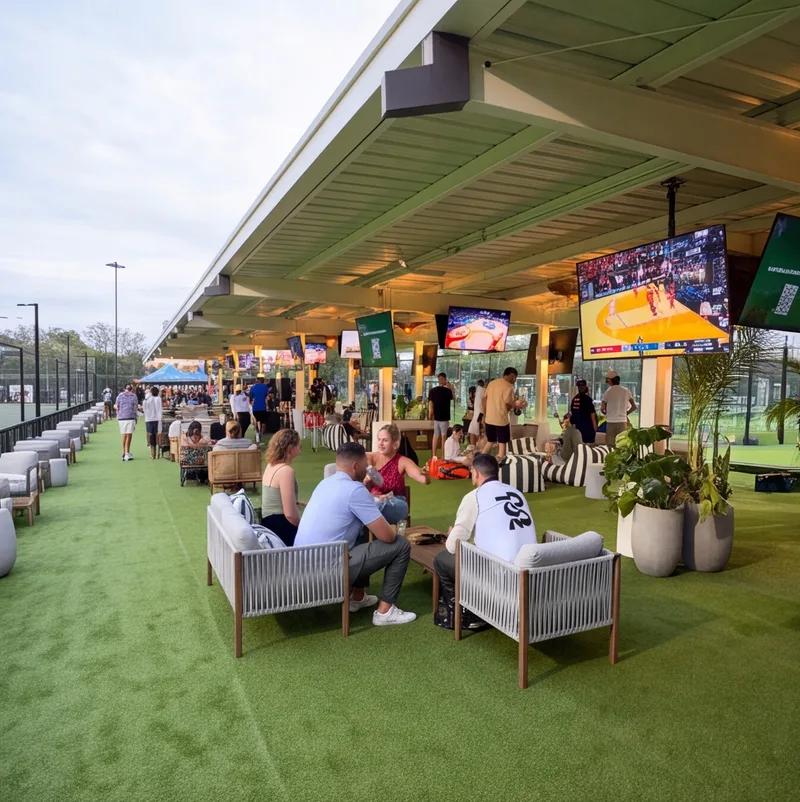
This city fills to the brim a handful of weekends a year, and every bar and restaurant owner knows exactly which ones. The design mistake is building for those peaks, oversizing everything for crowds that come five times annually, and the opposite mistake is pretending the surges don't exist and watching the system fold when they do. The honest answer is a system tuned for the ordinary Tuesday that can hold composure at full occupancy: zones that keep coverage even when the room triples, headroom engineered in rather than volume cranked up, and controls a slammed staff can run without thinking. We design for your median night and stress-test for your biggest one, in that order, because the median nights keep the lights on.

Is permitting here really easier, or is that just something people say?

It's really easier, with an asterisk worth understanding. Unigov consolidated Indianapolis and Marion County back in 1970, so a project in the urban core generally answers to one permitting apparatus instead of the jurisdictional layer cake most metros serve, and that saves genuine schedule, since in other cities we bill real hours just establishing who reviews an address. The asterisk is the map's edges. Speedway, Beech Grove, and a few other towns stayed excluded from the merger and kept their own governments, and the moment you cross into Hamilton or Johnson County, Carmel, Fishers, and Greenwood run entirely their own shows. So the discipline doesn't change, we confirm the actual authority for the actual address on every project, it just resolves faster here than almost anywhere. What we'd gently insist on is spending the windfall wisely. A schedule that isn't bleeding into approvals can fund an extra design iteration, better hardware, or an earlier start, and that's the real Indianapolis advantage. Crunchy Tech has been doing this since 2008, and this is honestly one of our favorite metros to build in.

Our bar triples in size five weekends a year. Do we build for the peak or the average?

You build for the average and engineer headroom for the peak, and the order matters because getting it backwards wastes money in both directions. A system sized for your five biggest weekends is oversized fifty-one weeks a year, which means you paid for coverage you don't use and probably run it badly on quiet nights because it was never tuned for them. A system that ignores the peaks folds exactly when the whole city is watching, which is worse. The honest engineering splits the difference deliberately. Zone the room so coverage stays even whether it holds sixty people or two hundred, since bodies absorb sound and a packed room eats level a tuned empty room never needed. Build amplifier headroom in at design time rather than compensating with the volume knob on game day, because headroom sounds clean and cranked sounds cranked. Keep the controls simple enough that staff slammed with a triple crowd can adjust zones without leaving the rail. Your median Tuesday keeps the doors open, so it gets tuned first. Your biggest Saturday makes the legend, so it gets stress-tested second. Both matter. That order.

We're a technical company and our people will want to see the engineering. Is that a problem?

It's our favorite kind of client, honestly. This city's pharmaceutical and insurance anchors employ people who read specifications for a living, and when their facilities teams ask about coverage patterns, gain structure, or failure modes, the questions deserve real answers instead of brochure language. What a technical buyer gets from us is the documentation trail they'd expect from any engineering vendor: drawings that reflect the actual room measurements, equipment selections with the reasoning attached, a line diagram of every connection, and as-builts that match the finished wall down to the cable labels. The rack itself makes the argument better than we can, since it gets assembled and tested at our shop before shipping, every cable labeled at both ends, power separated from signal, laid out so your own people can trace any path without calling us. We'd rather be reviewed by an engineer than trusted blindly by anyone, because the review always ends the same way, with the facilities team realizing they can actually maintain what they bought. Documentation nobody can check is just marketing with a title block.

How fast can a project actually move here?

Faster than most metros, and the ceiling is set by physics rather than paperwork, which is the Unigov dividend in practice. The stages that exist everywhere still exist here. Engineering and design run two to three weeks once a project signs. Equipment ordering commonly takes thirty to forty-five days for a full system, and no city hall on earth can compress a manufacturer's lead time. The shop build, install, tuning, and training follow their own honest clocks. What Indianapolis removes is the drag between those stages, since plan review that takes weeks here takes months in metros where six jurisdictions each want their turn, and a mid-size renovation that lands in a few months here can stretch toward a year elsewhere on approvals alone. New construction still runs nine to twelve months start to opening, because concrete cures at the same speed in every county. Our advice is to bank the speed early: get us in at the architectural phase, where projects see roughly 95% fewer change orders than mid-construction rescues, and let the metro's efficiency compound with design readiness instead of covering for the lack of it.

What clients say

Operators who run on our systems

Client successes drive Crunchy Tech to become better. Below is how our customers feel about us.

Just do it. Spend the money. It’s well worth it. It’s not worth your time, hassle, energy, and stress of trying to make it look right and do it right when there’s somebody who has been doing it for years and has perfected the craft.

Matt Moore logo
Matt Moore
IT Systems Administrator · Capone's Hideout

You're a great partner with Florida Hospital and this project will make a difference in Children's Health.

Des Cummings logo
Des Cummings
Vice President of Florida Hospital · Florida Hospital

Working with Crunchy Tech was a fantastic experience from start to finish. They handled the sale and installation of all our sound and TV equipment at The County Bar in Aviston, IL, and absolutely nailed it. We were on a very tight deadline, and they not only met it—they delivered top-notch quality and service the entire way. Highly professional, responsive, and easy to work with. We couldn't be happier with the results.

Clint Flowers logo
Clint Flowers
Owner · The County Bar

Crunchy's AV Services are outstanding. Staff members are experts, who really extend themselves to find the right technology for helping us reach our marketing goals in creative ways. The best thing about working with Crunchy is collaborating with the staff – they are patient, responsive, knowledgeable, and available.

Shannon McHale logo
Shannon McHale
Marketing Specialist · IGT

Crunchy has been great to work with. They communicate well and deliver as promised.

Brian Dornbush logo
Brian Dornbush
Facilities & Operations Manager · Orange County Library System

The work Crunchy has been doing is a game changer for this industry.

Steven Fandozzi logo
Steven Fandozzi
VP of Information Technology · Foundation Partners

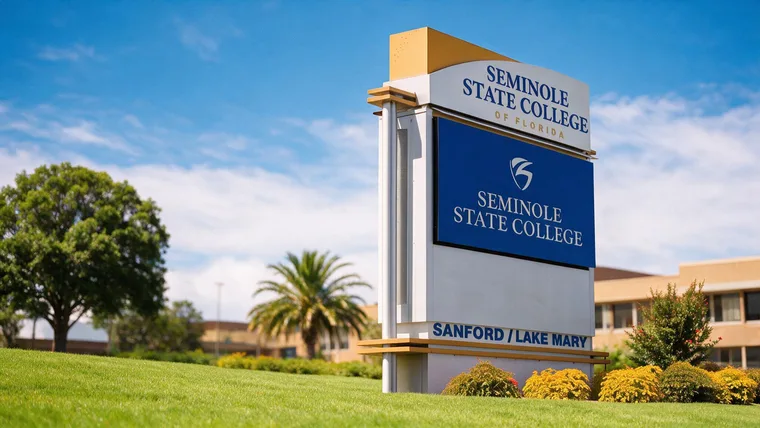
Being able to reuse the existing structure created a much lower cost for the client and they were ecstatic.

Seminole State College logo
Seminole State College
Facilities · Seminole State College

Crunchy has done an amazing job on our A/V install. The sound is perfectly balanced throughout our many zones and the entire system is super simple to use.
Steve Glum logo
Steve Glum
Chief Marketing Officer · Ace Cafe
Talk to an Indianapolis AV designer

Let's spend the easy-metro dividend ontherooms

Tell us the address, whether it's inside the old city limits or out in Carmel or Fishers, and what the space needs to earn. The consult covers the business outcome, the walk covers the building, and the deliverable is an engineered scope that moves at the speed this metro actually allows.

  • One-government permitting used as a head start, not an excuse to coast.
  • Rooms designed for the median night and stress-tested for the big weekends.
  • Engineering documentation built for buyers who actually read it.
  • The excluded towns and county-line cities permitted natively, no assumptions.