
You're a great partner with Florida Hospital and this project will make a difference in Children's Health.

Des Cummings
Vice President of Florida Hospital · Florida Hospital
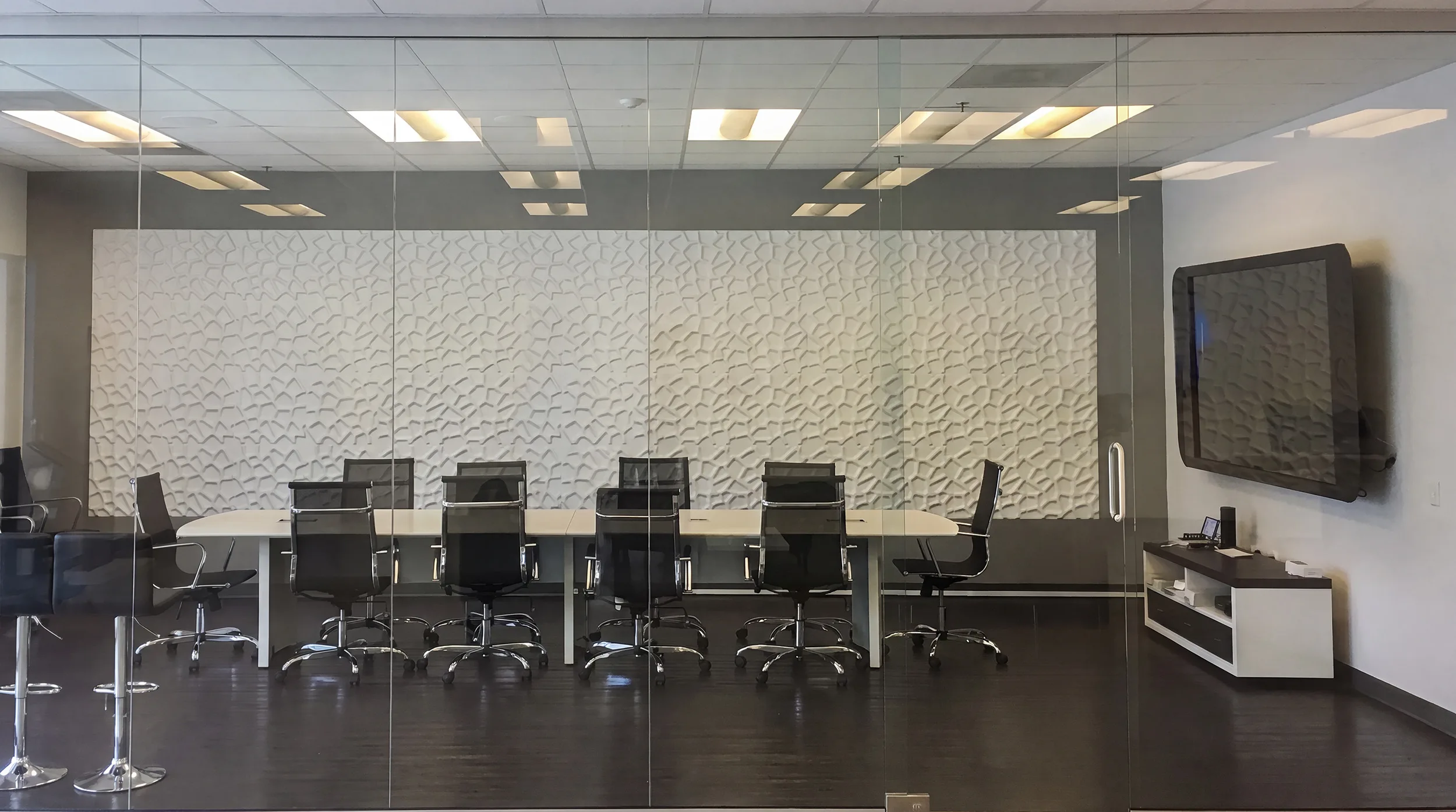
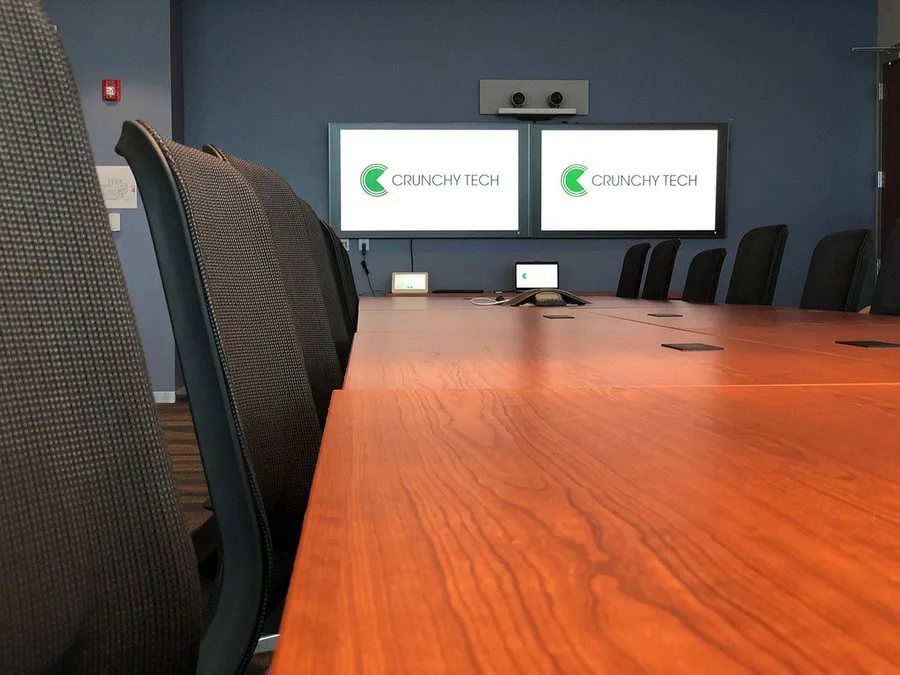
Conference room AV designed for the far end, with microphone coverage, echo control, and a noise floor the people on the call can actually hear through.
A conference room is judged by people who are not in it, and the room gives you no way to notice. Everyone at the table hears the far end perfectly, because that audio comes out of loudspeakers a few feet away. What the far end gets is the whole room arriving through one or two microphones: the person leaning in, the two people at the end of the table who sound distant, the air conditioning above the table, and the reflections off a glass wall. Nobody in the room hears any of that, so the problem persists for years and gets described as "the call quality is bad."
Fixing it means designing for the microphones rather than around them. Type, count, and placement follow the table and the room instead of a bundle, so every seat is inside coverage rather than only the middle two. Gain structure and echo cancellation get set up properly and verified with people in the room, not in an empty one. The noise floor gets treated as a design input, since a diffuser over the table raises it for every microphone all day. Then the room stops being the reason a remote colleague asks somebody to repeat themselves.
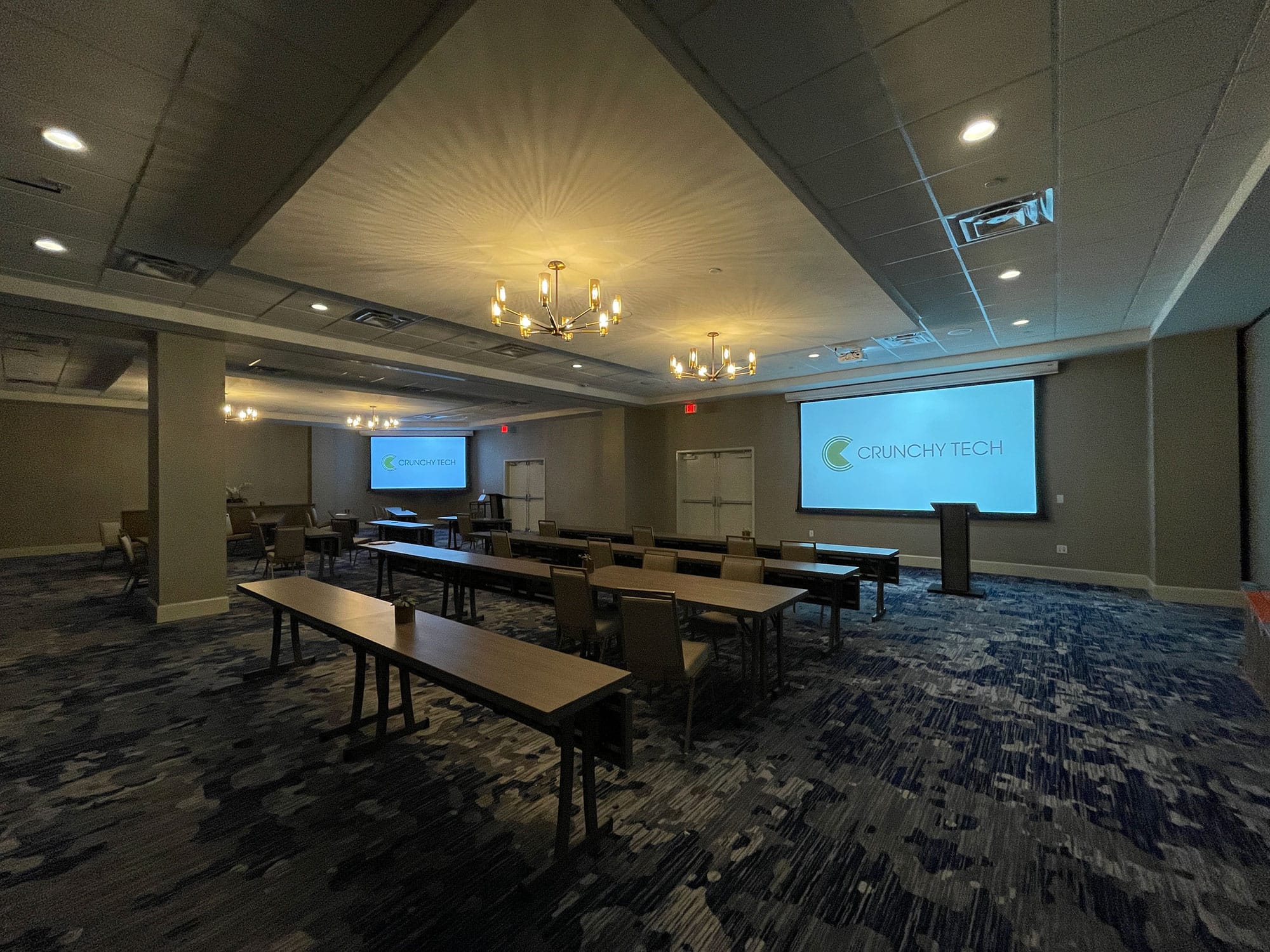
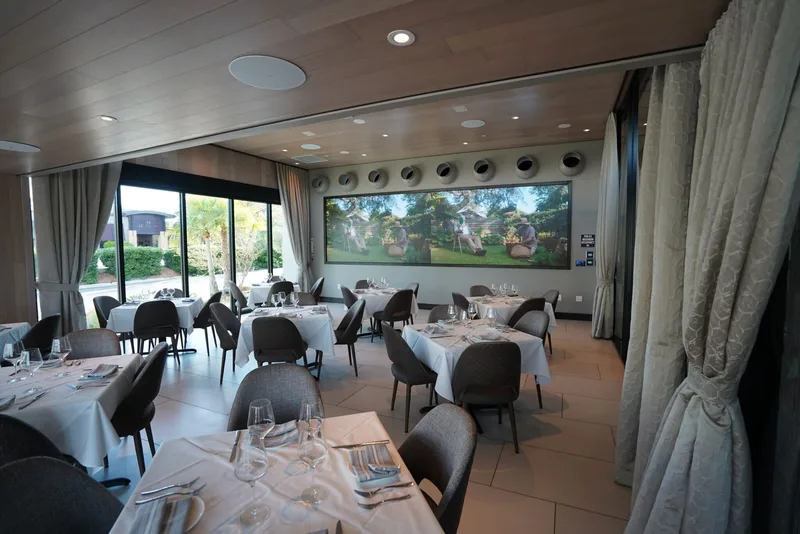
From Westshore and Water Street to the Gateway corridor, downtown St. Pete, and the eastern suburbs, we design and install conference room AV, training rooms, and meeting spaces.
Storm season puts surges and brief outages on the grid weekly in summer, so room racks get real surge protection and conditioning.
An enclosed credenza traps heat, and temperature is the single most expensive variable in how long a system lasts, so it gets ventilation.
Humid air reaches equipment closets that are not properly conditioned, so those spaces get cooling and stay at or below 75 degrees.
Extended outages happen, so equipment shuts down cleanly rather than dropping mid-cycle on a system your meetings depend on.
How we work
We do not start with a hardware list. We start by listening to your rooms the way the people on the call hear them, which is the one perspective nobody in the building has.
Most requests arrive as a specification: a Zoom and Teams experience for rooms A, B, and C. That is a fine place to start and a poor place to finish, because the request usually carries assumptions a manufacturer put there. So we run a needs assessment: what the space is, what the surfaces are, what happens in the room, who is on the far end, and which platforms your people really use. Then we get on a call from outside the room and listen, which surfaces problems that a walkthrough never will.
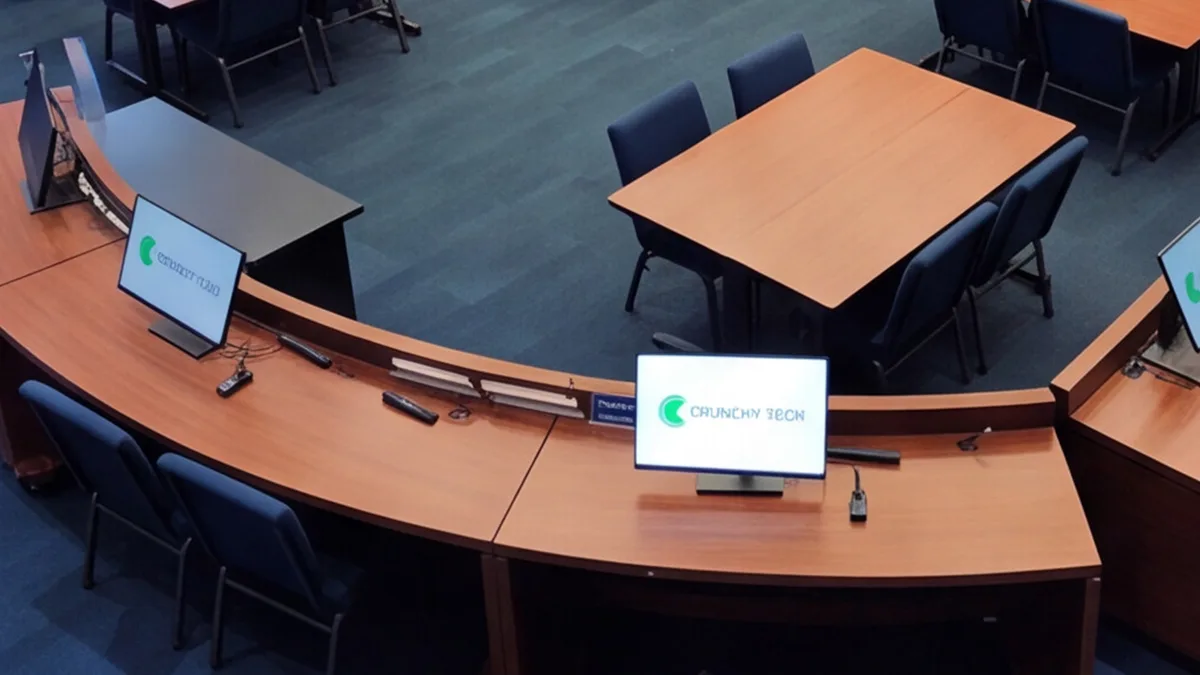
You see the design before you commit to equipment, including how microphone coverage falls across the table and where the gaps would be. Commissioning happens with people in the room rather than an empty one, because an empty room tells you very little about how a system will behave with eight people and a laptop fan. One team handles the install, calibration, staff training, and documentation, and coordinates with your general contractor, electrician, IT department, and mechanical trades where the noise floor is part of the problem.
Conference rooms fail on stakeholders more often than on equipment. IT specifies a system for a room, an executive has a picture of how it should feel, and nobody asks the employees who use it daily, so the three requirements never reconcile and the change requests arrive a month or six months after handover. We get those views into one conversation early, write down what each room has to do in plain language, and confirm it before anything is ordered. On audio specifically we agree what good sounds like from the far end, since that is the thing being bought.
What we build
A conference room is a handful of systems that have to behave like one, and the audio chain is the part that decides how you are perceived. Here is what we design, program, and install.
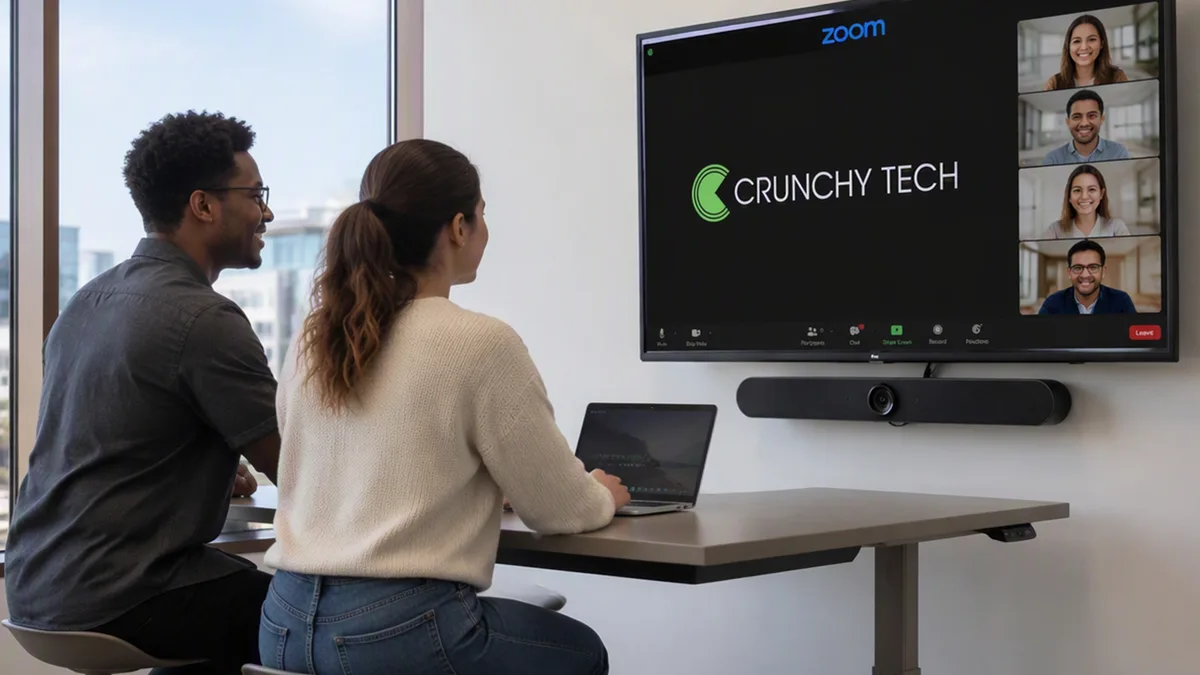
Type, count, and placement come off the table's shape, length, and surface, and off the ceiling height, which decides whether ceiling microphones are viable at all. The goal is every seat inside coverage at a similar level, so the far end hears a conversation rather than two loud people and several distant ones. That usually means more microphones than a bundle includes, and it is the single most common reason a room that looks well equipped performs badly. Coverage gets checked seat by seat rather than assumed from a diagram.
Camera position and lens get chosen for the real seating distances so the far end can read faces at the end of the table rather than only the people nearest the screen. Display size comes off the distance to the farthest seat and the content the room actually shows. Sources get consolidated so a presenter has one obvious way to connect, with the adapters people arrive with present at the table and tested at handover. Joining a scheduled meeting should be one action. Conferencing cameras and microphones are part of the room we install; production camera work, video production, and streaming as a service are not.
A training room presents locally with no remote conferencing capability, which is the actual distinction: the same core equipment, a different job. A conference room can serve as a training room, and a training room cannot conference. Sorting that per room stops you paying for conferencing in spaces that never use it, and stops you finding out a room cannot host a call in the week you need it to. The same approach extends to lobbies, town halls, and executive briefing spaces.
The technical part
Three things decide what the far end hears, and two of them are usually settled by other trades before AV is involved.
A microphone has a pickup pattern and a useful working distance, and a seat outside both is a seat the far end hears as room noise. So coverage gets laid out against the real seating positions, with enough microphones that no chair is relying on one several feet away. Gain structure then matters as much as placement: too little and the far end strains, too much and the room's own reflections and mechanical noise come up with the voices. Both get set with people in the room and verified on an actual call rather than tuned in silence.
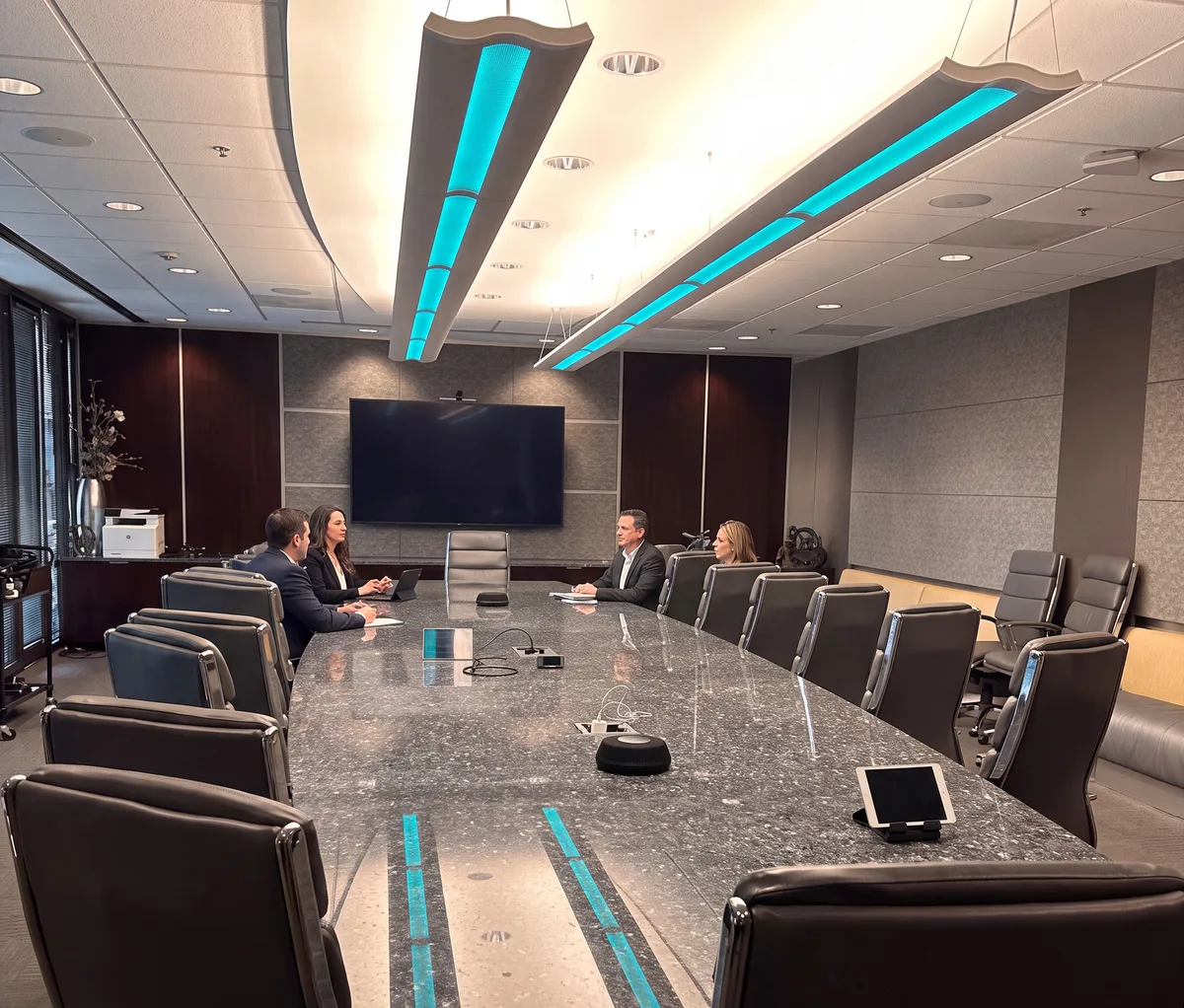
Mechanical noise is the most overlooked variable in conference audio. A supply diffuser directly above the table raises the noise floor for every microphone in the room, permanently, and it is far cheaper to relocate before a ceiling closes than to compensate for afterward. Room equipment then lives in a credenza, closet, or rack, and in this climate that placement matters: enclosed furniture gets ventilation rather than a closed door, shared closets get cooling and stay at or below 75 degrees, and the rack gets surge protection given how routinely storm season puts events on the grid.
Echo cancellation is doing constant work in a hard room, and it works better when there is less to cancel. Glass walls, hard tables, and drywall reflect rather than absorb, which is why a room can sound acceptable in person and arrive at the far end smeared and hollow. Microphone selection, placement, and processing address a meaningful share of that. Past a point the answer is acoustic treatment, which is a different trade, and we will tell you when that is the honest recommendation rather than selling more processing to paper over the room.
Usually it is coverage rather than a faulty microphone, and the reason it persists is that nobody in the room can hear the problem. Everyone at the table hears the far end perfectly, since that audio comes from loudspeakers a few feet away, while the far end receives your entire room through one or two microphones. A microphone has a pickup pattern and a useful working distance, so a chair outside both arrives as room noise rather than as a voice. If the two people nearest the middle sound fine and everyone else sounds distant, that is the diagnosis. The fix is type, count, and placement matched to your table's shape and length, with coverage checked seat by seat, plus gain structure and echo cancellation verified with people actually in the room. It usually means more microphones than a bundle includes.
Enough to matter, and it is worth being precise about which part we can fix. Glass, hard tables, and drywall reflect rather than absorb, so your voice reaches the microphone directly and again a few milliseconds later off the surfaces, which is what makes a room arrive at the far end sounding smeared and hollow even though it sounds normal in person. Microphone selection and placement address a real share of that, because a microphone closer to each talker picks up more direct sound relative to reflected sound, and processing handles some of the rest. Past a certain point the answer is acoustic treatment: panels, a softer floor covering, something on a ceiling. That is a different trade and we will tell you when it is the honest recommendation rather than selling processing to paper over the room.
More than almost anything else people overlook. A supply diffuser directly above a conference table raises the noise floor for every microphone in the room, continuously, and microphones cannot distinguish that from your voices, so the far end receives a constant layer underneath everything. It also forces gain choices, since raising levels to hear the far seats raises the mechanical noise with them. The cheapest fix by an order of magnitude is relocating or changing the diffuser while a ceiling is still open, which is a mechanical trade rather than ours, and we will raise it during design so it can be considered. Where that is not possible, we work around it with microphone selection and placement that improve the ratio of voice to noise. Worth checking your worst room with the system off, since the noise floor is easy to hear once you listen for it.
No. We design, install, program, calibrate, document, and support the room, including the conferencing cameras and microphones that are part of it, and we train your team to use it. What we do not do is production or broadcast camera work, video production, editing, or streaming as a service. Where you want an event produced or streamed, we build the infrastructure that makes that straightforward for whoever does it: clean audio feeds, documented signal paths, and a network path agreed with your IT team. The distinction matters because a room built to conference well and a room built to produce content are different specifications, and being clear about which you are buying keeps the budget honest.
What We Do Here
Every system is designed, installed, and supported by our own team in Tampa — never subcontracted.
 01 / TAMPA
AV consulting from an audio visual consultant who joins at the architectural phase, designs the technology into the plan and steers the project around your business outcome.
AV Consulting in Tampaarrow_forward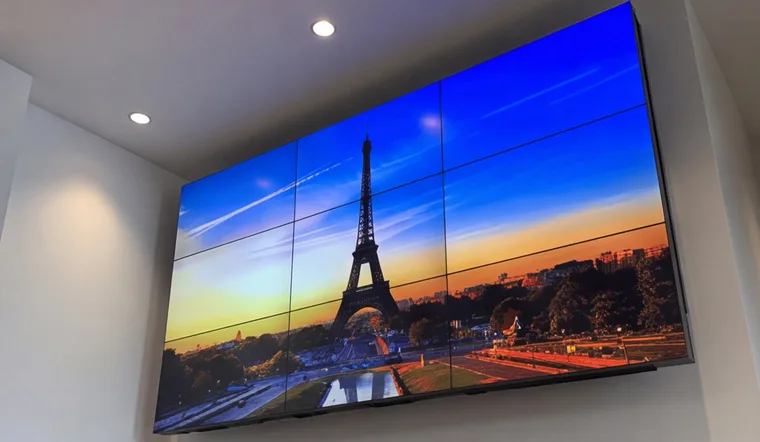
Commercial video walls across LED, LCD and Direct View. Designed, integrated, installed and supported by a national design-build AV integrator.
Video Wall Solutions in Tampaarrow_forward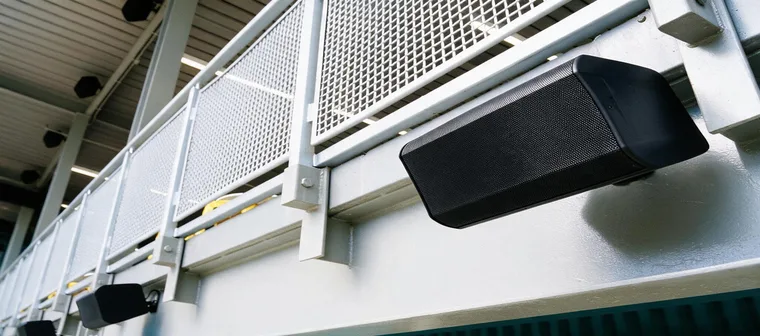
 03 / TAMPA
Commercial sound system design and installation: multi-zone audio engineered around how your space is used, wired and tuned on site, and supported as a partner.
Commercial Sound Systems in Tampaarrow_forward
Design-build digital signage for hospitality and enterprise: commercial displays, content management, and installation that keeps your screens selling and current.
Digital Signage Services in Tampaarrow_forward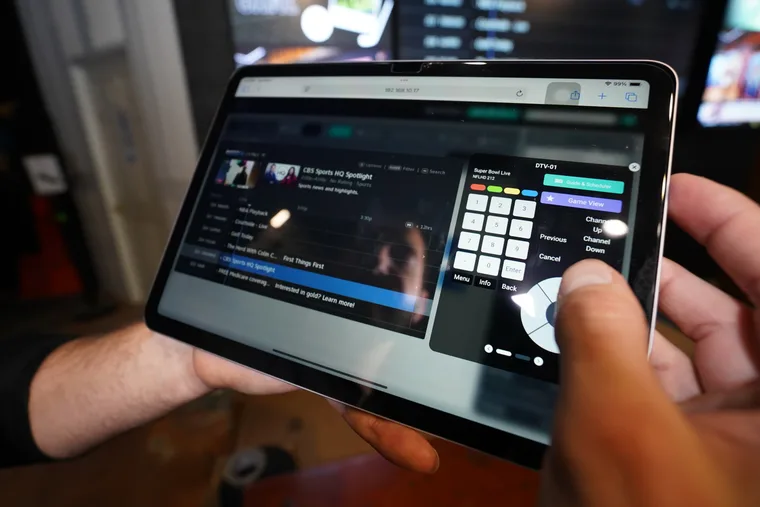
Design-build AV control systems: one iPad, wall panel, or browser runs every display, audio zone, lighting scene, and source in the room. Programmed and supported in-house.
AV Control Systems in Tampaarrow_forward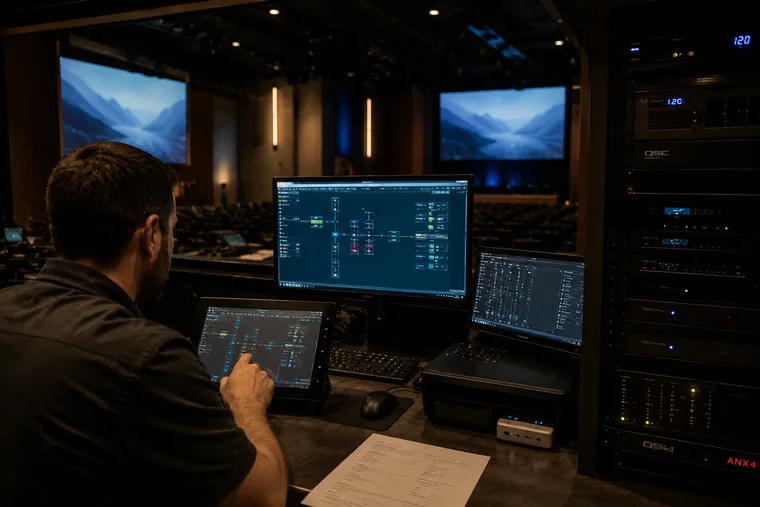
AV programming that starts with the right design: a vetted, interconnectable stack unified into one control system, so the whole room runs from one simple interface.
AV Programming in Tampaarrow_forward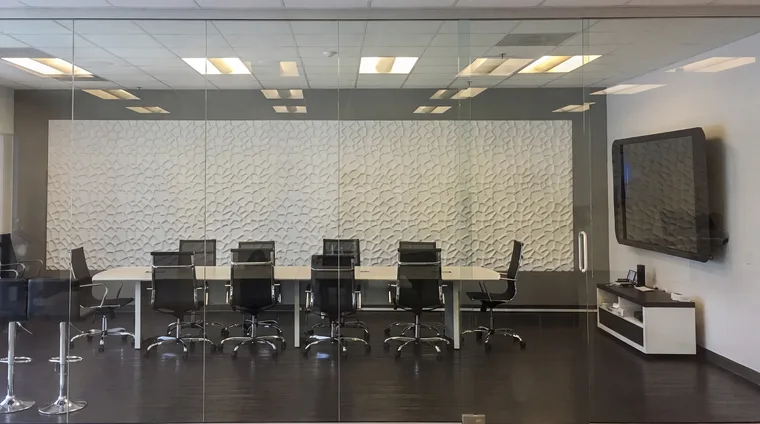
Conference room AV designed around the people using the room: video conferencing, Zoom and Teams Rooms, displays, and audio, installed and supported as a partner.
Conference Room AV in Tampaarrow_forwardClient successes drive Crunchy Tech to become better. Below is how our customers feel about us.
You're a great partner with Florida Hospital and this project will make a difference in Children's Health.
Crunchy's AV Services are outstanding. Staff members are experts, who really extend themselves to find the right technology for helping us reach our marketing goals in creative ways. The best thing about working with Crunchy is collaborating with the staff – they are patient, responsive, knowledgeable, and available.

Crunchy has been great to work with. They communicate well and deliver as promised.

The work Crunchy has been doing is a game changer for this industry.

Being able to reuse the existing structure created a much lower cost for the client and they were ecstatic.

You're a great partner with Florida Hospital and this project will make a difference in Children's Health.
Crunchy's AV Services are outstanding. Staff members are experts, who really extend themselves to find the right technology for helping us reach our marketing goals in creative ways. The best thing about working with Crunchy is collaborating with the staff – they are patient, responsive, knowledgeable, and available.
Crunchy has been great to work with. They communicate well and deliver as promised.
The work Crunchy has been doing is a game changer for this industry.
Being able to reuse the existing structure created a much lower cost for the client and they were ecstatic.
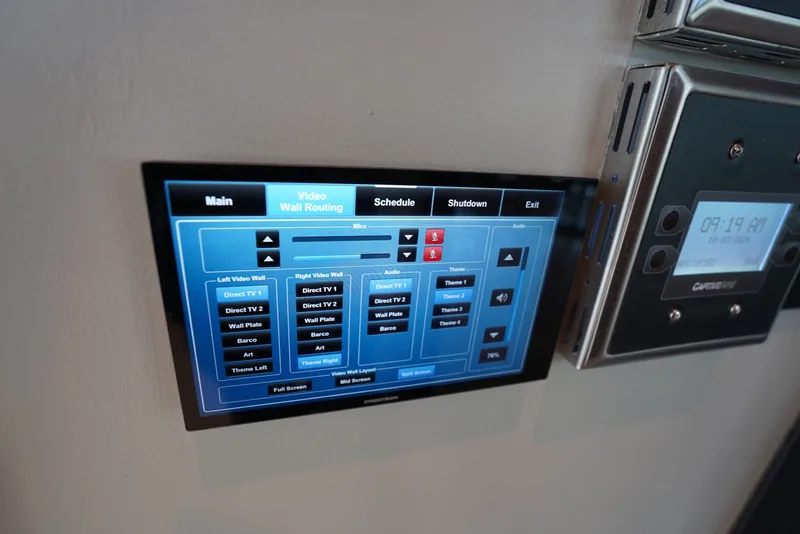
How hidden speakers, recessed displays, and invisible technology create elegant commercial environments.
Read article arrow_forward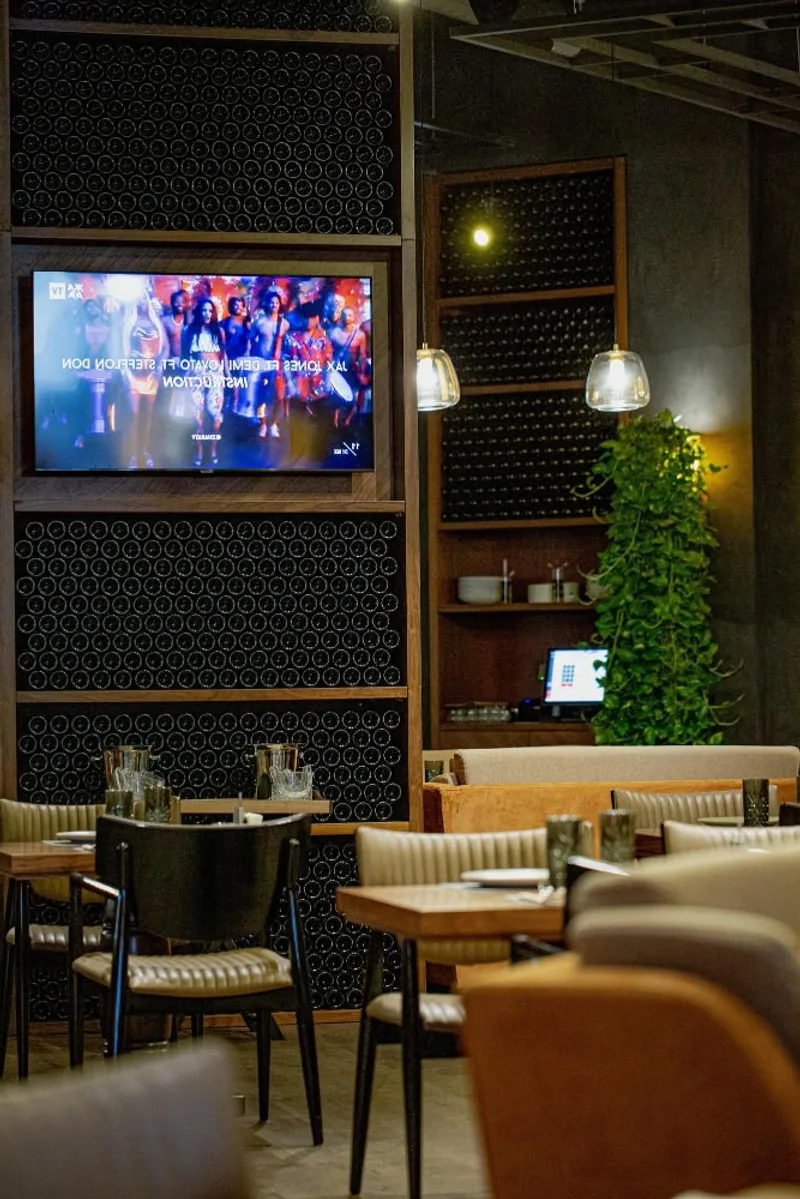
A comprehensive guide to commercial audiovisual installation — what it includes, how it differs from consumer setups, and what to expect.
Read article arrow_forward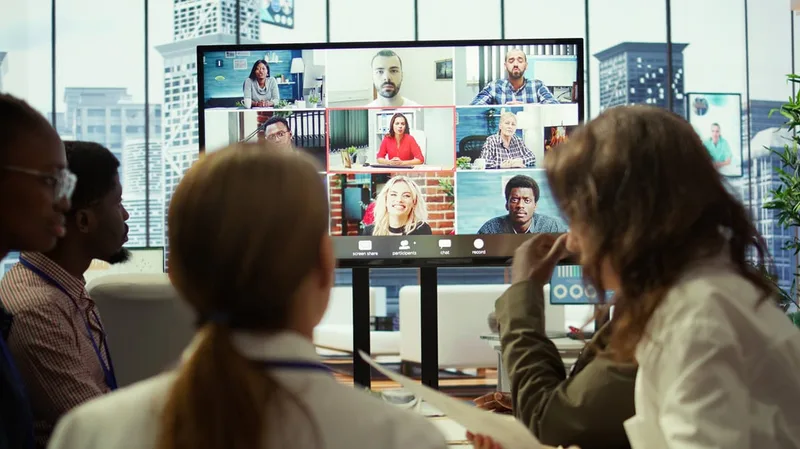
From boardrooms to open offices, how professional audio systems improve communication and productivity.
Read article arrow_forwardTell us about the rooms: how many you have and what sizes, what the tables look like, what the walls and ceilings are made of, whether there is a diffuser above the table, what platforms your people actually use, and what remote colleagues say about the audio. We will start with a needs assessment rather than a hardware list, then get on a call from outside the room and listen, and come back with one engineered recommendation.