The Design Build process was the best thing that could have happened. They showed our ownership three different options on each feature wall — from the bar to the rest of the venue. That’s when it really sold them. They felt involved. They knew what they were putting in, they were making the decisions, and they could see it was going to look right.
Video Wall Installation in Tampa
Permanent LED and LCD video walls designed and installed across Tampa Bay. Grounded, surge-protected, and sealed for a market where the power and the salt air do more damage than the panels ever will.
In Tampa the wall has to survive the power first
A video wall is the most expensive thing most operators hang on a wall, and it goes in the wrong place more often than it fails. We get called about a wall behind the bar, and sometimes the bar seats fourteen while the rest of the room seats a hundred and eighty. That spends the budget on the smallest audience in the building. In Tampa there is a second way the money disappears: a wall is a large, permanently powered electronic system sitting in the most lightning-prone region in the country.
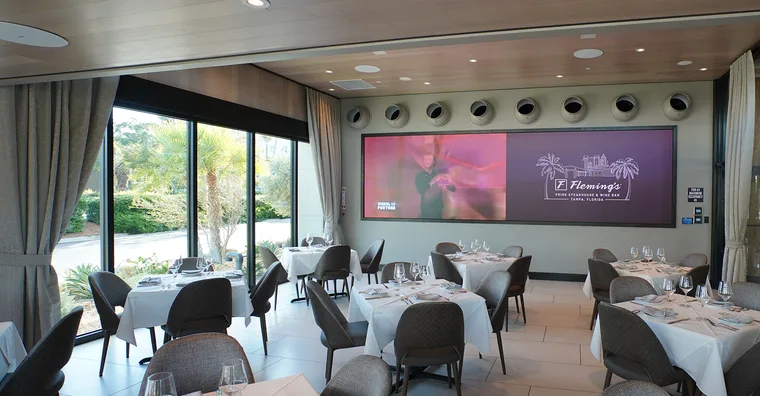
So we start with where the experience is actually created, then decide what belongs there. Sometimes that is a wall. Often it is a cluster of commercial displays, a ribbon, or one large display driven as four panes, which reads like a wall for far less. Where a wall is right, the electrical side gets designed alongside it: proper grounding, layered surge protection, and backup power sized for the real load. Pixel pitch follows viewing distance, and anything outdoors is LED specified for Gulf humidity and bay-side salt air. We install permanent systems, and we do not rent.

Video Wall Installation Across Tampa Bay
From Ybor City brick and Water Street towers to Westshore offices and waterfront rooms in St. Petersburg and Clearwater, we design, install, calibrate, and support permanent video walls across the bay.
Repeated nearby strikes and the surges behind them degrade processors and power supplies quietly, so grounding, layered surge protection, and backup power get designed in.
Gulf humidity is constant and bay-side salt reaches inland, so outdoor cabinets get sealed with real moisture management and corrosion-resistant hardware.
Processors and controllers need a cooled room at or below 75 degrees, since a hot rack shortens the life of everything sitting in it.
Patios run most of the year here, so an ambient light sensor keeps the wall readable at midday and dimmed at night instead of running at full output.
How we work
Power and structure before panel count
Put the best technology where you are driving the most experience. In Tampa the next two questions are what feeds the wall and what holds it up.
The consult, then the electrical picture
Our first conversation is a consult rather than a quote: what the space is, where guests actually look, what the room has to do, and the budget you are working with. Then we look at what feeds the wall, because a video wall is a permanently powered electronic system and this is the wrong region to treat power as an accessory. Repeated nearby strikes, the surges behind them, and routine grid blinks degrade processors and power supplies quietly, long before anything fails outright. So grounding, layered surge protection, and backup power sized for the actual load get designed in from the start. Skip that and the failures look random for two years, then stop looking random.
Mounting in Ybor and older buildings
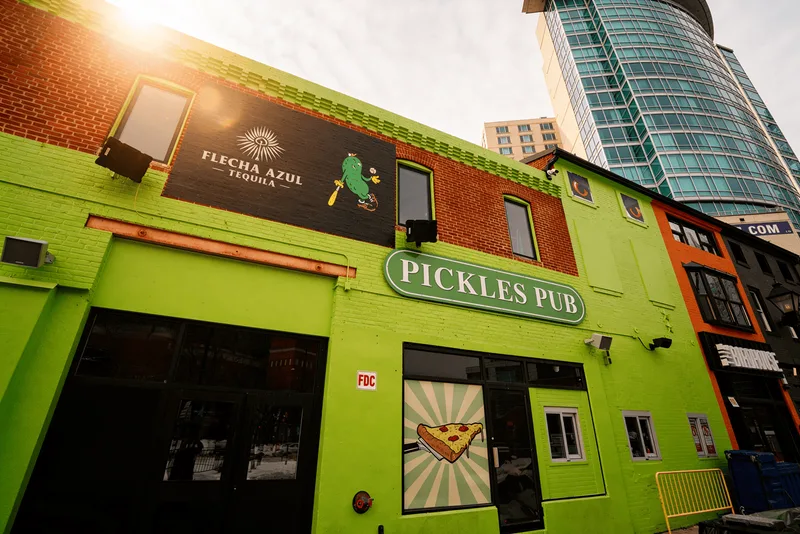
How a wall gets hung decides whether that location works at all. Ybor City is a protected historic district of century-old brick, with almost nowhere to hide a cable and structure that has to be confirmed rather than assumed, so mounting and concealment get settled before a size is chosen. That district carries its own review requirements, and we design to them and confirm the path for each site. Elsewhere in Tampa the ceiling still decides plenty, since ductwork, lighting runs, and sprinkler locations all limit where a mount can land, and an open ceiling needs unistrut and structural backing from the contractor. One team then handles the install, the calibration, the staff training, and the documentation.
Where Tampa walls earn
Where a video wall actually pays off in Tampa
A wall earns its cost in some rooms and wastes it in others. Here is where we see it work across the bay, and where something lighter does the same job.
Hospitality and sports bars
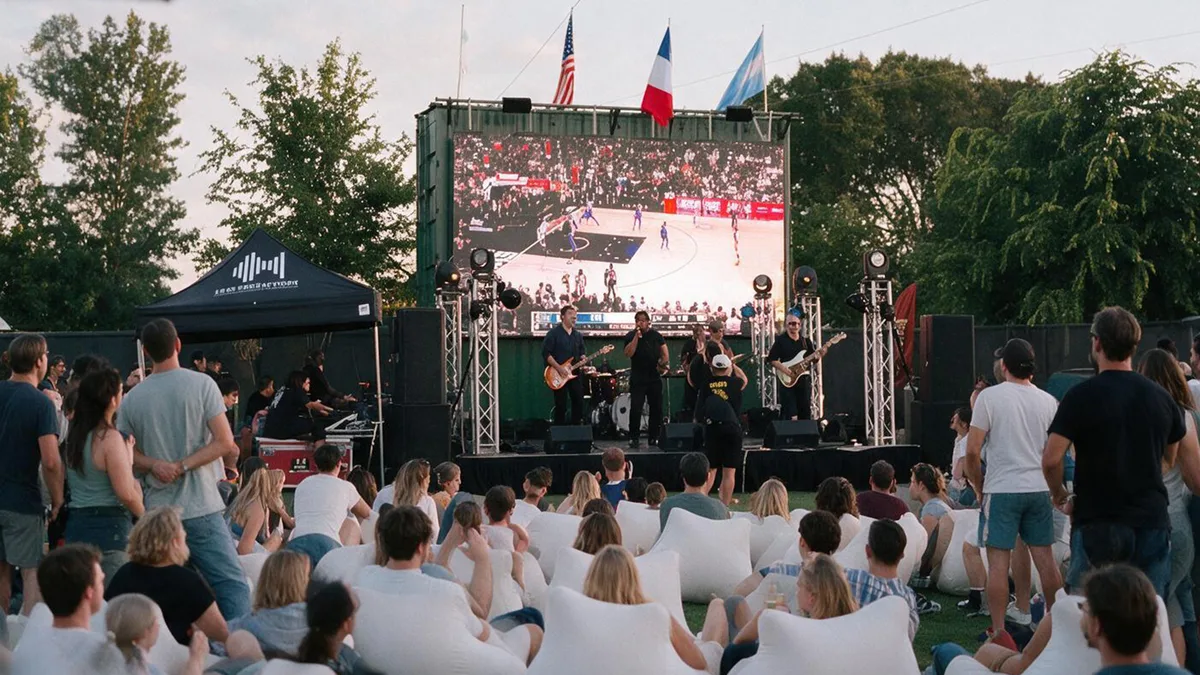
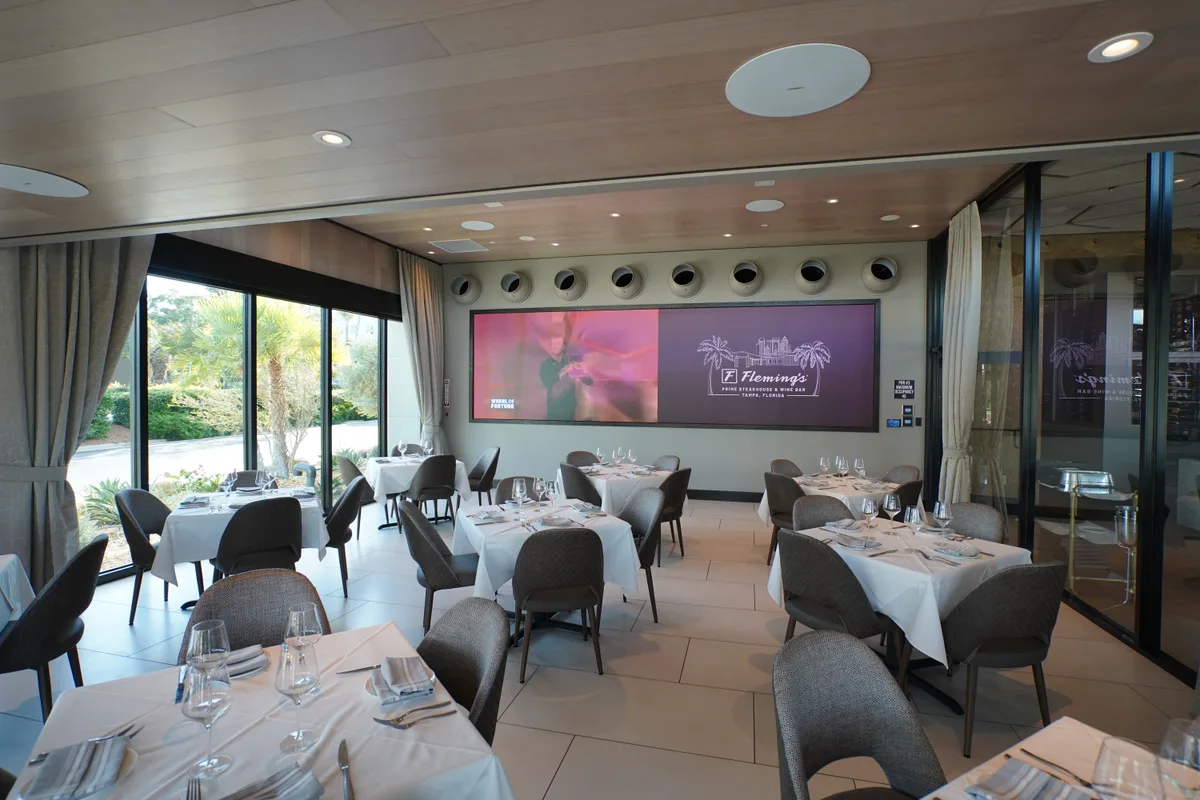
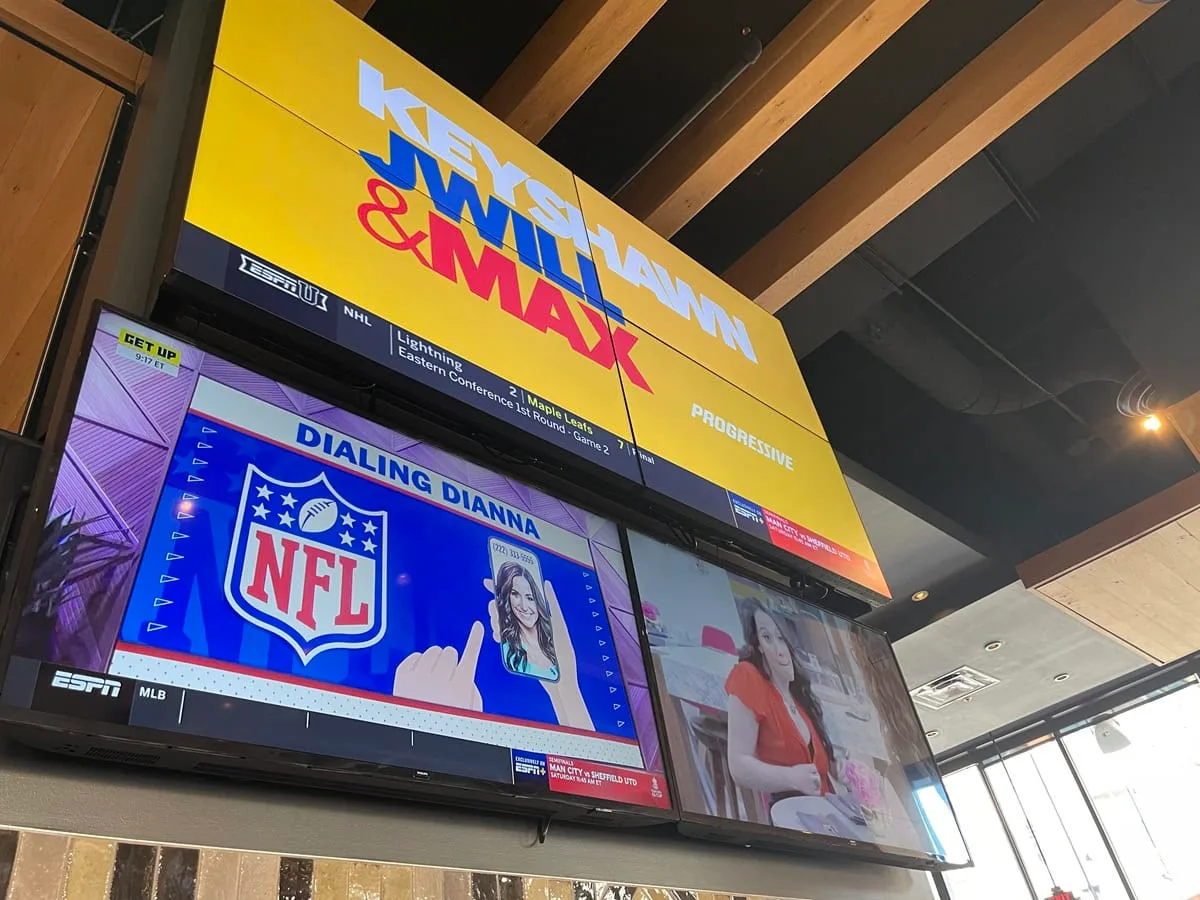
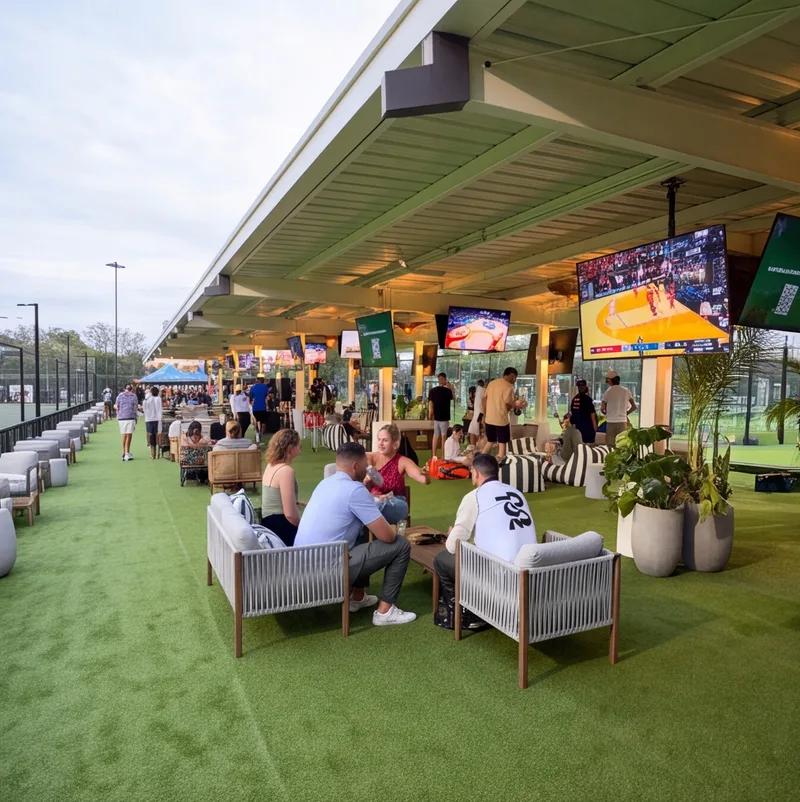
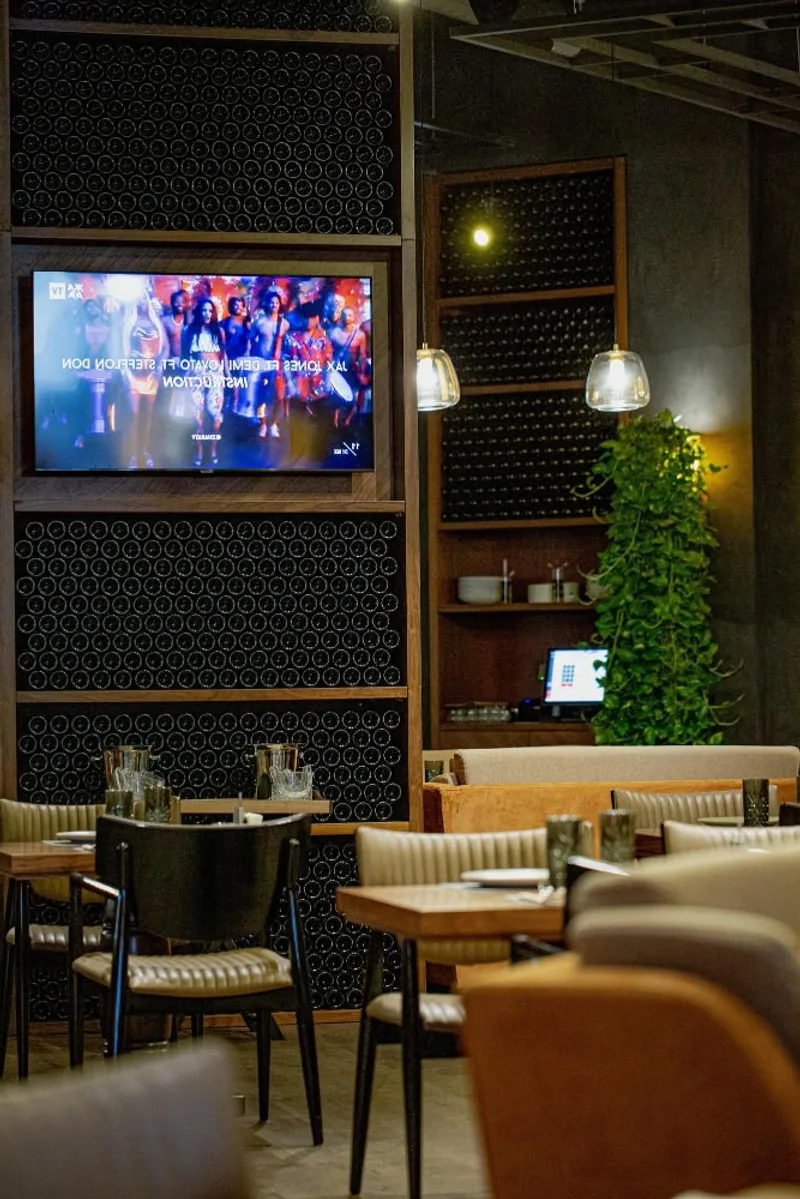
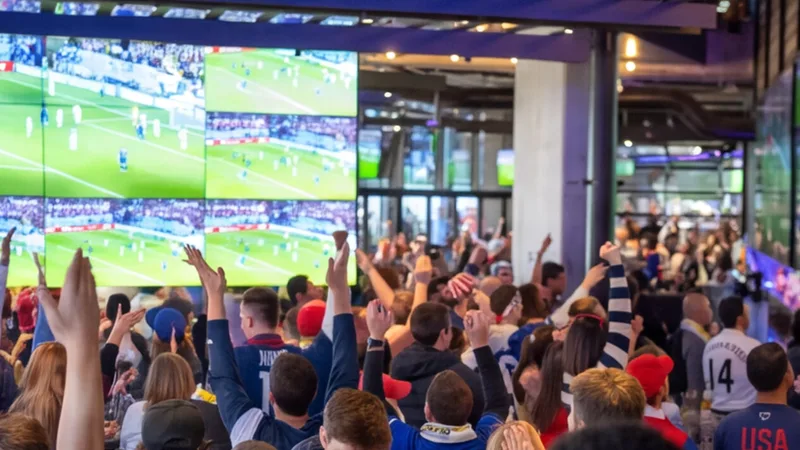
In a bar or restaurant the wall has to serve the seats that carry the night, so we count them before sizing anything. A room that watches one thing together wants a single large canvas, while a room following several games at once wants a wall that splits into a grid. Sports viewing gets a tighter pixel pitch, since fans sit closer than operators assume and a coarse wall goes soft on fast motion. Where the seat count does not justify a full wall, a cluster or ribbon of commercial displays gets most of the effect for far less, and a video processor in the control system makes that group behave as one canvas. Rooms that open onto a patio also need the inside and the outside to look like the same venue.
Corporate, lobby, and retail
Corporate and retail rooms buy a wall for information rather than atmosphere. A Westshore or downtown lobby competes with heavy daylight through glass, so brightness and placement get solved ahead of resolution and the content has to stay readable rather than merely look impressive. Boardroom and briefing walls get sized off the furthest seat and the platforms in daily use, and a canvas carrying eight to twelve inputs at once is a different design problem from a single-source display. Retail walls carry your own brand and product content, sized to read from the aisle. All of these sit on the same building power as everything else, which is why the rack gets treated as part of the wall here.
Patios, decks, and bay-side exposure
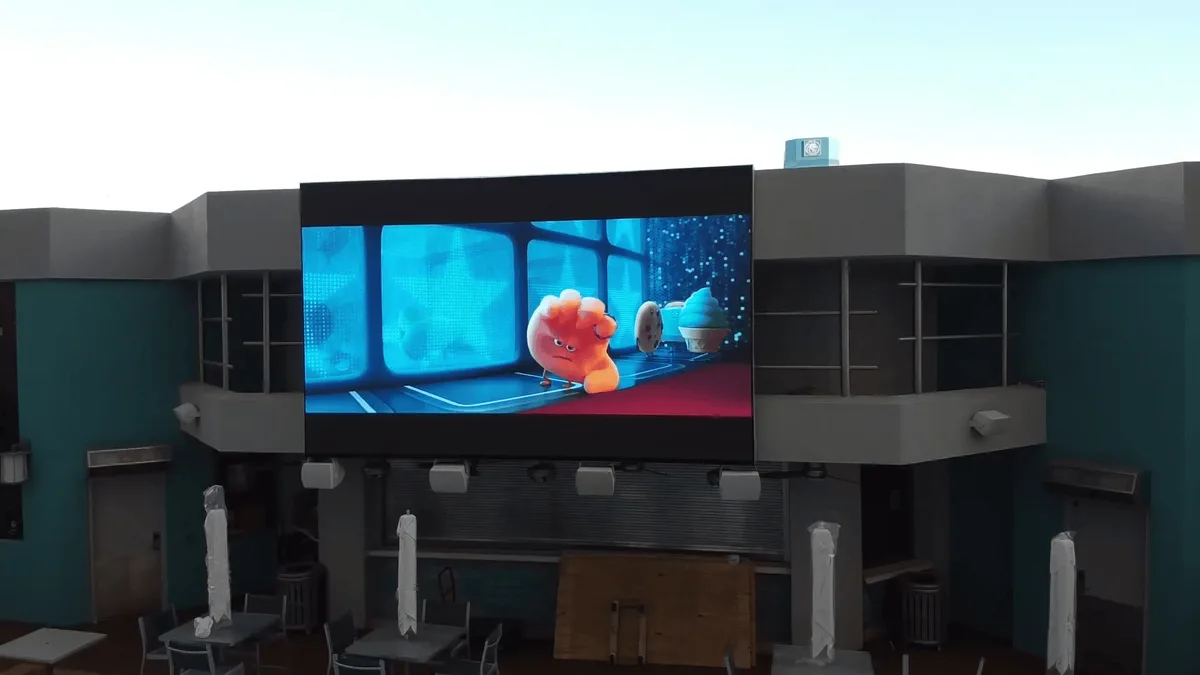
Outdoor is always LED, and Tampa is harder on it than the brochure numbers suggest. Gulf humidity is constant and bay-side air carries salt further inland than most operators expect, so cabinets get sealed with real moisture management and hardware gets corrosion-resistant specification. Where longevity outdoors matters, gold-plated leads resist corrosion considerably better than standard solder. Every outdoor wall gets an ambient light sensor driving automatic brightness, so it lifts at midday, dims at night, and draws less power instead of running flat out and aging early. The wall runs your own content on your own schedule. Outdoor work costs more and lasts less time than the same wall inside, and we say that up front.
Plain answers
LED, LCD, and pixel pitch in plain terms
Three terms drive most of the cost on a video wall project. Here is what each one means for your room.
LED versus LCD, and what direct view means
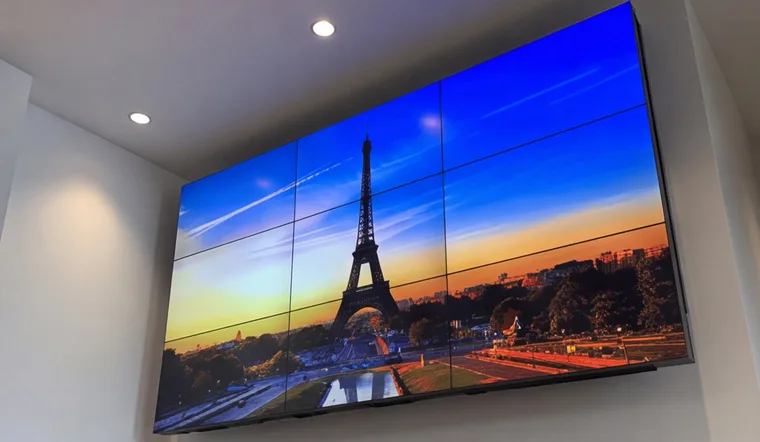
Indoor or outdoor answers most of this, since outdoor is LED. Indoors, an LCD wall is a grid of thin-bezel panels with the processing built in: lower cost, high resolution, indoor only, and tiles that come in 55 and 65 inch sizes, so the wall is the size the tiles make it and it caps out around a ten by ten grid. LED uses cabinets in many sizes driven by an external processor, so the shape is yours, the surface reads as one screen, and it runs brighter. Direct view means LED at a very fine pitch, roughly 0.7 to 0.9mm, tight enough to stand close to, which is why interior LED walls are essentially direct view. We are an integrator of LED, not a manufacturer, so the panel gets chosen around your room.
Calibration, spares, and staying up after year one
On an LCD wall, calibration is a matching exercise: color, brightness, and contrast matched panel to panel until the seams disappear and the surface reads as one. Done poorly, every panel shows a slightly different white and an expensive wall looks cheap no matter its resolution. Calibration cannot rescue a bad panel, so selection matters more than tuning. LED panels arrive pre-calibrated and get tuned on site through the wall's processor, and a panel with damaged pixels goes back under warranty while we fit a replacement. Manufacturers quote diode life in the tens of thousands of hours, and no outdoor wall on this coast reaches a lab figure, so we plan for parts. A spare-parts kit from day one and revolving inventory keeps a failed module from leaving a dark patch.
What does Tampa lightning actually do to a video wall?
More than most operators expect, and it rarely shows up as one dramatic failure. A video wall is a large, permanently powered electronic system, and this is the most lightning-prone region in the country, so the wall lives with repeated nearby strikes, the surges that follow them, and the grid blinks that come with a summer afternoon. Each of those events takes a small amount of life out of processors, power supplies, and controllers. Nothing looks broken at first. Then the wall starts dropping a panel here and a source there, the failures look random for two years, and eventually they stop being random. The fix is unglamorous and it belongs in the design rather than in a shopping list afterward: proper grounding for the wall and the rack, layered surge protection rather than a single strip, and backup power sized for the actual load instead of a guess. It costs a fraction of the wall and it is the difference between a system that ages normally and one that does not.
Do we actually need a video wall, or is there a cheaper way to get the same effect?
Ask that first, because it saves the most money of anything on this page. A wall is a purposeful decision rather than a default showpiece, and it earns its cost only where the experience is actually being created. The test is simple: count the seats that will see it. If the bar seats fourteen and the rest of the room seats a hundred and eighty, an LED wall behind the bar spends the entire budget on the smallest audience in the building. Several alternatives get most of the way there for much less. A cluster or ribbon of commercial displays reads as one feature when it is placed and driven properly. One large display can be driven as four panes so it behaves like a small wall. A video processor in the control system turns any group of screens into a single canvas. Put the best technology where you are driving the most experience, and we will tell you plainly when that is a wall and when it is not.
Our space is in Ybor City. What does that change?
It changes the order the project happens in. Ybor is a protected historic district built from century-old brick, which means two things get settled before anyone talks about a wall size. The first is structure, since what a wall can hang from has to be confirmed rather than assumed, and a ceiling-hung display needs a real ceiling plate and structural pole with backing behind it. The second is concealment, because these buildings offer almost nowhere to hide a cable and running conduit across exposed brick is usually not acceptable to anyone. The district also carries its own review requirements. We design to them and confirm the approval path for each specific site rather than carrying an assumption over from the last address. Practically, that means we look at mounting and cable routing early, and it often means the honest answer is a smaller wall, a cluster, or a single large display in a location the building can actually support. Finding that out in design is cheap. Finding it out on install day is not.
What happens when a panel fails, and do you rent walls?
We do not rent. We design and install permanent video walls, and the service plan is part of the design rather than an afterthought. On failures, the honest picture is that manufacturers quote diode life in the tens of thousands of hours and no outdoor wall on this coast reaches a lab figure, since humidity, salt, and heat all take their share. So we plan for parts instead of hoping. LED panels arrive pre-calibrated and get tuned on site through the wall's processor, and a panel with damaged pixels goes back under warranty while we install a replacement from stock. We supply a spare-parts kit from day one and run revolving inventory, which means a failed module gets swapped immediately, the dead one goes back, and the repaired unit returns to the pool. The wall stays up rather than sitting with a dark patch while a replacement ships. Warranty terms scale with the tier of wall you buy, and around 47 percent of support tickets close inside an hour without a site visit.
What We Do Here
Services available in Tampa
Every system is designed, installed, and supported by our own team in Tampa — never subcontracted.
AV Consulting
AV consulting from an audio visual consultant who joins at the architectural phase, designs the technology into the plan and steers the project around your business outcome.
AV Consulting in Tampaarrow_forwardVideo Wall Solutions
Commercial video walls across LED, LCD and Direct View. Designed, integrated, installed and supported by a national design-build AV integrator.
Video Wall Solutions in Tampaarrow_forwardCommercial Sound Systems
Commercial sound system design and installation: multi-zone audio engineered around how your space is used, wired and tuned on site, and supported as a partner.
Commercial Sound Systems in Tampaarrow_forwardDigital Signage Services
Design-build digital signage for hospitality and enterprise: commercial displays, content management, and installation that keeps your screens selling and current.
Digital Signage Services in Tampaarrow_forwardAV Control Systems
Design-build AV control systems: one iPad, wall panel, or browser runs every display, audio zone, lighting scene, and source in the room. Programmed and supported in-house.
AV Control Systems in Tampaarrow_forwardAV Programming
AV programming that starts with the right design: a vetted, interconnectable stack unified into one control system, so the whole room runs from one simple interface.
AV Programming in Tampaarrow_forwardConference Room AV
Conference room AV designed around the people using the room: video conferencing, Zoom and Teams Rooms, displays, and audio, installed and supported as a partner.
Conference Room AV in Tampaarrow_forwardLearn more about our Video Wall Solutions solutions
Operators who run on our systems
Client successes drive Crunchy Tech to become better. Below is how our customers feel about us.
Working with Crunchy Tech was a fantastic experience from start to finish. They handled the sale and installation of all our sound and TV equipment at The County Bar in Aviston, IL, and absolutely nailed it. We were on a very tight deadline, and they not only met it—they delivered top-notch quality and service the entire way. Highly professional, responsive, and easy to work with. We couldn't be happier with the results.
Crunchy has done an amazing job on our A/V install. The sound is perfectly balanced throughout our many zones and the entire system is super simple to use.
The Design Build process was the best thing that could have happened. They showed our ownership three different options on each feature wall — from the bar to the rest of the venue. That’s when it really sold them. They felt involved. They knew what they were putting in, they were making the decisions, and they could see it was going to look right.
Working with Crunchy Tech was a fantastic experience from start to finish. They handled the sale and installation of all our sound and TV equipment at The County Bar in Aviston, IL, and absolutely nailed it. We were on a very tight deadline, and they not only met it—they delivered top-notch quality and service the entire way. Highly professional, responsive, and easy to work with. We couldn't be happier with the results.
Crunchy has done an amazing job on our A/V install. The sound is perfectly balanced throughout our many zones and the entire system is super simple to use.
Insights
What is Commercial AV Installation?
A comprehensive guide to commercial audiovisual installation — what it includes, how it differs from consumer setups, and what to expect.
Read article arrow_forwardImmersive Dining & Bar Experiences: LED Video Walls, Spatial Audio & Synchronized Lighting
How LED walls, spatial audio, and lighting automation are transforming restaurants and bars into destination experiences.
Read article arrow_forwardWhy Plug-and-Play Sports Bar AV Packages Will Cost You the 2026 World Cup
Consumer-grade AV cannot handle the demands of World Cup game day. Here is what your sports bar actually needs.
Read article arrow_forwardLet's find out where the wall belongs
Tell us about the space: the neighborhood, the age of the building, whether the wall is indoors or out, how far away people will be sitting, and what you want the wall to do. The consult starts with whether a wall is the right answer at all, then we look at the room and the power feeding it and come back with one engineered recommendation instead of a panel count.
- We start by testing whether a wall is worth it, or whether a cluster does the job.
- Grounding, layered surge protection, and backup power designed in from the start.
- Ybor structure and concealment confirmed before a wall size is chosen.
- Outdoor LED sealed for Gulf humidity with corrosion-resistant hardware.
- Permanent installations only. We do not rent.