Just do it. Spend the money. It’s well worth it. It’s not worth your time, hassle, energy, and stress of trying to make it look right and do it right when there’s somebody who has been doing it for years and has perfected the craft.
Nightclub AV in Houston
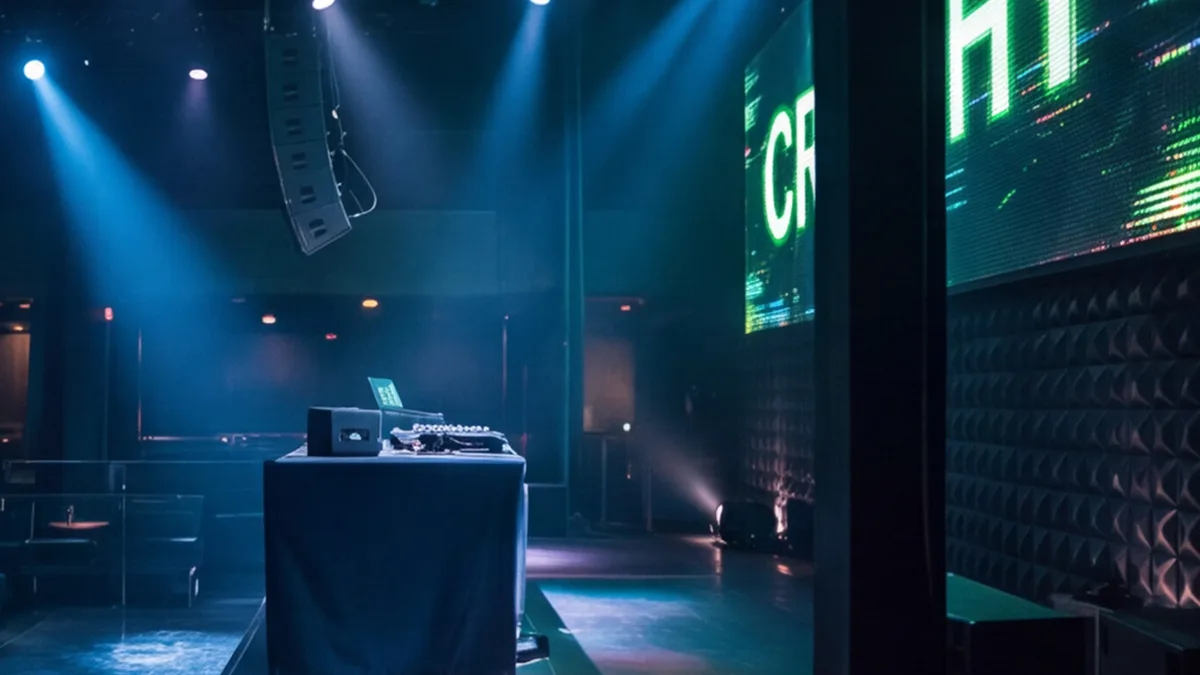
Nightclub sound systems and lighting designed around the building's electrical, with clean power and grounding specified before anyone argues about speakers.
The hum is in the power, not the speakers
A club calls about a buzz on the system and expects to hear that a speaker has failed. Most of the time the loudspeakers are fine. What changed is that a lighting rig went in on the same panel as the amplifiers, or a new dimmer pack got added, or the audio and the LED walls ended up sharing a ground path that now runs the length of the building. The result is a hum that appears at eleven and disappears when the lights are off, and no amount of swapping boxes fixes it, because the problem is upstream of everything anyone is looking at.
Clean power is a design input rather than an afterthought. Audio gets its own circuits, kept away from the switching loads that lighting and LED drivers put on a panel, with a grounding scheme worked out for the whole system rather than assembled a device at a time. Where a room is being built or expanded, we specify what the AV needs early so your electrician can run it once instead of adding it later. Where the building genuinely cannot deliver what the design wants, we would rather say so during the consult than discover it during commissioning.
Nightclub AV Across Greater Houston
From Midtown and Washington Avenue to Downtown, EaDo, and the suburbs, we design and install nightclub sound systems, lighting, and booth infrastructure.
Heat is the single most expensive variable in how long a system lasts, so the equipment room gets real cooling and stays at or below 75 degrees.
Moisture condenses inside enclosures, so outdoor gear gets sealed and drained properly rather than coated and hoped over.
Water drives rack placement, so equipment sits raised and inside the conditioned envelope rather than on a floor that has taken water before.
Storms bring surges and brief outages, so the rack gets real surge protection and conditioning rather than a power strip.
How we work
Power and grounding settled before the speakers
We do not start with a speaker count. We start with what the panel can deliver and how the system will be grounded, because everything downstream inherits those answers.
The consult and the site walk
Most disappointing club systems were quoted off a floor plan by someone who never stood in the room at one in the morning. So we start with a consult rather than a quote: what you want the room to feel like, how big it is, what it needs to do, and the budget you are working with. Then we walk it during a real night, listening on the floor, at the bar, in the lounge, and standing in the booth. In Houston we also look at the panel, at what shares circuits with the audio today, and at whether the noise you are hearing tracks the lighting rather than the music.
Design you can see, then one team on site
The other way these go wrong is that nobody experiences the outcome until it is built, then wants it changed a season later. So you see the design before you commit to equipment, including the electrical requirements your licensed electrician will need to deliver. Control gets programmed around the nights you actually run, so a peak Saturday, a slower midweek, and a private buyout are states rather than an argument. One team handles the install, calibration, staff training, and documentation, and coordinates with your general contractor, electrician, low-voltage trades, and the licensed fire alarm contractor.
What we build
The nightclub AV stack a Houston room runs on
A club is a handful of systems that have to behave like one instrument, and they all draw from the same building. Here is what we design, program, and install.
Clean power and a coherent ground
Audio equipment gets circuits that are not shared with the switching loads lighting and LED drivers create, because those loads are what put noise onto a shared supply. The grounding scheme gets designed for the system as a whole rather than assembled device by device, which is what prevents the loops that produce hum in a building this size. Long cable runs get planned with the electrical layout rather than around it. We specify what the system needs and coordinate it with your licensed electrician, who performs the work, and we design around what the building can genuinely deliver.
Nightclub sound systems and the booth
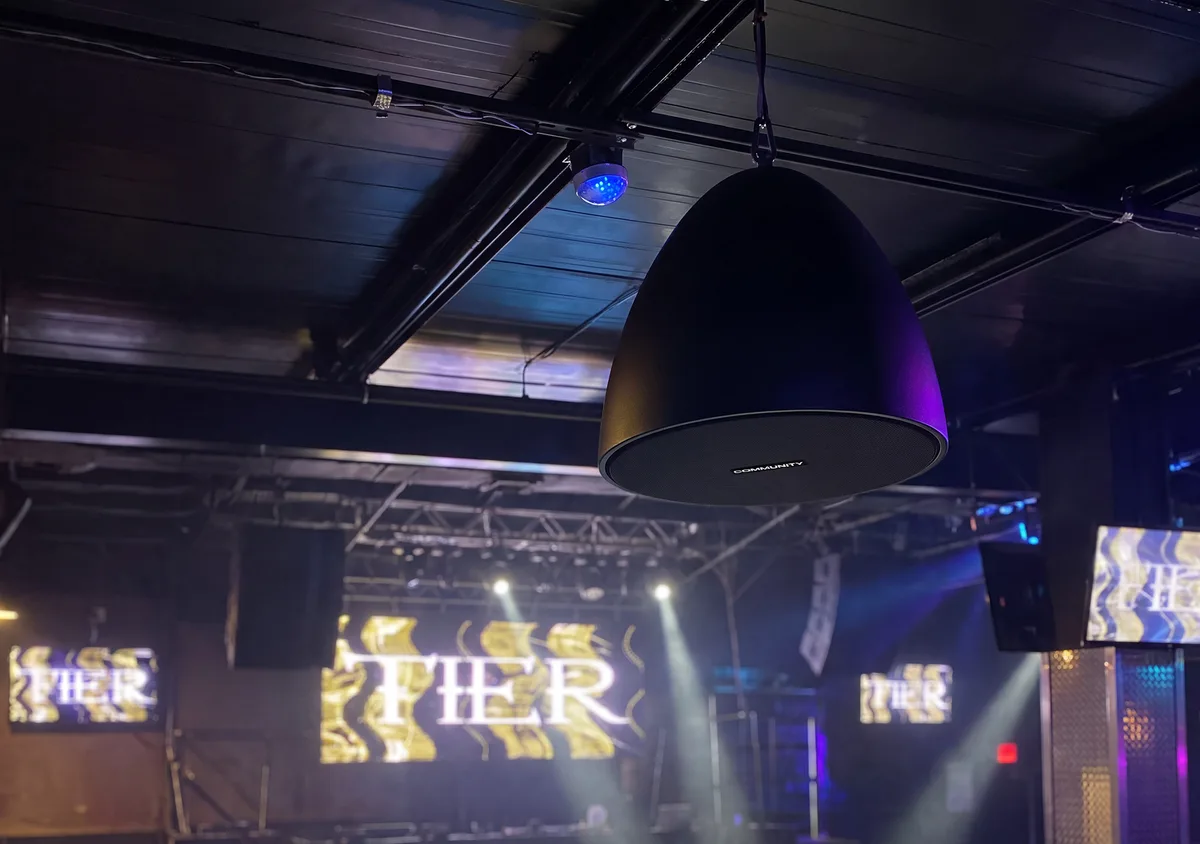
The system gets sized for the loudest hour and then held below it, because a rig running at its limit sounds harsh, distorts on peaks, and cooks drivers, which is why so many club loudspeakers fail early. Coverage on the floor comes from enough sources that nobody stands in a hole or directly under a horn, and subwoofer placement gets solved deliberately rather than assumed. The booth gets a documented tie-in panel with labeled, tested inputs, its own monitor path so nobody has to push the house to hear themselves, and processor limits that protect the room regardless of who is behind the decks.
Lighting, LED, and control
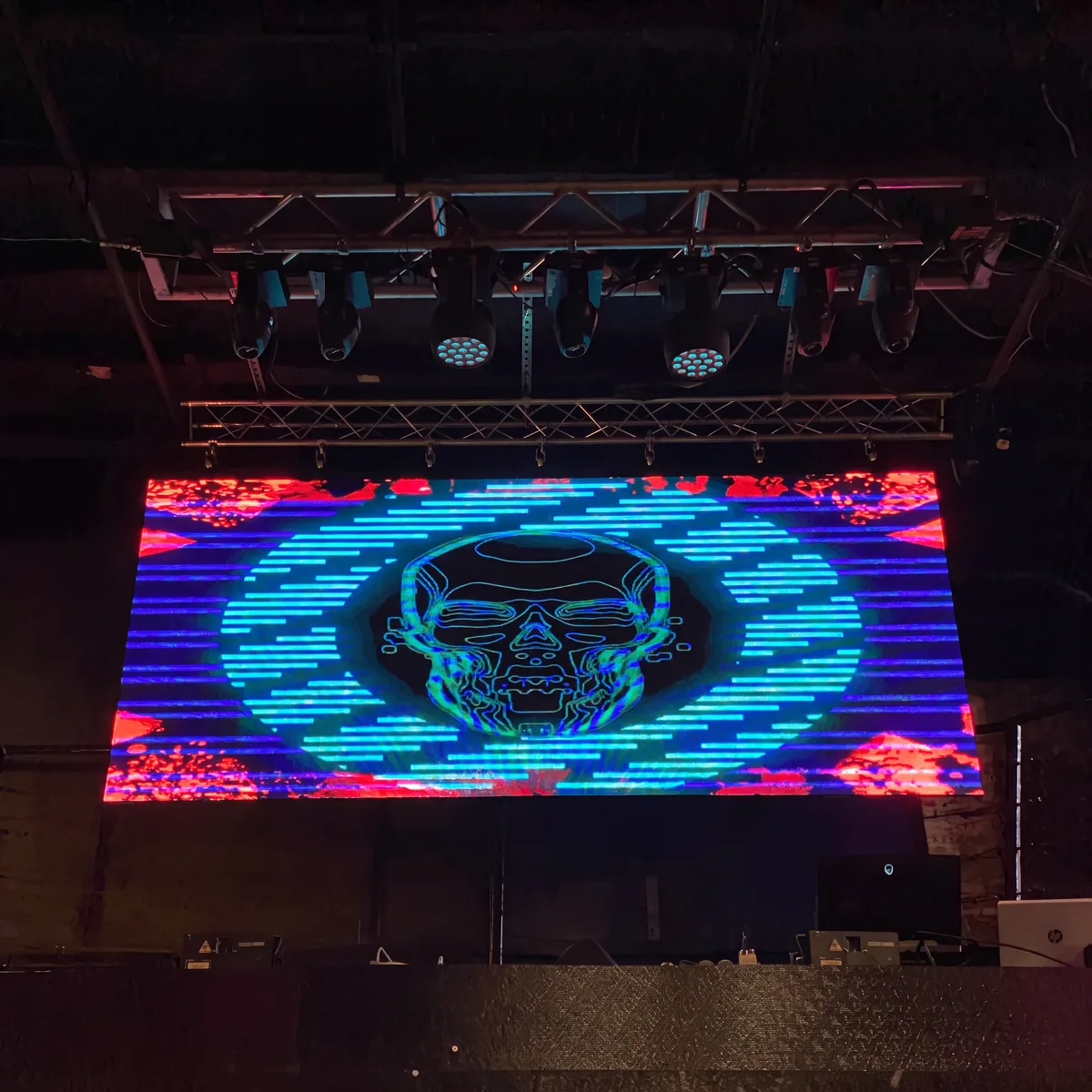
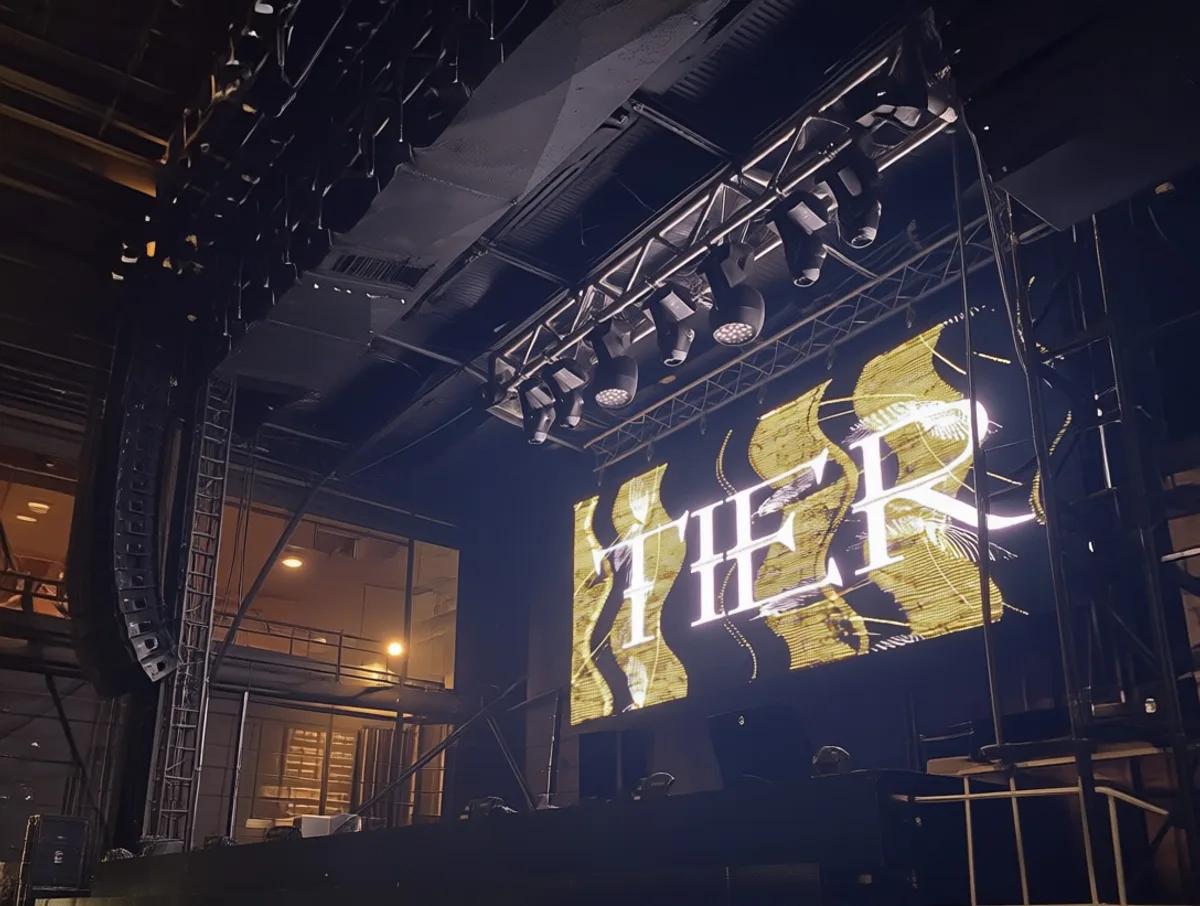
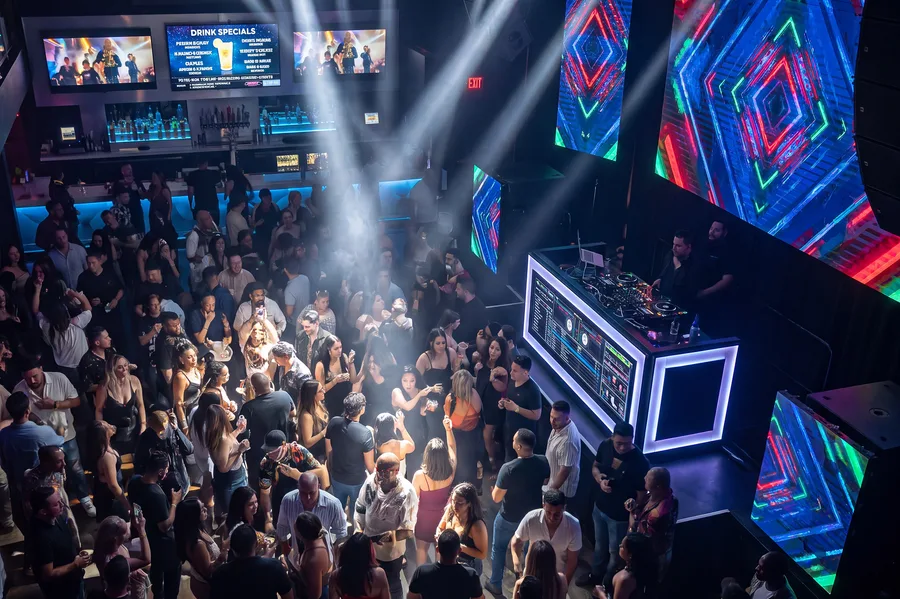
Lighting is what a phone camera actually records, so it gets designed alongside the audio rather than added by a different vendor with a different control system, which is also how it ends up on the wrong circuits. Fixtures get selected and positioned for the room's geometry, wired and addressed properly, and brought into one control layer with video and audio so states change together. LED walls get sized off real viewing distance and mounted to structure that can carry them. Everything lives in one enclosed, labeled rack on a dedicated AV network, and the system mutes and passes emergency announcements when the fire alarm calls for it.
Why Houston clubs trust us with it
Built for real electrical loads in Gulf heat
A club draws more, and more unevenly, than the building was usually planned for. Here is where our depth shows, and where our scope ends.
Hum is a symptom, not a fault
The call almost always describes a buzz, and the instinct is to suspect a loudspeaker or a cable. What we usually find is a ground path that was fine until something was added, most often lighting, LED drivers, or a video wall installed later by someone else on whatever circuit was available. Diagnosing it means looking at the whole system rather than swapping components, which is why rooms that have had three vendors are the hardest ones to clean up. Designing it correctly the first time costs almost nothing extra and removes an entire category of problem that otherwise recurs every time the room changes.
Heat, humidity, and where the rack lives
Three local realities shape the build. Summers are long and hot and a club adds a room full of people on top of that, so the equipment room gets real cooling and stays at or below 75 degrees, because temperature is the single most expensive variable in how long a system lasts. Gulf humidity condenses inside enclosures, so anything outdoors gets sealed and drained properly. Flooding history makes rack placement a design decision rather than a convenience: raised off the floor, inside the conditioned envelope, on protected circuits with real surge conditioning.
Support after opening night
Crunchy Tech started in 2008 as an AV support operation, which is an unusual origin for an integrator and the reason the systems get built the way they do. When you spend years fixing other people's work, you learn exactly where installations cut corners. That shows up in a rack you can actually service: fully enclosed, every cable labeled at both ends, power separated from audio and data. We have opened racks that looked fifteen years old after three months in an uncooled closet, with dust caked on every surface. Around 47 percent of support tickets close inside an hour and roughly 72 percent within a day.
Where we draw the line
We are not electricians. We specify what the AV system requires, coordinate it with your licensed electrician who performs the work, and design around what the building can deliver. We do not determine code compliance. We also do not book or program talent, staff your booth, or run shows, and we do not install cameras, produce video, or run streaming as a service. We coordinate with your licensed fire alarm contractor on the emergency interface rather than providing the alarm system. We generally do not take install-only work.
What it earns back
How clean power pays for itself
Noise problems are the ones that never resolve, because everyone keeps replacing the wrong thing.
The problem that stops recurring
A hum that appears when the lights come up is the kind of fault a room lives with for years. It gets blamed on a speaker, then a cable, then a processor, and each replacement costs money and changes nothing. Meanwhile guests hear a room that sounds slightly wrong without being able to name why, which is exactly the sort of thing that shortens how long people stay. Designing the power and grounding correctly removes the category rather than the instance, and it also means the next addition, another LED wall or a lighting expansion, does not reintroduce it.
Good, Better, Best against one design
Most owners price AV like retail: a loudspeaker costs a certain amount, so a room of them should not cost much more. Worth being plain about the gap, because the processing, the amplification, the cabling, the control, and the electrical coordination take a serious share of the budget before you buy a single box. So we quote Good, Better, and Best against one design, per zone. Good is a real recommendation, not a strawman: clean power and grounding, even floor coverage, a documented booth, zoned bar and lounge, protected limits. If your budget is short of the room, we would rather value engineer it honestly than build a system that hums.
We have a hum that comes and goes. Which speaker is bad?
Probably none of them. When a buzz tracks the lighting rather than the music, appears once the rig comes up, or arrived around the time something new was installed, the cause is almost always upstream: audio equipment sharing circuits with the switching loads that lighting and LED drivers create, or a ground path that became a loop when a device was added on a different part of the building. Swapping loudspeakers or cables is the usual first response and it changes nothing, which is why rooms live with this for years and spend real money doing it. Fixing it means looking at the system as a whole, establishing what shares what, and reworking the grounding scheme rather than patching at the newest device. Rooms that have had three different vendors are the hardest, because each one solved for their own equipment.
Do you do the electrical work?
No, and we are careful about that line. Electrical work is performed by your licensed electrician. What we do is specify precisely what the AV system needs, which circuits have to be dedicated, what should never share a supply with the audio, how the system will be grounded, and what capacity the design assumes, then coordinate all of it so your electrician can run it once rather than adding to it later. We also do not determine code compliance, which belongs to the electrician and the authority having jurisdiction. Where the building genuinely cannot deliver what a design wants, we would rather find that during the consult and adjust the design than discover it at commissioning with equipment already on site. Getting this sequence right is most of the difference between an install that goes smoothly and one that produces change orders.
We are adding an LED wall to an existing room. What should we watch for?
Power and grounding first, structure second, content last, which is the reverse of how most of these conversations start. LED walls and their drivers are switching loads, so putting them on the same supply as audio equipment is one of the most reliable ways to introduce noise into a system that was previously clean. They also want a defined ground path rather than whatever is nearest. Structurally, a wall of any size has real weight and has to mount to something that can carry it, which in a converted building is not always where the design would prefer. Then there is heat, since a large wall adds load to a room that is already fighting Houston summers. None of that is difficult if it is planned. All of it is expensive if the wall goes in first and the problems get diagnosed afterward.
Where should the rack go?
Somewhere conditioned, raised, and reachable, and worth deciding early because moving it later is expensive. Three constraints drive it here. Heat, since summers are long, a packed room adds to it, and a club works its amplification harder than any other hospitality space, so an unconditioned closet will run components well past where they should sit. Humidity, which condenses inside enclosures and shortens the life of everything in them. Water is the third, since parts of this city have flooded more than once and equipment at floor level in a back-of-house room is exactly what gets lost. So the rack goes inside the conditioned envelope, raised, on protected circuits with real surge conditioning, with clearance to work. Keep it at or below 75 degrees. We have opened racks that looked fifteen years old after three months in an uncooled closet.
What We Do Here
Services available in Houston
Every system is designed, installed, and supported by our own team in Houston — never subcontracted.
AV Consulting
AV consulting from an audio visual consultant who joins at the architectural phase, designs the technology into the plan and steers the project around your business outcome.
AV Consulting in Houstonarrow_forwardVideo Wall Solutions
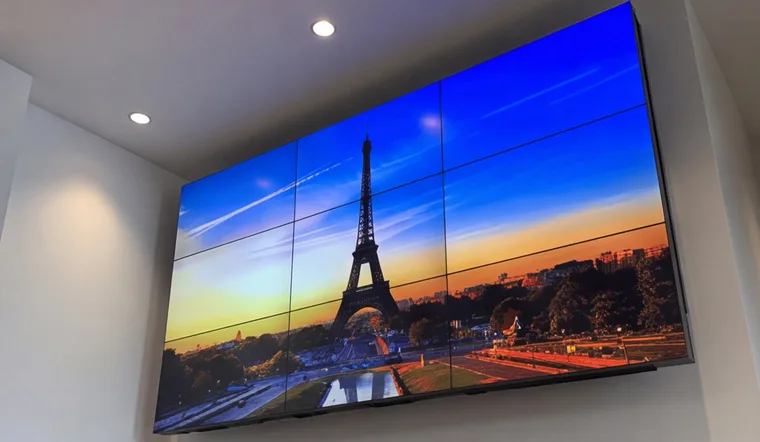
Commercial video walls across LED, LCD and Direct View. Designed, integrated, installed and supported by a national design-build AV integrator.
Video Wall Solutions in Houstonarrow_forwardCommercial Sound Systems
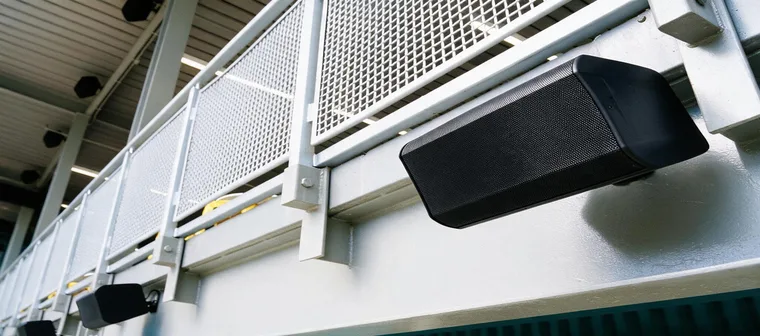
Commercial sound system design and installation: multi-zone audio engineered around how your space is used, wired and tuned on site, and supported as a partner.
Commercial Sound Systems in Houstonarrow_forwardDigital Signage Services
Design-build digital signage for hospitality and enterprise: commercial displays, content management, and installation that keeps your screens selling and current.
Digital Signage Services in Houstonarrow_forwardAV Control Systems
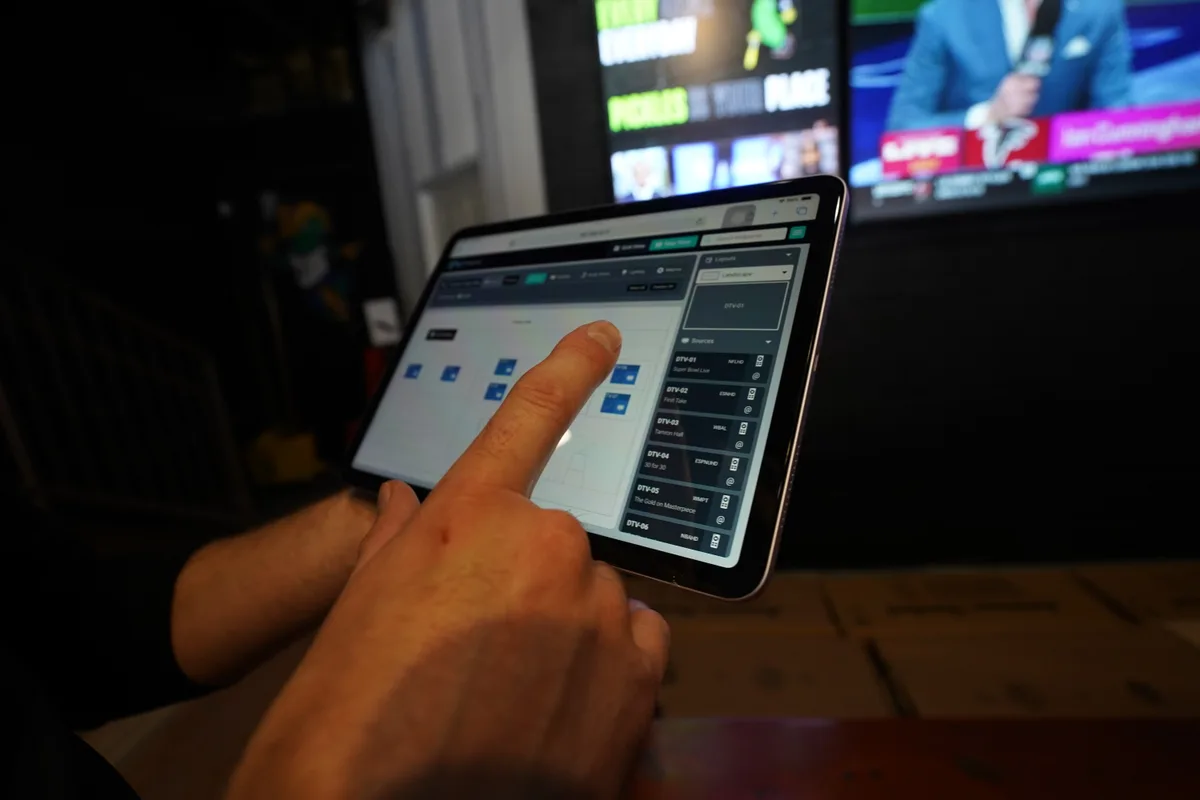
Design-build AV control systems: one iPad, wall panel, or browser runs every display, audio zone, lighting scene, and source in the room. Programmed and supported in-house.
AV Control Systems in Houstonarrow_forwardAV Programming
AV programming that starts with the right design: a vetted, interconnectable stack unified into one control system, so the whole room runs from one simple interface.
AV Programming in Houstonarrow_forwardConference Room AV
Conference room AV designed around the people using the room: video conferencing, Zoom and Teams Rooms, displays, and audio, installed and supported as a partner.
Conference Room AV in Houstonarrow_forwardLearn more about our Nightclub AV solutions
Operators who run on our systems
Client successes drive Crunchy Tech to become better. Below is how our customers feel about us.
You're a great partner with Florida Hospital and this project will make a difference in Children's Health.
Working with Crunchy Tech was a fantastic experience from start to finish. They handled the sale and installation of all our sound and TV equipment at The County Bar in Aviston, IL, and absolutely nailed it. We were on a very tight deadline, and they not only met it—they delivered top-notch quality and service the entire way. Highly professional, responsive, and easy to work with. We couldn't be happier with the results.
Crunchy's AV Services are outstanding. Staff members are experts, who really extend themselves to find the right technology for helping us reach our marketing goals in creative ways. The best thing about working with Crunchy is collaborating with the staff – they are patient, responsive, knowledgeable, and available.
Crunchy has been great to work with. They communicate well and deliver as promised.
The work Crunchy has been doing is a game changer for this industry.
Being able to reuse the existing structure created a much lower cost for the client and they were ecstatic.
Crunchy has done an amazing job on our A/V install. The sound is perfectly balanced throughout our many zones and the entire system is super simple to use.
Just do it. Spend the money. It’s well worth it. It’s not worth your time, hassle, energy, and stress of trying to make it look right and do it right when there’s somebody who has been doing it for years and has perfected the craft.
You're a great partner with Florida Hospital and this project will make a difference in Children's Health.
Working with Crunchy Tech was a fantastic experience from start to finish. They handled the sale and installation of all our sound and TV equipment at The County Bar in Aviston, IL, and absolutely nailed it. We were on a very tight deadline, and they not only met it—they delivered top-notch quality and service the entire way. Highly professional, responsive, and easy to work with. We couldn't be happier with the results.
Crunchy's AV Services are outstanding. Staff members are experts, who really extend themselves to find the right technology for helping us reach our marketing goals in creative ways. The best thing about working with Crunchy is collaborating with the staff – they are patient, responsive, knowledgeable, and available.
Crunchy has been great to work with. They communicate well and deliver as promised.
The work Crunchy has been doing is a game changer for this industry.
Being able to reuse the existing structure created a much lower cost for the client and they were ecstatic.
Crunchy has done an amazing job on our A/V install. The sound is perfectly balanced throughout our many zones and the entire system is super simple to use.
Insights
Design-Build AV Philosophy: How it Separates the Top 3% From the Rest of the Industry
We don’t sell you what we have. We design what you need. That line is the operating principle I’ve built Crunchy Tech around for the last 20 years. And it’s the single sentence that separates us - and the small handful of firms like us - from the other 97% of the commercial AV industry.
Read article arrow_forwardThe Spectacle Trap: Why Technology-Centric Hospitality AV Kills Brands
There’s a pattern I’ve watched play out for 20 years in hospitality AV, and it always ends the same way...
Read article arrow_forwardWhy AV Quotes Take Time (And Why That's a Good Thing)
"Where's my quote?"
Read article arrow_forwardLet's fix it upstream of the speakers
Tell us about the venue: the neighborhood, the capacity, whether you hear noise that tracks the lighting, what has been added to the room since it opened, what the panel looks like, and where the equipment lives. We will start with a consult to understand what you are trying to accomplish, then walk the room during a real night, and come back with one engineered recommendation instead of a parts list.
- Dedicated circuits for audio, away from the switching loads lighting and LED drivers create.
- A grounding scheme designed for the whole system rather than assembled device by device.
- Electrical requirements specified early and coordinated with your licensed electrician.
- A rack raised, conditioned, and on protected circuits, given this city's history with water.