Audio Visual Company in Atlanta
location_on Atlanta, GA

Commercial Audio Visual Company in Atlanta

Design-build audiovisual for Atlanta offices, restaurants, hotels, venues, and public buildings. Designed for how the room runs every day, built in our shop, and supported long after opening night.

Atlanta's audio visual industry grewuparoundproduction

Film and television built the audiovisual trade in this city, and that work is temporary on purpose. The crews and the gear are excellent, and everything's designed to be struck by morning.

The trouble starts when a restaurant owner or a facilities director goes looking for help. Those same companies describe themselves as audiovisual too, and the first page of results mixes them with a ranked listicle and two directories selling your contact details. You end up holding quotes that can't be compared because they were priced for different jobs with different lifespans. Month four is when that discovery usually gets expensive, when the company you hired explains, politely, that permanent commercial work isn't what they do.

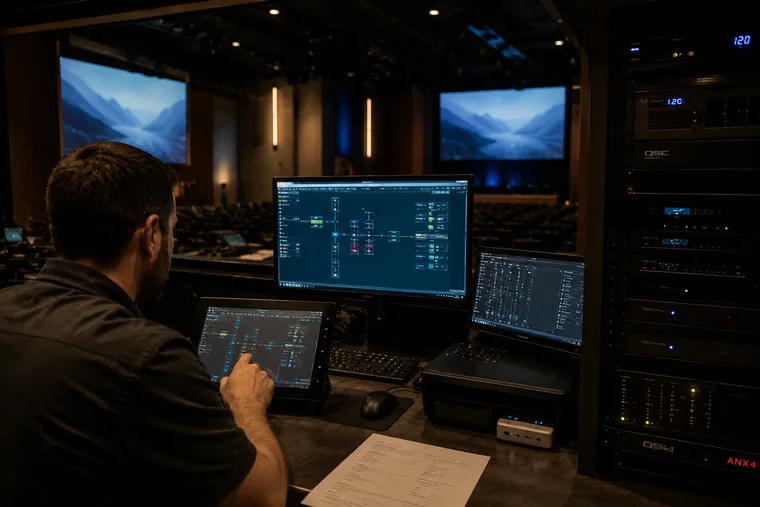
Crunchy Tech is the other kind of company. We design and install permanent commercial audiovisual: sound, displays, control layer, and the infrastructure underneath all of it. No event staging, day-rate gear, or residential work. What we do is show up as the technology partner, and hand your architect and general contractor requirements they can build to instead of guess at. The rack gets built and tested in our shop before it ever sees your site, and after install we tune, train your staff, document everything, and keep answering the phone. One company, accountable the whole way.

Atlanta's audio visual industry grew up around production
Install Atlanta's audio visual industry grew up around production Atlanta, GA

What We Do Here

Services available in Atlanta

Every system is designed, installed, and supported by our own team in Atlanta — never subcontracted.

Get a Atlanta Quote arrow_forward

Commercial AV AcrossMetroAtlanta

From Downtown and Midtown towers to Buckhead hospitality, the Westside conversions, and the office corridors north of the Perimeter, we design, install, and support commercial audiovisual systems across the metro.

2008
Serving Atlanta since
10
Neighborhoods
Downtown
Corporate · Hotels · Institutional

Downtown stacks conference floors over hotels over civic space, and each of those wants a different system, so they get designed separately and share one control layer.

Mixed use · one control layer
Midtown and Tech Square
Corporate · Venues

Midtown pairs floors of technical corporate rooms with performance spaces a few blocks away, two opposite design problems on the same street.

Corporate · performance
Buckhead
Corporate · Hotels · Restaurants

Buckhead clients usually want the hardware invisible, so the equipment hides in the architecture and coverage comes from aim rather than added boxes.

Concealed install
West Midtown and Howell Mill
Restaurants · Retail · Venues

Exposed-ceiling warehouse conversions bounce sound everywhere, and the acoustics end up choosing the speakers long before any catalog does.

Open ceiling · acoustics
Old Fourth Ward and the BeltLine
Restaurants · Bars

These are older structures with shared walls and large patios, so zoning holds the program inside the property while the patio runs its own weather-rated channel.

Outdoor · containment
Perimeter and Sandy Springs
Corporate · Institutional

Campus work here means dozens of similar rooms, and control that behaves the same in all of them beats any single showpiece.

Multi-room standard
Cumberland and Vinings
Corporate · Restaurants · Hotels

The district packs restaurants and hotels against office towers, so keeping your sound out of a stranger's lease is a design requirement, not a courtesy.

Tenant adjacency
Alpharetta and Roswell
Corporate · Restaurants

Alpharetta and Roswell issue their own permits, and an Atlanta assumption travels badly up Georgia 400.

Separate jurisdiction
Decatur
Restaurants · Institutional

Small walkable rooms sit close to neighbors, and the civic work nearby shifts the brief toward speech and paging rather than music.

Small room · speech
Airport corridor and South Fulton
Hotels · Industrial

The floor plates near the airport are big enough that announcements, not playlists, are the real audio job.

Large volume · paging

What we do here

Atlanta Audio Visual Systems, FourDifferentProblems

Four kinds of rooms fill our Atlanta calendar. Each asks a different design question, and none of them starts with an equipment list.

Offices and conference rooms

Atlanta carries more corporate headquarters than its skyline suggests, which means a lot of local work is a floor of rooms. Teams usually show up with the platform already picked and a size assumption that won't survive contact with the room. A conferencing bar that's honest work for five people gets asked to cover twenty, and whoever sits at the far end spends a year repeating themselves on calls.

We flip the order. The room comes first: its dimensions, its surfaces, and what happens in it, plus which platform your people and clients use, because Teams Rooms and Zoom Rooms certify different hardware. What comes back is coverage that reaches every chair and controls that behave the same on every floor.

Restaurants, bars and hotels

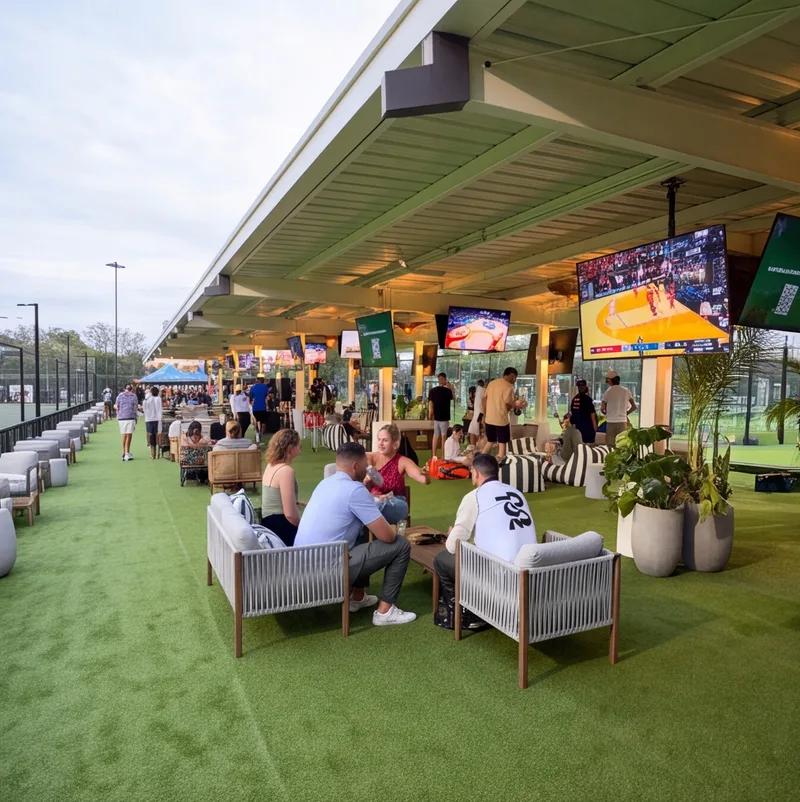
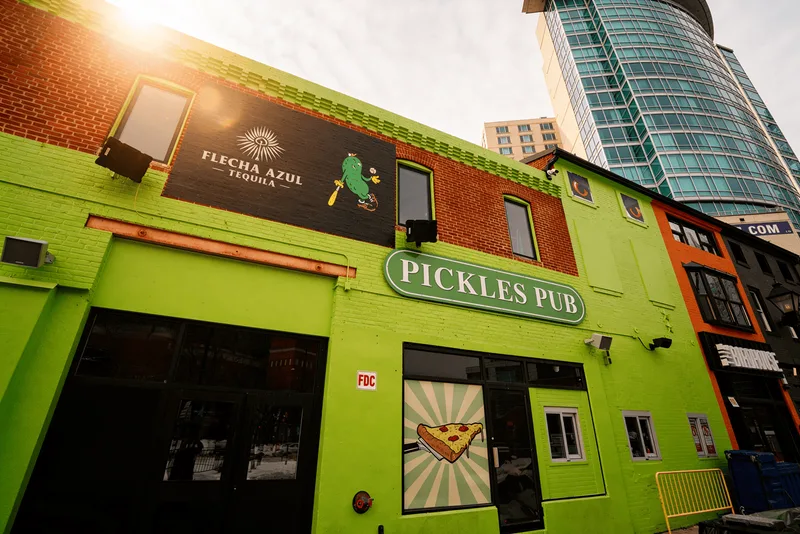
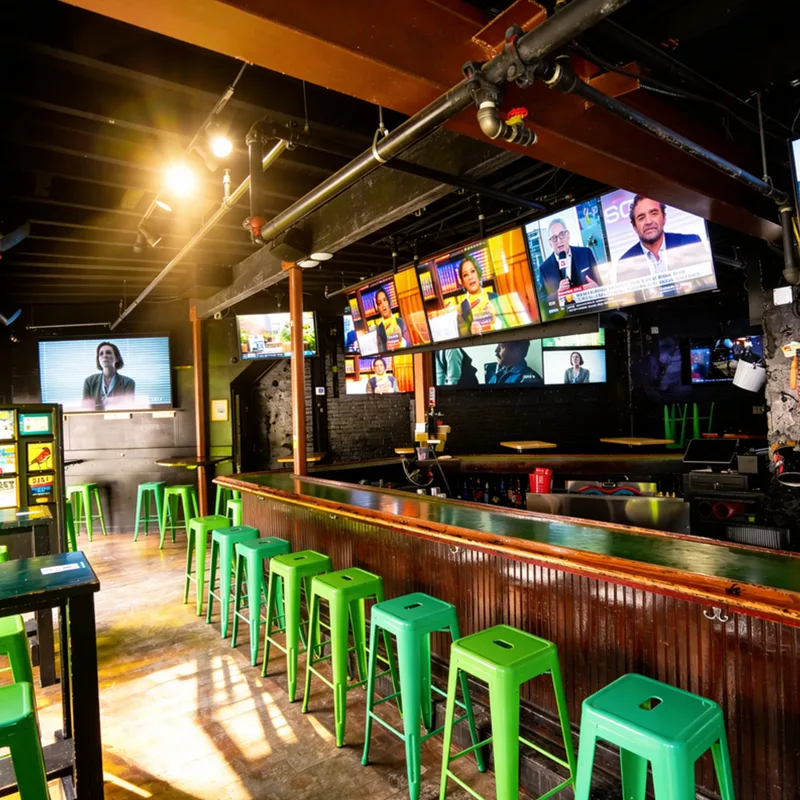
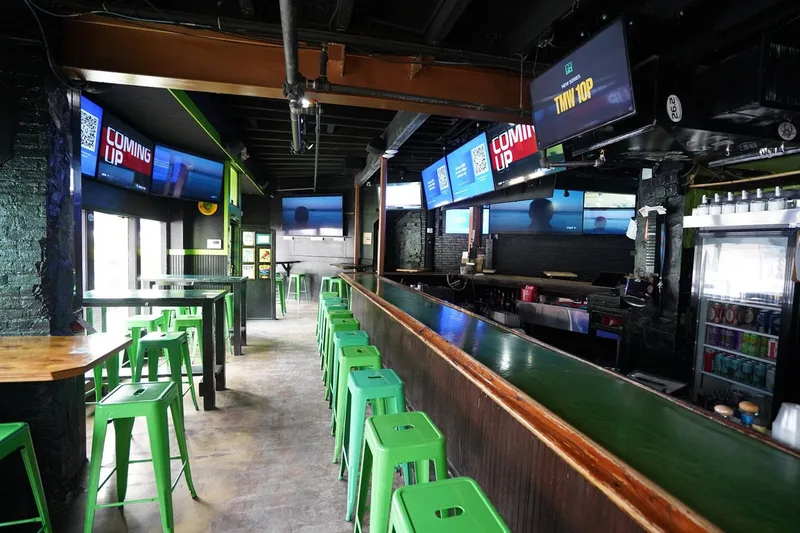
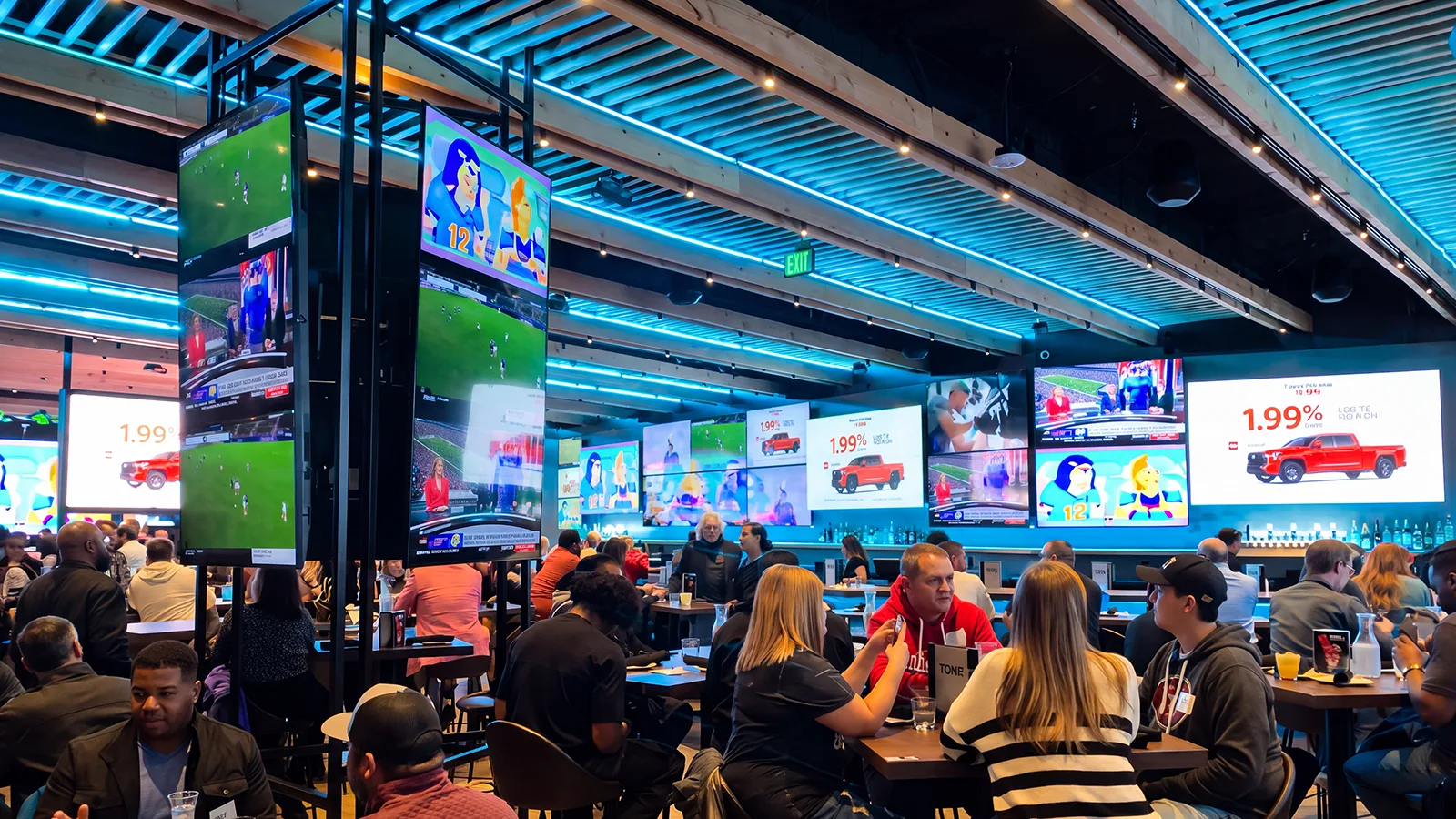
Two things give away a room whose audio was never designed: you can't hold a conversation, or you can't hear what the owner wants playing. Both usually trace to speakers hung around the perimeter, wherever the framing allowed, while the middle of the room starves and the edge tables get hammered.

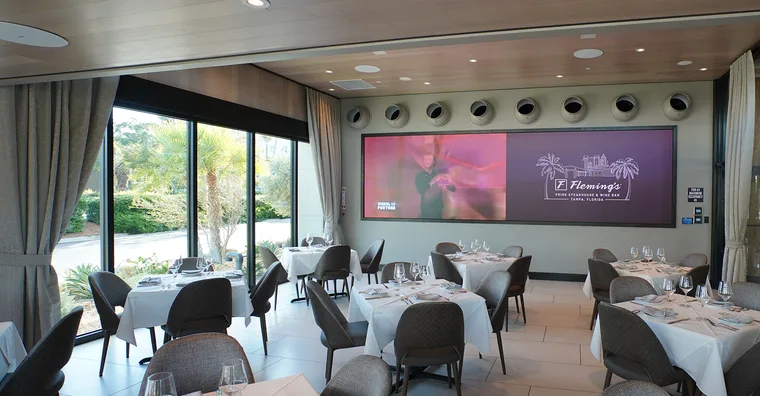
Zoning at the processor is most of the fix. Dining room and bar each get their own channel and their own tuning, and because an Atlanta patio works most of the year, outdoor runs on weather-rated hardware as a permanent zone. One honest limit before you spend anything: a sound system can't add absorption. If your room is concrete, glass, and open ceiling, the fix is acoustic treatment. That's a different trade, and we'd rather say so than sell you speakers that can't reach the problem.

Venues with live performance

Atlanta has a deep live music economy, and the installed system has to share the building with it. We've taken over rooms where the displays were hung at a height that photographed beautifully and left half the seats craning. The audio version of that mistake is a house system nobody trusts, and it sits unused while a visiting engineer patches around it.

Zoning fixes it. The performance area becomes its own zone that drops out of the house program during a set, and the rooms away from the stage stay usable until a preset brings the venue back once the band packs down. We don't book talent, and we don't mix live shows. Your engineer gets a labeled, documented tie-in point.

Public buildings and large facilities

A surprising share of Atlanta work is speech - not music - because the metro carries government offices and a dense cluster of universities. In a briefing room or a hearing room, the only question that matters is whether every word arrives intact. Microphone coverage follows how people sit and speak, and feedback margin gets engineered instead of hoped for. A room nobody can follow has failed, whatever it cost.

The big facilities add paging, and paging plays by harder rules than a playlist: an announcement has to cross a warehouse-sized volume and still make sense to somebody who can't see the exit it's naming. Government and institutional buyers often bring sourcing rules and bid formats with them, and we price to whatever's current.

There are a lot of audio visual companies in Atlanta. How do we tell which kind we need?

Ask one question: what happens after the install? That single question sorts the whole category. An event production company sets up sound and lighting for a date and hauls it away afterward - honest work, and the opposite of a permanent build. A directory listing is neither: it's a lead form wearing a website. What a restaurant, an office floor, or a venue needs is a commercial design-build integrator; one outfit that designs the system, shop-builds and tests the rack, installs, tunes, trains your staff, documents everything, and still picks up the phone in year four. That's us. Best screening question for anyone you're comparing: if the room fails on opening night, whose phone rings? When design and installation live at two different companies, both of them answer and neither one owns it.

We have three Atlanta quotes and they are nowhere near each other. How do we compare them?

A wide spread almost always means the three companies scoped three different jobs. Line up what each quote contains before comparing totals: does it include engineering drawings, or just a parts list? A parts list leaves the hard thinking to whoever shows up with a ladder. Are the display and speaker counts matched to sightlines and coverage, or copy-pasted per room? Is the rack a real enclosed cabinet with labeled cable and cooling, or a shelf? Are programming, commissioning, tuning, staff training, and as-built documentation named and priced? Those are the line items that vanish from a low bid and resurface as your problem in year two. Read the support terms, and read them in writing, because response time means whatever the contract says. The cheapest number is usually cheapest because it stops mattering on install day. Bring us a competitor's quote and we'll walk through it with you, including the times their number's fine.

When in the project should we bring you in?

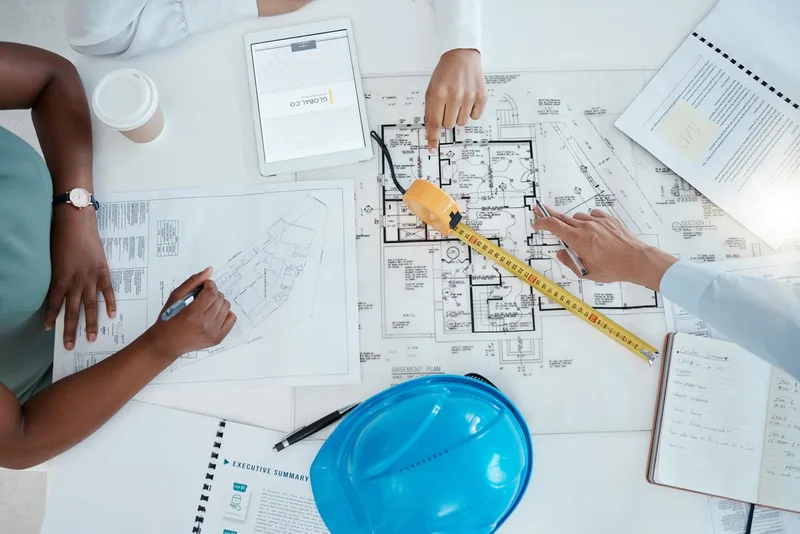
The day your architect produces a first floor plan. That's earlier than most people expect, and the logic is simple: a permit set and a contractor's bid are only as good as what's in them. Leave the technology out and your contractor is guessing at conduit sizes, pathway routes, blocking behind displays, rack power, and cooling for the equipment room. All of it is cheap while the ceiling is open (and expensive after). Projects that bring us in at the architectural phase run about 95% fewer change orders than projects where we arrive mid-construction, and that number is the whole argument. Atlanta adds one local wrinkle worth handling early: the jurisdiction reviewing your project depends entirely on the address, and a set that satisfies the City of Atlanta isn't automatically correct in Alpharetta or Sandy Springs. A project that's a year out doesn't need a big check from you yet. It needs the requirements modeled and handed to your architect while the plans can still absorb them.

Our locations are spread across the metro. Does that change the design or the approval path?

The design doesn't change. The approval path does, and metro Atlanta is more fragmented than one address suggests. The region sprawls across roughly ten counties plus the City of Atlanta itself, and cities like Alpharetta and Sandy Springs each answer to their own reviewers. We pull the requirements for the actual address before the design closes. Where it bites is anything structural or electrical, which on an AV project means display and speaker mounting, rack power, and work above a finished ceiling. Your licensed electrician owns the circuits, your structural engineer signs off on the mounting, and we coordinate with both (plus your general contractor). We're clear about our own line too: no electrical work or structural determinations. If you're running rooms in several of these cities, the smart play is one repeatable standard. Your staff see one interface and carry the same habits to any location, while the physical design flexes per building. Managers transfer without retraining, and support stops caring which suburb the problem is in.

What clients say

Operators who run on our systems

Client successes drive Crunchy Tech to become better. Below is how our customers feel about us.

Just do it. Spend the money. It’s well worth it. It’s not worth your time, hassle, energy, and stress of trying to make it look right and do it right when there’s somebody who has been doing it for years and has perfected the craft.

Matt Moore logo
Matt Moore
IT Systems Administrator · Capone's Hideout

You're a great partner with Florida Hospital and this project will make a difference in Children's Health.

Des Cummings logo
Des Cummings
Vice President of Florida Hospital · Florida Hospital

Working with Crunchy Tech was a fantastic experience from start to finish. They handled the sale and installation of all our sound and TV equipment at The County Bar in Aviston, IL, and absolutely nailed it. We were on a very tight deadline, and they not only met it—they delivered top-notch quality and service the entire way. Highly professional, responsive, and easy to work with. We couldn't be happier with the results.

Clint Flowers logo
Clint Flowers
Owner · The County Bar

Crunchy's AV Services are outstanding. Staff members are experts, who really extend themselves to find the right technology for helping us reach our marketing goals in creative ways. The best thing about working with Crunchy is collaborating with the staff – they are patient, responsive, knowledgeable, and available.

Shannon McHale logo
Shannon McHale
Marketing Specialist · IGT

Crunchy has been great to work with. They communicate well and deliver as promised.

Brian Dornbush logo
Brian Dornbush
Facilities & Operations Manager · Orange County Library System

The work Crunchy has been doing is a game changer for this industry.

Steven Fandozzi logo
Steven Fandozzi
VP of Information Technology · Foundation Partners

Being able to reuse the existing structure created a much lower cost for the client and they were ecstatic.

Seminole State College logo
Seminole State College
Facilities · Seminole State College

Crunchy has done an amazing job on our A/V install. The sound is perfectly balanced throughout our many zones and the entire system is super simple to use.
Steve Glum logo
Steve Glum
Chief Marketing Officer · Ace Cafe
Talk to an Atlanta AV designer

Let's find out what your rooms actuallyhavetodo

Bring us the address, the schedule, and the names of your architect and general contractor if they exist yet. Pre-construction, we work straight from the drawings. Mid-construction, we start with what each room has to accomplish, walk the site to see what the building and its jurisdiction will actually allow, and come back with one engineered scope instead of a parts list.

  • Permanent commercial systems only. Film crews strike their work by morning. Ours has to run for a decade.
  • Requirements in the plan set at the architectural phase, before the permit submission.
  • Drawings your general contractor can bid and build from, not a recommendation memo.
  • The people who design it install it, which leaves the accountability nowhere to hide.
  • Doing this since 2008.