AV Installation Detroit | Commercial AV Company
location_on Detroit, MI

Commercial AV Installation in Detroit

Design-build audiovisual for Detroit offices, plants, restaurants, and civic rooms, in the one American market where the client's engineers review the drawings and we like it that way.

In Detroit, somebody on the client's side actuallyreadsthespec

A century of building cars trained this town to buy differently. The corporate client in metro Detroit is, more often than anywhere else we work, an engineering organization, and when you hand over a line diagram, someone qualified sits down and reads it. They ask what the amplifier does at thermal limit. They want the failure mode of the control processor, the service loop lengths, the reason this connector and not that one. Vendors from softer markets find this exhausting. We find it clarifying, because a buyer who reads the drawings can tell the difference between engineering and a brochure, and that's a contest we've never minded entering. The bluff-proof customer is the best customer this industry has.

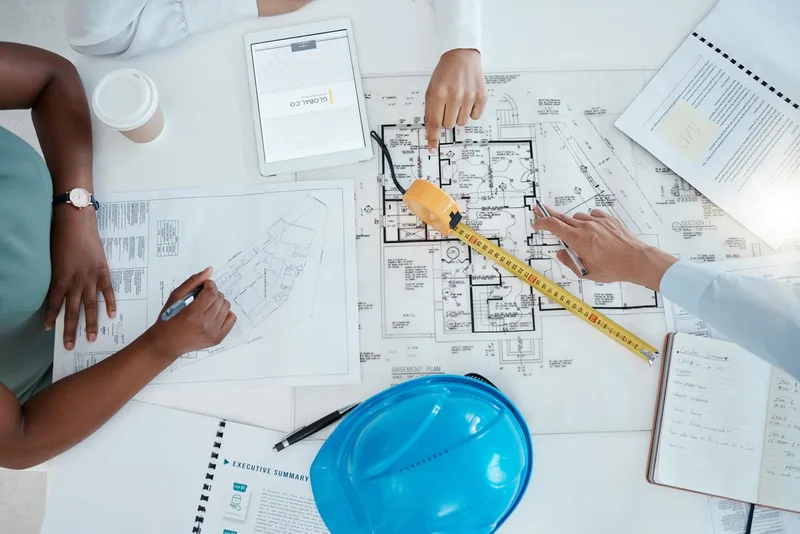
So a Detroit project gets the file it deserves from the start. Real drawings with the reasoning attached, equipment selections that can survive a why, documentation built the way a supplier quality manual is built, because half our clients here will file it in one. Then the process runs as it always does: the rack assembled and burned in at our shop, install, on-site tuning, training your people, and support that mostly resolves from our desks, with about 47% of tickets closed inside an hour. One company owns the outcome from first drawing to fourth-year service call. Since 2008, and never once out-engineered by our own paperwork.

In Detroit, somebody on the client's side actually reads the spec
Install In Detroit, somebody on the client's side actually reads the spec Detroit, MI

Commercial AV AcrossMetroDetroit

Downtown and Corktown, Midtown and Eastern Market, and the supplier-belt suburbs from Dearborn to Troy that each run their own city hall.

2008
Serving Detroit since
10
Neighborhoods
Downtown
Corporate · Hotels · Restaurants

Downtown's Art Deco stock is glorious and acoustically merciless, and what a protected lobby will tolerate gets answered before anything gets drawn.

Historic · acoustics
Corktown
Restaurants · Bars

Corktown's storefronts pack brick rooms against shared walls, where a fleet of quiet speakers beats a loud few every night of the week.

Party wall · coverage
Midtown
Institutional · Restaurants

Midtown's anchor institutions buy speech-first rooms on committee calendars, and design readiness is worth months there.

Institutional · speech
Eastern Market
Venues · Restaurants · Industrial

The market's sheds are big, hard-surfaced, and multi-use, which makes zoning and announcement clarity the whole design.

Large volume · zoning
New Center and the Boulevard
Corporate · Institutional

New Center's landmark floors host healthcare and corporate admin whose rooms need one standard, documented well enough to audit.

Multi-room standard
The stadium and arena district
Bars · Restaurants

Event-night rooms triple without warning, so systems get tuned for the quiet Tuesday and stress-tested for the packed Saturday.

Peak-and-median
Dearborn
Corporate · Restaurants

Dearborn runs its own permits and hosts engineering buyers who read every drawing, which we consider the good news twice over.

Separate city · technical buyer
Royal Oak and Ferndale
Bars · Restaurants

The Woodward-corridor rows run late against close neighbors, and both cities review their own projects on their own clocks.

Separate cities · late night
Troy and the northern office belt
Corporate

The I-75 office belt buys rooms by the floor under suburban city halls, where the repeatable standard is the actual product.

Separate cities · multi-room
Auburn Hills and the tech corridor
Corporate · Industrial

The northern tech corridor mixes briefing centers with working floors, two acoustic worlds that often share one building.

Office-plant hybrid

What we do here

Detroit AV Design for BuyersWhoChecktheMath

Four kinds of buyers anchor our metro Detroit work, and the biggest one brings its own engineers to the review.

Automotive, suppliers, and engineering-led offices

The corporate campuses stretched from downtown out through the supplier belt buy conference floors, training centers, and briefing rooms the way they buy components: to a specification, with a review, expecting documentation. We build the submittal package accordingly, drawings that match reality, selections with the reasoning shown, as-builts a quality engineer can audit years later without calling us. The rooms themselves need what engineering rooms everywhere need, the far end of a long table heard clearly on every platform, a floor of rooms that behave identically, controls nobody has to relearn. The difference here is that the client can verify all of it, and the vendors who resent that tend to be the ones who couldn't pass the check.

Plants, training floors, and industrial rooms

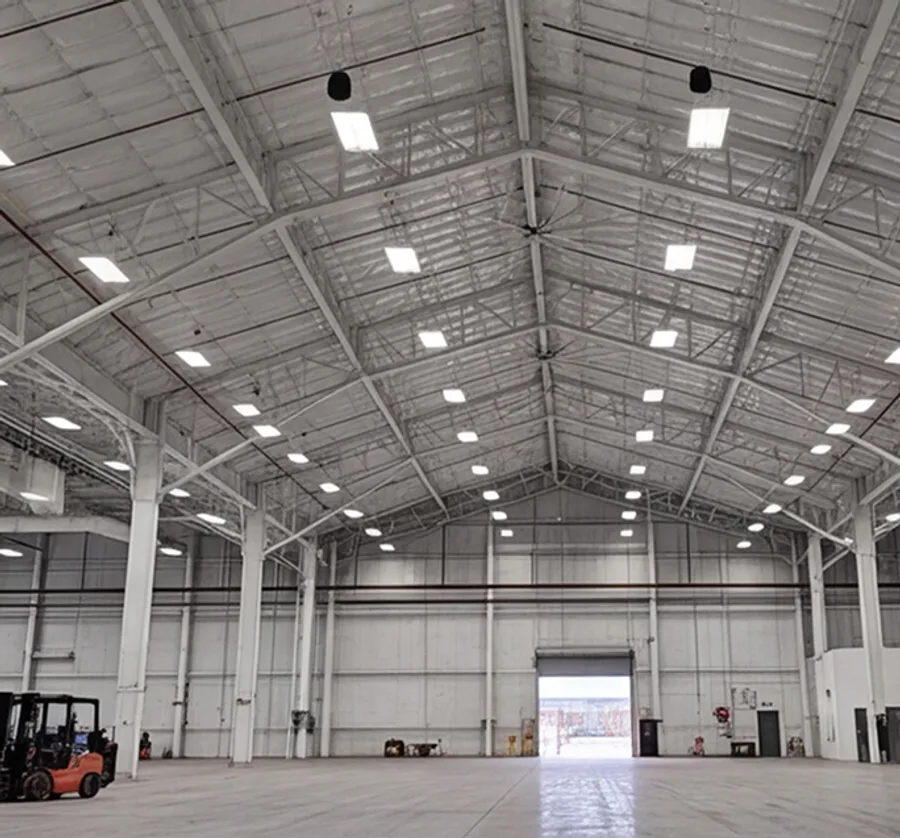
Manufacturing space asks audio a harder question than any dining room, since a training area or a briefing zone often sits within earshot of a working line, and the system has to put intelligible speech into ears that machinery is actively competing for. Coverage gets designed from measured ambient levels, not assumptions, and announcements get engineered as their own discipline, an instruction crossing a plant floor has to arrive whole at a workstation whose occupant is wearing hearing protection and watching a machine. Shift patterns shape everything else, because a plant's systems get operated by three crews who never meet, so controls stay simple, training gets documented, and the system survives handoffs the way the line itself does.

Restaurants, bars, and the downtown revival

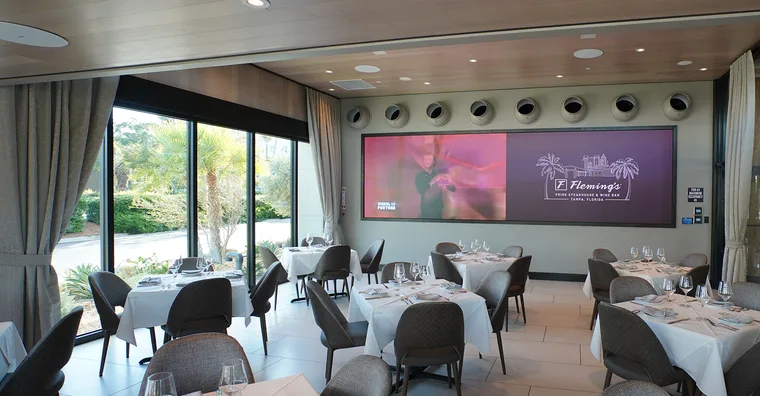
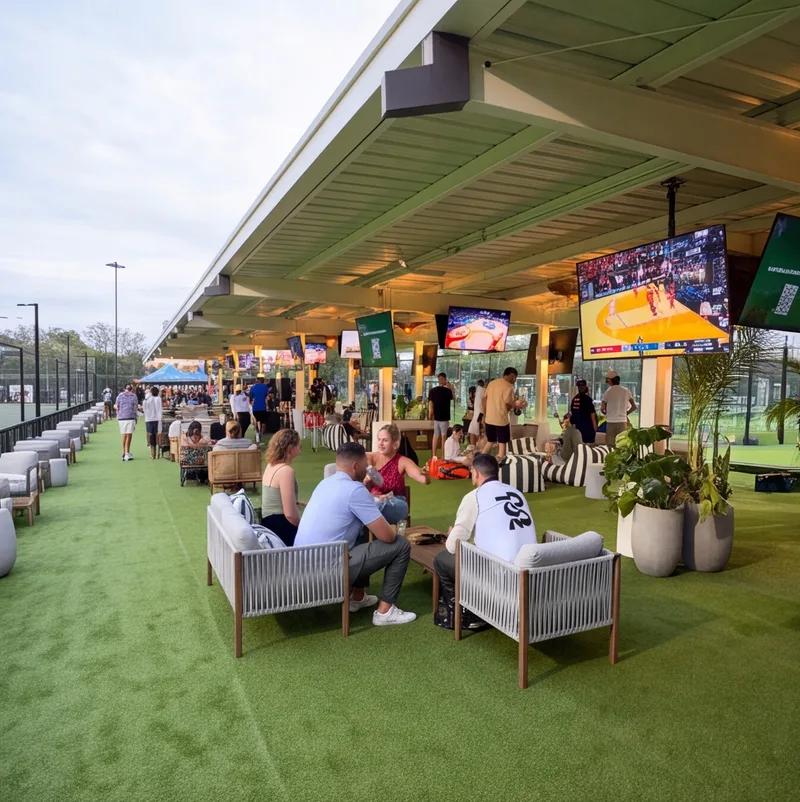
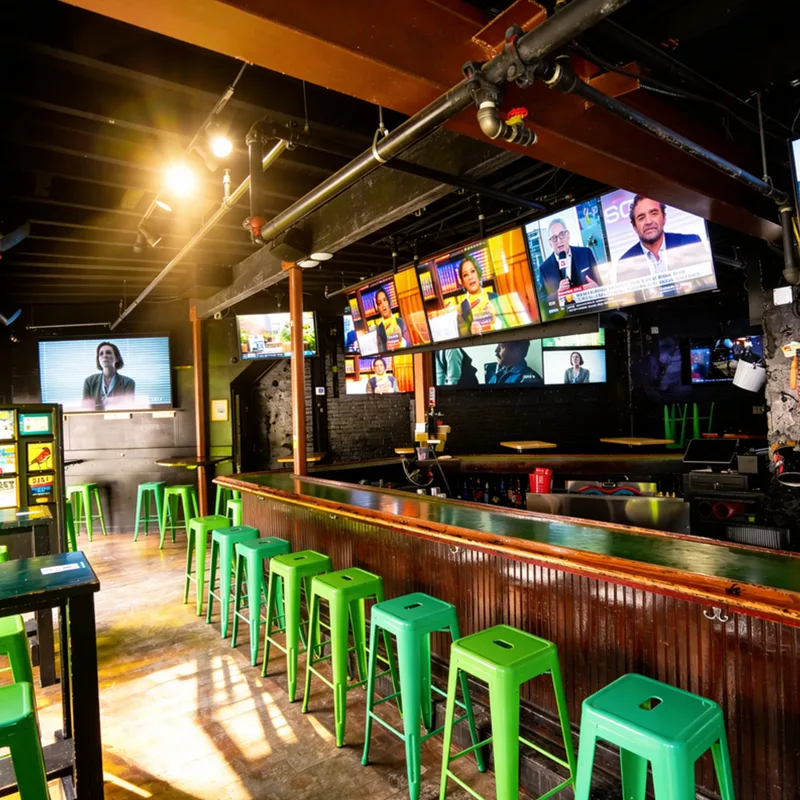
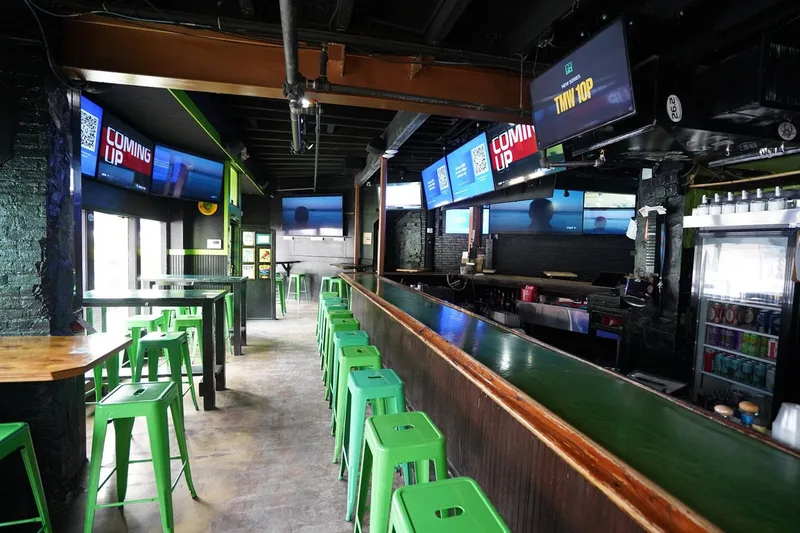
Detroit's dining renaissance runs through some of the best bones in the Midwest, Corktown storefronts, Eastern Market sheds, downtown's rescued Art Deco towers, and every one of those rooms plays acoustic hardball. Brick, tile, and plaster fling sound everywhere, so coverage comes from a fleet of small speakers kept polite, zones hold the bar's energy away from the tables, and the wall you share with the neighbor stays a wall rather than a membrane. The new builds rising around the stadiums and along Woodward flip the equation, since getting pathway and backing into open framing costs pocket change. Patios earn a real season here and then meet a Michigan winter, so outdoor hardware gets bought for the February it will definitely see, not the July it was photographed in.

Civic rooms, healthcare, and the anchor institutions

The city's institutional buyers, municipal chambers, county facilities, hospital systems, campus buildings, buy speech rooms on public timelines, and the test never changes: the person in the last row follows every word or the money was wasted. Microphone plans lead, feedback margin gets engineered, and the controls get sized to whoever actually staffs the room, which is rarely a technician. Public and institutional bids arrive with documentation formats and sourcing rules, and we price to the current version as written. Multi-campus healthcare systems get the standardization treatment, one interface and one training across every site, because a nurse educator teaching in three buildings shouldn't need three sets of habits. Stream-capable rooms get the outlet built in, and running the stream stays with your team.

Our engineering team will want to review your design before we sign anything. Is that a problem?

It's the opposite of a problem, and in this market it's half the reason we win work. Send us your review requirements up front and the package arrives built for them: dimensioned drawings that match the actual space, a line diagram of every connection, equipment selections with the reasoning attached rather than asserted, cable schedules, load calculations packaged for your structural engineer where mounting demands them, and the network architecture written so your IT team can review it like any other system. Your reviewers will find things to question, good reviewers always do, and the design gets better for it, which is precisely how the process is supposed to work. What we've learned from years of automotive-adjacent clients is that the review isn't adversarial, it's the client protecting a decade of operation, and a vendor whose design can't survive questions was going to fail you later anyway, just more expensively. Crunchy Tech has been doing this since 2008, and we started as the support company that fixed undocumented systems, which is why ours arrive documented. Bring your toughest reviewer. We'll bring the file.

We need AV in a training area right off the plant floor. What's different about that?

Everything starts from the noise floor, and the noise floor is measured, never guessed. A training room beside a working line lives in an acoustic environment no office ever meets, steady machinery noise that shifts with production, and speech has to land intelligibly inside it for people who may be wearing hearing protection an hour before class. So the design opens with measurement at real operating levels, and everything follows from the numbers: speaker placement and quantity chosen for even coverage at the level the room genuinely requires, microphone strategy that rejects the line noise behind the instructor, and zoning that lets the space flip between briefing, training, and break use without anyone fighting the system. Durability gets specified for the environment too, since dust, vibration, and washdown-adjacent conditions retire office-grade hardware early. The operational half matters as much as the acoustic half: three shifts of crews who never meet will run this room, so the controls stay obvious, the training gets documented, and the system survives handoffs the way your line does. Announcements are their own engineering, built so an instruction arrives whole at a workstation instead of merely loud near a speaker.

Half our sites are in Dearborn, Troy, and Auburn Hills. Who actually permits what out here?

Each city permits its own, and metro Detroit is more federated than outsiders ever expect. Dearborn, Troy, Royal Oak, Ferndale, Auburn Hills, Southfield, and the rest each run their own building departments with their own review queues, Detroit proper runs its own, and the county layers sit above address pockets besides, so a portfolio spread across the metro is really a portfolio spread across a dozen city halls. That's our paperwork, and it stays ours: correct filings per city, correct inspectors, honest sequencing when one hall runs slower than another, with none of it surfacing on your desk beyond a schedule you can trust. The systems themselves ignore the municipal map completely. One interface, one preset logic, one training from your downtown floor to the Auburn Hills briefing center, with documentation uniform enough that support never asks which suburb the ticket came from. About 47% of those tickets close remotely inside an hour, from any city hall's jurisdiction. Your managers move between sites without relearning anything, and the only people tracking twelve permitting processes are the ones you hired to.

What actually kills AV equipment in Michigan, and how do we buy against it?

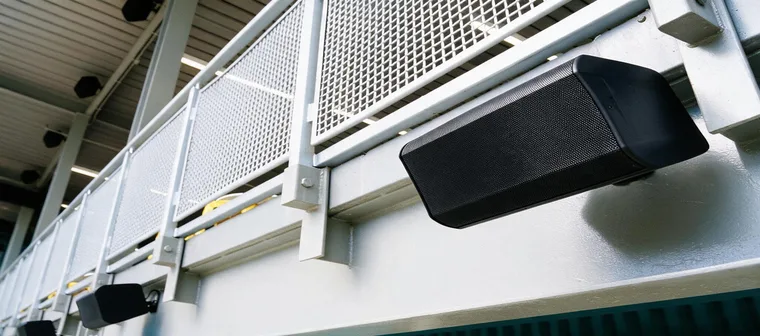
Winter kills the outdoor gear and neglected closets kill the indoor gear, and both deaths are preventable at purchase time. Outside, the mechanism is freeze-thaw cycling, this state crosses freezing dozens of times a season, and every crossing works the seals, gaskets, and housings a fraction looser until moisture finds the way in, at which point the failure gets blamed on the brand instead of the specification. So outdoor hardware gets chosen for cycling endurance rather than a single low-temperature number, mounts get metals that ignore road salt, and enclosures get rated for the ice load they'll genuinely carry. Inside, the killer is quieter: equipment closets without dedicated cooling, where summer humidity and trapped heat cook components toward early retirement, and the funeral shows up in year three wearing a bad-luck costume. The rack gets a room that holds 75 degrees, power that isn't shared with kitchen or shop equipment, and surge protection as standard equipment, since Michigan's storm seasons audit that line too. None of this is exotic. It's just buying for the state you're actually in, and it's dramatically cheaper than buying twice.

What clients say

Operators who run on our systems

Client successes drive Crunchy Tech to become better. Below is how our customers feel about us.

Just do it. Spend the money. It’s well worth it. It’s not worth your time, hassle, energy, and stress of trying to make it look right and do it right when there’s somebody who has been doing it for years and has perfected the craft.

Matt Moore logo
Matt Moore
IT Systems Administrator · Capone's Hideout

You're a great partner with Florida Hospital and this project will make a difference in Children's Health.

Des Cummings logo
Des Cummings
Vice President of Florida Hospital · Florida Hospital

Working with Crunchy Tech was a fantastic experience from start to finish. They handled the sale and installation of all our sound and TV equipment at The County Bar in Aviston, IL, and absolutely nailed it. We were on a very tight deadline, and they not only met it—they delivered top-notch quality and service the entire way. Highly professional, responsive, and easy to work with. We couldn't be happier with the results.

Clint Flowers logo
Clint Flowers
Owner · The County Bar

Crunchy's AV Services are outstanding. Staff members are experts, who really extend themselves to find the right technology for helping us reach our marketing goals in creative ways. The best thing about working with Crunchy is collaborating with the staff – they are patient, responsive, knowledgeable, and available.

Shannon McHale logo
Shannon McHale
Marketing Specialist · IGT

Crunchy has been great to work with. They communicate well and deliver as promised.

Brian Dornbush logo
Brian Dornbush
Facilities & Operations Manager · Orange County Library System

The work Crunchy has been doing is a game changer for this industry.

Steven Fandozzi logo
Steven Fandozzi
VP of Information Technology · Foundation Partners

Being able to reuse the existing structure created a much lower cost for the client and they were ecstatic.

Seminole State College logo
Seminole State College
Facilities · Seminole State College

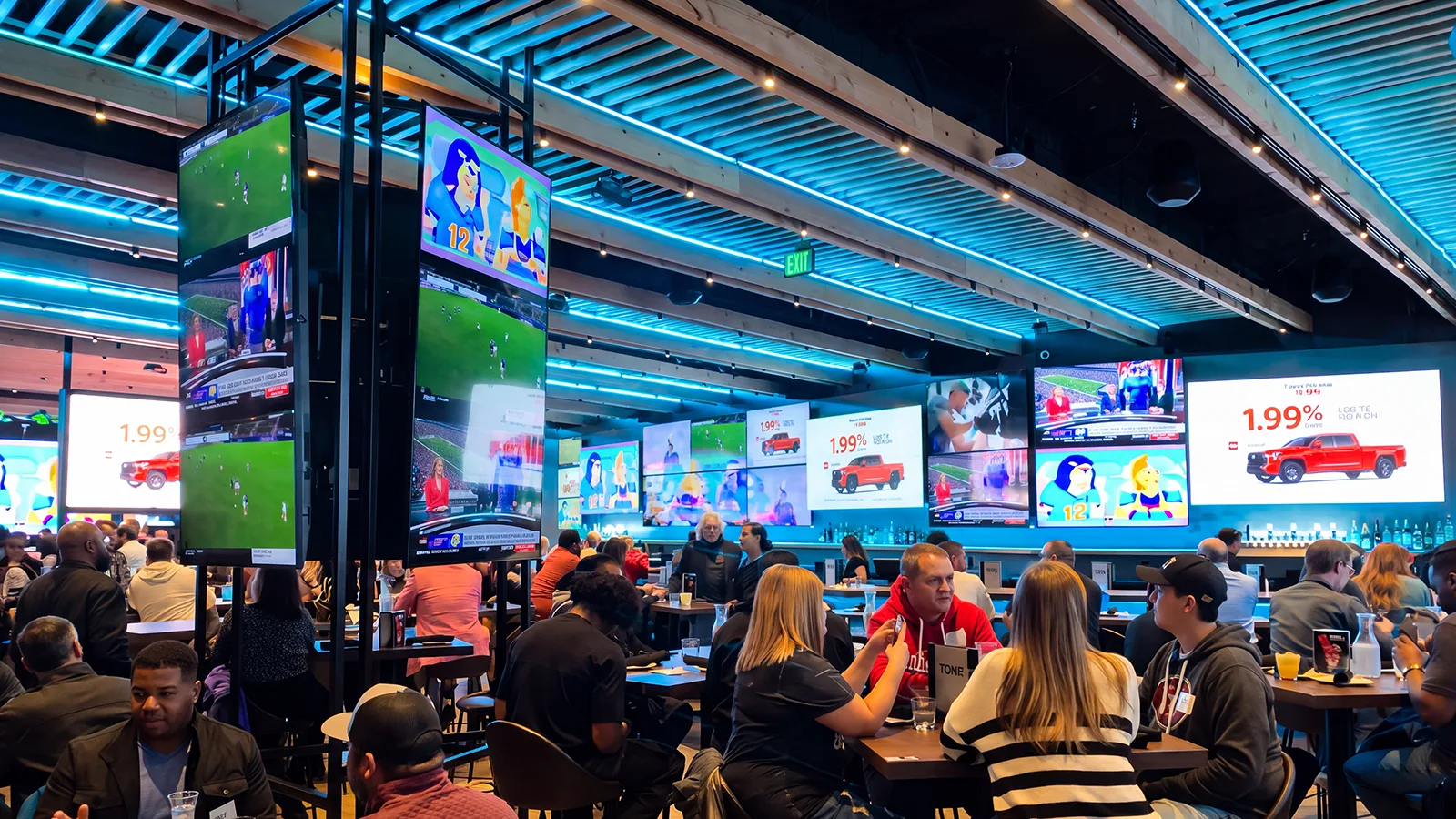
Crunchy has done an amazing job on our A/V install. The sound is perfectly balanced throughout our many zones and the entire system is super simple to use.
Steve Glum logo
Steve Glum
Chief Marketing Officer · Ace Cafe
Talk to a Detroit AV designer

Bring your toughest reviewer, we'llbringthefile

Tell us the address, which city actually permits it if you know, and whether your engineers will want the drawings, because ours arrive ready for that. The consult establishes what each room earns for the operation, the walk measures the building and its noise floor where one exists, and what lands on your desk is a scope your contractor can price and your reviewers can take apart line by line.

  • Submittal packages built for clients whose engineers read every page.
  • Plant-adjacent rooms designed from measured noise floors, never assumptions.
  • A dozen suburban city halls' paperwork carried natively, invisible to you.
  • Outdoor hardware specified for freeze-thaw cycling, not brochure weather.