AV Company in Kansas City
location_on Kansas City, MO

Commercial AV Company in KansasCity

Design-build audiovisual for Kansas City offices, agencies, restaurants, and civic buildings, with paperwork that survives a federal file and rooms that survive a Missouri summer.

In Kansas City the buyer often worksforthegovernment

Few people outside this town realize how federal it is. Kansas City carries one of the biggest concentrations of federal employment in the country outside Washington, agencies most locals could name off the top of their head, plus the contractors and processors that orbit them. That shapes how commercial AV gets bought here in ways that have nothing to do with the technology. A federal-adjacent buyer doesn't just want the room to work. They want the sourcing documented, the invoice structured the way their process requires, the training recorded, and the as-built drawings filed where an auditor can find them in four years. Companies that treat that as annoying paperwork lose these clients. It isn't annoying. It's the job.

Crunchy Tech is comfortable in that world and in the ordinary one next door. For agency and contractor work, we bid to the requirements as written, document to the standard asked, and confirm specifics per project instead of assuming last year's rules held. For the restaurants, offices, and civic buildings that make up the rest of our Kansas City work, the same discipline just reads as thoroughness: engineering your contractor can price, a rack tested at our shop before it ever ships, install, tune, train, and documentation that matches the wall. One company holds it end to end, from the first site walk through the support years, and the file stays clean the whole way. Since 2008.

In Kansas City the buyer often works for the government
Install In Kansas City the buyer often works for the government Kansas City, MO

Commercial AV AcrosstheKCMetro

Downtown and the Crossroads, the Plaza and Westport, North Kansas City, and the Johnson County corridor across the state line. Two states, one standard.

2008
Serving Kansas City since
10
Neighborhoods
Downtown and the Power & Light District
Corporate · Hotels · Bars

Downtown stacks office floors over nightlife, and keeping each tenant's sound inside its own lease is design work, not luck.

Mixed use · containment
Crossroads Arts District
Restaurants · Bars · Venues

Crossroads brick-and-timber rooms hand the acoustics the first vote, and the speaker plan follows the building.

Conversion · acoustics
River Market
Restaurants · Retail

Small storefronts with shared walls do better with many quiet sources than a few loud ones, every time.

Small room · coverage
Country Club Plaza
Retail · Restaurants · Corporate

Plaza rooms tolerate zero visible gear, so everything tucks behind the finishes and careful aim carries the coverage.

Concealed install
Westport
Bars · Restaurants

Westport's century-old buildings run loud and late against close neighbors, which makes zoning the first decision.

Late night · zoning
Crown Center and Hospital Hill
Corporate · Institutional

Campus work here means many similar rooms under one standard, and the standard is worth more than any single space.

Multi-room standard
North Kansas City
Industrial · Bars

North Kansas City is its own municipality with its own reviewers, small on the map and independent on paper.

Separate city
Johnson County corridor
Corporate · Restaurants

Overland Park and its neighbors sit in Kansas, where the licensing and permitting rules change with the state.

State line · separate rules
Lee's Summit and the east metro
Restaurants · Retail · Corporate

The eastern suburbs permit independently and build new, which makes early involvement cheap and late involvement expensive.

Separate jurisdictions · new build
Kansas City, Kansas and the west bottoms
Industrial · Venues

KCK is a different city in a different state, and the paperwork knows it even when the skyline doesn't.

State line

What we do here

Kansas City AV Design, Audit-ReadyandRoom-Smart

Four kinds of buyers anchor our Kansas City work, and one of them reads every line of the file. We write the file accordingly for all four.

Agencies, contractors, and compliance buyers

Federal and federal-adjacent work runs on the bid, and the bid is the truth. Whatever it specifies about equipment sourcing, documentation, personnel, or process, that's what gets delivered, and we confirm the current requirements per project rather than assuming anything carried over. The rooms themselves are usually training centers, briefing rooms, and conference floors, speech-first spaces where the back row hearing every word is the entire point. What sets this vertical apart is the afterlife of the work. As-builts get filed, training gets documented, and every cable label matches a drawing somebody can pull during a review years later. Plenty of integrators can build these rooms. Fewer can prove they built them, and the proof is what the client actually buys.

Offices and professional firms

Kansas City's private-sector base runs deeper than its reputation, with engineering firms, financial back offices, and headquarters operations spread from downtown to the Johnson County corridor. Their rooms fail the usual ways. Hardware that was engineered for a small table gets aimed at a long one and the far seats drop out of every call, or a floor of rooms grows one procurement decision at a time until no two behave alike and staff trust none of them. We work from the room instead of the catalog: measure it, learn what happens in it, confirm which platforms your people and clients actually use, and then standardize the control layer so every room on the floor runs on the same habits. The gear list comes out of that process, never ahead of it.

Restaurants, bars, and gathering rooms

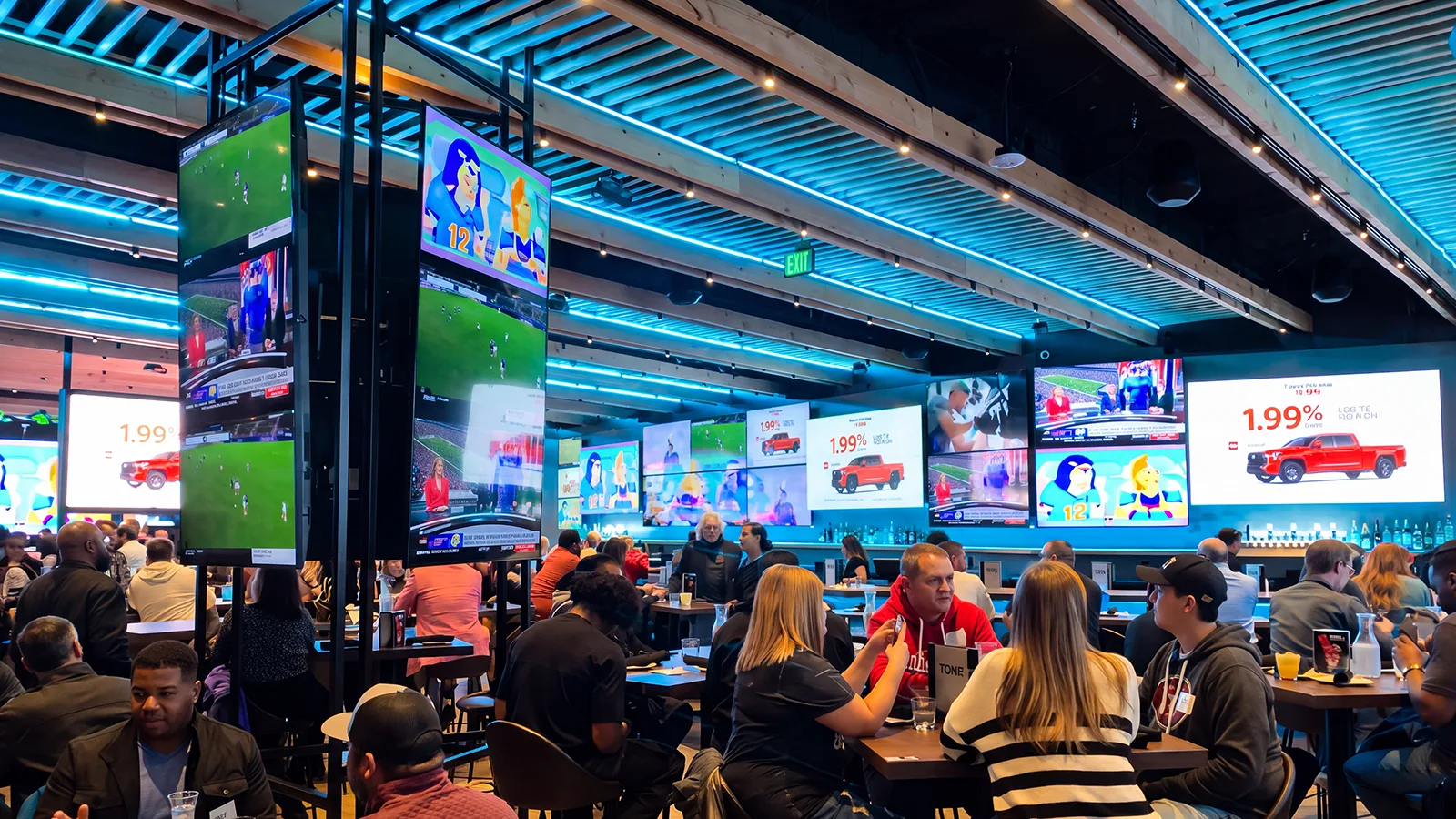
This is a city that takes its hospitality personally, and its rooms range from Crossroads conversions to new builds out south. The conversions play by acoustic rules, brick and timber bouncing everything, so coverage comes from plenty of small speakers run gently and zones that let the bar push while the dining room stays conversational. The new builds are the cheap win when we're in before drywall, since pathway and backing land in the framing for pocket change. Patios earn hard from April to October here and then take an ice storm to the face, so outdoor hardware gets chosen for the whole calendar, not the pleasant half. Give the closing crew one button that shuts the patio down at close and the neighbors stay friendly.

Civic buildings and public rooms

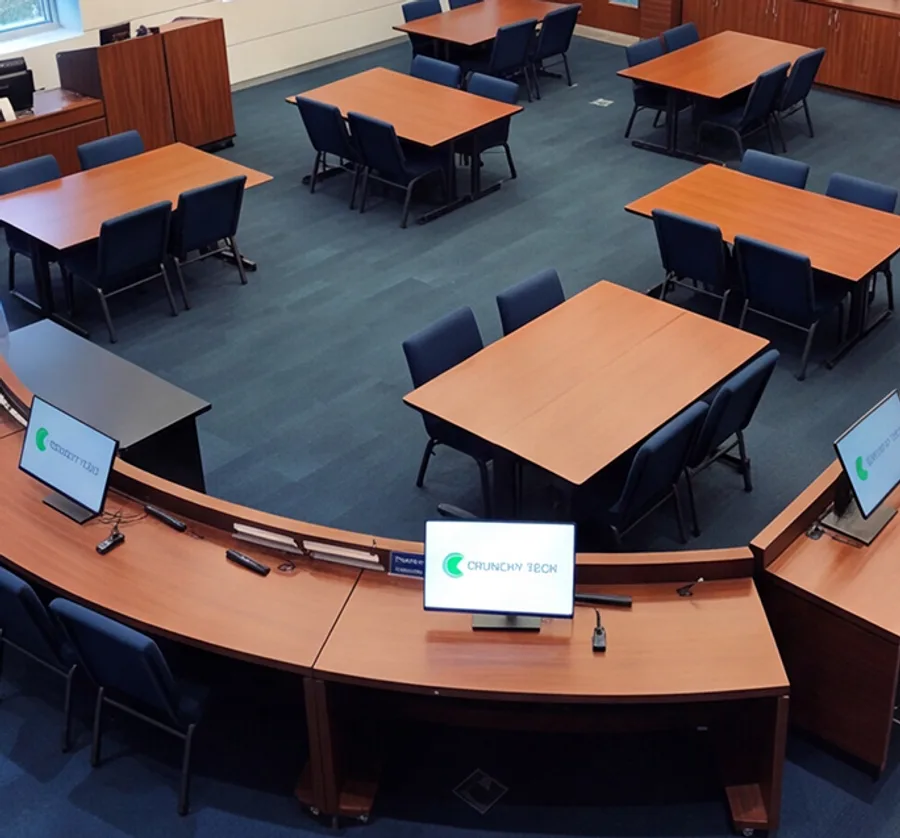
Council chambers, courtrooms, libraries, and training facilities across both states of this metro share one non-negotiable: the citizen in the last row has to follow the proceedings, and no budget survives failing at that. Microphone strategy leads, feedback margin gets engineered, and the controls stay simple enough that whoever staffs the meeting can run the room alone. Public buyers here bring sourcing rules and bid formats, and we price to the current version of every one. Big facilities lean on announcement systems, which obey harder physics than music, since an instruction has to cross a concrete volume and still make sense to somebody walking away from the loudspeaker. Where a chamber needs to feed a stream, we build the outlet in. Operating the stream stays with your staff.

We're a federal contractor. What do you actually know about working our side of the fence?

Enough to respect the bid, which is the entire secret. Government and government-adjacent work runs on the requirements as written, and everything we deliver falls inside the safety practices, documentation, and sourcing rules the job specifies. Where a project calls for particular equipment ratings or restricted sourcing, that goes into our bid rather than getting discovered later, and where personnel requirements apply to who works on site, we staff to them and prove it through your process. We confirm the current specifics per project instead of assuming anything rolled over from the last one, because these rules change and assuming is how contractors end up on the wrong side of a review. The habits transfer from the rest of our work anyway. Crunchy Tech has been doing this since 2008, and we started as the support company that fixed other people's undocumented systems, which taught us to build racks where every label matches a drawing. For a compliance buyer, that history reads exactly the way you'd want it to.

Half our people are downtown and half are in Overland Park. Does the state line matter?

It matters to the paperwork and almost never to the design, and keeping those two things separate is most of the trick. Missouri and Kansas license trades differently, so the electricians and low-voltage work on each side need credentials that match the state they're standing in, and the cities on each side permit independently on their own timelines. We keep all of that native to each address, right trades, right filings, right inspectors, without you having to track which rules apply where. The design side is the opposite story, deliberately. Your downtown conference rooms and your Johnson County ones should run the same interface, the same presets, and the same training, so a person who works in both buildings never thinks about which state they're presenting in. The metro made peace with its state line a long time ago. Your AV should too, and the way it does that is by treating the line as an administrative fact we manage instead of a design constraint you feel.

What actually breaks AV systems in this climate?

The calendar does, more than any single storm. Kansas City runs a ninety-degree spread across the year, ice in January and steam in July, and that cycling is what kills outdoor equipment, working seals and housings open a fraction at a time until water or humidity finds the gap. So outdoor hardware here gets chosen for the whole calendar rather than the pretty months, enclosures rated for glazing ice load, mounts anchored for spring gusts, and gasket materials that survive being frozen and cooked in the same fiscal quarter. Indoors, the killer is quieter: equipment rooms without dedicated cooling, where July humidity and trapped heat age components years ahead of schedule and the bill arrives in year three disguised as bad luck. We put the rack in a room that holds 75 degrees, protect the power against storm surges, and pick every outdoor component like it's going to see an ice storm, because here it will. None of that is exotic engineering. It's just refusing to pretend the climate is milder than it is.

How do you handle support when something fails during service on a Friday night?

Mostly from our desks, and that's a design decision made long before Friday. Systems we build monitor themselves and name the failing component, so the call that starts with something's wrong with the sound usually ends with a fix pushed remotely while the room keeps serving, and about 47% of our tickets close in under an hour that way, no truck involved. The design contributes more than the monitoring, since zoned systems fail small, meaning a patio amplifier problem never takes the dining room down with it, and labeled, documented racks mean that when hands are needed, the technician walks in knowing exactly which component and which cable rather than starting an investigation during your dinner rush. What we won't do is build a system that can only be diagnosed in person and then charge you for the visits, because that's a revenue model wearing a service plan's clothes. The honest goal is boring: failures your guests never notice, fixed before the check drops.

What clients say

Operators who run on our systems

Client successes drive Crunchy Tech to become better. Below is how our customers feel about us.

Just do it. Spend the money. It’s well worth it. It’s not worth your time, hassle, energy, and stress of trying to make it look right and do it right when there’s somebody who has been doing it for years and has perfected the craft.

Matt Moore logo
Matt Moore
IT Systems Administrator · Capone's Hideout

You're a great partner with Florida Hospital and this project will make a difference in Children's Health.

Des Cummings logo
Des Cummings
Vice President of Florida Hospital · Florida Hospital

Working with Crunchy Tech was a fantastic experience from start to finish. They handled the sale and installation of all our sound and TV equipment at The County Bar in Aviston, IL, and absolutely nailed it. We were on a very tight deadline, and they not only met it—they delivered top-notch quality and service the entire way. Highly professional, responsive, and easy to work with. We couldn't be happier with the results.

Clint Flowers logo
Clint Flowers
Owner · The County Bar

Crunchy's AV Services are outstanding. Staff members are experts, who really extend themselves to find the right technology for helping us reach our marketing goals in creative ways. The best thing about working with Crunchy is collaborating with the staff – they are patient, responsive, knowledgeable, and available.

Shannon McHale logo
Shannon McHale
Marketing Specialist · IGT

Crunchy has been great to work with. They communicate well and deliver as promised.

Brian Dornbush logo
Brian Dornbush
Facilities & Operations Manager · Orange County Library System

The work Crunchy has been doing is a game changer for this industry.

Steven Fandozzi logo
Steven Fandozzi
VP of Information Technology · Foundation Partners

Being able to reuse the existing structure created a much lower cost for the client and they were ecstatic.

Seminole State College logo
Seminole State College
Facilities · Seminole State College

Crunchy has done an amazing job on our A/V install. The sound is perfectly balanced throughout our many zones and the entire system is super simple to use.
Steve Glum logo
Steve Glum
Chief Marketing Officer · Ace Cafe
Talk to a Kansas City AV designer

Let's build the room andthefilethatprovesit

Tell us the address, which state it's in, and whether the buyer reads like a business or an agency, because we build the paperwork differently and the room just as well either way. The consult covers what each space has to earn, the walk covers what the building will allow, and the deliverable is an engineered scope your contractor can price and your auditor can live with.

  • Bid requirements delivered as written, with specifics confirmed per project.
  • Documentation built alongside the system, not reconstructed after.
  • Trades and permits kept native to each state of the metro.
  • Outdoor hardware picked for ice storms and steam, because both are coming.