Audio Visual San Diego | Commercial AV Company
location_on San Diego, CA

Commercial Audio Visual Company in SanDiego

Design-build audiovisual for San Diego's campus offices, biotech buildings, restaurants, and hospitality, in a market that builds out instead of up.

San Diego builds out,notup, and the cable knows it

Look at where this city actually works. The commercial engine isn't a cluster of downtown towers, it's mile after mile of two- and three-story campus buildings, Sorrento Valley and Torrey Pines labs, UTC offices, the Kearny Mesa belt, spread across mesas and canyons that decided the street grid long before any developer did. Horizontal geometry changes the AV problem underneath everything. Tower cities fight vertical risers and freight elevators. Campus cities fight distance, cable runs that cross courtyards and parking structures, signal limits that suddenly matter, and a conference-room standard that has to repeat identically across six buildings nobody can walk between in five minutes. It's a different sport wearing the same uniform.

We design for the horizontal version on purpose. Distances get measured before anything gets specified, since signal type and infrastructure both hinge on runs a tower never sees. The room standard gets built to travel, one interface, one behavior, one training across every building on the campus, with documentation thorough enough that building six installs as smoothly as building one. From there the discipline holds: engineering a contractor can bid honestly, a rack that arrives already exercised on our bench, install, tune, train, and support that mostly works remotely, with about 47% of tickets closed inside an hour and nobody crossing a parking lot to do it. Since 2008.

San Diego builds out, not up, and the cable knows it
Install San Diego builds out, not up, and the cable knows it San Diego, CA

Commercial AV AcrossSanDiegoCounty

Downtown and the Gaslamp, Little Italy, the beach communities, the biotech mesas, and the inland corridors to Kearny Mesa and beyond.

2008
Serving San Diego since
10
Neighborhoods
Downtown and the Gaslamp
Hotels · Bars · Restaurants

Gaslamp rooms run dense and late in historic stock, where zoning and containment keep a loud block livable.

Historic · late night
Little Italy
Restaurants · Bars

Little Italy packs rooms wall to wall, and many quiet speakers with honest zoning keep each concept inside its own lease.

Party wall · coverage
Torrey Pines and Sorrento Valley
Corporate · Institutional

Campus buildings here need one room standard that repeats across separate structures, and the cable runs get measured before anything gets bought.

Campus · long runs
UTC and University City
Corporate · Retail

UTC's horizontal office product trades tower problems for distance problems, and the design has to know which sport it's playing.

Horizontal campus
Kearny Mesa
Industrial · Corporate

Kearny Mesa's floor plates are announcement country, where intelligibility at distance outranks any playlist.

Large volume · paging
North Park and South Park
Restaurants · Bars

The uptown neighborhoods run conversation-first rooms for regulars, and evenness beats impact in every one.

Neighborhood rooms
Pacific Beach and Mission Beach
Bars · Restaurants

Boardwalk properties take the ocean's full spray, so marine-grade hardware is the baseline out here, not the upgrade.

Marine exposure
La Jolla
Restaurants · Corporate

La Jolla expects the hardware invisible and the finish flawless, which puts the whole burden on placement and aim.

Concealed install
Coronado
Hotels · Restaurants

Coronado is its own city with its own reviewers, and its resort decks live in the salt line all year.

Separate city · marine
Chula Vista and the south county
Corporate · Industrial · Restaurants

South county cities permit for themselves, and the cross-border business rhythm gives the corridor its own working calendar.

Separate cities · corridor

What we do here

San Diego AV Design for Campus-ScaleConsistency

Four kinds of buyers drive our San Diego work, and most of them operate across more separate buildings than floors.

Biotech, research, and lab-adjacent offices

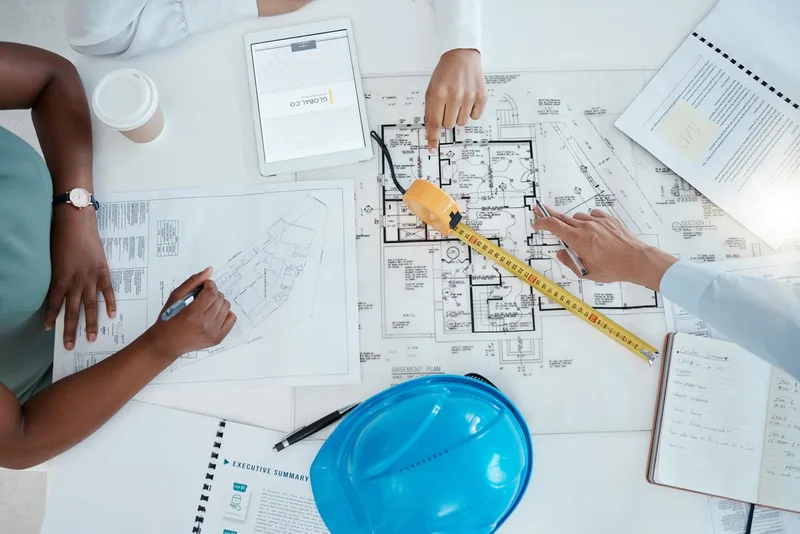
The Torrey Pines and Sorrento Valley corridors buy AV with a scientist's temperament, meaning the buyers read specifications, the IT teams arrive with security postures already written, and the conference rooms sit adjacent to spaces with rules of their own. The work is mostly administrative and collaborative space, board rooms, training rooms, all-hands areas, and the campus reality dominates: a standard that has to behave identically across buildings separated by courtyards, canyons, and sometimes a freeway. We measure the runs first, design a room template that travels, coordinate early with IT because their network is the backbone whether anyone says so or not, and document to the standard a quality-systems culture expects. Rooms that repeat cleanly get trusted. Rooms that surprise people get support tickets.

Restaurants, bars, and coastal rooms

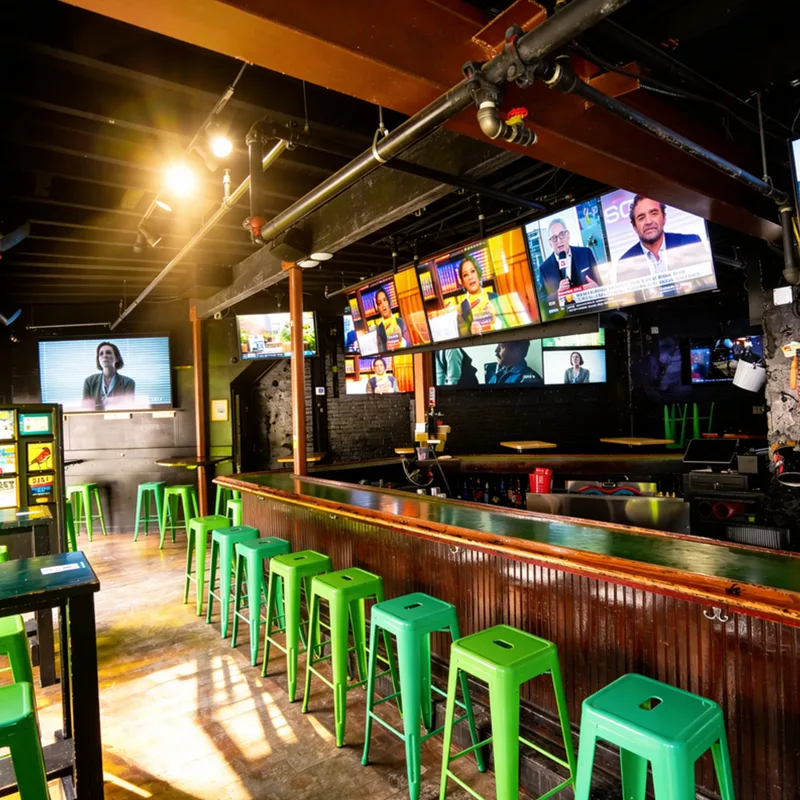
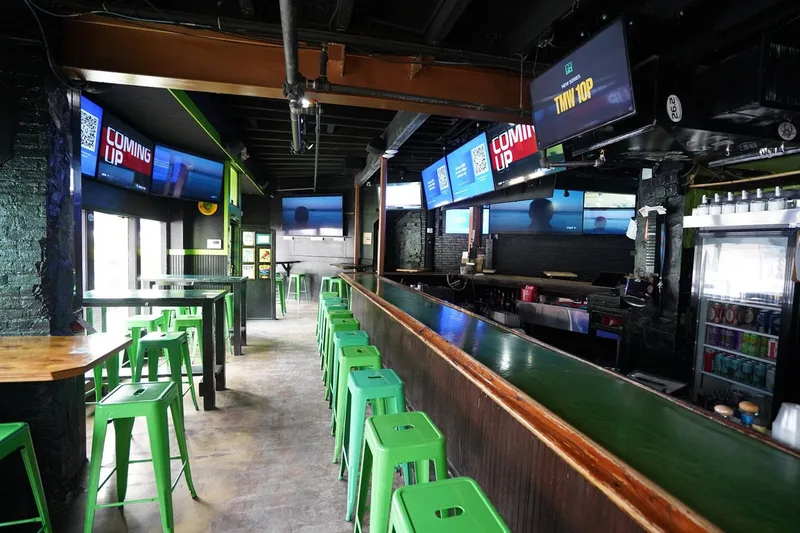
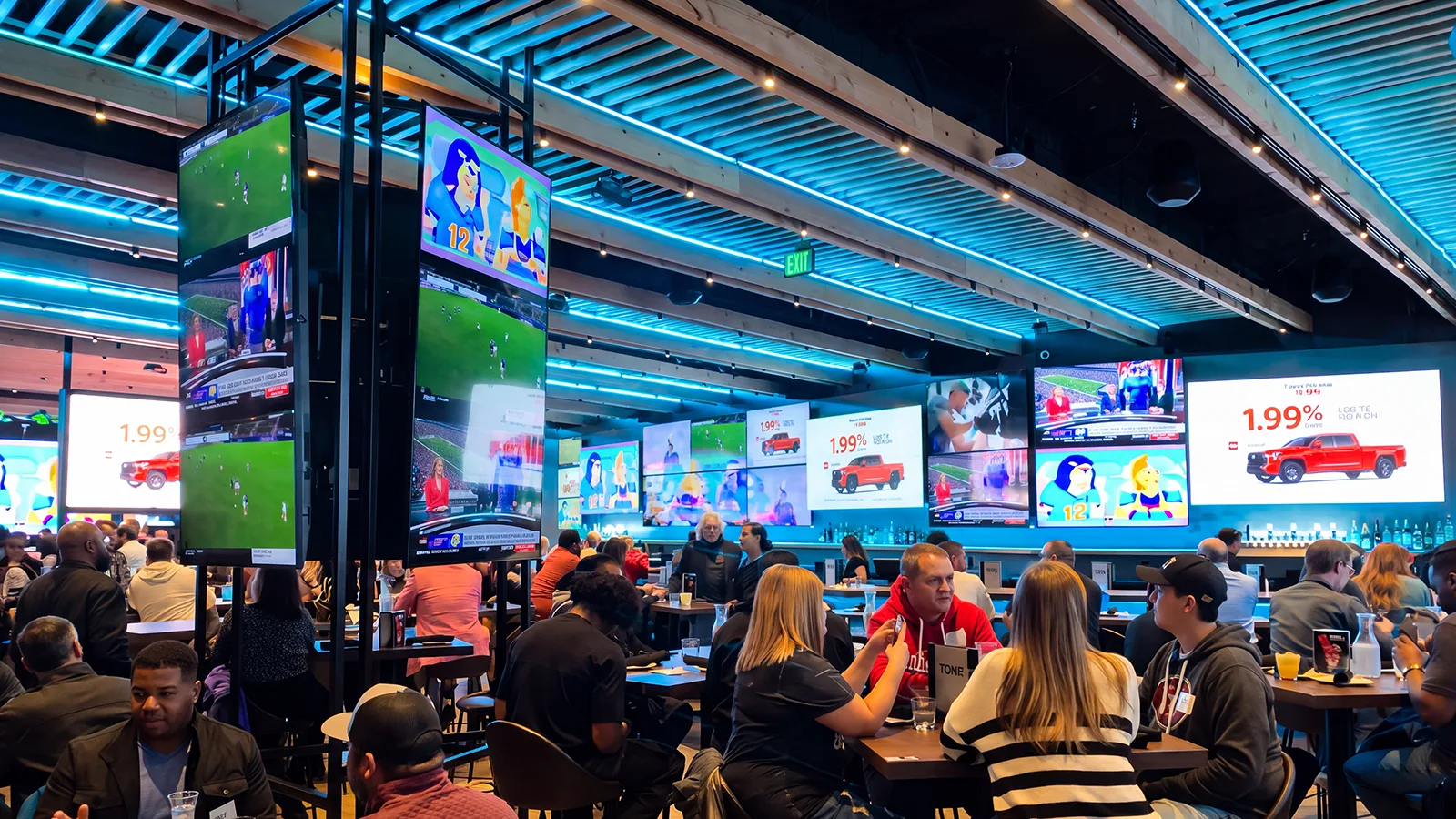
San Diego dining spreads from Little Italy's dense blocks to beach-town rooms where the ocean is the decor, and the climate hands every operator the same gift and bill: patios that earn twelve months a year and weather that quietly eats unprepared hardware. Within salt range of the water, and this coast's range is generous, connectors corrode, ordinary fasteners streak rust, and gaskets age on fast-forward, so the parts list changes by distance from the beach. The design side stays classic. Many small speakers run gently instead of a few run hot, zones that let the bar and the tables disagree politely, and a patio on its own channel with a curfew button, since the neighbors in this town surf early. Where marine grade is the right answer, we say so at selection, not after the first green connector.

Hotels and guest-facing spaces

Hotel work here covers the lobby, pool deck, restaurant, and meeting spaces, never the guest room, and the properties run from the big bayfront flags to Gaslamp boutiques to beach resorts where the pool deck is the whole brand. The deck earns that status year-round in this climate and pays in exposure, sun on the plastics, salt on the metals, and a duty cycle without an off-season, so the hardware out there gets specified for the coast first and concealed second. Zoning keeps each space in character, the lobby composed while the deck runs bright, driven from one panel that never sends anyone hunting for a manual. Support leans remote by design, because a property shouldn't wait for a truck to fix what a login can reach, and most of ours doesn't.

Offices, civic rooms, and the working city

Beyond the coast and the campuses, San Diego runs a broad working economy, downtown professional floors, county and municipal rooms, and the industrial stretch through Kearny Mesa and out to the border trade corridor. The civic rooms are speech-first, a resident in the back row following every word or the room failed, so microphone strategy and feedback margin lead. The industrial floor plates are announcement territory, where an instruction has to survive forklifts and distance and still land intact. Offices fail the national ways, mismatched rooms and brochure-sized hardware, and get the national fixes done properly: measure, standardize, document. Public buyers bring bid formats we price as currently written, and streams get their outlet built in while the broadcasting stays yours.

Our campus is six buildings. Every vendor quotes it like six separate projects. Is that right?

It's the expensive way to buy a campus, and it produces exactly the outcome you're probably living with: six rooms that almost match, six documentation styles, and support that has to relearn each building from scratch. A campus deserves to be bought as one system with six installations. The design happens once, a room template engineered from your real dimensions, platforms, and IT standards, then repeats with per-building adjustments for what each structure genuinely requires, and the savings show up everywhere downstream. Training happens once because every room behaves the same. Documentation follows one format, so a technician who fixed building two already understands building five. Spare parts consolidate because the hardware matches. Support tickets resolve faster because the fix found anywhere applies everywhere. The horizontal part matters too, since campus distances decide signal types and infrastructure before taste gets a vote, and we measure every run before we specify anything. Crunchy Tech has been doing this since 2008, and campus-scale consistency is the most valuable thing we sell in this county.

How close to the ocean does equipment need to be before salt becomes a real issue?

Closer than most people guess, and the honest answer is measured in miles, not blocks. Salt-heavy marine air doesn't stop at the boardwalk, it rides the onshore flow well inland, and this coast's evening push carries it further than visitors expect, so corrosion shows up in Point Loma parking structures and Midway-area patios that never hear a wave. The damage is patient and specific. Connectors corrode at the contacts and turn intermittent, which reads as mysterious glitches long before anything visibly fails. Ordinary steel fasteners streak rust down the stucco. Gasket seams wick salt moisture into housings that were rated for rain, not for chemistry. Our rule is to specify by distance and exposure rather than by hope: genuine marine grades within the heavy zone, sealed enclosures and stainless hardware in the middle band, and standard commercial gear only where the map honestly allows it. The cost difference per part is modest. The difference per decade is the entire replacement cycle you don't fund. When we walk a site, the salt call happens at the same visit as the sightlines, because on this coast they're the same conversation.

Do you handle the earthquake anchoring, or do we need someone else?

Both, in the specific California way that keeps everyone honest. The engineering division of labor is firm and it protects you. We identify every load the design hangs on the building, displays, video walls, speaker arrays, projector rigs, rack anchoring, with weights and exact locations, packaged so your structural engineer can review efficiently. That engineer, yours, licensed, determines what the structure can carry and how attachment happens, and their stamp governs the mounting. Your licensed electrician owns every circuit. We design to what they approve, coordinate the sequence with your general contractor, and never perform electrical work, make structural determinations, or rule on code compliance ourselves, which is precisely why the arrangement works. What we add inside those boundaries is the practical layer: seismic-rated mounting selected so equipment stays serviceable rather than merely attached, since a bracket that satisfies the calculation but requires a lift and a permit to reach a filter defeats its own purpose. Done properly, the room is safe, the inspector signs without drama, and a technician still swaps a component in twenty minutes. That combination is the actual deliverable.

We're in Carlsbad and Chula Vista too. How far does your coverage really go?

The whole county, honestly stated, and the county's shape is why the honesty matters. San Diego County runs enormous, coastal North County down through the city and out to the border corridor, with eighteen separate cities each running their own permits and reviewers, so Carlsbad, Chula Vista, Coronado, and Escondido all start their own paperwork regardless of what the city of San Diego approved. We keep that native per address, right filings, right inspectors, honest schedules, and none of it lands on your desk. Distance gets engineered around rather than driven through. Systems get built remote-first, monitoring that names the failing part, configurations identical across your sites so a fix travels, documentation good enough that any competent technician executes from the file, and about 47% of support tickets close inside an hour with nobody on Interstate 5. When hands are needed, they come with as-builts and labeled racks, which turns one visit into one fix instead of three visits into a diagnosis. For a multi-site operator spread across this county, the deliverable is one standard, eighteen possible jurisdictions handled quietly, and drive time that shows up in our logistics instead of your invoice.

What clients say

Operators who run on our systems

Client successes drive Crunchy Tech to become better. Below is how our customers feel about us.

Just do it. Spend the money. It’s well worth it. It’s not worth your time, hassle, energy, and stress of trying to make it look right and do it right when there’s somebody who has been doing it for years and has perfected the craft.

Matt Moore logo
Matt Moore
IT Systems Administrator · Capone's Hideout

You're a great partner with Florida Hospital and this project will make a difference in Children's Health.

Des Cummings logo
Des Cummings
Vice President of Florida Hospital · Florida Hospital

Working with Crunchy Tech was a fantastic experience from start to finish. They handled the sale and installation of all our sound and TV equipment at The County Bar in Aviston, IL, and absolutely nailed it. We were on a very tight deadline, and they not only met it—they delivered top-notch quality and service the entire way. Highly professional, responsive, and easy to work with. We couldn't be happier with the results.

Clint Flowers logo
Clint Flowers
Owner · The County Bar

Crunchy's AV Services are outstanding. Staff members are experts, who really extend themselves to find the right technology for helping us reach our marketing goals in creative ways. The best thing about working with Crunchy is collaborating with the staff – they are patient, responsive, knowledgeable, and available.

Shannon McHale logo
Shannon McHale
Marketing Specialist · IGT

Crunchy has been great to work with. They communicate well and deliver as promised.

Brian Dornbush logo
Brian Dornbush
Facilities & Operations Manager · Orange County Library System

The work Crunchy has been doing is a game changer for this industry.

Steven Fandozzi logo
Steven Fandozzi
VP of Information Technology · Foundation Partners

Being able to reuse the existing structure created a much lower cost for the client and they were ecstatic.

Seminole State College logo
Seminole State College
Facilities · Seminole State College

Crunchy has done an amazing job on our A/V install. The sound is perfectly balanced throughout our many zones and the entire system is super simple to use.
Steve Glum logo
Steve Glum
Chief Marketing Officer · Ace Cafe
Talk to a San Diego AV designer

Let's design for thecounty'sactualgeometry

Tell us the address, how many buildings the standard has to cover, and how close the water sits. The consult covers what each space needs to earn, the walk covers distances, exposure, and structure, and the deliverable is an engineered scope that repeats cleanly across every building you run.

  • Cable runs measured before specification, because campuses find every limit.
  • One room standard across many buildings, documented so building six installs like building one.
  • Salt exposure specified by the map, not by optimism.
  • Structural loads packaged for your engineer's stamp, mounting kept serviceable.