Commercial AV St. Louis | Audio Visual Company
location_on St. Louis, MO

Commercial AV Company in St.Louis

Design-build audiovisual for St. Louis offices, restaurants, campuses, and civic rooms, built for a town where the person signing plans to still own the building in fifteen years.

In St. Louis the signature on the check belongstoanowner

This town holds an unusual concentration of large private and family-held companies, and it changes who sits across the table. In most markets we present to a manager spending this year's budget, someone who'll be in a different role before the system ages. In St. Louis, remarkably often, we present to an owner, somebody whose name is tangled up in the business, who watched the last system get installed, and who fully expects to be standing in this same building when the one we're proposing wears out. Owners ask different questions. Not what does it cost, but what does it cost per year of honest service. Not what's impressive at the opening, but what's still working at year twelve. That horizon deserves a straight answer.

Ours is a doctrine, not a guess: we design to a seven-year baseline, expect the core equipment to earn a refresh somewhere in years seven through ten, and treat fifteen years as the honest ceiling for a well-kept system, and we'll tell you which components sit where on that curve before you sign anything. Long-horizon buying rewards the boring virtues, serviceable racks, real documentation, standards instead of exotics, and those happen to be the virtues we build with everywhere. The rest is the usual craft, drawings a contractor can price, a rack proven at our bench, install, tune, train, and support, with about 47% of tickets resolved remotely inside an hour. Since 2008.

In St. Louis the signature on the check belongs to an owner
Install In St. Louis the signature on the check belongs to an owner St. Louis, MO

What We Do Here

Services available in St. Louis

Every system is designed, installed, and supported by our own team in St. Louis — never subcontracted.

Get a St. Louis Quote arrow_forward

Commercial AV AcrosstheGatewayRegion

Downtown and midtown's corridor, the historic neighborhoods from Soulard to The Hill, Clayton and the county cities, and the Metro East across the river.

2008
Serving St. Louis since
10
Neighborhoods
Downtown and the riverfront
Corporate · Hotels · Bars

Downtown rooms swing between quiet weekdays and packed event nights, so systems get tuned for the median and stress-tested for the surge.

Peak-and-median
Midtown and the innovation corridor
Corporate · Institutional

The corridor's tenants bring network security rules that precede the furniture, and the design conversation starts there.

IT-led
Central West End
Institutional · Restaurants

The CWE pairs hospital-adjacent institutional rooms with dining that wants its technology invisible, opposite briefs a block apart.

Institutional · concealed
Soulard
Bars · Restaurants · Venues

Soulard's brick rowhouses bounce sound mercilessly and share every wall, which makes zoning and containment the first design act.

Historic brick · containment
The Hill
Restaurants

The Hill's rooms are owned by the families in them, buyers who plan in decades and remember every vendor who didn't.

Owner-run · long horizon
The Grove and Tower Grove
Bars · Restaurants

The Grove's rehabs mix old masonry with new ambitions, and what the original walls will tolerate gets answered before design closes.

Rehab · fabric
Delmar Loop and University City
Venues · Restaurants

The Loop hosts music most nights, and a house system there earns its keep by yielding the stage gracefully and coming back on one button.

Live rooms · separate city
Clayton
Corporate

Clayton is its own city and the county's business address, where floors of conference rooms want one standard done quietly well.

Separate city · multi-room
Chesterfield and the west county
Corporate · Retail

The west county cities permit independently and build new, which rewards getting infrastructure into framing while it's cheap.

Separate cities · new build
The Metro East
Industrial · Institutional

Across the river is another state entirely, Illinois licensing and Illinois reviewers, and the paperwork changes mid-bridge even when the design doesn't.

State line

What we do here

St. Louis Commercial AV, BuiltfortheLongHold

Four kinds of buyers anchor our St. Louis work, and an unusual share of them plan in decades rather than budget cycles.

Private companies and family-held headquarters

The privately held headquarters scattered across this metro buy differently, and the difference runs deeper than patience. Decisions route to principals rather than committees, institutional memory is long, the last vendor's sins are remembered by the person you're pitching, and the system gets evaluated against a horizon most markets never mention. We build the proposal for exactly that reader: lifecycle math shown honestly, seven-year baseline, refresh in years seven to ten, fifteen as the ceiling, with each major component placed on that curve, plus the ownership answers written down, what gets serviced, by whom, at what cost, for how long. Boardrooms and training floors get the standard discipline besides. An owner who reads the file becomes a client for the whole fifteen years, and that's the business we're actually in.

Restaurants, bars, and brick-built rooms

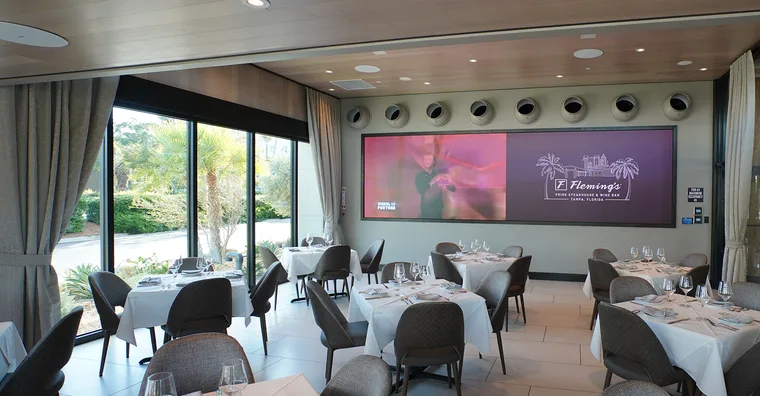
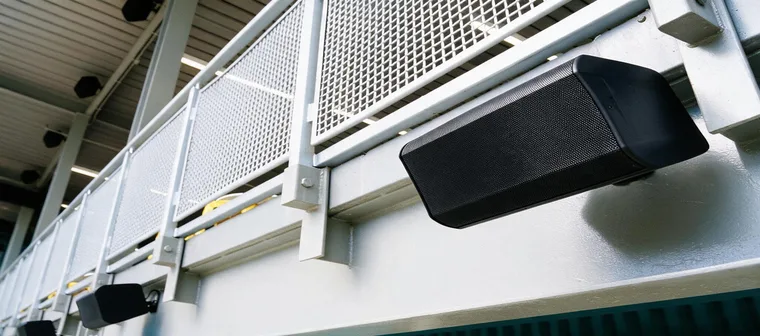
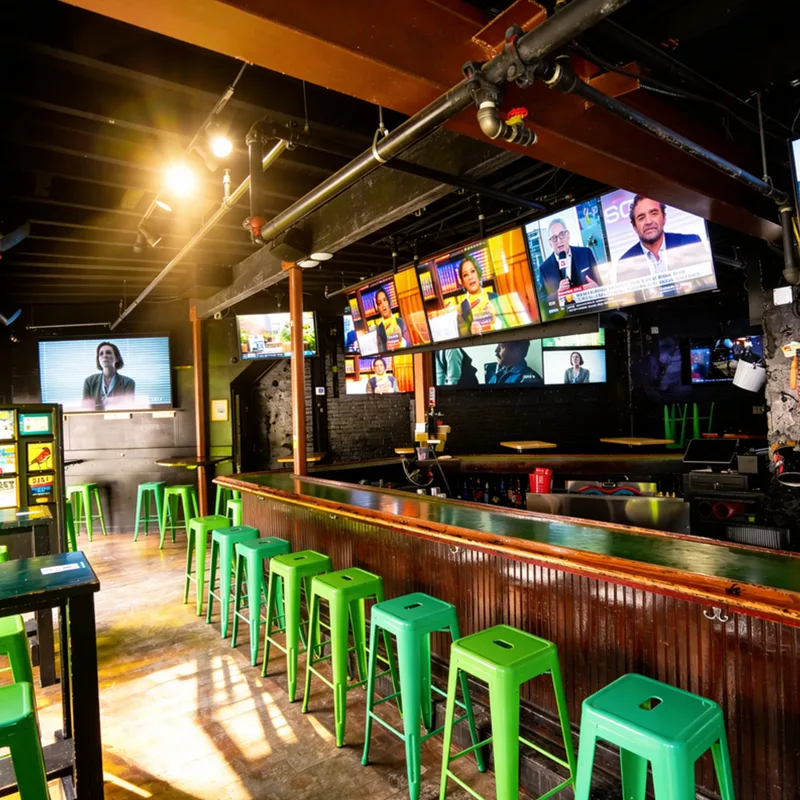
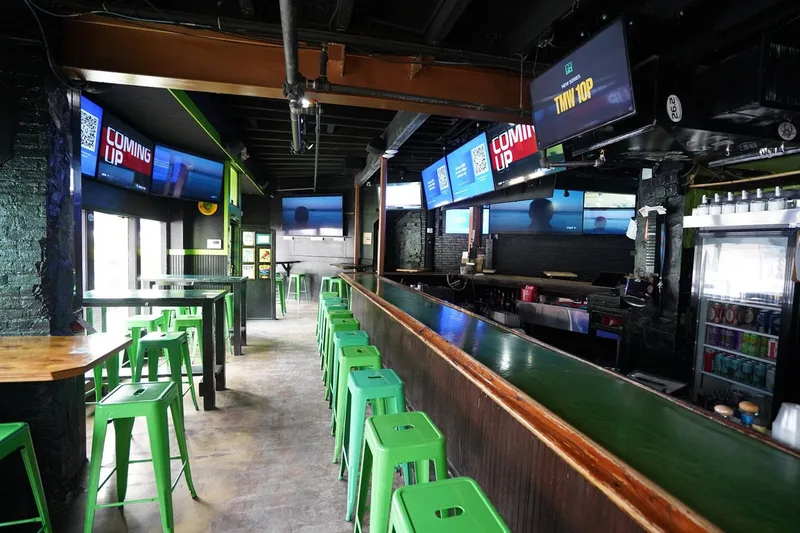
St. Louis eats inside some of the country's best nineteenth-century brick, Soulard's rowhouses, The Hill's storefronts, the Grove's rehabbed corridors, and all that masonry plays acoustic hardball. Sound bounces until it's managed, so coverage comes from a squad of modest speakers kept conversational, zones hold the bar's energy apart from the dining room, and the neighbor beyond the shared wall stays a stranger to your playlist. Patio culture here is serious and seasonal, spring and fall are glorious, summer is thick, and the hardware outside gets chosen for the whole ride, including the ice that eventually shows up. The new builds filling in around midtown flip the work toward timing, since pathway and backing in open framing cost almost nothing for whoever thinks to ask early.

Campuses, healthcare, and civic rooms

The institutional side of this metro, universities, hospital systems, county and municipal facilities, buys speech rooms on public and committee calendars, and the standard holds steady: the person in the back row follows every word or the budget failed. Microphone planning leads, feedback margin gets engineered rather than hoped for, and classroom systems obey the house rule, an instructor walks in cold and starts teaching, no phone call, no ritual. Multi-building institutions get one control standard and one training, documented well enough to survive staff turnover on both sides. Public buyers arrive with bid formats and documentation requirements, and we price to the current edition as written. Rooms that need to feed a stream get the outlet designed in, and operating the stream remains your show.

Offices, biotech, and the innovation corridor

The research corridor growing through midtown mixes startup labs with established research operations, and both bring IT teams whose network rules precede the furniture, so the security conversation opens the project rather than interrupting it. Conference floors here fail the national ways, hardware bought from photos, rooms that drifted apart until staff trust none of them, and the fixes are unglamorous and permanent: measure the space, learn the platforms in actual use, standardize the control layer, document like an auditor is coming. The corridor's building stock spans rehabbed industrial to purpose-built lab space, which keeps the pathway questions interesting. What stays constant is the deliverable, rooms that behave identically, run by anyone, fixable by a stranger with the file.

We're a family company and we keep things a long time. How long should an AV system actually last?

Honest numbers, because you'll hold us to them and we'd rather set them ourselves: we design to a seven-year baseline, expect the core electronics to earn a refresh somewhere in years seven through ten, and treat roughly fifteen years as the ceiling for a well-kept system, past which you're paying vintage-car maintenance on office equipment. Different components ride different curves, and the proposal shows each one's position. Speakers and infrastructure, the cable, conduit, and mounting, routinely serve the full fifteen and beyond, which is why we fight hardest for quality there, where longevity is cheapest to buy. Processors, control hardware, and displays live in the seven-to-ten band, driven less by wearing out than by the world moving on around them. What stretches every curve is boring diligence: a cooled rack room, clean power, and the documentation that lets year-eleven service take an hour instead of a day. Crunchy Tech has been doing this since 2008, and we started in support, which means we've personally kept other people's systems alive well past year ten and know exactly which decisions made that possible. Buy once, correctly, and the second system is a scheduled upgrade rather than an emergency.

Our building is 120-year-old brick. What does that do to the sound?

It makes the room gorgeous and loud in the same breath, and the physics deserve a straight explanation. Masonry absorbs almost nothing, so every sound in a Soulard rowhouse or a Hill storefront reflects repeatedly before it dies, and a full Friday room builds into a roar where guests lean in, voices rise to compete, and the roar feeds itself. Speakers alone can't fix that, and anyone who sells you louder ones for a reflection problem is selling you a worse version of the problem. What speakers can do, placed as a squad of quiet sources rather than a few loud corners, is deliver even coverage at conversational level, so no table sits in a dead spot forcing the volume up for everyone, and zoning keeps the bar's energy from invading the dining room. Where the architecture itself is the culprit, the honest fix is absorption, panels and soft treatments engineered by an acoustics specialist, a different trade we'll gladly point you toward, sometimes as step one before we place a single speaker. Brick rooms reward the effort more than any drywall box ever will. They just make you earn it.

Some of our operations are across the river in Illinois. What actually changes?

The state, which is not a small thing administratively, and nearly nothing else. Illinois licenses trades under its own rules, so the electricians and low-voltage work on a Metro East site run through people credentialed for Illinois, and the municipalities over there, along with their counties, review their own permits on their own schedules with no interest in what Missouri approved. Prevailing-wage and bid rules shift on some public work too. All of that is our paperwork to keep straight, and it stays invisible to you beyond honest scheduling: right trades on the right bank, right filings in the right halls, no Missouri assumptions smuggled across the bridge. What crosses the river untouched is everything your people experience. One interface, one preset logic, one training on both banks, documentation uniform enough that support never asks which state the ticket came from, and about 47% of those tickets closing remotely inside an hour from either side. For an operation straddling the river, the deliverable is simple: one system, two states' worth of compliance handled quietly, and the only people thinking about the line are the ones you pay to.

Between the storms and the ice, what does this climate cost an AV system?

Less than people fear if it's bought right, and more than anyone budgets if it isn't, because this valley schedules its abuse. Spring delivers the storm season, hail that tests every outdoor housing, straight-line winds that audit the anchoring, and lightning that hunts for the priciest unprotected electronics in the building, which is why surge protection at the rack and on remote circuits is standing equipment in our designs rather than an upsell. Summer settles in humid and stays, aging components in any equipment closet that lacks dedicated cooling, the quiet failure that surfaces in year three pretending to be bad luck. Winter brings genuine ice, glaze that loads outdoor mounts and enclosures beyond what milder markets ever ask, followed by the freeze-thaw cycling that picks apart cheap seals. The buying answer is unhurried and specific: outdoor hardware rated for the whole calendar it will actually meet, mounts chosen for glaze load, a rack room holding 75 degrees, and clean protected power. Specified once at design time, the climate becomes a line item. Discovered piecemeal through failures, it becomes a subscription.

What clients say

Operators who run on our systems

Client successes drive Crunchy Tech to become better. Below is how our customers feel about us.

Just do it. Spend the money. It’s well worth it. It’s not worth your time, hassle, energy, and stress of trying to make it look right and do it right when there’s somebody who has been doing it for years and has perfected the craft.

Matt Moore logo
Matt Moore
IT Systems Administrator · Capone's Hideout

You're a great partner with Florida Hospital and this project will make a difference in Children's Health.

Des Cummings logo
Des Cummings
Vice President of Florida Hospital · Florida Hospital

Working with Crunchy Tech was a fantastic experience from start to finish. They handled the sale and installation of all our sound and TV equipment at The County Bar in Aviston, IL, and absolutely nailed it. We were on a very tight deadline, and they not only met it—they delivered top-notch quality and service the entire way. Highly professional, responsive, and easy to work with. We couldn't be happier with the results.

Clint Flowers logo
Clint Flowers
Owner · The County Bar

Crunchy's AV Services are outstanding. Staff members are experts, who really extend themselves to find the right technology for helping us reach our marketing goals in creative ways. The best thing about working with Crunchy is collaborating with the staff – they are patient, responsive, knowledgeable, and available.

Shannon McHale logo
Shannon McHale
Marketing Specialist · IGT

Crunchy has been great to work with. They communicate well and deliver as promised.

Brian Dornbush logo
Brian Dornbush
Facilities & Operations Manager · Orange County Library System

The work Crunchy has been doing is a game changer for this industry.

Steven Fandozzi logo
Steven Fandozzi
VP of Information Technology · Foundation Partners

Being able to reuse the existing structure created a much lower cost for the client and they were ecstatic.

Seminole State College logo
Seminole State College
Facilities · Seminole State College

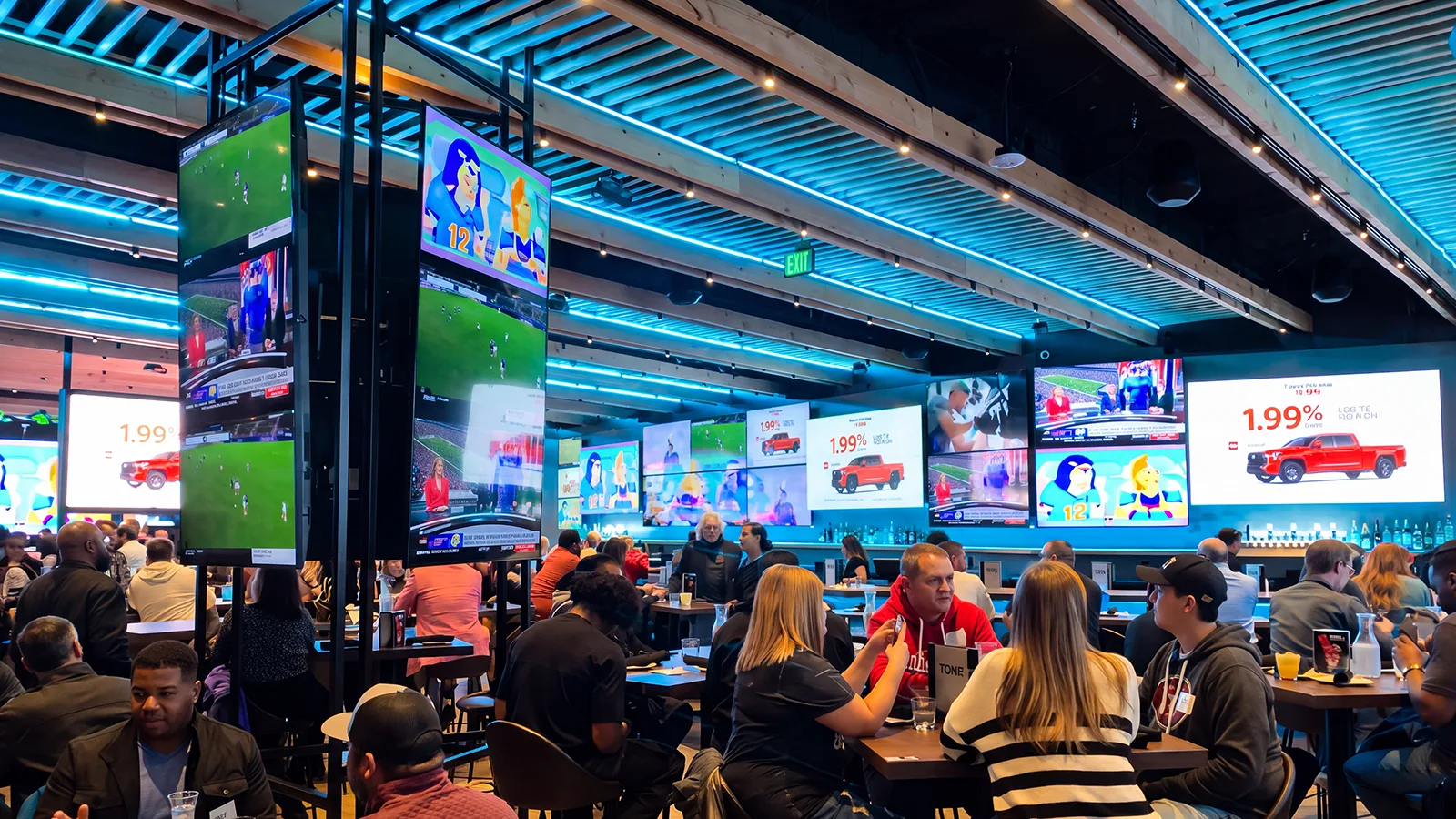
Crunchy has done an amazing job on our A/V install. The sound is perfectly balanced throughout our many zones and the entire system is super simple to use.
Steve Glum logo
Steve Glum
Chief Marketing Officer · Ace Cafe
Talk to a St. Louis AV designer

Let's do the math in years,notinvoices

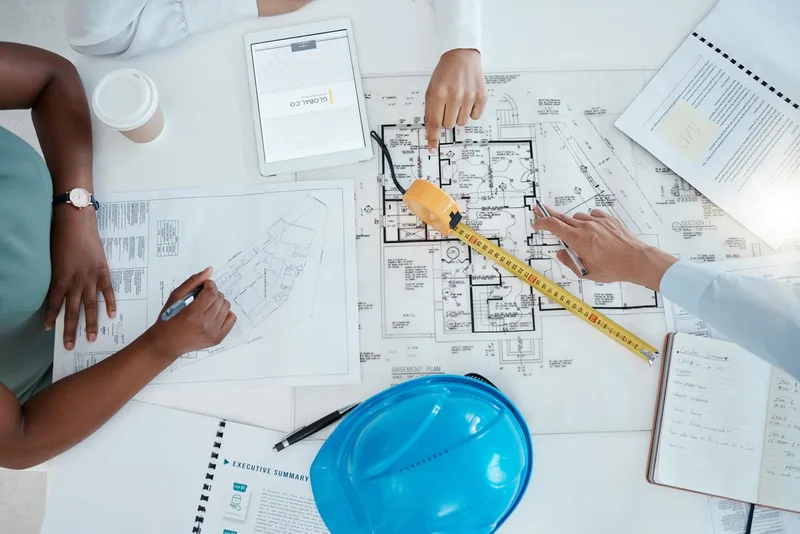
Tell us the address, what the space earns for the business, and how long you plan to own the decision, because the answer genuinely changes the design. The consult covers the outcome and the honest lifecycle, the walk covers the building on whichever bank it stands, and the deliverable is an engineered scope with every major component placed on its curve.

  • Lifecycle math shown up front: seven-year baseline, refresh window, fifteen-year ceiling.
  • Brick-room acoustics handled honestly, including when the answer is another trade.
  • Missouri and Illinois trades, permits, and filings each kept native to their bank.
  • Storm, ice, and humidity specified at design time instead of discovered by failure.