Restaurant AV in Miami
location_on Miami, FL

Restaurant AV in Miami

Restaurant sound systems built for rooms that serve dinner at eight and turn into something else by eleven, with the headroom and control to do both properly.

A restaurant at eight, somethingelsebyeleven

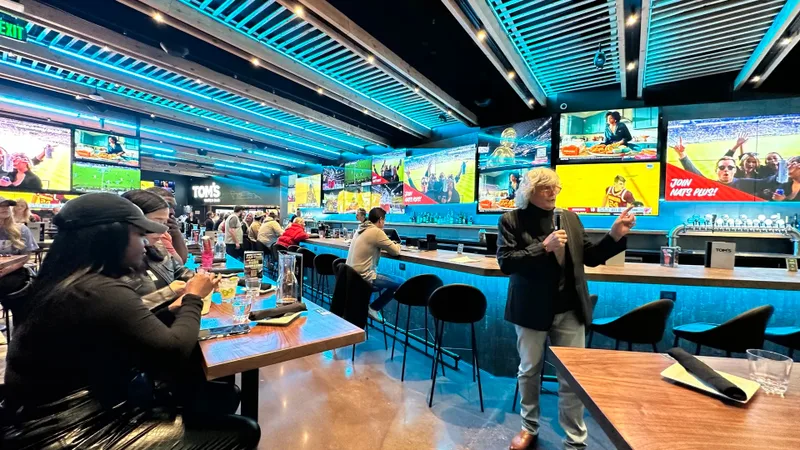
Plenty of Miami rooms are two businesses sharing one address. At eight the tables are full and people are talking. By eleven the lights are down, the music is the point, and half the dining room is standing. Most systems are bought for one of those and asked to do the other. A system sized for dinner runs out of headroom the moment the night starts and gets pushed into distortion for three hours, which is how speakers die here. A system sized for the late night is overwhelming at dinner and impossible to dial back gracefully, because the coverage was never right in the first place.

One system can do both, but it has to be designed for the harder of the two and then held back for the easier one. That means real headroom, so the late program plays cleanly instead of at the edge, and it means even coverage from more sources at lower level, so dinner service can sit twenty decibels down and still reach every table. A processor holds separate states with their own levels and limits, the transition runs on a schedule rather than on a manager, and the settings that make dinner work cannot be undone by whoever is running the room at midnight.

Reel A restaurant at eight, something else by eleven Miami, FL

Restaurant AV AcrossMiami-Dade

From Brickell and Wynwood to the Design District, the Grove, and the Beach, we design restaurant sound systems for rooms that have to work at dinner and hold up long after it.

2008
Serving Miami since
10
Neighborhoods
Brickell
Restaurants · Bars

These spaces share structure with residences overhead, so placement and hard limits keep low frequencies from travelling into the building.

Shared structure · limits
Wynwood
Restaurants · Bars

Concrete floors and open ceilings reflect rather than absorb, so speaker type and placement get solved around the surfaces before anything is hung.

Open ceiling · acoustics
Design District
Restaurants · Cafés

Visible hardware is held to a very high bar here, so speakers get concealed or chosen to read as fixtures and planned with the millwork.

Concealed · design-led
South Beach and Ocean Drive
Restaurants · Bars

Rooms that open directly to the street sit in constant salt and moisture, so exposed hardware gets marine-grade specification as a baseline.

Open frontage · marine-grade
Coconut Grove
Restaurants · Cafés

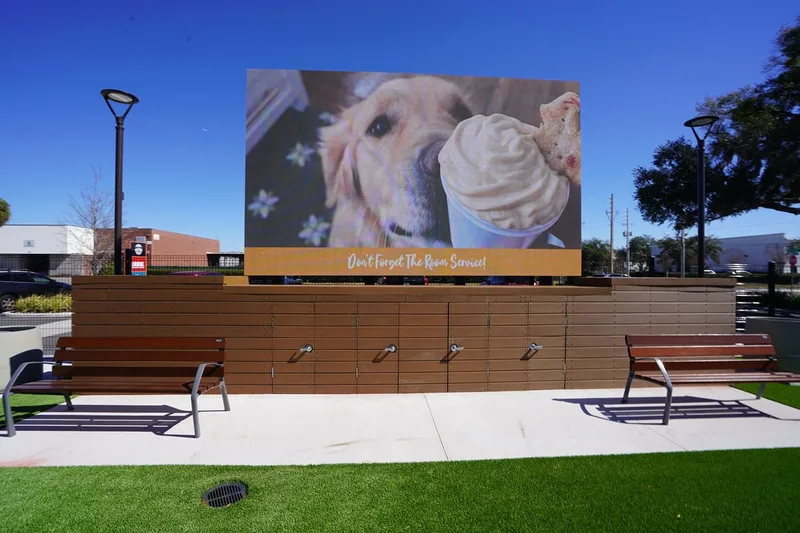
Light levels swing sharply under the tree canopy, so any outdoor display runs an ambient light sensor rather than a fixed brightness.

Canopy · auto-brightness
Coral Gables
Restaurants · Bars

Exterior work here goes through its own review, so mounting and any visible outdoor hardware get confirmed locally before installation.

Design review
Little Havana and Calle Ocho
Restaurants · Cafés

Rooms that host live programming need headroom and a clean separation between the house system and whatever gets brought in.

Live-capable · separation
Midtown and Edgewater
Restaurants · Bars

New buildings mean conduit, backing, and rack location can be designed in during framing rather than retrofitted afterward.

New build · design-in
Downtown
Restaurants · Hotel dining

Ground-floor spaces sit under occupied floors, so isolation and low-frequency control get designed rather than dealt with after a complaint.

Mixed-use · isolation
Aventura and Sunny Isles
Restaurants · Hotel dining

Operators here run several rooms, and one repeatable standard is cheaper to support than five different systems.

Multi-location · standard

How we work

Designed for the loud hour, heldbackforthequietone

We do not start with a speaker count. We start with the hardest thing the room has to do, because that is what sets the design.

The consult and the site walk

Most disappointing dining rooms were quoted off a floor plan by someone who never sat in them during service. So we start with a consult rather than a quote: what you want the room to feel like, how big it is, what it needs to do, and the budget you are working with. Then we walk it, ideally during a real service, and listen from the places guests actually sit. The banquette against the glass, the four-top under the speaker, the table nearest where the room gets loud. In Miami we ask what happens after ten, because a room with a late program needs a different amount of headroom than one that closes at ten-thirty.

Designed for the loud hour, held back for the quiet one — restaurant AV in Miami, FL
InstallDesigned for the loud hour, held back for the quiet one
Designed for the loud hour, held back for the quiet one — restaurant AV in Miami, FL
InstallDesigned for the loud hour, held back for the quiet one

Design you can see, then one team on site

The other way these go wrong is that nobody experiences the outcome until it is built, then wants it changed a season later. So you see the design before you commit to equipment, including where every speaker lands and why. Control gets programmed around the services you actually run, so dinner, the transition, the late program, and a private buyout are scheduled states rather than a manager at a knob. One team handles the install, calibration, staff training, and documentation, and coordinates with your general contractor, electrician, and low-voltage trades.

What we build

The restaurant AV stack aMiamiroomrunson

A dining room that turns into a late-night room is a handful of systems working as one. Here is what we design, program, and install.

The restaurant AV stack a Miami room runs on
InstallThe restaurant AV stack a Miami room runs on

Multi-zone sound with real headroom

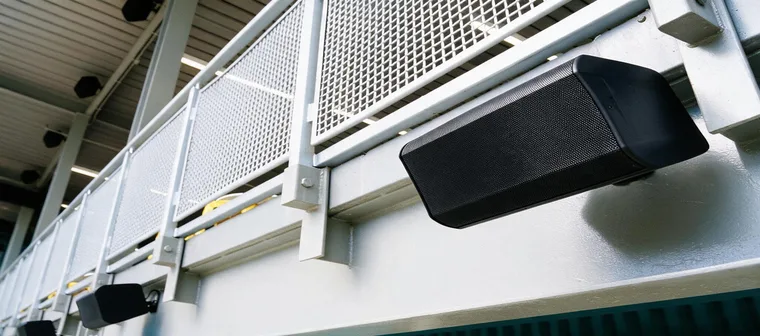
Coverage comes first. More sources at lower level, placed so every table sits inside a pattern rather than under one or between two, is what lets the same room work quietly at dinner and loudly later. Headroom is the second half. A system running near its limit sounds harsh, distorts on peaks, and shortens the life of everything in the signal chain, so the amplification and the loudspeakers get sized for the loudest hour and then held well below it the rest of the night. A digital signal processor splits the property into zones with their own levels and hard limits, set once and verified at real occupancy.

Displays, signage, and the visual side

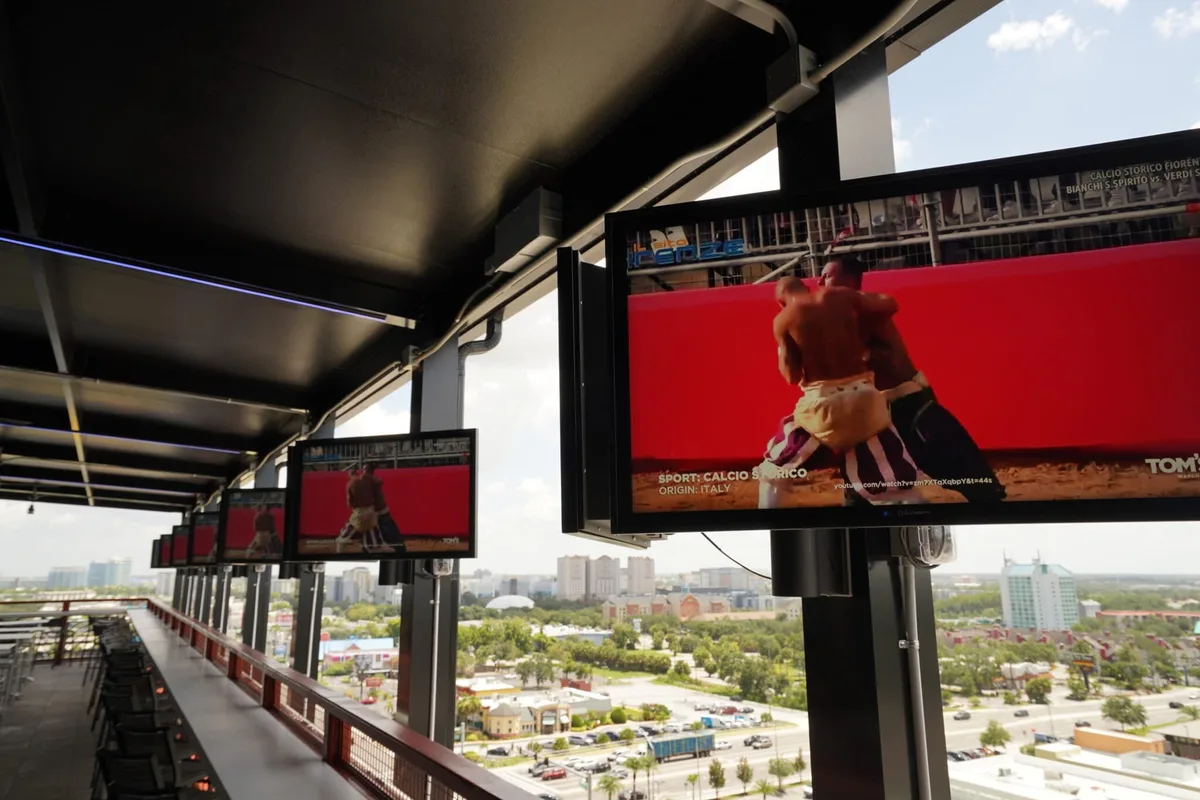
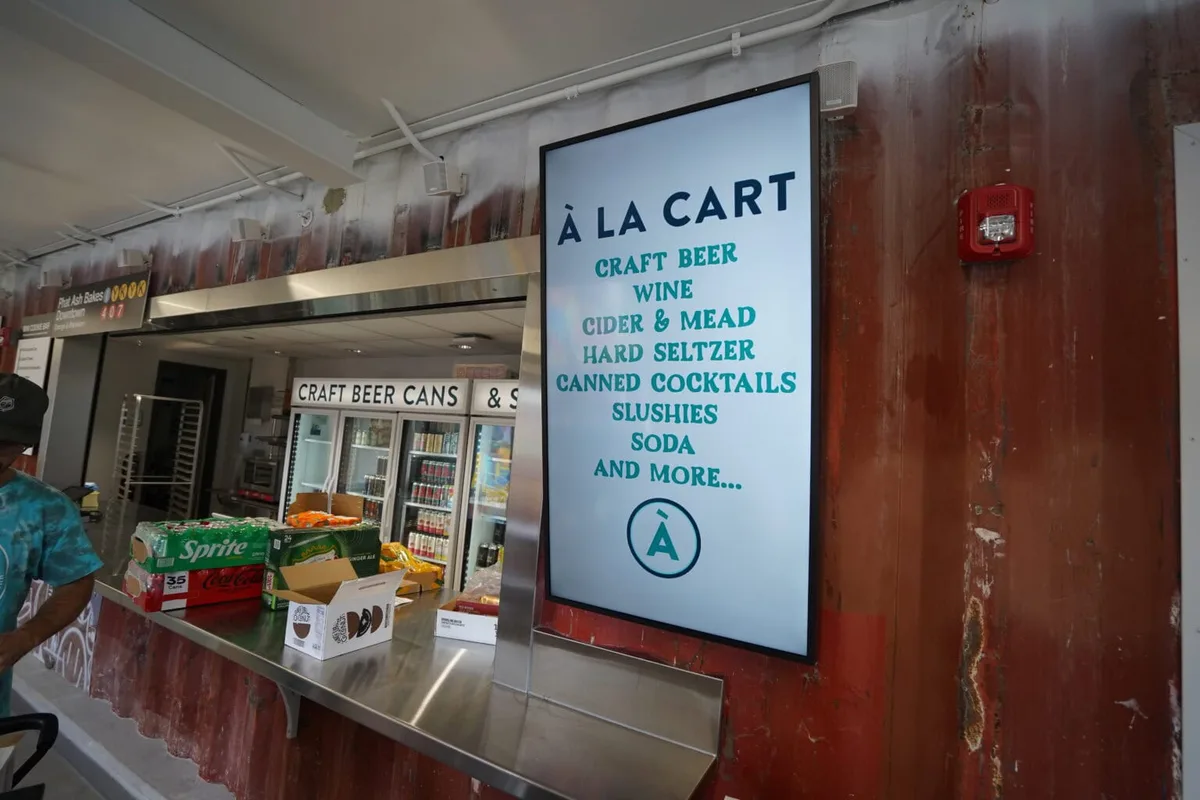
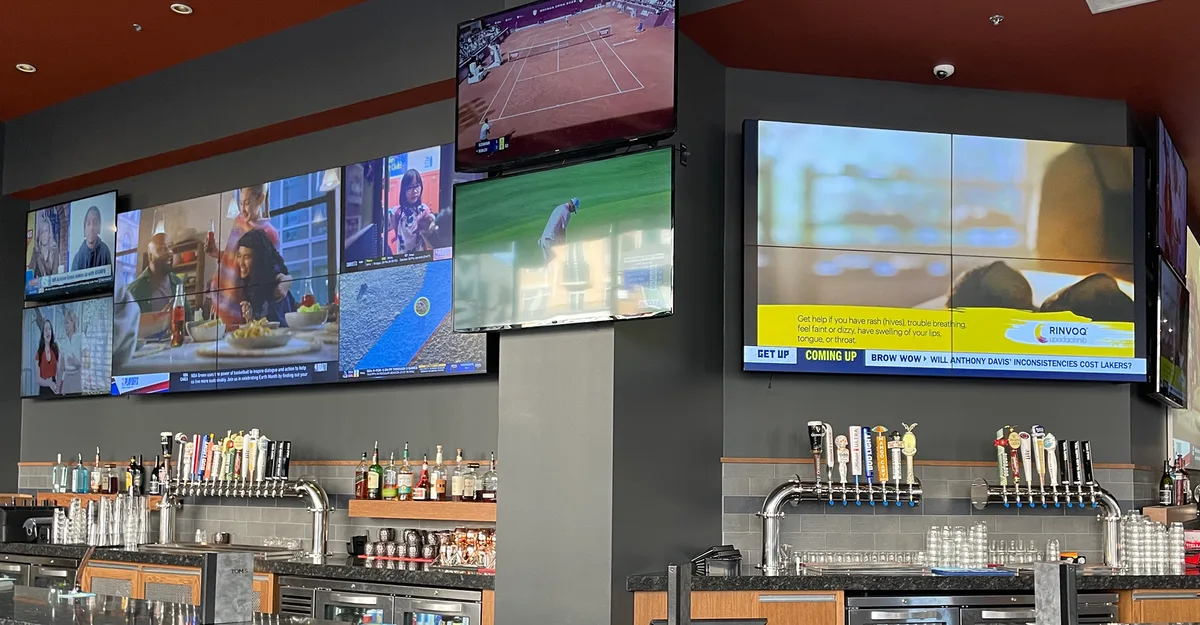
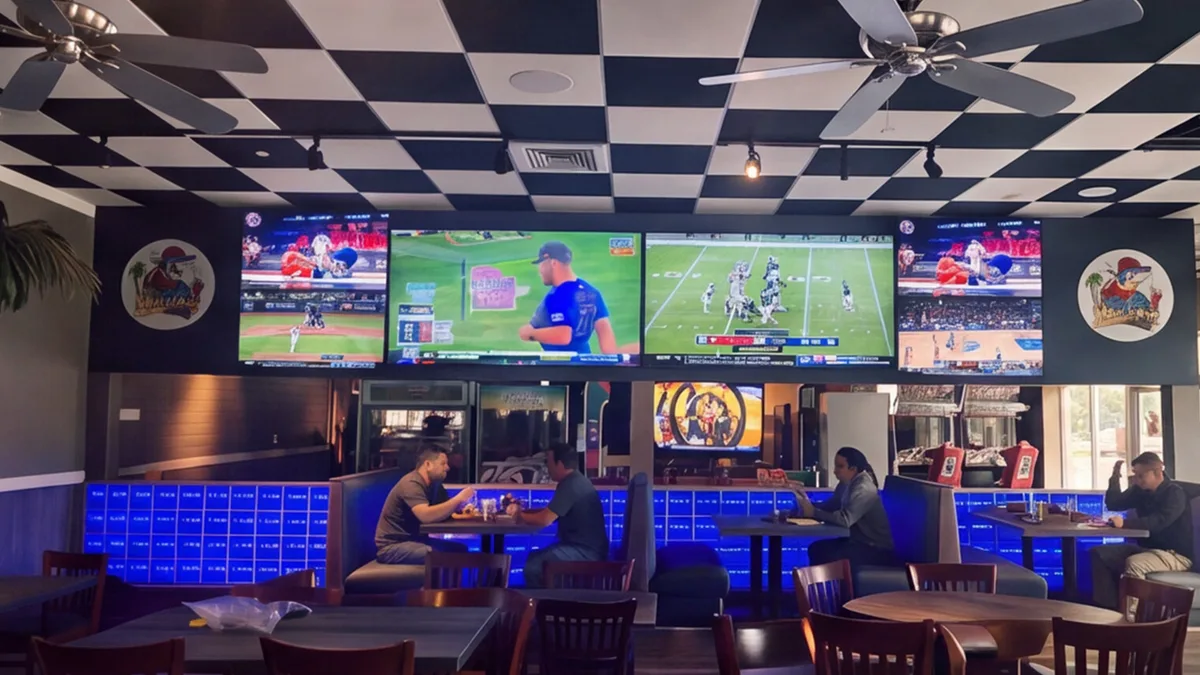
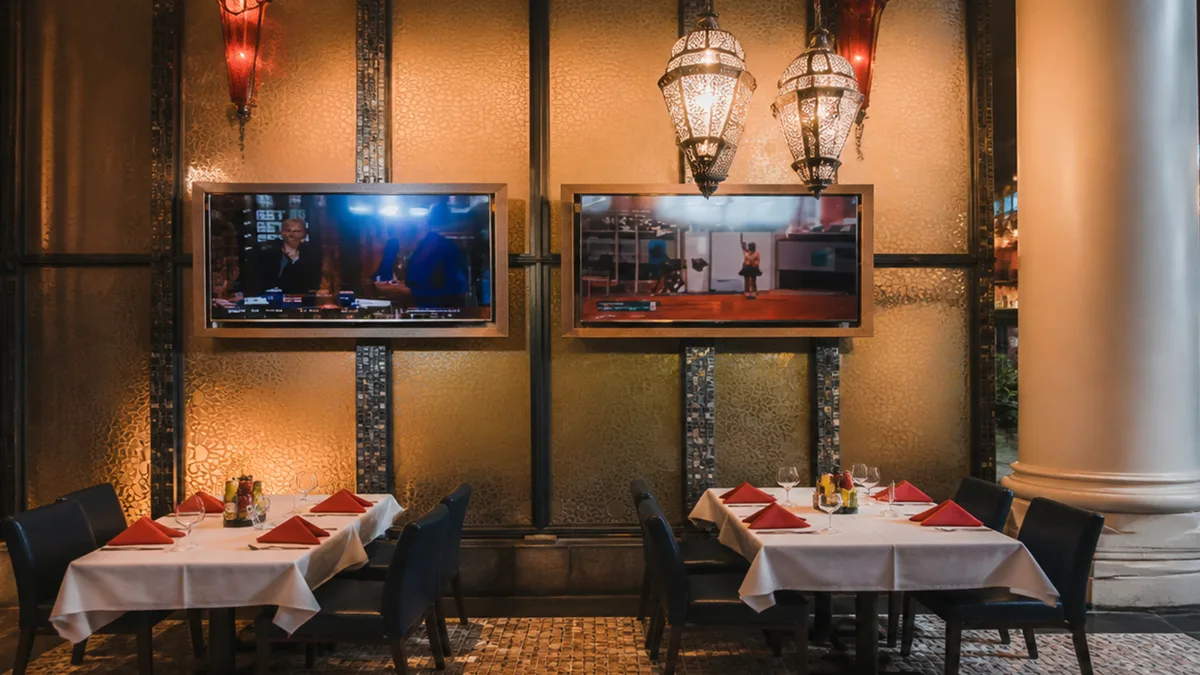
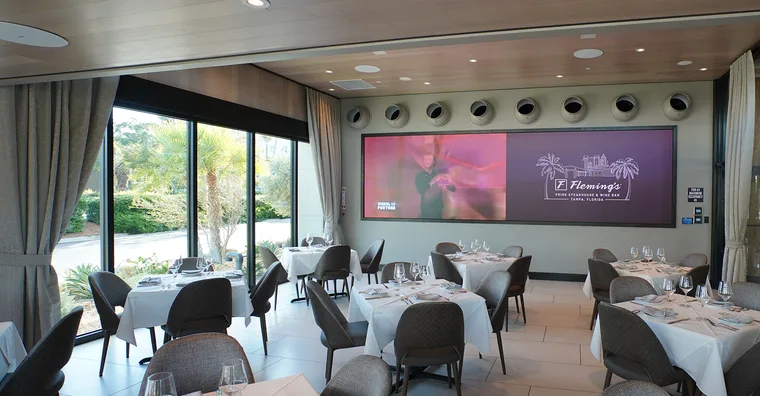
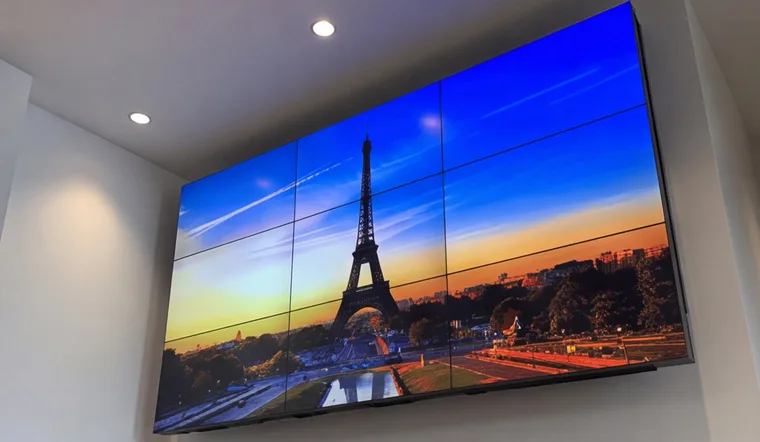
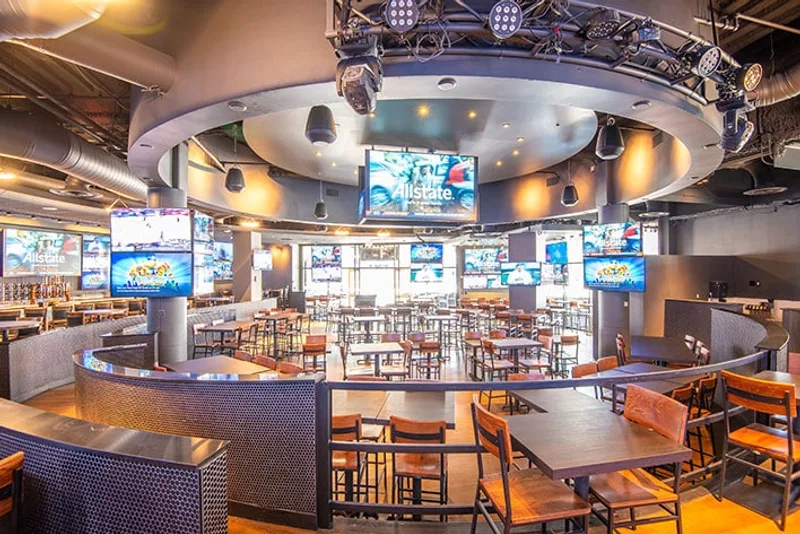
Displays in a Miami room usually serve the concept rather than the content, so they get placed as part of the architecture instead of hung wherever there was wall, with finishes and mounting chosen to sit with the materials around them. Digital menu boards get sized off reading distance from where guests actually stand and driven from one place, so a change happens across every location at once. Where a room wants televisions at the bar, they get their own audio zone so they never take over the dining room, and brightness gets set for the light the space really has rather than a factory default.

Automation, control, and the network

The transition from dinner to the late program is the part worth automating, because doing it by hand means it happens differently every night. Levels, sources, and lighting cues move on a schedule, staff get a small set of clearly labeled presets for exceptions, and the calibration and limits that took a designer to establish sit behind credentials so nobody undoes them at one in the morning. Sources live in one enclosed, labeled rack rather than a shelf behind the bar, and everything runs on a dedicated AV network instead of sharing bandwidth with your point of sale.

Why Miami restaurants trust us with it

Built for late rooms inacoastalclimate

Rooms here run hard, run late, and sit in salt air. Here is where our depth shows, and where our scope ends.

Headroom is why systems survive here

Most restaurant speaker failures we get called to are not defects. They are systems that spent three hours a night at the top of their range because they were sized for dinner and used for something else. Sizing for the loudest hour costs more at install and less over five years, since amplification running comfortably below its limit stays cool, sounds clean, and does not cook drivers. It also gives you a room that can be genuinely quiet, because a system with margin can be turned down without falling apart. Watch for a room that sounds thin and harsh once it fills, and you are usually listening to a system with nothing left.

Salt, humidity, and the equipment room

Three coastal realities shape the build. Salt air corrodes anything unprotected, so terraces, rooftops, and open frontages get marine-grade specification down to the fasteners. Humidity condenses inside enclosures, so outdoor gear gets sealed and drained properly rather than coated and hoped over. And the equipment room decides how long everything lasts: raised where flooding is a risk, inside the conditioned envelope, on protected circuits, kept at or below 75 degrees. We have opened racks that looked fifteen years old after three months in an uncooled closet, with dust caked on every surface.

Support after opening night

Crunchy Tech started in 2008 as an AV support operation, which is an unusual origin for an integrator and the reason the systems get built the way they do. When you spend years fixing other people's work, you learn exactly where installations cut corners. That shows up in a rack you can actually service: fully enclosed, every cable labeled at both ends, power separated from audio and data. Most of the cost of a bad install is not the install, it is everything that happens later because nobody can find anything. Around 47 percent of support tickets close inside an hour and roughly 72 percent within a day, which matters in a room that opens seven nights.

Where we draw the line

We do not install or operate cameras, we do not produce or edit video, and we do not run streaming as a service. We do not book talent and we do not staff your booth. What we build is the room's infrastructure, including clean audio feeds and documented signal paths for whoever you bring in. We also generally do not take install-only work. If you already bought equipment we will look at it, but we need to understand the design first, and we will not put our name on consumer-grade gear in a room that runs at volume seven nights a week.

What it earns back

How two services payforonesystem

A room that does dinner well and the late hours well is selling twice out of the same square footage.

How two services pay for one system — restaurant AV in Miami, FL
InstallHow two services pay for one system

Two revenue windows, one build

Guests who cannot hear each other at dinner do not complain about the audio. They eat, decline dessert, and go, which costs you the second half of the check and the table that would have stayed into the later service. On the other side, a late program running on a system with nothing left sounds harsh, and people feel that even when they cannot name it. Sizing for the harder hour lets the same footprint sell two different experiences properly, and the transition between them stops depending on which manager is closing.

Good, Better, Best against one design

Most owners price AV like retail: a speaker costs a certain amount, so a room of speakers should not cost much more. Worth being plain about the gap, because the processor, the amplification, the cabling, and the control take a serious share of the budget before you buy a single speaker, and headroom is bought in exactly those components. So we quote Good, Better, and Best against one design, per zone. Good is a real recommendation, not a strawman: even coverage, separate zones, scheduled states. Better usually adds the headroom and the terrace. If your budget is short of the room, we would rather value engineer it honestly than sell a system that will be run past its limit nightly.

How two services pay for one system — restaurant AV in Miami, FL
InstallHow two services pay for one system

Our room does dinner and then gets loud. Do we need two systems?

No, one system, but it has to be sized for the harder of the two jobs. The mistake is buying for dinner and then using the same equipment for the late hours, which puts the amplification and the loudspeakers at the top of their range for three hours a night. That is what harshness is, and it is also why speakers fail early here. Size for the loudest hour and the system spends dinner running comfortably well below its limit, which sounds better and lasts longer. The other half is coverage. A room covered by many smaller speakers can be turned down twenty decibels and still reach every table, whereas a room covered by a few loud ones falls apart the moment you dial it back, with the near tables still too much and the far ones already gone. Then the processor holds each state with its own levels and hard limits.

We have residences above us. How do we avoid complaints?

Design for it up front, because a restriction imposed after a complaint is far more expensive than the work it would have taken to prevent one. Low frequencies are the problem, since they travel through structure rather than air and a subwoofer sitting on a slab couples directly into the building. So subwoofers get isolated from the structure rather than set on the floor, placement avoids the paths that transmit most readily, and the processor holds a hard limit per zone that nobody can push past regardless of what happens at midnight. A scheduled step down later in the evening helps as well. Beyond that, even coverage means you are never asking one speaker to work hard, which keeps the overall energy in the room lower for the same perceived level. This is worth solving at design time in Brickell, Downtown, and anywhere else you sit under occupied floors.

Our speakers keep failing. Is that the salt or the volume?

Usually both, and they are separable. Indoors, early failure is nearly always the system being run at its limit night after night, which cooks drivers and stresses amplification. That is a sizing problem, not a product problem, and it gets solved with headroom. Outdoors, on a terrace or an open frontage, salt air is the culprit, and it attacks grilles, drivers, and especially the mounting hardware, which fails as often as the speakers do and is usually the part nobody specified. The answer there is marine-grade selection throughout, including brackets and cable, plus placement that keeps components out of direct spray where the design allows. Same logic applies to displays: an outdoor-rated screen has a sealed enclosure and its own thermal management, which is why it costs more and why it is still cheaper than replacing consumer panels every couple of seasons.

Do you handle cameras, livestreaming, or video production?

No. We are a design-build AV integrator. We do not install or operate cameras, we do not shoot or edit video, and we do not run streaming as a service, and we do not book talent. What we do is design the system around how the restaurant actually runs, procure the hardware, install it, calibrate it, train your staff, document all of it, and support it for the life of the system. Where a venue works with a production partner or brings in outside programming, we build the infrastructure that makes their job easy: clean audio feeds, documented signal paths, and a clean separation between the house system and whatever plugs into it.

Related Solution

Learn more about our Restaurant AV Systems solutions

View Restaurant AV Systems
What clients say

Operators who run on our systems

Client successes drive Crunchy Tech to become better. Below is how our customers feel about us.

Just do it. Spend the money. It’s well worth it. It’s not worth your time, hassle, energy, and stress of trying to make it look right and do it right when there’s somebody who has been doing it for years and has perfected the craft.

Matt Moore logo
Matt Moore
IT Systems Administrator · Capone's Hideout

Working with Crunchy Tech was a fantastic experience from start to finish. They handled the sale and installation of all our sound and TV equipment at The County Bar in Aviston, IL, and absolutely nailed it. We were on a very tight deadline, and they not only met it—they delivered top-notch quality and service the entire way. Highly professional, responsive, and easy to work with. We couldn't be happier with the results.

Clint Flowers logo
Clint Flowers
Owner · The County Bar

Crunchy has done an amazing job on our A/V install. The sound is perfectly balanced throughout our many zones and the entire system is super simple to use.
Steve Glum logo
Steve Glum
Chief Marketing Officer · Ace Cafe
Talk to a Miami restaurant AV designer

Let's build one system forbothservices

Tell us about the restaurant: the neighborhood, the square footage, what happens after ten, whether there are residences above or beside you, and how much of the seating sits outside. We will start with a consult to understand what you are trying to accomplish, then walk the room during a real service, and come back with one engineered recommendation instead of a parts list.

  • Sized for the loudest hour, so dinner runs well below the limit instead of at it.
  • Coverage from more sources at lower level, so the room can be genuinely quiet.
  • Hard limits per zone that hold at one in the morning.
  • Marine-grade hardware on terraces and open frontages, down to the fasteners.