Nightclub AV in Tampa
location_on Tampa, FL

Nightclub AV in Tampa

Nightclub sound systems zoned so the floor can run loud while the bar twenty feet away still sells a conversation, with subwoofer placement solved rather than assumed.

The bar has to hold a conversation whilethefloorisloud

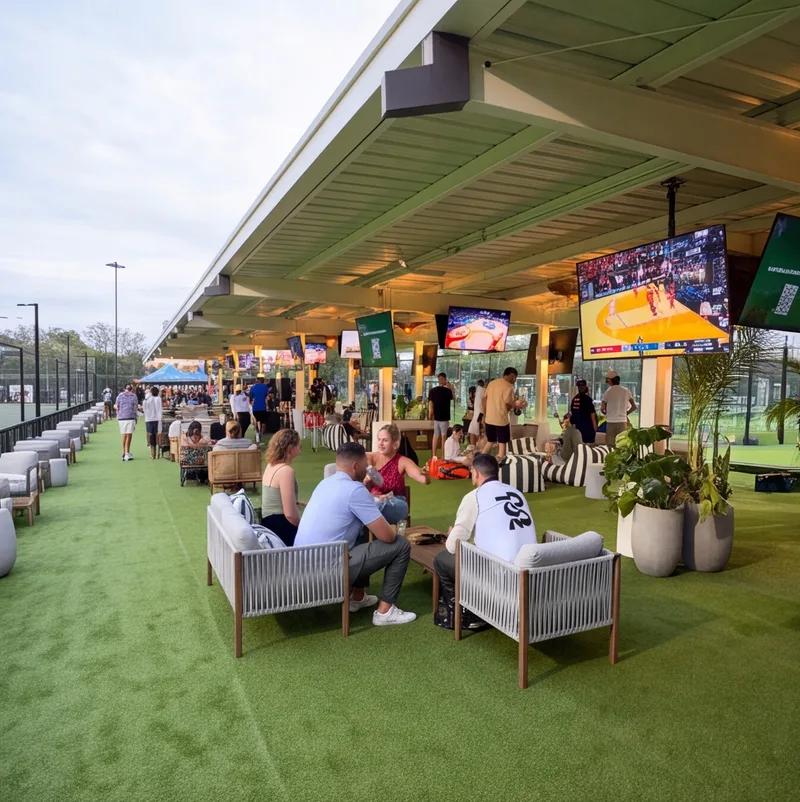
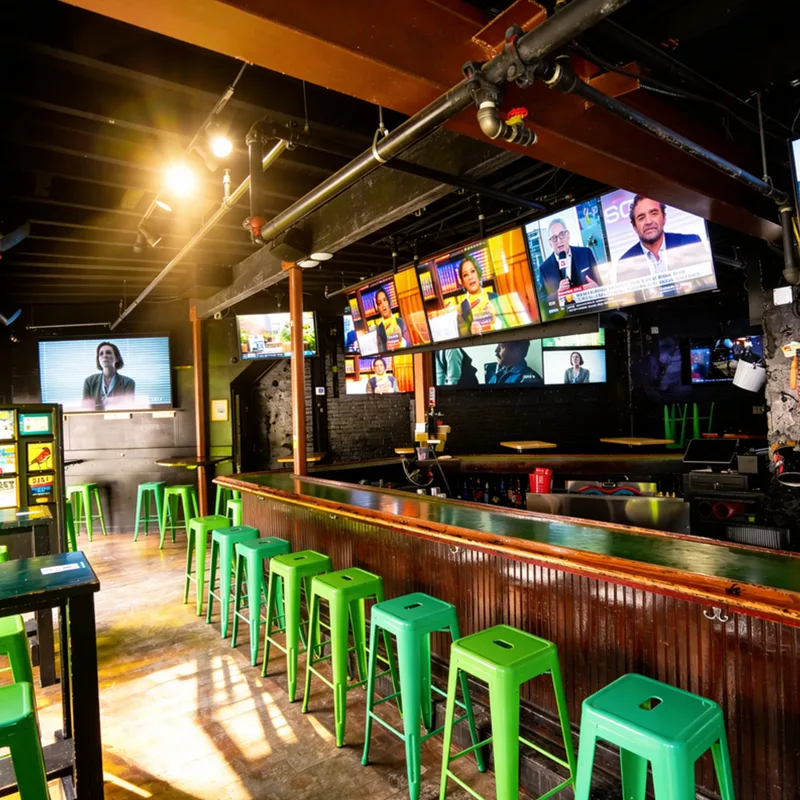
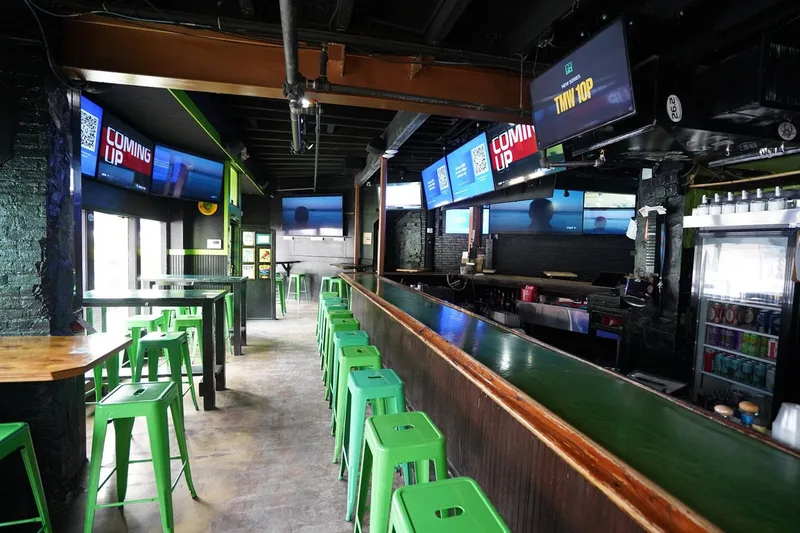
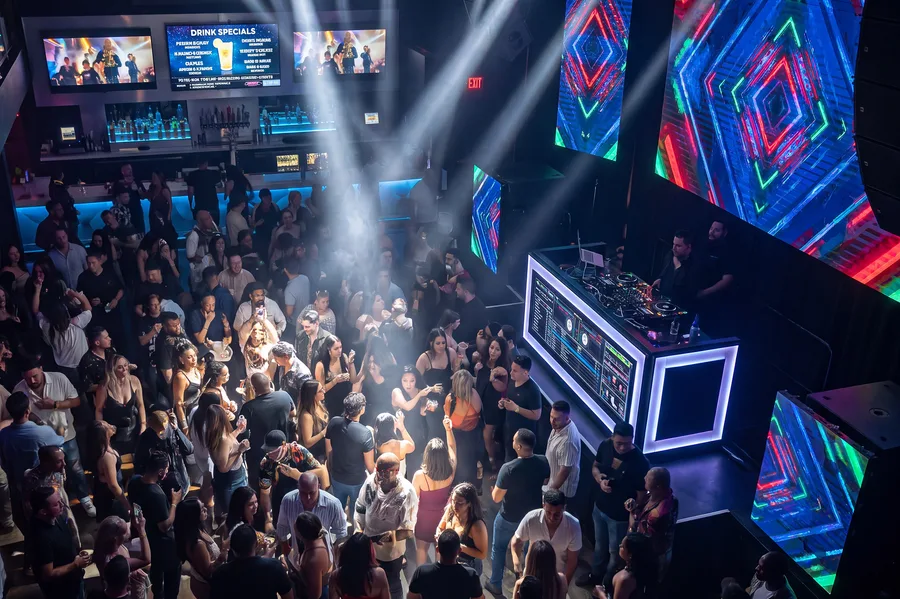
Most Tampa rooms sell two things at once. There is a dance floor where the whole point is volume, and there is a bar, a lounge, or a patio twenty feet away where people are buying drinks, meeting friends, and deciding whether to stay. When one system serves both, the floor wins and the rest of the venue becomes somewhere people shout for a few minutes before leaving. That is expensive, because the seats and rail positions that were supposed to carry the margin end up turning over faster than the floor does.

Separating them is mostly about directivity and placement rather than volume. Loudspeakers with tight, controlled patterns aimed at the floor keep energy where it belongs instead of spilling into the lounge, and the bar gets its own zone at its own level and its own limit. Where architecture helps, we use it, since a soffit, a level change, or a doorway does more than any amount of processing. We are also straight about the ceiling on this: low frequency does not stay where you point it, so there is a limit to how quiet the bar can be while the floor is genuinely loud, and knowing that number before you build is better than discovering it after.

The bar has to hold a conversation while the floor is loud
Install The bar has to hold a conversation while the floor is loud Tampa, FL

Nightclub AV AcrossTampaBay

From Ybor City and Channelside to Water Street, SoHo, and across the bay to St. Pete, we design and install nightclub sound systems, lighting, and booth infrastructure.

2008
Serving Tampa since
10
Neighborhoods
Ybor City
Nightclubs · Music venues

Old brick buildings sit beside homes here, so low-frequency control and hard limits get designed in rather than negotiated after a complaint.

Historic · LF control
Channelside
Nightclubs · Event venues

These rooms move between event nights and club nights, so the control layer switches states without a reconfiguration.

Mixed programming
Water Street and Downtown
Lounges · Hotel venues

New buildings mean conduit, structural mounting, and rack location can be designed in during framing rather than retrofitted.

New build · design-in
SoHo and Hyde Park
Lounges · Bars

The rail carries the revenue in these rooms, so the bar gets its own zone and level rather than inheriting the floor's.

Bar zone · separated
Armature Works and the Riverwalk
Event venues · Bars

Open volumes and outdoor edges need controlled coverage so sound reaches the people rather than the property line.

Open volume · pattern control
Seminole Heights
Bars · Music venues

Converted structures rarely have a good place for a rack, so location and cooling get decided early rather than after the closet fills.

Converted · rack planning
Westshore
Hotel venues · Lounges

Guest rooms sit above and beside these spaces, so low frequency gets decoupled and capped independently in the processor.

Guest rooms above · LF limits
St. Petersburg and the EDGE District
Nightclubs · Bars

Venues here sit under separate municipal review, so the approval path gets confirmed locally rather than carried over from a Tampa address.

Separate jurisdiction
Clearwater and the beaches
Beach clubs · Bars

Exposed frontages sit in the harshest salt in the market, so marine-grade selection is the baseline rather than an upgrade.

Beachfront · marine-grade
Brandon and New Tampa
Bars · Event venues

Operators out here often run several rooms, and one repeatable standard is cheaper to support than four different systems.

Multi-venue · standard

How we work

Zones drawn where theroomactuallydivides

We do not start with a speaker count. We start with how far apart your loudest and quietest areas are, because that distance sets what is achievable.

The consult and the site walk

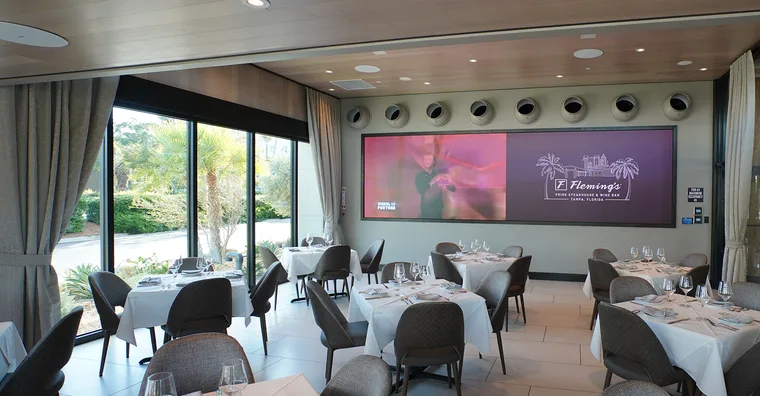
Most disappointing club systems were quoted off a floor plan by someone who never stood in the room at one in the morning. So we start with a consult rather than a quote: what you want the room to feel like, how big it is, what it needs to do, and the budget you are working with. Then we walk it during a real night, listening on the floor, at the rail, in the lounge, and standing in the booth. In Tampa we pay particular attention to what separates those areas, since a soffit or a level change is worth more than any processing we could add later.

Zones drawn where the room actually divides — nightclub AV in Tampa, FL
InstallZones drawn where the room actually divides
Zones drawn where the room actually divides — nightclub AV in Tampa, FL
InstallZones drawn where the room actually divides

Design you can see, then one team on site

The other way these go wrong is that nobody experiences the outcome until it is built, then wants it changed a season later. So you see the design before you commit to equipment, including where every loudspeaker points and what the realistic level difference between zones will be. Control gets programmed around the nights you actually run, so a peak Saturday, a slower midweek, and a private buyout are states rather than an argument. One team handles the install, calibration, staff training, and documentation, and coordinates with your general contractor, electrician, low-voltage trades, and the licensed fire alarm contractor.

What we build

The nightclub AV stack aTamparoomrunson

A club is a handful of systems that have to behave like one instrument. Here is what we design, program, and install.

The nightclub AV stack a Tampa room runs on
InstallThe nightclub AV stack a Tampa room runs on

Directivity, zoning, and the dance floor

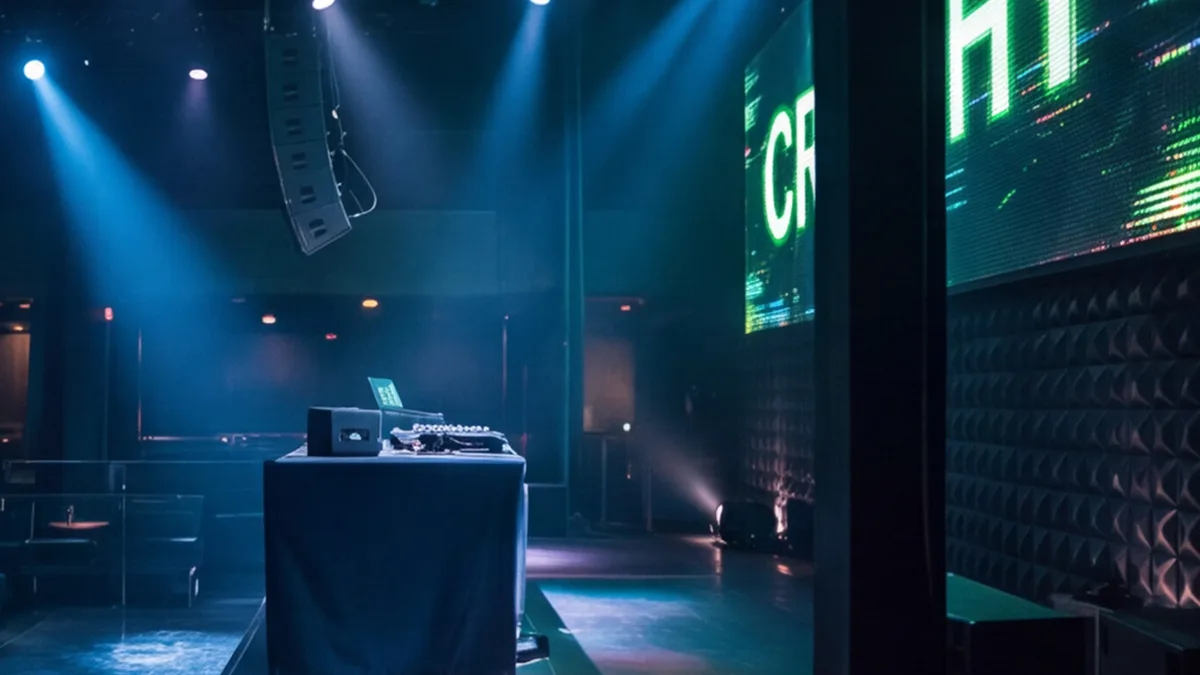
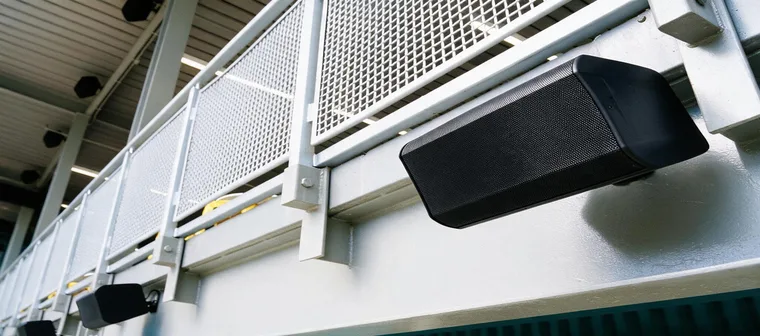
Keeping the floor loud and the bar usable is a pattern control problem before it is a level problem. Loudspeakers with tight, predictable coverage aimed at the dance floor put energy on the people who came for it and much less into the rest of the venue, while the bar and lounge run their own zones at their own levels with hard limits held in the processor. The system gets sized for the loudest hour and held below it, because a rig at its limit sounds harsh, distorts on peaks, and cooks drivers. Subwoofer placement gets solved deliberately, since that is the part that travels.

Lighting, LED, and the visual layer

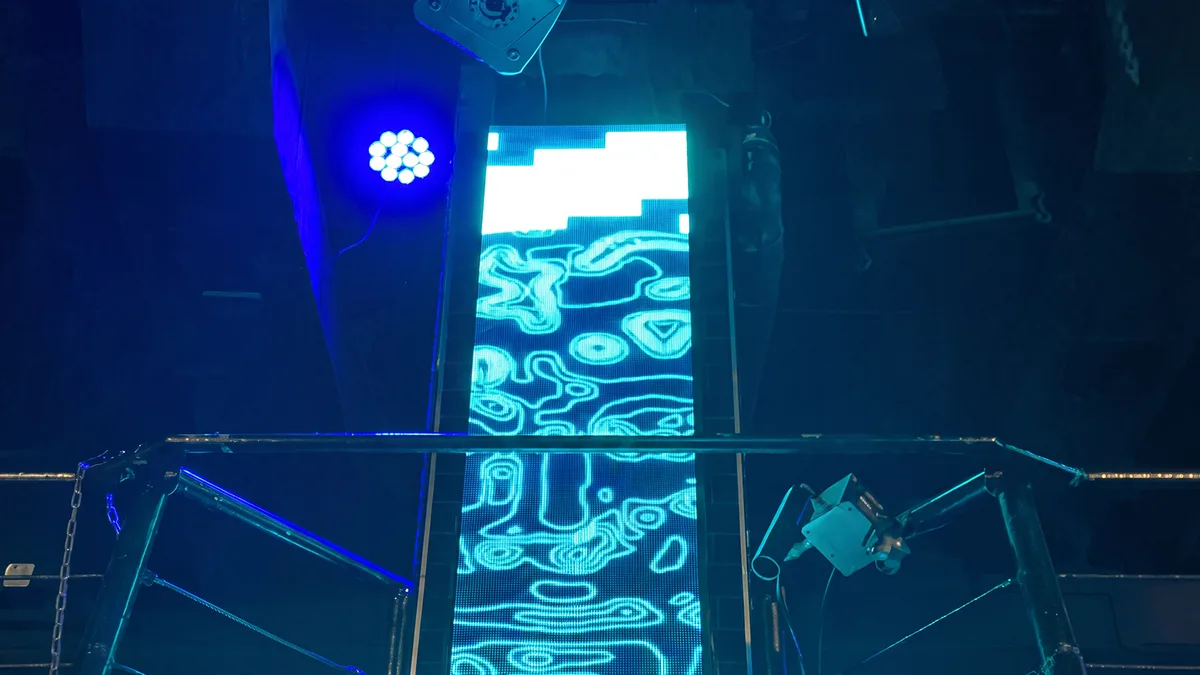
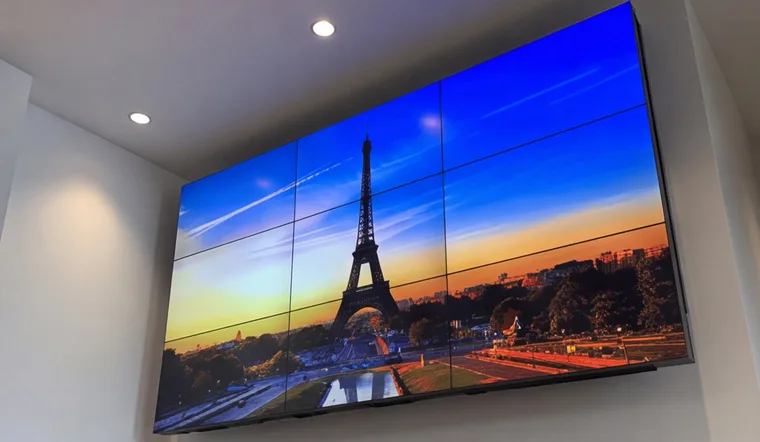
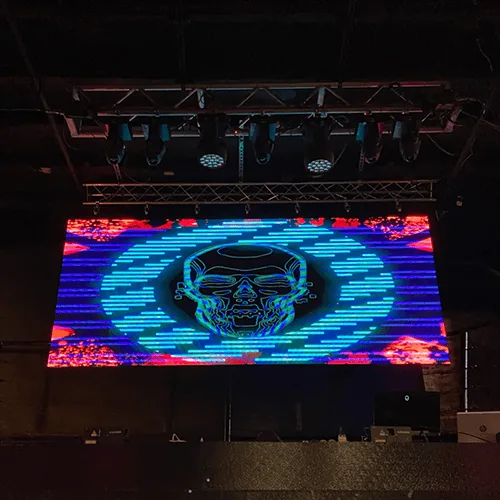
Lighting is what a phone camera actually records, so it gets designed alongside the audio rather than added by a different vendor with a different control system. Fixtures get selected and positioned for the room's geometry and the looks the concept needs, wired and addressed properly, and brought into one control layer so lighting, video, and audio states change together. Lighting also does real work on the zoning problem, since a floor that reads as a separate space visually feels separate even where the acoustics can only do so much. LED walls get sized off real viewing distance and mounted to structure that can carry them.

Booth, control, and the network

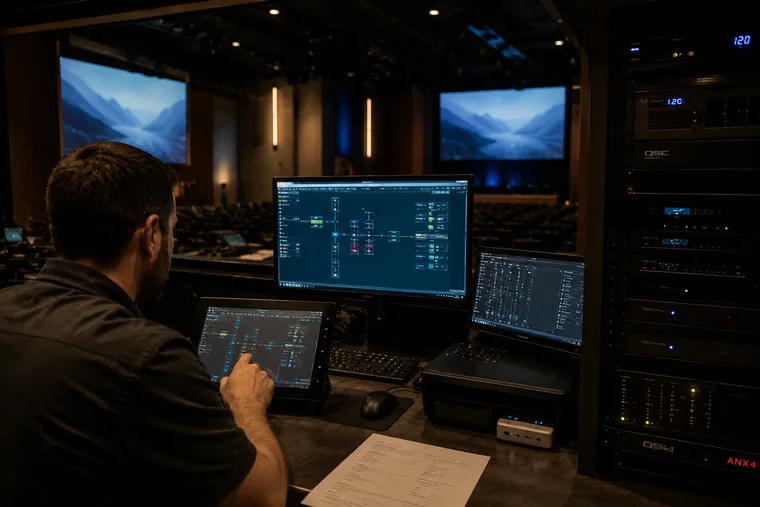
The booth gets a documented tie-in panel with labeled, tested inputs, its own monitor path so nobody has to push the house to hear themselves, and processor limits that protect the room regardless of who is behind the decks. States move by a small set of clearly labeled presets, and the calibration that took a designer to establish sits behind credentials so it cannot be undone at two in the morning. Everything lives in one enclosed, labeled rack in a conditioned space, on a dedicated AV network rather than sharing bandwidth with your point of sale, and the system mutes and passes emergency announcements when the fire alarm calls for it.

Why Tampa clubs trust us with it

Built for level separation inacoastalclimate

Holding two very different levels in one building is the hardest thing these rooms ask for, and the Gulf is hard on everything installed to do it. Here is where our depth shows, and where our scope ends.

What separation can and cannot do

Mid and high frequencies can be aimed. A well-chosen loudspeaker puts most of its energy in a defined pattern and comparatively little outside it, which is why a floor can be genuinely loud while the lounge stays workable. Low frequency behaves differently, spreading through the space and through the structure regardless of where the box points, so there is a floor under how quiet an adjacent area can be. We would rather tell you that number during design than have you discover it on opening weekend. Where the architecture gives us a soffit, a level change, or a doorway, we use it, because physical separation outperforms processing every time.

Ybor, salt air, and storm season

Three local realities shape the build. Historic districts here put clubs in old masonry buildings alongside residential neighbors, so limits and low-frequency control get designed in rather than negotiated after a complaint. Salt air off the bay corrodes anything unprotected, so patios and exposed frontages get marine-grade selection down to the fasteners. Storm season puts surges and brief outages on the grid weekly in summer, so the rack gets real surge protection and conditioning, plus cooling that keeps it at or below 75 degrees, because a club works its amplification harder than any other hospitality room.

Support after opening night

Crunchy Tech started in 2008 as an AV support operation, which is an unusual origin for an integrator and the reason the systems get built the way they do. When you spend years fixing other people's work, you learn exactly where installations cut corners. That shows up in a rack you can actually service: fully enclosed, every cable labeled at both ends, power separated from audio and data. We have opened racks that looked fifteen years old after three months in an uncooled closet, with dust caked on every surface. Around 47 percent of support tickets close inside an hour and roughly 72 percent within a day.

Where we draw the line

We do not book or program talent, we do not staff your booth, and we do not run shows. We do not install or operate cameras, produce video, or run streaming as a service. We are not acousticians, so where the answer is structural isolation or absorption we will say so and tell you what that specialist would need to do. We coordinate with your licensed fire alarm contractor on the emergency interface rather than providing the alarm system ourselves. We also generally do not take install-only work.

What it earns back

How a usable bar paysforthesystem

The floor is the draw. The bar and the lounge are frequently where the margin is, and they are the parts a single-zone system quietly destroys.

How a usable bar pays for the system — nightclub AV in Tampa, FL
InstallHow a usable bar pays for the system

The rail that keeps selling

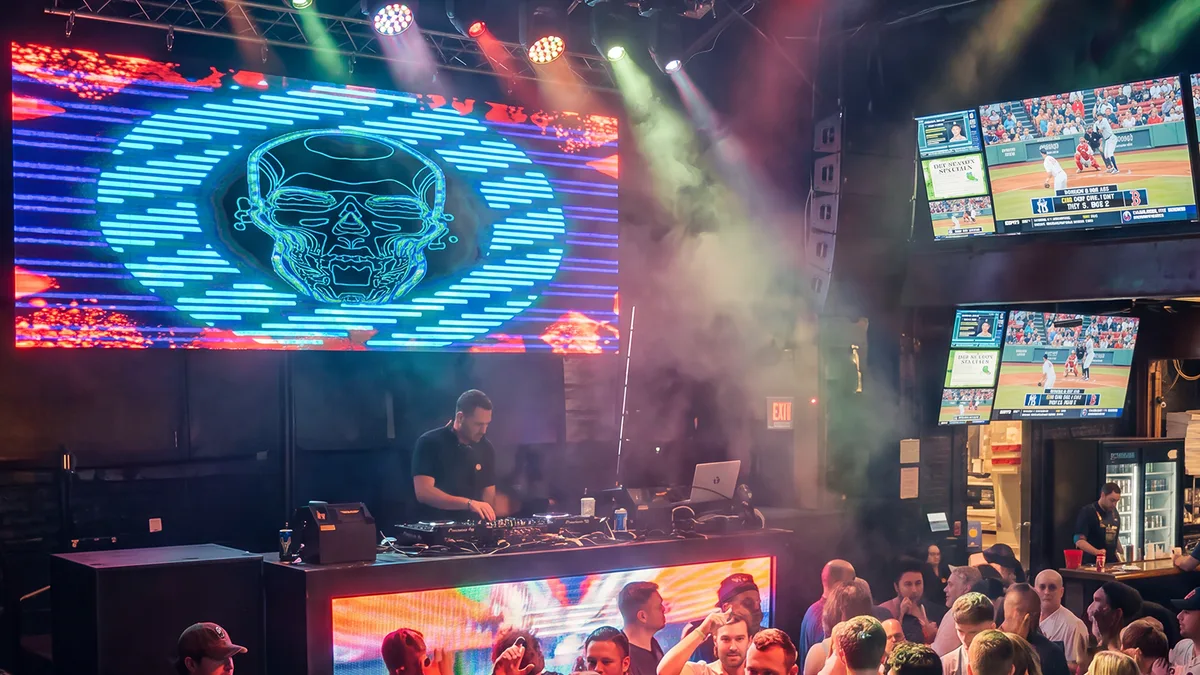
People who cannot hear each other at the bar do not complain about the sound system. They finish one drink and go, and the positions you built to carry the margin turn over faster than the dance floor does. A venue where the bar and the lounge stay usable sells more per head across the same night, holds groups who came together and want somewhere to talk, and gives people a reason to stay in the building rather than leaving to find one. That is the return, and it comes almost entirely from zoning and pattern control rather than from more output.

Good, Better, Best against one design

Most owners price AV like retail: a loudspeaker costs a certain amount, so a room of them should not cost much more. Worth being plain about the gap, because the processing, the amplification, the cabling, and the control take a serious share of the budget before you buy a single box, and controlled-pattern loudspeakers cost more than the alternative for exactly the reason this page is about. So we quote Good, Better, and Best against one design, per zone. Good is a real recommendation, not a strawman: even floor coverage, a separate bar zone, a documented booth, protected limits. If your budget is short of the room, we would rather value engineer it honestly.

How a usable bar pays for the system — nightclub AV in Tampa, FL
InstallHow a usable bar pays for the system

Can the bar really be quiet enough to talk while the dance floor is loud?

Quieter than most rooms manage, and worth being precise about how much. Mid and high frequencies can be controlled well. A loudspeaker with a tight, predictable pattern aimed at the floor puts most of its energy on the people who came for it and comparatively little into the lounge, which is why the difference between a well-designed room and a poorly designed one is dramatic in that range. Low frequency is the honest limit. It spreads through the air and through the structure regardless of where the box points, so an adjacent bar will always carry some of the low end from a loud floor. What that means practically is that we can get you a bar where people talk at a raised conversational level rather than shouting, and we will tell you the realistic number at design time rather than after opening. Where the architecture offers a soffit, a level change, or a doorway, we use it, since physical separation beats processing every time.

Where should the subwoofers go?

Somewhere chosen, which is rarer than it should be. Subwoofers usually end up wherever there was room, most often tucked under a booth or lined along a back wall, and the result is a floor with loud spots and dead spots and a lounge getting more low end than the dance floor. Placement is what fixes that, because low frequency interacts strongly with room boundaries and with other subwoofers, so where they sit relative to walls and to each other changes what people actually feel. Arranging them deliberately can also steer energy toward the floor and away from adjacent areas, which directly serves the zoning problem. It costs nothing extra at design time and it is difficult to correct once the boxes are built into millwork. This is also the single most common thing we are called in to fix in rooms that were otherwise well equipped.

We are in Ybor with neighbors nearby. What should we do differently?

Design for the building next door from the start, because a restriction imposed after a complaint is far more expensive than the work it would have taken to avoid one. Old masonry transmits low frequency well, and a subwoofer sitting directly on a slab or against a shared wall couples into the structure the way a tuning fork couples into a table. So subwoofers get decoupled from the structure rather than set on the floor, placement avoids the paths that transmit most readily, and the processor holds an independent low-frequency limit that holds at two in the morning regardless of who is running the room. Even coverage helps as well, since a system where nothing is working hard puts less total energy into the building for the same perceived level. Where the honest answer is structural isolation, we will tell you, because that is an acoustician's work rather than ours.

Do you handle the lighting and the LED, or just the sound?

Both, and it is better done together. Lighting is what a phone camera records and what the room gets judged on afterward, so it belongs in the same design conversation as the audio rather than being added later by someone with a separate control system. We select and position fixtures for the room's geometry, wire and address them properly, and bring lighting, video, and audio into one control layer so states change together instead of three people pressing three things. Lighting also helps the zoning problem, since a floor that reads as a distinct space visually feels distinct even where the acoustics can only do so much. What we build is the permanent installed system and its programming. We do not run shows, book or program talent, or staff your booth.

What We Do Here

Services available in Tampa

Every system is designed, installed, and supported by our own team in Tampa — never subcontracted.

Get a Tampa Quote arrow_forward
AV Consulting01 / TAMPA

AV Consulting

AV consulting from an audio visual consultant who joins at the architectural phase, designs the technology into the plan and steers the project around your business outcome.

AV Consulting in Tampaarrow_forward
tv02 / TAMPA

Video Wall Solutions

Commercial video walls across LED, LCD and Direct View. Designed, integrated, installed and supported by a national design-build AV integrator.

Video Wall Solutions in Tampaarrow_forward
Commercial Sound Systems03 / TAMPA

Commercial Sound Systems

Commercial sound system design and installation: multi-zone audio engineered around how your space is used, wired and tuned on site, and supported as a partner.

Commercial Sound Systems in Tampaarrow_forward
add_ad04 / TAMPA

Digital Signage Services

Design-build digital signage for hospitality and enterprise: commercial displays, content management, and installation that keeps your screens selling and current.

Digital Signage Services in Tampaarrow_forward
settings_remote05 / TAMPA

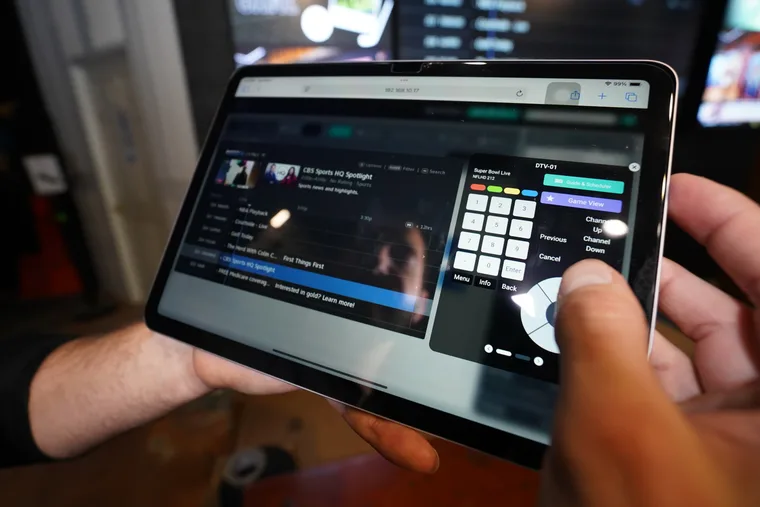
AV Control Systems

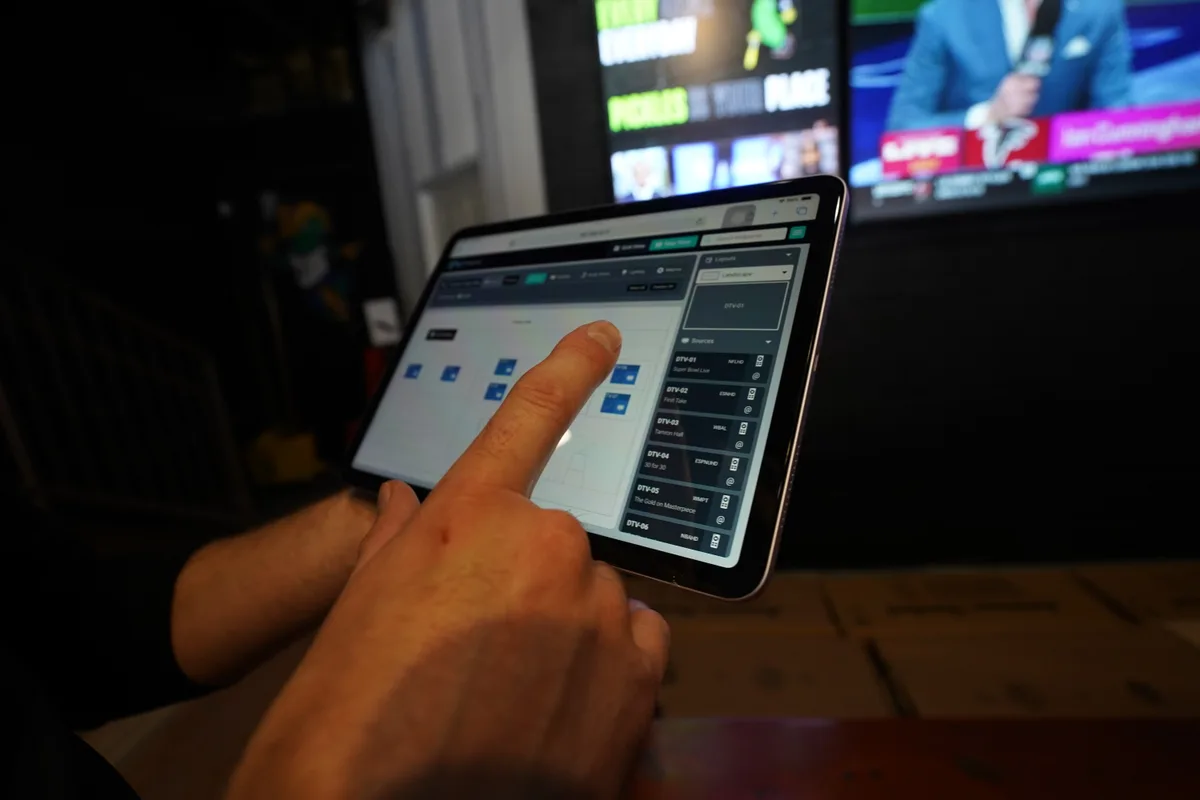
Design-build AV control systems: one iPad, wall panel, or browser runs every display, audio zone, lighting scene, and source in the room. Programmed and supported in-house.

AV Control Systems in Tampaarrow_forward
bolt06 / TAMPA

AV Programming

AV programming that starts with the right design: a vetted, interconnectable stack unified into one control system, so the whole room runs from one simple interface.

AV Programming in Tampaarrow_forward
hangout_video07 / TAMPA

Conference Room AV

Conference room AV designed around the people using the room: video conferencing, Zoom and Teams Rooms, displays, and audio, installed and supported as a partner.

Conference Room AV in Tampaarrow_forward
Related Solution

Learn more about our Nightclub AV solutions

View Nightclub AV
What clients say

Operators who run on our systems

Client successes drive Crunchy Tech to become better. Below is how our customers feel about us.

Just do it. Spend the money. It’s well worth it. It’s not worth your time, hassle, energy, and stress of trying to make it look right and do it right when there’s somebody who has been doing it for years and has perfected the craft.

Matt Moore logo
Matt Moore
IT Systems Administrator · Capone's Hideout

You're a great partner with Florida Hospital and this project will make a difference in Children's Health.

Des Cummings logo
Des Cummings
Vice President of Florida Hospital · Florida Hospital

Working with Crunchy Tech was a fantastic experience from start to finish. They handled the sale and installation of all our sound and TV equipment at The County Bar in Aviston, IL, and absolutely nailed it. We were on a very tight deadline, and they not only met it—they delivered top-notch quality and service the entire way. Highly professional, responsive, and easy to work with. We couldn't be happier with the results.

Clint Flowers logo
Clint Flowers
Owner · The County Bar

Crunchy's AV Services are outstanding. Staff members are experts, who really extend themselves to find the right technology for helping us reach our marketing goals in creative ways. The best thing about working with Crunchy is collaborating with the staff – they are patient, responsive, knowledgeable, and available.

Shannon McHale logo
Shannon McHale
Marketing Specialist · IGT

Crunchy has been great to work with. They communicate well and deliver as promised.

Brian Dornbush logo
Brian Dornbush
Facilities & Operations Manager · Orange County Library System

The work Crunchy has been doing is a game changer for this industry.

Steven Fandozzi logo
Steven Fandozzi
VP of Information Technology · Foundation Partners

Being able to reuse the existing structure created a much lower cost for the client and they were ecstatic.

Seminole State College logo
Seminole State College
Facilities · Seminole State College

Crunchy has done an amazing job on our A/V install. The sound is perfectly balanced throughout our many zones and the entire system is super simple to use.
Steve Glum logo
Steve Glum
Chief Marketing Officer · Ace Cafe
Talk to a Tampa nightclub AV designer

Let's keep the floor loud andthebarsellable

Tell us about the venue: the neighborhood, the capacity, how far the bar and lounge sit from the dance floor, what separates them architecturally, whether there are residences or guest rooms nearby, and where the subwoofers are now. We will start with a consult to understand what you are trying to accomplish, then walk the room during a real night, and come back with one engineered recommendation instead of a parts list.

  • Controlled-pattern loudspeakers aimed at the floor rather than spilling into the lounge.
  • The bar and lounge on their own zones, levels, and hard limits.
  • Subwoofer placement solved deliberately, which is the part that travels.
  • A realistic number for the level difference between zones, given at design time.