AV Company Oakland | Commercial AV Integration
location_on Oakland, CA

Commercial AV in Oakland

Design-build audiovisual for Oakland offices, the port, restaurants, and civic rooms, delivering an SF-grade standard on an East Bay budget.

An SF standard on anEastBaybudget

A lot of Oakland's commercial AV buyers would be in San Francisco if the numbers made sense. They came across the bay for the space and the cost, but their customers, their competitors, and their own expectations are still San Francisco, so they want an SF-grade room. Then reality sets in on two fronts: an East Bay budget that isn't an SF budget, and, very often, an older building that was never designed for modern AV. That's the Oakland puzzle. You're asked to hit a San Francisco standard, spend like the East Bay, and work around plaster walls, no plenum, and a fault line. It's three forces pulling against each other, and solving that tension is most of the job here.

So we design to the standard your people expect and spend where it actually shows. That means putting the budget into the things a room is judged on, clean sound, legible screens, controls that just work, and being disciplined everywhere it won't be noticed, so the result reads SF-grade without an SF invoice. The older building gets respected, not fought: we route around what can't be opened, brace and anchor for the Hayward Fault, and design to California's power code from the start. From there the craft holds: real drawings, a rack we assemble and test at the shop, a clean install, tuning, training, and documentation the next tenant can use, backed by support that usually gets solved without rolling a truck. Since 2008.

An SF standard on an East Bay budget
Install An SF standard on an East Bay budget Oakland, CA

Commercial AV AcrosstheEastBay

Downtown and Uptown, Jack London and Lake Merritt, Temescal and Rockridge, the Port and Emeryville.

2008
Serving Oakland since
10
Neighborhoods
Downtown and Uptown
Corporate · Venues · Restaurants

Downtown and Uptown pair Art Deco office towers with an arts and nightlife scene in older, character-rich rooms.

Office · nightlife
Jack London Square
Restaurants · Venues · Corporate

Jack London Square runs waterfront dining and entertainment in converted industrial buildings along the estuary.

Waterfront
Lake Merritt
Institutional · Corporate

The Lake Merritt district holds City Hall, county offices, and civic rooms at the heart of Oakland's public life.

Civic core
Old Oakland
Restaurants · Corporate · Retail

Old Oakland's restored Victorian commercial blocks run restaurants and offices in some of the city's oldest stock.

Historic core
Temescal
Restaurants · Bars

Temescal's dining corridor packs popular restaurants into older storefronts with difficult acoustics.

Dining corridor
Rockridge
Restaurants · Retail

Rockridge runs an upscale College Avenue dining and retail strip on the Berkeley line.

Upscale strip
West Oakland and the Port
Industrial · Corporate

West Oakland and the Port anchor the industrial and logistics economy, where warehouse AV outnumbers anything decorative.

Industrial core
Fruitvale
Restaurants · Retail

Fruitvale's dense commercial district serves a local crowd with everyday retail and dining rooms.

Local commercial
Emeryville
Corporate · Retail · Industrial

Neighboring Emeryville pairs biotech and creative offices with big retail, permitting on its own.

Separate city
Berkeley and Alameda
Institutional · Corporate · Restaurants

Berkeley's university and Alameda's former-base commercial sit just over the line on their own reviews.

Separate cities

What we do here

Oakland AV, SFStandard,EastBayValue

Four kinds of buyers drive our Oakland work, and most of them are measured against San Francisco.

Offices, creative, and SF-overflow firms

This is the buyer that defines Oakland: companies that would be in San Francisco if they could justify it, and came east for the space and the cost. Tech and creative firms, professional offices, and startups fill Uptown, downtown, and the converted warehouses of Jack London, and they want rooms that match what their people saw across the bay. So we design to that standard and spend where it shows, clean sound, sharp screens, controls anyone can run, and hold back where a dollar won't be noticed. The older buildings these firms love come with real limits, plaster, brick, no plenum, tight power, so we route around what can't be opened and make the room look intentional anyway. The goal is an SF-grade space at an Oakland number, and hitting both is the whole point.

The port, logistics, and industrial

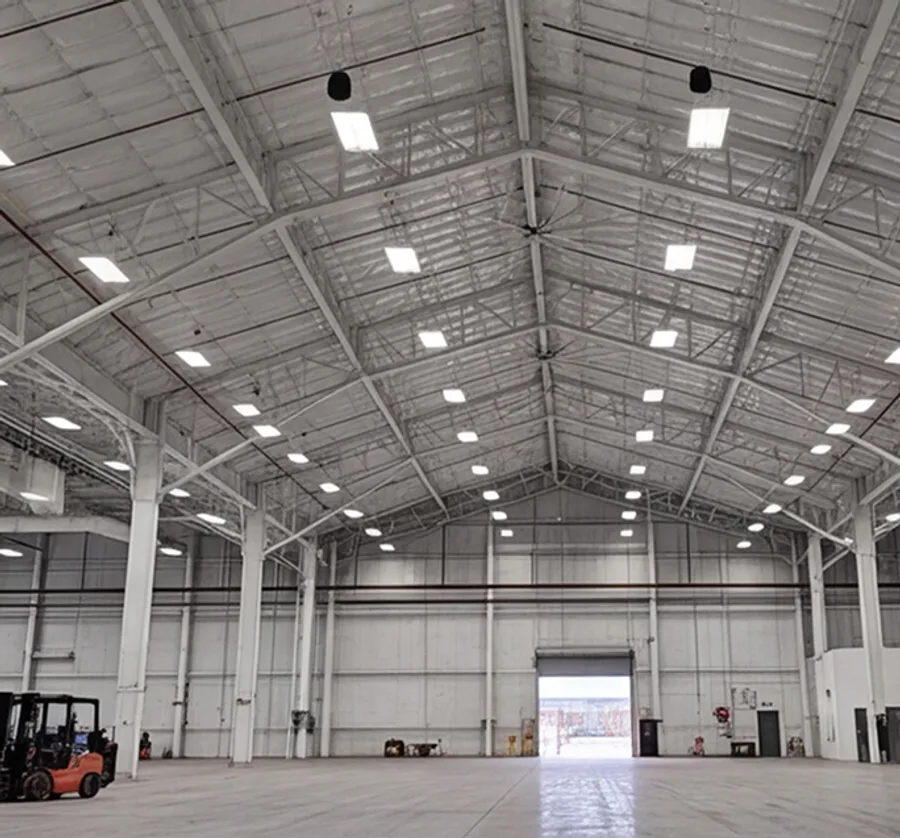
Oakland is a working port city, and the industrial economy around it buys AV built for the floor, not the showroom. The Port, the warehouses, and the distribution and light-manufacturing sites across West Oakland and the estuary need paging and audio that cut through noise, front offices ready for a video call, and training rooms a rotating crew can pick up fast. The paging gets tuned so a message is understood at the far end of the warehouse as clearly as near the office, gear gets ruggedized for a working environment, and the meeting rooms stay simple for shift staff. Multi-plant operators get a single standard across all their buildings. This is the unglamorous half of Oakland's economy, the part that moves goods through one of the country's busiest ports, and it has to run every shift.

Restaurants, bars, and the districts

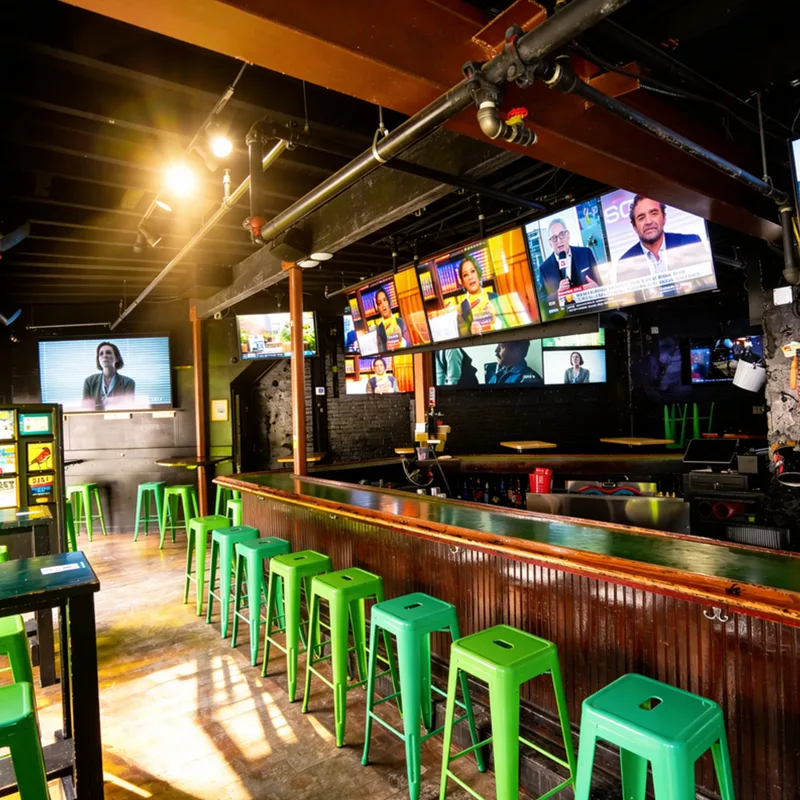
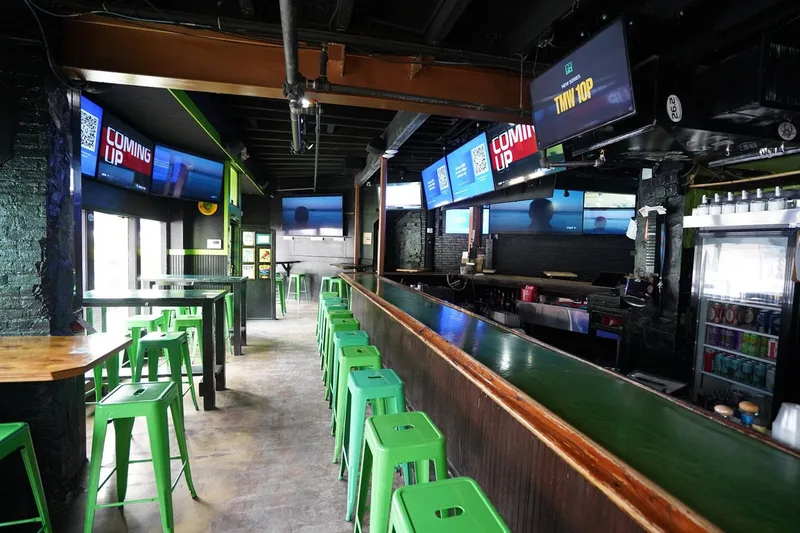
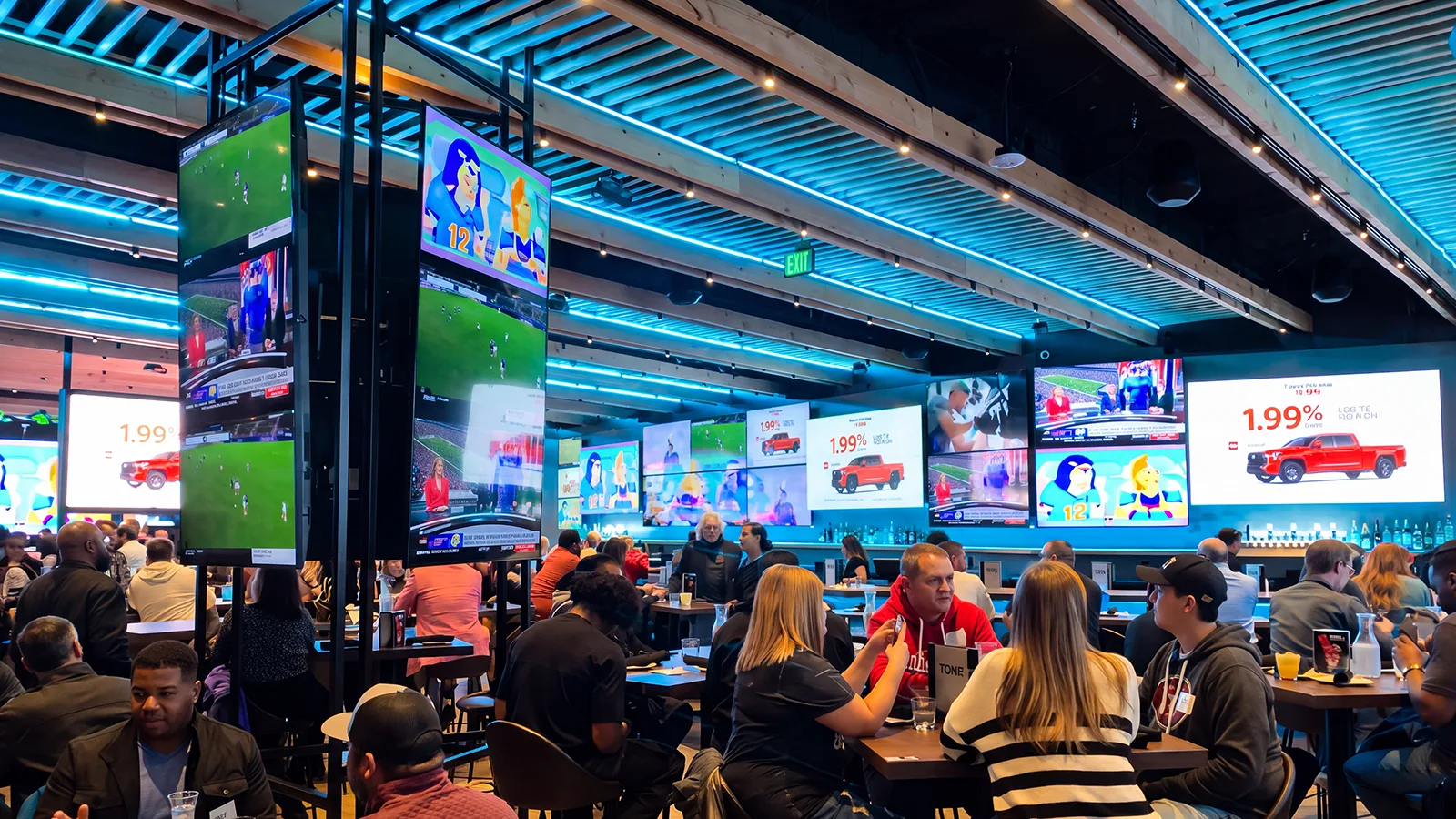
Oakland eats and drinks in some of the best-loved rooms in the Bay Area, Jack London Square, Uptown, Temescal, Rockridge, Old Oakland, and most of them are older, hard-surfaced spaces with real character and difficult acoustics. So placement and tuning matter more than volume, zoned so a live act or a packed bar doesn't swallow the tables. We work with the room the building gives us instead of gutting it, keeping the character while making the sound behave. Screens go where a crowd will actually watch. Where a venue runs live music or events, we build the connection points and hand the show to their crew, because we do not book talent, we do not mix live shows, and we do not do production camera work. The aim is a room that keeps Oakland's character and still sounds right every night.

Civic, campus, and public buildings

Oakland's public side is substantial: city and county government, the courts, the library system, and the community-college and university spaces around the East Bay. Public rooms buy on bids, and the test is the usual one, whether someone in the back row can follow the whole session, which puts the microphone and gain plan first and sizes the controls for whoever runs the room. Many of these are grand old civic rooms with hard surfaces, so intelligibility takes real design rather than more speakers. Bid and records rules get met as written, and streaming sessions get their outlet wired in while your staff runs the broadcast. Accessibility and assistive listening go in as standard. Public work here rewards patience, clarity, and clean paperwork, which is how we build.

We want an SF-quality room but we're on an Oakland budget. Is that realistic?

Realistic, and it's basically the question we answer most often in Oakland. Plenty of businesses here would be in San Francisco if the economics worked, so their people expect an SF-grade room even though the budget came east with them. The way you get there isn't a cheaper version of everything, it's spending deliberately: put the money into what a room is actually judged on, clean and even sound, screens that look sharp, controls that just work, and be disciplined about the parts nobody notices. Done right, the room reads like San Francisco without the San Francisco invoice. The other half is the building, since so many Oakland spaces are older and weren't built for modern AV, so we design around plaster, brick, tight power, and the fault line rather than pretending they aren't there. Crunchy Tech has been doing this since 2008, and hitting an SF standard on an East Bay budget, in a building with a history, is exactly the balance we're set up for.

Our space is an older Oakland building. What does that mean for the AV?

It means the design starts with the building, not the gear, because Oakland's older stock has real quirks. Plaster and brick walls don't open up the way modern drywall does, so pulling cable takes planning and sometimes surface raceway done cleanly enough to look intentional. Many of these buildings have no plenum and limited electrical capacity, so power and pathways get worked out early rather than discovered mid-install. Because the whole region is seismic, anything heavy has to be braced and anchored to the actual structure, which in an old building takes knowing what's behind the finish. None of this is a reason to avoid a great old space, it's just a reason to design for it honestly instead of forcing a new-construction plan onto a hundred-year-old room. We survey what we're working with first, so the install has no surprises and the finished room respects the building instead of fighting it.

We have sites in Oakland, Berkeley, and Emeryville. Different rules?

Different rules city by city, because the East Bay is a cluster of separate governments sharing one state code. Oakland, Berkeley, Emeryville, and Alameda are each their own permitting authority, so opening in another means a fresh review at a new counter no matter what your first site cleared, and Alameda County handles the unincorporated gaps. The statewide seismic and Title 24 rules keep the engineering consistent, but the permit and inspection are local, and Berkeley in particular has its own way of doing things. Managing that spread falls to us, not you: filing in each city correctly, lining up the right inspectors, and giving you a straight timeline when a desk is backed up, so all that lands on you is a date to plan around. Your crew runs every room identically regardless, the same controls and the same launch, so crossing city lines never changes the day. You operate one business across a handful of East Bay governments, and absorbing that is part of what we do.

What do seismic and the Bay climate mean for our outdoor AV?

More than a mild climate would, mostly because of the ground and the marine air. The Hayward Fault runs directly through Oakland, so anything heavy, racks, large displays, ceiling-mounted speakers and projectors, gets braced and anchored to the structure to survive a quake, and California's energy code shapes how the systems draw power. The bay itself keeps the air damp and lightly salty, so outdoor and near-water gear gets sealed and corrosion-resistant rather than treated like a dry inland job. Dry-season fire and smoke off the hills add ash and heat that outdoor equipment has to shrug off, and the region's microclimates swing from fog to sun within a few blocks, so exterior gear gets built for both. None of it is exotic once you design for the Bay Area on purpose, but ignore the seismic and marine realities and the failures show up fast. We engineer for the ground and the air Oakland actually has.

What clients say

Operators who run on our systems

Client successes drive Crunchy Tech to become better. Below is how our customers feel about us.

Just do it. Spend the money. It’s well worth it. It’s not worth your time, hassle, energy, and stress of trying to make it look right and do it right when there’s somebody who has been doing it for years and has perfected the craft.

Matt Moore logo
Matt Moore
IT Systems Administrator · Capone's Hideout

You're a great partner with Florida Hospital and this project will make a difference in Children's Health.

Des Cummings logo
Des Cummings
Vice President of Florida Hospital · Florida Hospital

Working with Crunchy Tech was a fantastic experience from start to finish. They handled the sale and installation of all our sound and TV equipment at The County Bar in Aviston, IL, and absolutely nailed it. We were on a very tight deadline, and they not only met it—they delivered top-notch quality and service the entire way. Highly professional, responsive, and easy to work with. We couldn't be happier with the results.

Clint Flowers logo
Clint Flowers
Owner · The County Bar

Crunchy's AV Services are outstanding. Staff members are experts, who really extend themselves to find the right technology for helping us reach our marketing goals in creative ways. The best thing about working with Crunchy is collaborating with the staff – they are patient, responsive, knowledgeable, and available.

Shannon McHale logo
Shannon McHale
Marketing Specialist · IGT

Crunchy has been great to work with. They communicate well and deliver as promised.

Brian Dornbush logo
Brian Dornbush
Facilities & Operations Manager · Orange County Library System

The work Crunchy has been doing is a game changer for this industry.

Steven Fandozzi logo
Steven Fandozzi
VP of Information Technology · Foundation Partners

Being able to reuse the existing structure created a much lower cost for the client and they were ecstatic.

Seminole State College logo
Seminole State College
Facilities · Seminole State College

Crunchy has done an amazing job on our A/V install. The sound is perfectly balanced throughout our many zones and the entire system is super simple to use.
Steve Glum logo
Steve Glum
Chief Marketing Officer · Ace Cafe
Talk to an Oakland AV designer

SF standard, Oaklandreality

Tell us the room, the standard you're being measured against, and whether it's an older building, because in Oakland the job is usually an SF-grade result on an East Bay budget. We open on the outcome and the constraints, survey the building's seismic and power realities during the site visit, and hand back a scope that hits the standard within the number.

  • SF-grade rooms delivered on an East Bay budget.
  • Older buildings designed around, not fought, with the character kept.
  • Seismic bracing and Title 24 power engineered in from the start.
  • Bay marine air, fire season, and microclimates accounted for.