Just do it. Spend the money. It’s well worth it. It’s not worth your time, hassle, energy, and stress of trying to make it look right and do it right when there’s somebody who has been doing it for years and has perfected the craft.
Commercial AV Installation in Salt Lake City
Design-build audiovisual for Salt Lake City offices, restaurants, campuses, and civic buildings, with one standard that holds from Ogden to Provo, because that's the project you actually have.
Say Salt Lake and you usually mean eighty miles of it
The Wasatch Front is one commercial corridor wearing a dozen city names. Mountains wall it in on the east, the lake pins it on the west, and everything in between runs north-south along I-15 in a strip from Ogden through Salt Lake proper down to Lehi and Provo. Businesses grow along the strip the way water runs downhill, so a company that opens downtown expands to Lehi within a couple of years, and an operator who says Salt Lake City almost always means three or four cities that happen to share a valley. Each of those cities permits for itself. The corridor works as one market, the paperwork works as many, and AV projects here inherit both facts whether anyone planned for them or not.
Crunchy Tech treats a Salt Lake project as corridor work from the first conversation. The room in front of us gets designed for what it earns, and the design gets built so it repeats cleanly at the Lehi office or the Provo location that's coming whether you've admitted it yet or not. Same interface, same habits, same training up and down the strip, with the physical design flexing per building and the permits handled per city. Behind that sits the usual machinery. Engineering your contractor can put a real price on. A rack that shows up already tested. Install, tune, train, document, and support for years after. One company, the whole corridor. Since 2008.
What We Do Here
Services available in Salt Lake City
Every system is designed, installed, and supported by our own team in Salt Lake City — never subcontracted.
AV Consulting
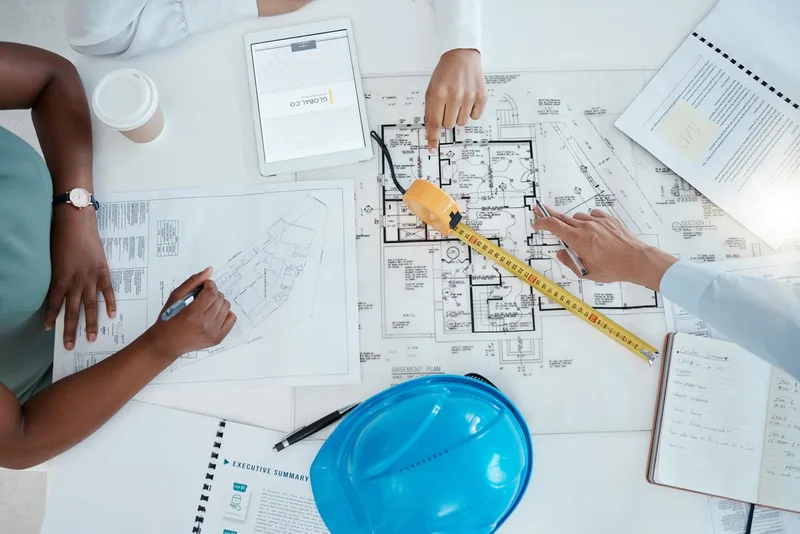
AV consulting from an audio visual consultant who joins at the architectural phase, designs the technology into the plan and steers the project around your business outcome.
AV Consulting in Salt Lake Cityarrow_forwardCommercial Sound Systems
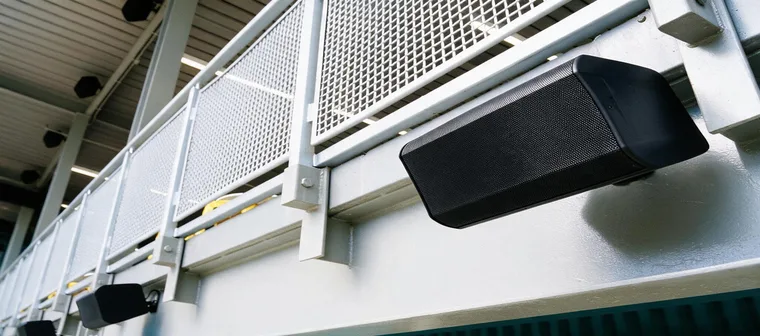
Commercial sound system design and installation: multi-zone audio engineered around how your space is used, wired and tuned on site, and supported as a partner.
Commercial Sound Systems in Salt Lake Cityarrow_forwardVideo Wall Solutions
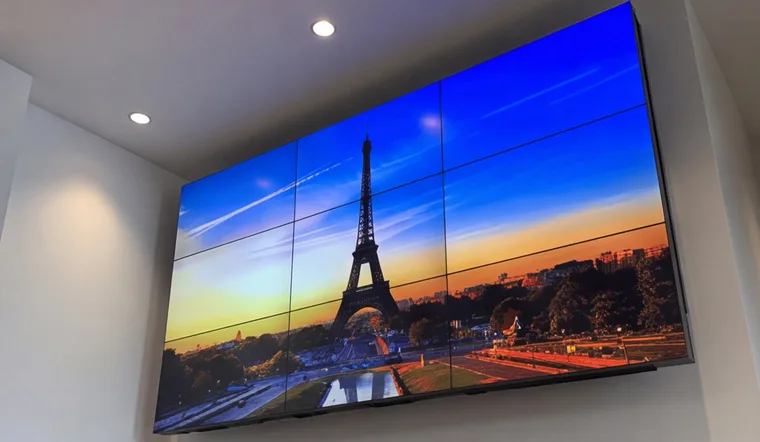
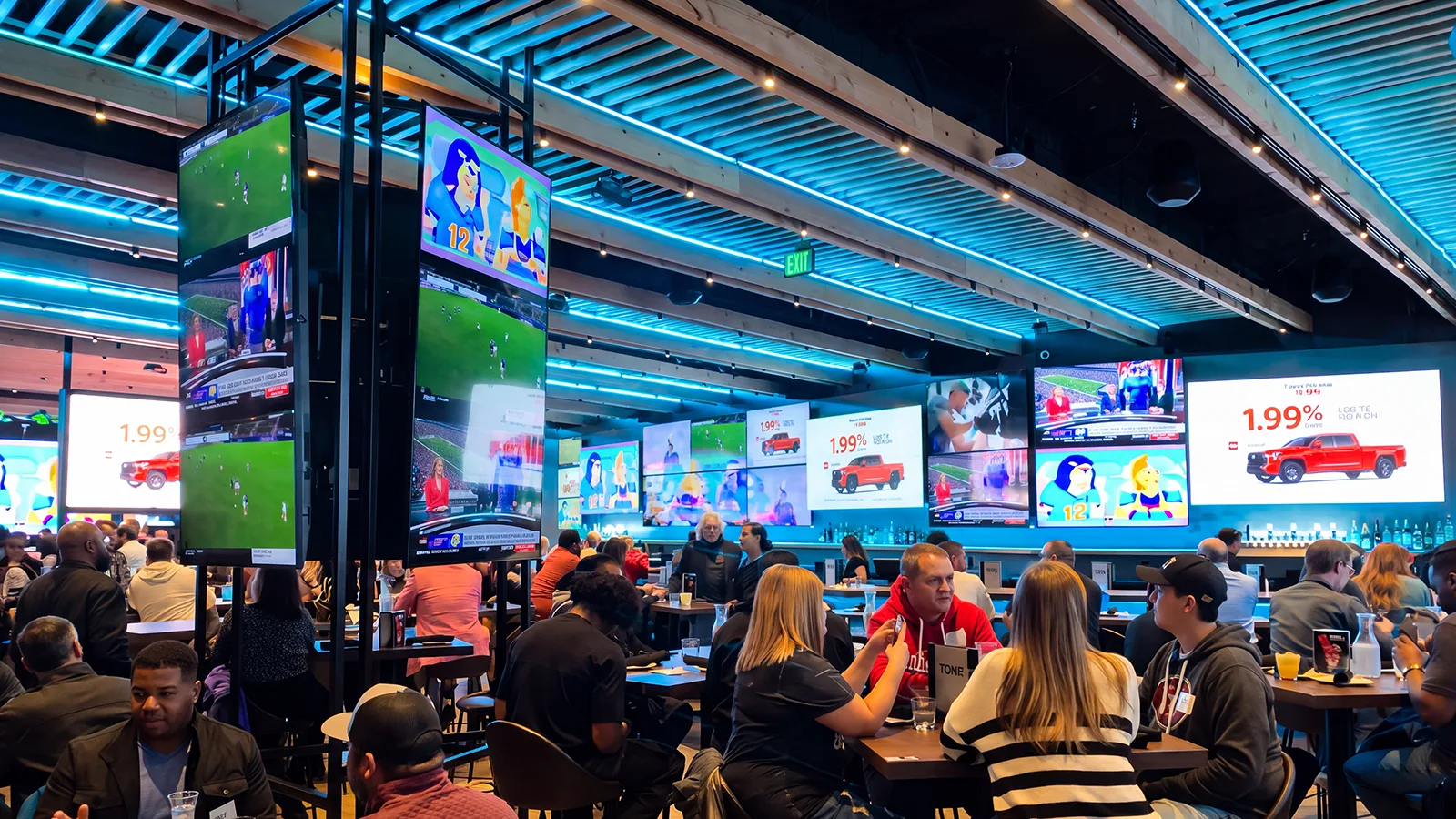
Commercial video walls across LED, LCD and Direct View. Designed, integrated, installed and supported by a national design-build AV integrator.
Video Wall Solutions in Salt Lake Cityarrow_forwardDigital Signage Services
Design-build digital signage for hospitality and enterprise: commercial displays, content management, and installation that keeps your screens selling and current.
Digital Signage Services in Salt Lake Cityarrow_forwardWho We Serve
Industries we serve in Salt Lake City
Spaces we've wired across Salt Lake City — each built and supported by the same local crew.
Commercial AV Along the Wasatch Front
Downtown and Sugar House, the valley suburbs, and the corridor cities north to Ogden and south through Lehi to Provo. One standard, permitted city by city.
For weeks each winter the valley traps fine particulates, and that air works into fans, filters, and connectors, so filtration gets specified like it matters, because here it does.
Outdoor mounts and enclosures carry serious snow and survive the crews clearing it, which rules out hardware that would live happily in Phoenix.
High-desert air drops hard after sunset year-round, and that constant cycling picks the seals and housings for anything living outside.
The valley floor sits above 4,200 feet, past some projector high-altitude thresholds, so cooling-dependent equipment gets its ratings checked at selection.
What we do here
Salt Lake AV Installation, Designed to Travel I-15
Four kinds of buyers drive our Wasatch Front work, and most of them will operate in more than one city on the strip before the decade's out.
Tech offices and Silicon Slopes
The tech corridor from downtown through Lehi buys conference rooms by the floor, and it buys them with strong opinions and existing standards. These teams arrive with a security posture, a preferred platform, and sometimes a hardware standard written at a headquarters in California, and the local rooms have to live inside all three. Fine by us. We work with your IT team early, size each room from its actual dimensions rather than the standard's assumptions, and flag where the inherited spec won't survive contact with a longer table or a glassier wall. Growth is the constant, since the company that leases one floor in Lehi is leasing three within two years, so the design that wins here is the one that repeats: identical control, identical behavior, documentation that lets room twelve go in as smoothly as room one.
Restaurants, bars, and social rooms
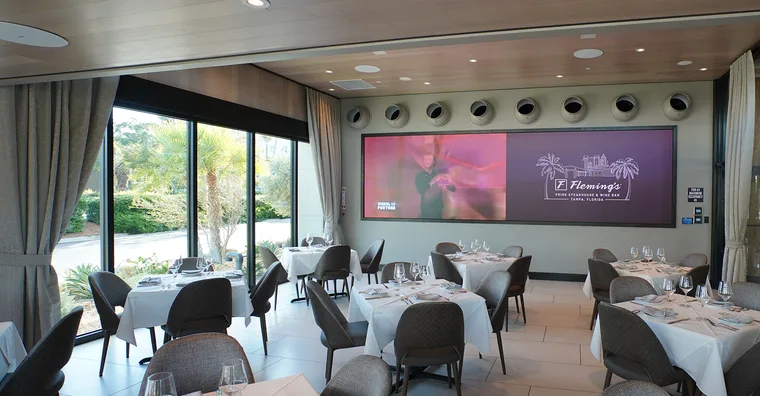
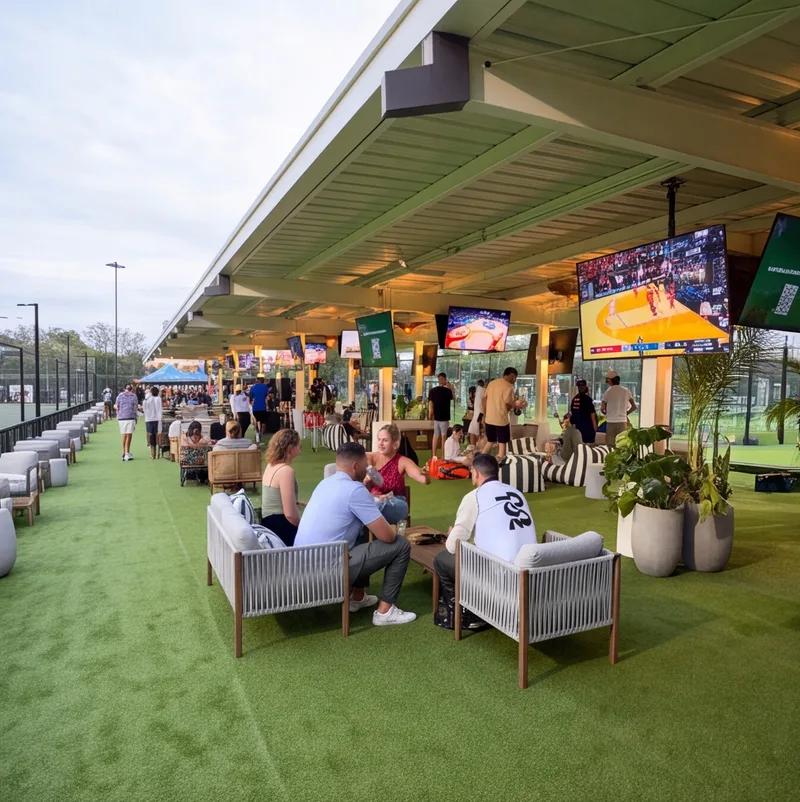
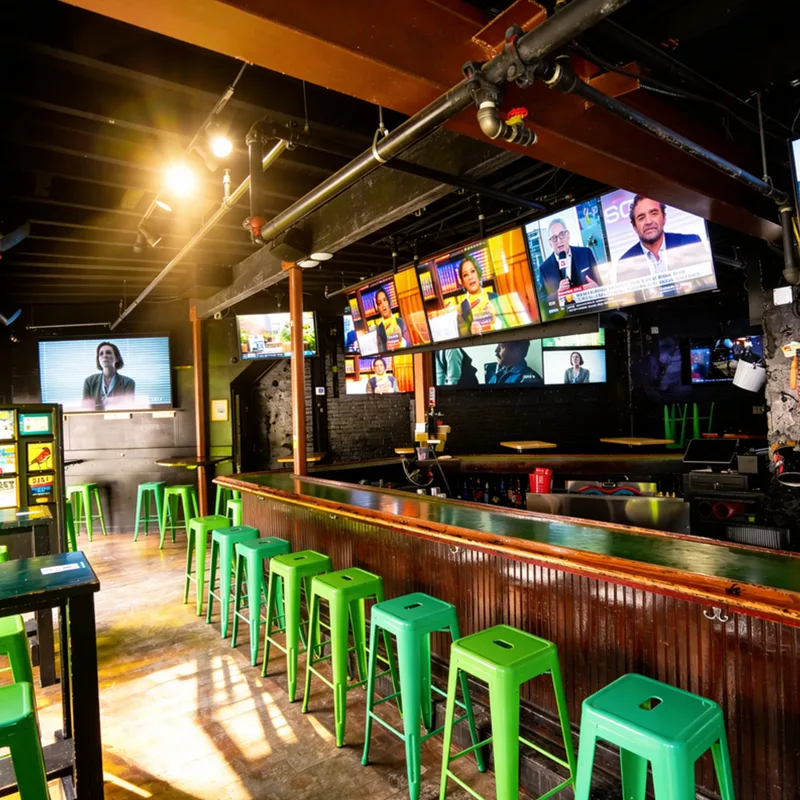
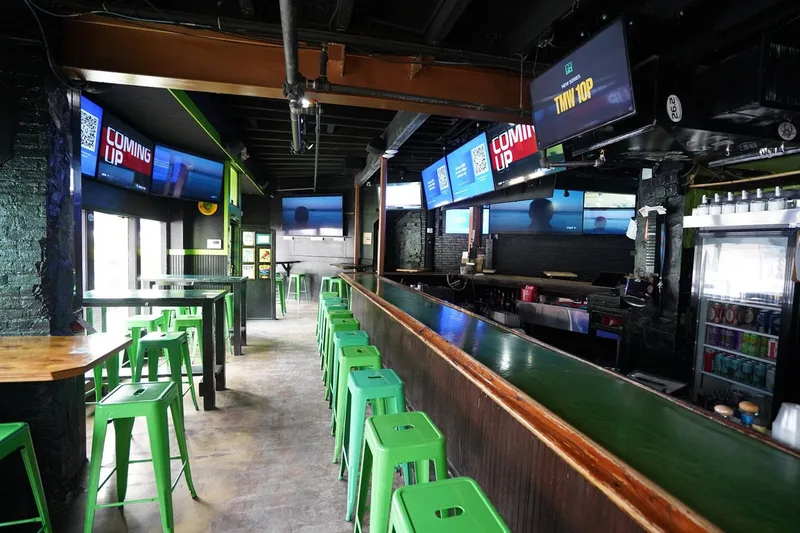
The Front's dining scene has grown up fast, and its rooms split between new-build shells and older brick downtown, two different design problems wearing one cuisine. New shells are the easy win when we're in early, since pathway and backing land in the framing for almost nothing. The brick rooms downtown and in Sugar House play by acoustic rules, hard surfaces everywhere, so coverage comes from more small speakers run gently and zones keep the bar's energy from flattening the dining room's conversation. Patios earn hard here from May through October and sit dead through inversion season, which argues for outdoor gear that shrugs off snow load and fine dust while it waits. One local pattern worth designing for: family dining runs big and early here, and rooms that seat large parties need coverage without volume.
Campuses and instructional space
Between the universities, the technical colleges, and the training operations inside the corridor's headquarters, instructional space is a steady share of Wasatch Front work, and the failure pattern is national: rooms specified by purchasing logic instead of teaching logic. Our rule in a classroom is that whoever walks in starts teaching without calling anyone, first time, every time, or the podium becomes furniture. Buildings of rooms behave as one system, hardware gets rated for all-day duty cycles rather than living-room hours, and lecture capture goes in as infrastructure where it's wanted rather than bolted on after. Public and institutional buyers along the Front often carry sourcing rules and documentation requirements, and we bid to the current version of those. Where a room needs to feed a stream, the outlet gets built in, and operating the stream stays with you.
Civic buildings and growing suburbs
Every city on the strip is building or renovating civic space to keep pace with its own growth, and council chambers, courtrooms, and public counters are speech rooms before they're anything else. A resident in the back row who can't follow the meeting is a failed room at any budget, so microphone strategy and feedback margin lead, and the controls get simple enough that whoever staffs the meeting runs the room without a technician. The suburbs themselves are the other client, since West Valley, Murray, Sandy, and the rest each permit independently and each is growing its own commercial core. We keep the approvals native to each city and the systems identical across them, which is exactly the combination a corridor operator needs and rarely gets.
We're downtown today but we'll probably be in Lehi next year. Should that change anything now?
It should change almost everything about how the first system gets designed, and it costs nothing extra to do it right. Corridor growth is the most predictable thing about this market, so the downtown install becomes the master: control layout, presets, naming rules, and training all built as a standard rather than a one-off, documented well enough that the Lehi build later is a deployment instead of a second design project. The hardware layer stays flexible since no two buildings on the strip sound alike, but the layer your people touch gets frozen early, and that's the part that makes a manager transferable and support predictable as you multiply. There's a permits half to this answer too, because Salt Lake City, Lehi, and everything between them review independently, and we handle that city by city as you grow. Crunchy Tech has been doing this since 2008, and designing the first room as if it's the tenth is the cheapest good decision a growing Utah company gets to make.
Half the results when we search here are home theater companies. Are you one of them?
No, and you've noticed something real about this market, since the Front's housing boom built a deep bench of residential installers and they rank well. The work is honestly different. A home system serves one family, a few hours a night, with an owner who learned its quirks personally. A commercial room serves rotating staff and the public all day, gets cleaned by people who never saw a manual, and eventually gets serviced by a technician who wasn't at the install, so everything we build assumes strangers: racks with every cable labeled at both ends, documentation that matches the wall, warranties rated for commercial duty cycles, and training designed to survive staff turnover. We only do the commercial side. If what you actually need is a media room in Holladay, a residential specialist will serve you better and we'll say so on the first call. If what you need is a restaurant, an office floor, a classroom building, or a council chamber that works every day for a decade, that's the entire business.
What do the inversions and the altitude actually do to equipment?
Two different things on two different schedules. The inversion is a particulate problem. For stretches of winter the valley seals itself under a lid and the air fills with fine haze, and that haze is airborne grit as far as electronics are concerned. It rides intake fans into racks, coats heat sinks, clogs filters, and shortens the life of anything breathing unfiltered air, so equipment rooms here get real filtration and a maintenance schedule that takes January seriously, and outdoor enclosures get sealing specified rather than assumed. The altitude is a cooling problem, quieter but permanent. At 4,200-plus feet, air carries away less heat, and some projectors and other cooling-dependent gear cross into their published high-altitude modes at this elevation, running fans harder and aging faster if nobody checked. So we check, at selection, and we leave more thermal headroom in racks than a sea-level design would bother with. Neither issue is exotic and neither is optional, and the difference between knowing and not knowing shows up in year three as a string of failures that look like bad luck.
How fast can you actually get to Ogden or Provo when something breaks?
Usually we don't have to, and that's by design rather than by luck. The systems get built for remote diagnosis first: monitoring that names the failed component instead of raising a vague alarm, network-reachable control and processing, and configurations kept identical across your sites so a fix proven at one location applies at the next. Around 47% of support tickets close in under an hour with nobody in a truck, and on a corridor this long that statistic is the support plan. When hands are genuinely required, the drive from our side of the valley to Ogden or Provo runs about an hour, and the documentation makes that hour count, since a technician walking in with as-built drawings and labeled racks fixes in one visit what an undocumented system stretches into three. The corridor's length is real, and pretending otherwise would be sales talk, so we'd rather engineer around it: remote-first systems, ruthless documentation, and honest scheduling for the work that truly needs a person standing in the room.
Operators who run on our systems
Client successes drive Crunchy Tech to become better. Below is how our customers feel about us.
You're a great partner with Florida Hospital and this project will make a difference in Children's Health.
Working with Crunchy Tech was a fantastic experience from start to finish. They handled the sale and installation of all our sound and TV equipment at The County Bar in Aviston, IL, and absolutely nailed it. We were on a very tight deadline, and they not only met it—they delivered top-notch quality and service the entire way. Highly professional, responsive, and easy to work with. We couldn't be happier with the results.
Crunchy's AV Services are outstanding. Staff members are experts, who really extend themselves to find the right technology for helping us reach our marketing goals in creative ways. The best thing about working with Crunchy is collaborating with the staff – they are patient, responsive, knowledgeable, and available.
Crunchy has been great to work with. They communicate well and deliver as promised.
The work Crunchy has been doing is a game changer for this industry.
Being able to reuse the existing structure created a much lower cost for the client and they were ecstatic.
Crunchy has done an amazing job on our A/V install. The sound is perfectly balanced throughout our many zones and the entire system is super simple to use.
Just do it. Spend the money. It’s well worth it. It’s not worth your time, hassle, energy, and stress of trying to make it look right and do it right when there’s somebody who has been doing it for years and has perfected the craft.
You're a great partner with Florida Hospital and this project will make a difference in Children's Health.
Working with Crunchy Tech was a fantastic experience from start to finish. They handled the sale and installation of all our sound and TV equipment at The County Bar in Aviston, IL, and absolutely nailed it. We were on a very tight deadline, and they not only met it—they delivered top-notch quality and service the entire way. Highly professional, responsive, and easy to work with. We couldn't be happier with the results.
Crunchy's AV Services are outstanding. Staff members are experts, who really extend themselves to find the right technology for helping us reach our marketing goals in creative ways. The best thing about working with Crunchy is collaborating with the staff – they are patient, responsive, knowledgeable, and available.
Crunchy has been great to work with. They communicate well and deliver as promised.
The work Crunchy has been doing is a game changer for this industry.
Being able to reuse the existing structure created a much lower cost for the client and they were ecstatic.
Crunchy has done an amazing job on our A/V install. The sound is perfectly balanced throughout our many zones and the entire system is super simple to use.
Insights
Design-Build AV Philosophy: How it Separates the Top 3% From the Rest of the Industry
We don’t sell you what we have. We design what you need. That line is the operating principle I’ve built Crunchy Tech around for the last 20 years. And it’s the single sentence that separates us - and the small handful of firms like us - from the other 97% of the commercial AV industry.
Read article arrow_forwardThe Spectacle Trap: Why Technology-Centric Hospitality AV Kills Brands
There’s a pattern I’ve watched play out for 20 years in hospitality AV, and it always ends the same way...
Read article arrow_forwardWhy AV Quotes Take Time (And Why That's a Good Thing)
"Where's my quote?"
Read article arrow_forwardLet's design the first room like it's the tenth
Tell us the address, what the space needs to do, and honestly, where the company expects to be on the corridor in three years. The consult covers the room in front of us and the standard behind it, includes a walk to check the building, the filtration reality, and which city actually reviews the parcel, and returns an engineered scope built to repeat up and down I-15.
- One standard from Ogden to Provo, with the permits native to every city on the strip.
- Commercial only, in a market where half the search results are home theater.
- Inversion filtration and altitude ratings checked at selection, not in year three.
- New construction caught early, while the infrastructure decisions still cost nothing.